
- When Rock Stars Score the Silver Screen: 9 Artists Who Created Full Movie Soundtrack Albums - March 11, 2026
- Music Was Born Here: 10 Legendary Genres and the Cities That Created Them - March 11, 2026
- From the Shadows to the Spotlight: 10 Famous Artists Who First Made Their Name as Producers - March 11, 2026
There’s something about forbidden fruit that makes people want to take a bite. When someone tells you that you absolutely cannot read something, your first instinct is to find out why. It’s hard to say for sure, but human nature seems wired for curiosity and defiance in equal measure. This holds especially true when it comes to book bans.
Throughout history, attempts to suppress literature have often created the exact opposite effect. The harder someone tries to hide a book, the more attention it receives. It’s a phenomenon that has only intensified in the modern age, where controversy spreads like wildfire across social media. Let’s dive into ten books that were meant to disappear quietly but instead became cultural touchstones precisely because someone tried to silence them.
Gender Queer by Maia Kobabe
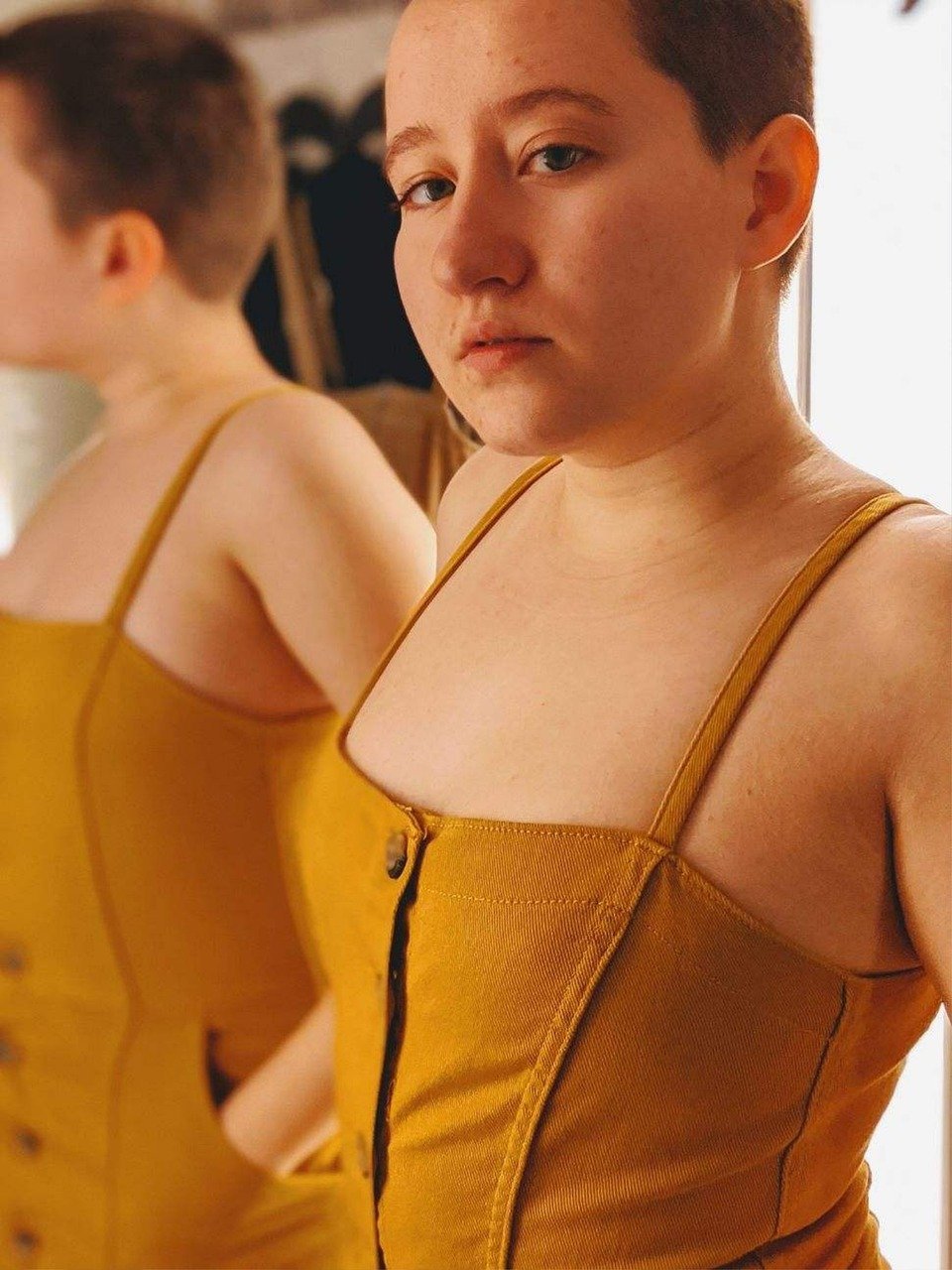
When Maia Kobabe’s graphic memoir was first published in 2019, it received nice reviews but stayed relatively under the radar for a couple of years. Nothing remarkable happened initially. Then the bans started, and the book’s career exploded, with Kobabe seeing a huge rise in sales. The book saw a 130 percent increase in U.S. print sales in May after it was heavily covered in the media.
This graphic novel explores the author’s journey as a nonbinary and asexual person. It became one of the most challenged books across multiple states. Honestly, without the nationwide attention from school board battles and heated media coverage, many readers would have never discovered this deeply personal memoir. The controversy turned it into a bestseller and cultural lightning rod, reaching audiences far beyond its original scope.
Maus by Art Spiegelman
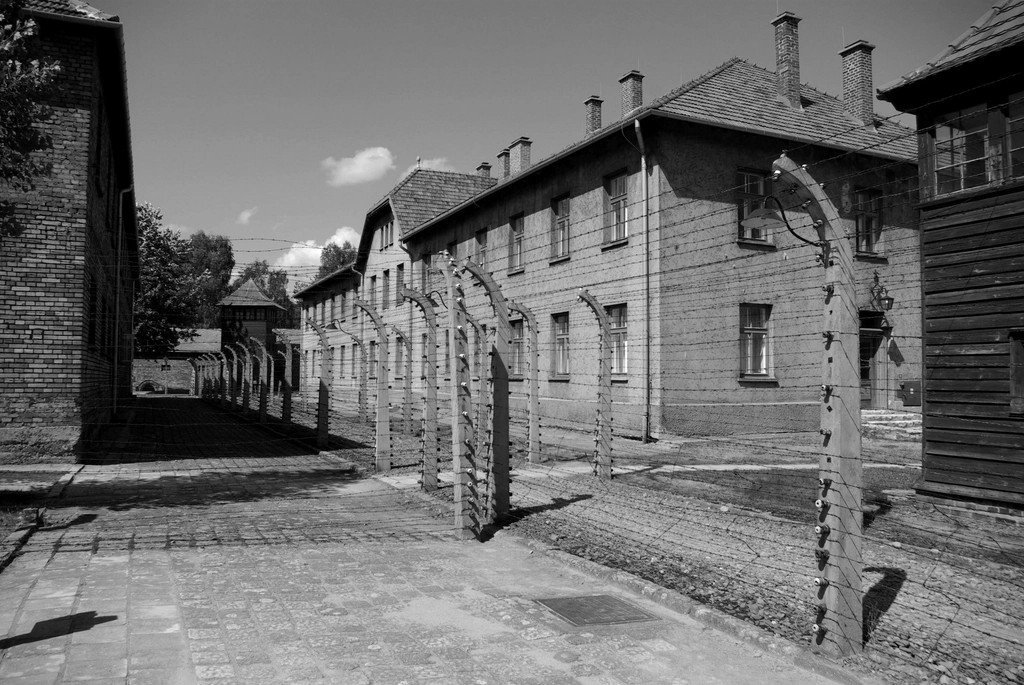
In January 2022, a Tennessee school board banned the title for ‘inappropriate words’ and a partially obscured image of a nude woman. The response was immediate and overwhelming. People who had never heard of this Pulitzer Prize-winning graphic novel about the Holocaust suddenly wanted to know what all the fuss was about.
Sales of Maus jumped 753% between the first week of January to the last, and it topped Amazon’s bestseller lists for weeks. Following publicity around the ban, sales spiked, becoming the number one best-seller on Amazon, and a bookstore in Tennessee offered to give a free copy to any student who requested one. The irony is almost painful. What was meant to protect students instead introduced the book to millions who might have otherwise never picked it up.
The Catcher in the Rye by J.D. Salinger
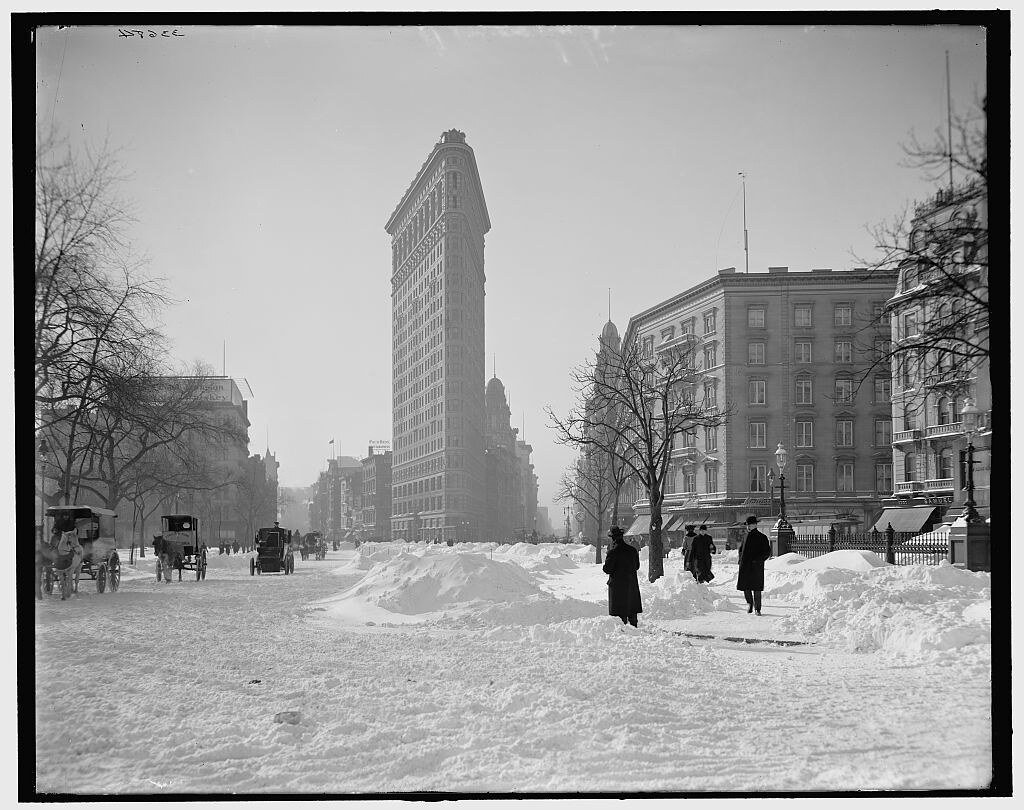
This classic has been challenged in schools for decades, primarily for profanity and themes involving sex and prostitution. Yet the more it’s been pulled from shelves and restricted, the more legendary its status has become. Banned in multiple schools and libraries for its explicit language and themes, it remains a bestselling classic.
Salinger’s novel has become synonymous with teenage angst and rebellion. The attempts to ban it have only cemented its reputation as the ultimate coming-of-age story. Each generation discovers Holden Caulfield, and each generation of censors tries to suppress it. The pattern repeats endlessly, with the book winning every time.
To Kill a Mockingbird by Harper Lee
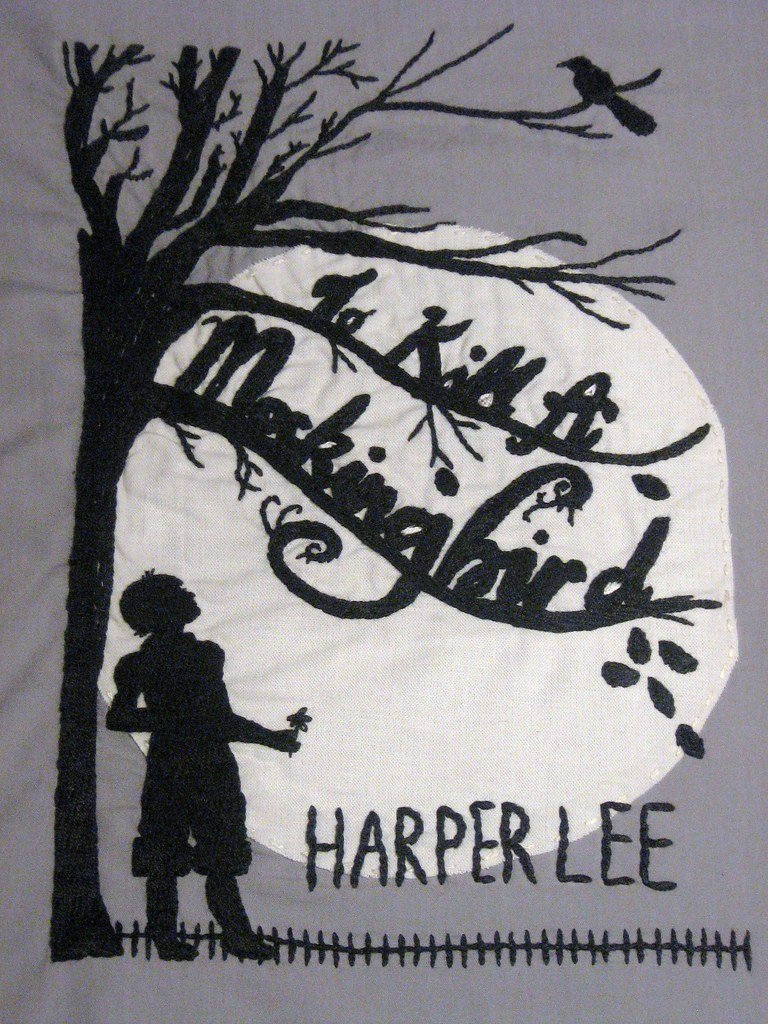
Harper Lee’s Pulitzer-winning masterpiece has been continuously challenged for its depictions of racial injustice and use of racial slurs. The novel has been both banned and adored for its portrayal of racial injustice in the American South, yet it remains a defining work on empathy, morality, and human decency.
Despite repeated attempts to remove it from required reading lists, the book remains a staple in American literature curricula. The ban efforts seem to miss the point entirely. The novel addresses racism head-on, using uncomfortable language to reflect the reality of its setting. Every challenge brings renewed discussion about why the book matters, keeping it firmly in the cultural conversation.
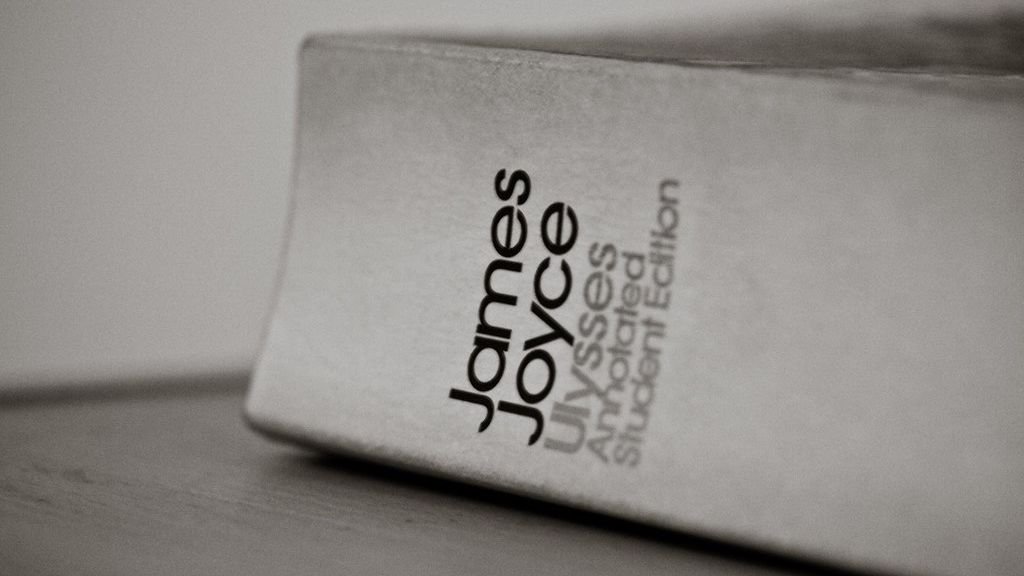
Ulysses by James Joyce
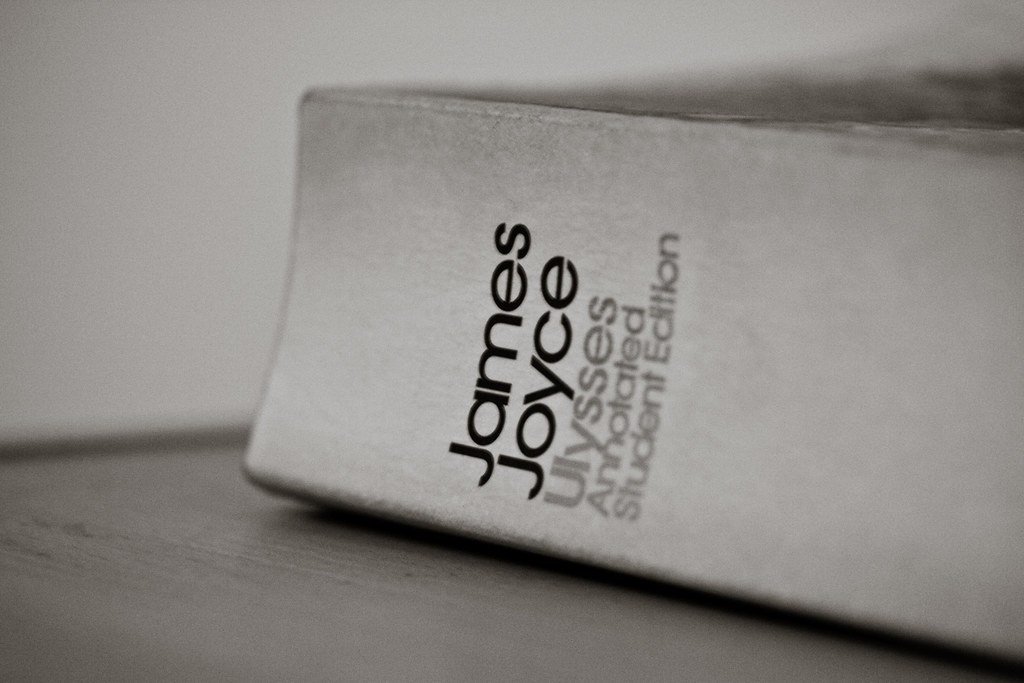
Banned in the United States and other countries for obscenity, Ulysses is now considered one of the greatest novels of the 20th century. When it was first published, the book faced legal battles and censorship on both sides of the Atlantic. People wanted to know what could possibly be so scandalous about a book that follows one day in Dublin.
The notoriety from its ban turned Joyce into a literary rebel and the book into a must-read for anyone interested in modernist literature. Today, it’s studied in universities worldwide and praised for its experimental narrative structure. The censors lost this battle spectacularly.
The Satanic Verses by Salman Rushdie
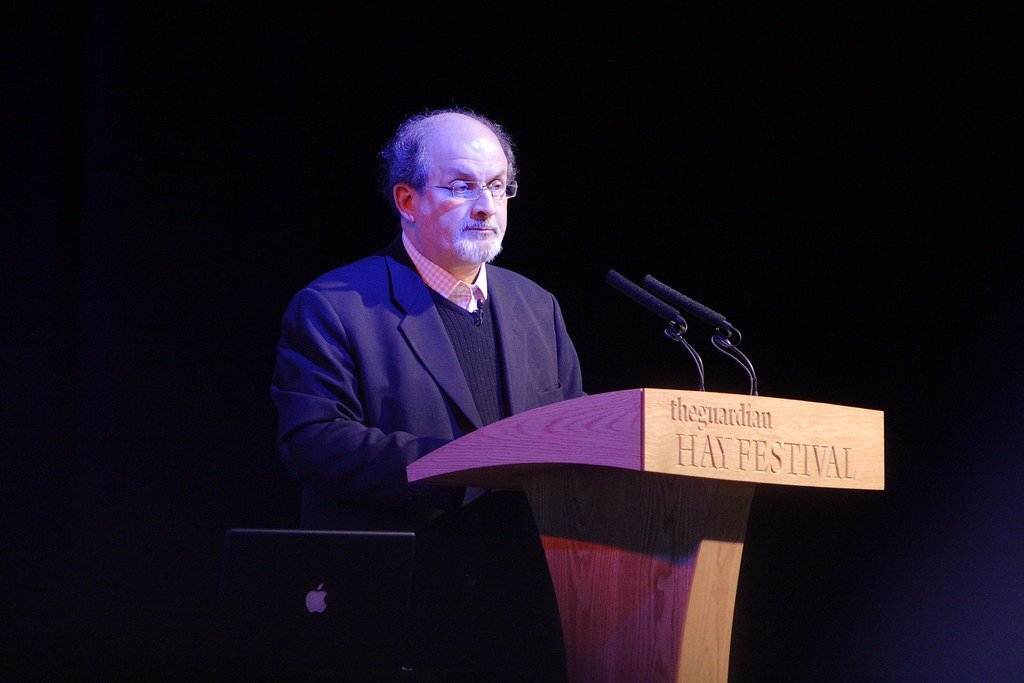
This novel drew scrutiny worldwide, particularly in Iran, where it faced criticism for its depictions of the Prophet Mohammad and Islam that some Muslims found blasphemous, forcing Rushdie into hiding after Iran’s supreme leader issued a fatwa against him. Some countries burned the book and refused to publish it.
The book returned to the bestseller lists following the attack on Rushdie at a literary festival in 2022. The attempts to suppress it only amplified its reach and significance as a symbol of free expression. What might have been one of Rushdie’s many acclaimed novels became instead his most famous work, precisely because people tried to silence it.
1984 by George Orwell
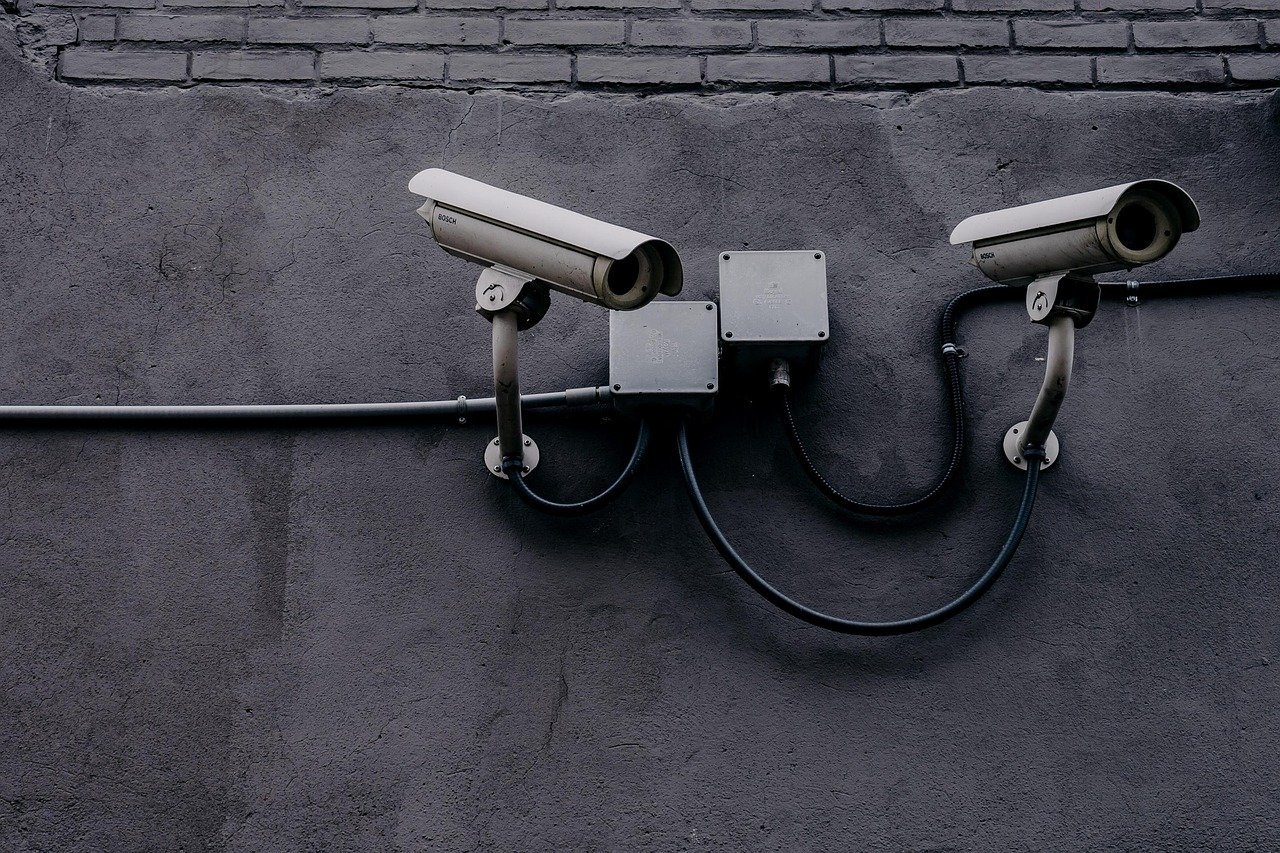
This dystopian novel faced bans for its political themes and criticism of totalitarianism. Let’s be real, banning a book about government surveillance and censorship is peak irony. The moment authorities tried to restrict access to Orwell’s cautionary tale, they proved exactly why people need to read it.
Every time there’s a new censorship controversy, sales of 1984 spike. It’s become shorthand for discussing government overreach and authoritarianism. The book’s popularity surges whenever political tensions rise or new surveillance technologies emerge. Censors inadvertently turned it into a perennial bestseller and cultural touchstone.
The Bluest Eye by Toni Morrison
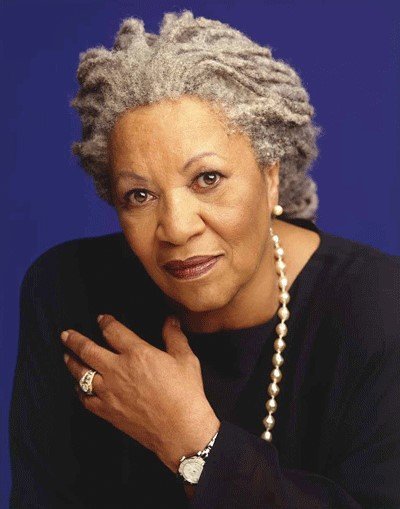
Toni Morrison’s first novel has faced repeated challenges and bans despite her Nobel Prize-winning career. The book was banned and challenged because it depicts child sexual abuse and was considered sexually explicit. Critics argue it’s too disturbing for students to read.
Yet each challenge brings renewed attention to Morrison’s unflinching examination of racism, beauty standards, and trauma in Black communities. The controversy has introduced the book to readers who might have overlooked it otherwise. It remains widely taught and discussed, with ban attempts serving as free publicity that drives more people to discover Morrison’s powerful prose.
The Prince by Niccolò Machiavelli
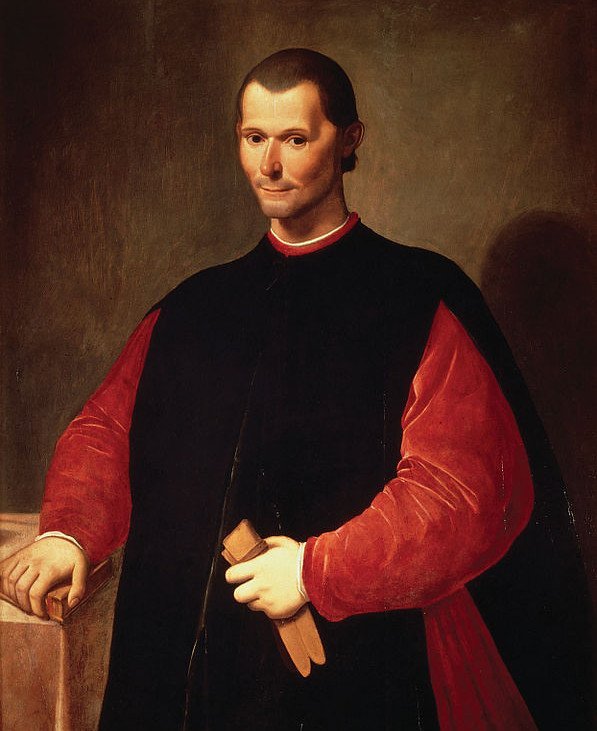
Once banned by the Catholic Church for being “immoral,” The Prince was considered a handbook for manipulation but today is studied worldwide as a cornerstone of political theory. Written in the 16th century, this political treatise was so controversial that religious authorities deemed it dangerous.
The ban only increased curiosity about Machiavelli’s ideas. His name became synonymous with cunning political strategy, and his work influenced leaders and thinkers for centuries. The Church’s attempt to suppress it failed completely, turning Machiavelli into one of history’s most influential political philosophers. His ideas shaped modern governance despite, or perhaps because of, the censorship.
All Boys Aren’t Blue by George M. Johnson
According to the American Library Association, it was the most challenged book of 2024. This memoir about growing up Black and queer has been targeted by organized groups pushing for its removal from school libraries. The pattern is familiar by now.
The controversy surrounding the book has made it more visible than ever before. Readers seeking authentic LGBTQ stories and discussions of race have flocked to it. Lesser-known authors whose titles have been placed on mega-ban lists stand to gain from the inadvertent publicity effect, as these bans, while intended to restrict access, have significantly boosted their readership. What was meant to silence Johnson’s voice amplified it instead.
Looking Back at the Pattern
A forthcoming paper for Marketing Science found a 12% rise in circulation for the top 25 most-banned books. The data is clear. Banned books were likely to have sold an additional 90 to 360 copies per month on Amazon alone, an effect corresponding to an average 41% improvement in sales rank following the book ban.
There’s a term for this phenomenon: the Streisand effect. It describes a situation where an attempt to hide, remove, or censor information results in the unintended consequence of increasing public awareness, named after Barbra Streisand’s attempt to suppress a photograph of her residence, which inadvertently drew widespread attention to the previously obscure photograph.
Social media has only intensified this dynamic. Twitter in particular played a key role in increasing the visibility of banned books, with books that were extensively tweeted about seeing an even larger rise in circulation. When a book gets challenged, the news spreads instantly across platforms. People who would never have heard about an obscure memoir or graphic novel suddenly feel compelled to read it.
It’s hard to say whether censors will ever learn this lesson. History suggests they won’t. The impulse to control what others read seems stronger than the evidence that bans backfire. Each new generation of would-be censors appears convinced that this time will be different. It never is.
What do you think happens when the next controversial book gets challenged? Will sales spike again, or are we finally reaching a saturation point? The cycle seems endless, and honestly, that might be the best outcome for readers everywhere.

Besides founding Festivaltopia, Luca is the co founder of trib, an art and fashion collectiv you find on several regional events and online. Also he is part of the management board at HORiZONTE, a group travel provider in Germany.
