
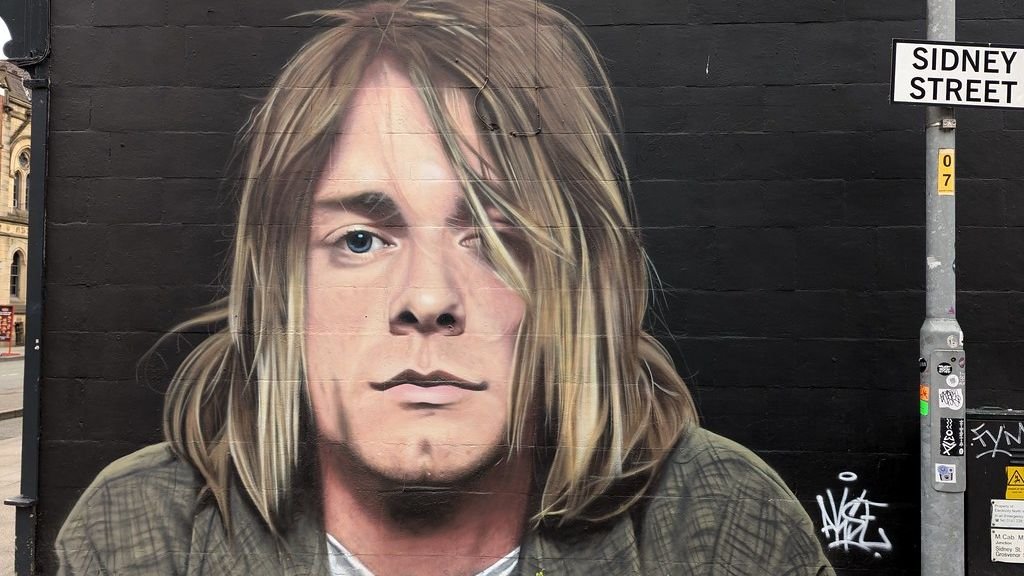

There’s something almost magical about a song that refuses to die. Most tracks enjoy their moment – a summer of heavy rotation, a chart peak, maybe a viral moment – and then slowly fade into background noise. But a rare few seem to defy the laws of musical gravity entirely. They don’t just survive their decade. They own it, shape it, and then somehow follow us into every decade after.
Think about the last time a song from thirty or forty years ago came on the radio, and the entire room stopped. That’s not nostalgia doing all the work. That’s something deeper, something almost impossible to engineer deliberately. Whether it’s pop, disco, grunge, rap, rock and roll, or heavy metal, certain tracks changed music history for good – and the defining measure of that is a combination of commercial success, cultural influence, and the ability to stand the test of time.
This list spans decades and genres, covering songs that didn’t just chart well but fundamentally rewired how people listened, felt, and expressed themselves. Some will be obvious. A couple might surprise you. Let’s dive in.
1. “Bohemian Rhapsody” – Queen (1975): The Song That Broke Every Rule
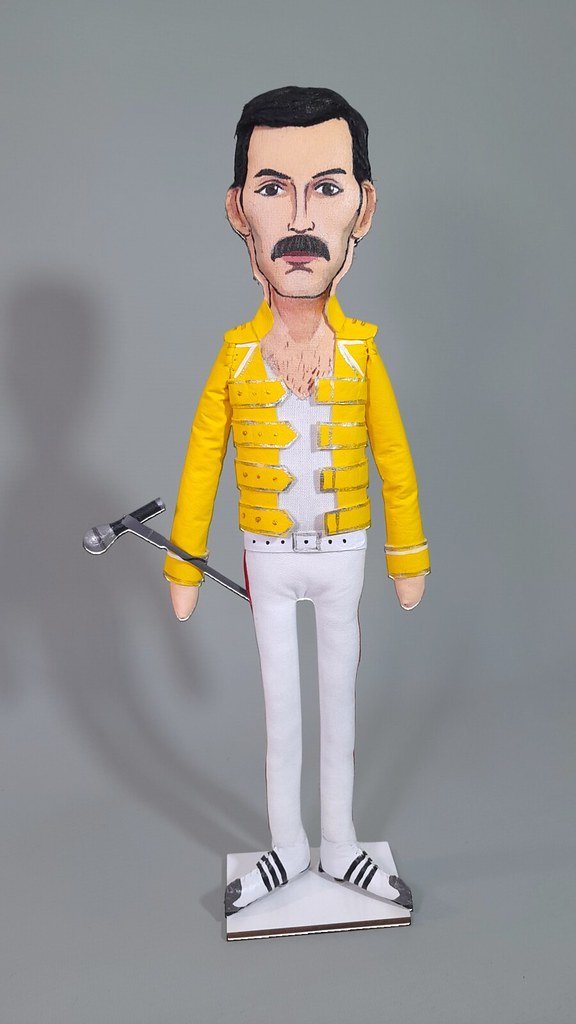
Here’s something that’s honestly still hard to believe in 2026: a record company nearly killed this song before it ever saw the light of day. The label’s manager at the time thought the song, at nearly six minutes, was far too long, and requested it be cut down. Before any edits could happen, DJ Kenny Everett played it in its entirety on Capital Radio in London, and record stores were immediately flooded with requests for the single.
This six-minute epic defied categorization, shattered conventional song structure, and cemented Queen’s place in rock and roll history. The song was ahead of its time and consisted of several distinct sections: an intro, a ballad part, an operatic passage, a hard rock segment and a coda. Nothing remotely like it had been heard before on mainstream radio. Freddie Mercury had reportedly been developing the concept since the late 1960s.
The song became the 1975 UK Christmas number one, holding the top position for nine weeks. It was the first song ever to get to number one in the UK twice with the same version, and also the only single to have been Christmas number one twice with the same version. In December 2018, it officially became the most-streamed song from the 20th century, surpassing Nirvana’s “Smells Like Teen Spirit” and Guns N’ Roses’ “Sweet Child o’ Mine,” and also became the most-streamed classic rock song of all time. Fifty years on, it still sounds like nothing else in existence.
2. “Billie Jean” – Michael Jackson (1983): The Song That Rewrote Pop Culture
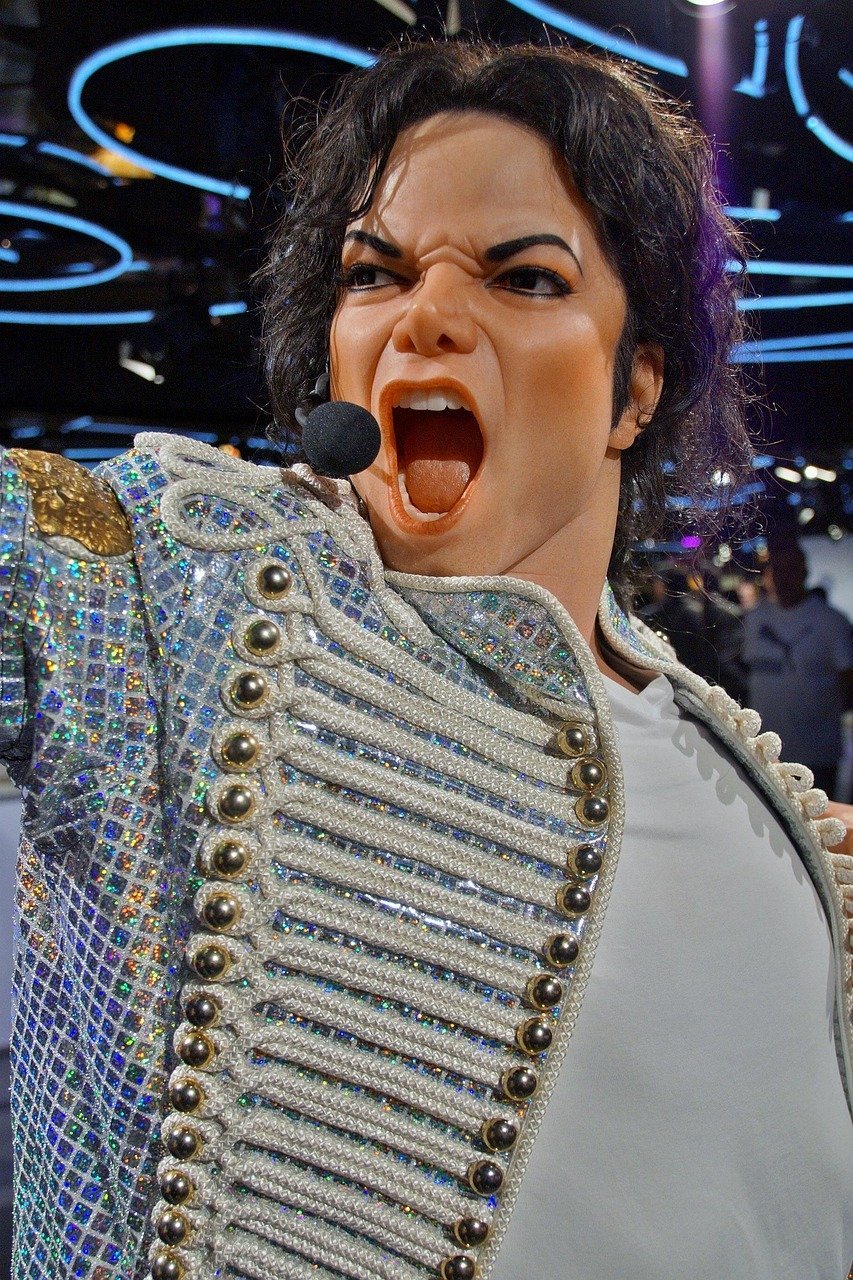
Michael Jackson’s “Billie Jean” became a landmark of the MTV era. His 1983 performance of the song on Motown 25 introduced the moonwalk to millions of viewers and cemented its place in pop culture. That single television moment was arguably as significant as the song itself – a merger of music and movement that nobody had ever witnessed at that scale.
Michael Jackson was the first Black artist to get regular airplay on MTV, and this song’s choreography-filled video was one of the most played. With an unpaid Eddie Van Halen on guitar – wait, that was “Beat It” – “Billie Jean” carried unrivalled charisma and attitude, dancing its way to the top of music charts worldwide. Honestly, “Billie Jean” didn’t just define the 1980s. It defined what it meant to be a pop star, full stop. You can’t have any list about the ’80s without a Michael Jackson song, and this second single off the biggest album of all time, Thriller, spent seven weeks on top of the charts.
3. “Like a Prayer” – Madonna (1989): Controversy as Cultural Currency
Let’s be real: no artist in the 1980s understood the relationship between music and controversy quite like Madonna. “Like a Prayer” arrived in 1989 like a cultural thunderbolt, mixing gospel choirs, burning crosses in the music video, and an undeniable pop hook into something that felt genuinely dangerous to large parts of the establishment. David Bowie’s “Let’s Dance,” Madonna’s “Like a Prayer,” and Whitney Houston’s “I Wanna Dance with Somebody” all became major chart successes during the decade, but “Like a Prayer” felt like it was operating on a different frequency entirely.
As the first single off her sophomore effort, “Like a Virgin” was the record that propelled Madonna into the public eye – and based on her performance at the first MTV Music Video Awards in 1984, she was clearly as excited by her own music as the rest of the world was. By the time “Like a Prayer” dropped at the end of that decade, she had transformed from pop newcomer into a genuine cultural institution. Many of these songs later found new audiences through films, television and social media, showing how the 1980s blended emerging technology with traditional songwriting in ways that still influence pop music today.
4. “Smells Like Teen Spirit” – Nirvana (1991): The Anthem That Nobody Saw Coming
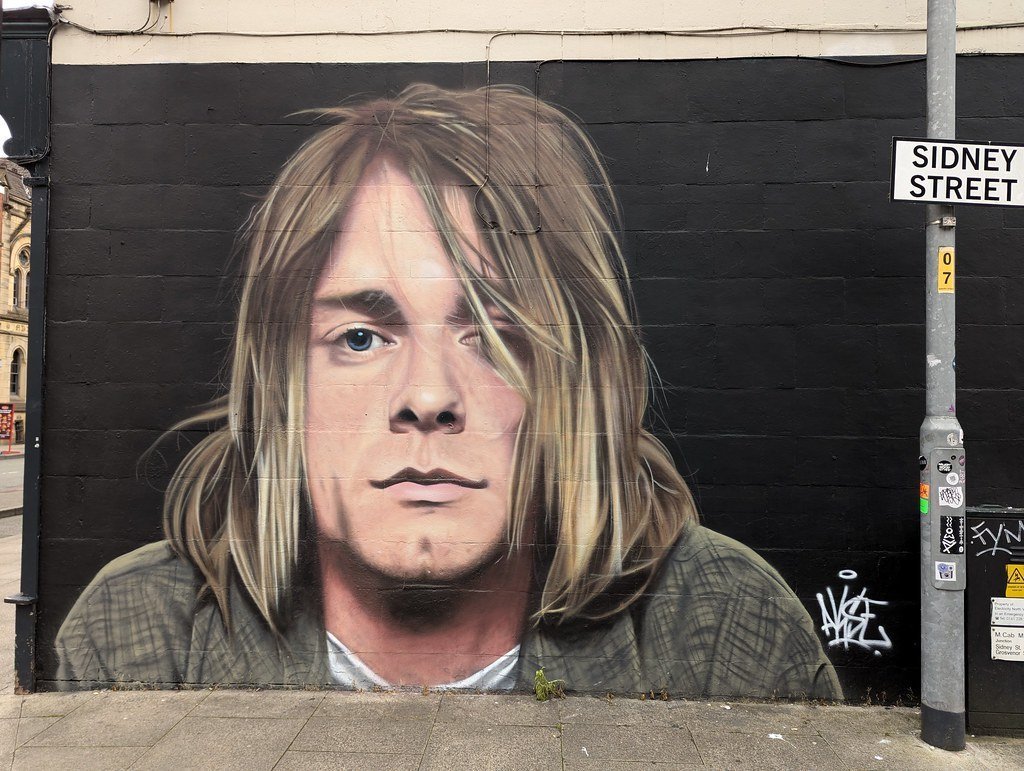
Nobody predicted this one. Not the band. Not their management. Not the label. In the pantheon of rock music, few songs have achieved the cultural ubiquity and enduring legacy of Nirvana’s “Smells Like Teen Spirit.” Released in 1991 as the lead single from their second album, Nevermind, this anthem of a disaffected generation catapulted the band and its frontman Kurt Cobain into the stratosphere of musical legend.
The song quickly gained heavy rotation on MTV, and the accompanying music video, featuring a chaotic high school pep rally, became iconic. The success of “Smells Like Teen Spirit” propelled Nevermind to the top of the charts, dethroning Michael Jackson’s “Dangerous” and signalling the mainstream acceptance of alternative rock. That detail alone – knocking Michael Jackson off the top of the Billboard chart – tells you everything about the seismic shift the song represented. According to Nielsen Music’s year-end report for 2019, “Smells Like Teen Spirit” was the most-played song of the decade on mainstream rock radio with over 145,000 spins. The song reached one billion YouTube views by December 2019, and two billion by June 2025.
5. “I Will Always Love You” – Whitney Houston (1992): A Voice That Stopped Time
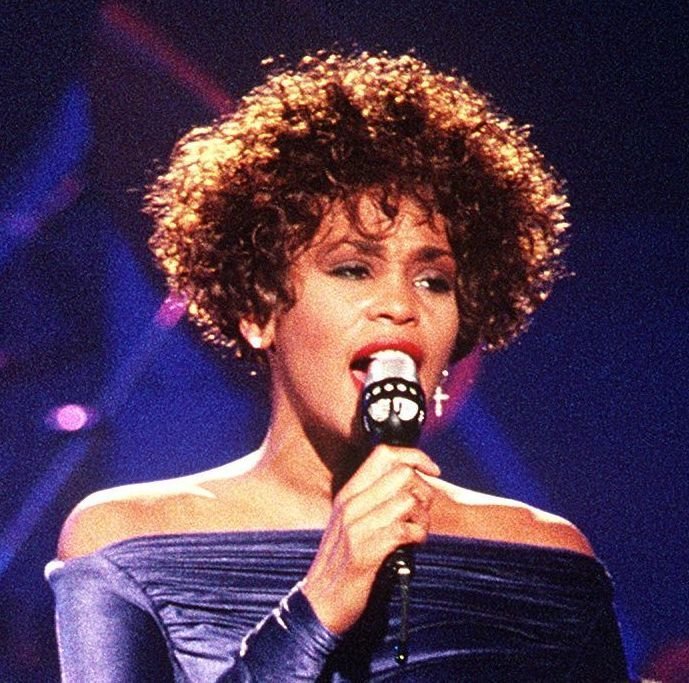
It’s hard to say for sure what separates a great vocal performance from a truly historic one, but most people who heard Whitney Houston’s rendition of this song for the first time know exactly what the difference feels like. Remember how huge this Whitney Houston song was? Fourteen weeks at number one, part of a hit movie (The Bodyguard), with everyone trying to mimic Whitney’s high note. It was originally recorded by Dolly Parton in 1973, but Whitney’s version would win Record of the Year at the Grammys.
Whitney Houston’s “I Will Always Love You” became the decade’s best-selling single. Think about that for a moment – a decade that included Nirvana, TLC, Tupac, the Backstreet Boys, and the entire rise of alternative rock, and a soaring ballad from a film soundtrack still reigned supreme in terms of sheer sales. It’s the kind of fact that’s simultaneously obvious and astonishing. The song remains a fixture on radio playlists worldwide and has become the ultimate benchmark for vocal ambition across generations of aspiring singers.
6. “Lose Yourself” – Eminem (2002): Hip-Hop’s Most Galvanizing Moment
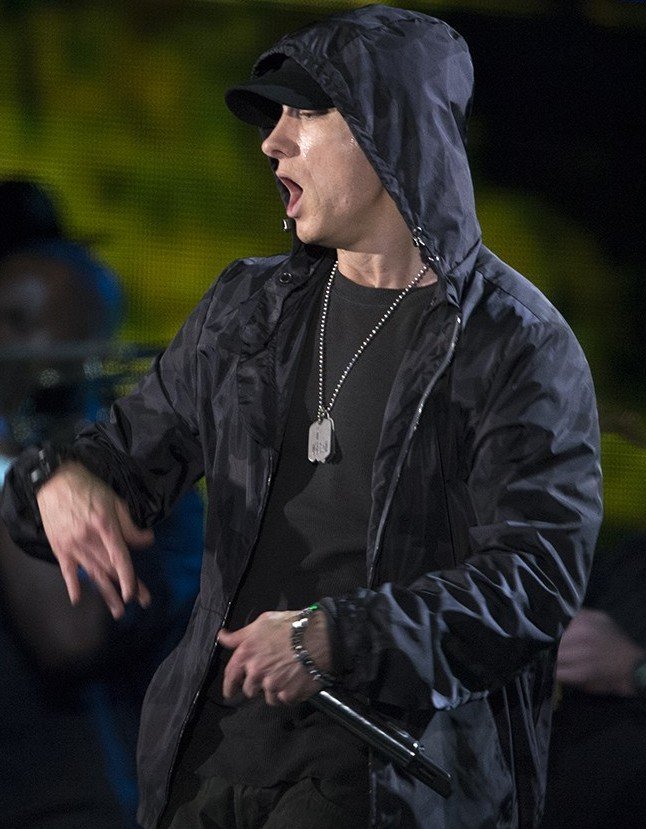
As the ultimate decade-definer of the 2000s, “Lose Yourself” opens with immediate purpose. Written during filming breaks on the set of 8 Mile, this is Eminem at the peak of his powers. The record draws on past experience and speaks to the listener like little had before it. It’s motivational without being saccharine. It’s raw without being inaccessible. That balance is almost impossible to strike, and Eminem hit it perfectly.
Eminem’s “Lose Yourself” is an intense, motivational anthem. Its powerful lyrics and driving beat made it a cultural touchstone that transcended the boundaries of hip-hop. The song won the Academy Award for Best Original Song, making Eminem the first hip-hop artist to achieve that distinction. It remains to this day one of the most recognizable opening bars in any genre, the kind of intro that makes people instinctively reach for the volume dial and turn it up. Two decades on, it still sounds urgent and alive.
7. “Hey Jude” – The Beatles (1968): A Singalong That Conquered Generations
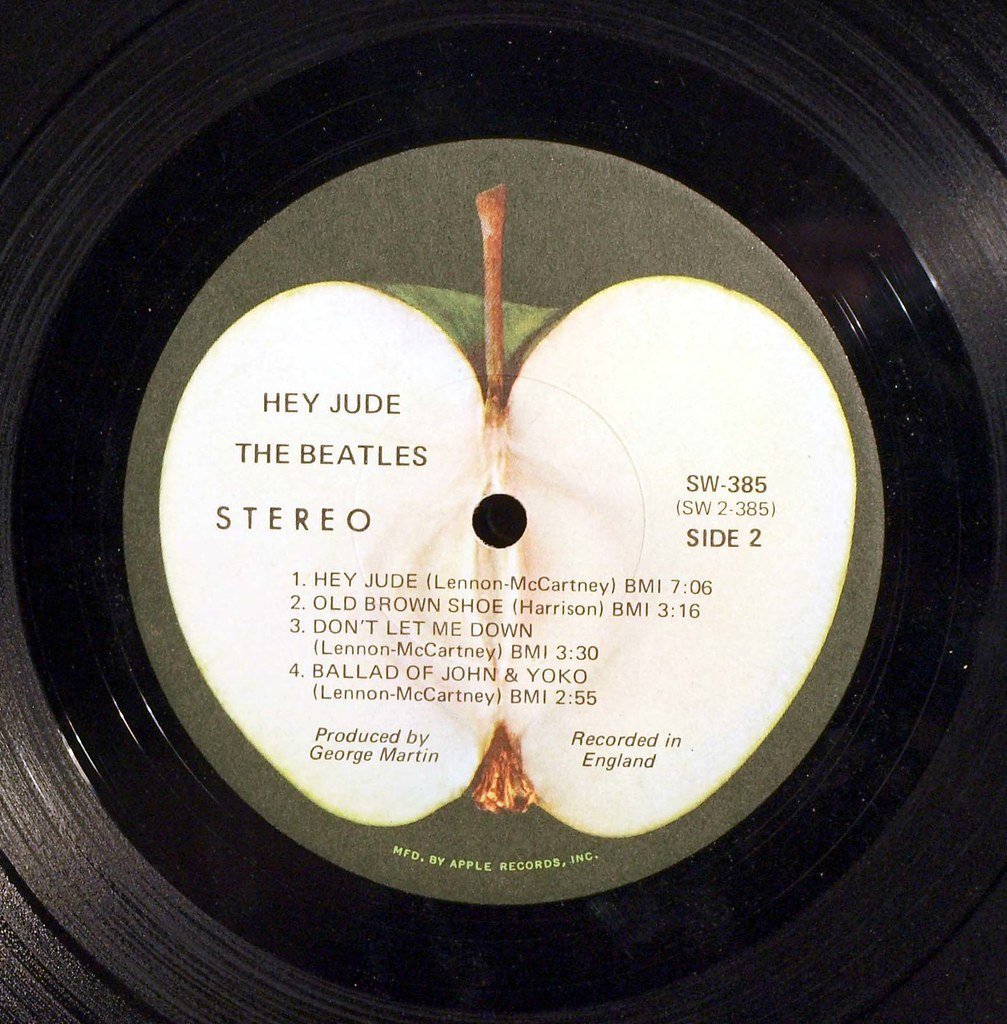
There are songs you hear, and then there are songs you feel in your chest. “Hey Jude” belongs firmly in the second category. A song by Paul McCartney and the first one ever released on Apple Records, “Hey Jude” was the Beatles’ longest single at over seven minutes and one of the first mainstream long songs to get significant airplay, at a time when radio stations generally preferred much shorter tracks.
The Beatles’ “Hey Jude” is a genuine singalong anthem with a powerful extended chorus. Its uplifting message and memorable melody have made it a favorite across every conceivable context, from stadiums to living rooms. McCartney reportedly wrote the song in 1968 to comfort John Lennon’s son Julian during his parents’ divorce. A private act of compassion, transformed into one of the most universally shared musical experiences of the 20th century. By setting the sixties trend, The Beatles shaped modern music for decades to come. That much is undeniable.
8. “Dancing Queen” – ABBA (1976): Disco’s Most Joyful Endurance Test
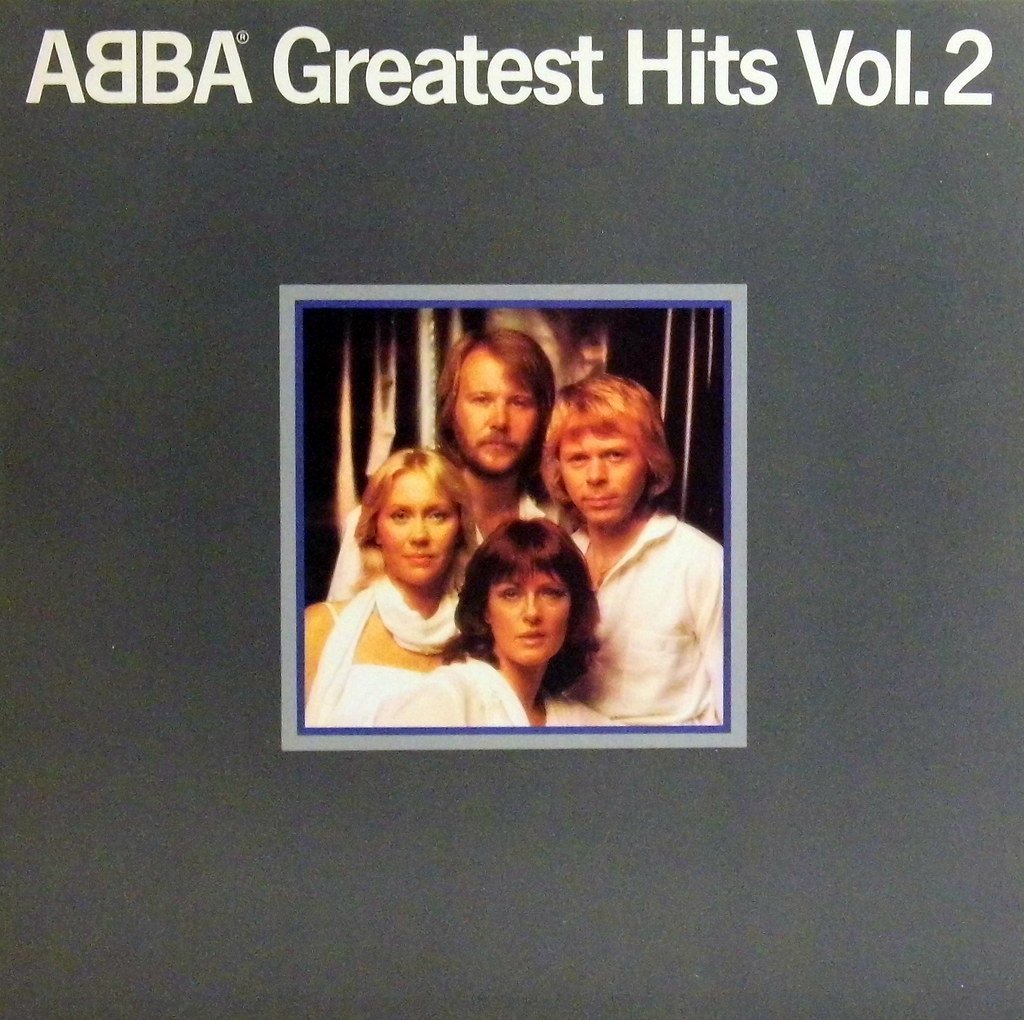
Some songs age. Dancing Queen simply does not. It arrived in 1976 as the lead single from ABBA’s Arrival album, hit number one in well over a dozen countries, and became a cornerstone of the decade’s disco movement. The combination of pure melodic craftsmanship and emotional directness gave it an almost universal appeal that no amount of musical fashion shifts has ever been able to diminish.
What’s remarkable is how the song keeps finding new audiences. Dancing Queen has become a universal wedding and party staple, but it’s also been embraced by the LGBTQ community as an anthem, gained a massive new generation of fans through the Mamma Mia stage musical and film adaptations, and continues to receive consistent radio airplay nearly five decades after its release. I think what makes it genuinely special is that it doesn’t ask anything of you. It just invites you in. You either surrender to it or you don’t, and most people surrender almost immediately.
9. “Rolling in the Deep” – Adele (2010): Soul Music for the Streaming Age
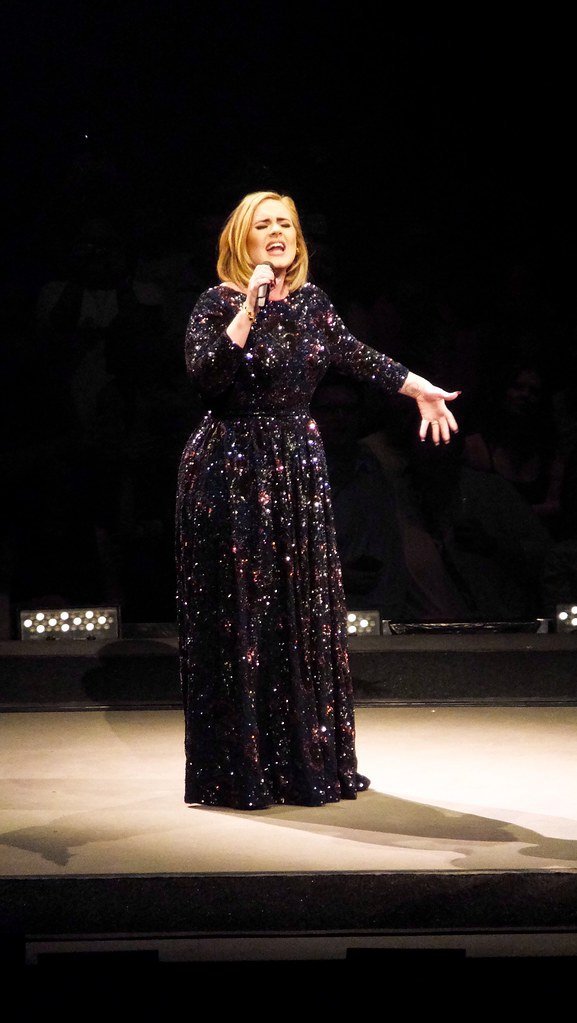
When Adele released this track in late 2010, the music industry was in genuine crisis. Streaming was still finding its footing. Album sales had collapsed. And then this track arrived like a freight train. Much like an unexpected smash sophomore album from a U.K. soul singer, Adele’s 21 became the game-changing, trend-defying smash hit nobody saw coming. That storm was preceded by a lightning bolt of a lead single written in a single afternoon – a strummy soul stomper that served as a tell-off anthem to a former lover, both empowering and fragile at the same time.
It was Adele’s first number-one song in the United States, reaching the top spot on many Billboard charts, including the Hot 100 where it was number one for seven weeks. In 2019, Rolling Stone, Consequence of Sound, and Pitchfork all ranked the song among the best of the 2010s. Time named it one of the 10 best songs of the decade, and Billboard chose it as one of the 100 “Songs That Defined the Decade.” Its blend of soul, pop, and gospel influences secured its place as a defining track of the decade, continuing to resonate with listeners today.
10. “Billie Eilish – Bad Guy” (2019): Gen Z’s Declaration of Arrival

Ending this list with a song that barely had time to breathe before it became a cultural monument might seem bold, but “bad guy” by Billie Eilish represents something genuinely new and important. Released in 2019 when Eilish was just 17 years old, the track stripped pop music down to its skeleton – whispering vocals, jarring bass, and an almost confrontational minimalism – and somehow made it feel more massive than records with ten times the production budget.
The song became one of the defining tracks of the late 2010s, ending the record-breaking 19-week chart run of Lil Nas X’s “Old Town Road” on the Billboard Hot 100. It won Record of the Year and Song of the Year at the 2020 Grammy Awards, making Eilish the youngest artist to win in those categories. If there’s anything that defines music in the 21st century, it’s constant change. We live in an era when your next favorite song could come from anywhere – all over the stylistic map, all over the world. The whole experience of being a music fan keeps mutating all of the time. “Bad guy” is living proof of exactly that. Five years after its release, it still sounds genuinely ahead of its time.
The Lasting Power of Songs That Actually Mean Something
What do all ten of these tracks share, beneath their surface differences? They arrived at exactly the right moment for exactly the right reasons. The question of what makes songs iconic has a deceptively simple answer: these are songs that were popular at the time and defined the mood of their era. That’s it. They didn’t define an era accidentally. They absorbed the energy, the anxiety, the joy, and the restlessness of their moment and reflected it back at an entire generation.
The lasting impact of decade-defining music is profound. The diverse sounds from grunge to pop to hip-hop continue to influence artists and inspire listeners today. Many of the era’s iconic songs are still played on the radio, streamed online, and featured in movies and television shows. There’s something both humbling and thrilling about that. A song written in a studio decades ago can still make a stranger across the world feel genuinely understood.
Honestly, we tend to underestimate what music actually does to us. It’s not just entertainment. The music of iconic decades was more than just entertainment – it was a cultural force. These ten songs prove that beyond any reasonable doubt. Some of them were dismissed, nearly shelved, or considered too unconventional. They survived anyway, because real connection is impossible to argue with.
Which of these songs hit differently for you than the others? Drop it in the comments – because music this good deserves a conversation.

Besides founding Festivaltopia, Luca is the co founder of trib, an art and fashion collectiv you find on several regional events and online. Also he is part of the management board at HORiZONTE, a group travel provider in Germany.
