

For any feedback please reach out to info@festivalinside.com
- 12 Gardening Tricks That Make Your Plants Grow Faster and Fuller - March 29, 2026
- 10 Authors Who Predicted the Future in Their Writing - March 29, 2026
- 10 Historical Battles Hollywood Got Completely Wrong - March 28, 2026
There is something almost unsettling about cracking open a book written a century ago and finding a mirror of today staring back at you. Science fiction authors and, by extension, their work are often ahead of their time. Intentional or not, when satirizing or commenting on their society, sci-fi books often make eerily accurate predictions about technological advancements and societal changes that have since become a reality. Think about that for a moment. A novelist sitting at a wooden desk in the 1800s, imagining submarines, atomic bombs, and global communication networks, before electricity was even widespread.
Many futurists, scientists, and inventors have been inspired by the imagination and anticipation of the future inherent to science fiction novels. From the internet to iPads to smart machines, some of the world’s greatest advances in technology were once fictional speculation. The line between wild fantasy and cold reality has always been thinner than we think. So let’s dive into the ten writers who saw it coming before anyone else did.
1. Jules Verne: The Original Futurist
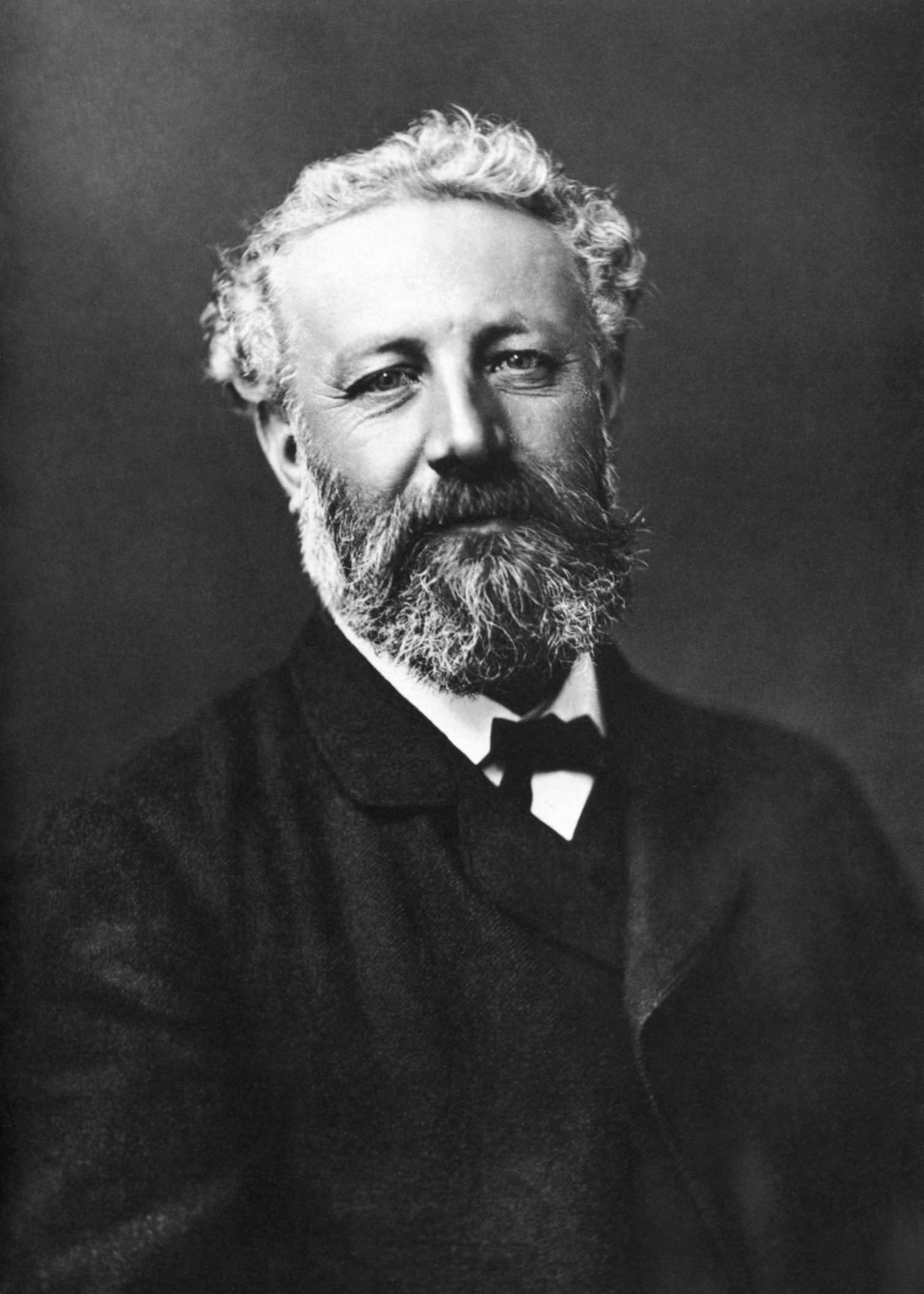
If any single author deserves the title of time traveler of literature, it is Jules Verne. He lived in the era of steam ships and telegraphs, but was able to imagine technologies that wouldn’t be invented for over a century. His method was not magic, it was obsessive research. More of a futurist than a prophet, some describe Jules Verne as someone who was paying great attention to the times rather than simply outright prophesying. Verne was well acquainted with the technology of the time and played with ideas of how those technologies could evolve.
His novels didn’t just entertain; they foresaw electric submarines, space travel, video calls, and global media long before these ideas entered public consciousness. Through visionary novels like Twenty Thousand Leagues Under the Sea, From the Earth to the Moon, and Journey to the Center of the Earth, Verne anticipated many of the tools, systems, and scientific breakthroughs we take for granted today. His spacecraft in From the Earth to the Moon was named Columbia, eerily similar to the Apollo XI command module, and Verne even got the physics right: the speed needed to escape Earth’s gravity, the ballistics of the trajectory, and the ideal launch location, which he placed just 100 kilometers from where Cape Canaveral would later be built.
The book with the largest number of accurate predictions might be Jules Verne’s Paris in the Twentieth Century. Verne, the author of Journey to the Center of the Earth and Twenty Thousand Leagues Under the Sea, is one of the most influential sci-fi writers of all time. Paris in the Twentieth Century proved to be particularly prophetic. In a single narrative, written during the 1860s, Verne mentions gasoline-powered vehicles, weapons of mass destruction, global warming, and changing gender norms. That’s a remarkable checklist for a novel written before most people had ever seen a motor vehicle.
2. George Orwell: The Prophet of Total Control
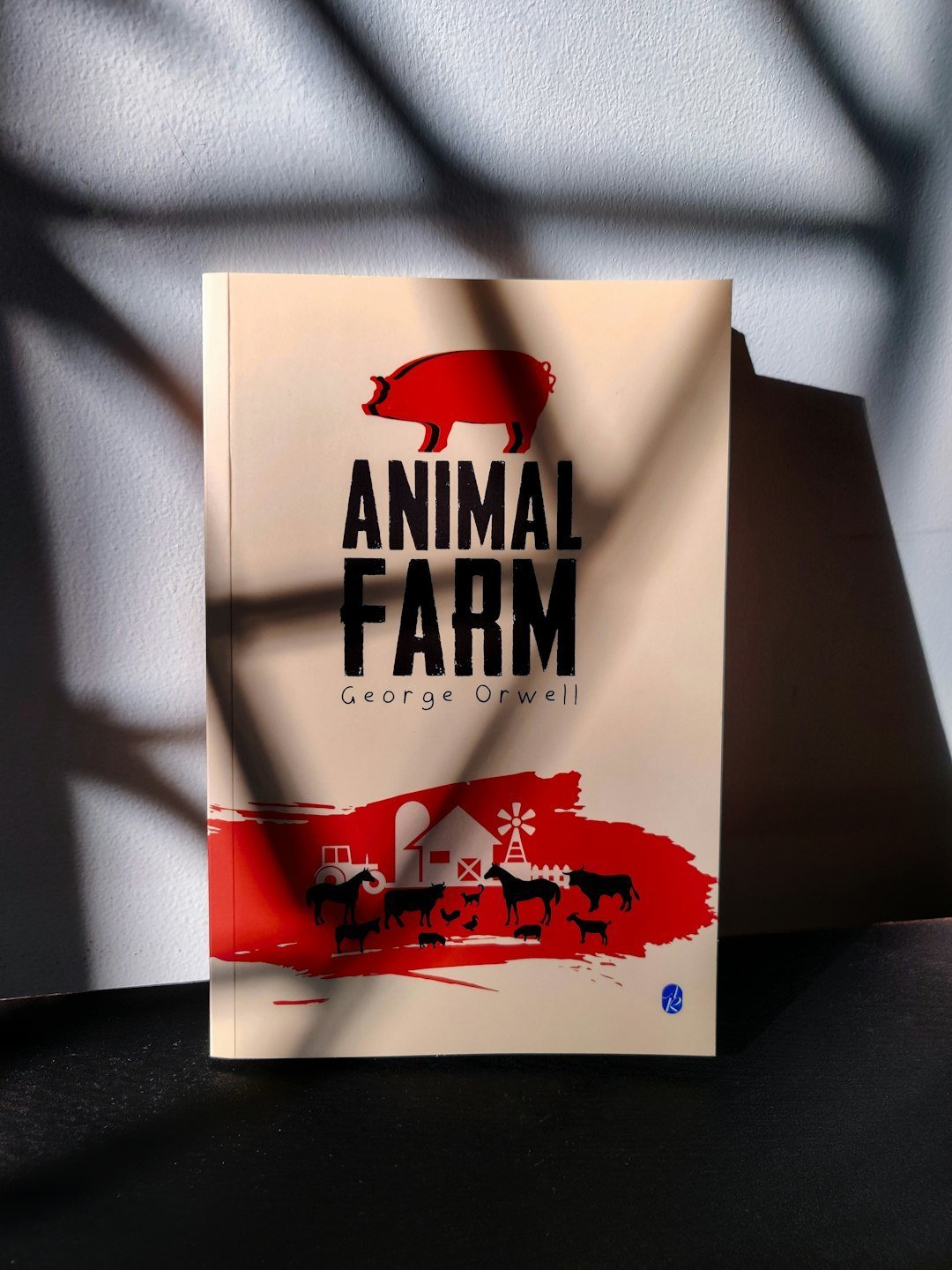
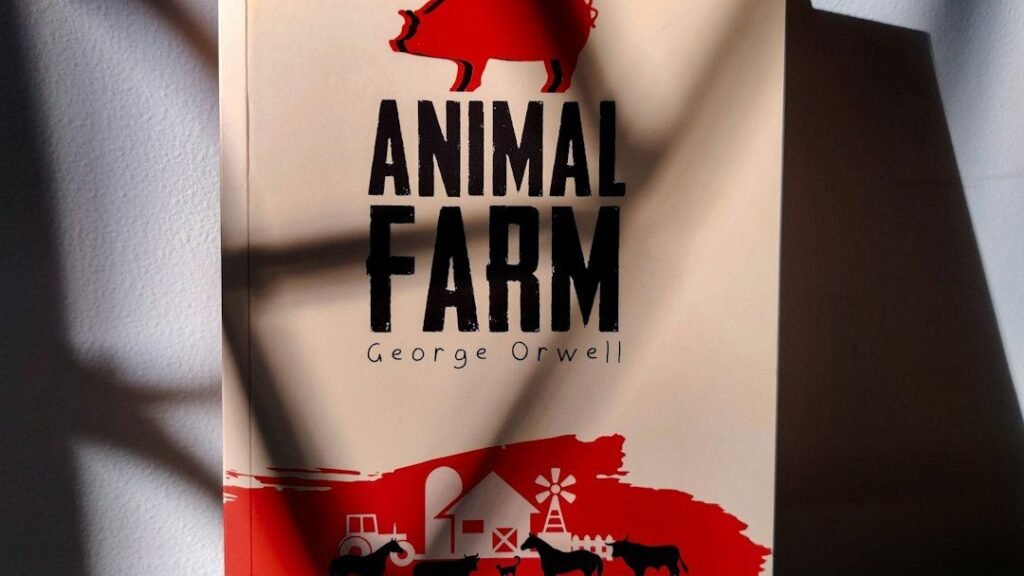
Honestly, reading George Orwell’s 1984 today feels less like fiction and more like an uncomfortable news bulletin. George Orwell’s 1984 is a fictionalized version of a then future-world where a totalitarian state scrutinizes all human actions through the ever-watching Big Brother. Published in 1949, the novel described telescreens that watched citizens in their homes, government manipulation of language and history, and mass surveillance as a tool of political control. The Party engages in omnipresent government surveillance and, through the Ministry of Truth, historical negationism and constant propaganda to persecute individuality and independent thinking.
In 1984, telescreens watched citizens constantly. Today? Look at your smartphone, smart speaker, or security camera. The recent TikTok controversies highlight our modern surveillance state, a platform suspected of harvesting personal data on millions of users worldwide. The parallels go deeper. China’s extensive surveillance network doesn’t just watch, it judges. Their social credit system, rating citizens’ behaviors, eerily echoes Orwell’s society where every action carries consequences. Orwell’s warning was specific and serious, and the world largely absorbed it as a cautionary tale rather than an instruction manual.
3. H.G. Wells: The Man Who Saw the Bomb Coming
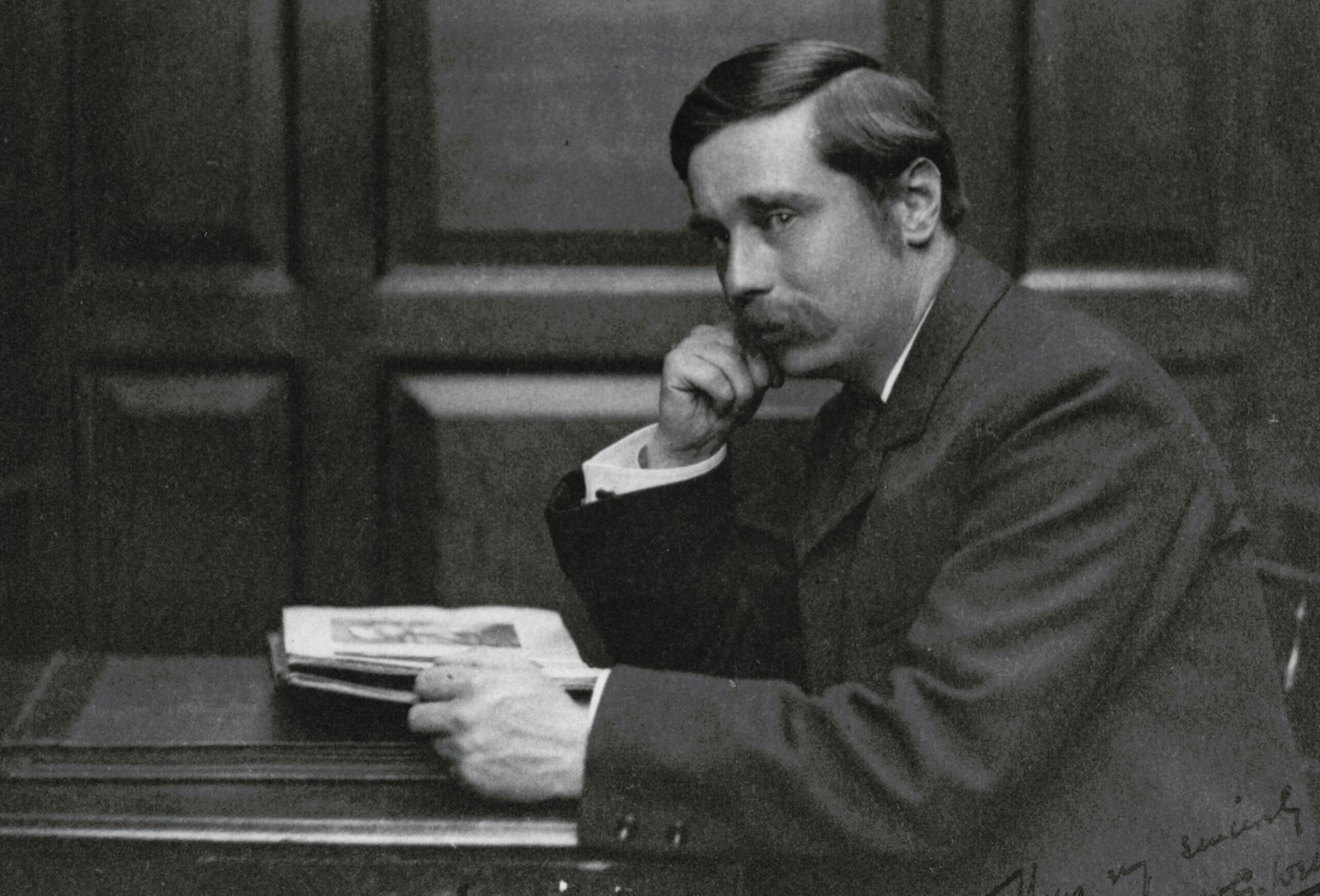
Uploaded by Fæ, No restrictions)
H.G. Wells sits in a category of his own. The enormously prolific English writer Herbert George Wells, who also wrote novels, short stories, history books, biology textbooks, utopias, and so on, has been called “The Shakespeare of Science Fiction.” During his writing career, he made a number of predictions about the future, many of which were astonishingly accurate. He foresaw the advent of aircraft, tanks, space travel, nuclear weapons, satellite television, and something resembling the World Wide Web. That’s not a short list.
His novel The World Set Free (1914) depicted atomic bombs, coined the term “atomic bomb,” and predicted a nuclear arms race, all decades before the Manhattan Project. The terrifying accuracy here is difficult to overstate. Wells described bombs powered by atomic energy, decades before scientists understood how to unleash nuclear fission. In 1938, Otto Hahn and Fritz Strassmann discovered nuclear fission, paving the way for the Manhattan Project and the first atomic bombs in 1945. Wells’s novel even mentioned the long-lasting radioactive fallout, something that became a grim reality after Hiroshima and Nagasaki. Beyond weapons, in The Island of Doctor Moreau (1896), he explored bioengineering, foreshadowing modern CRISPR and ethical debates.
4. Aldous Huxley: The Pleasure Trap Nobody Noticed
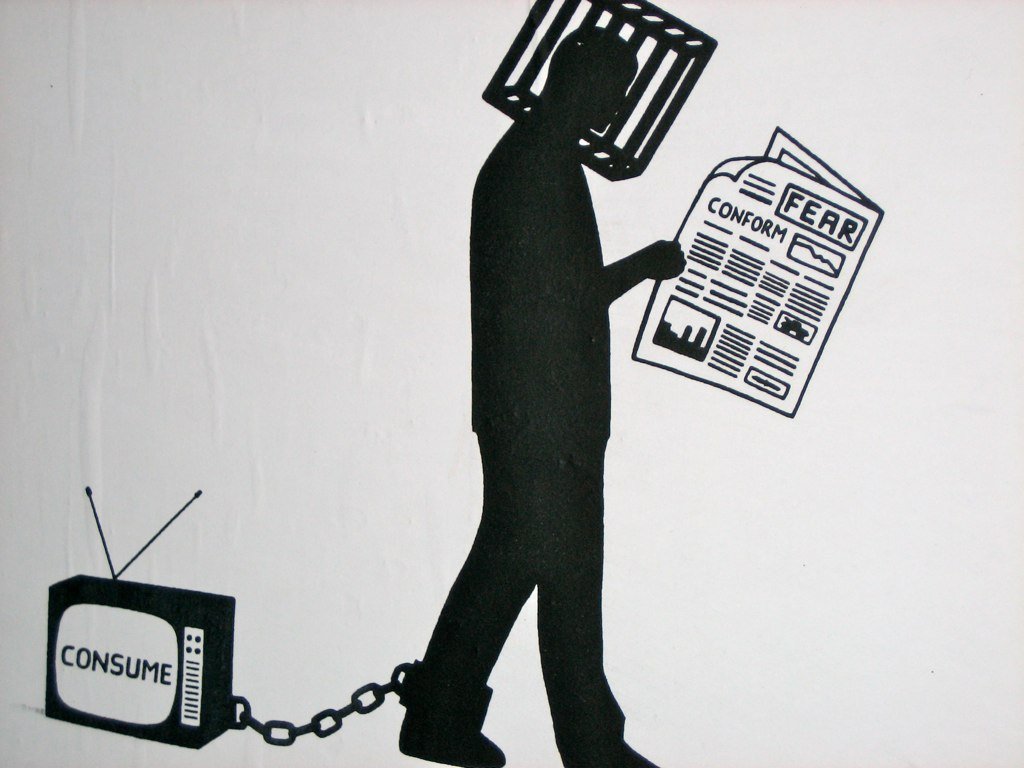
Here’s the thing, most people know Orwell’s bleak vision of forced oppression. Fewer recognize that Huxley’s equally terrifying alternative, a world where people are controlled by pleasure rather than fear, may be closer to our current reality. In Brave New World, this is assured through destroying the free will of most of the population using genetic engineering and Pavlovian conditioning, keeping everybody entertained continuously with endless distractions, and offering a plentiful supply of the wonder drug Soma to keep people happy if all else fails.
Huxley’s “Soma,” the feel-good drug that keeps everyone compliant, feels uncomfortably close to our relationship with antidepressants, social media dopamine hits, and the endless pursuit of comfort. The book predicted a world where people would be distracted by entertainment and medicated into submission rather than controlled by force. Think about that the next time you find yourself mindlessly scrolling at 2 AM. Aldous Huxley’s 1932 classic Brave New World imagined a society where humans are genetically engineered for specific roles. At the time, such manipulation was unthinkable, but today’s advances in gene editing have made it a reality. CRISPR technology, first demonstrated in 2012, allows precise editing of DNA, making designer babies and gene therapies possible.
5. Mary Shelley: The Teenager Who Invented Modern Science Fiction
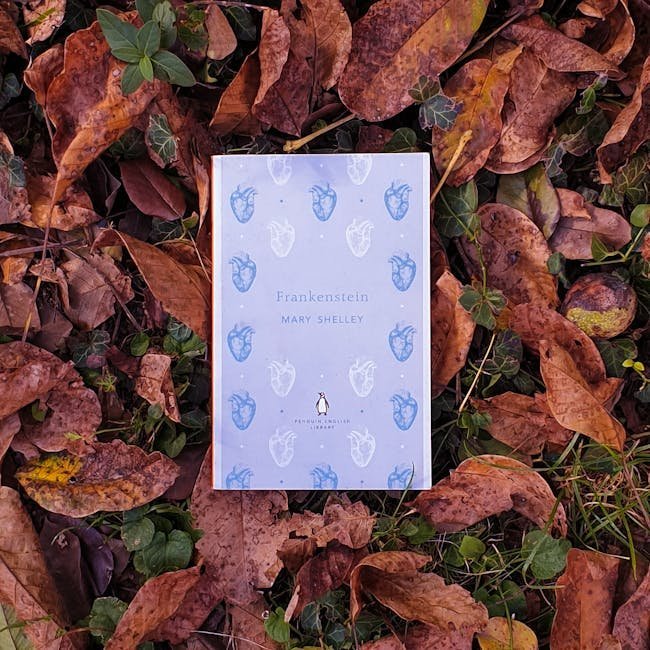
It sounds almost impossible, but Mary Shelley wrote Frankenstein at the age of eighteen. Considered by many scholars to be the first true science fiction novel, Shelley’s book was written when the author was just 18 years old and published anonymously two years later, as the 19th century couldn’t handle female teenage authors. The novel raised a question that haunts every bioethics conference held today: what happens when science races ahead of human wisdom?
Mary Shelley’s Frankenstein, one of the first true science fiction stories, foreshadowed the development of bioelectronics, organ transplants, genetic engineering, and artificial intelligence, to name just a few things. On a deeper level, Shelley’s 1818 novel also predicted the inevitable confrontation between science, religion, and ethics, a confrontation that carries on today with no clear end in sight. Shelley did not simply write a horror story. Shelley’s cautionary tale about the dangers of playing God resonates with modern developments in genetic engineering, cloning, and organ transplants. Today, scientists are making strides in creating artificial organs and conducting genetic modifications, raising ethical questions about the limits of scientific exploration. The advancements in CRISPR technology, which allows for precise editing of genes, reflect the relevance of Shelley’s warnings about the potential consequences of unchecked scientific ambition.
6. William Gibson: The Man Who Named Cyberspace
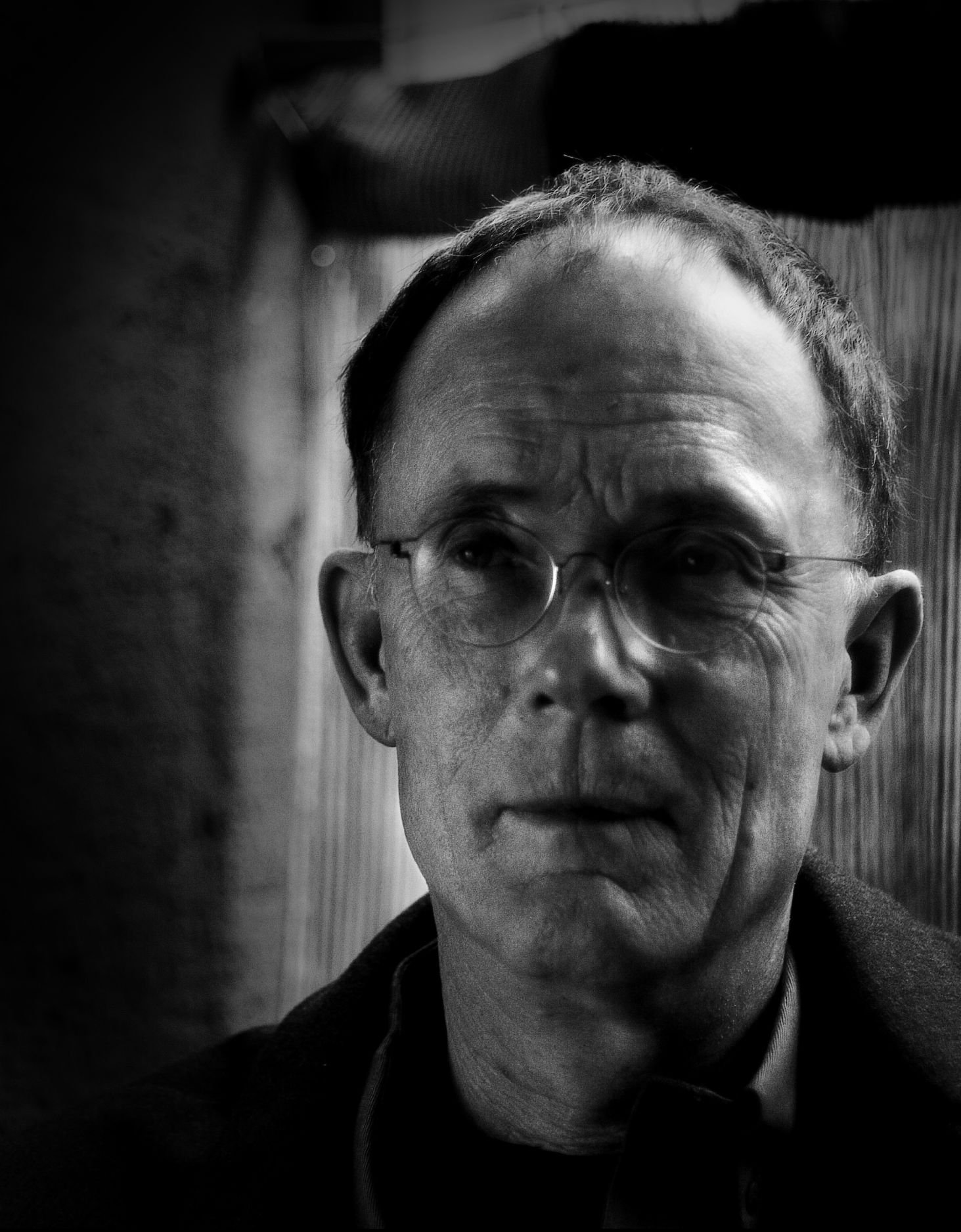
Cyberpunk godfather William Gibson may be the single most prophetic author in the history of the science fiction genre. That is a bold claim, but consider the evidence. Gibson coined the term cyberspace in his 1982 short story “Burning Chrome.” He defined it as “widespread, interconnected digital technology,” which sounds just like today’s internet. His debut novel Neuromancer landed in 1984, years before the World Wide Web existed as a public concept.
His breakthrough debut novel introduced the term cyberspace and predicted a startling number of specific future developments concerning artificial intelligence, hacker culture, cybernetics, virtual reality, cosmetic surgery, reality TV, and other delights of late-stage capitalism. What’s remarkable is not just the breadth of his predictions but their specificity. Stephenson coined the word metaverse in his 1992 novel, nearly 30 years before Facebook changed its name to Meta in 2021. Gibson and his cyberpunk contemporaries essentially drew the blueprint for the internet age in ink before anyone had written a single line of code to make it real.
7. Philip K. Dick: The Surveillance State Seen from the Inside
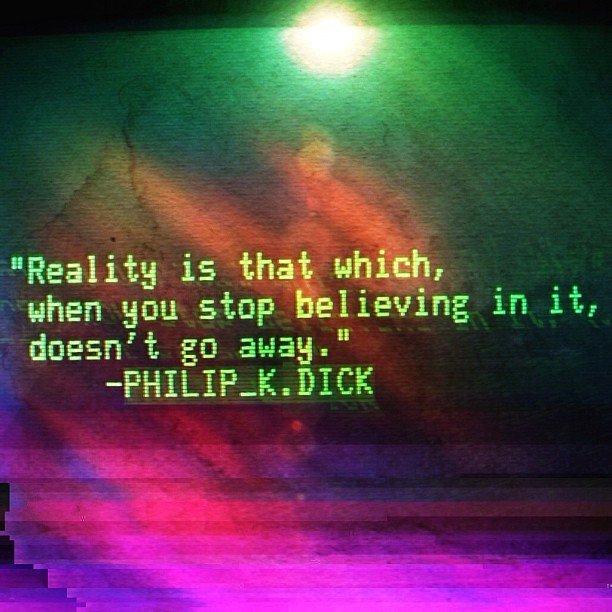
Philip K. Dick had a paranoid, fractured genius that turned out to be something closer to prophecy. His 1956 novella, The Minority Report, imagined a world where crime is predicted and prevented before it happens. In this 1956 novella, some characters can use machines to predict crimes. So-called criminals are arrested preemptively, before crimes can even occur. The book anticipated the increase in surveillance and profiling around the time of the movie adaptation, Minority Report, in 2002. Today, with algorithms trying to predict people’s habits, increased surveillance technology, and even iris and retinal scans, it seems more prescient than ever.
Dick’s work consistently revolved around questions of identity, reality, and what it means to be human. These questions feel far less abstract now than they did in the 1950s and 60s. Predictive policing algorithms are actively deployed by law enforcement agencies around the world, and facial recognition technology has become a standard tool of surveillance in dozens of countries. The fact that we now debate these technologies with urgency is a testament to how accurately Dick mapped out the moral fault lines of the digital age, decades before a smartphone existed.
8. Isaac Asimov: Robots, Ethics, and the Machine Future
![8. Isaac Asimov: Robots, Ethics, and the Machine Future (United States Library of Congress. New York World-Telegram and the Sun Newspaper Photograph Collection. Call number: NYWTS - BIOG--Asimov, Isaac, Dr. <item> [P&P]. Reproduction number: LC-USZ62-115121, Public domain)](https://festivaltopia.com/wp-content/uploads/2026/03/1774696052148_1774696037620_isaac.asimov01-scaled-1.jpeg)
Isaac Asimov did not just predict robots. He predicted the ethical crisis that would come with them. Isaac Asimov was a visionary who introduced concepts of artificial intelligence, robotics, and self-driving cars in his work. His stories laid the groundwork for discussions about the ethical implications of AI and the potential for machines to coexist with humans. Today, smart assistants like Alexa and Siri, as well as advancements in robotics, are increasingly integrated into daily life.
His Three Laws of Robotics, conceived in the early 1940s, read today like an early draft of the safety guidelines that AI companies are now desperately trying to formulate. It’s hard to say for sure whether Asimov foresaw just how quickly this would all unfold, but his instinct that machine intelligence would demand a new kind of ethical framework was spot on. No sensible decision can be made any longer without taking into account not only the world as it is, but the world as it will be. Science fiction writers foresee the inevitable. They inspire us to turn fiction into reality, but they also remind us to reflect on the consequences of our actions and remember what is most important to humanity.
9. Ray Bradbury: The Book Burner Who Saw the Screen Age
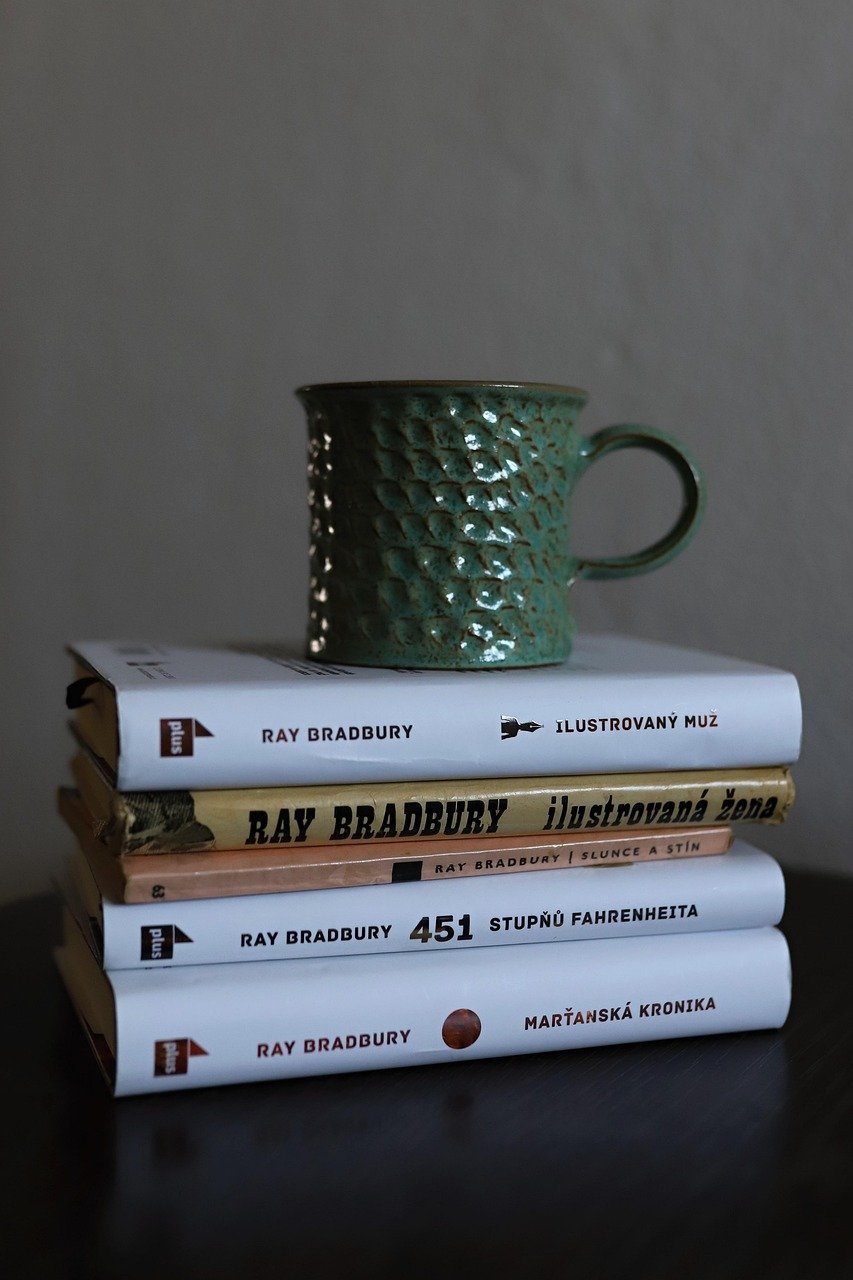
Fahrenheit 451, published in 1953, is remembered as a story about censorship and burning books. That reading is accurate, but it’s also incomplete. Bradbury was predicting something more specific and perhaps even more disturbing. Ray Bradbury’s Fahrenheit 451 presents a dystopian society where books are banned, and mindless entertainment takes precedence. The novel predicted flat-screen TVs, earbuds, and a culture that prioritizes digital distractions over intellectual engagement.
Think about the characters in Fahrenheit 451, wearing earbuds, surrounded by wall-sized screens pumping out interactive entertainment non-stop. Bradbury wrote that in 1953. The world he described, where people voluntarily give up depth for the comfort of constant stimulation, feels less like a warning and more like a description of Tuesday afternoon. Let’s be real: the terrifying part of Bradbury’s vision is that nobody burned the books by force. People simply stopped reading them because something shinier came along.
10. Octavia Butler: Climate, Politics, and the World We’re Living In
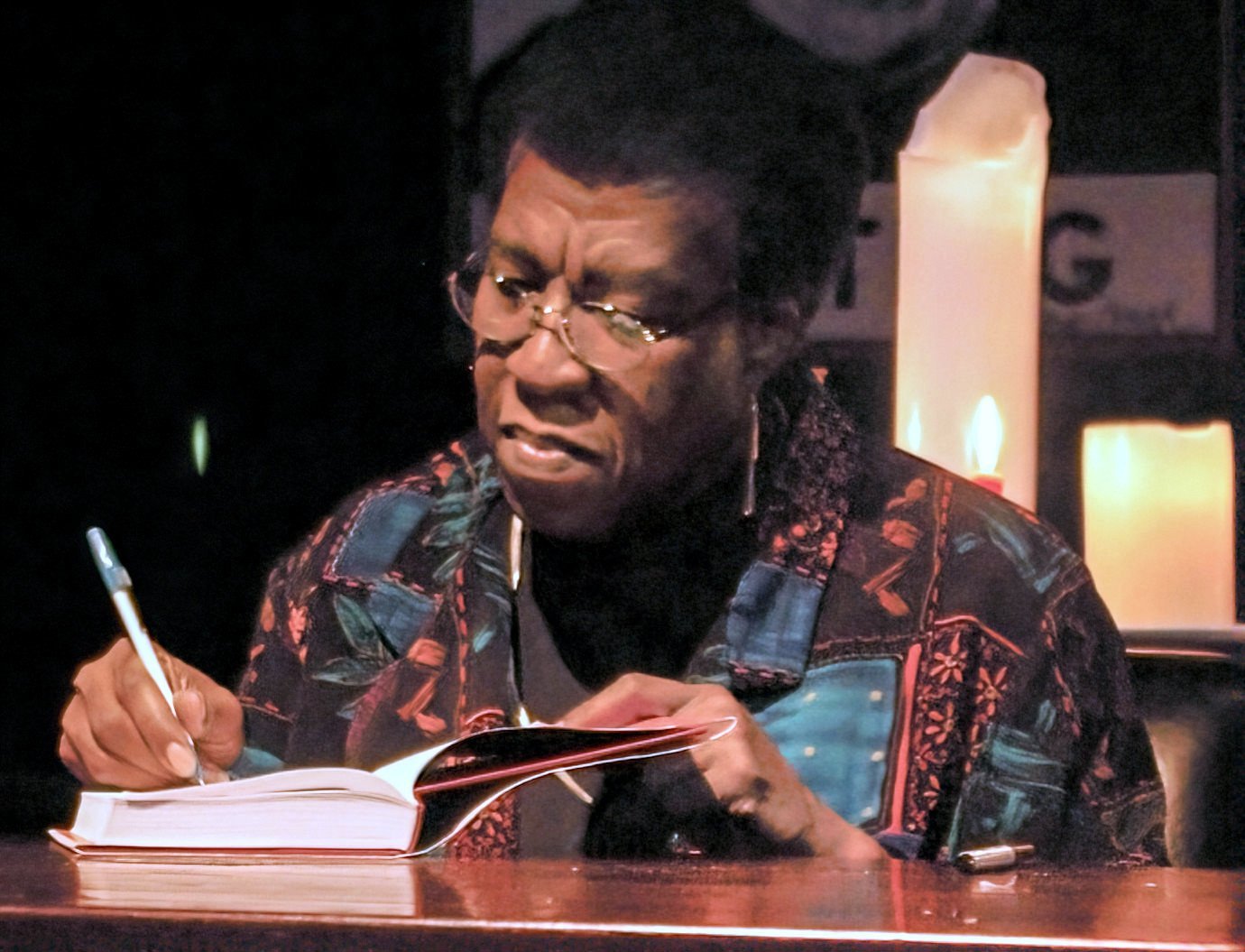
The speculative fiction books by Octavia Butler experienced a bit of a renaissance in 2016 when several writers pointed out the eerie similarities between the authoritarian presidential candidate in Butler’s novel Parable of The Talents and former President Donald Trump. The character even uses “Make America great again” as a campaign slogan. The story unfolds in a dystopian California plagued by a drought caused by climate change. Butler wrote this in 1998. The precision of that vision, on both a political and environmental level, is stunning.
What makes Butler unique among prophetic writers is the intersectional nature of her foresight. She didn’t just see technology changing; she saw society fracturing along lines of race, class, and climate. In 2020, a resurgence in interest in Butler’s Parable series landed her on The New York Times bestseller list for the first time. A Black woman writing in the late 1990s about climate refugees, political demagoguery, and community resilience managed to capture the emotional texture of the 2020s with a clarity that most political analysts never achieved. Her work was not about predicting the future. It was about refusing to look away from the present.
Conclusion: What Literature Knows That We Don’t
There is a pattern running through every single author on this list. None of them claimed to see the future with supernatural clarity. Most sci-fi authors don’t try to predict the future but instead satirize or comment on their own times. The predictions emerged as natural extensions of their deep, uncomfortable attention to the world around them. They were not prophets. They were extraordinarily perceptive observers.
The writers in the sci-fi pantheon all combine a heightened awareness of the concerns of their own eras with a certain genuine prescience about things to come. That combination, social awareness plus imagination, turns out to be a more powerful telescope than any satellite. What these future-thinking authors all recognized was that change is an inevitable and powerful force that can blur the boundaries between fiction and possibility.
Perhaps the most unsettling takeaway is this: the warnings were always there. Orwell, Huxley, Butler, Dick, all of them handed us detailed maps of the disasters ahead. We read their books, called them brilliant, and then kept walking toward exactly what they described. Literature does not lack for foresight. The real question is whether we are paying attention to what today’s writers are telling us about tomorrow. What do you think, are we listening this time?

Christian Wiedeck, all the way from Germany, loves music festivals, especially in the USA. His articles bring the excitement of these events to readers worldwide.
For any feedback please reach out to info@festivalinside.com
