

Numbers have always held a strange power over us. There’s something deeply human about searching for patterns, especially when they appear in the lives of the greatest people who ever walked the earth. When two world-shaping figures happen to share a birthday, or when someone’s birth date mirrors another legend’s death date in ways that feel almost scripted, the mind races. Is it chance? Fate? Just the math of a large calendar catching up with itself?
Honestly, it’s probably all coincidence. But what extraordinary coincidence it is. Some of these overlapping dates are so perfectly ironic, so poetically strange, that it feels almost disrespectful to chalk them up to pure randomness. You’ll find revolutionaries sharing birthdays with scientists, great minds born on the same day as the people they most resembled in spirit, and cosmic connections that have fascinated historians for generations. Be prepared to have your sense of logic gently rattled. Let’s dive in.
1. Abraham Lincoln and Charles Darwin: The Same Day, Two Revolutions
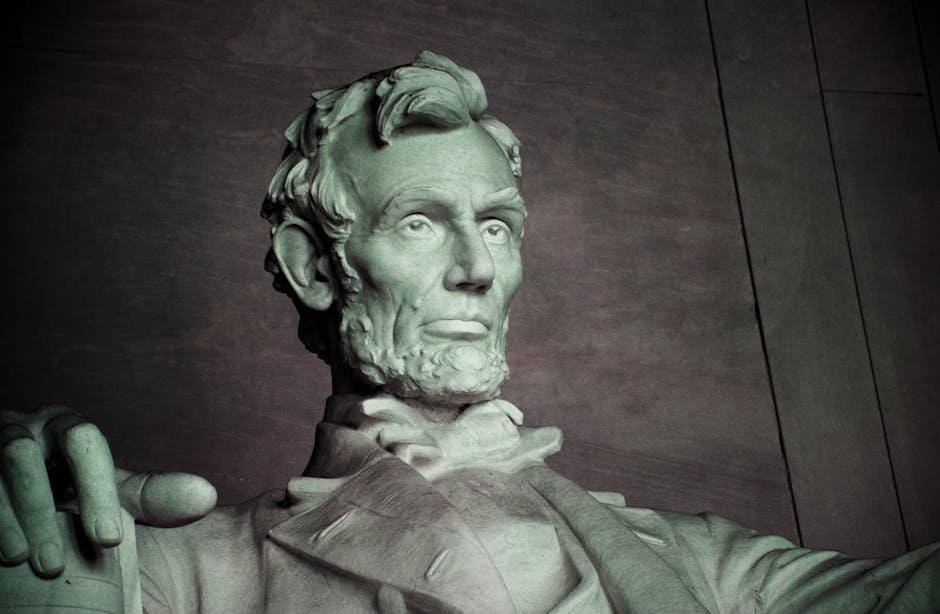
Here’s the one that stops most people cold. Abraham Lincoln and Charles Darwin were born on the same day, February 12, 1809. Not the same year, not the same decade, the exact same day. On February 12, 1809, two baby boys entered the world just hours apart. One arrived in a log cabin in rural Kentucky. The other was born at a country estate in Shrewsbury, England.
What makes this truly astonishing is not just the shared date, but the magnitude of what both men would become. Charles Darwin would challenge how humanity understood its place in nature. Abraham Lincoln would fight to end slavery and preserve the United States. Both men became titans of the 19th century, and they shared the same birthday. I think it’s worth pausing to appreciate that two children, born in wildly different worlds on the exact same morning, would each shake the foundations of civilization by the time they turned fifty.
Both lost their mother at a young age and, despite their differences in upbringing, both men saw themselves as autodidacts. Beyond their birthday, both were largely self-educated, struggled with depression, were skeptical of organized religion, and both fundamentally changed human thought, Darwin in science, Lincoln in politics and human rights. The parallels go so far beyond a shared date that it almost feels like the universe was making a point.
2. Stephen Hawking: Born When Galileo Died, Died on Einstein’s Birthday
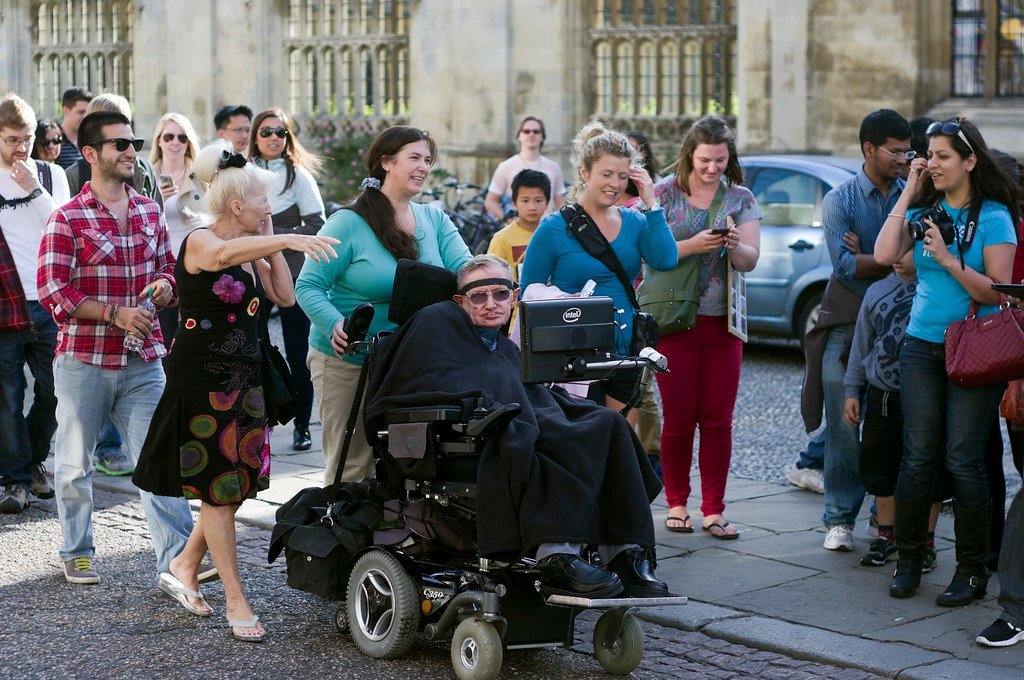
If the Lincoln-Darwin coincidence is extraordinary, this one is almost supernatural in its precision. Scientist Stephen Hawking was born on January 8, 1942, which was the same date Galileo died 300 years earlier. Then he passed away on March 14, 2018, Albert Einstein’s birthday, and also Pi Day. Three of the greatest scientific minds in human history, all bound together by dates, as if the calendar itself were paying tribute.
Three famous scientists, all tied together through odd dates, and while nobody planned it, the math nerds definitely noticed. You don’t expect history and calendars to sync like that, but they did. It’s hard to say for sure what one makes of something like this, but it genuinely gives you pause. Galileo, the father of modern observational astronomy, hands the baton to Hawking across three centuries. Hawking then exits on the birthday of the man most consider the greatest physicist of all time. The poetry of it is almost too perfect.
3. Thomas Jefferson and John Adams: Dying Together on the Nation’s 50th Birthday
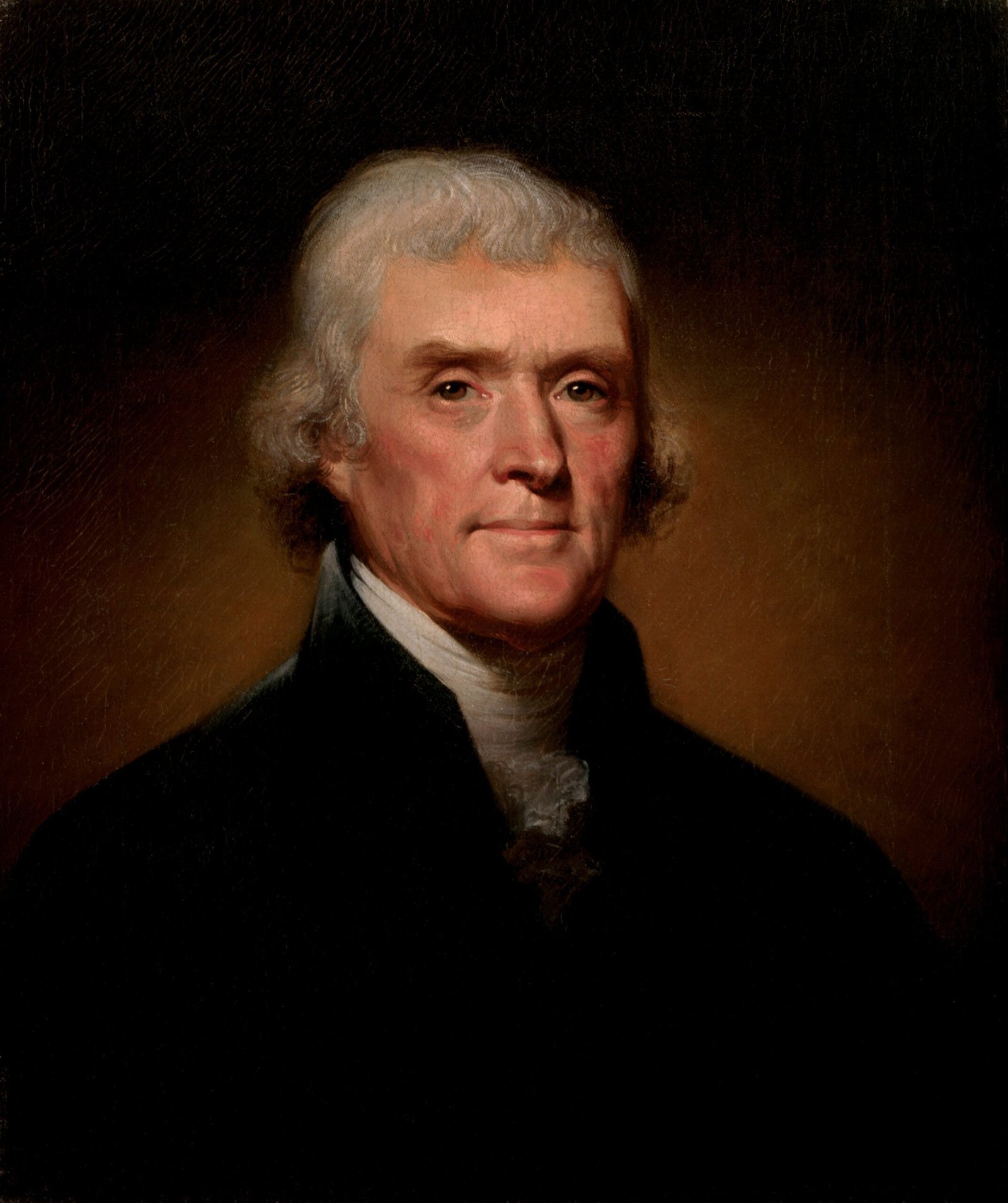
This one is less about birth and more about death, but the calendar coincidence is so staggering it demands a spot on this list. On July 4, 1826, the 50th anniversary of American independence, both Thomas Jefferson and John Adams died within hours of each other, Jefferson at age 83 in Monticello, Virginia, and Adams at age 90 in Quincy, Massachusetts.
These two presidents had been politically estranged for eleven years after the presidential election of 1800, with Jefferson forming the Democratic-Republican Party while Adams remained a Federalist, but they renewed their friendship through correspondence beginning in 1812. That these two reconciled rivals, both architects of American independence, would leave the world on the exact day that nation turned fifty is one of history’s most jaw-dropping dates. Adding to the mystery, exactly five years later on July 4, 1831, former President James Monroe also died. Three of the first five American presidents, all dying on Independence Day. Let that sink in.
4. Mark Twain and Halley’s Comet: A Birth and Death Written in the Stars
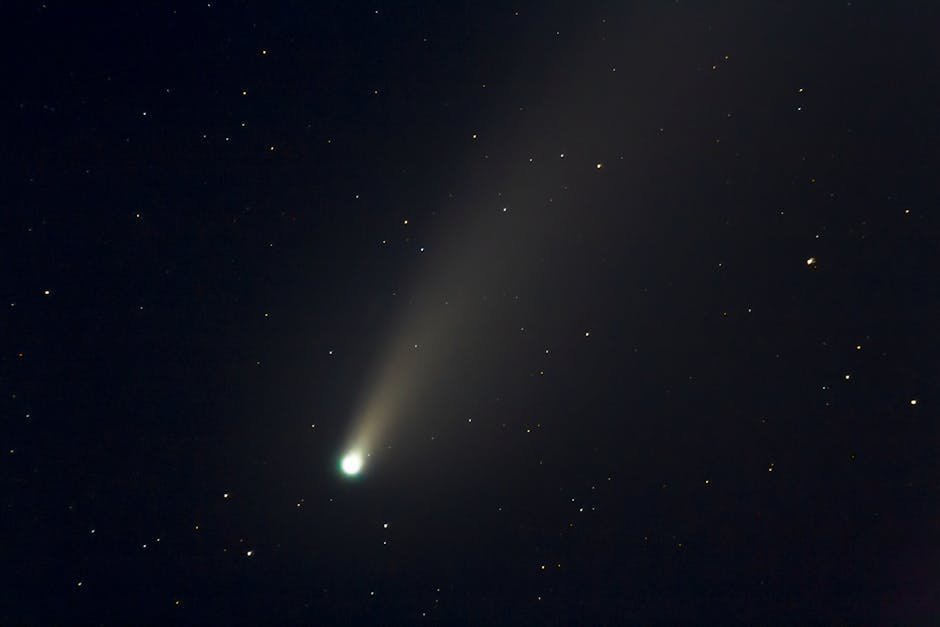
Some people leave the world much like they entered it. Mark Twain is perhaps the most famous example. Mark Twain (Samuel Clemens) was born on November 30, 1835, just two weeks after Halley’s Comet reached its perihelion, and died on April 21, 1910. The comet, which returns roughly every 75 years, had also reappeared in 1910.
Mark Twain was born in 1835 when Halley’s Comet traveled across the sky, and he told his loved ones that he’d die when it came back. Ironically, in 1910, the comet reappeared, and Twain died of a heart attack the day after it was at its brightest. It’s weird because this comet only shows up about every 75 years, so the timing was creepily accurate. Twain had predicted his own death with eerie precision, and history obliged.
5. George Washington and Robert Baden-Powell: Two Fathers of Leadership Share February 22
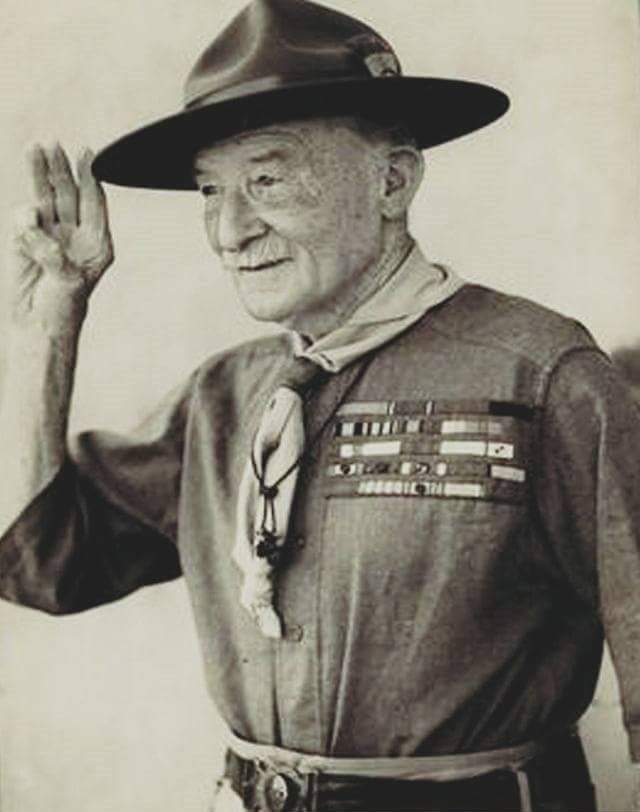
On the significant February 22nd, both President George Washington and Lieutenant General Robert Baden-Powell share a birthday, two influential figures who have left an indelible mark on history. Washington, the founding father of the United States, and Baden-Powell, the founder of the global Scout movement, were both born on the same date, separated by 125 years. The coincidence becomes richer when you think about what each man stood for.
George Washington was born on February 22, 1732, and was a Founding Father and the first president of the United States, serving from 1789 to 1797. February 22nd also marks the birthday of Lord Robert Baden-Powell, the founder of the Scout Movement. Coincidentally, Baden-Powell and his wife Olave Baden-Powell also shared the same birthday. Both men built institutions of character, one through founding a nation, the other through founding a worldwide movement teaching youth integrity and service. The fact they share a birthday feels almost deliberate.
6. Winston Churchill and Mark Twain: The November 30 Pair
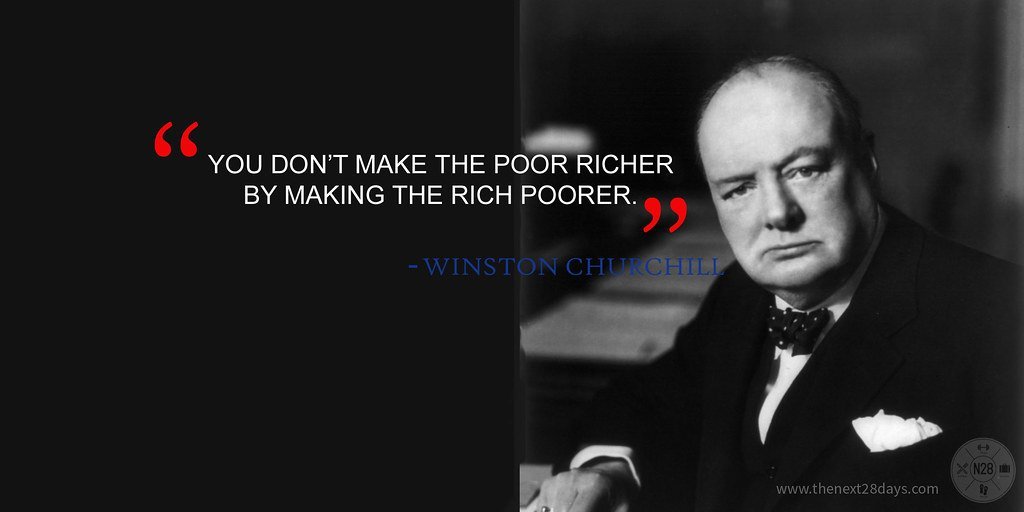
Let’s be real, November 30 is an overachiever of a date. Mark Twain was born in Florida, and Winston Churchill in Oxfordshire, England. Both were born on November 30, though decades apart. Twain in 1835, Churchill in 1874. What binds them is not just the date but a shared genius for language, for wit, and for capturing the spirit of their nations through words that outlasted them both.
Though separated by decades, both figures rewrote national identities: Twain through satire, Churchill through speeches. Think about that for a moment. One man dissected the American soul with a pen dipped in irony. The other rallied an entire civilization against fascism with nothing but his voice and vocabulary. They never met, they operated in entirely different centuries, but November 30 produced two of the most powerful writers in the English-speaking world. Coincidence? Almost certainly. Extraordinary? Absolutely.
7. Marie Curie and Albert Camus: November 7’s Hunger for Depth
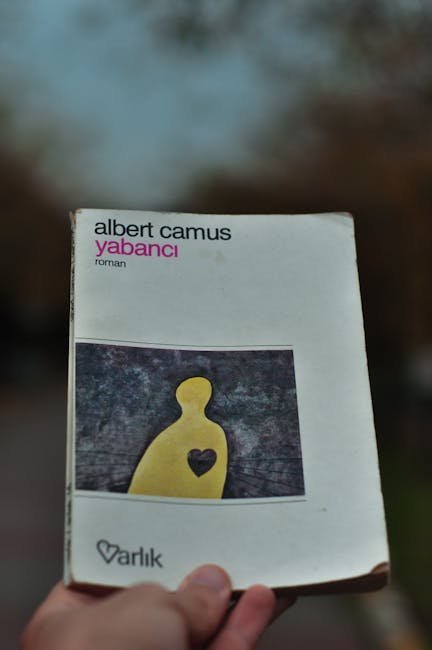
November 7 gave the world two individuals who could not seem more different on the surface, yet who shared something profound beneath it. Born worlds apart, Curie and Camus shared a hunger for depth. Curie chased invisible forces in her lab, and Camus questioned existence through prose. They made complexity their calling. Curie was born in 1867, Camus in 1913, and while one revolutionized physics and chemistry, the other reshaped modern philosophy and literature.
Marie Curie became the first woman to win a Nobel Prize and remains the only person to win Nobel Prizes in two different sciences. Albert Camus won the Nobel Prize in Literature in 1957 and is still considered one of the defining voices of existentialism. Both were relentless in their pursuit of truth in their respective fields, both pushed against the limits of established thinking, and both did it with a kind of quiet stubbornness that changed everything. Same birthday, same insatiable curiosity about the world’s hidden mechanics.
8. Leo Tolstoy and Colonel Sanders: September 9’s Unlikely Twins
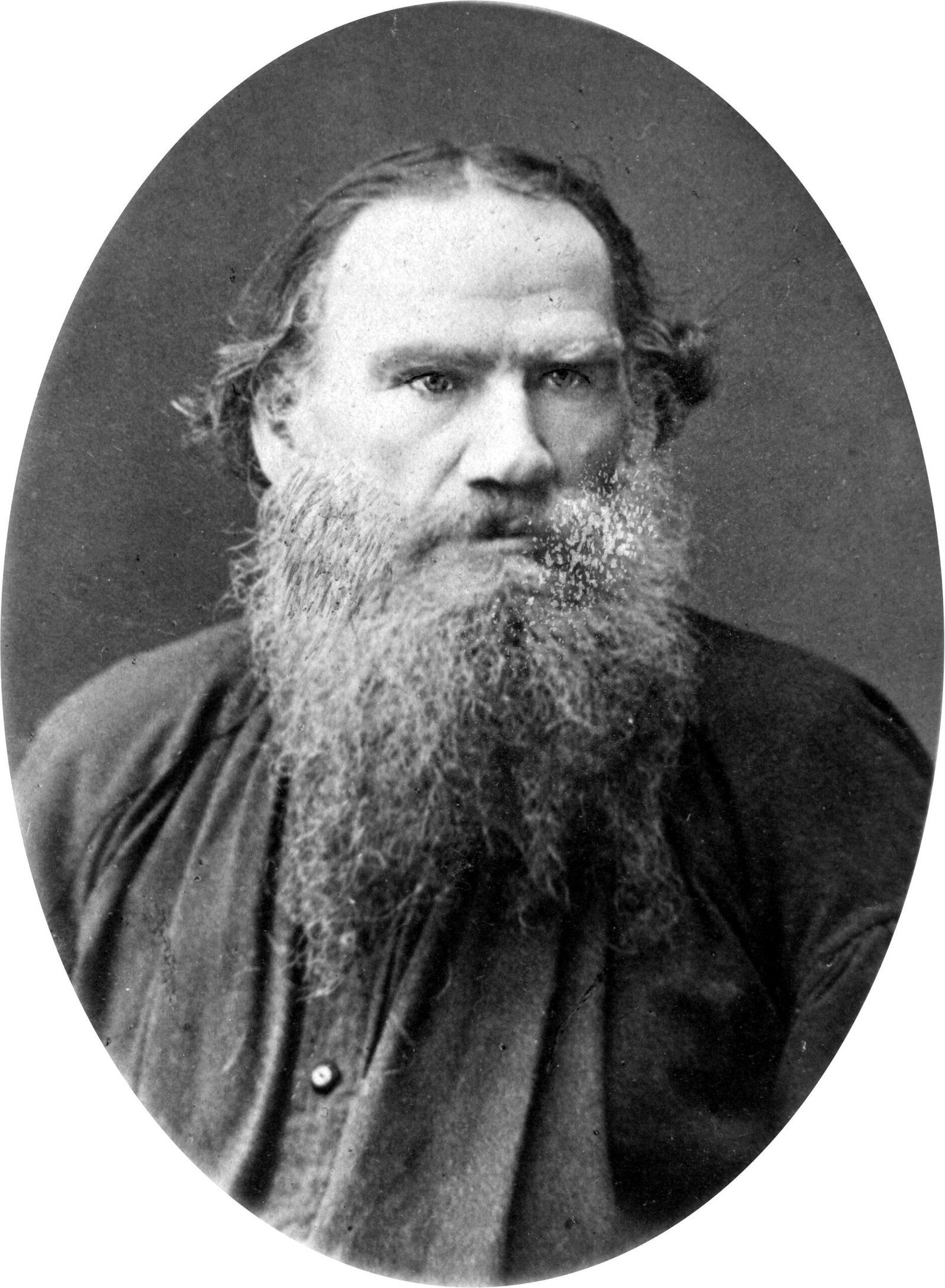
This one is almost comedic. September 9 produced Leo Tolstoy, born in 1828, one of the greatest novelists in human history, and Harland David Sanders, born in 1890, the man the world came to know as Colonel Sanders of Kentucky Fried Chicken fame. Tolstoy made readers wrestle with their souls, and Sanders made them line up for seconds. September 9 gave us deep and delicious flavors, from a Russian estate to a Kentucky kitchen.
Tolstoy spent his life writing monumental works about the human condition, war, morality, and the search for meaning. Sanders spent his life perfecting a fried chicken recipe and building one of the most recognizable brands in global history. Their contributions to civilization are obviously very different in weight and nature, but both men were obsessive craftsmen who refused to give up. Sanders famously faced rejection more than a thousand times before his recipe was accepted. The September 9 spirit, it seems, does not quit easily.
9. Joseph Stalin and Steven Spielberg: December 18 and the Power of Narrative
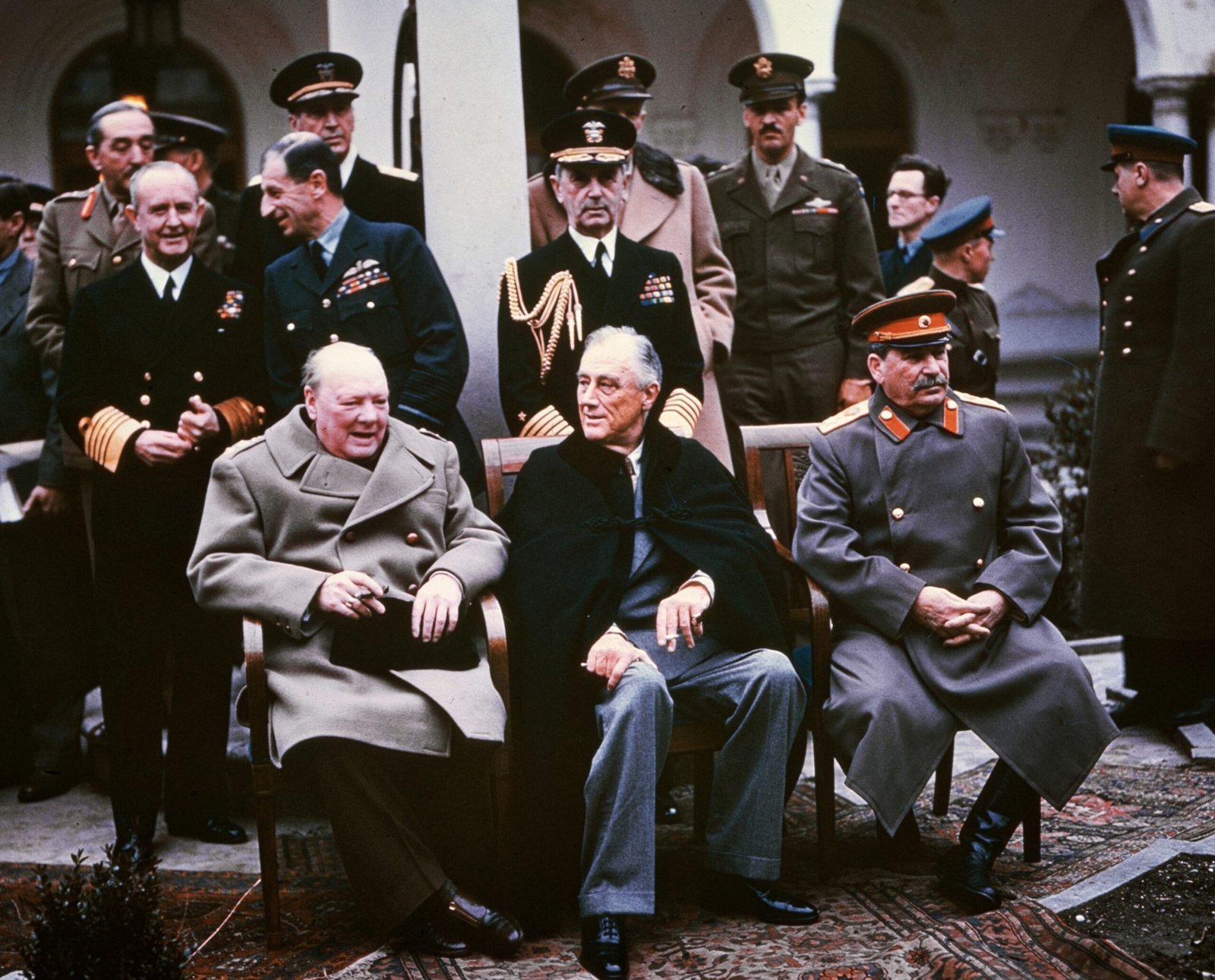
Few birthday pairings carry quite the contrast of this one. Stalin, born December 18, 1878, shaped the 20th century through iron-fisted political power and terror. Steven Spielberg, born December 18, 1946, shaped it through the screen, through stories that moved hundreds of millions of people across every continent. Power took very different forms on this date, where Stalin ruled headlines with hard power, and Spielberg ruled hearts through celluloid dreams. The constant here is that each of their stories shaped generations radically. This pair possessed a narrative strength that bore lasting consequences.
It’s an uncomfortable pairing in some ways, and that discomfort is part of what makes it so interesting. One man controlled narratives through censorship and propaganda. The other built a career out of honest storytelling, compassion, and spectacle. Spielberg even directed “Schindler’s List,” a Holocaust drama that confronted the very horrors that Stalin-era politics enabled across Eastern Europe. That both men share a birthday is, if nothing else, a reminder that dates are neutral. It’s what people do with their time that defines them.
10. Andrew Johnson and Lyndon B. Johnson: Two Presidential Johnsons, 100 Years Apart
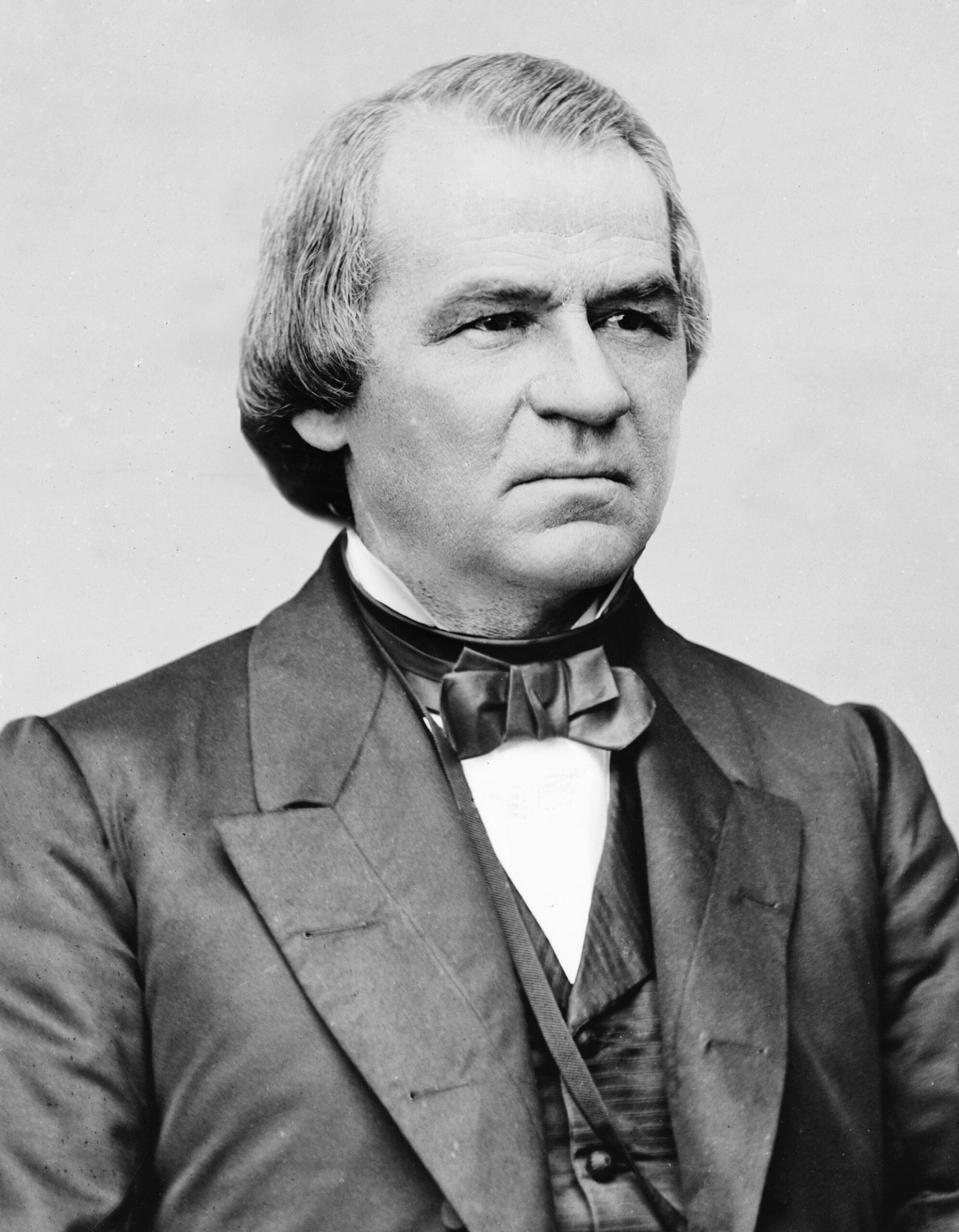
Here’s a coincidence that reaches into the very machinery of American political history. Andrew Johnson was born in 1808 and Lyndon Johnson in 1908, exactly 100 years apart. The mathematical probability of such coincidences occurring naturally is astronomical. Both men ascended to the presidency after the assassination of a beloved predecessor. Both served during defining moments of racial justice in America, one following Lincoln, the other following Kennedy.
The parallels do not stop there. Both were succeeded by men whose last name was Johnson, Andrew Johnson and Lyndon B. Johnson. Andrew Johnson took office after Lincoln’s assassination in 1865. Lyndon Johnson took office after Kennedy’s assassination in 1963. Both administrations were marked by enormous struggles over civil rights, and both men were controversial figures whose legacies historians still argue about today. That the two Johnson successors were born exactly a century apart feels less like a coincidence and more like history deliberately rhyming with itself.
Conclusion: When History Refuses to Be Random
What do we make of all this? Honestly, the rational answer is that with hundreds of billions of humans having walked the earth, and a calendar of only 365 days, overlaps are statistically inevitable. There will always be shared birthdays. There will always be dates that echo across centuries.
Yet the human mind does not work in pure statistics. Call coincidence what you’d like: luck, karma, fate, or just random happenstance. In any case, when similar events occur, it’s fascinating and, sometimes, downright eerie. Some coincidences have so many layers that they take on a second role in the form of conspiracy theory or prophecy. The coincidences gathered here are not just numerically interesting. They feel thematically resonant, as if the universe has a dark sense of humor and an obsessive fondness for symmetry.
Perhaps what these coincidences really do is remind us that history is not a straight line but a web of unexpected connections. The dates themselves mean nothing. The people born on them mean everything. Still, next time February 12 rolls around, maybe take a moment to appreciate that on a single cold morning in 1809, the log cabin and the English country estate both welcomed someone who would change the world. That’s not nothing. What do you think, are these patterns trying to tell us something, or is the universe just a very good storyteller? Share your thoughts in the comments below.

Besides founding Festivaltopia, Luca is the co founder of trib, an art and fashion collectiv you find on several regional events and online. Also he is part of the management board at HORiZONTE, a group travel provider in Germany.
