

- How George Washington Was A Coffee Connoisseur Of His Time - April 10, 2026
- Classic Novels Often Hide Modern Lessons We’re Still Learning Today - April 10, 2026
- The 15 Most Influential Musicians of the 20th Century - April 10, 2026
Antikythera Mechanism: The Ancient Greek Computer That Shouldn’t Exist
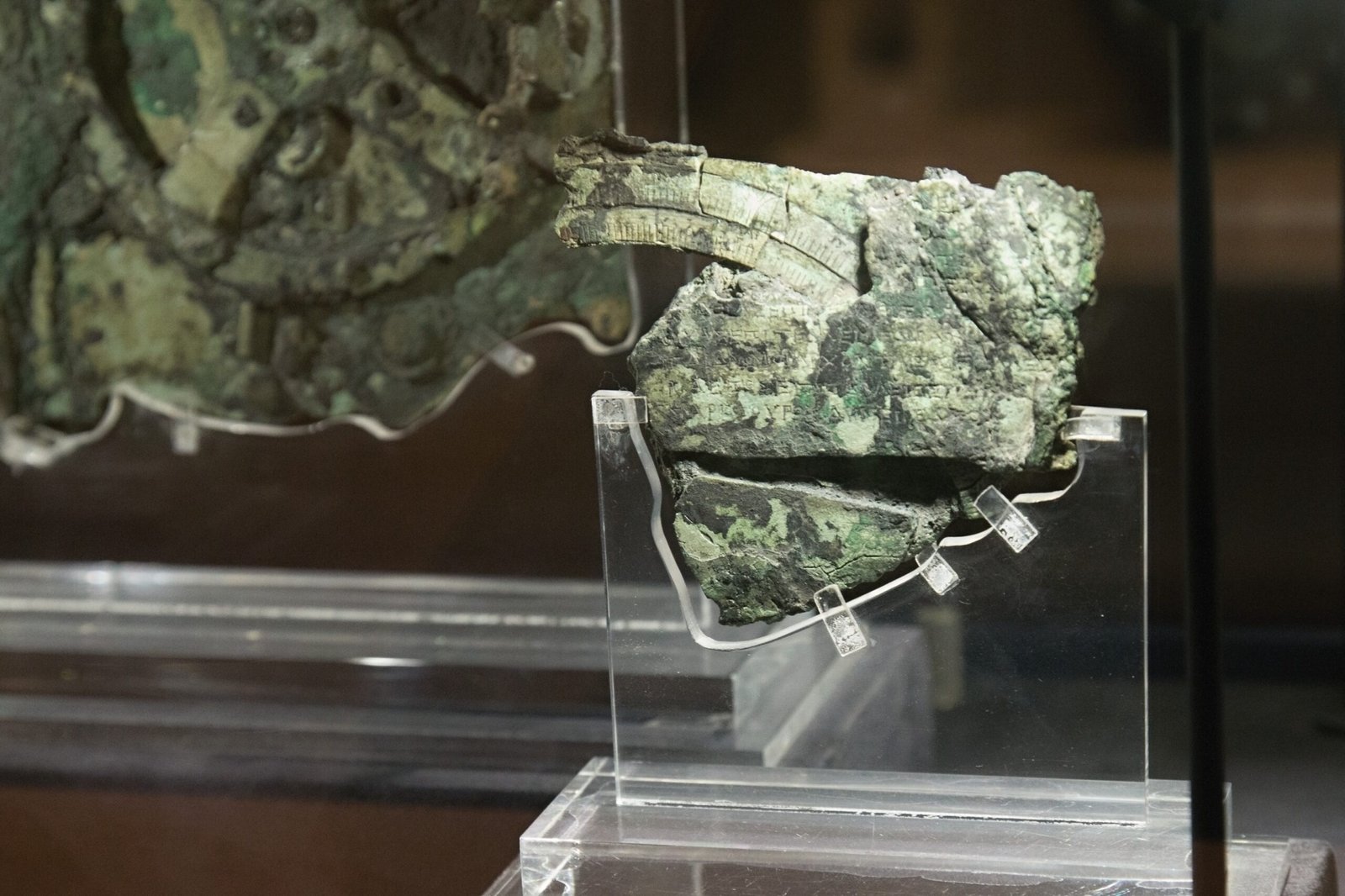
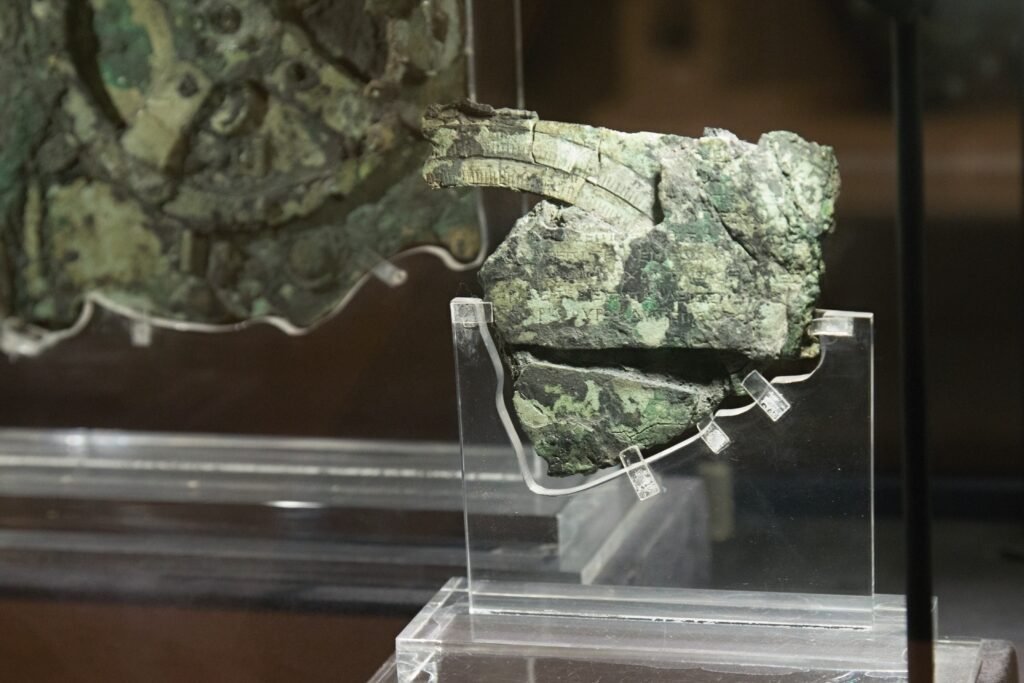
Imagine finding a rusted hunk of bronze from the bottom of the sea—only to realize it’s a machine so intricate, it puts modern watchmakers to shame. The Antikythera Mechanism, discovered in a shipwreck near Greece, is more than 2,000 years old and may be the world’s first analog computer. Its gears and dials could predict eclipses and chart the movements of the sun, moon, and planets. Some even believe it tracked the dates of the ancient Olympic Games. Historians still can’t quite figure out how the Greeks managed to engineer something so complex, especially since nothing like it would appear again for another thousand years. The mechanism’s secrets were so well hidden that, for decades, scientists couldn’t even agree on what it was. Today, its blend of science and mystery makes it one of the most mind-blowing relics ever pulled from the deep.
Damascus Steel: The Blade That Defied Nature
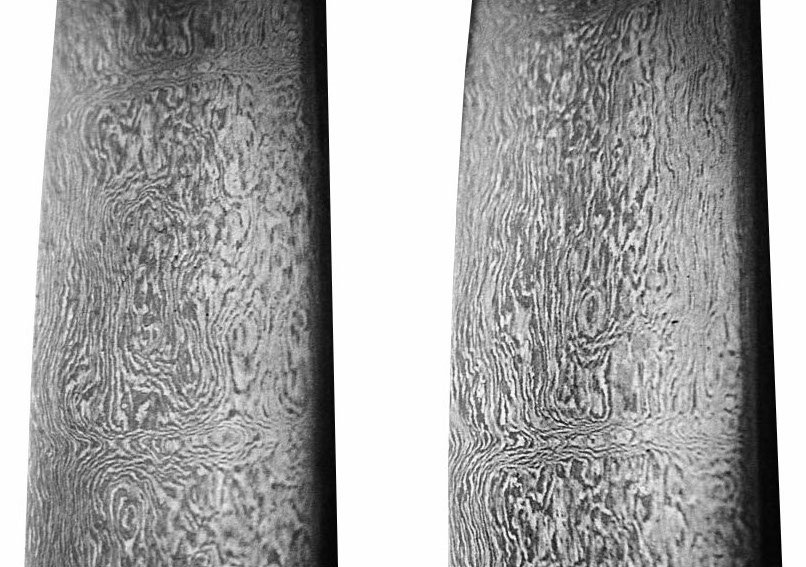
Picture a sword so sharp it could split a feather in midair, yet strong enough to shatter lesser blades. That’s Damascus steel—a metal that dominated battlefields from the Middle East for almost two thousand years. Its swirling, watery patterns are legendary, but the real magic lies in what nobody knows: how it was made. Modern metallurgists have tried and failed to fully recreate the lost technique, despite all our technology. Some believe the secret involved rare ores or secret ingredients long vanished from the earth. Damascus blades were prized by warriors and are still surrounded by legends of superhuman strength. The fact that we still can’t replicate these swords adds a layer of awe and frustration, making them one of history’s most coveted mysteries.
Greek Fire: The Weapon That Turned Seas Into Infernos
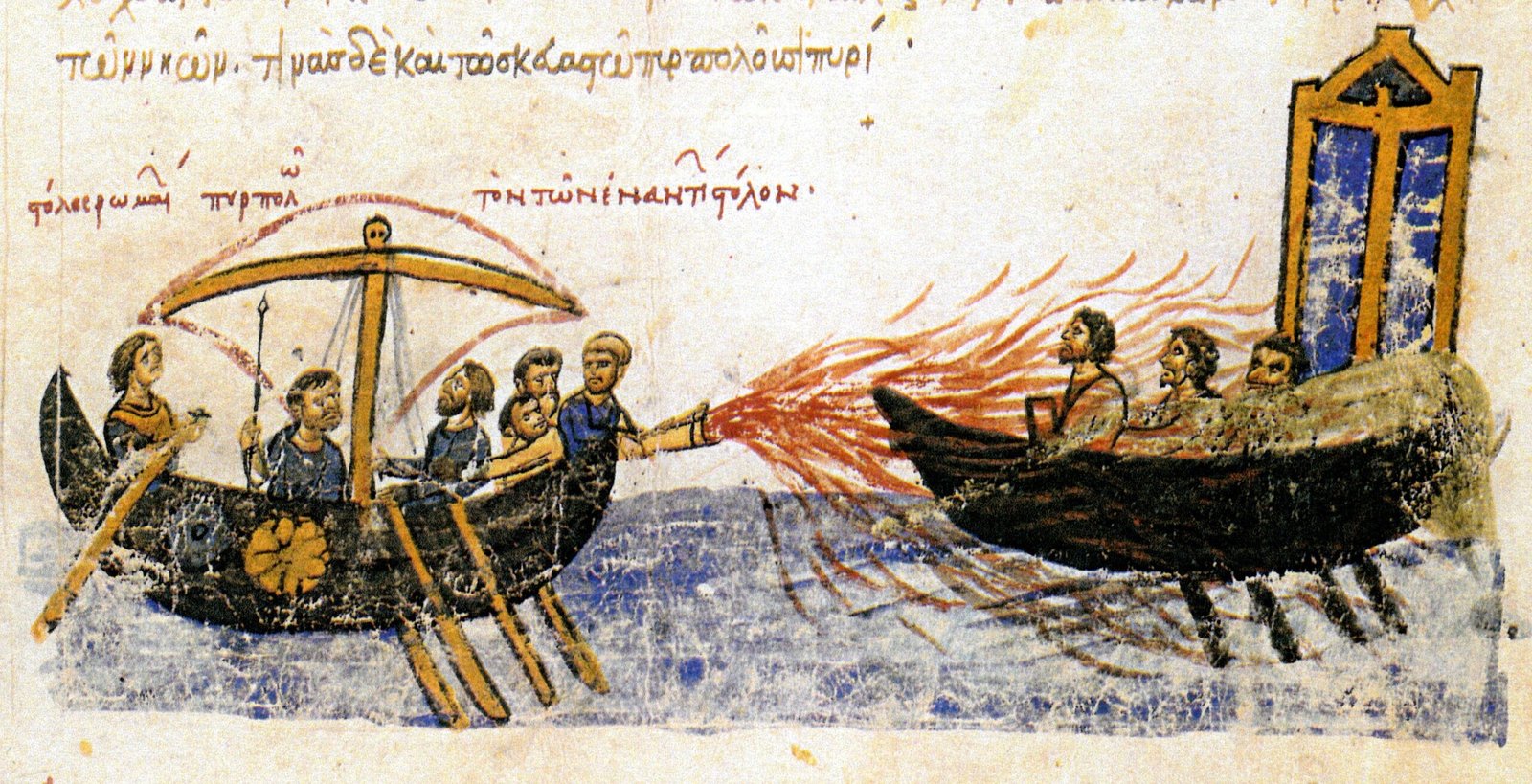
Imagine facing an enemy whose ships burst into flames on water—fire that rages even as you try to douse it. That was the terror of Greek Fire, the Byzantine Empire’s top-secret incendiary weapon. Its exact recipe was guarded so jealously that it’s been lost for centuries, leaving historians to speculate about its ingredients. Some think it included petroleum, resin, or even quicklime. What’s certain is that Greek Fire could stick to surfaces and keep burning, making it nearly impossible to extinguish. It gave the Byzantines a nearly unbeatable advantage in naval battles, and stories of its use struck fear into the hearts of their enemies. The psychological impact alone was enough to change the course of wars. To this day, Greek Fire’s exact formula remains one of history’s most tantalizing secrets.
Roman Scorpion: The Sniper of the Ancient World
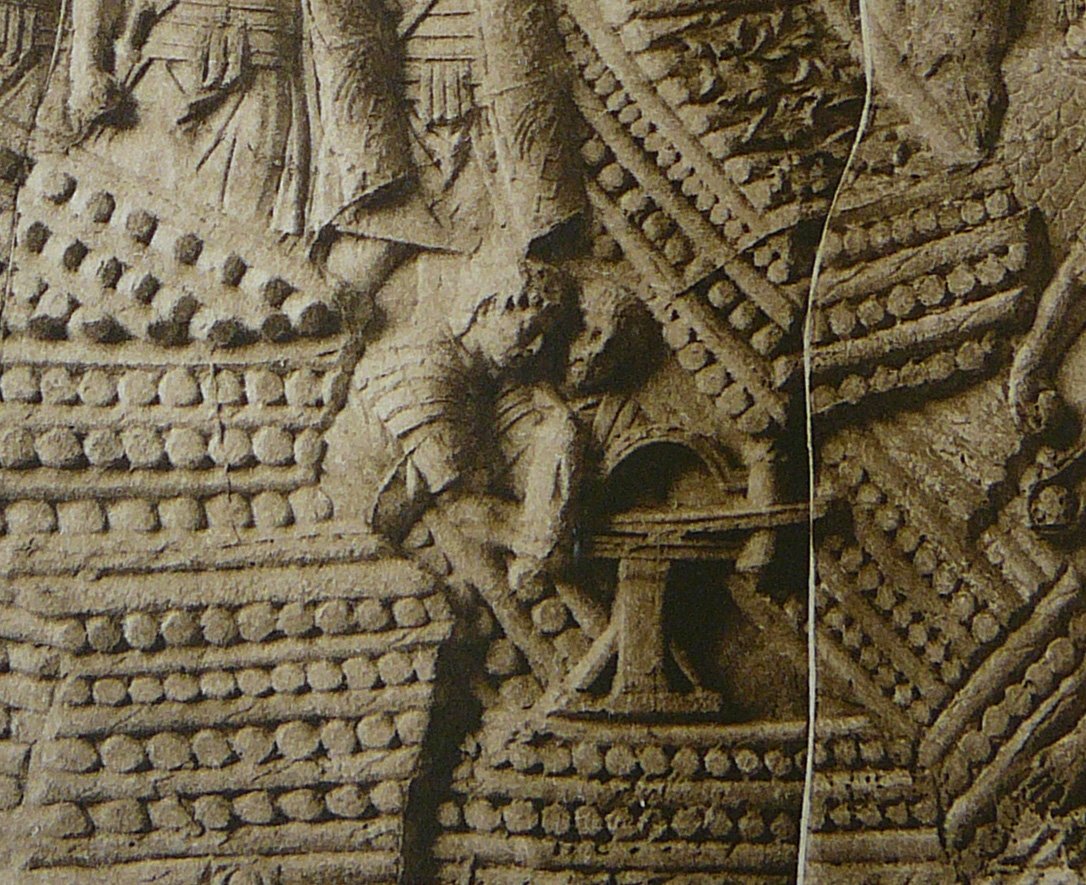
Imagine a weapon so precise it could pick off enemies from behind fortress walls. The Roman Scorpion was a siege engine like no other—a cross between a giant crossbow and a catapult. Powered by twisted ropes, it could launch bolts at deadly speeds with shocking accuracy. Roman engineers refined the design so well that it became the Romans’ secret weapon in both attack and defense. Soldiers could assemble and reposition scorpions quickly, making them as adaptable as they were lethal. Accounts from ancient battles describe bolts piercing armor and shields, causing chaos among enemy ranks. The Scorpion’s blend of raw power and surgical precision made it a tool that could turn the tide of a siege in minutes. It’s a testament to the Romans’ obsession with efficiency and dominance on the battlefield.
Urumi: The Sword That Moves Like a Whip
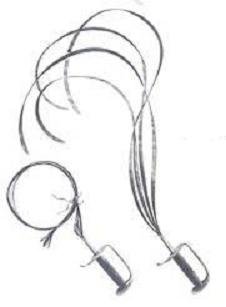
Imagine a weapon so wild that even holding it requires nerves of steel. The Urumi, born in ancient India, is a sword made not of rigid steel but of flexible, razor-sharp metal strips. When spun, it becomes a blur of deadly arcs, able to strike multiple opponents at once. Mastering the urumi takes years—one wrong move, and a warrior could easily slice themselves. It’s both a weapon and a dance, requiring agility and precision. In the right hands, the urumi could disarm, injure, or even terrify opponents simply by its unpredictable movement. Its flexibility made it nearly impossible to block or catch, cementing its place as one of history’s most difficult and dangerous weapons to master.
Chu Ko Nu: The Machine Gun of Ancient China
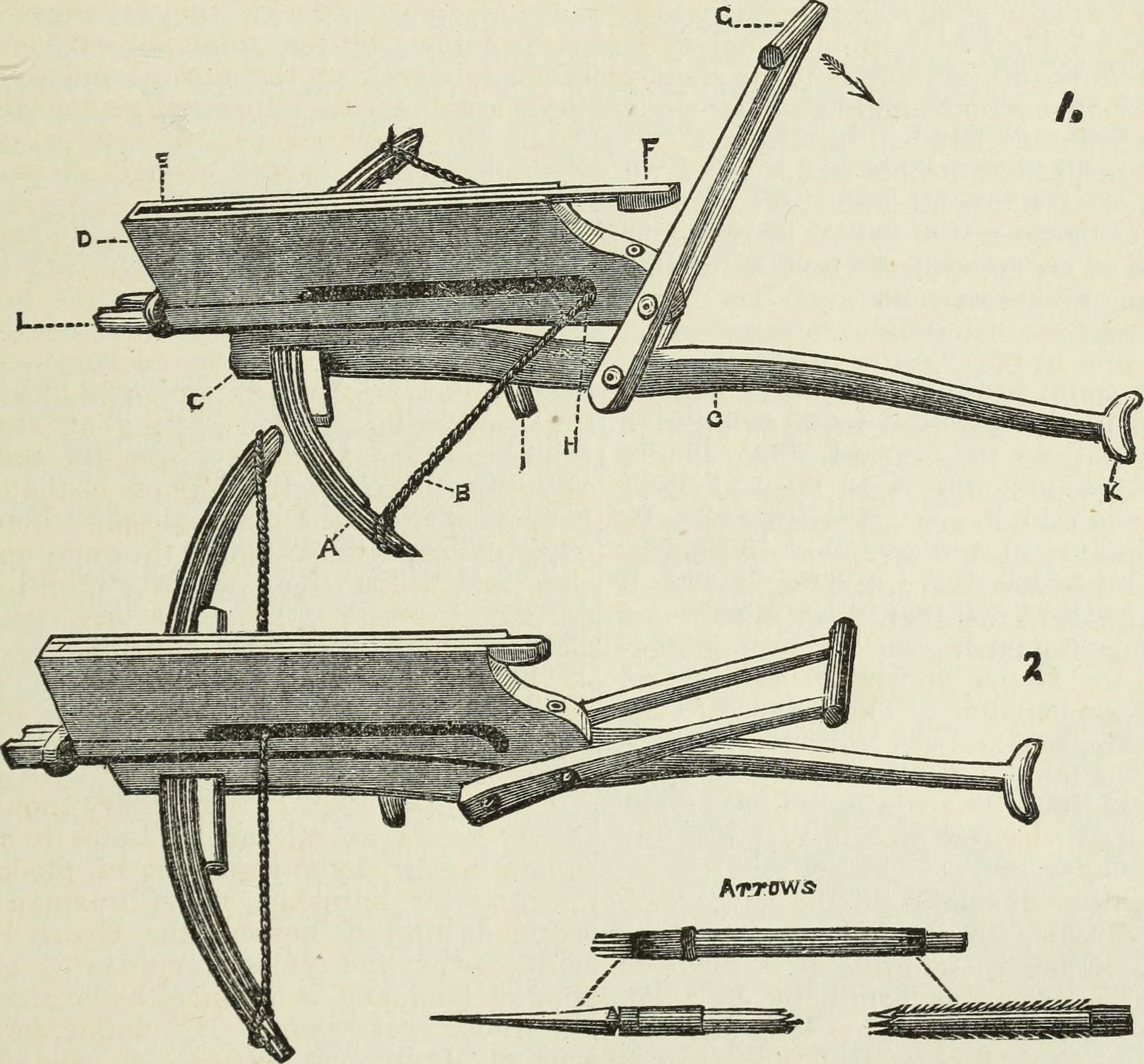
Picture a crossbow that doesn’t slow down after one shot—it just keeps firing. The Chu Ko Nu, or repeating crossbow, could unleash a hail of bolts with a simple lever motion. Used as early as the 4th century BCE, it was centuries ahead of its time, giving Chinese armies a rapid-fire edge that stunned their enemies. Each pull of the lever loaded and fired a new bolt, allowing soldiers to shoot much faster than with traditional bows. It was easy to use, making it accessible to less-trained troops, and its psychological impact was enormous—imagine facing a wall of arrows that never seems to end. The Chu Ko Nu’s ingenuity helped shape the tactics of ancient warfare and stands as a monument to Chinese innovation.
Atlatl: The Prehistoric Power Thrower
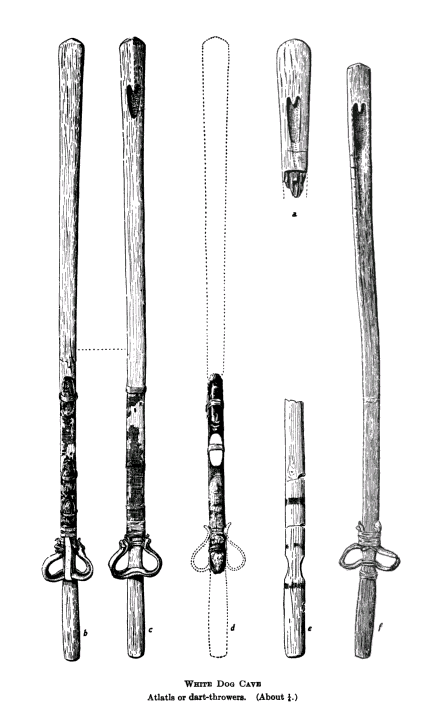
Imagine surviving in the wild, relying on your wits and a simple but brilliant invention. The atlatl, used as far back as 20,000 BCE, was a spear-throwing tool that multiplied human strength. By acting as a lever, it allowed hunters to hurl spears farther and faster than ever before. Early humans could take down large game from a safe distance, forever changing the odds of survival. The atlatl was so effective that it spread across continents, used by cultures from Australia to the Americas. Its design is simple, but the physics behind it are ingenious—proof that even without metal or machines, ancient people were masters of innovation. Using an atlatl today feels like wielding a piece of living history.
Khopesh: The Sword That Hooked Its Way Into History
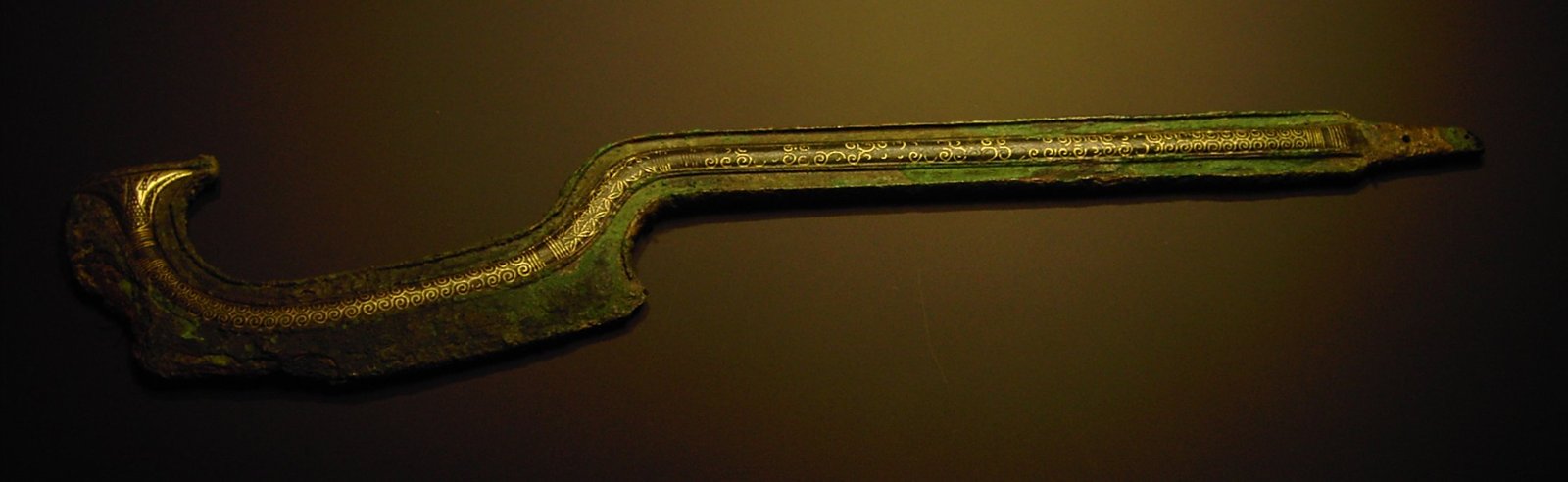
Imagine a sword that looks more like a question mark than a straight blade. The Egyptian Khopesh was part sickle, part sword—a weapon designed for both slashing and hooking. Used by pharaohs and foot soldiers alike, it was as much a symbol of power as a tool of war. Its curved design let warriors disarm enemies or pull riders from their chariots, giving Egyptians a tactical edge. The khopesh was made from bronze or iron and often decorated with intricate designs, showing that it was valued both for its function and its beauty. Its presence in tombs and temple carvings proves its importance in Egyptian culture, where it became an icon of strength and authority.
Qiang: The Spear That Ruled Chinese Battlefields
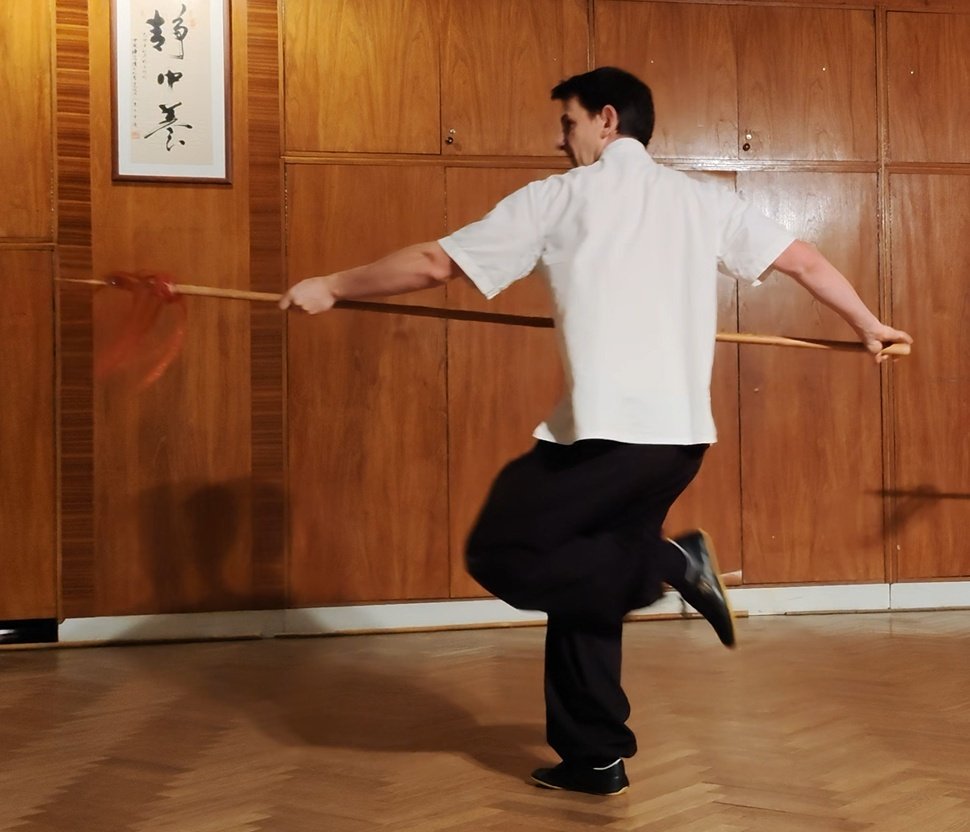
Imagine holding a weapon considered the king of arms in Chinese history. The Qiang spear was more than just a pointy stick—it was a marvel of balance and flexibility. Warriors could thrust, sweep, and even spin the Qiang, making it both an offensive and defensive powerhouse. Its design evolved over centuries, with tips made from bronze and later steel, and shafts crafted for strength and maneuverability. The Qiang’s reputation was so great that entire martial arts schools formed around mastering its use. In the chaos of battle, its reach and versatility gave soldiers a crucial advantage, turning the tide in countless skirmishes and wars. The Qiang remains a symbol of Chinese martial prowess to this day.
Viking Ulfberht Swords: The Blades From Another Age
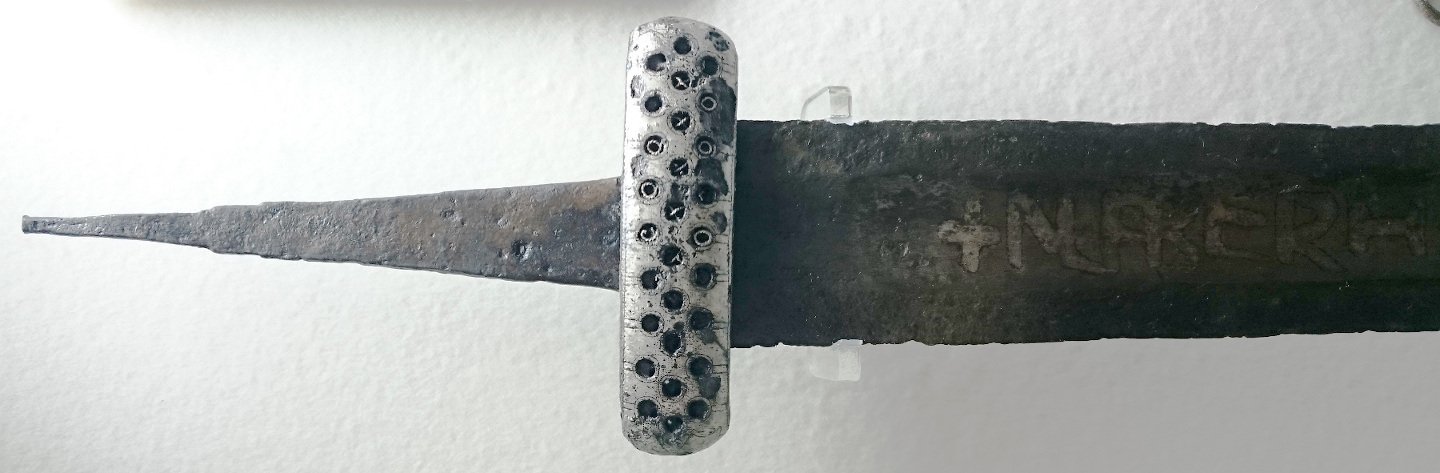
Imagine stumbling upon a sword so pure in its steel that it seems out of place in the Dark Ages. That’s the Ulfberht—a Viking weapon forged with technology centuries ahead of its time. These swords bear mysterious inscriptions and contain carbon levels rivaling modern steel, baffling scientists and historians alike. Only a handful of smiths knew the secret, and the process vanished for nearly 1,000 years. Ulfberht swords were prized by warriors and feared by enemies, able to cut through armor and withstand brutal combat. How such advanced metallurgy reached northern Europe remains a mystery, turning each Ulfberht into a legend in steel. Their legacy is a sharp reminder that the past still holds secrets waiting to be uncovered.

Besides founding Festivaltopia, Luca is the co founder of trib, an art and fashion collectiv you find on several regional events and online. Also he is part of the management board at HORiZONTE, a group travel provider in Germany.
