

- How George Washington Was A Coffee Connoisseur Of His Time - April 10, 2026
- Classic Novels Often Hide Modern Lessons We’re Still Learning Today - April 10, 2026
- The 15 Most Influential Musicians of the 20th Century - April 10, 2026
When Privacy Turns into Paranoia
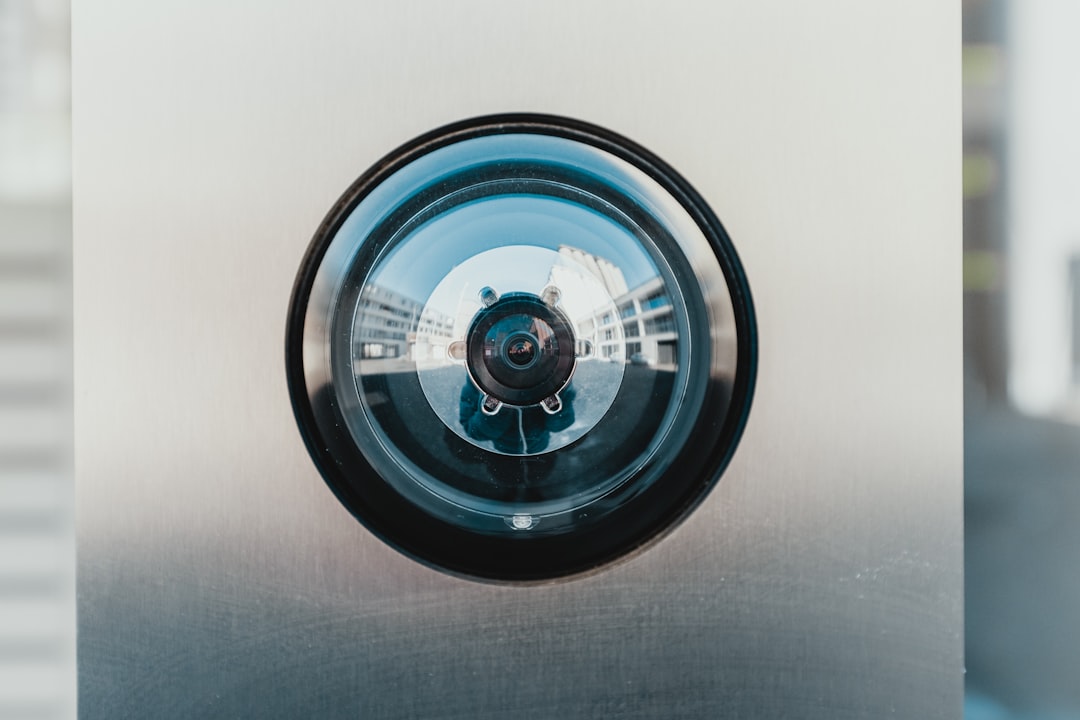
Imagine sitting alone in a quiet house, feeling completely safe—until, suddenly, a camera in the corner pivots in your direction. The room that felt like a sanctuary now feels like a stage, and you’re the unwilling star of someone else’s show. It’s a chilling realization: what if your most private moments aren’t private after all? Hidden surveillance is becoming more common, and it’s not just about technology—it’s about trust, safety, and the invisible line between comfort and fear. These stories, both technological and supernatural, tug at our deepest insecurities and remind us how fragile our sense of security truly is.
The Au Pair’s Discovery
An au pair, tasked with caring for children in a foreign home, found herself facing an unsettling truth. Alone in the house, she noticed a small camera quietly turning to face her. It hadn’t been obvious before, blending in with the room’s decor, but its sudden movement was impossible to ignore. Was someone watching her from afar, hidden behind another screen? Deciding to take action, she unplugged the device, feeling both empowered and uneasy. When the family returned, nobody mentioned the camera or its unplugging, leaving a cloud of suspicion hanging over the home. The au pair was left wondering if her every move had been observed, and why such a secret would be kept.
The Ex-Husband’s Comment

For one woman, the invasion of privacy came in the form of a phone call. Her ex-husband called, seemingly out of the blue, and commented on her outfit—specifically suggesting a different pair of boots than the ones she had on. The catch? She hadn’t told him about her plans, her outfit, or even where she was going. The realization that he knew these details without her sharing them sent shivers down her spine. Was he spying on her, or was there another explanation? The experience left her deeply unsettled, questioning who might be watching and just how vulnerable her daily life had become.
The Unseen Footsteps

Not all stories of being watched involve technology. One college student, living in a creaky old house, started hearing doors opening and closing late at night. At first, she dismissed the noises as the house settling or the wind shifting through the halls. But when she realized she was the only one home, her heart raced. The footsteps grew more frequent and persistent, making her feel as if she was never truly alone. The fear escalated with each unexplained noise, blurring the line between reality and the supernatural. The once-cozy student house now felt like a haunted maze, filled with invisible eyes and lurking presences.
The Doppelgänger Sighting
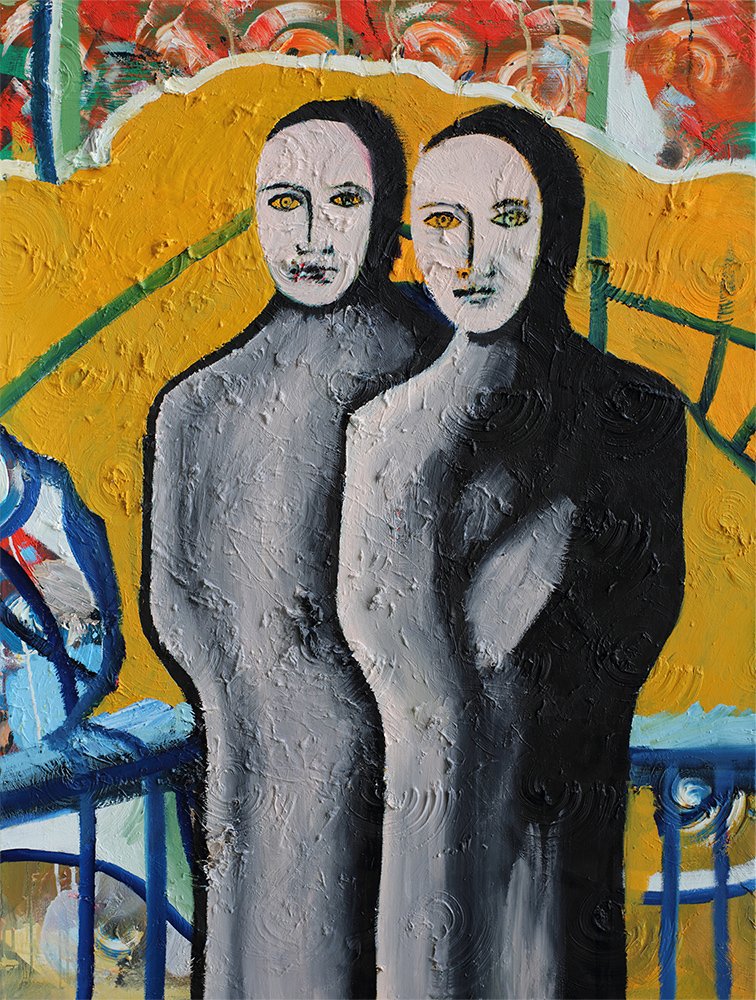
During a casual video chat, an individual thought they glimpsed their sister climbing the stairs in the background of the webcam. It seemed unremarkable—until they remembered the sister was asleep on the couch, right in front of them. The confusion quickly turned to fear. Who, or what, had they seen? Was it a trick of the light, a doppelgänger, or something more sinister? The incident left them questioning their senses and the boundaries of the physical world. These moments, where logic fails and the impossible seems to happen, are enough to make anyone question what else might be lurking unseen.
The Haunting Feeling of Being Watched
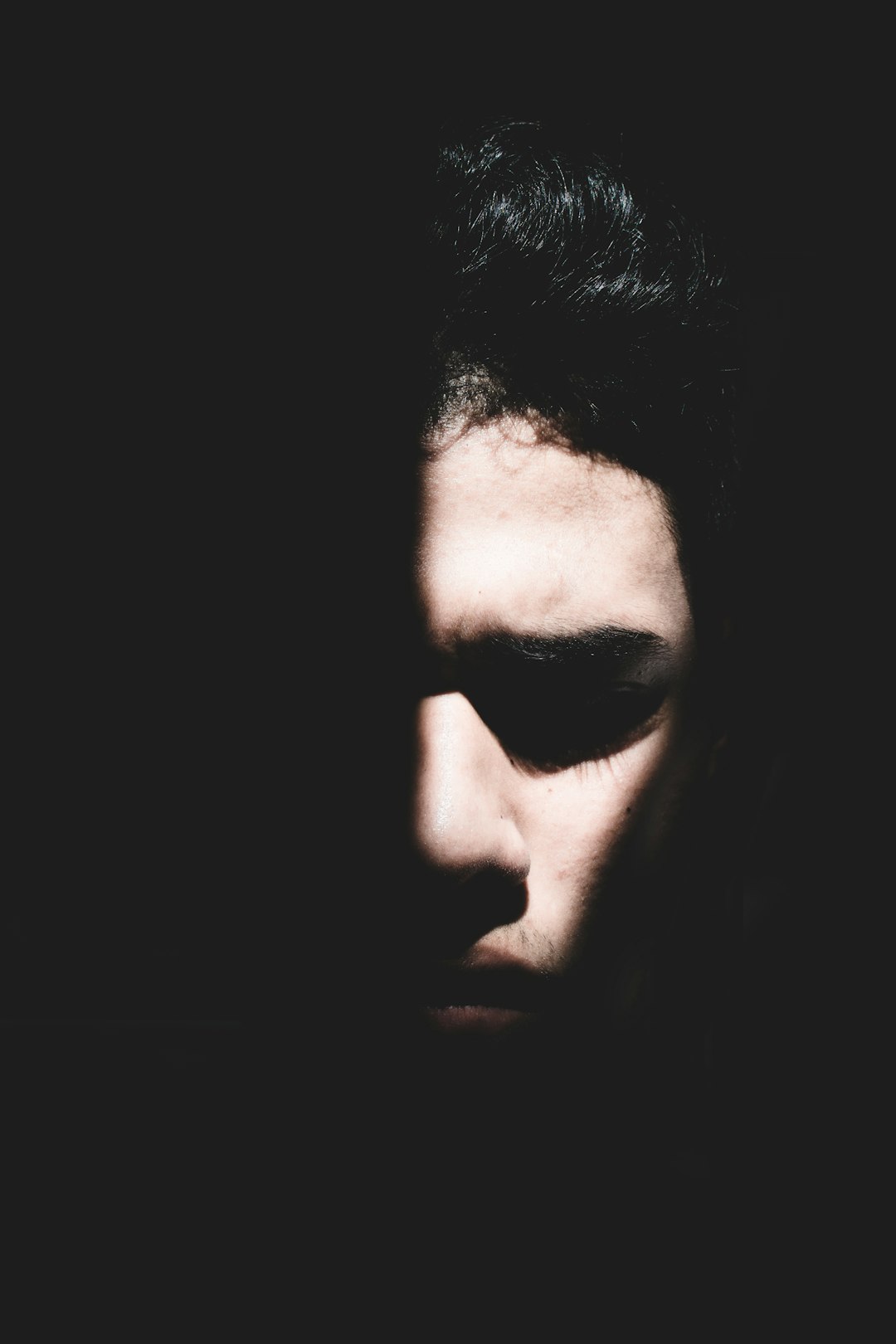
There’s a unique terror in the sensation of being observed when you’re alone. The mind races, imagining eyes in the shadows or cameras hidden in everyday objects. Even the smallest sign—a flickering light, a misplaced object—can send a surge of adrenaline through your body. These feelings aren’t easily shrugged off; they linger, making every creak and whisper suspect. People often change their behavior, becoming more cautious or anxious, hoping to reclaim some sense of control. The fear of unseen observers is deeply rooted in human nature, and modern technology only amplifies these anxieties.
Technology: A Double-Edged Sword
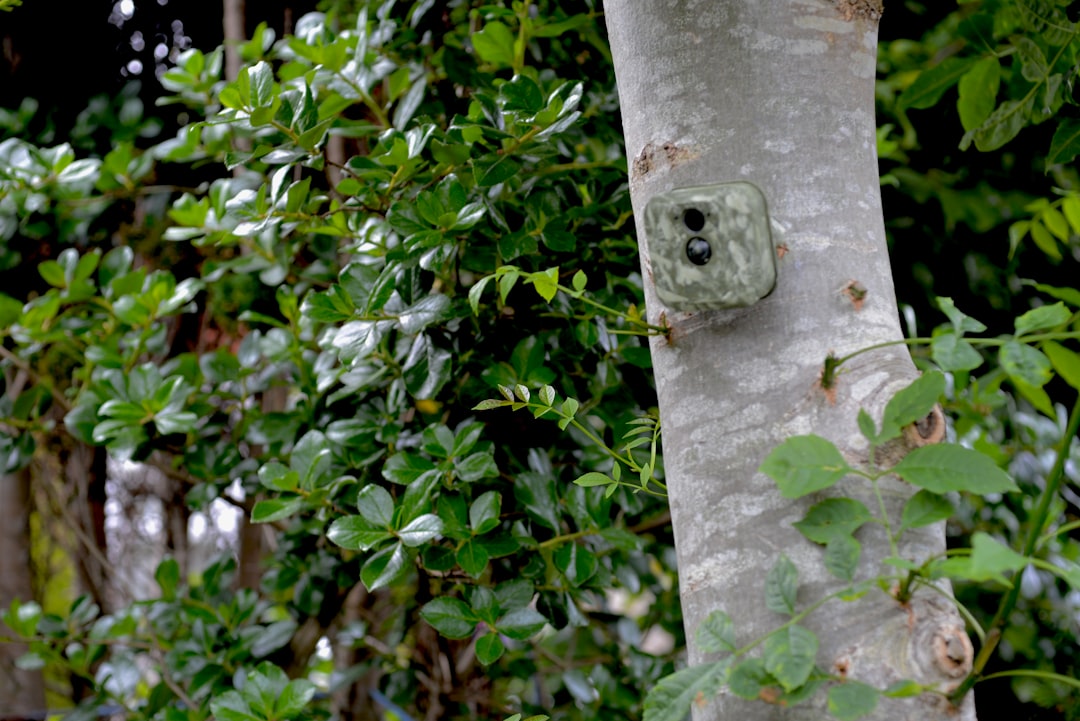
Modern technology brings countless conveniences, but it also opens doors to new kinds of invasions. Hidden cameras are smaller and easier to hide than ever before, blending seamlessly into clocks, smoke detectors, or even picture frames. The very tools designed to keep us safe can be twisted into tools of surveillance. People worry not only about strangers tapping into their devices but also about friends, partners, or employers using technology to monitor them. The question becomes: who is watching, and why? Every advancement in tech seems to come with a new risk to our privacy.
Supernatural or Psychological? The Thin Line
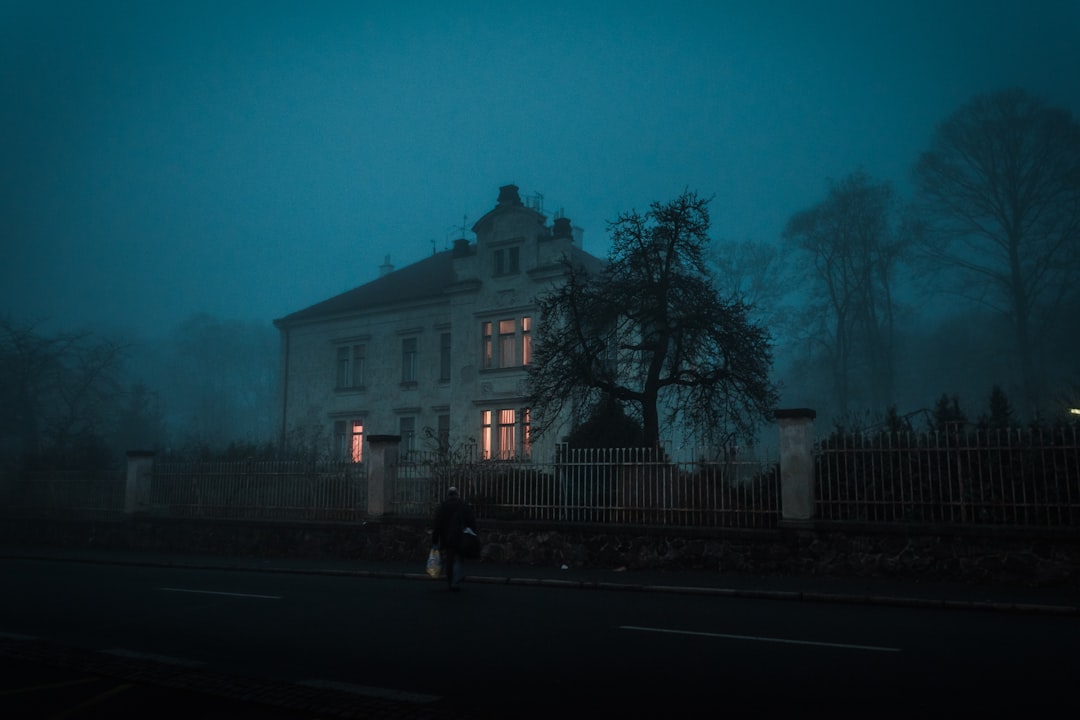
Sometimes, the fear of being watched isn’t caused by a real observer but by the mind itself. Old houses, creaky floors, and late-night solitude can conjure up feelings of unease. Some explain these experiences as ghosts or spirits; others see them as tricks of the brain, fueled by stress or imagination. Regardless of the cause, the emotions are real—palms sweat, hearts race, and sleep is lost. Whether the watcher is a hidden camera or a shadow in the hallway, the impact on our sense of safety is the same. These experiences remind us how easily our perception of reality can be shaken.
The Ripple Effects of Surveillance
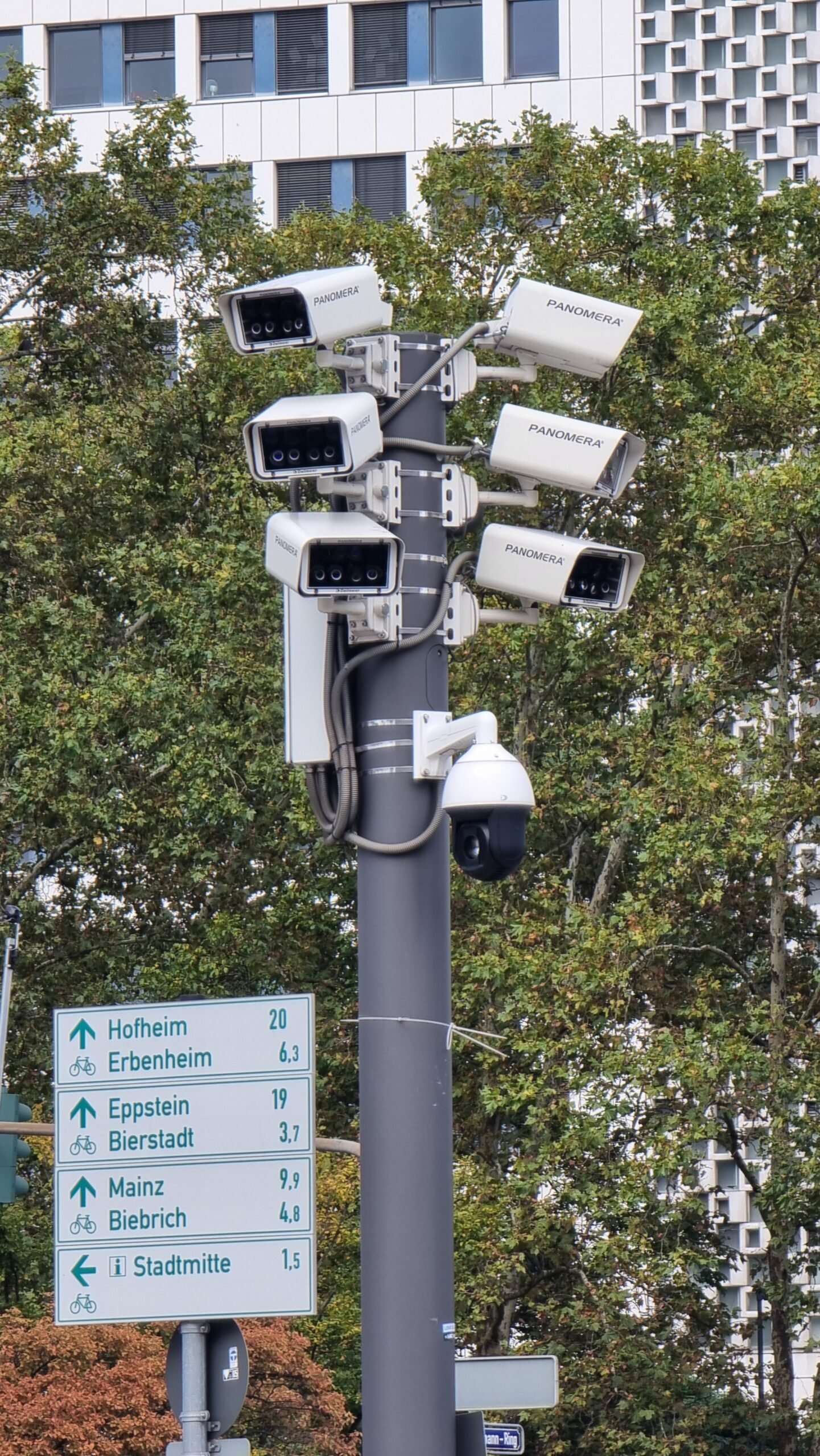
Knowing—or even suspecting—that you’re being watched changes everything. People start second-guessing their actions, censoring their conversations, and feeling constantly on edge. Relationships can suffer, as trust erodes and suspicion takes root. In workplaces, surveillance can create a culture of fear, stifling creativity and honesty. At home, the very place meant to be a refuge, the presence of surveillance technology can feel like a betrayal. The ripple effects reach far beyond the moment of discovery, shaping how we live, interact, and even think.
Taking Control: How to Protect Your Privacy
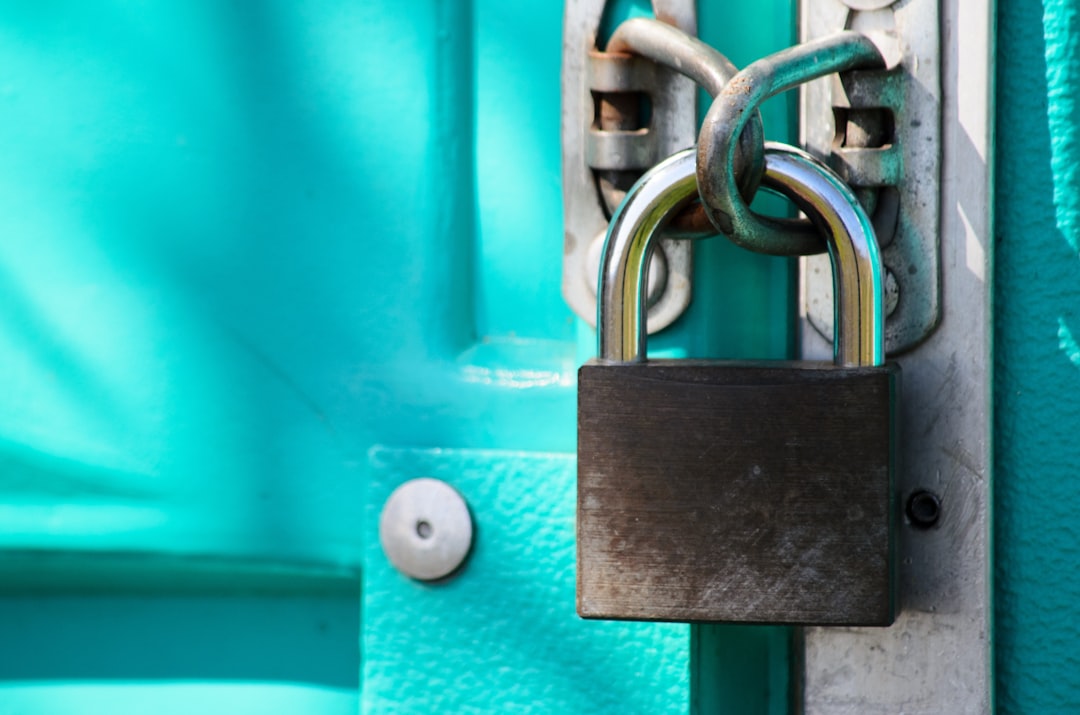
Awareness is the first step to protecting yourself from hidden observers. Simple actions—like scanning rooms for unusual devices, checking for small holes in walls or furniture, and using camera-detection apps—can go a long way. If something feels off, trust your instincts and investigate. Discuss privacy boundaries openly with those you live with. In the digital age, knowledge is power. By staying vigilant and informed, you can reclaim a sense of safety and autonomy, even in a world filled with prying eyes and mysterious presences.

Besides founding Festivaltopia, Luca is the co founder of trib, an art and fashion collectiv you find on several regional events and online. Also he is part of the management board at HORiZONTE, a group travel provider in Germany.
