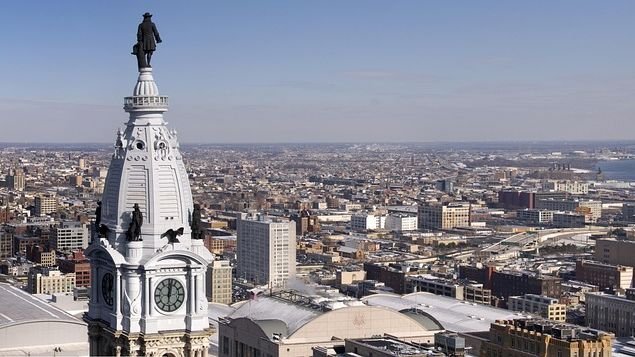
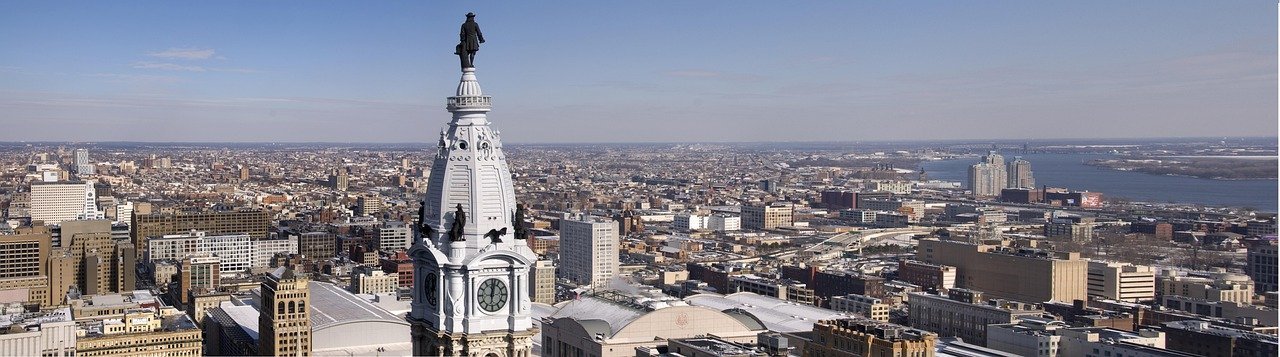
Glance at Pennsylvania from orbit after dark, and the split jumps out immediately. The eastern half pulses with a brilliant network of lights, from Philadelphia’s glow stretching toward Pittsburgh’s edge. Western expanses, though, dissolve into near darkness, dotted only by faint clusters around major cities. This isn’t just a pretty picture; it mirrors a deep-rooted population imbalance where over 70 percent of the state’s 13 million residents cram into the east, despite it covering less land.
What’s driving this lopsided growth? Centuries of history, geography, and economic twists have funneled people eastward, leaving vast western tracts sparsely settled. Let’s unpack the forces at play, starting from colonial roots right up to today’s job battles.
Colonial Roots Set the East-West Stage
Philadelphia anchored eastern Pennsylvania as a booming port from the start, pulling in European settlers with fertile lands and the Delaware River’s easy access. Trade and farming took off quickly, building dense communities. Western areas stayed wild frontier longer, blocked by the Appalachian Mountains and toughened by Native American resistance and rough terrain. Pioneers trickled in later, around the late 1700s, but never matched the east’s early surge.
This lag endures. Eastern counties boast younger populations and steady influxes, while the west grapples with aging demographics. Here’s the thing: that mountain barrier didn’t just slow settlers; it shaped everything that followed.
Industrial Boom Widens the Gap
The 1800s supercharged the divide through factories and steel. Philadelphia and Allentown hummed with textiles and manufacturing, drawing immigrant waves to diversified economies. Pittsburgh lit up as the world’s steel kingpin, peaking at 670,000 people in 1950, but its surrounding plateau stayed empty due to steep hills and few rivers for mills.
Deindustrialization later crushed the west hardest. Steel jobs vanished in the 1970s and 1980s, sparking massive out-migration; Allegheny County shed 20 percent of its residents from 1970 to 2020. Eastern hubs pivoted smoothly to other sectors, keeping populations climbing.
Geography Locks in the Imbalance
Rugged Appalachians dominate western Pennsylvania, with steep ridges and unglaciated plateaus that choke urban sprawl. Narrow valleys cramp expansion, and twisty roads like U.S. Route 22 make daily commutes a grind. Flat Piedmont lands in the east, meanwhile, suit farms, suburbs, and big-box stores perfectly, laced by interstates like I-95.
Rivers such as the Susquehanna aided early eastern transport, evolving into logistics goldmines today. Even around Pittsburgh, scarce flatland hampers growth for malls or warehouses. Let’s be real: nature’s hand here feels unyielding, dooming western density dreams.
Modern Economies Pull People Eastward
Healthcare, education, and tech fuel eastern job booms, with spots like Penn Medicine and UPenn driving median incomes past $70,000 in places like Chester County. Philadelphia’s metro swelled to nearly 6 million, thanks to ties with New York and D.C., plus Lehigh Valley warehouses for giants like Amazon. Pittsburgh carves niches in robotics and cybersecurity via Carnegie Mellon, yet rural western counties linger with high unemployment and brain drain.
Young folks bolt east or out-of-state, pushing western median ages over 45 versus the east’s 40. Remote work helps a bit, but lifestyle magnets like culture and transit keep the pull eastward. Fracking added 50,000 Marcellus Shale jobs briefly, though volatility dulled the shine.
Infrastructure and Livability Seal the Deal
Eastern perks include SEPTA trains, Philadelphia International Airport, and quick links to big cities. Western reliance on creaky interstates and spotty Amtrak isolates towns, fueling school closures and crumbling roads. Affordable eastern suburbs pair homes with nearby jobs, unlike western rural woes.
Related Stories From Festivaltopia


Entertainment and amenities cluster east, from Harrisburg’s growth to Scranton’s edge over western peers. Natural gas booms flickered hope, but environmental pushback limited staying power. This setup reinforces why lights stay dim out west.
Final Thought
Pennsylvania’s east-west split spotlights Rust Belt struggles nationwide, with urban hubs thriving amid rural fade. Without bold policy shifts like tech investments or broadband blasts, that 3-to-1 population ratio looks locked in. What surprises you most about this divide – history, hills, or jobs? Share in the comments.
Source: Original YouTube Video