Modern views often paint ancient peoples as limited by simple tools and basic knowledge. Yet their monumental works reveal a depth of engineering skill that still prompts debate among scholars. Structures aligned with cosmic precision and materials enduring millennia force us to rethink those assumptions.
These achievements relied on keen observations of nature, mathematics, and trial-and-error over generations. While we grasp broad strokes today, exact methods remain elusive in many cases. Such feats remind us that innovation flourished long before our industrial age.[1][2]
The Pyramids of Giza

Ancient Egyptians raised the Great Pyramid around 2580 BCE using over two million limestone blocks, each averaging 2.5 tons. Workers quarried stone nearby, floated it via Nile barges, and hauled it up ramps that likely spiraled around the structure. Their alignment to true north is off by just three arcminutes, showcasing astronomical savvy.[3]
Scholars puzzle over how they achieved such precision without modern instruments. Internal chambers feature granite beams cut to fit perfectly, transported from hundreds of miles away. Questions linger on ramp designs and labor organization, as experiments replicate but don’t fully match the scale or speed.[4]
The Antikythera Mechanism
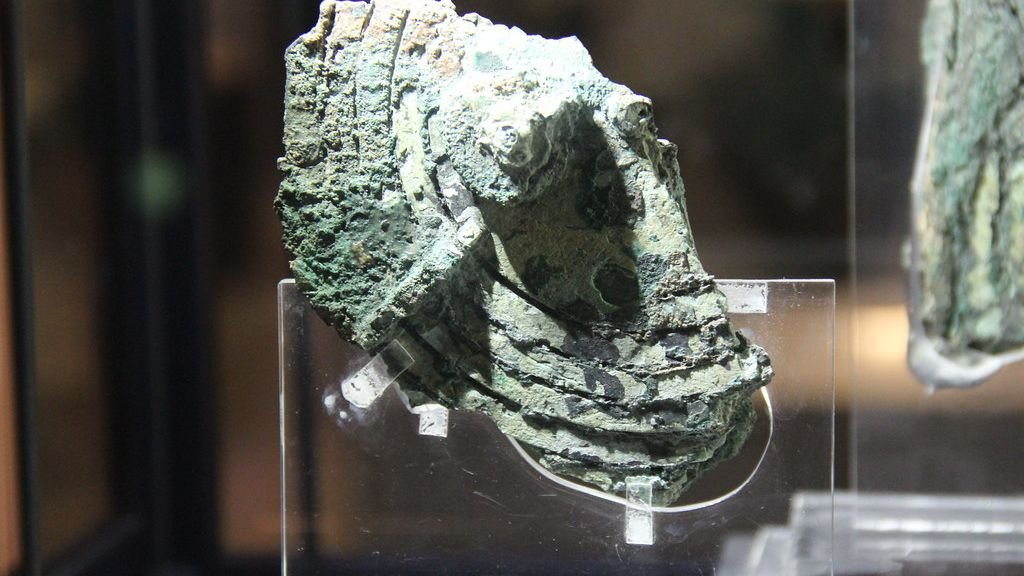
Divers found this bronze device in a 1901 shipwreck off Greece, dating to about 100 BCE. It boasts over 30 gears modeling planetary motions, eclipses, and Olympic cycles with hand-cranked dials. Greek astronomers like Hipparchus informed its epicyclic gear trains, far ahead of medieval clocks.[5]
Experts marvel at the triangular teeth and differential gearing, unmatched until the 14th century. Corrosion hides full workings, but X-rays reveal inscriptions in ancient Greek. Debates persist on its exact origin and whether prototypes existed earlier, as no similar artifacts survive.[6]
Manufacturing such fine mechanisms with hand tools challenges our understanding of ancient metallurgy.
Roman Self-Healing Concrete
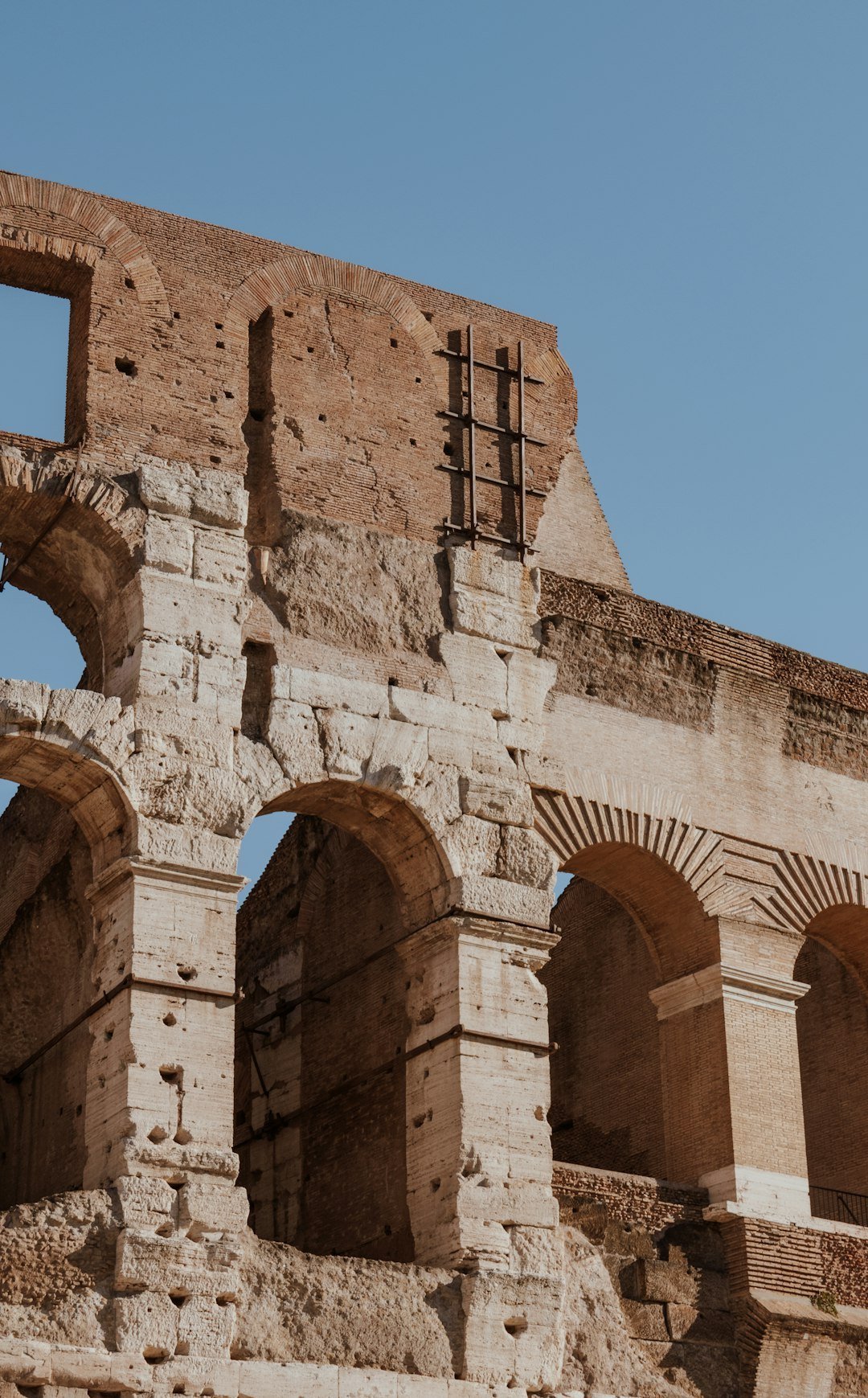
Romans mixed volcanic ash, lime, and seawater into concrete for harbors like those at Caesarea, built around 20 BCE. This pozzolanic reaction formed durable crystals that grew stronger over time, even in saltwater. Structures endure today, outlasting modern Portland cement equivalents.[7]
Recent analysis shows lime clasts enabled self-healing by filling cracks with new minerals. Yet replicating the exact recipe proves tricky, as proportions varied by region. Scholars question how they scaled production for massive projects like the Pantheon dome without modern mixers.[8]
Inca Stonework at Sacsayhuamán
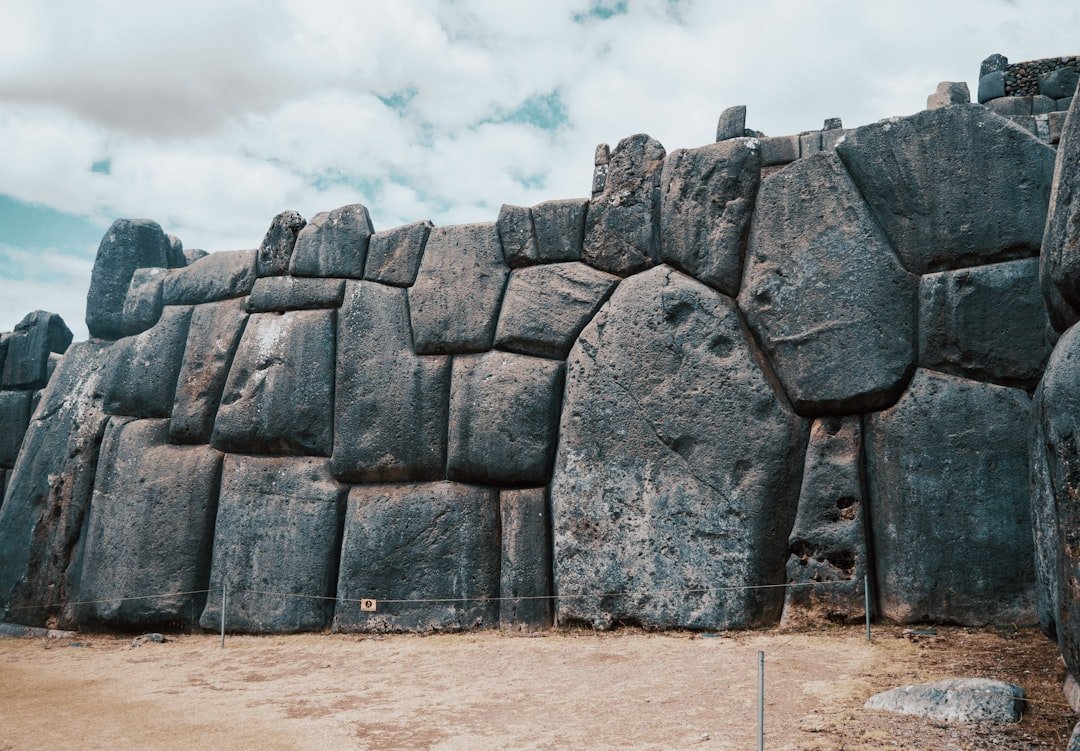
Inca builders in Peru fitted massive polygonal stones at Sacsayhuamán around 1500 CE without mortar, some weighing over 100 tons. They softened stone with acid or shaped via pounding, achieving joints so tight a paper won’t fit. Terraced fields and roads extended this precision across the empire.[9]
Earthquake resistance comes from interlocking forms that absorb shocks. How they quarried, transported, and positioned boulders remains debated, with lever and ramp theories tested but not proven at full scale. Their knowledge of geometry and material stress anticipates modern engineering principles.[10]
The Iron Pillar of Delhi
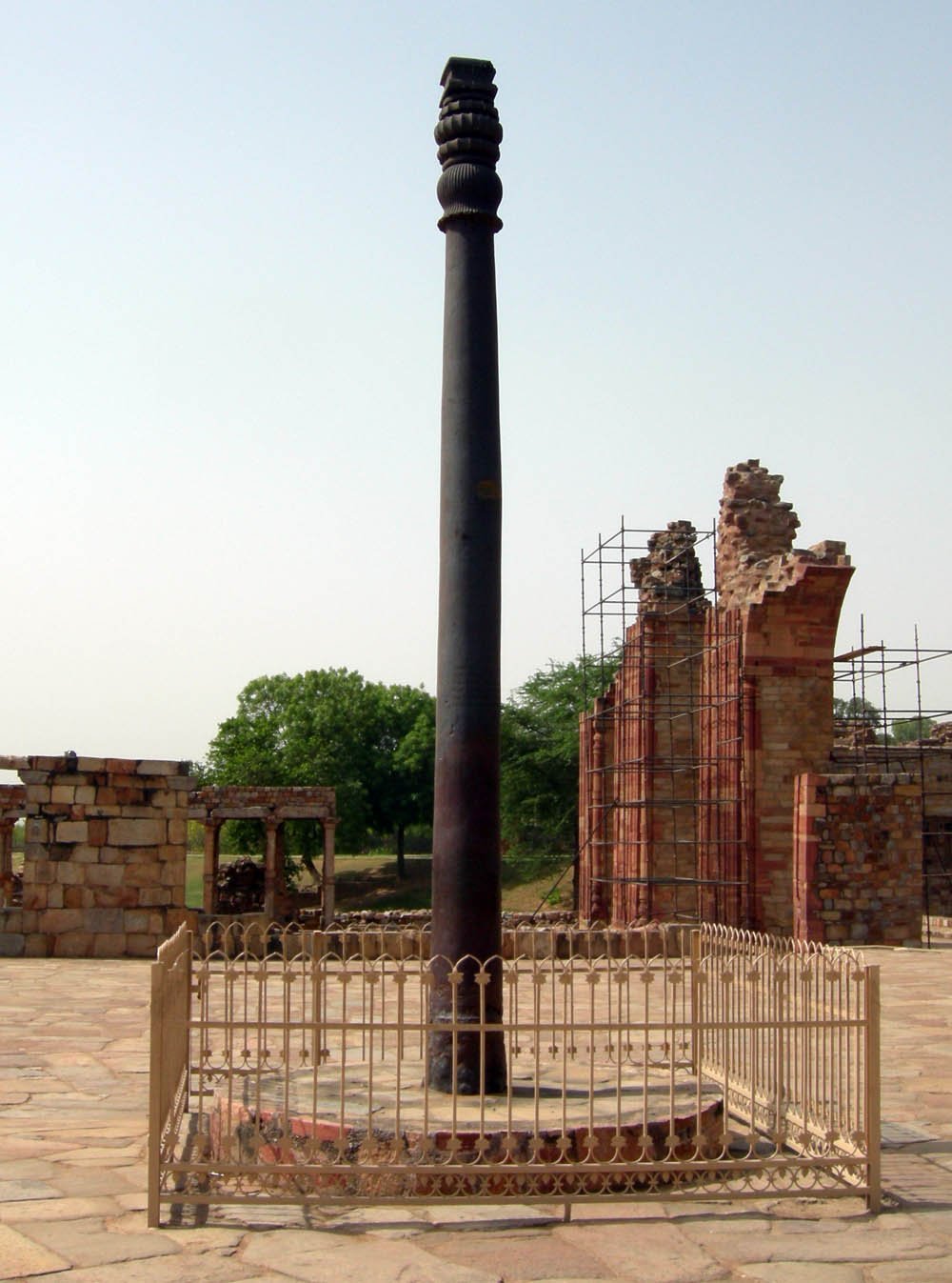
Erected in 400 CE by Gupta rulers, this 23-foot pillar weighs six tons yet shows minimal rust after 1600 years. High phosphorus content created a passive oxide layer, shielding the iron core. Forged from ore smelted in bloomery furnaces, it stands in a Delhi temple courtyard.[11]
While the corrosion resistance is now understood, replicating the purity and forging without modern tech eludes us. Surface inscriptions praise King Chandra, but construction logistics puzzle experts. It hints at advanced metallurgy lost in later eras.[12]
Climate and minimal pollution helped, yet its longevity sets it apart.
Puma Punku’s Precision Engineering
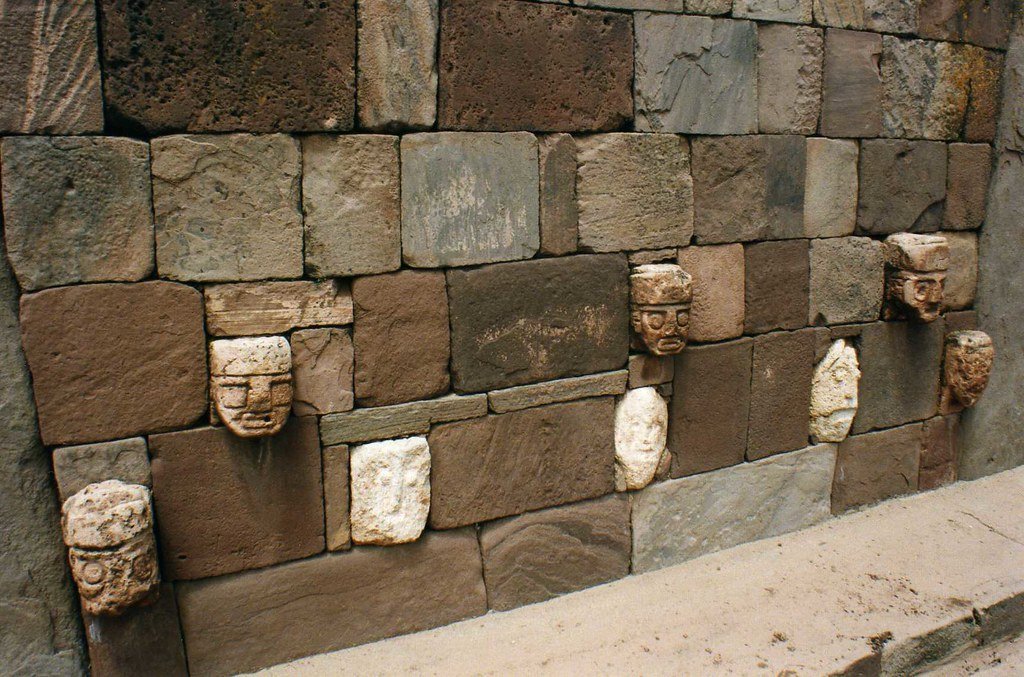
At Bolivia’s Puma Punku site, around 500 CE, Tiwanaku people carved andesite blocks with laser-like flatness and 90-degree angles. H-shaped stones interlock like puzzle pieces, some drilled with straight holes uniform in diameter. Quarried 10 miles away, they were floated on reed boats across Lake Titicaca.[10]
Tool marks suggest copper chisels and abrasives, but achieving sub-millimeter precision baffles replication attempts. The site’s sudden abandonment leaves questions on societal collapse and tech transmission. It reflects sophisticated planning and stoneworking beyond simple labor.[4]
Byzantine Greek Fire

From 672 CE, Byzantines deployed Greek fire, a napalm-like incendiary from siphons on ships. It burned on water, likely using petroleum, quicklime, and resins pressurized by a force pump. This secret weapon repelled Arab sieges for centuries.[13]
The precise formula vanished after 1204 CE, thwarting full recreation despite experiments. Delivery via handheld projectors showed fluid dynamics grasp. Ongoing debates center on ingredients and pump mechanics, underscoring lost chemical warfare knowledge.[14]
Lessons from Ancient Ingenuity

These examples highlight how early societies harnessed local resources with remarkable insight. From gears tracking stars to stones defying quakes, their works endured through clever adaptation. Modern science explains much, yet gaps in methods persist, inviting continued study.
Recognizing this sophistication tempers our sense of progress. Ancients remind us that true advancement lies in observation and persistence, not just tools. Their legacy challenges us to look closer at history’s quiet geniuses.[15]