Early human societies crafted works of staggering beauty and complexity using rudimentary tools like chisels of copper and brushes of reeds. Without modern machinery or synthetic paints, they quarried massive stones, fired delicate ceramics, and etched symbols that captured the essence of their world.
These achievements stand as testaments to ingenuity. Limited by available materials, ancient artists turned stone, clay, and metal into enduring expressions of belief, power, and daily life.[1][2]
Ancient Egypt
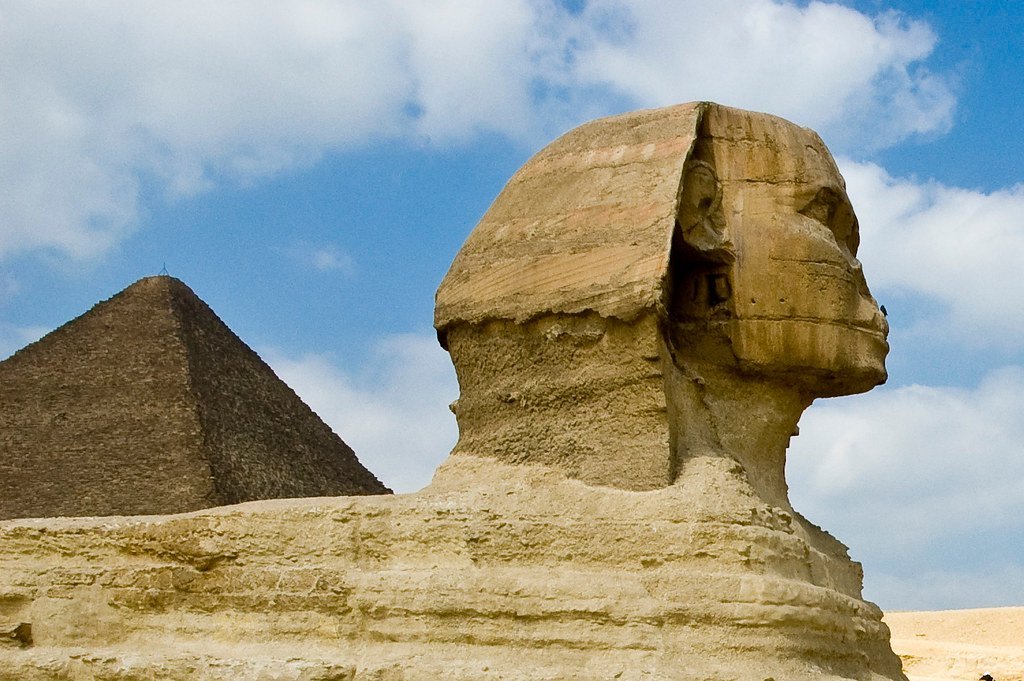
Egyptian artists mastered sculpture in hard stones like granite and diorite, carving colossal statues such as the Great Sphinx with basic hammers and chisels. They painted vivid murals on tomb walls using mineral pigments mixed with water, depicting pharaohs and gods in profile views that conveyed eternal order. Faience and jewelry incorporated gold, lapis lazuli, and turquoise for intricate inlays.[3]
This art reinforced the pharaoh’s divine role and ensured immortality for the elite. Temples and tombs brimmed with these works, linking the living to the afterlife and maintaining cosmic balance. Such pieces influenced later Mediterranean cultures profoundly.[4]
Sumerian Mesopotamia
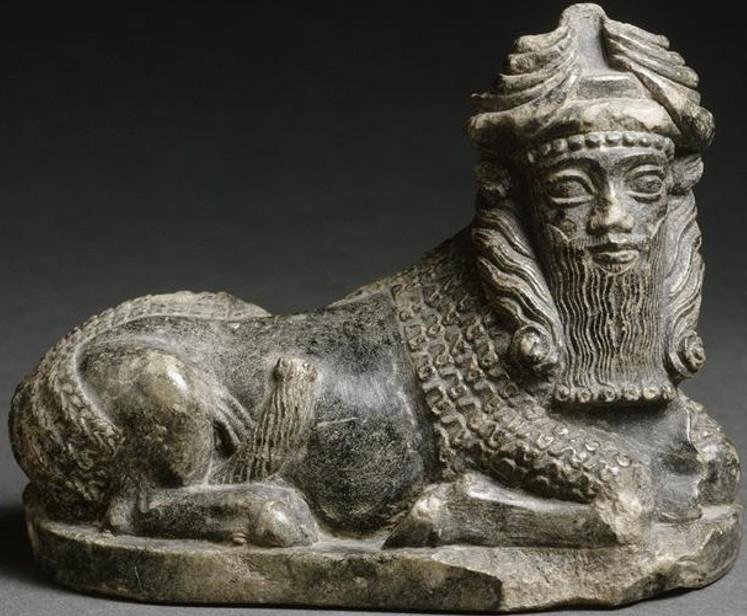
Sumerians excelled in clay modeling and bronze casting, producing life-sized statues with inlaid eyes of shell and lapis for a striking gaze. They built ziggurats adorned with glazed bricks and carved cylinder seals depicting myths in fine detail. Metalwork included elaborate headdresses and weapons chased with repoussé techniques.[5]
These artifacts served religious rituals, honoring gods in temple precincts and marking ownership on clay tablets. Art captured urban life, warfare, and worship, forming the visual language of the world’s first cities. Their innovations in narrative reliefs paved the way for storytelling in art.[6]
Indus Valley Civilization
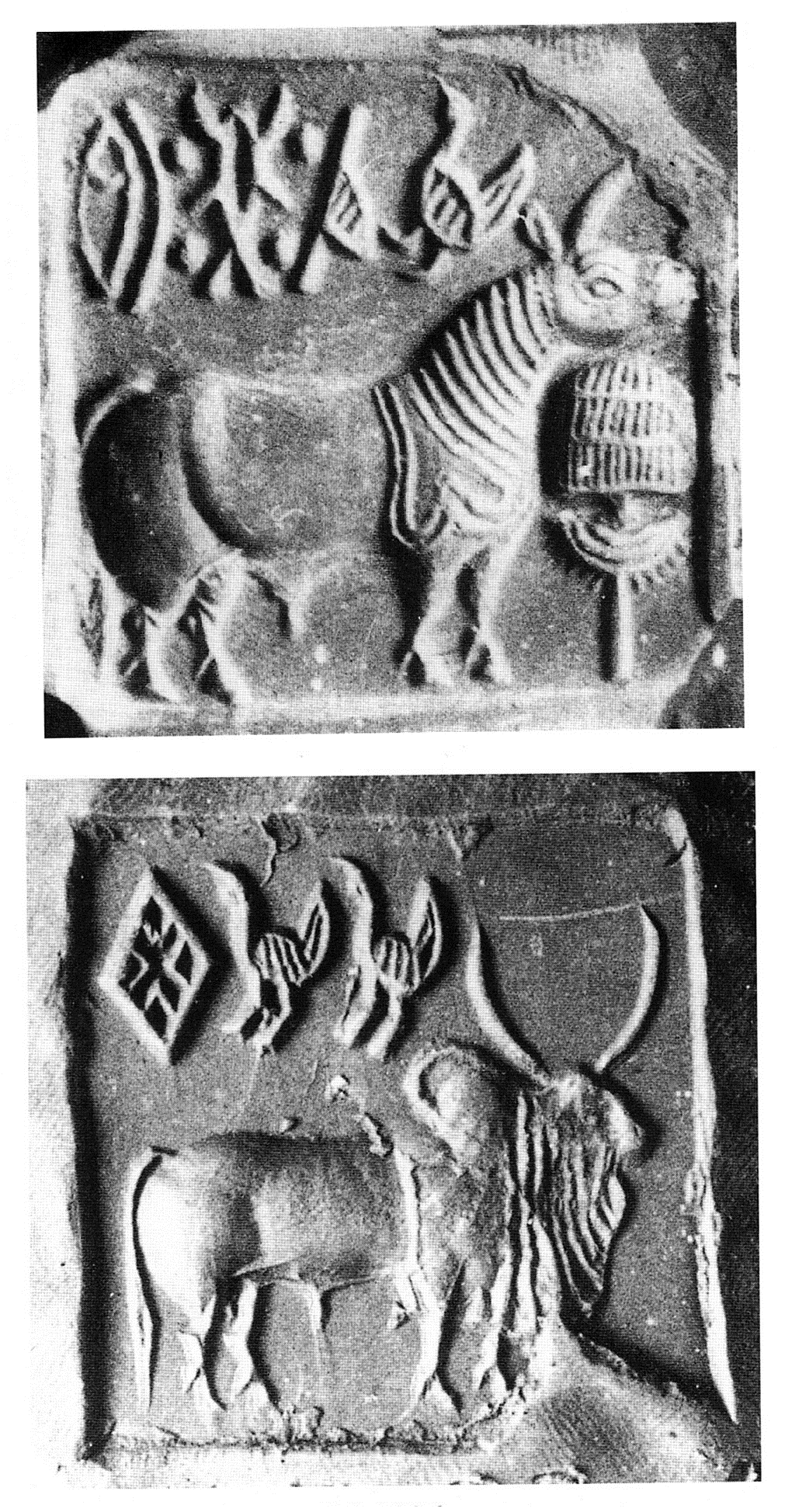
Harappan artisans fashioned seals from steatite, engraving unicorns and script with precision using fine tools. They cast bronze figures like the famous dancing girl, showcasing lost-wax techniques, and painted pottery with geometric motifs in black on red slips. Terracotta figurines and bead jewelry highlighted advanced metallurgy and bead-making.[7]
Seals likely functioned in trade and administration, reflecting a bureaucratic society. Sculptures hinted at ritual practices, while uniform urban art suggested shared cultural values across vast regions. This understated elegance spoke to harmony and prosperity in one of the earliest urban cultures.[8]
Minoan Civilization
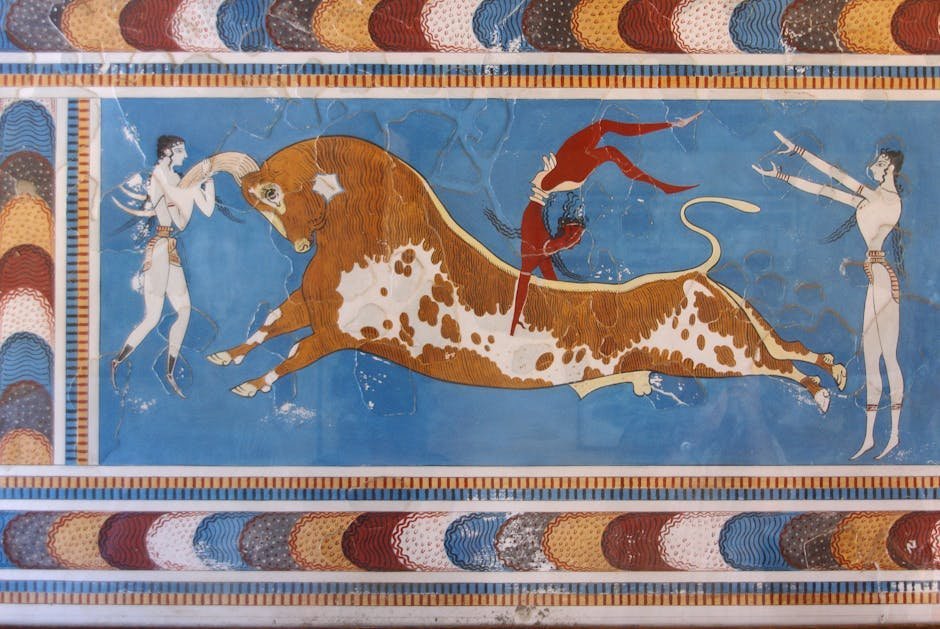
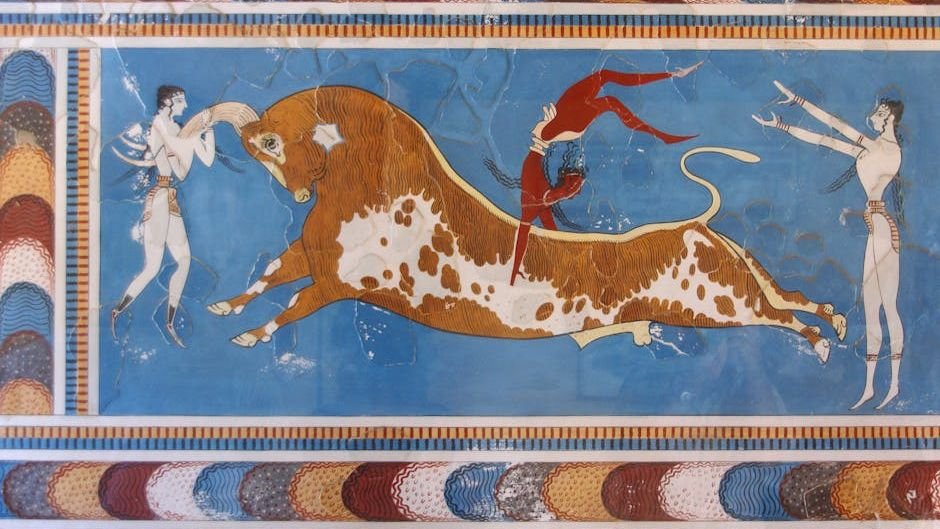
Minoan painters created lively frescoes on palace walls at Knossos, using lime plaster and vibrant ochres to depict bull-leaping and marine life in fluid motion. Potters developed the Kamares ware, with swirling patterns in dark-on-light clay fired at high temperatures. They carved ivory and faience figurines, like the Snake Goddess, with elaborate headdresses.[9]
These works celebrated nature and vitality, adorning palaces that symbolized Minoan thalassocracy. Art conveyed a peaceful, seafaring ethos, influencing Mycenaean and later Greek styles. The emphasis on movement and color evoked joy in everyday rituals.[10]
Ancient Greece
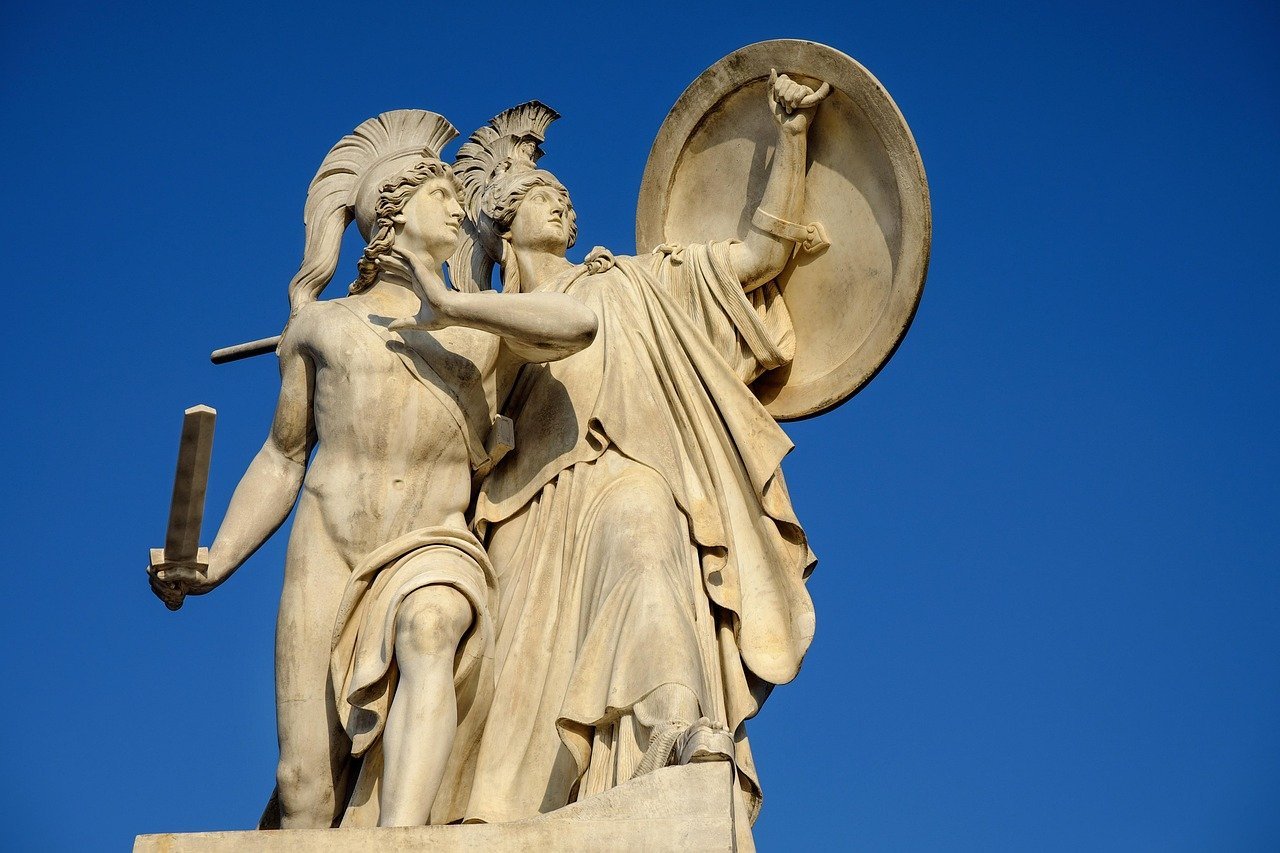
Greek sculptors perfected contrapposto in marble, as seen in statues like the Discobolus, using drills and abrasives for anatomical realism. Vase painters shifted to red-figure techniques, reserving clay’s natural color for figures detailed in black slip. Architects designed temples with optical refinements in Doric and Ionic orders.[11]
Art embodied ideals of beauty, proportion, and heroism, honoring gods and athletes in sanctuaries. It reflected democratic values and philosophical inquiry, shaping Western aesthetics. Public displays fostered civic pride and cultural unity.[12]
Maya Civilization
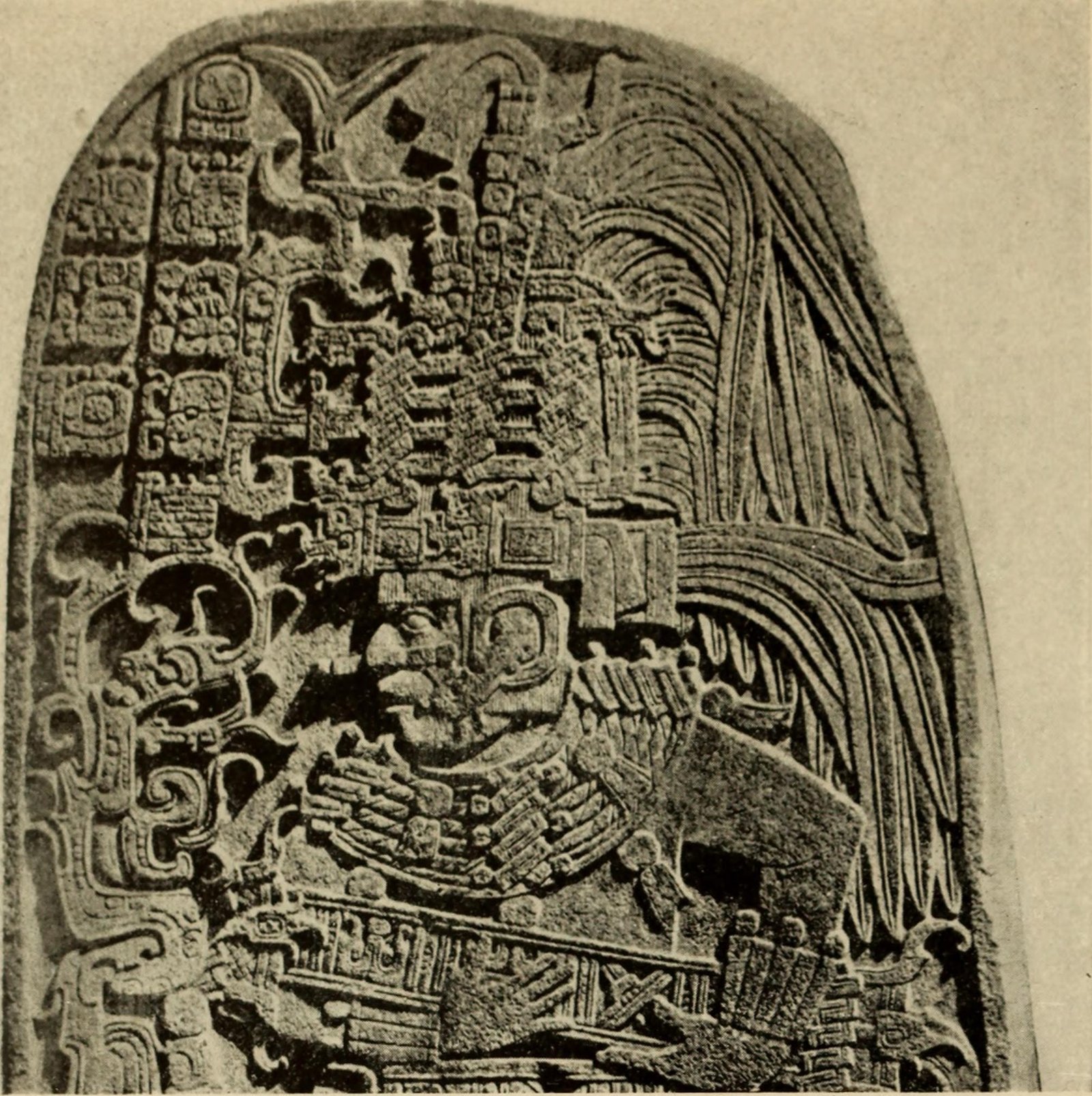
Maya carvers shaped stelae from limestone, incising hieroglyphs and portraits of rulers with jade chisels. They painted murals at Bonampak with post-fired pigments, capturing court scenes in vivid blues and reds. Jade mosaics and eccentric flints showcased lapidary skills.[13]
Monuments recorded dynastic histories and celestial events, legitimizing kings as divine intermediaries. Art intertwined with writing and astronomy, preserving cosmology for posterity. This rich iconography revealed a complex worldview of cycles and sacrifice.[14]
Ancient China
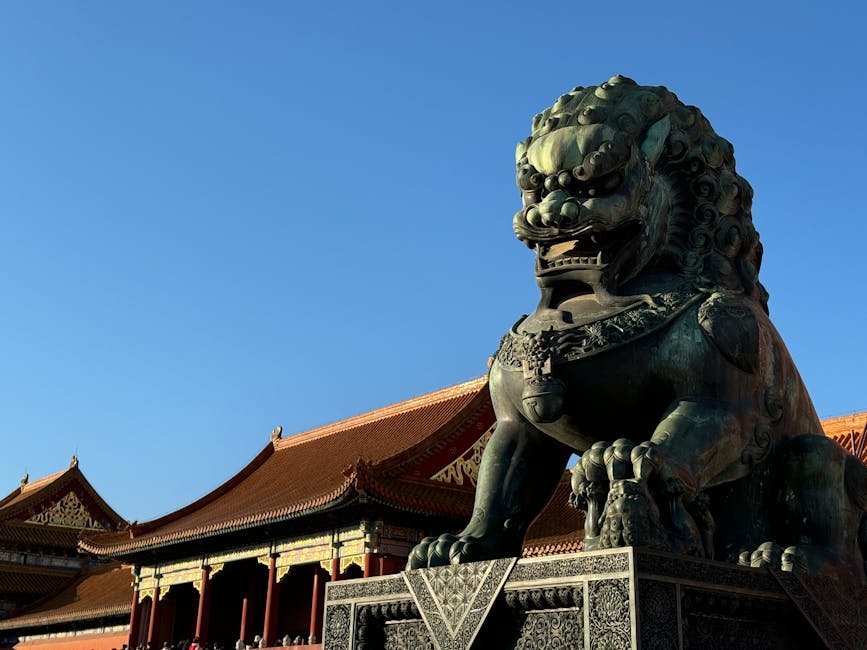
Chinese bronzeworkers during the Shang dynasty used piece-mold casting for ritual vessels taotie masks in high relief. Neolithic potters crafted painted ceramics with animal motifs, while jade carvers produced bi discs and cong tubes with ritual symmetry. Later silk paintings emerged on tomb walls.[15]
These objects facilitated ancestor worship and imperial authority, embodying harmony between heaven and earth. Art symbolized cosmic order, influencing philosophy and governance. Enduring motifs continue to define Chinese identity.[16]
The Timeless Influence of Ancient Creativity
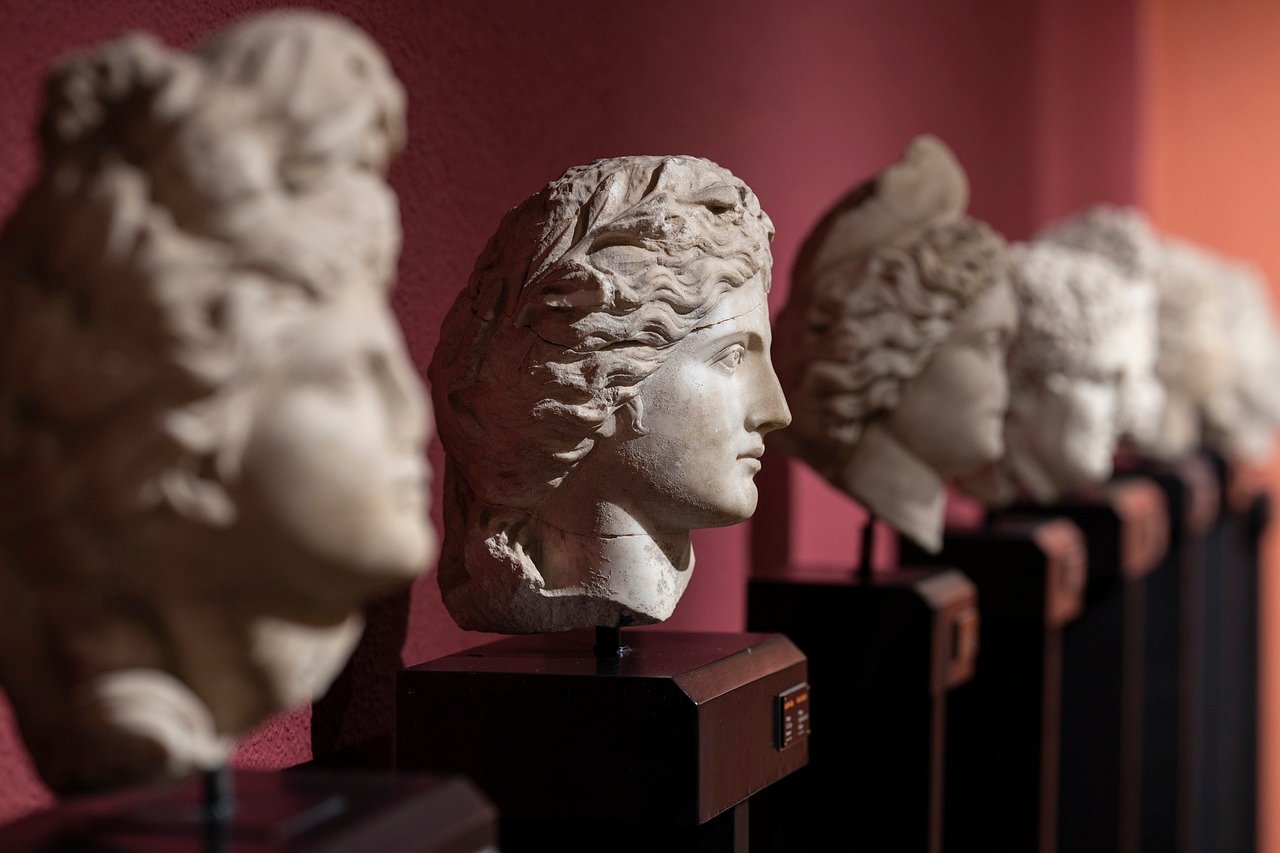
From Egyptian tombs to Chinese bronzes, these civilizations demonstrate that profound expression arises from constraint. Their techniques, honed over generations, reveal universal drives toward beauty and meaning.
Today, echoes of their forms grace museums and inspire creators worldwide. Ancient art reminds us that human imagination thrives anywhere, anytime.[17]