
Fairy tales today sparkle with magic and happy endings, thanks to polished retellings in books and films. Early versions, however, drawn from oral folklore by collectors like Charles Perrault and the Brothers Grimm, pulsed with raw violence and grim morals.[1][2]
These stories warned of real dangers, from famine to predators, aimed at adults and children alike in harsh times. Collectors often toned down elements across editions, while later adaptations like Disney’s stripped away much of the brutality to craft family-friendly tales.
Cinderella

The Brothers Grimm’s 1812 version, Aschenputtel, paints a vicious family dynamic. Stepsisters hack off toes and heels to cram into the slipper, blood soaking through as the prince rides on.[1][3] Birds from a tree on the mother’s grave later peck out the sisters’ eyes at the wedding, a brutal revenge.
Perrault’s earlier French take introduced the glass slipper and fairy godmother but skipped the gore. Disney’s 1950 film softens everything further, with no mutilation or blinding, just a midnight dash and forgiving romance.[2]
Snow White

In the Grimm’s first edition, Snow White’s own mother craves her lungs and liver, boiling them up after ordering her death. The huntsman swaps in animal organs, but the queen devours them anyway.[1][3] At the wedding, the queen dances in red-hot iron shoes until she drops dead.
Later Grimm prints swapped the mother for a stepmother to idealize motherhood. Disney’s 1937 animation keeps the poison apple but ends with a gentle kiss revival, no organ-eating or fiery torture.
Little Red Riding Hood

Charles Perrault’s 1697 tale ends bleakly, with the wolf devouring the girl and grandmother, no hunter to save them. It warned of seductive strangers preying on the naive.[2] The Grimm brothers added a rescue, but the wolf still guts the grandmother and swallows the child whole before a hunter slices him open.
Grimm’s version grew popular, yet Disney bypassed it for other films. Modern retellings often emphasize cleverness over consumption, turning peril into playful adventure.
Hansel and Gretel

Grimm’s 1812 story springs from famine fears, where the biological mother urges abandoning the children in the woods. A witch lures them to her candy house, fattens Hansel in a cage, and plans to roast him.[1][3] Gretel shoves her into the oven, burning her alive.
Later editions made the mother a stepmother. Disney’s take leans whimsical, focusing on sibling teamwork without the raw abandonment or infanticidal oven.
Sleeping Beauty

Giambattista Basile’s 1634 Sun, Moon, and Talia delivers the harshest blow. A king rapes the comatose princess, who births twins in her sleep; his jealous wife orders the babies cooked and served.[4][2] The cook swaps in lamb, but the horror peaks with threats of live roasting.
Perrault sanitized the assault, adding an ogre mother-in-law with similar cannibal plots. Grimm’s Little Briar Rose cuts the second act entirely, ending sweetly with a kiss through thorns.
Rapunzel

The 1812 Grimm tale hints at sex, with Rapunzel’s dress tightening from the prince’s visits, leading to twins. The witch hurls her into the wilderness and blinds the prince with thorns.[1][3] Rapunzel gouges her own eyes fleeing, until tears heal him.
Later Grimm editions scrubbed the pregnancy clues. Disney’s Tangled amps up adventure, ditching isolation and injury for lantern-lit romance and healing hair powers.
The Evolution of Fairy Tales
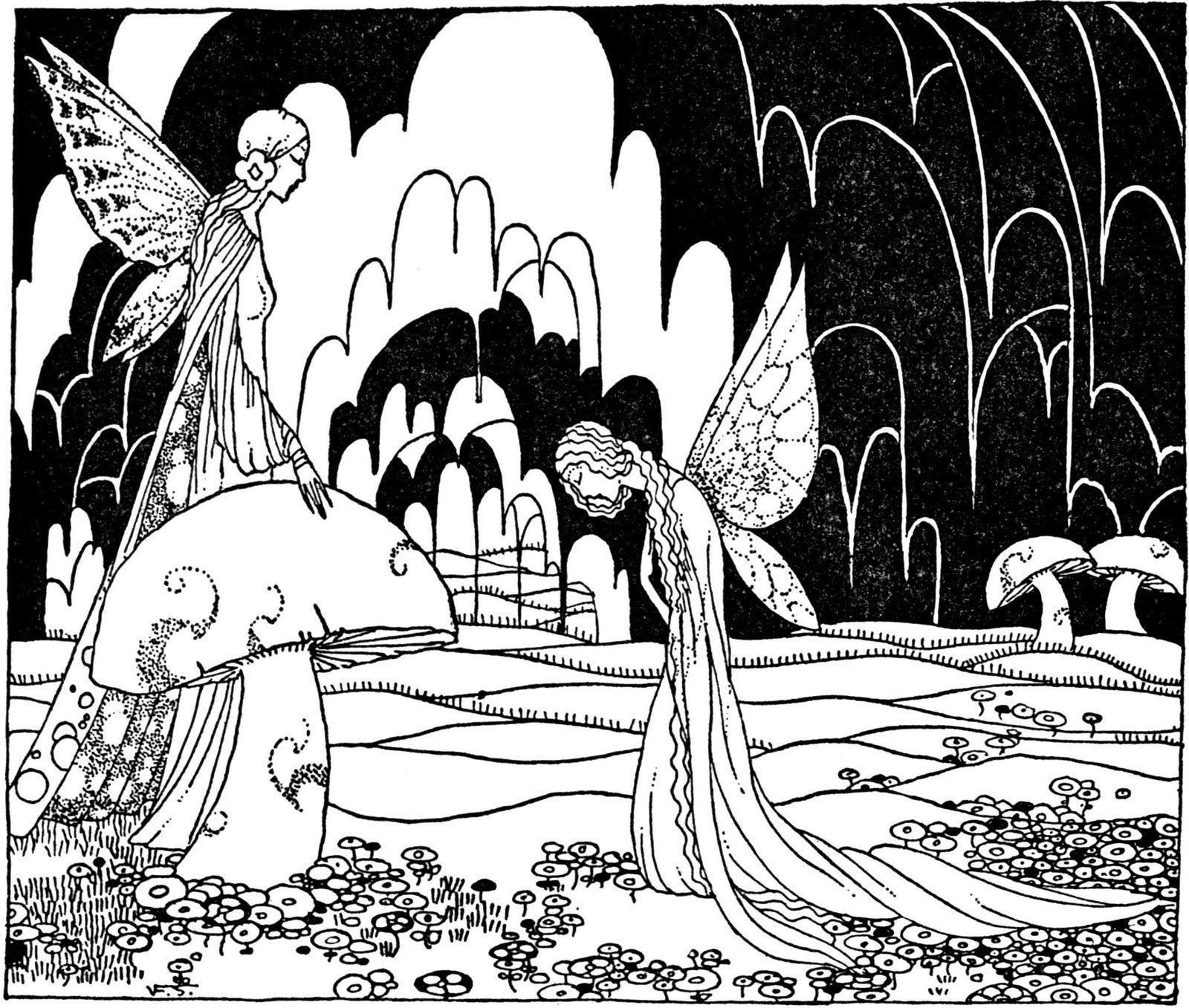
Folklore shifted as audiences changed, from gritty warnings in peasant tales to moral lessons in Perrault’s salons. The Grimms polished for German pride and child appeal, ramping violence on villains while easing sex.[1]
Disney sealed the charm, prioritizing wonder over woe. These layers reveal stories as mirrors of their eras, enduring because they adapt without losing their cautionary core.