
Have you ever wondered why some books lose their magic in translation? There’s something electrifying about experiencing a story exactly as the author intended – in its original language. While it might feel intimidating at first, reading foreign language books (even with imperfect understanding) can rewire your brain in fascinating ways. Let’s explore why this practice has become one of 2025’s hottest self-improvement trends.
Your Brain on Foreign Words: A Cognitive Power-Up

Reading in another language is like giving your brain a full-body workout. Each unfamiliar word forces your mind to make new connections, strengthening neural pathways similar to how weightlifting builds muscle. Studies show bilingual readers develop thicker cortical areas related to language processing. The best part? You don’t need fluency to benefit – even struggling through texts creates valuable mental stimulation.
Vocabulary That Sticks Like Glue
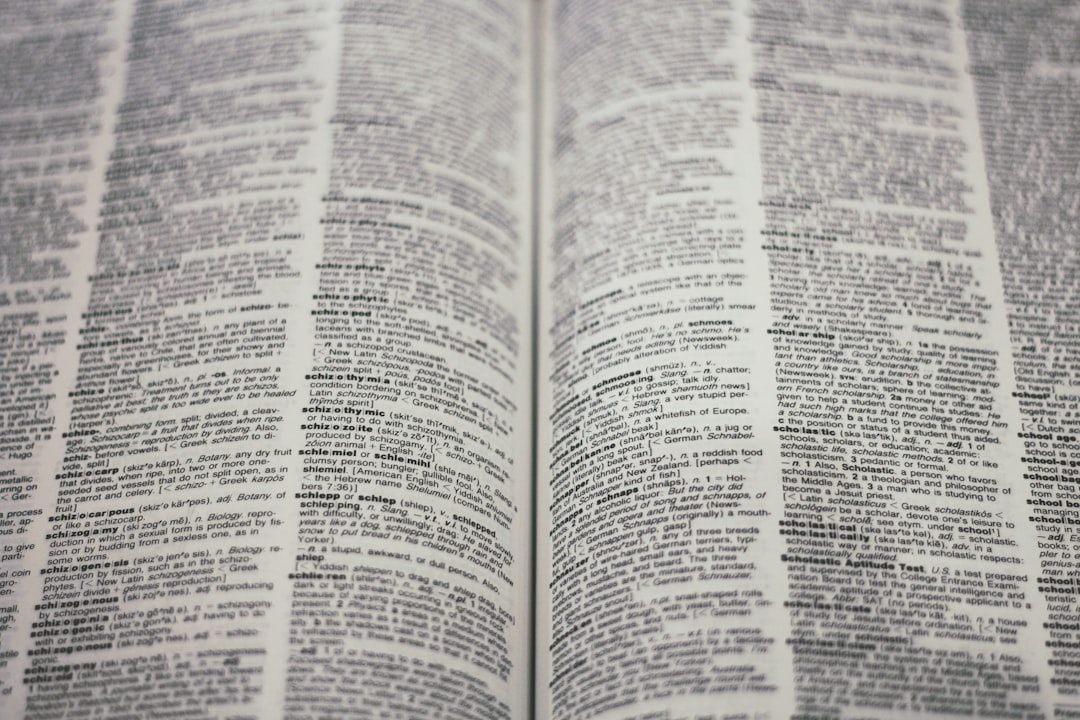
Forget flashcards and rote memorization. Reading exposes you to words in their natural habitat – complete with context clues that help meanings click into place. When you encounter “elusive” in a Spanish mystery novel or “flâner” in French poetry, these words embed themselves in your memory through story associations. It’s like learning to cook by actually preparing meals rather than just reading recipes.
Grammar Without the Dreaded Drills
Native speakers don’t learn grammar rules first – they absorb patterns through exposure. Reading original texts lets you do the same. You’ll start noticing how German sentences structure themselves differently than English ones, or how Japanese particles function in real conversations. These subtle observations create an intuitive grasp no textbook can match.
Cultural Revelations Between the Lines

Translations often smooth out cultural nuances – like how Russian novels use multiple forms of “you” to indicate relationships, or how Japanese honorifics reveal social hierarchies. Reading originals gives you backstage access to these cultural codes. You’ll catch jokes that don’t translate, understand why certain themes resonate locally, and gain empathy for different worldviews.
The Superpower of Comfort With Uncertainty

Early-stage language learners often panic when they don’t understand every word. But reading teaches you to embrace ambiguity – a skill that transfers beautifully to real life. Like piecing together a puzzle without the box image, you’ll become adept at inferring meaning from partial information. This mental flexibility makes you better at handling ambiguous situations in work and relationships too.
Memory Boost You Can’t Ignore
Juggling multiple languages gives your memory a serious upgrade. Research shows bilinguals have better working memory capacity – that mental sticky note we use for daily tasks. Reading strengthens this further by constantly exercising your recall muscles. You’ll find yourself remembering names, directions, and even grocery lists with surprising ease.
Reading Between the Words: Emotional Depth
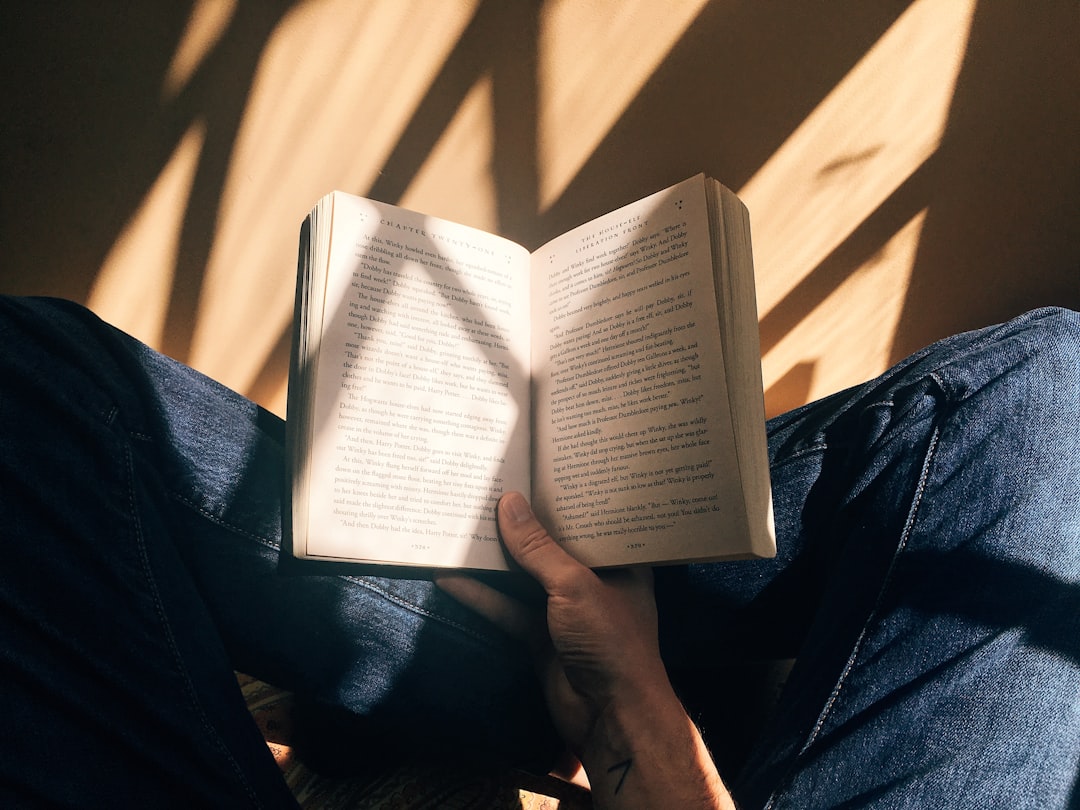
Some emotional textures simply don’t survive translation. The melancholy of Portuguese “saudade,” the fiery passion of Italian operas, or the layered humor in British novels – these experiences transform when consumed in their original linguistic packaging. You’ll form deeper emotional connections to stories when experiencing them as native audiences do.
Practical Tips for Your Language Journey

Start with parallel texts (original + translation side by side) or graded readers designed for learners. Children’s books and young adult novels make excellent entry points. Audiobooks paired with physical copies help reinforce pronunciation. Most importantly – choose material you genuinely enjoy, whether that’s thrillers, romance, or even comic books.
The Hidden Perk: Better Understanding of Your Own Language

Surprisingly, reading foreign texts improves your command of your native tongue. Comparing sentence structures highlights quirks you never noticed. You’ll gain fresh appreciation for idioms and metaphors. Many polyglots report becoming more articulate in their first language after studying others – like how studying oil painting improves your pencil sketches.
Your Personal Time Machine
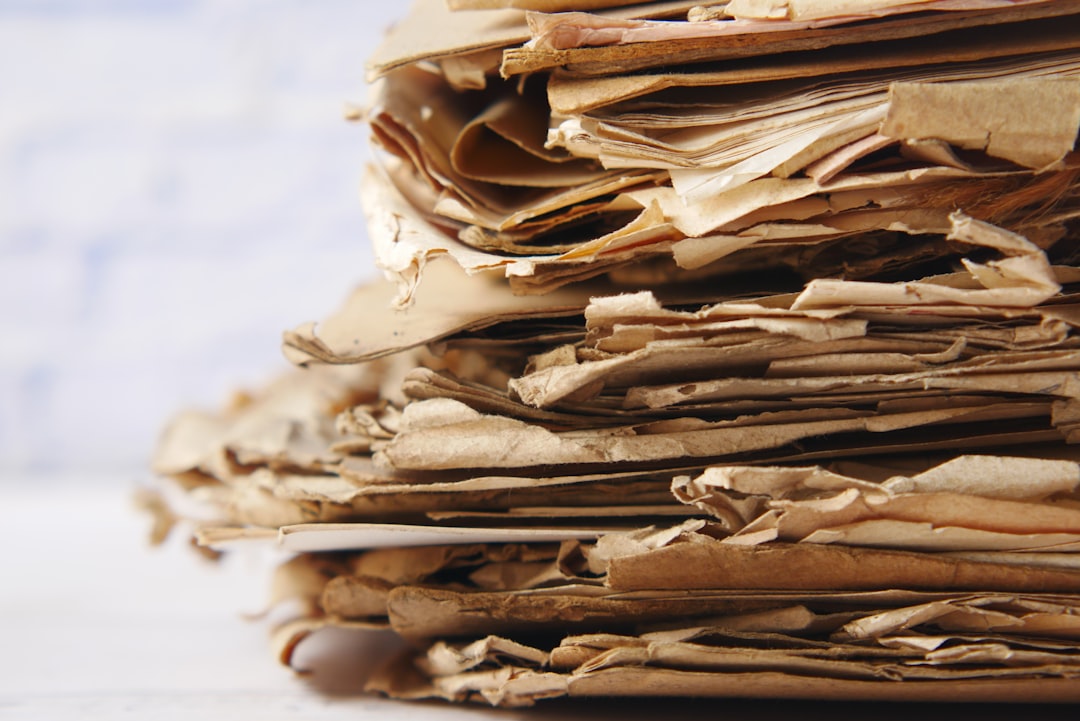
Reading older texts in their original language connects you directly to history. Chaucer’s Middle English, Cervantes’ early modern Spanish, or classical Chinese poetry – these works become living artifacts rather than museum pieces. You’ll pick up on historical attitudes and linguistic evolution in ways translations simply can’t convey.