Superstitions Reduce Anxiety in Uncertain Situations

Superstitions often act as a psychological tool that helps reduce anxiety when outcomes are uncertain. Imagine an athlete standing on the brink of a crucial game, nerves jangling like a live wire. They might engage in a specific ritual, like tying their shoelaces in a particular way, to calm those nerves. Research published in the Journal of Sport & Exercise Psychology confirms that such rituals can significantly lower stress levels, allowing individuals to perform better under pressure. Athletes who indulge in superstitions report lower anxiety and improved focus during competitions. This suggests that superstitions can act as a mental shield, protecting against the unpredictable nature of performance.
Creating a Sense of Control

In environments where outcomes are unpredictable, superstitions can create a sense of control. When people believe they have some influence over an event’s outcome, they are more likely to engage with the situation positively. Consider a basketball player who wears the same pair of socks for every game, believing it will lead to better performance. This behavior reflects a psychological need to impose order on chaotic circumstances, which can enhance confidence and performance. The idea of control, even if it’s just an illusion, offers comfort and stability, making challenges feel more manageable.
Pattern Recognition in the Brain

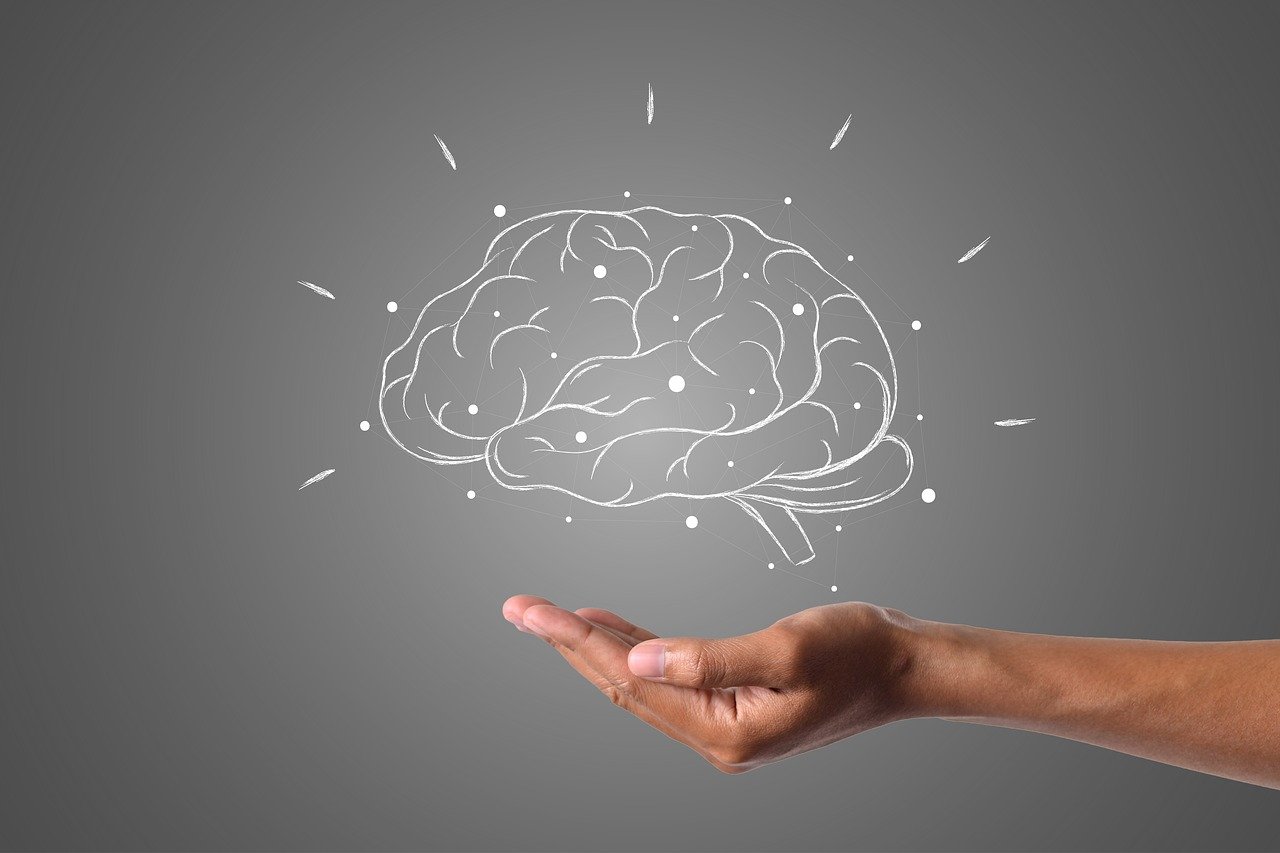
Superstitions are intricately linked to the brain’s pattern recognition abilities. Humans have an innate tendency to recognize patterns, even when none exist. This cognitive bias can lead individuals to associate specific actions with positive outcomes, reinforcing their belief in superstitions. Neuroscientific studies have shown that the brain’s reward system is activated when people engage in superstitious behaviors, further entrenching these beliefs. This neurological basis for superstition highlights its deep-rooted presence in human psychology, where the brain constantly seeks connections and meaning.
Formation Through Reinforcement and Coincidence

Superstitions often form through a combination of reinforcement and coincidence. When someone performs a specific action and subsequently experiences a positive outcome, they might attribute that success to their action, reinforcing the superstition. For instance, if an artist wears a particular shirt while creating a successful piece, they may continue to wear that shirt in the future, believing it brings good luck. This cycle of reinforcement can solidify superstitious beliefs over time, creating a loop where coincidence becomes perceived as causation.
Rituals in Sports to Boost Confidence

Athletes frequently rely on rituals to boost their confidence and focus. These pre-performance routines can vary widely, from specific warm-up exercises to wearing certain items of clothing. A survey conducted by the International Journal of Sport Psychology found that nearly 80% of athletes use some form of superstition or ritual to prepare for competitions. These rituals not only boost confidence but also create a sense of familiarity and routine, which can be comforting in high-pressure situations. The repetition of these actions provides a mental anchor, grounding athletes amidst the chaos.
Artists and Their “Lucky” Tools

Similar to athletes, artists often stick to specific tools or habits they consider “lucky.” Imagine a painter who always uses a particular brush, believing it enhances their creativity. This reliance on lucky tools can be attributed to the emotional memories associated with past successes. Research has shown that these rituals can help artists enter a flow state, where creativity and productivity peak. The psychological comfort derived from these tools can lead to improved artistic output, as familiarity breeds confidence and inspiration.
The Role of the Placebo Effect

The placebo effect plays a significant role in the efficacy of superstitions. When individuals believe that a particular action or object will yield positive results, their performance can improve simply due to their belief. A study published in the journal Psychological Science found that participants who believed they were using a “lucky” charm performed better on tasks compared to those who did not have such beliefs. This phenomenon underscores the power of belief in shaping outcomes, highlighting how the mind can influence reality, even when the superstition holds no real power.
The Impact of Cultural Norms

Cultural norms significantly shape the specific superstitions individuals hold. Different cultures have unique beliefs and rituals that influence how people approach uncertainty. For example, in some cultures, certain numbers are considered lucky or unlucky, affecting decisions in sports and daily life. Understanding these cultural nuances is essential for recognizing how superstitions manifest across various contexts. A study by the Journal of Cross-Cultural Psychology highlighted that cultural background plays a crucial role in the prevalence and types of superstitions practiced, illustrating the diversity of belief systems worldwide.
The Influence of Oxytocin

Research suggests that oxytocin, often referred to as the “bonding hormone,” may increase belief in rituals during stressful situations. When individuals experience stress, oxytocin levels rise, promoting feelings of trust and social bonding. This hormonal response can enhance the effectiveness of superstitions, as individuals may feel more connected to their rituals and the people who share them. A study in the journal Neuropsychopharmacology found that oxytocin administration increased participants’ belief in the efficacy of superstitions, demonstrating the biological underpinnings of these beliefs. This connection between biology and belief highlights the complex interactions at play.
The Persistence of Modern Superstitions

Despite advancements in science and rational thought, modern superstitions continue to thrive. The digital age has introduced new rituals, like refreshing a webpage for good luck or avoiding certain actions on specific days. These contemporary superstitions reflect the brain’s inherent need for meaning and order in an increasingly complex world. A survey by the Pew Research Center found that nearly 60% of Americans believe in at least one superstition, indicating that these beliefs remain relevant in today’s society. This persistence highlights the enduring nature of superstition as a coping mechanism for navigating uncertainty, revealing the timeless quest for control and meaning.