The Birth of Indie: Breaking Away from the Mainstream

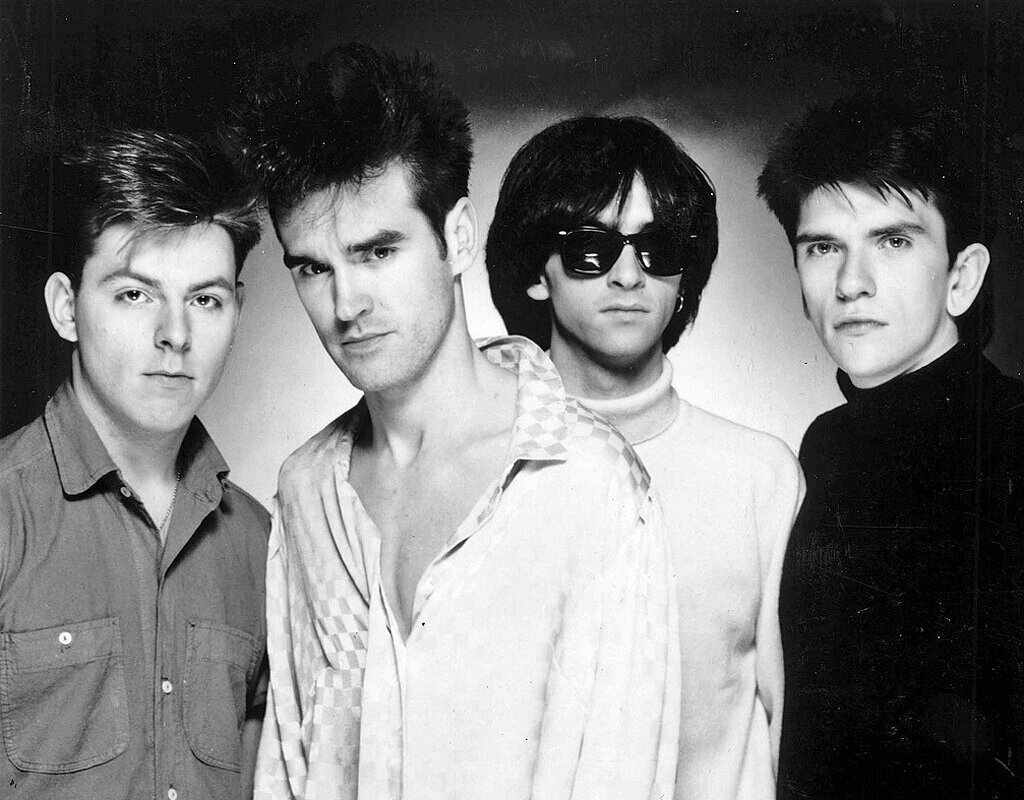
Indie music, short for “independent,” first gained momentum in the late 1970s and early 1980s, when artists and bands started to rebel against the constraints of major record labels. This movement was more than just a sound; it was a mindset. Independent musicians wanted freedom—freedom to experiment, to fail, to express. The punk explosion in the UK and the US, led by bands like The Smiths and Sonic Youth, set the tone for what would become indie. These groups recorded on small labels, sometimes even pressing their own records, and distributed music at local shows or through mail order. As a result, fans felt like they were part of a secret club, hearing songs that weren’t played on the radio or MTV. The term “indie” itself became a badge of honor, symbolizing authenticity and artistic control. This DIY spirit laid the foundation for the decades to come.
Post-Punk and College Radio: The 1980s Indie Boom

In the 1980s, post-punk bands and college radio stations helped indie music grow like wildfire. Bands like R.E.M., The Replacements, and Hüsker Dü found loyal audiences through non-commercial channels. College radio, especially in the United States, became a lifeline for indie acts. According to data from the College Music Journal, listenership at college stations in the U.S. doubled between 1982 and 1990. These stations played music ignored by mainstream outlets, giving rise to new genres and voices. The 1980s also saw the launch of legendary indie labels like Sub Pop and Rough Trade, which championed artists outside the commercial fold. By the end of the decade, indie was no longer just underground—it had become a powerful cultural force.
The Grunge Wave: Indie Goes Mainstream in the 1990s

The 1990s changed everything for indie music, thanks in large part to the grunge explosion in Seattle. Bands like Nirvana, Soundgarden, and Pearl Jam started on indie labels like Sub Pop before catching the eye of major labels. When Nirvana’s “Nevermind” knocked Michael Jackson off the Billboard charts in 1991, it shocked the industry. Suddenly, indie’s rough edges and honest lyrics were in demand. According to Billboard, alternative and indie rock sales rose by 120% between 1990 and 1994. While some purists grumbled about “selling out,” others saw this as proof that indie music could change the world. The door was open for new sounds and new faces.
The Internet Revolution: Indie Artists Go Global

The arrival of the internet in the late 1990s and early 2000s was a game changer for indie music. File-sharing services like Napster and later, platforms such as Bandcamp and SoundCloud, let artists share music without a record deal. Suddenly, anyone with a laptop could reach listeners around the world. According to a 2023 report by MIDiA Research, over 60% of independent musicians attribute their international fanbase growth to online platforms. Social media made it easier for artists to connect directly with fans, bypassing traditional gatekeepers. This digital revolution gave birth to artists like Arctic Monkeys and Billie Eilish, who built massive followings before ever signing with a label.
Streaming Services: A Double-Edged Sword

Streaming has been both a blessing and a challenge for indie artists. On one hand, platforms like Spotify and Apple Music have made it possible for anyone, anywhere, to discover new music. Spotify’s 2024 Wrapped data shows that over 45% of its top emerging artists were labeled as “independent” or “unsigned.” On the other hand, the revenue from streaming is notoriously low. MIDiA’s 2023 survey revealed that indie artists earn on average just $0.003 to $0.005 per stream. Still, many musicians see streaming as a way to build an audience and promote live shows or merchandise. The digital landscape keeps evolving, but indie artists continue to adapt, finding creative ways to survive and thrive.
The Role of Indie Labels: Guardians of Creativity

Indie labels have played a crucial part in supporting artists who might otherwise fall through the cracks. Labels like Domino, Matador, and Merge have championed acts such as Arctic Monkeys, Pavement, and Arcade Fire, giving them resources while respecting their creative freedom. According to the Worldwide Independent Network’s 2023 report, indie labels accounted for 35% of global music market share, proving their enduring influence. These labels often offer more favorable contract terms than the majors, allowing artists to retain rights to their music. For many musicians, signing with an indie label means joining a close-knit community of artists and fans, rather than just becoming a number.
DIY Culture: Home Studios and Bedroom Producers

The rise of affordable recording technology has fueled a new wave of indie creativity. Today, it’s not uncommon for artists to write, record, and produce entire albums in their bedrooms. According to a 2024 survey by MusicRadar, 72% of indie musicians record at home using just a laptop and software. This DIY approach gives artists total control over their sound and image. It also lowers the barrier to entry, making music creation more accessible than ever. The result is a staggering diversity of styles and voices, from lo-fi folk to experimental electronic. Some of today’s biggest indie hits, like Clairo’s “Pretty Girl,” were recorded entirely in home studios.
Indie Music Festivals: A Platform for Discovery

Music festivals have played a major role in elevating indie artists. Events like South by Southwest (SXSW), Coachella, and Glastonbury have become launching pads for emerging talent. According to Pollstar, indie acts made up 55% of the 2024 Glastonbury lineup, reflecting their growing influence. These festivals give artists a chance to perform in front of huge crowds and industry insiders. Fans, meanwhile, get to discover new music in a live setting, often stumbling upon their next favorite band by accident. The festival scene is a melting pot of genres, with indie artists rubbing shoulders with hip-hop, pop, and electronic acts.
Diversity and Inclusion: Breaking Old Barriers

Indie music has become more diverse and inclusive over the years. Women, people of color, and LGBTQ+ artists are finding their voices and audiences in ways that weren’t possible before. The digital era allows artists like Mitski, Phoebe Bridgers, and Arlo Parks to build loyal fanbases outside the old boys’ club of the major labels. In 2024, the Independent Music Awards reported a 40% increase in submissions from artists identifying as minorities compared to five years ago. This shift is changing not just the sound, but the culture of indie music, making it more representative and welcoming to all.
Indie Music and Social Change: A Voice for the Voiceless

Indie musicians have often been at the forefront of social and political movements, using their platform to raise awareness and spark change. In recent years, artists like Hozier and Run the Jewels have addressed issues from climate change to racial justice in their songs. According to a 2023 survey by The Musician’s Union, 68% of indie artists say they feel a responsibility to address social issues in their work. Indie music’s grassroots nature makes it ideal for tackling tough topics, as artists aren’t beholden to corporate interests or censorship. This connection between music and activism has deep historical roots, echoing the protest songs of previous generations.
The Next Chapter: Indie’s Ongoing Evolution

Indie music is constantly evolving, responding to new technology, social movements, and cultural trends. In 2025, the lines between indie and mainstream are blurrier than ever, with independent artists topping charts and headlining festivals. According to IFPI’s 2024 Global Music Report, indie releases accounted for over 40% of all music streamed worldwide. As platforms and audiences continue to change, so too will the definition of “indie.” What remains constant is the spirit of independence, risk-taking, and authenticity that has made indie music a vital force for nearly half a century.