Economic Decline
One of the primary reasons for the fall of empires is economic decline. As empires expand, they often overextend their resources, leading to financial instability. High taxation, inflation, and trade imbalances can cripple an economy. For instance, the Roman Empire faced severe economic challenges due to overreliance on slave labor and a lack of technological innovation. When the economy falters, the ability to maintain military and administrative structures diminishes, paving the way for collapse. Moreover, economic decline can lead to a decrease in public morale, as people struggle to meet their basic needs.
Military Overreach
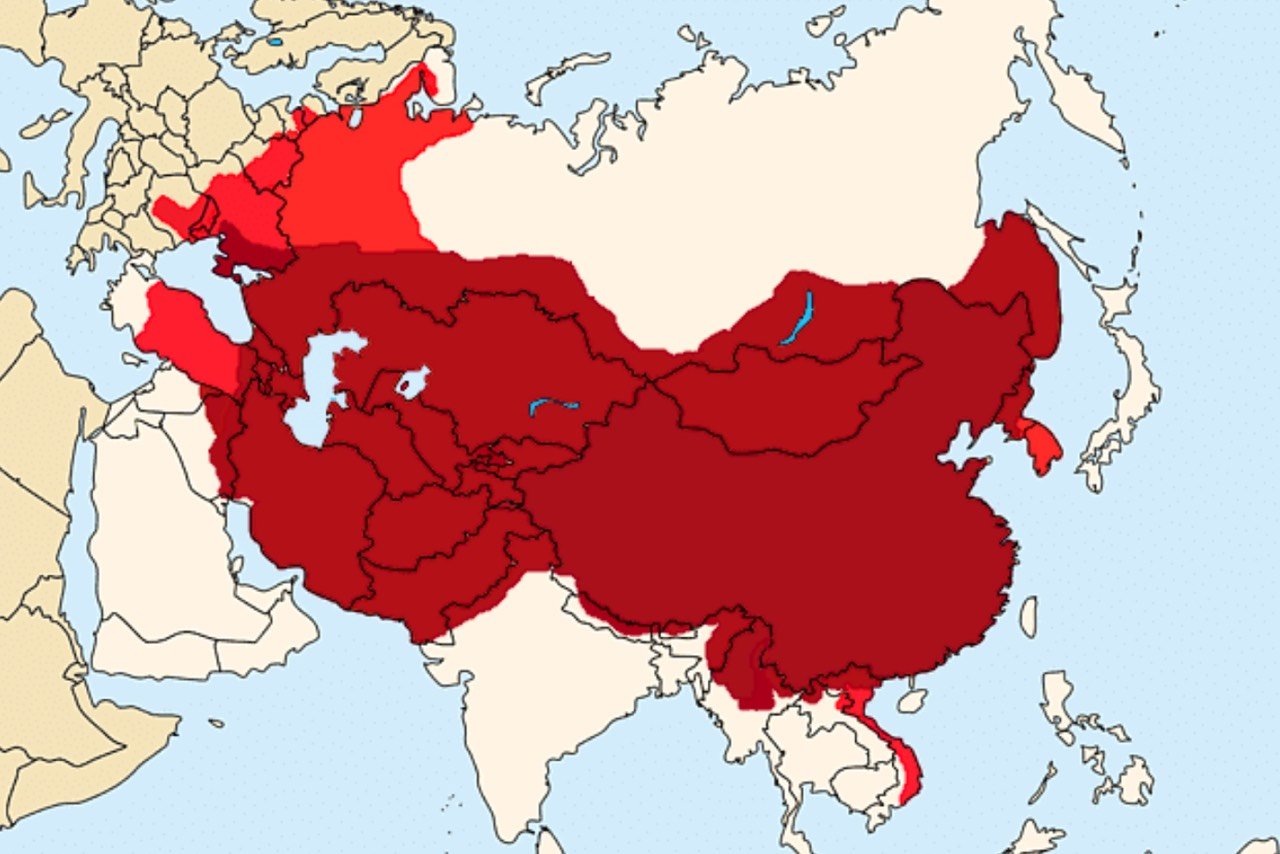
Empires often expand their territories through military conquest, but this can lead to overreach. Maintaining control over vast lands requires significant military resources. The British Empire, for example, struggled to manage its global territories, leading to costly conflicts and a stretched military. When an empire’s military becomes overstretched, it becomes vulnerable to external threats and internal dissent, ultimately leading to its downfall. Additionally, the constant need for military expansion can drain resources and focus away from domestic affairs, weakening the empire from within.
Political Corruption

Corruption within the political system can erode the foundations of an empire. Leaders may prioritize personal gain over the welfare of their citizens, leading to widespread disillusionment. The fall of the Byzantine Empire can be attributed, in part, to political corruption and infighting among elites. When citizens lose faith in their leaders, social cohesion breaks down, making it easier for rival factions to rise and challenge the ruling power. Furthermore, corrupt practices can lead to inefficient governance, causing vital public services to deteriorate.
Social Inequality

Empires often experience significant social stratification, with wealth concentrated in the hands of a few. This inequality can lead to social unrest and rebellion. The French Revolution is a prime example of how social disparities can ignite widespread upheaval. When the lower classes feel oppressed and marginalized, they may rise against the ruling elite, destabilizing the empire and contributing to its decline. Social inequality can also hinder economic growth, as a large portion of the population remains unable to contribute effectively to the economy.
Cultural Decay

As empires grow, they may experience cultural decay, where values and traditions erode over time. This can lead to a loss of identity and purpose among citizens. The decline of the Roman Empire was marked by a shift in cultural values, with a focus on luxury and decadence rather than civic duty. When a civilization loses its cultural cohesion, it becomes vulnerable to external influences and internal fragmentation. Cultural decay can also weaken the morale of the population, making them less willing to defend the empire against external threats.
Environmental Factors

Environmental changes can significantly impact the sustainability of an empire. Droughts, famines, and natural disasters can strain resources and lead to societal collapse. The Maya civilization, for instance, faced severe droughts that contributed to its decline. When an empire cannot adapt to environmental challenges, it risks losing its agricultural base and the support of its population. Additionally, environmental degradation can lead to conflicts over resources, further undermining the stability of the empire.
External Invasions
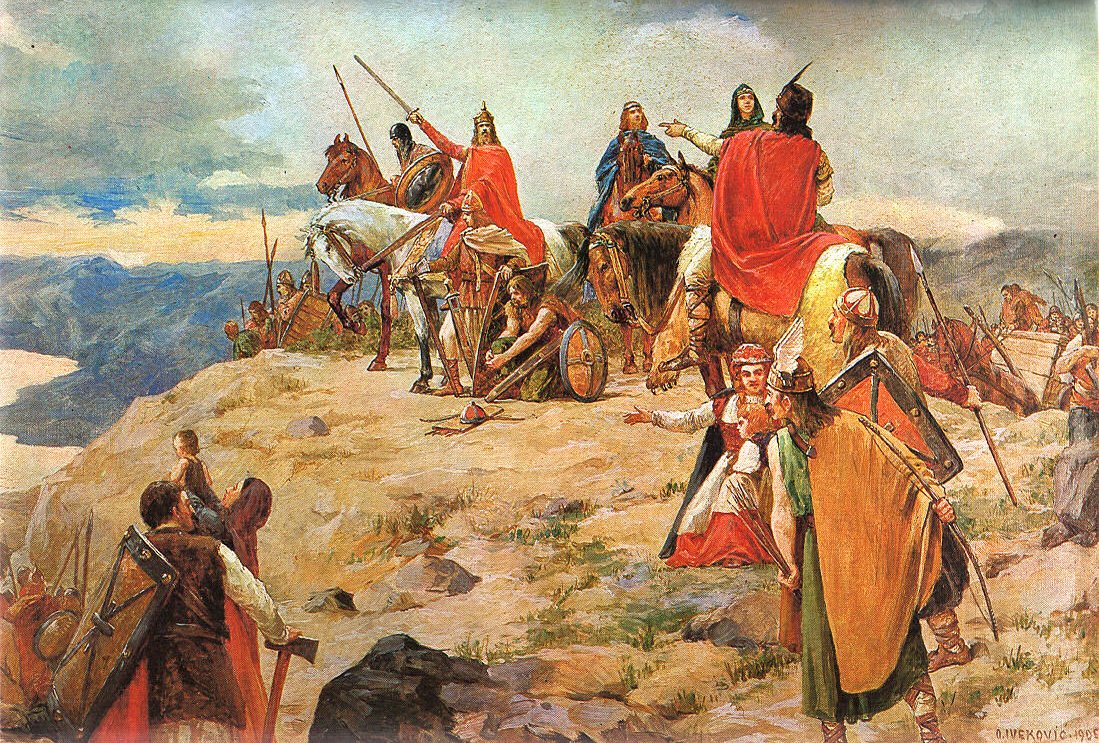
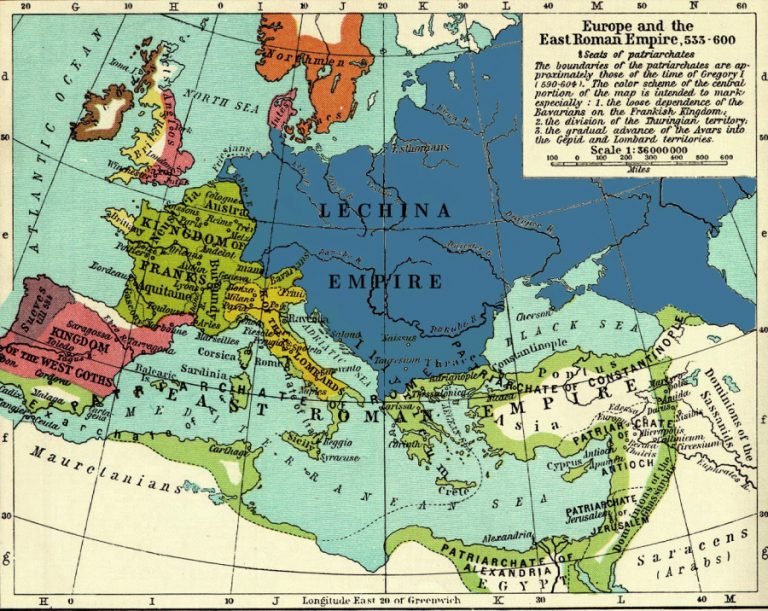
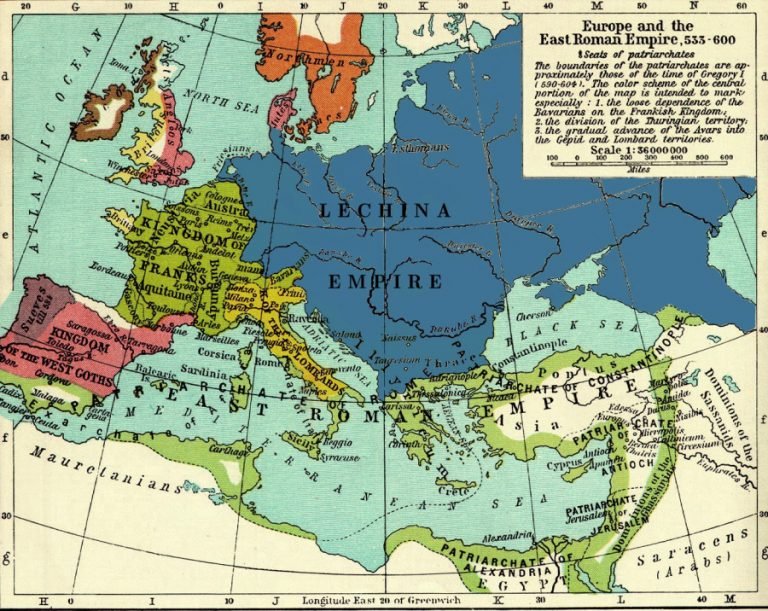
Empires often face threats from external forces, including rival nations and tribes. The fall of the Western Roman Empire is often attributed to invasions by barbarian tribes such as the Visigoths and Vandals. When an empire becomes weakened from within, it becomes an easier target for external aggressors. The inability to defend against invasions can lead to the rapid decline of a once-powerful civilization. Moreover, external invasions can introduce new cultural and political influences, further destabilizing the existing order.
Technological Stagnation
Technological advancement is crucial for the growth and sustainability of an empire. When civilizations fail to innovate, they risk falling behind their competitors. The decline of the Ottoman Empire can be linked to its inability to keep pace with technological advancements in Europe. Without progress in military and industrial technology, an empire may find itself at a disadvantage, leading to its eventual downfall. Furthermore, technological stagnation can hinder economic development, reducing the empire’s ability to compete on a global scale.
Loss of Public Support
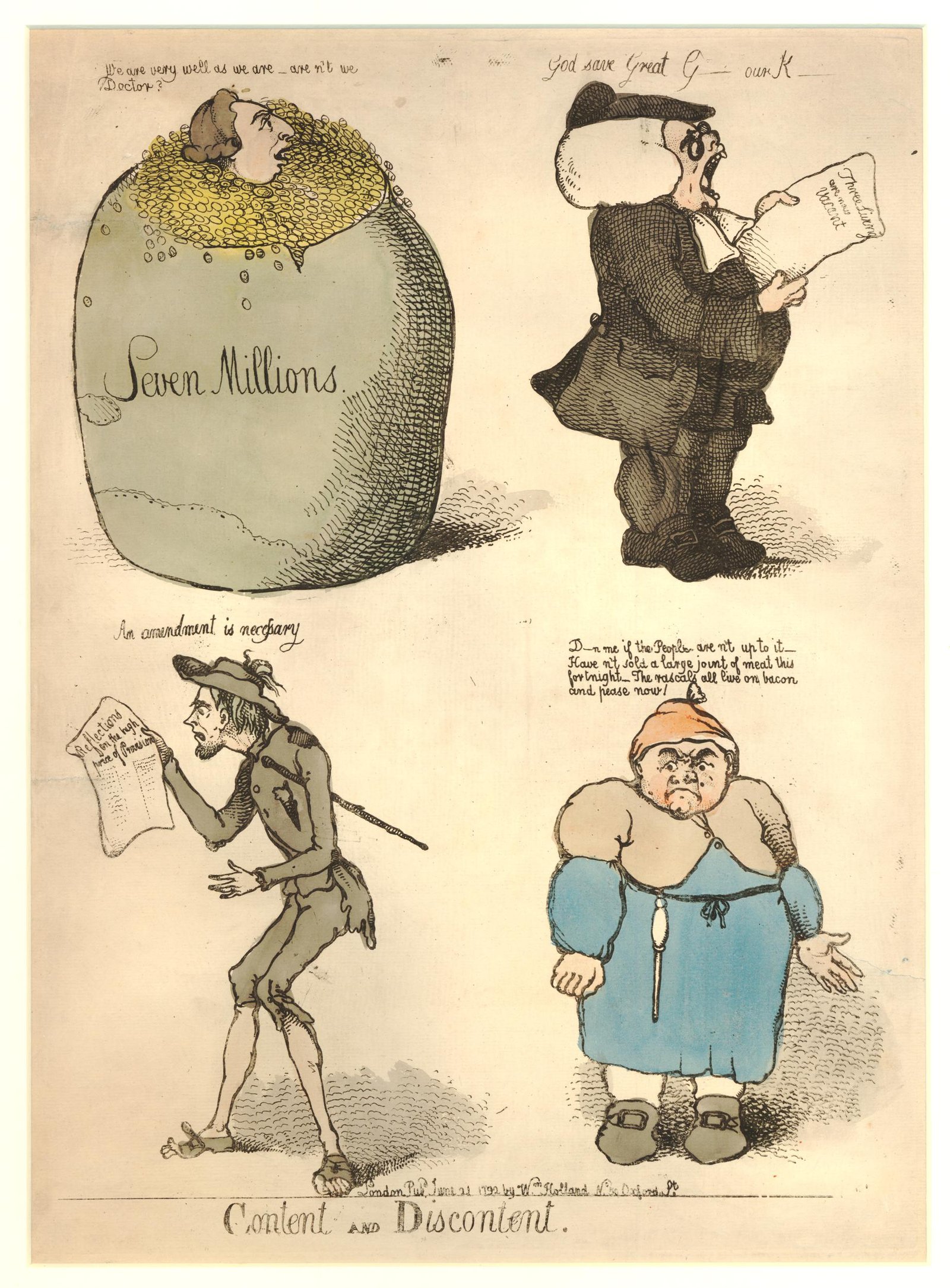
An empire’s strength often relies on the support of its citizens. When people feel disconnected from their government or disillusioned with its policies, public support wanes. The fall of the Soviet Union is a notable example, where widespread dissatisfaction with the government led to its collapse. When citizens no longer believe in the legitimacy of their leaders, the social contract breaks down, leading to instability. A lack of public support can also weaken the empire’s ability to mobilize resources and respond effectively to external threats.
Failure to Adapt

Empires that fail to adapt to changing circumstances often face decline. This can include political, economic, and social changes. The inability to respond effectively to new challenges can render an empire obsolete. The decline of the Spanish Empire can be attributed to its resistance to change in the face of rising powers in Europe. Adaptability is crucial for survival, and those that cannot evolve often find themselves on the path to collapse. Failure to adapt can also lead to missed opportunities for growth and innovation, further weakening the empire’s position in the world.
The rise and fall of empires is a complex phenomenon influenced by various factors. Economic decline, military overreach, political corruption, social inequality, cultural decay, environmental factors, external invasions, technological stagnation, loss of public support, and failure to adapt all play significant roles in the decline of civilizations. By studying these reasons, we can gain a deeper understanding of the cyclical nature of history and the lessons it holds for contemporary societies.