


- A Charming Tradition: The History of Christmas Markets in the United States - December 7, 2025
- Gear Up: Your Festival Camping Essentials - December 7, 2025
- Festival Survival Guide: Essential Tips - December 7, 2025
The First Thanksgiving: A Complex Encounter
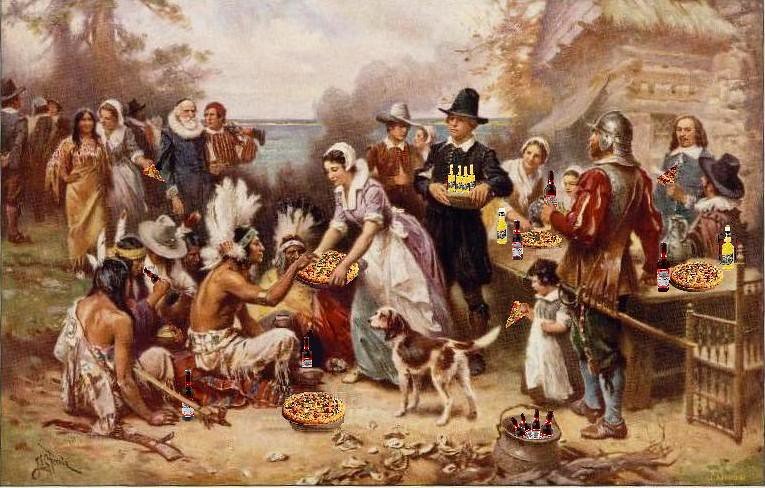
Most people picture the first Thanksgiving as a friendly feast between Pilgrims and Native Americans, but the real story is complicated. Historical records from 1621 show that the Wampanoag and Pilgrims did share a meal, but it was a tense alliance. The Wampanoag helped the Pilgrims survive, but only because they needed allies against rival tribes. There’s no evidence they ate turkey or wore buckled hats. The meal likely included venison, corn, and shellfish. Recent research by the Smithsonian reveals that the event was more about diplomacy than friendship. It’s a powerful reminder that American history is rarely as simple as the myths we learn in school.
Paul Revere’s Midnight Ride: Many Riders, Not Just One
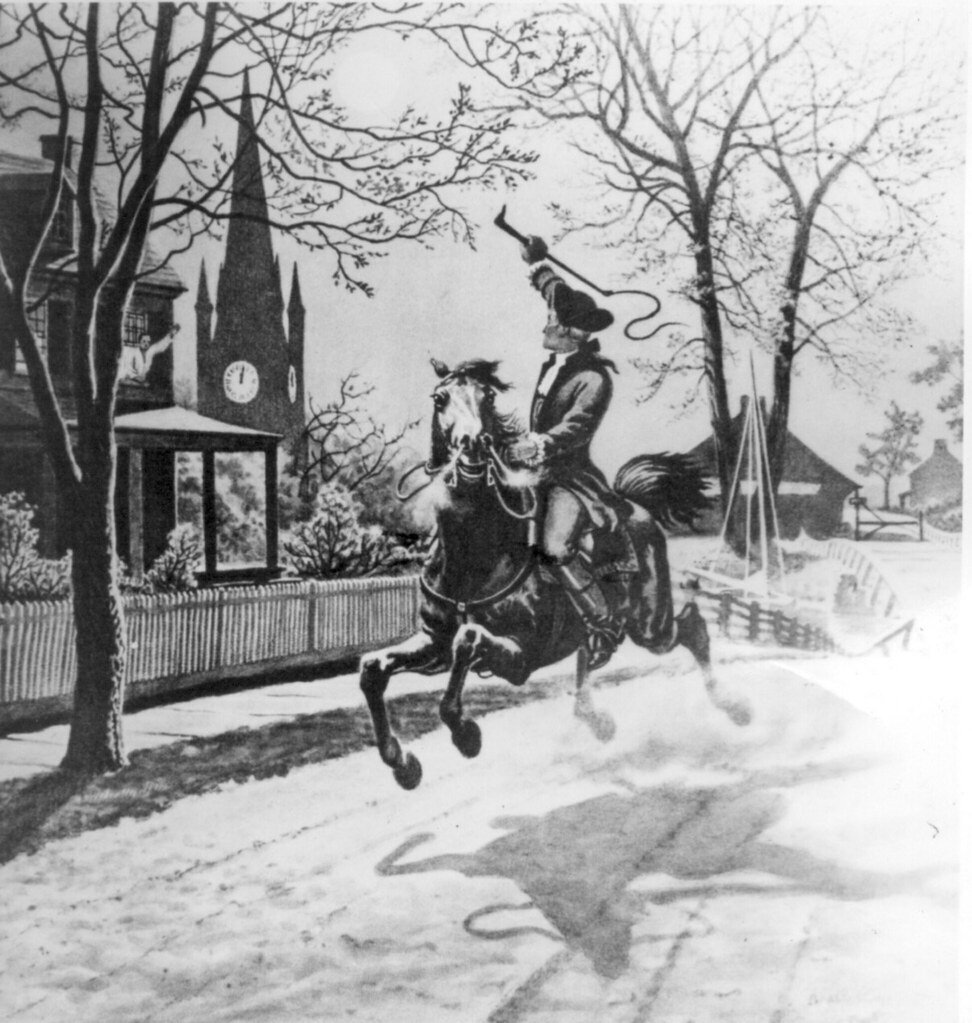
The famous story of Paul Revere shouting, “The British are coming!” paints him as a lone hero. In reality, Revere was one of several riders warning colonists of approaching British troops in April 1775. Primary documents show that William Dawes, Samuel Prescott, and others also risked their lives that night. According to the Massachusetts Historical Society, Revere was actually detained by the British before he could finish his ride. The myth grew thanks to Henry Wadsworth Longfellow’s poem, but history gives credit to a group of everyday heroes, not just one man.
The Wild West: Lawless or Law-Abiding?
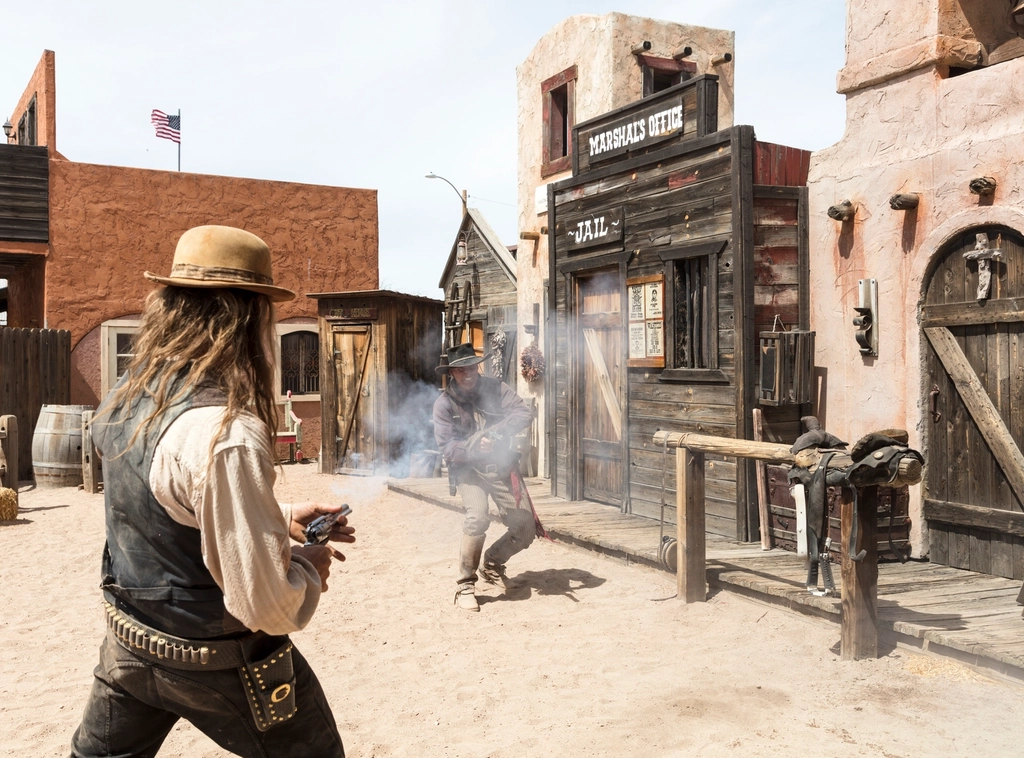
Movies and books have convinced us the Wild West was full of duels, outlaws, and chaos. However, crime statistics from the late 1800s, collected by historians like Robert Dykstra, show that many frontier towns had lower murder rates than big Eastern cities. Dodge City, often called the most dangerous town, averaged just one or two murders a year. Most settlers were farmers and merchants, not gunslingers. The myth of the lawless West was fueled by dime novels and Hollywood, but the reality was often surprisingly peaceful.
The Alamo: Not a Fight to the Last Man
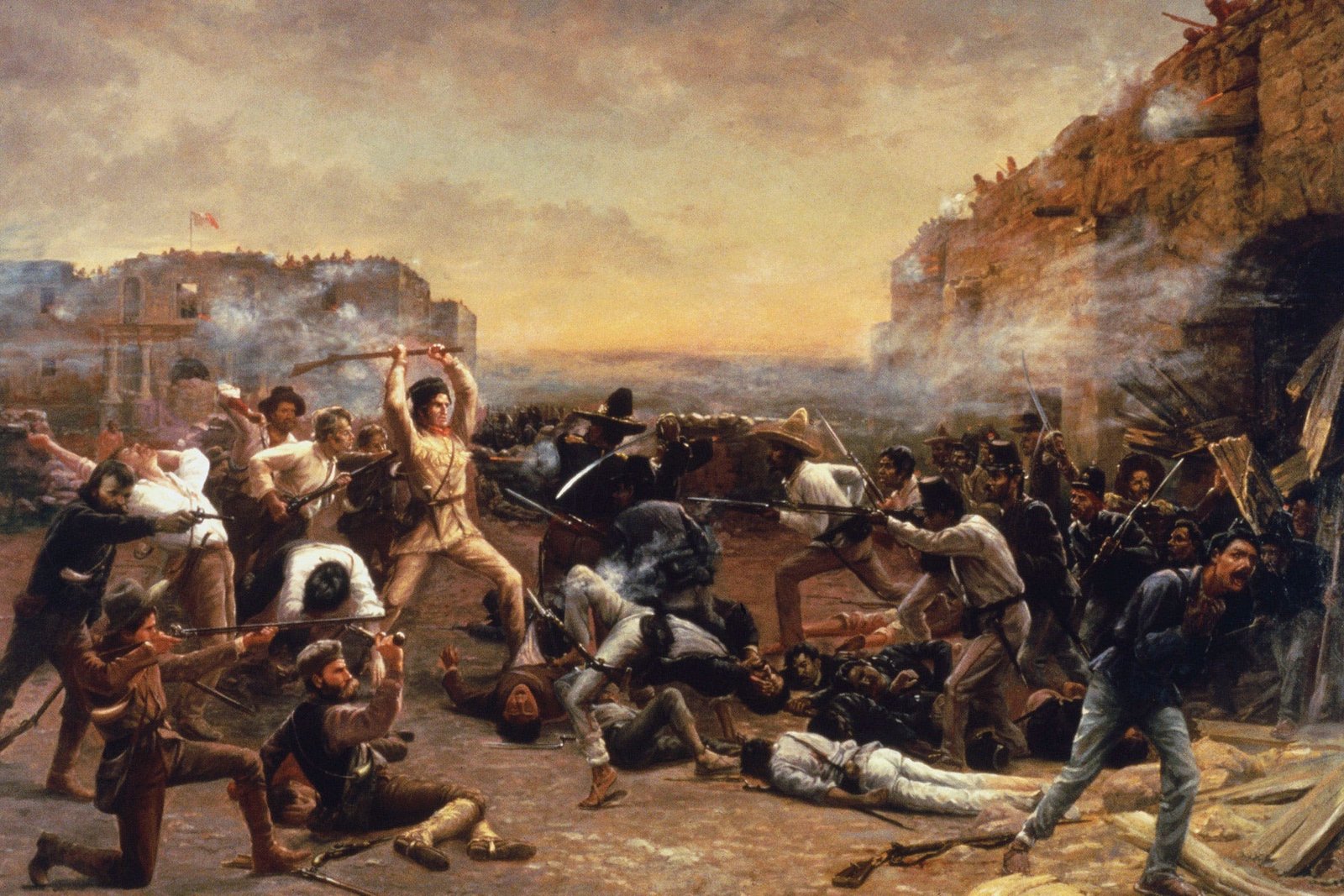
The story of the Alamo is often told as a heroic last stand where every Texan died fighting to the end. New research, including Mexican military records cited by University of North Texas historians, shows that several defenders tried to surrender or escape but were executed. The battle was brutal, but not the romanticized fight Hollywood made it out to be. The real Alamo was a tragic defeat, shaped by complex motives on both sides.
George Washington and the Cherry Tree: A Fabricated Virtue
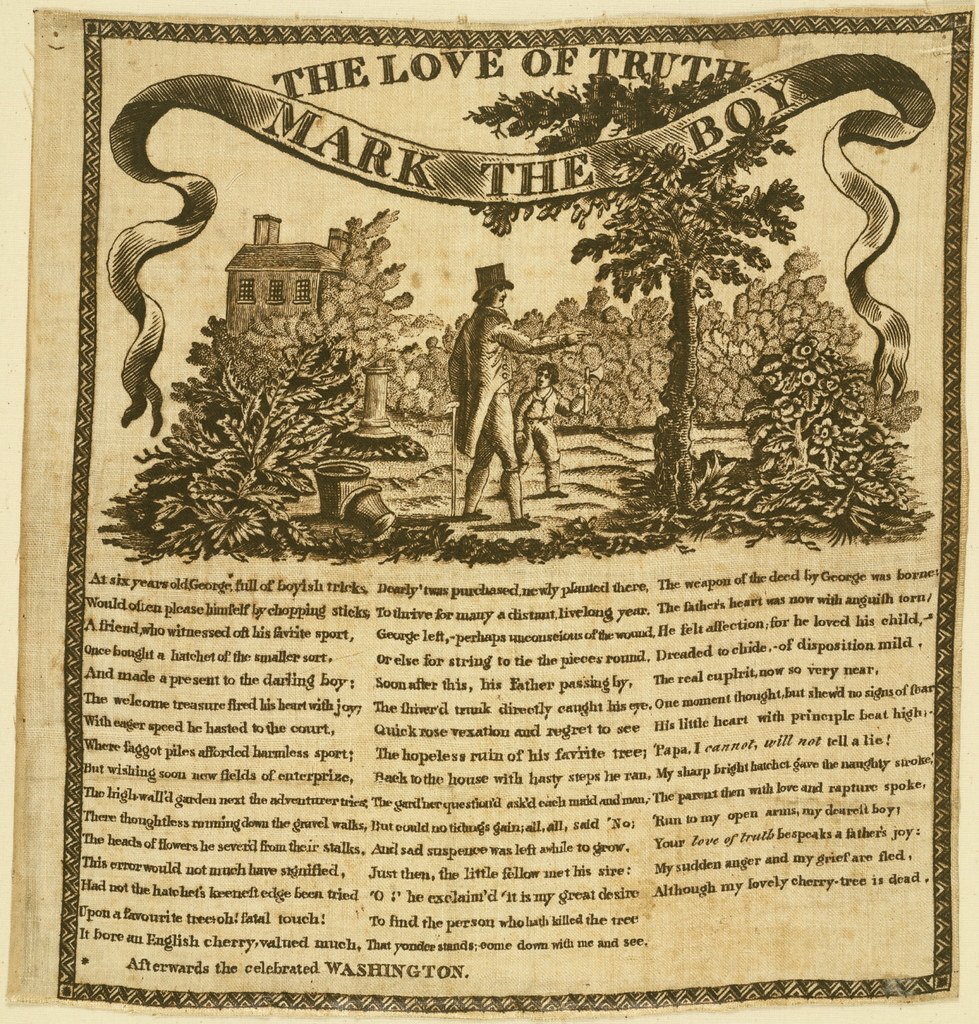
The tale of young George Washington chopping down a cherry tree and confessing to his father is a total fabrication. There are no historical documents or family letters that mention this event. The earliest source is Mason Locke Weems’s biography published years after Washington’s death. According to the Mount Vernon estate, Weems invented the story to promote Washington’s honesty. The truth is, Washington’s real character was impressive enough without this childhood myth.
Roswell UFO Crash: Secret Military, Not Flying Saucers
In 1947, stories spread that a UFO had crashed in Roswell, New Mexico. The U.S. Army even briefly reported the recovery of a “flying disc.” However, government documents declassified in the 1990s reveal that the debris came from Project Mogul, a top-secret program using high-altitude balloons to spy on the Soviet Union. The National Security Archive confirms this, showing that the UFO theory was fueled by Cold War paranoia and media hype, not extraterrestrial visitors.
The Salem Witch Trials: Hysteria, Not Sorcery
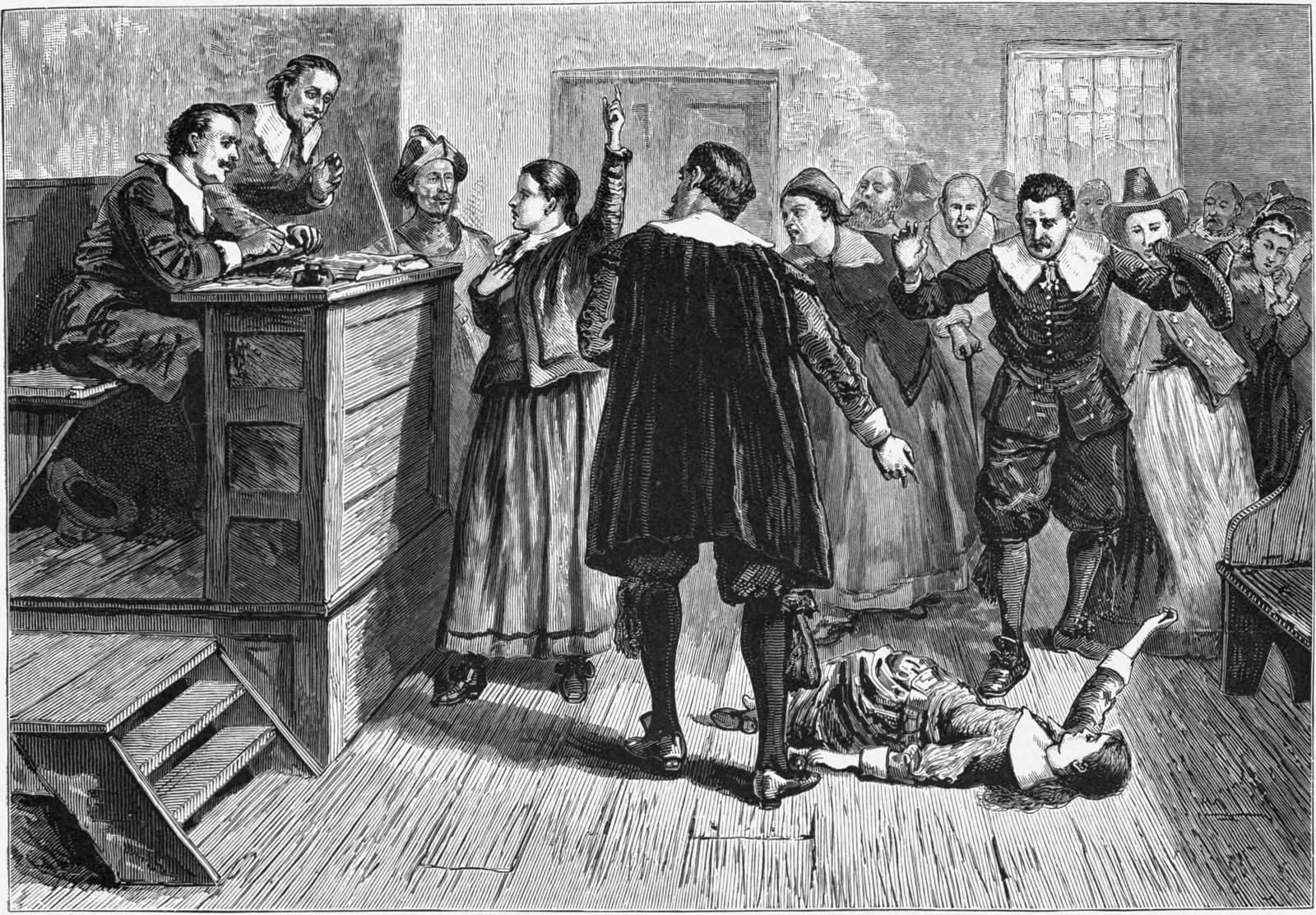
The Salem witch trials of 1692 are often blamed on religious fanaticism or supernatural beliefs. Modern historians, such as Mary Beth Norton, have found that the panic was triggered by local feuds, politics, and even contaminated food. Recent studies suggest that ergot fungus in rye bread could have caused hallucinations among the accusers. Court records show most of the accused were unpopular or politically inconvenient. The trials were a tragic result of fear, not magic.
Pocahontas and John Smith: A Misunderstood Relationship
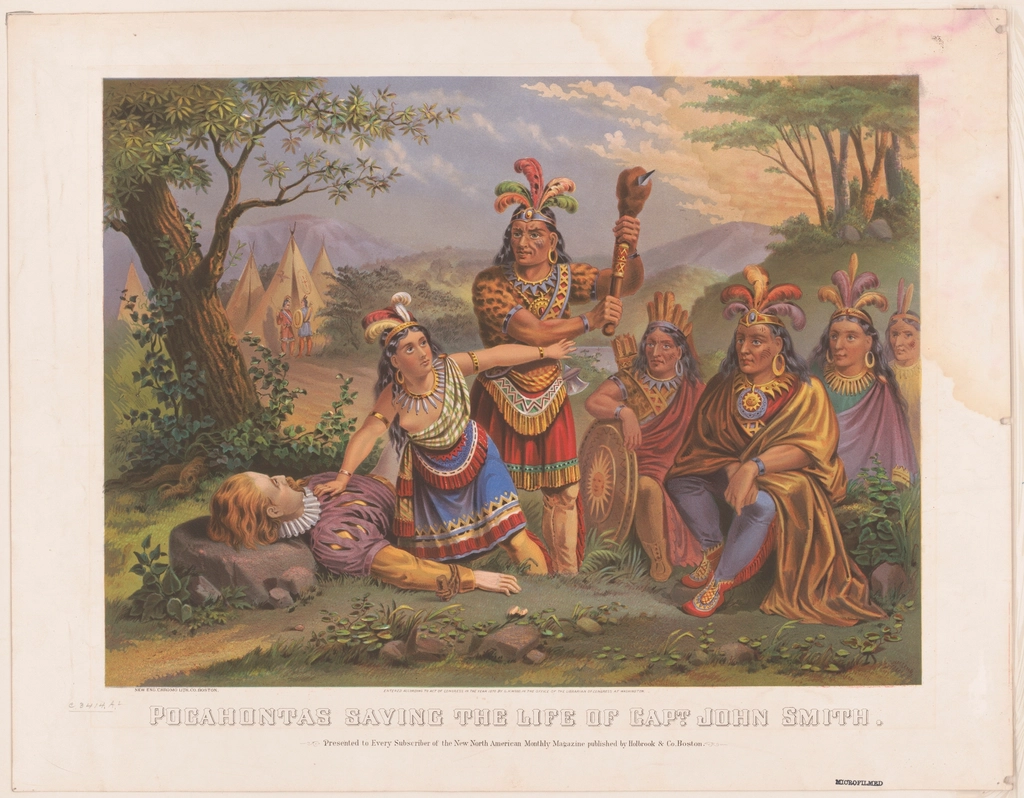
Disney’s version of Pocahontas and John Smith’s love story is a far cry from reality. According to early Jamestown records and research by the National Museum of the American Indian, Pocahontas was about 10 or 11 when she first met Smith, who was nearly 30. There is no evidence of romance. The “rescue” scene where she saves Smith’s life may have been a misinterpreted ritual or never happened at all. Pocahontas later married John Rolfe and died in England.
The Boston Tea Party: A Calculated Protest
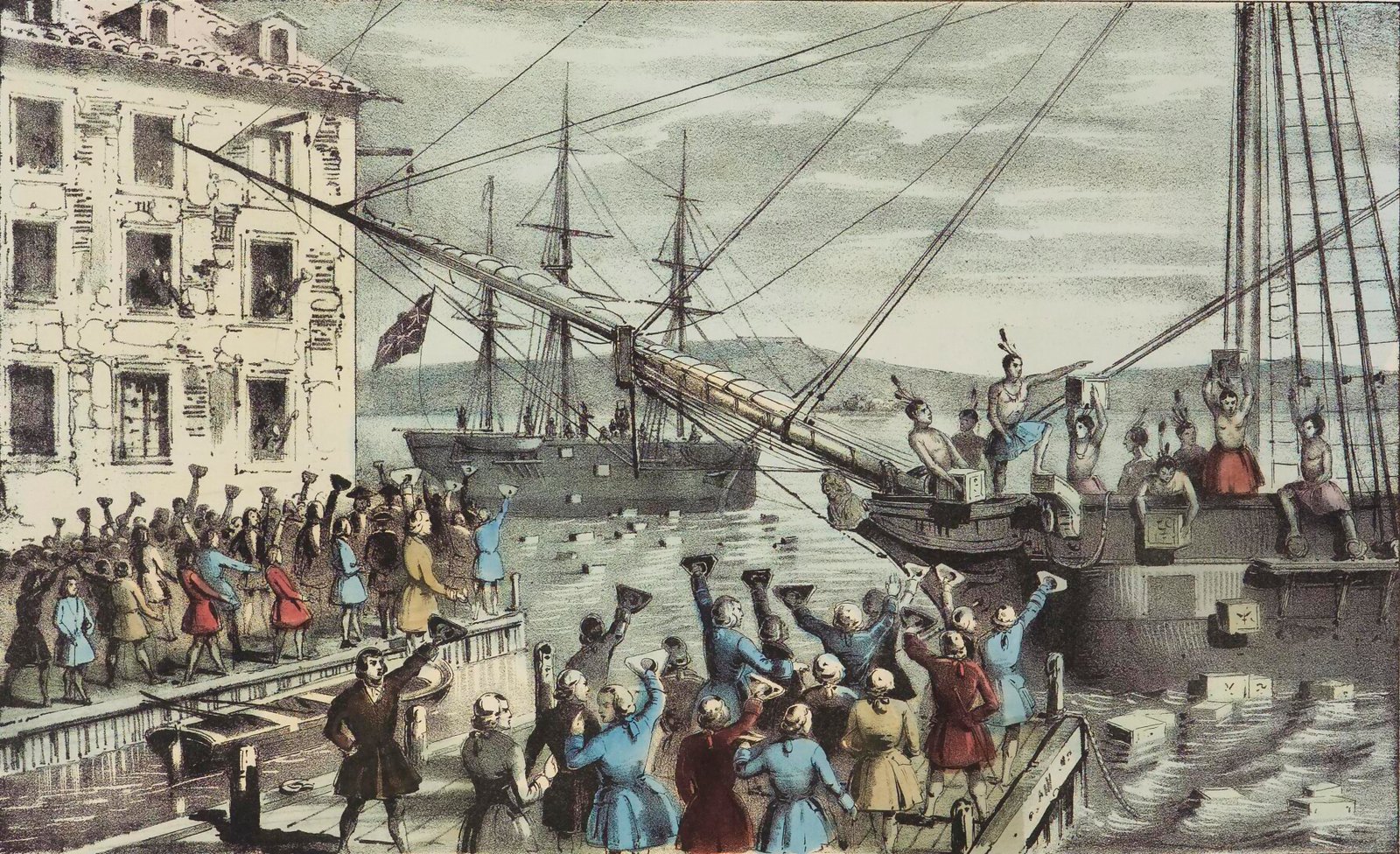
We imagine the Boston Tea Party as a spontaneous act of rebellion by patriots in disguise. In truth, it was a carefully planned protest by the Sons of Liberty in 1773. Historical accounts show they coordinated for weeks, ensuring no property except the tea was damaged. The protest wasn’t about high taxes, but rather about the monopoly granted to the British East India Company. The Tea Party was political theater with a clear message, not just a wild act of defiance.
Davy Crockett: More Politician Than Frontiersman
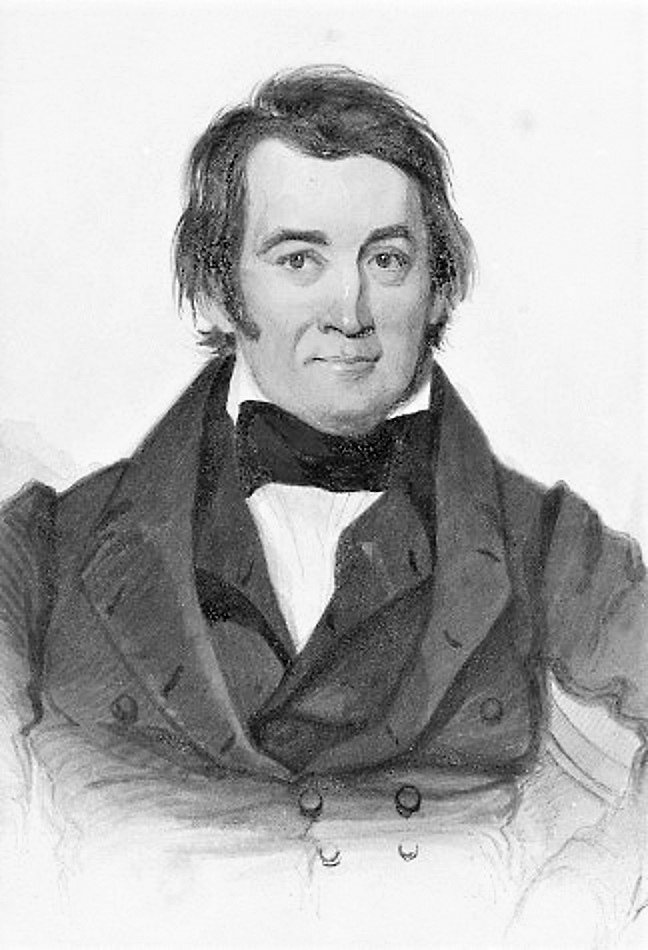
Davy Crockett is remembered as a raccoon-hat-wearing frontiersman, but his real life was more complex. Crockett served in Congress for several terms and was known for his opposition to President Andrew Jackson’s policies. According to the Library of Congress, Crockett’s legend was shaped by “The Lion of the West,” a play that exaggerated his backwoods persona. He died at the Alamo, but he was as much a savvy politician as a wilderness hero.
The Founding Fathers: Not Always United
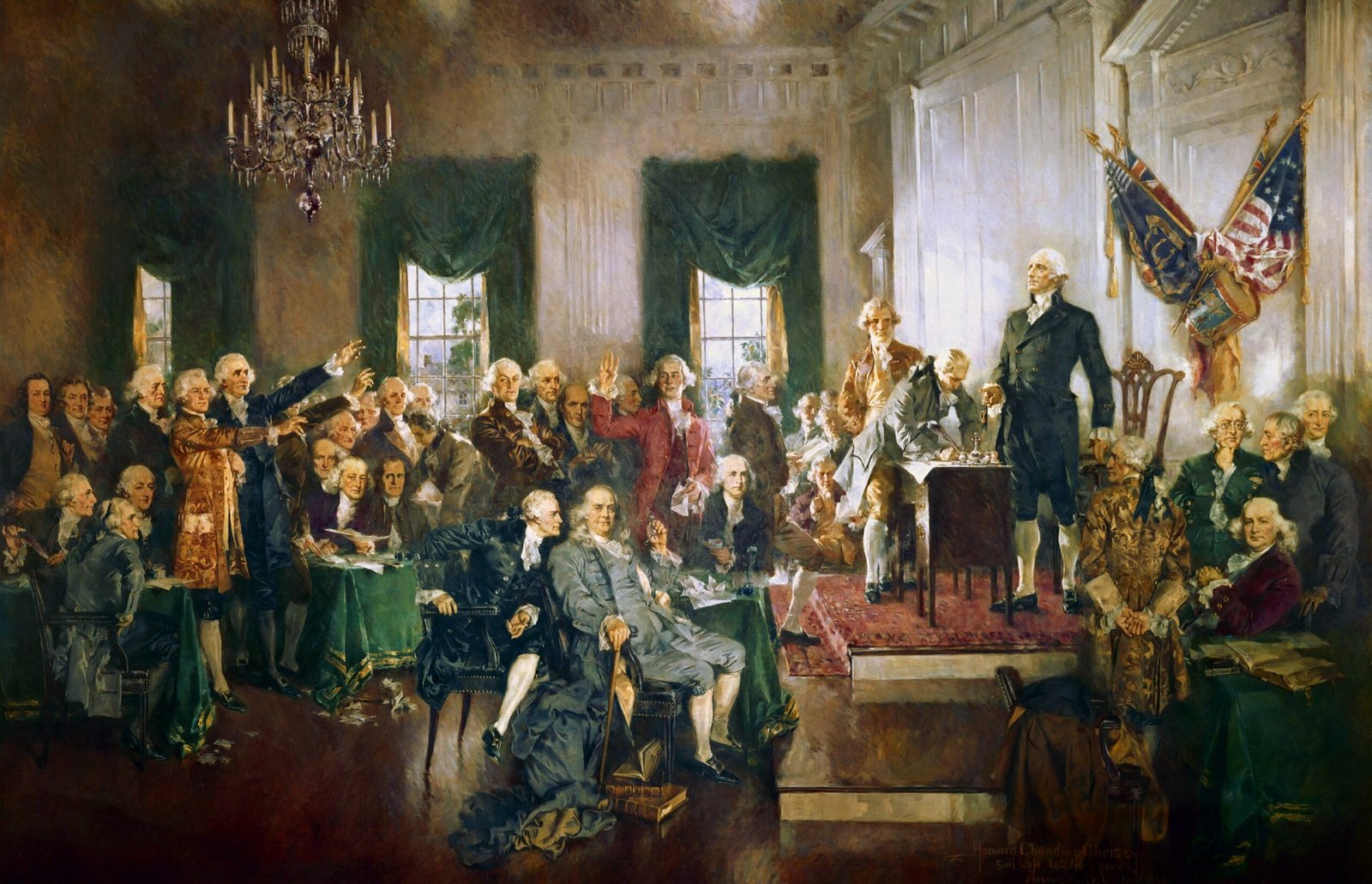
The myth of the Founding Fathers as a united front is easily disproven by their letters and debates. Alexander Hamilton and Thomas Jefferson, for example, were bitter political enemies. Recent scholarship highlights how the Constitutional Convention was plagued by fierce arguments and compromises. The Federalist and Anti-Federalist Papers reveal deep divisions over the direction of the country. Their debates shaped America, but unity was often more myth than reality.
The Underground Railroad: More Subtle Than Tunnels
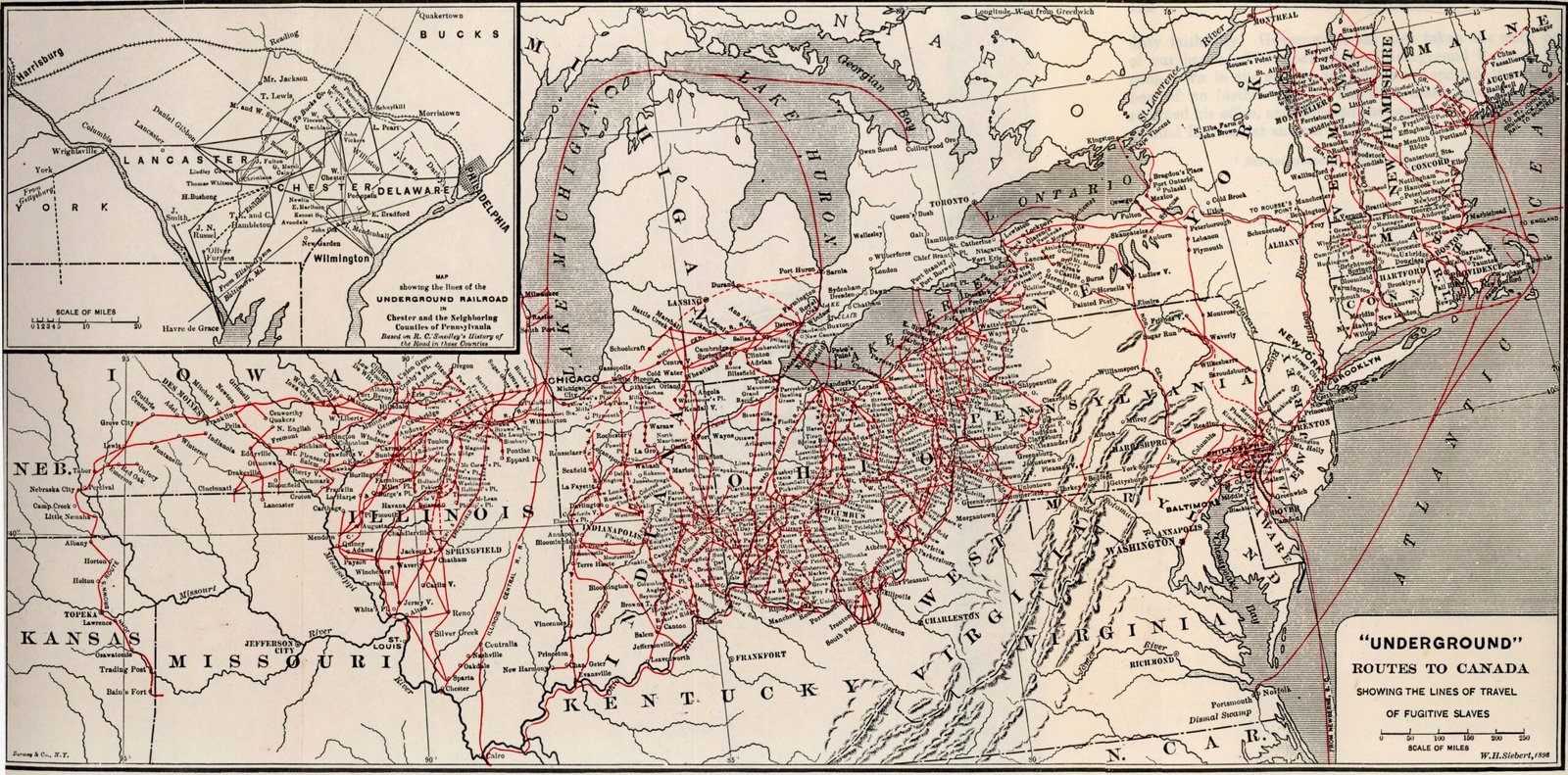
The phrase “Underground Railroad” brings to mind secret tunnels and dramatic escapes, but most freedom seekers traveled by foot or wagon, aided by a loose network of helpers. Research by the National Park Service shows that Harriet Tubman and others used coded songs, safe houses, and everyday disguises. The majority of escapes happened in small groups, not the mass exoduses depicted in movies. The real story is one of quiet bravery and community effort.
Jesse James: Outlaw or Folk Hero?
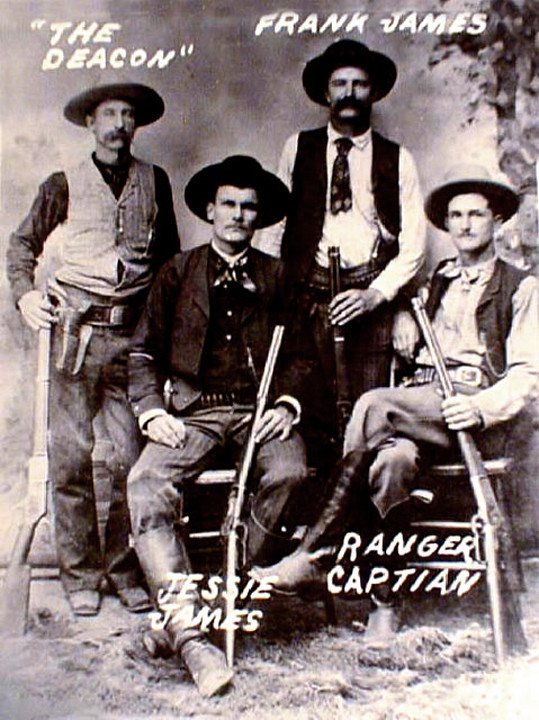
Jesse James is often romanticized as a Robin Hood figure, but historical records and FBI files show he was a violent bank robber and Confederate guerrilla. After the Civil War, James’s gang committed numerous murders and robberies across the Midwest. Newspapers of the time, eager to sell papers, cast him as a folk hero fighting corrupt banks. In reality, Jesse James was driven by personal gain and revenge, not social justice.
The Gold Rush: Boom, Bust, and Broken Dreams
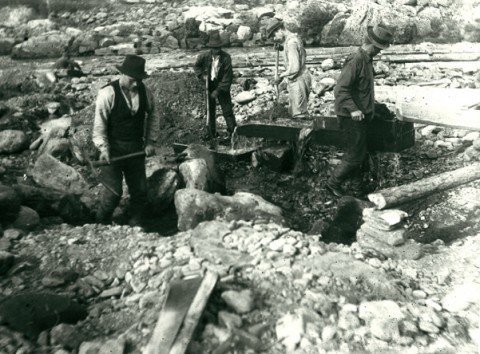
The California Gold Rush of 1849 is remembered as a time of instant riches. Census data and diaries from the period show that most “Forty-Niners” left empty-handed. Prices for basic goods skyrocketed, and disease was rampant in mining camps. Recent economic studies estimate that only a tiny fraction of prospectors became wealthy. The real gold was made by merchants, not miners. The Gold Rush was more heartbreak than fortune for most.
The American Cowboy: More Fence Than Freedom
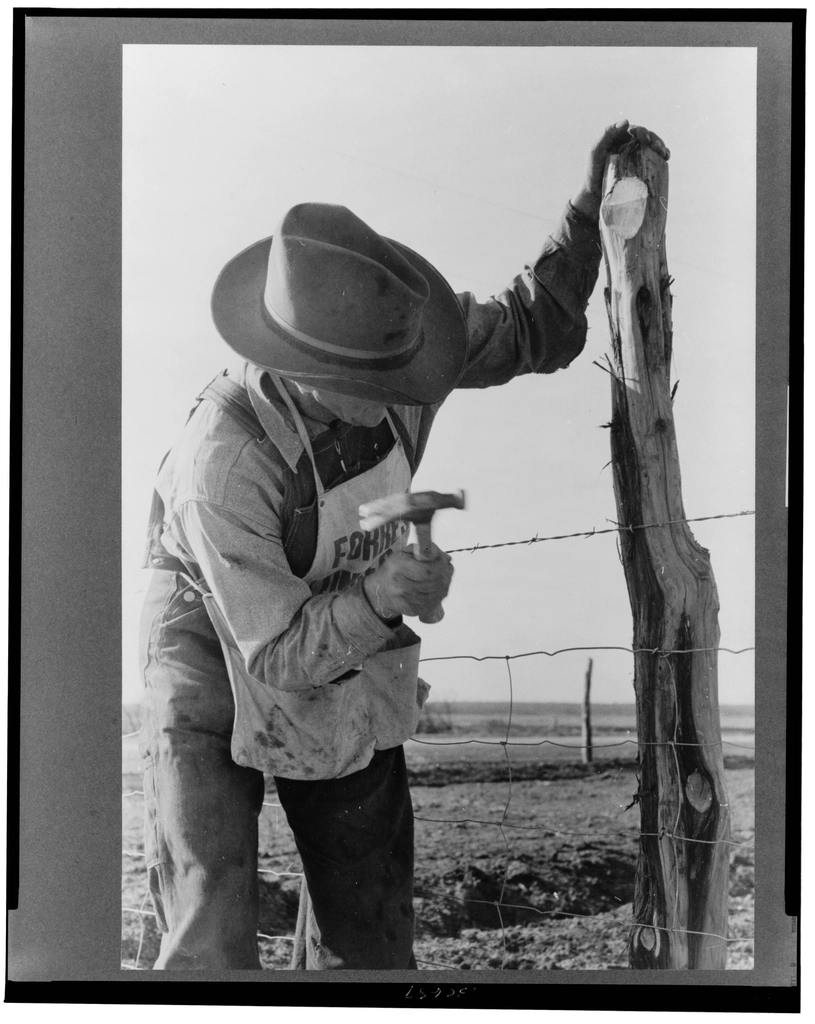
The cowboy is a symbol of American freedom, but the reality was grueling labor for low pay. According to the Smithsonian, most cowboys worked for large ranches, enduring long hours and harsh conditions. Many were Black, Mexican, or Native American, which is rarely shown in movies. Instead of wide-open spaces, much of their job involved repairing fences and herding cattle. The myth of the lone cowboy is strong, but the truth is a story of teamwork and toughness.
The Statue of Liberty: A Changing Symbol
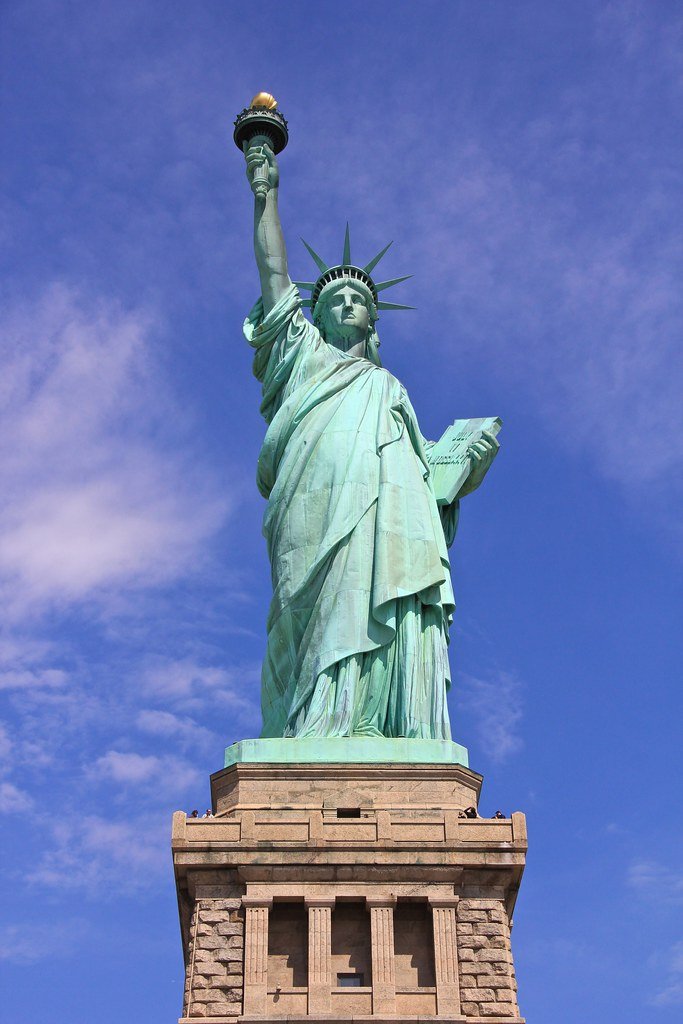
The Statue of Liberty is known as a beacon of hope for immigrants, but when it was unveiled in 1886, it had a different meaning. Newspaper archives reveal that the statue was originally created to celebrate the end of slavery and U.S.-French friendship. Only decades later, as waves of immigrants arrived at Ellis Island, did Lady Liberty become a symbol of welcome. The poem “The New Colossus” by Emma Lazarus, now associated with the statue, wasn’t added until 1903.
The Manhattan Project: Secrets and Sacrifice
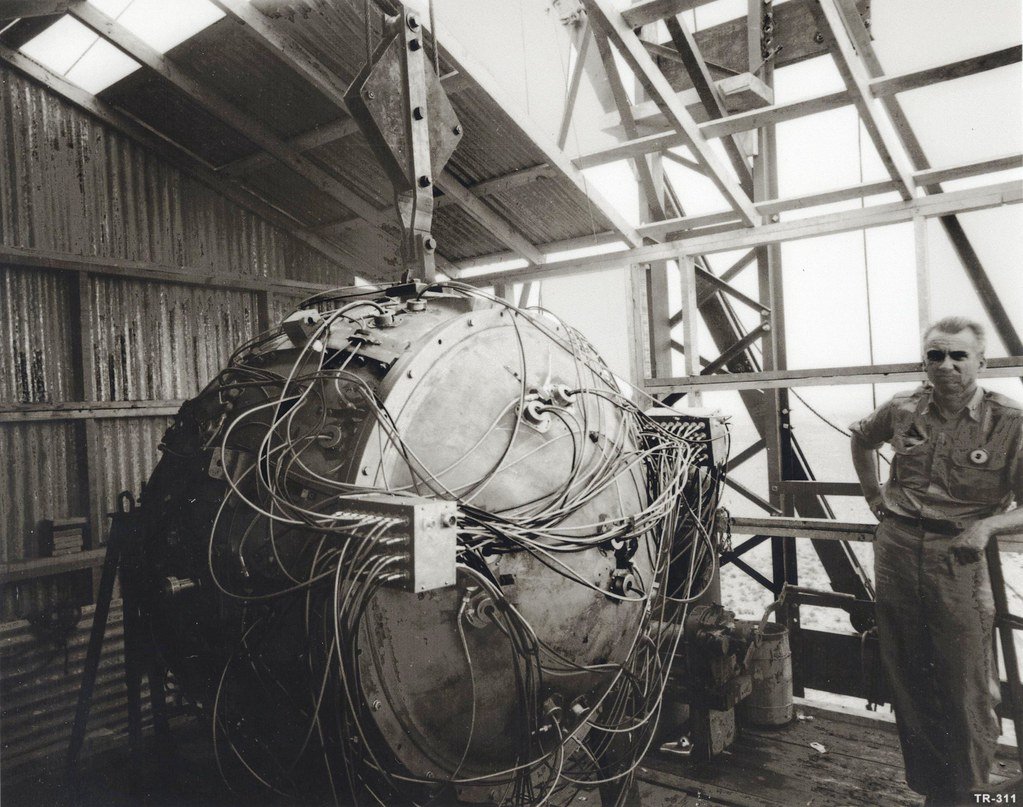
The Manhattan Project is often shrouded in secrecy and intrigue, but recent declassified documents and oral histories shed new light. The project employed more than 130,000 people in total secrecy. Many workers didn’t know what they were building until after the bombs were dropped on Hiroshima and Nagasaki in 1945. According to the Atomic Heritage Foundation, the project was a massive feat of science but also brought ethical dilemmas and long-term health risks for those involved.
The “American Dream”: A Moving Target
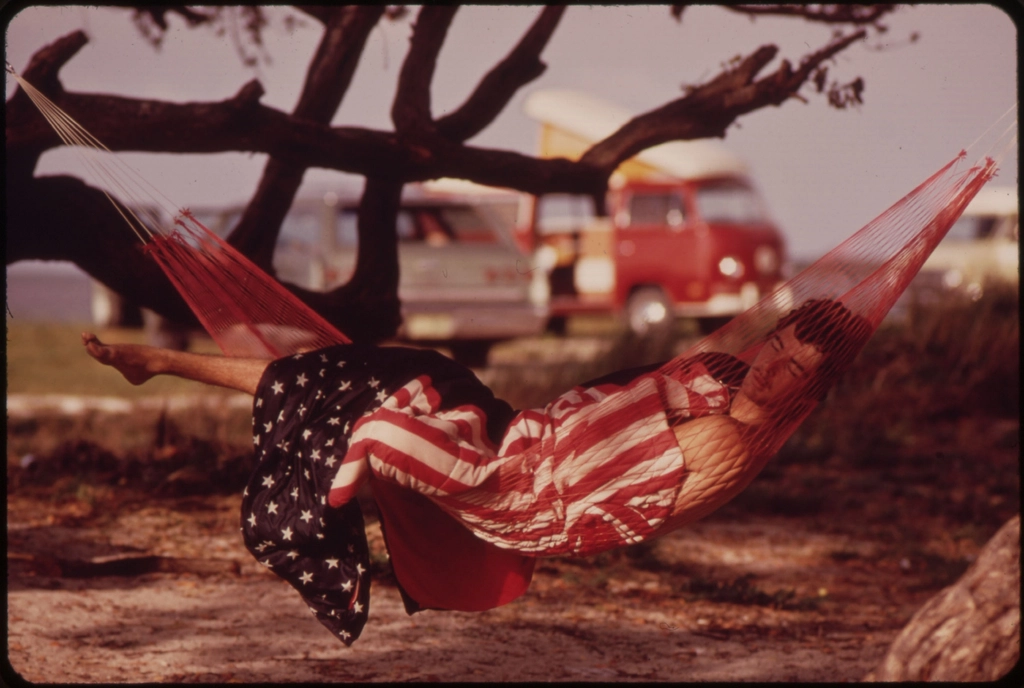
The idea of the American Dream—anyone can succeed with hard work—has changed over time. Economic data from the Pew Research Center shows that upward mobility has slowed since the 1970s. Homeownership, a key part of the dream, has become less attainable for many young Americans. The American Dream is still alive, but it looks different than it did in the postwar era. Today, it’s more about stability and opportunity than guaranteed prosperity.
The Moon Landing: Real Science Amidst Doubt
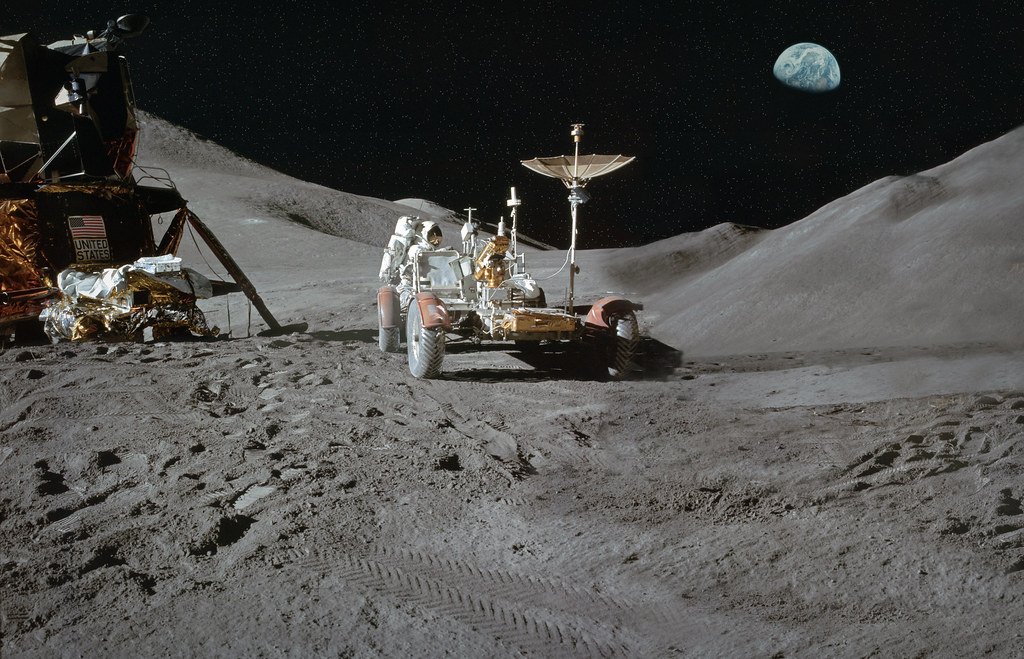
Despite conspiracy theories, overwhelming evidence supports that America landed astronauts on the moon in 1969. NASA’s archives contain thousands of photos, rock samples, and telemetry data. Independent experts have debunked claims of a hoax, citing details like dust movement and radio transmissions. A 2024 poll by Ipsos found that less than 10% of Americans believe the moon landing was faked. The myth lingers, but the science is stronger than ever.
The Civil Rights Movement: More Than Marches
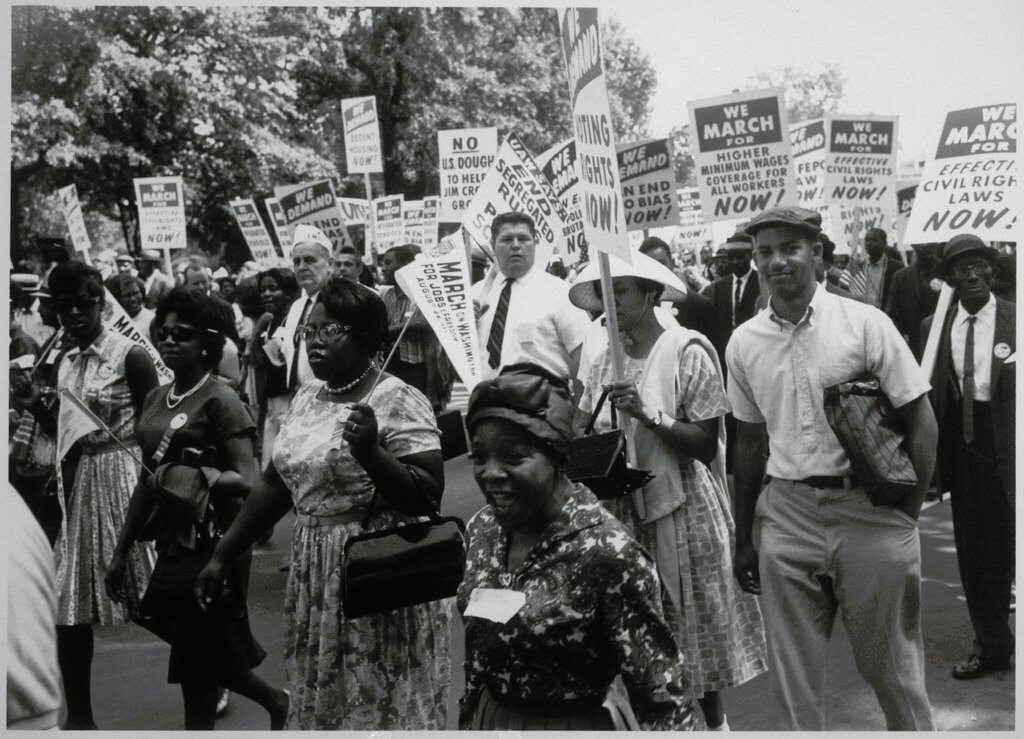
The story of the Civil Rights Movement often centers on Martin Luther King Jr. and peaceful protests. While King’s leadership was crucial, recent scholarship highlights the role of women, youth, and lesser-known activists. The Student Nonviolent Coordinating Committee (SNCC) and local leaders in places like Mississippi and Alabama risked their lives organizing voter drives. FBI records and oral histories show that the movement involved dangerous confrontations and strategic planning at every level.
The Founding of Jamestown: Starvation and Struggle
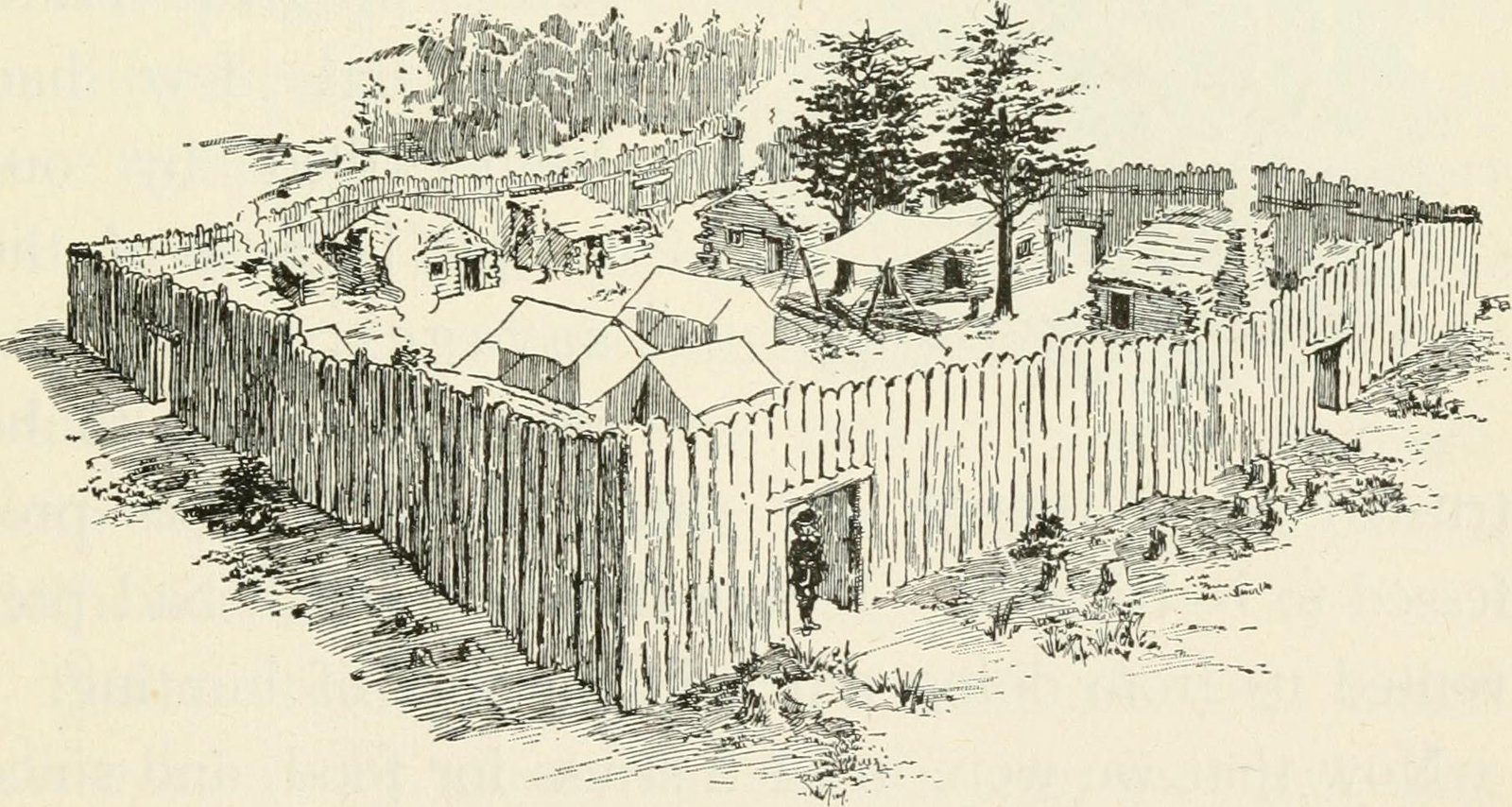
Jamestown, America’s first permanent English colony, is often celebrated for its survival against the odds. Archaeological evidence and colonial records show that the “starving time” of 1609-1610 was a period of desperate hunger. Up to 80% of settlers died, and recent discoveries of human remains confirm that some colonists resorted to cannibalism. The colony only survived thanks to help from Indigenous people and new arrivals. The real Jamestown was a story of survival, not just triumph.

Besides founding Festivaltopia, Luca is the co founder of trib, an art and fashion collectiv you find on several regional events and online. Also he is part of the management board at HORiZONTE, a group travel provider in Germany.
