Real events shape the stories we tell, even when authors weave them into timeless tales. Writers draw from personal encounters, obscure memoirs, and overlooked crises to craft figures that resonate across generations. These inspirations often fade into obscurity, leaving the fictional versions to carry the weight of human struggle and triumph.
Such connections reveal how fiction revives forgotten chapters of the past. A sailor’s lonely exile or a surgeon’s sharp deductions become larger-than-life archetypes. Through this lens, literature bridges the gap between what happened and what endures in our imagination.
Robinson Crusoe from Daniel Defoe’s Novel
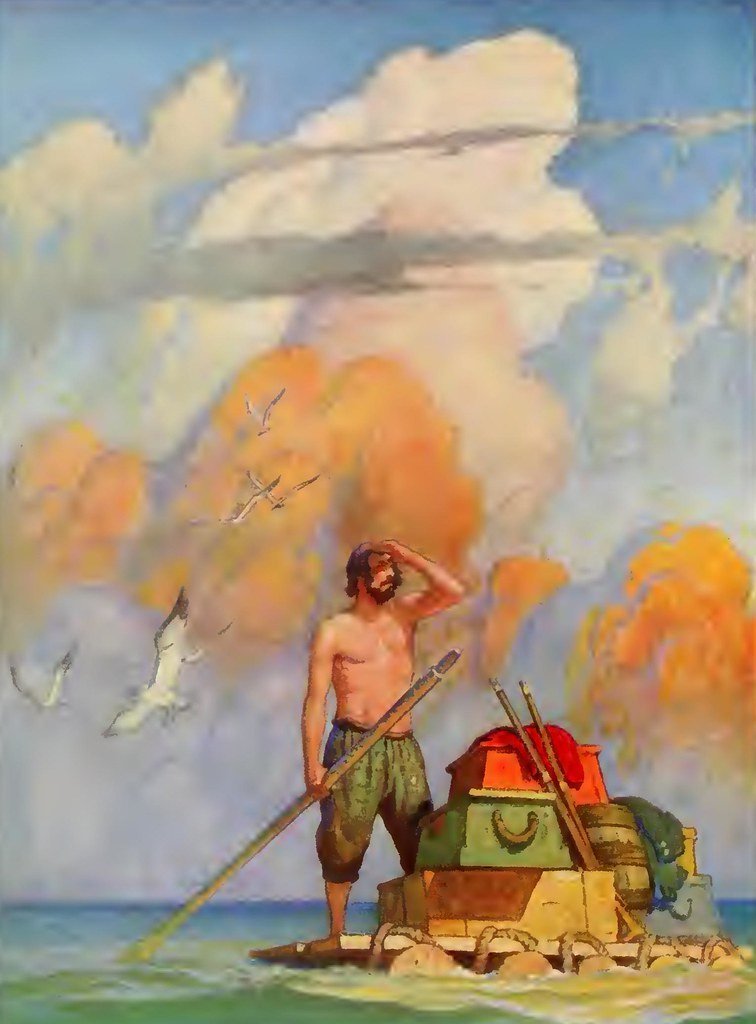
Alexander Selkirk, a Scottish privateer, sparked the tale through his own desperate survival. In 1704, after clashing with his captain over the ship’s seaworthiness, Selkirk chose marooning on a remote Pacific island rather than risk a doomed voyage.[1]
He endured four years alone, crafting shelter from goatskins and battling isolation with salvaged tools. His memoir later detailed taming wild goats and fending off Spanish attackers, a gritty saga of human ingenuity amid imperial skirmishes. These raw experiences formed the backbone of a forgotten mariner’s drama.
Defoe transformed Selkirk’s ordeal into Crusoe’s spiritual journey of self-reliance and redemption. The fictional castaway builds a fortified home, encounters cannibals, and ponders divine providence, amplifying real hardships into a parable of colonialism and faith. Crusoe’s rescue and return elevate the personal survival story to mythic proportions.
Dorian Gray from Oscar Wilde’s Novella
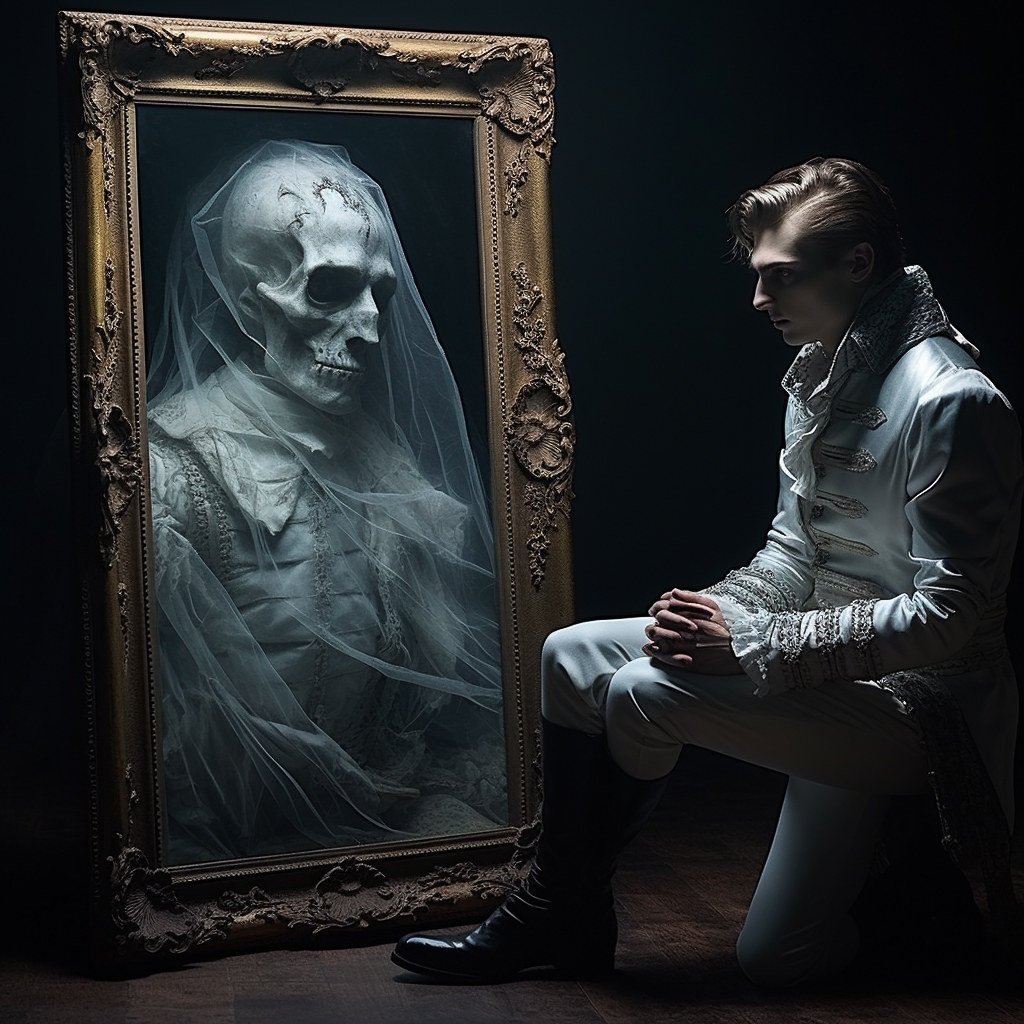
John Gray, a young poet in Wilde’s decadent London circle, mirrored the character’s eternal youth and moral decay. At 25, Gray appeared boyish enough to pass for 15, earning nicknames like “young Adonis” amid rumors of scandalous pursuits.[1]
His entanglement with Wilde fueled whispers of corruption, echoing Dorian’s portrait-bearing sins. Gray even sued over the name link, retreating to priesthood in Rome, a twist rivaling the novel’s tragedy. This episode captured the era’s hidden tensions around beauty, vice, and identity.
Wilde reshaped Gray’s life into a Faustian bargain where Dorian stays flawless while his soul rots. The portrait becomes a supernatural confessor, heightening real social hypocrisies into gothic horror. Through this, the character critiques Victorian repression far beyond one poet’s quiet fall.
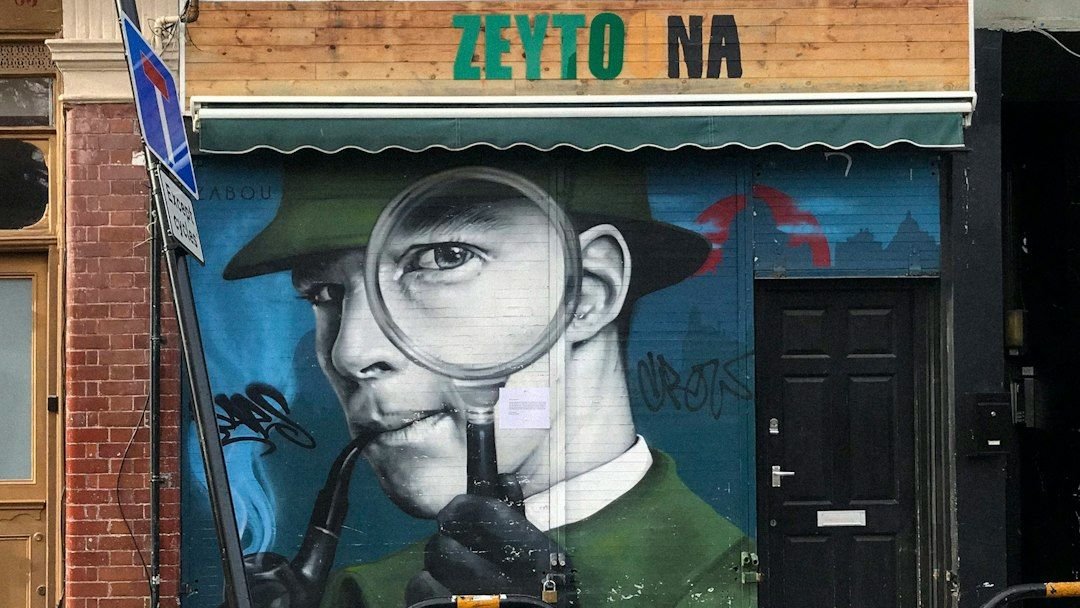
Sherlock Holmes from Arthur Conan Doyle’s Stories
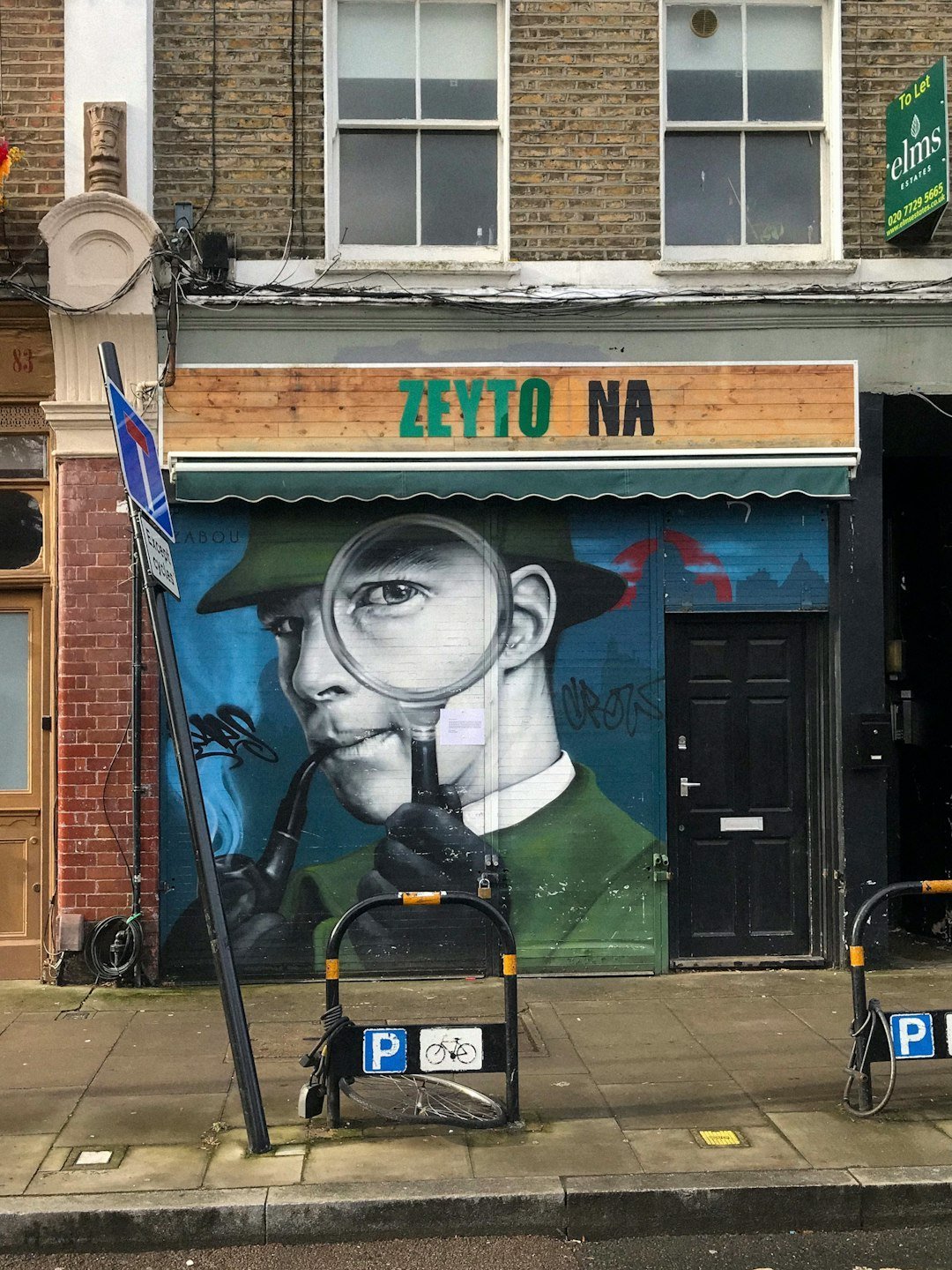
Dr. Joseph Bell, Doyle’s Edinburgh professor, embodied deductive genius amid Victorian medical mysteries. As a surgeon, Bell diagnosed patients from subtle clues like calluses or accents, later advising police on crimes.[2]
Doyle clerked for him, absorbing methods honed in forensic lectures and urban investigations. Bell’s flair for observation turned routine exams into dramatic revelations, reflecting the era’s push toward scientific policing. His influence revived forgotten tales of clinical precision in a foggy, crime-ridden city.
Doyle elevated Bell into Holmes, the cocaine-using detective solving impossible cases with razor logic. Baker Street becomes a hub for unraveling scandals, blending real diagnostics with sensational plots. Holmes immortalizes that analytical spark as cultural icon.
Captain Ahab from Herman Melville’s Moby-Dick
The 1820 sinking of the whaleship Essex fueled Ahab’s vengeful obsession. A massive sperm whale rammed the Nantucket vessel twice, forcing survivors into lifeboats for a cannibal-plagued drift across the Pacific.[3]
Captain George Pollard and first mate Owen Chase lived through starvation horrors, their accounts detailing the whale’s fury in whaling’s brutal frontier. This maritime disaster, overshadowed by later legends, exposed the perils of 19th-century sea hunts. Chase’s narrative directly shaped Melville’s epic.
Melville fused the Essex tragedy into Ahab’s monomaniacal pursuit of the white whale. The Pequod’s doomed voyage amplifies survival desperation into philosophical rage against nature. Ahab emerges as a tragic force, his peg leg and harpoon evoking real captains’ unyielding grit.
Count Dracula from Bram Stoker’s Novel
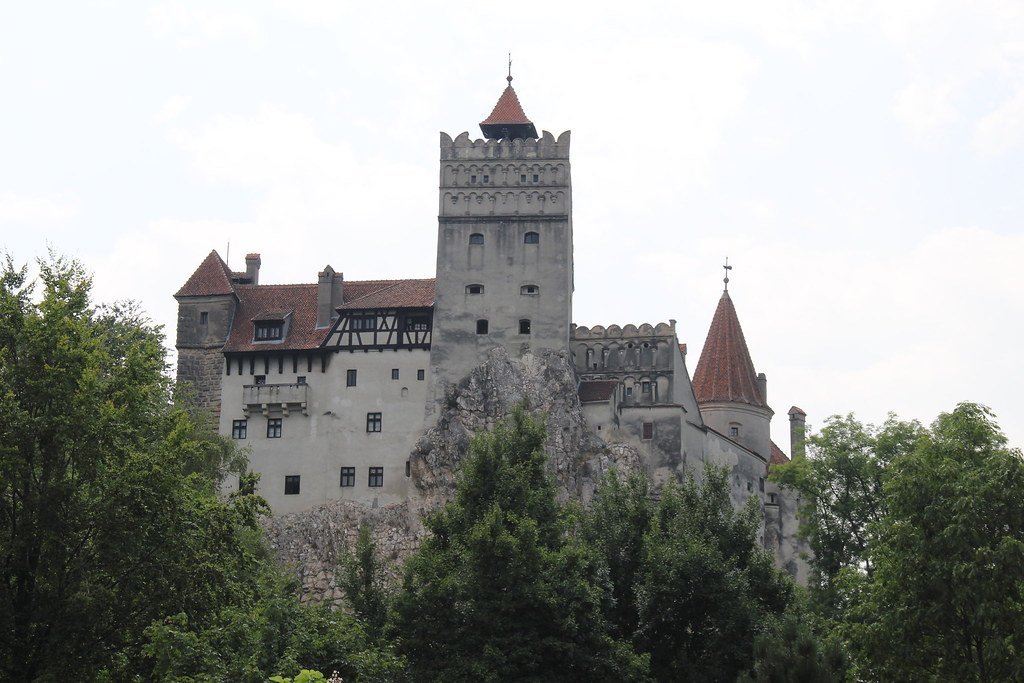
Vlad III, the Impaler, prince of Wallachia, inspired the vampire through his ruthless 15th-century rule. Known for skewering enemies on stakes, Vlad defended his lands against Ottoman invasions with terror tactics born of brutal wars.[2]
Born in Transylvania’s shadow, he earned his grim epithet amid family betrayals and bloody reprisals. Stoker’s research unearthed Vlad’s name in a library book, linking it to devilish lore. These medieval power struggles faded into Eastern Europe’s dim histories.
Stoker reimagined Vlad as the aristocratic bloodsucker preying on Victorian England. Castle horrors and nocturnal hunts gothicize historical cruelty into supernatural dread. Dracula embodies invasion fears, transforming a warlord’s savagery into eternal night.
Ebenezer Scrooge from Charles Dickens’ A Christmas Carol
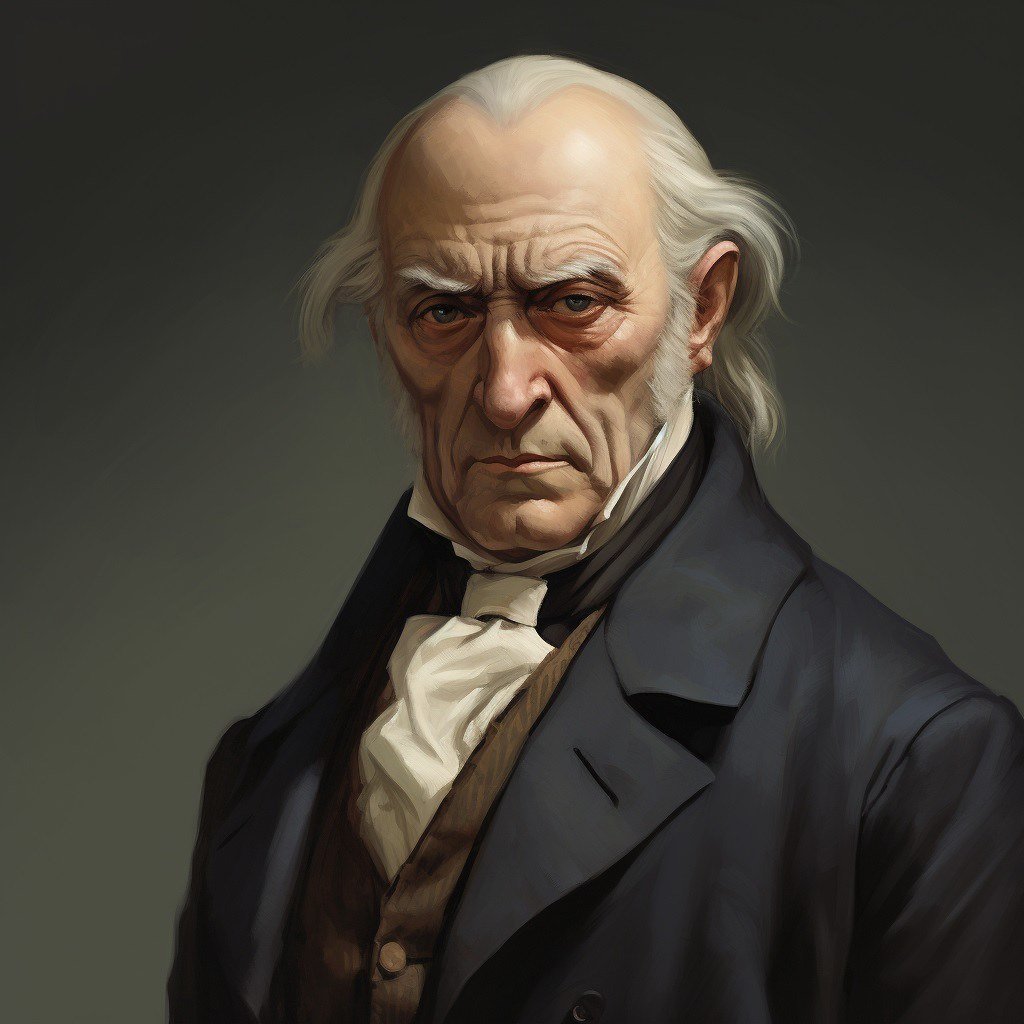
John Elwes, an 18th-century MP, reflected the miser’s frugality amid Georgian excess. Inheriting vast wealth, he shunned comforts, wearing rags and dining on scraps despite parliamentary status.[4]
Known for letting properties decay and pinching pennies obsessively, Elwes embodied enlightenment-era thrift pushed to eccentricity. His life highlighted debtor prisons and social divides Dickens witnessed. This personal saga lingered in London’s underbelly tales.
Dickens sculpted Scrooge into a redeemable curmudgeon haunted by ghosts of neglect. Bah humbug evolves through spectral visits into festive generosity, softening real stinginess for moral uplift. Scrooge anchors holiday redemption in economic reform’s quiet call.
The Lasting Imprint of History on Fiction
These characters show how authors mine overlooked pains for universal truths. Selkirk’s isolation or the Essex’s doom gain fresh voice through Crusoe and Ahab, keeping histories alive. Fiction distills raw events into enduring symbols.
Yet the transformation invites reflection on what persists. Real dramas lose specifics but echo in archetypes that challenge readers. Literature thus honors the past by making its forgotten whispers heard anew.