


- A Charming Tradition: The History of Christmas Markets in the United States - December 7, 2025
- Gear Up: Your Festival Camping Essentials - December 7, 2025
- Festival Survival Guide: Essential Tips - December 7, 2025
Golden Age: A Hub for Emerging Voices

Imagine wandering into a smoky café in 1950s New York, where the latest issue of The Paris Review sits beside your coffee. Literary magazines like this were once the lifeblood of American culture, introducing readers to new writers and ideas long before social media existed. During the mid-20th century, magazines such as The Atlantic, The New Yorker, and Harper’s were essential for discovering writers like Sylvia Plath, James Baldwin, and Flannery O’Connor. According to a 2019 study by the Association of Writers & Writing Programs, over 600 literary magazines were published in the United States, most founded between 1945 and 1975. These publications provided a platform for experimentation, risk-taking, and artistic community. People eagerly awaited each new issue, often finding their favorite authors before they became household names. Literary magazines were more than just paper—they were the pulse of American creativity.
The Rise of the Little Magazine

By the 1960s and 70s, “little magazines” flourished, run by passionate editors often out of college dorm rooms or cramped apartments. These independent journals, with names like Ploughshares and The Iowa Review, focused on avant-garde work and poetry that mainstream publishers ignored. According to research from Poets & Writers Magazine, little magazines published about 70% of the new poetry in the U.S. during this era. Their shoestring budgets and DIY spirit gave young writers a place to take risks. These magazines helped launch the careers of authors like Raymond Carver and Joyce Carol Oates. For many, getting published in a little magazine was a badge of honor, proof that their work mattered in the broader literary conversation.
Print’s Decline and the Digital Shift
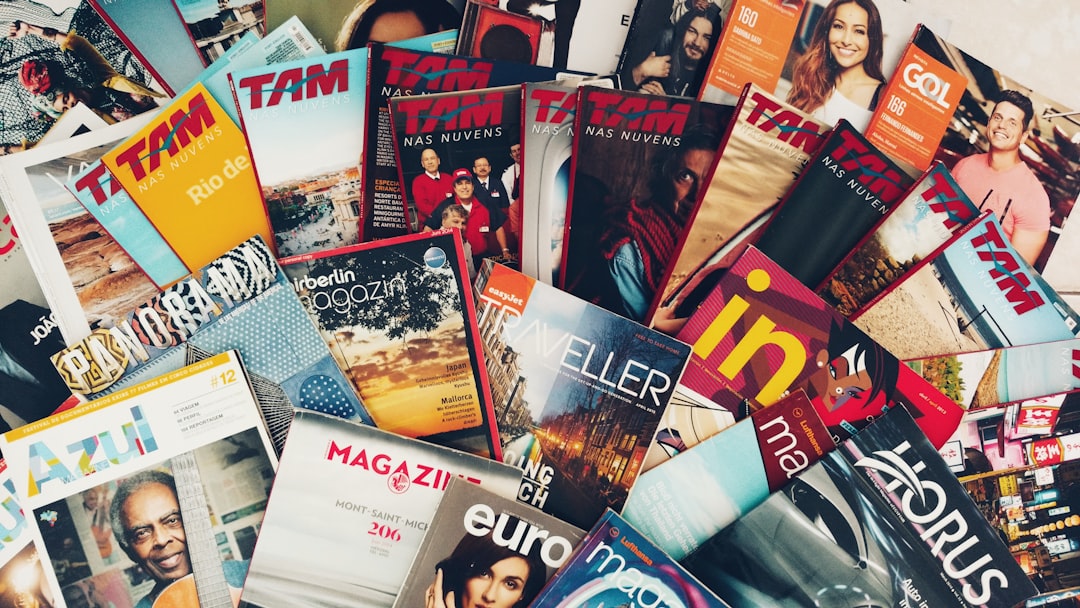
By the early 2000s, the number of print literary magazines began to shrink dramatically. According to a Pew Research Center report in 2023, print magazine readership in the U.S. has dropped by 42% since 2005. Rising printing costs and declining subscriptions forced many beloved publications to close or go online. The Believer, for example, announced its closure in 2022 after nearly two decades of innovative publishing. As the digital world exploded, some magazines successfully transitioned to web formats, but many struggled to maintain the same sense of community or editorial quality. The tactile pleasure of flipping through pages and discovering new voices became rarer, replaced by endless scrolling on screens.
The Power of the Editor

Editors of literary magazines have always played a crucial role, not just as gatekeepers but as champions of new talent. According to a 2024 interview with The New Yorker’s fiction editor, only about 2% of submissions ever get published, underscoring the competitive nature of the field. Editors like George Plimpton (The Paris Review) or Gordon Lish (The Quarterly) shaped the direction of American literature, offering early support to writers who would later become legends. Their taste and vision created trends and movements, sometimes controversial, always influential. They weren’t afraid to take chances, and their picks often challenged readers to think in new ways.
Literary Magazines as Cultural Mirrors
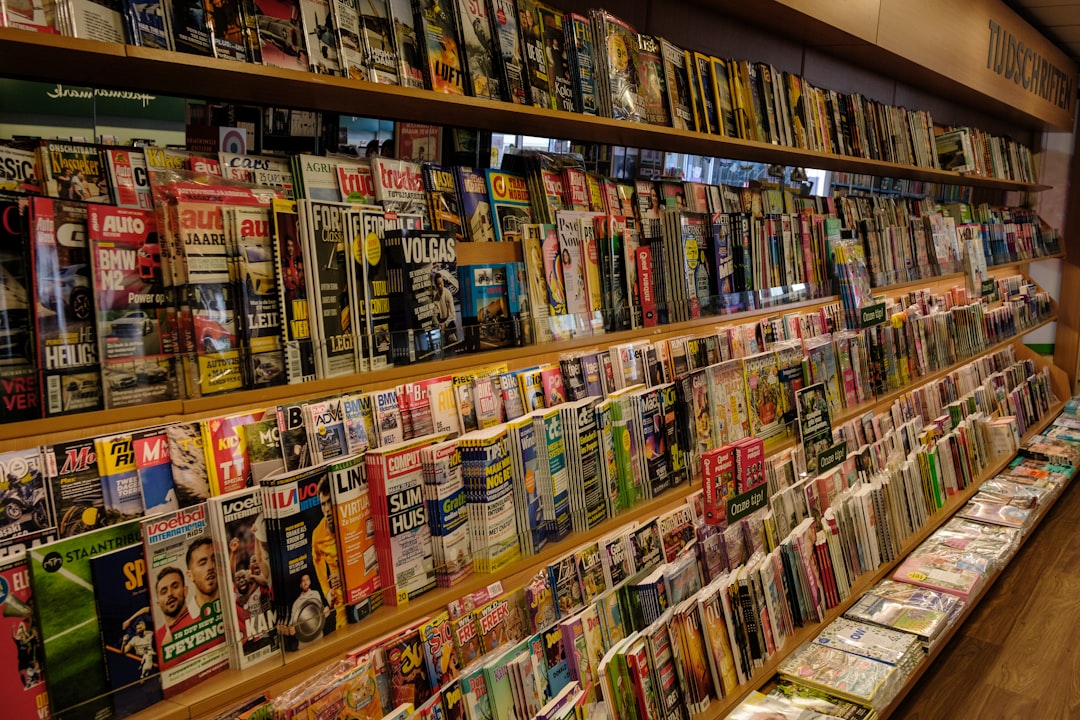
At their best, American literary magazines have reflected the country’s shifting social and political landscapes. For example, in the wake of the #MeToo movement, Tin House and McSweeney’s published groundbreaking essays and stories dealing with gender, power, and justice. The Kenyon Review has published special issues focused on race and identity, drawing from contemporary debates and lived experiences. According to a 2023 analysis in The Atlantic, nearly 60% of literary magazines in the U.S. have published themed issues responding to current events in the past five years. This responsiveness keeps literary magazines relevant, giving writers a space to process and shape the national conversation.
The Struggle for Financial Survival
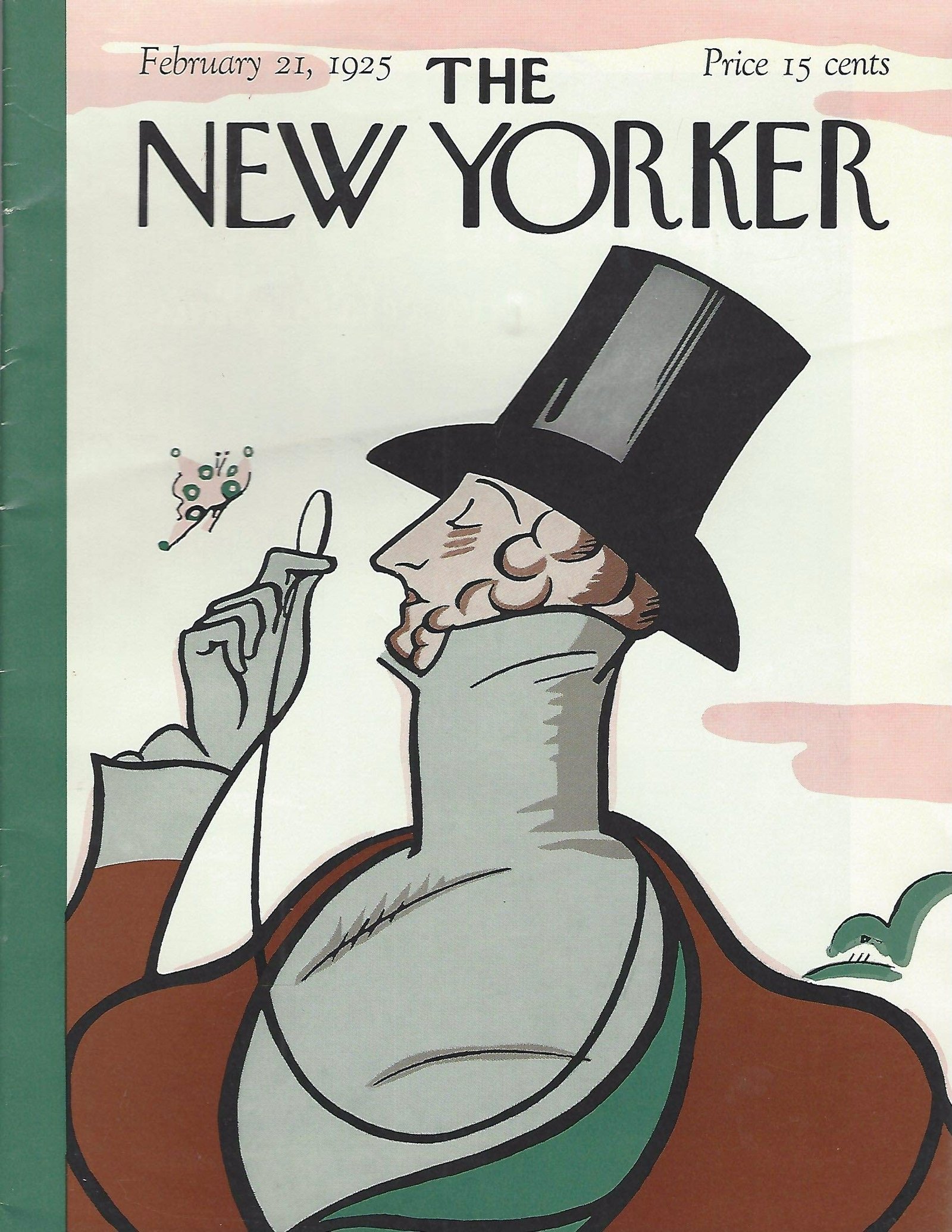
Despite their cultural importance, most literary magazines operate on razor-thin budgets. A 2024 survey by the Community of Literary Magazines and Presses (CLMP) found that over 80% of literary magazines in the U.S. have annual budgets under $50,000. Many rely on grants, volunteer labor, and crowdfunding to stay afloat. High-profile closures, like Glimmer Train in 2019, shocked the literary world and highlighted just how fragile these institutions are. Even established magazines struggle to pay writers decent rates—some offer only contributor copies, while others, like The New Yorker, pay up to $7,500 for a short story. The disparity often limits who can afford to contribute, threatening the diversity and vibrancy of the field.
The Digital Renaissance: New Opportunities

While the shift online spelled doom for some publications, others have embraced the possibilities of digital media. Innovative magazines like Electric Literature and The Offing leverage social media, podcasts, and interactive formats to attract new audiences. According to a 2024 Pew report, 58% of millennials who read literary magazines prefer digital formats, especially on smartphones and tablets. These digital magazines can publish more quickly, react to news in real time, and reach readers across the globe. They also experiment with multimedia, such as audio readings and video essays, that print could never offer. This new flexibility has allowed some magazines to grow their readership even as paper editions disappear.
Championing Diversity and New Voices

Today’s literary magazines are more committed than ever to publishing underrepresented voices. According to a 2023 VIDA Count, women and writers of color now make up more than half of contributors to major American literary magazines, a dramatic shift from a decade ago. Magazines like Apogee and Kweli explicitly seek out marginalized writers, while others have launched diversity fellowships and mentorships. This push has led to a more dynamic, relevant, and honest literary landscape. Readers can now find stories that reflect a broader range of American experiences, from immigrant narratives to LGBTQ+ perspectives, making literary magazines vital incubators of change.
Community, Workshops, and Events

Beyond the page, literary magazines foster community through workshops, readings, and festivals. In 2024, over 200 literary magazines in the U.S. hosted public events, according to CLMP statistics. These gatherings build personal connections between writers and readers, offering mentorship and encouragement. Many magazines partner with universities, bookstores, and local arts organizations to keep literary culture alive. For instance, The Iowa Review’s annual festival draws thousands each year, blending established authors with emerging voices. This sense of belonging is rare in the digital age, making literary magazines powerful antidotes to loneliness and creative isolation.
The Future: Uncertain but Hopeful
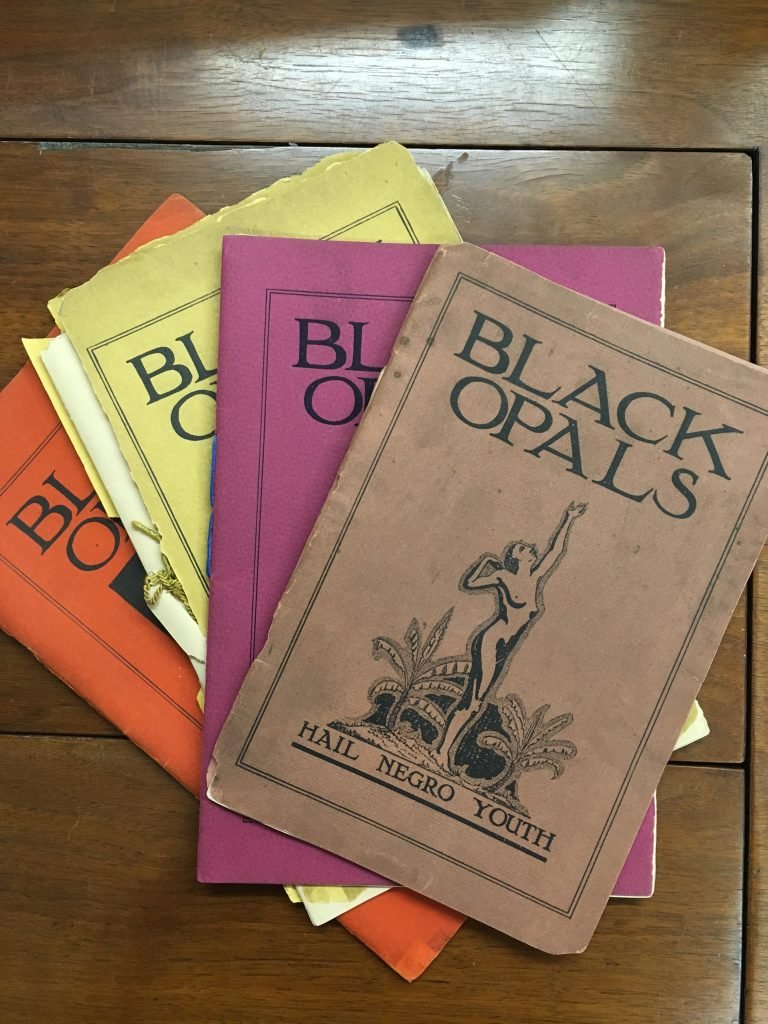
Despite all the challenges, new literary magazines continue to appear each year, often with a mission to break boundaries or champion unheard voices. According to Poets & Writers, nearly 50 new literary magazines launched in the U.S. in 2023 alone. While the business model remains difficult, there’s a renewed sense of purpose and experimentation. Many young editors are reimagining what a literary magazine can be—whether through zines, podcasts, or online collectives. The lost art of literary magazines might not be lost at all, but simply evolving, as each new generation picks up the torch and finds new ways to keep the conversation going.

Besides founding Festivaltopia, Luca is the co founder of trib, an art and fashion collectiv you find on several regional events and online. Also he is part of the management board at HORiZONTE, a group travel provider in Germany.
