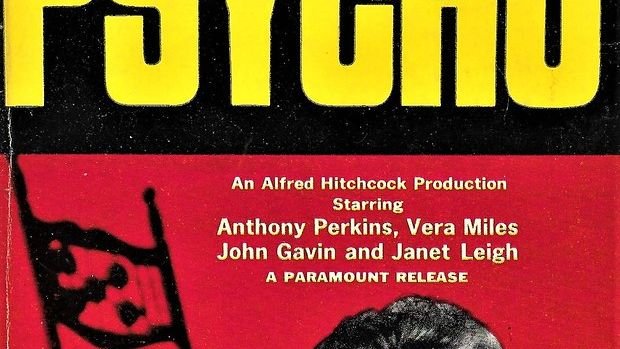
Classic films often weave layers of symbolism and subtext that transform a simple story into something profound. Viewers catch the surface narrative on first watch, yet these hidden elements invite repeated viewings and fresh insights. Symbols like objects, colors, or recurring motifs carry emotional weight, reflecting broader human experiences or societal issues.
Subtext adds nuance to characters and plots, allowing directors to comment on politics, psychology, or philosophy without overt preaching. Over time, audiences uncover these depths through analysis and cultural shifts. This interplay keeps the films alive, rewarding curiosity with richer interpretations.[1][2]
The Wizard of Oz (1939)
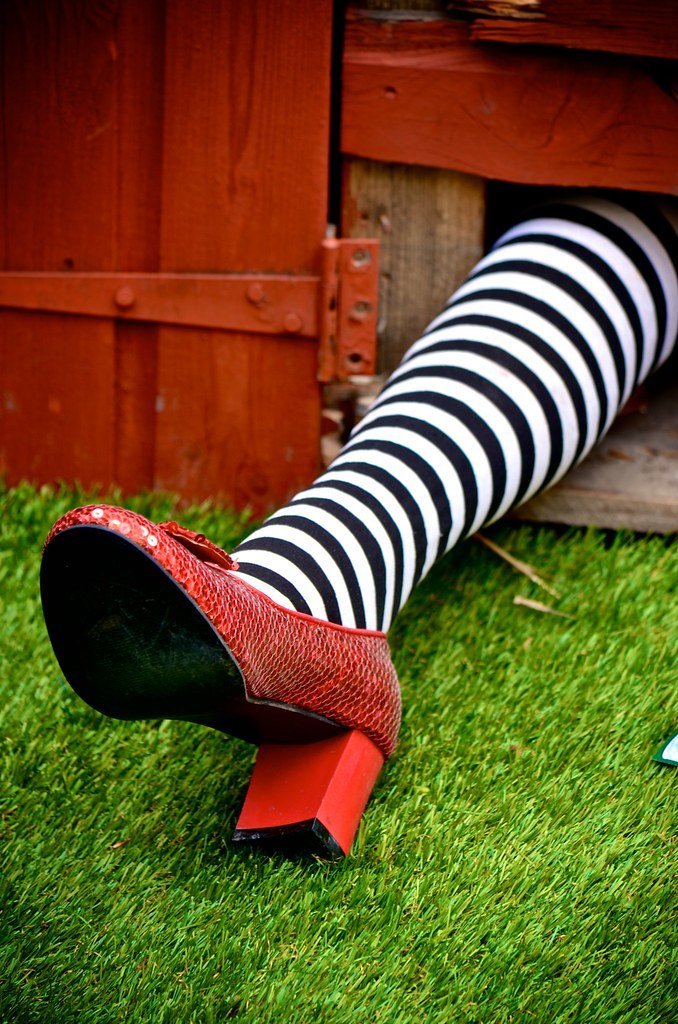
The yellow brick road stands for the gold standard in American economics, while the Scarecrow, Tin Man, and Cowardly Lion represent farmers, industrial workers, and politicians paralyzed by inaction. Dorothy’s silver slippers – changed from ruby in the film – evoke the Populist movement’s call for bimetallism to ease monetary woes during the depression era. The Emerald City symbolizes illusory prosperity from greenback currency, and the Wizard embodies fraudulent political leaders like President McKinley.[3][4]
Poppies in the field allude to opium-induced escapism amid economic hardship, lulling the group into slumber. Later generations reinterpreted these as a mystical alchemist’s journey, with the cyclone as spiritual awakening and Oz as the higher self. This shift moved focus from politics to personal growth, highlighting the film’s enduring adaptability.[5]
Citizen Kane (1941)

Rosebud, the sled burned at the end, symbolizes Kane’s lost childhood innocence, a private joy shattered by wealth and ambition. The snow globe he drops mirrors this fragile memory of home, its shattering marking his isolation. Mirrors throughout reflect his fractured identity and inability to connect genuinely with others.
These elements critique unchecked power, drawing parallels to media mogul William Randolph Hearst. Over decades, viewers saw deeper tragedy in Kane’s quest for love through dominance, reinterpreting Rosebud not just as nostalgia but as the unattainable core of happiness. The film’s nonlinear structure reinforces how lives defy simple summation.[6][7]
Casablanca (1942)
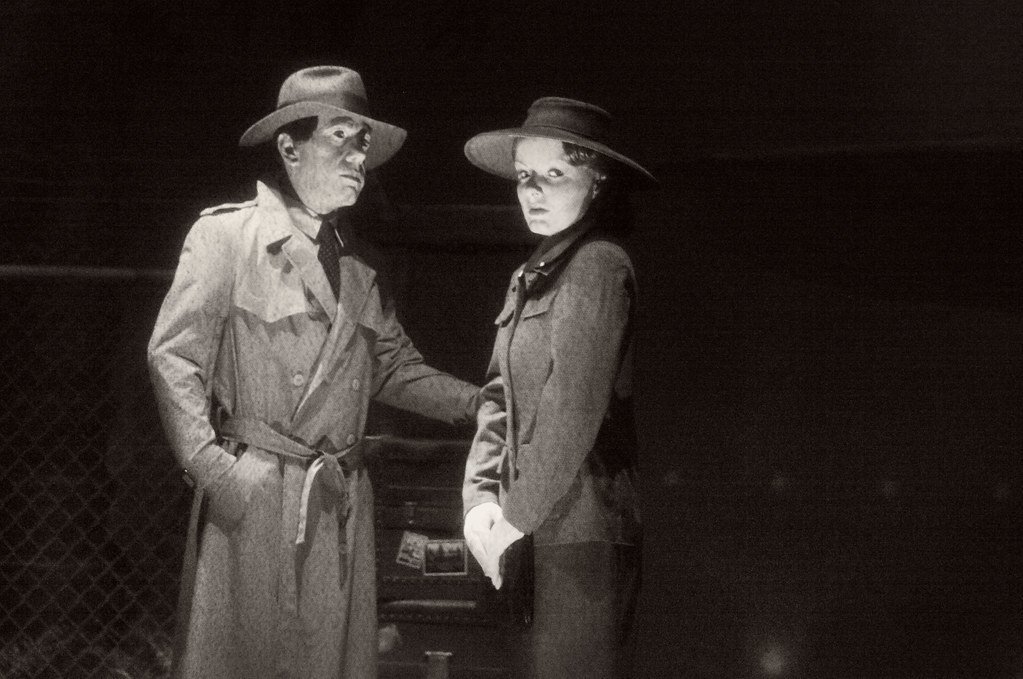
Rick Blaine embodies isolationist America, neutral amid war, while his cafe becomes a microcosm of global tensions with Nazis looming. The letters of transit represent elusive freedom, and fog-shrouded planes evoke uncertain escape routes. Victor Laszlo symbolizes resistance, his presence forcing moral choices in a compromised world.[8]
Water motifs, like rain during reunions, underscore emotional turmoil and renewal. Postwar audiences reframed it as a blueprint for U.S. entry into WWII, celebrating sacrifice over romance. Today, its subtext resonates in debates over interventionism, proving the story’s timeless pull on conscience.[9]
Psycho (1960)
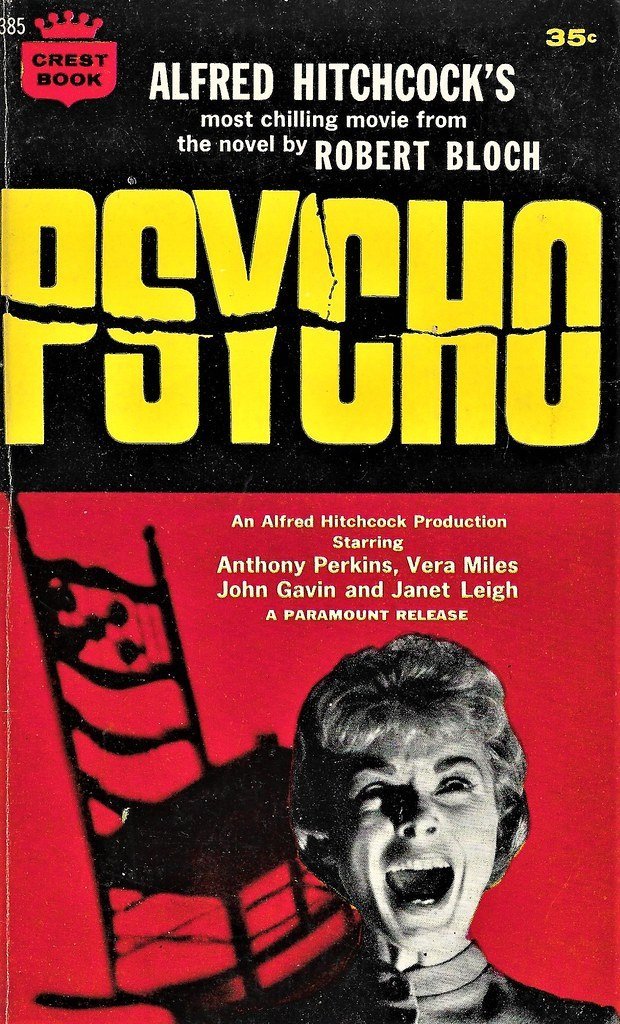
The Bates house looms like a divided psyche, with Norman embodying suppressed maternal dominance and voyeuristic guilt. The shower scene’s slashing knife evokes phallic violence and baptismal cleansing gone wrong, shattering illusions of safety. Eyes recur as symbols of prying judgment, from peepholes to stuffed birds watching impassively.
Mother’s preserved corpse reveals identity fusion, a nod to Oedipal complexes. Later analyses highlighted gender roles and repression in 1950s suburbia, with Marion’s theft as rebellion against conformity. Feminists reinterpreted the film as commentary on patriarchal control, layers that deepened its horror beyond scares.[10]
2001: A Space Odyssey (1968)
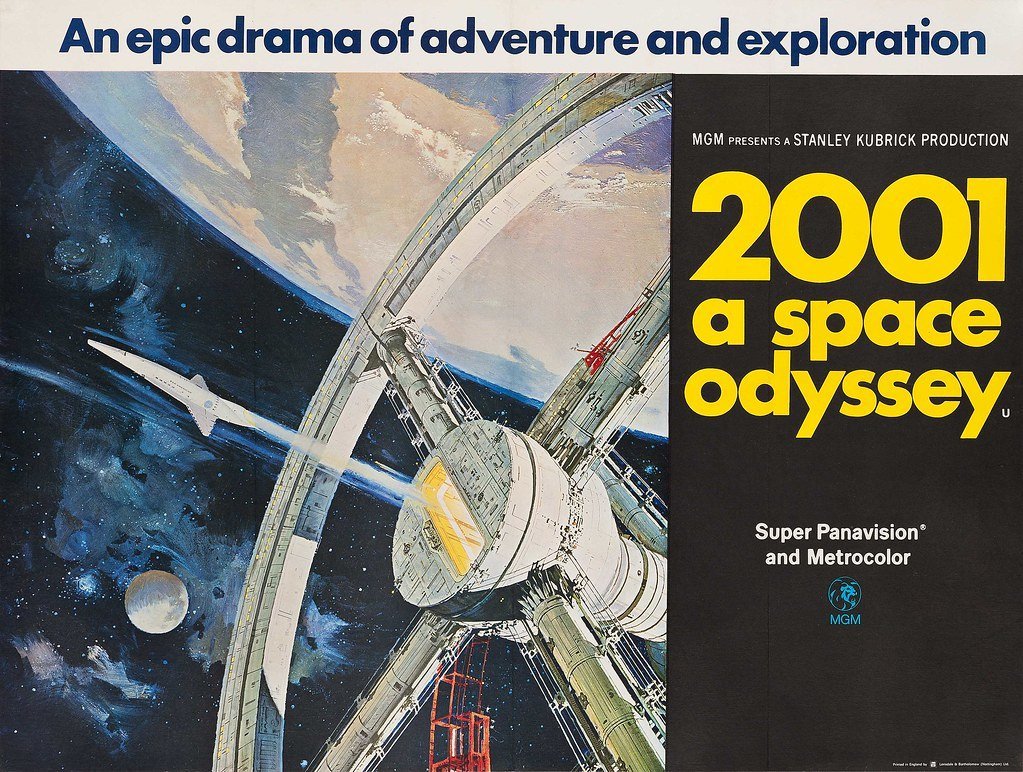
The monolith appears as a catalyst for evolution, black slab against dawn provoking tool use in apes and stargazing in humans. The bone-to-spaceship cut links primal violence to advanced technology, questioning progress. HAL 9000’s red eye and betrayal warn of AI overreach, its calm voice masking cold logic.[1]
The psychedelic finale births the Starchild, symbolizing transcendence or rebirth. Initial viewers puzzled over ambiguity, but later saw critiques of Cold War space race hubris. By 2026, amid AI debates, its symbols feel prescient, urging reflection on humanity’s cosmic place.[1]
High Noon (1952)
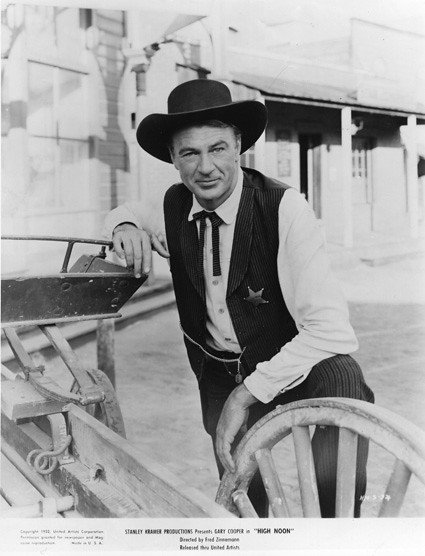
The lone marshal facing outlaws mirrors McCarthy-era blacklisting, with town’s abandonment symbolizing Hollywood’s silence under HUAC pressure. The clock ticking relentlessly embodies mounting dread and isolation. Quaker wife parallels pacifist dilemmas, her gun-handling a break from nonviolence.
Real-time structure heightens urgency, subtext urging moral stands. Post-Cold War reinterpretations praised individualism, yet some saw anti-communist propaganda. Its duality keeps debates alive, a testament to how context reshapes symbols.[2]
Layered Storytelling in Cinema

These classics demonstrate how directors embed meaning to outlast trends, turning entertainment into meditation. Symbolism demands active engagement, evolving with society.
Yet the beauty lies in personal resonance – no single reading owns the truth. Films like these remind us that depth hides in plain sight, waiting for the right light.[11]