The Hollywood studio system ruled the film industry from the 1920s into the 1950s. Major players like MGM, Warner Bros., Paramount, 20th Century Fox, and RKO controlled production, distribution, and exhibition. They signed talent to long-term exclusive contracts, often seven years, shaping careers down to the smallest details.[1][2]
Studios molded stars into glamorous icons through publicity departments, fan magazines, and strict moral clauses. This machine turned actors into household gods and goddesses, fueling a celebrity culture of adoration and scandal. The era birthed legends whose allure still captivates.
Katharine Hepburn
![Katharine Hepburn ([7]alt source: [8], Public domain)](https://festivaltopia.com/wp-content/uploads/2026/04/1776803834468_1776803830027_katharine_hepburn_publicity_photograph_-_original-scaled-1.jpeg)
Katharine Hepburn rose to prominence in the early 1930s with RKO Pictures, starring in hits like A Bill of Divorcement and Morning Glory, which earned her first Academy Award. She teamed up repeatedly with Spencer Tracy at MGM, delivering chemistry in films such as Woman of the Year and Adam’s Rib. Hepburn claimed four Oscars overall, a record unmatched for decades, with triumphs in Guess Who’s Coming to Dinner and On Golden Pond later on.[3]
Her trouser-wearing defiance of studio femininity norms redefined screen sophistication and independence. Hepburn’s sharp wit and patrician poise influenced generations of actresses seeking strong roles. She embodied the modern woman on screen, challenging Hollywood’s glamour standards.
Bette Davis
![Bette Davis ([1], Public domain)](https://festivaltopia.com/wp-content/uploads/2026/04/1776803836759_1776803830401_bette_davis_beyond_the_forest.jpeg)
Bette Davis became Warner Bros.’ powerhouse in the 1930s, breaking through with Of Human Bondage and winning her first Oscar for Dangerous. Jezebel and All About Eve followed, showcasing her commanding presence and earning two more nominations. She battled studio bosses for better scripts, cementing her as a dramatic force through the 1940s.[3]
Davis’s bold eyes and unfiltered intensity made her the queen of venomous roles, reshaping villainesses into complex figures. Her rivalry tales amplified her larger-than-life aura in popular lore. She set benchmarks for fearless performances that echo in today’s intense dramas.
Humphrey Bogart
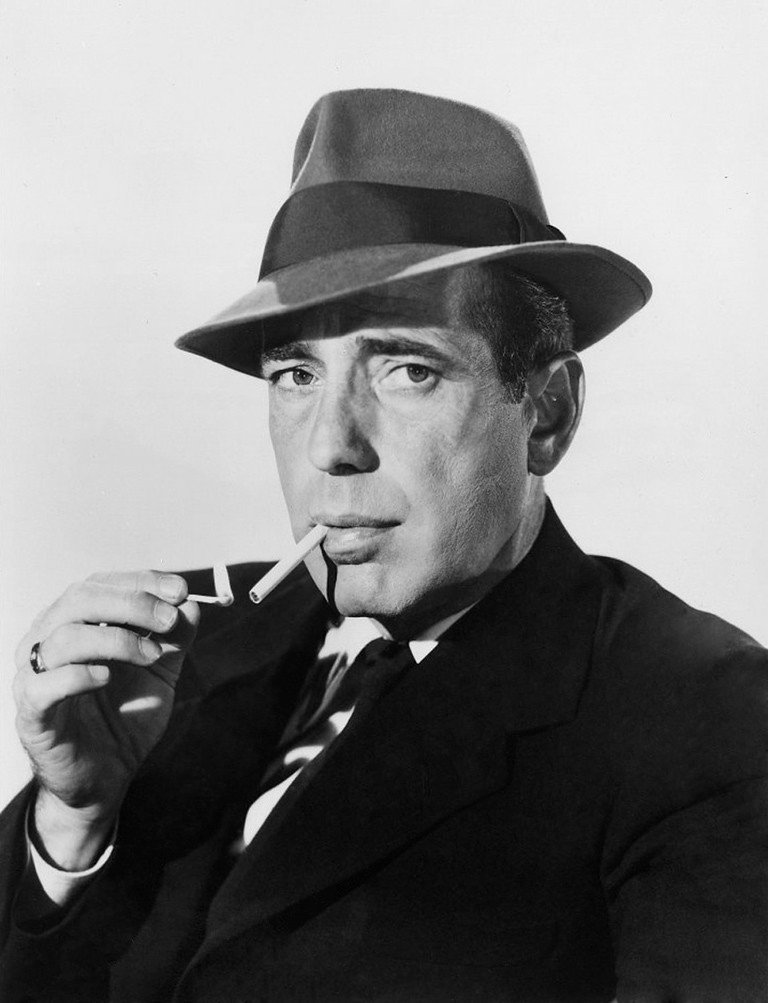
Humphrey Bogart shifted from Warner Bros. gangster parts in The Petrified Forest to timeless leads in High Sierra and The Maltese Falcon. Casablanca in 1942 sealed his icon status, blending cynicism with romance. Teaming with Lauren Bacall in To Have and Have Not and The Big Sleep added electric sparks to his career.[4]
Bogart’s rumpled trench coat and world-weary growl defined the noir antihero, influencing detective archetypes forever. Off-screen, his tough-guy nonchalance shaped cool masculinity. He remains the top male screen legend per AFI rankings.
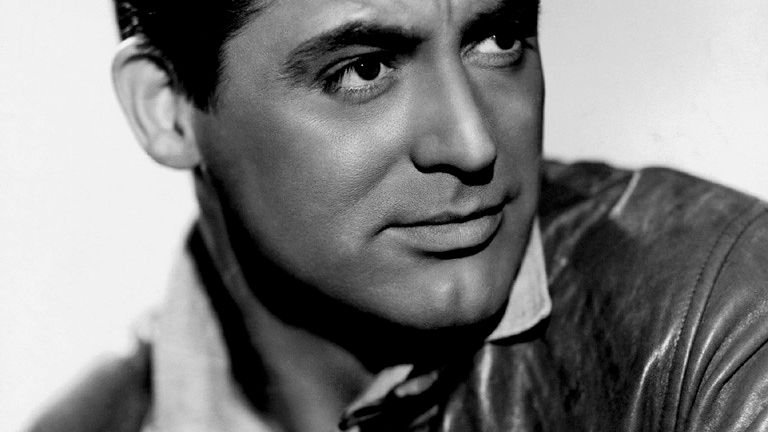
Cary Grant
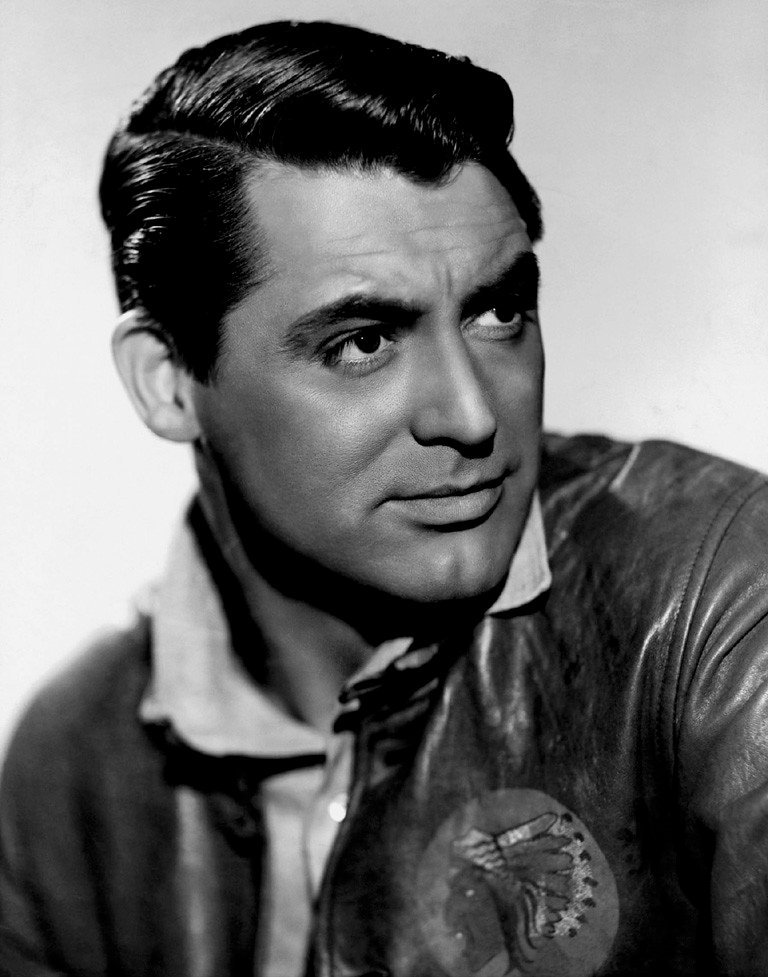
Cary Grant, under contract at various studios including Paramount and RKO, charmed in screwball comedies like Bringing Up Baby and His Girl Friday. He peaked with Hitchcock thrillers such as North by Northwest and To Catch a Thief in the 1950s. Grant’s precise comic timing earned him four Oscar nods without a win.
His debonair style and velvet voice epitomized suave elegance, dictating menswear trends for decades. Grant’s effortless charisma made sophistication accessible, inspiring countless romantic leads. He embodied Hollywood’s aspirational polish.
James Stewart
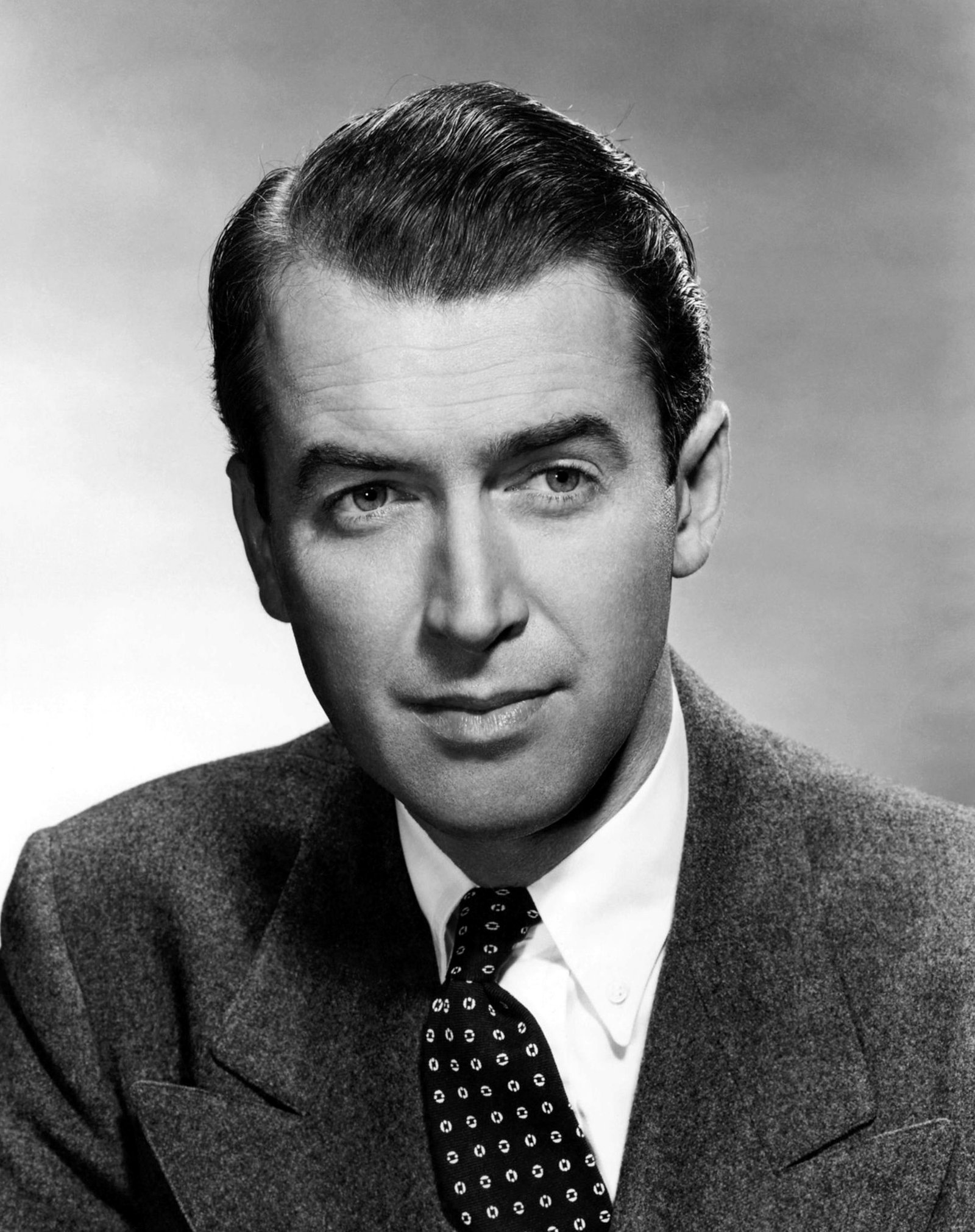
James Stewart’s everyman appeal shone at MGM and other studios in You Can’t Take It with You and The Philadelphia Story. Mr. Smith Goes to Washington captured his idealism, while It’s a Wonderful Life became a holiday staple. Hitchcock collaborations like Rear Window highlighted his versatility into the 1950s.[4]
Stewart’s lanky honesty and stammering sincerity made ordinary heroes unforgettable. He mirrored America’s heartland values amid glamour excess. His roles fostered deep audience connection, a trait rare in star-driven cinema.
Clark Gable
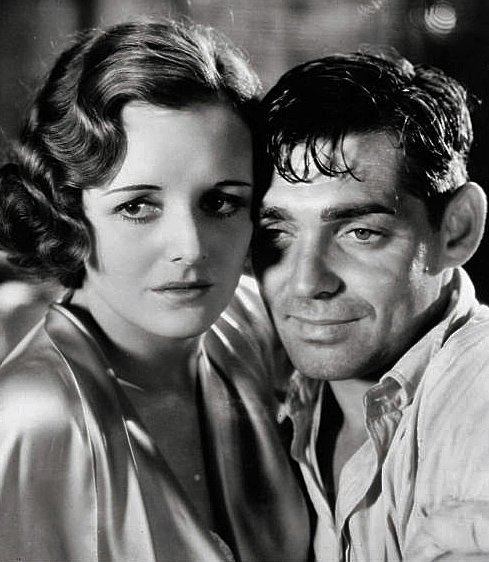
Clark Gable dominated MGM as the King of Hollywood, starring in It Happened One Night, which swept Oscars including his own. Mutiny on the Bounty and Gone with the Wind followed, with Rhett Butler immortalizing his roguish charm. He headlined over 60 films across three decades.
Gable’s mustache and swagger set masculine benchmarks, fueling pin-up frenzy. His raw appeal contrasted studio polish, broadening star appeal. He symbolized bold virility in Depression-era escapism.
Greta Garbo
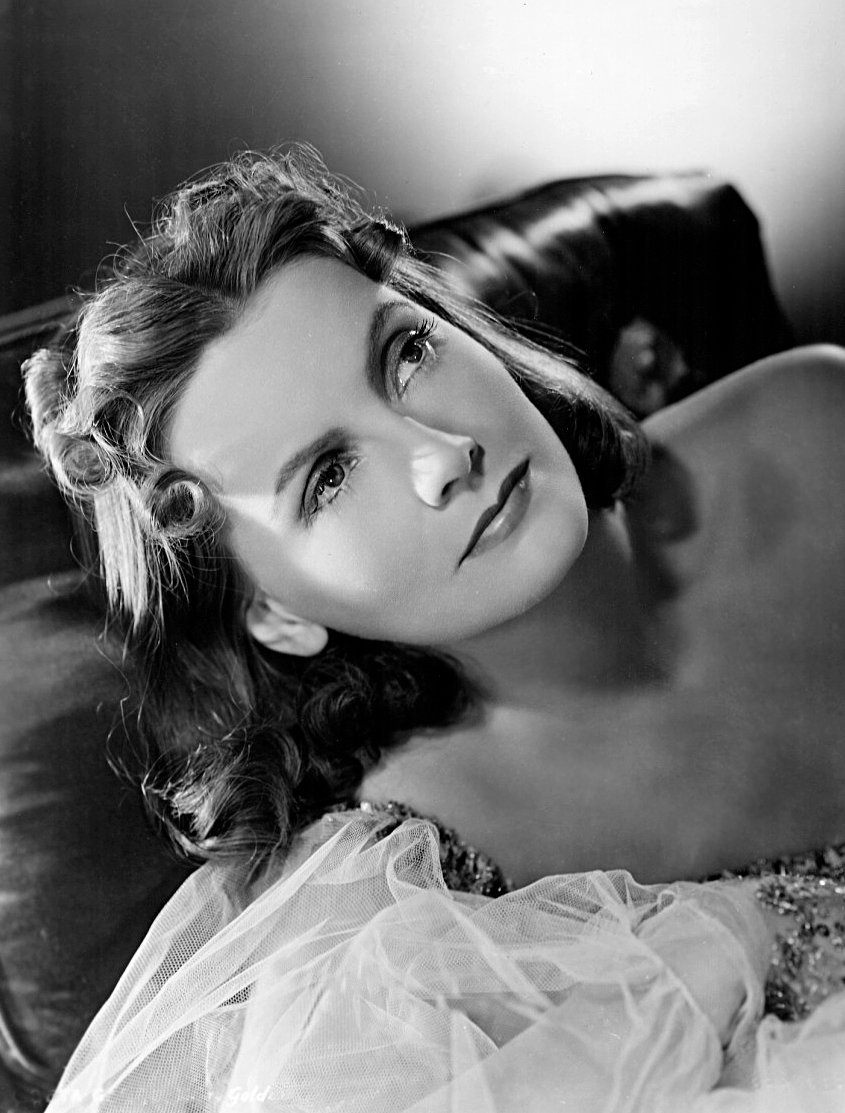
Greta Garbo arrived from Sweden to MGM in the late 1920s, mesmerizing in Flesh and the Devil and Anna Christie. Grand Hotel and Ninotchka blended drama and comedy, showcasing her enigmatic allure. She retired abruptly at 36 after 24 films.
Garbo’s “I vant to be alone” mystique turned reclusiveness into legend. Her luminous face and husky voice pioneered exotic glamour. She influenced silent-to-sound transitions profoundly.
Judy Garland
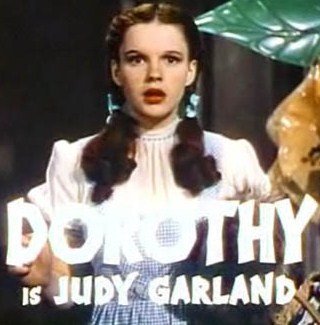
Judy Garland burst onto MGM screens as Dorothy in The Wizard of Oz, a 1939 blockbuster. Meet Me in St. Louis and Easter Parade highlighted her singing and dancing prowess. Despite personal struggles, she starred in over 30 films by the 1950s.
Garland’s vulnerable power touched hearts, blending innocence with raw emotion. She became a gay icon for resilience amid adversity. Her voice endures in standards like Over the Rainbow.
Enduring Cinematic Legacy
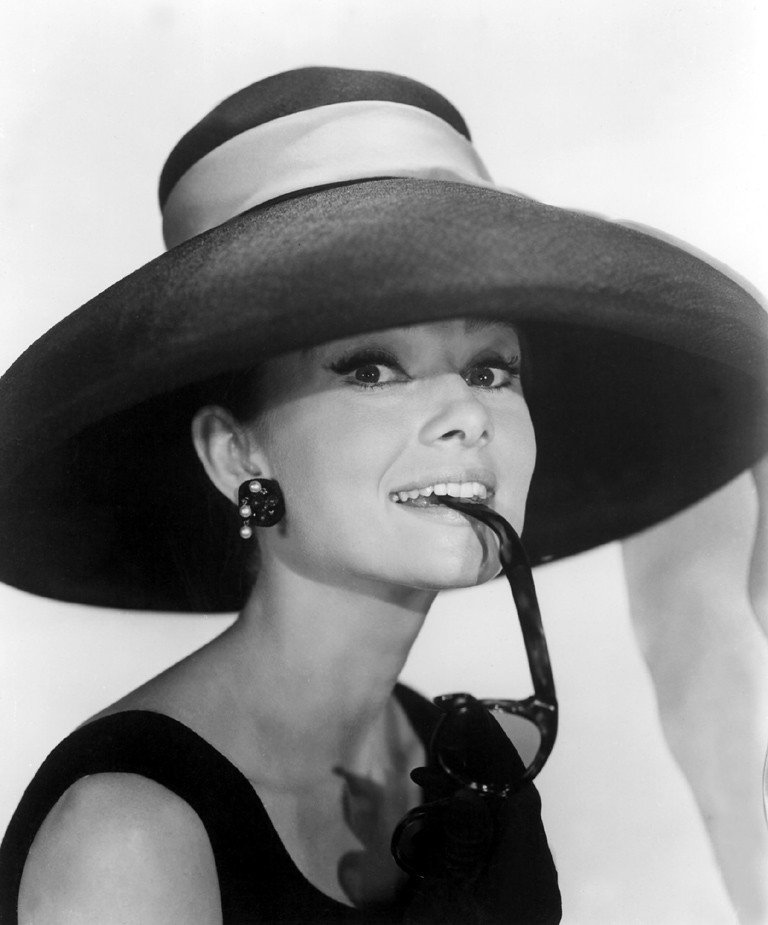
These studio-forged icons transcended their era, their films replayed endlessly on screens big and small. Modern stars draw from their techniques, from Hepburn’s poise to Bogart’s grit. The Golden Age’s polish lingers in storytelling craft.
Hollywood’s factory churned out more than movies; it created dreams woven into culture. Though the system crumbled under TV and antitrust rulings, its legends remind us of cinema’s power to enchant. Their shadows stretch long across today’s reels.