Language shapes our sense of self, carrying the echoes of who we are through every dialect and idiom. It traces migrations as words hitch rides on trade routes and fleeing feet, blending accents from distant lands.
Cultures embed their values in grammar and slang, while technology accelerates change, from telegraphs condensing thoughts to emojis layering nuance on text. These shifts reveal humanity’s restless drive to connect and adapt.
The Dawn of Spoken Language

Early humans likely grunted basic needs around 100,000 years ago, but true language emerged with complex syntax around 50,000 years ago. This leap coincided with symbolic art in caves, suggesting words fueled imagination and social bonds. Vocal tracts evolved, allowing nuanced sounds that set Homo sapiens apart from Neanderthals.
Communities grew tighter as shared stories preserved knowledge across generations. Hunting strategies sharpened through precise descriptions of terrain and prey. Language became the glue for cooperation, hinting at our innate social wiring.
The Invention of Writing
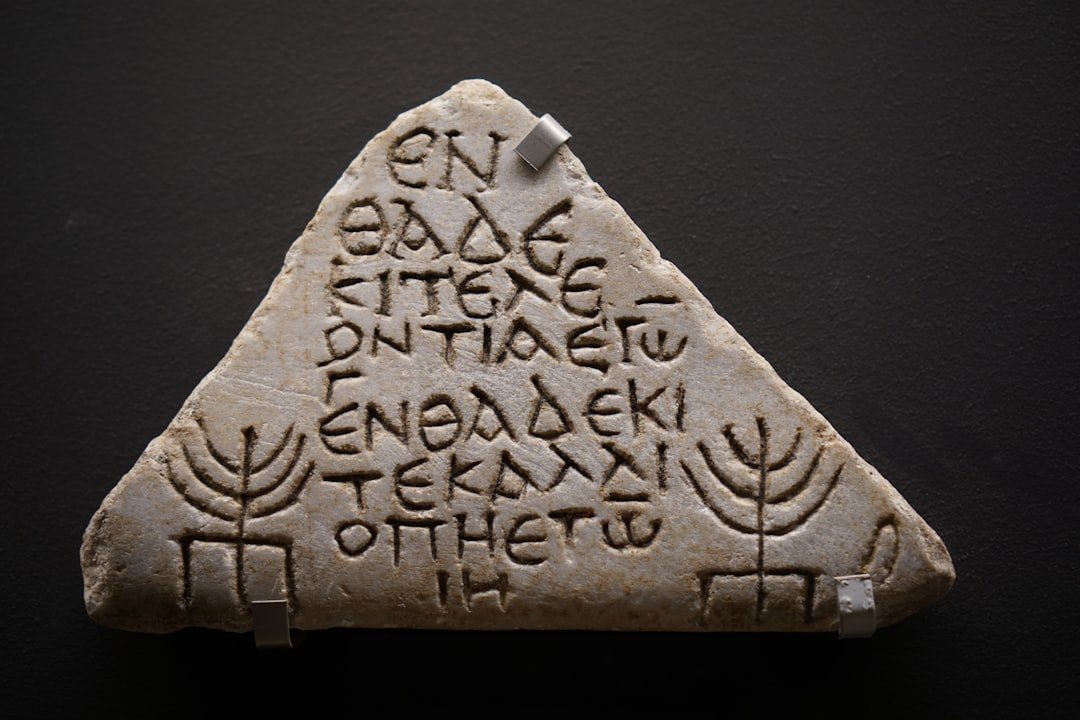
Around 5,000 years ago in Mesopotamia, Sumerians scratched pictographs onto clay for trade records. Egyptian hieroglyphs soon followed, blending images with sounds to immortalize pharaohs and myths. These systems freed memory from oral chains, enabling empires to administer vast territories.
Writing standardized dialects, fostering scribes as elite knowledge keepers. Alphabets like Phoenician simplified it further, spreading literacy. Knowledge accumulated, powering innovations from law codes to astronomy.
Indo-European Expansion
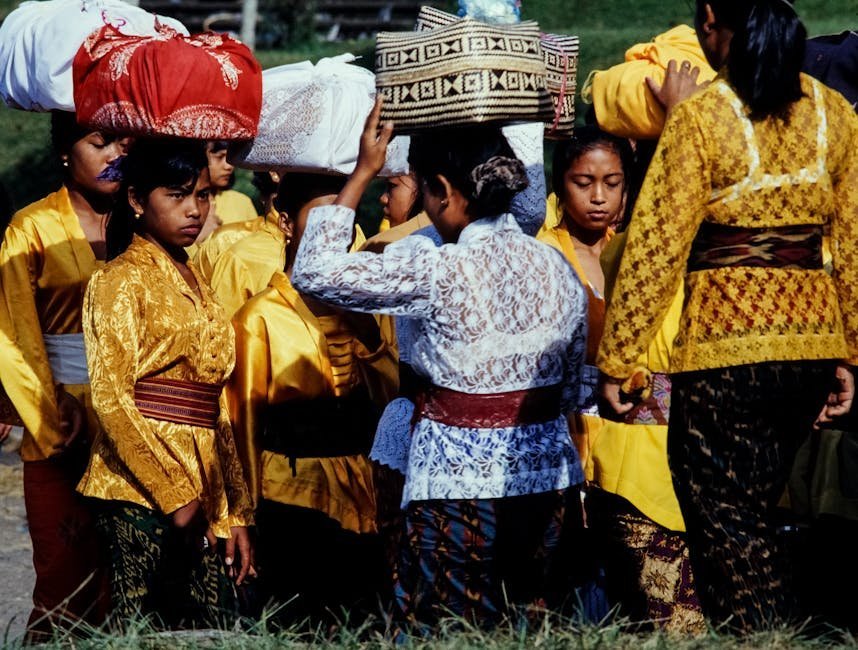
From the Pontic Steppe around 4,000 BCE, horse-riding nomads carried Proto-Indo-European words across Eurasia. Sanskrit in India, Latin in Rome, and Greek all branched from this root, carrying verbs for wheels and kinship. Migrations fused these with local tongues, birthing hybrids like Germanic dialects.
Conquests amplified the spread, as Roman legions imposed Latin on conquered lands. Trade routes exchanged loanwords for spices and silk. This era shows language as a map of human movement and power.
Classical Empires and Literary Blooms
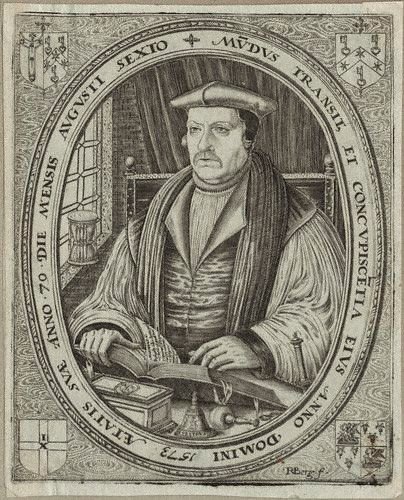
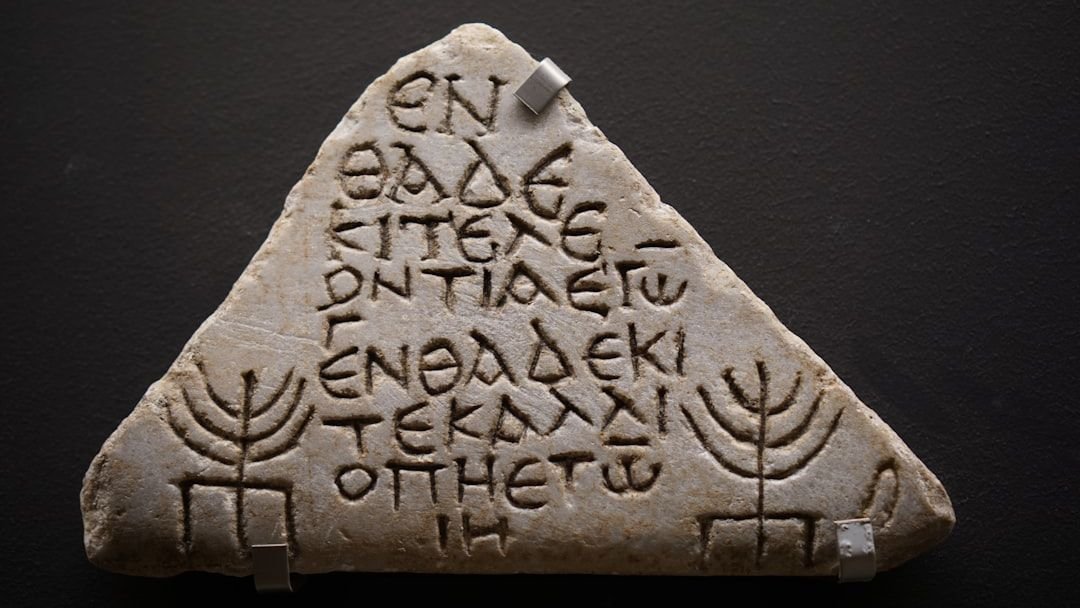
Greek philosophers coined terms for democracy and logic, influencing thought for millennia. Latin dominated law and science in Rome, its grammar rigid yet expansive. Arabic preserved and advanced knowledge during Europe’s Dark Ages, translating Greek texts into flowing script.
These languages reflected patriarchal societies in gendered nouns and epic poetry celebrating heroes. Monasteries copied manuscripts, safeguarding lore through turmoil. Literacy remained rare, tying wisdom to the powerful.
Medieval Multilingualism and Standardization
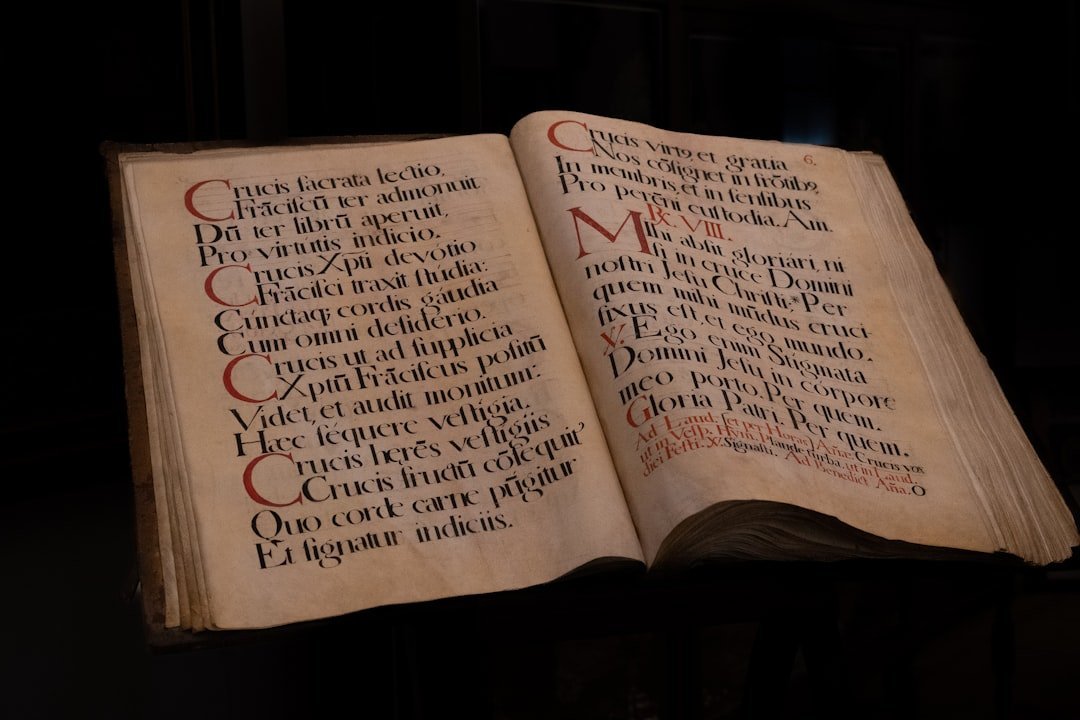
Feudal Europe juggled Latin for church, vernaculars for daily life, and Norse infusions from Viking raids. The printing press in 1440 revolutionized it all, making books cheap and uniform. Chaucer’s English captured peasant wit alongside knightly tales.
Dictionaries like Samuel Johnson’s in 1755 tamed slang into rules. Nation-states enforced official tongues, sidelining regional dialects. This forged national identities amid wars and plagues.
Colonial Encounters and Pidgins

European voyages from the 1500s mashed Portuguese, Spanish, and local words into creoles across Africa and the Americas. English absorbed Hindi “pyjamas” and Arabic “algebra” via empire. Enslaved peoples blended African rhythms into new Englishes, rich with metaphor.
These contacts birthed vibrant hybrids, resilient against suppression. Missionaries scripted indigenous languages, preserving oral traditions. Language became a tool of both domination and resistance.
The Digital Revolution and Global Fusion

Internet slang like “LOL” and emojis transcend borders, evolving faster than ever. Algorithms suggest words, subtly shaping how billions communicate. Social media amplifies minority voices, reviving endangered dialects online.
AI translation erases barriers, yet sparks debates on losing cultural nuance. Code-switching thrives in multicultural cities. Tech reveals our hunger for instant, universal expression.
Language as a Cultural Mirror
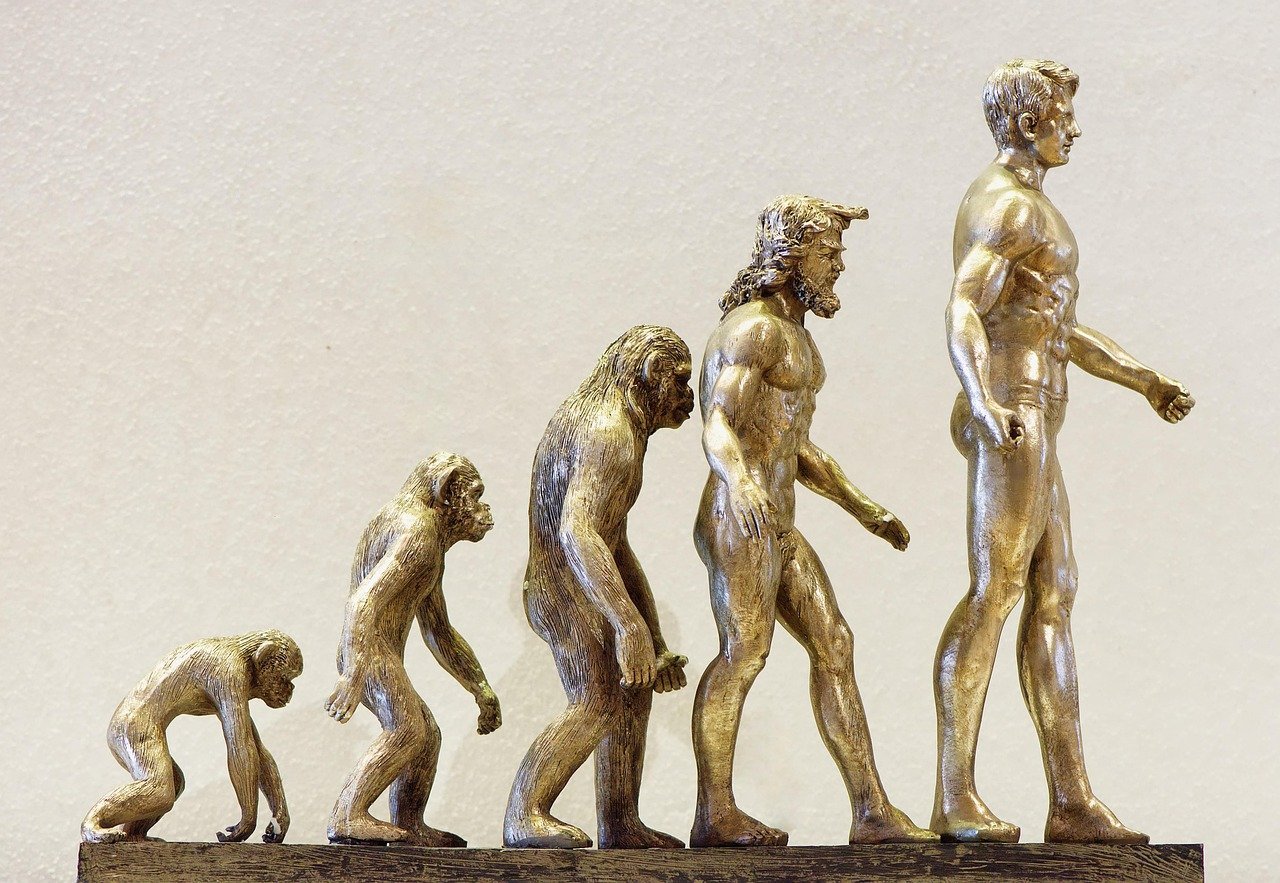
From cave whispers to viral memes, language mirrors humanity’s journey through adaptation and ingenuity. It absorbs shocks like wars and pandemics, emerging reshaped yet enduring.
Today, as borders blur, our words grow ever more layered, a testament to shared humanity. In every evolving phrase lies the story of us.