

- Best DIY Festival Gadgets: Enhance Your Experience with Creative, Handy Tools - December 7, 2025
- American Metal Festivals: Beginner’s Guide - December 6, 2025
- Quest for Quaintness: Exploring Charming Corners of the Earth - December 6, 2025
Shoegaze: The Dreamy Sound That’s Mesmerizing Gen Z
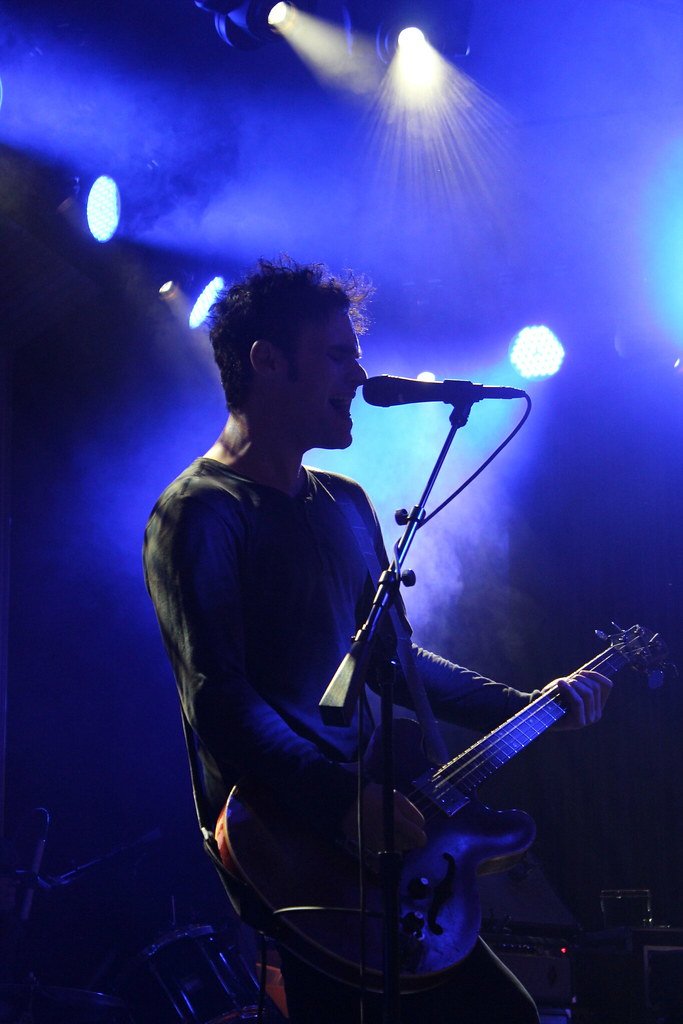
Picture this: you’re floating through a cloud of distorted guitars while ethereal vocals wash over you like waves. That’s shoegaze, and it’s suddenly everywhere on TikTok. Born in the late 1980s with bands like My Bloody Valentine leading the charge, this genre was named after musicians who stared at their feet while playing—supposedly because of all the effects pedals they had to operate. The layers of reverb and feedback created a wall of sound that felt both overwhelming and oddly comforting. Today’s artists like Beach House and DIIV are breathing new life into these dreamy soundscapes, proving that sometimes the most beautiful music comes from controlled chaos. Young listeners are creating aesthetic videos set to these hazy melodies, turning what was once considered too niche into the perfect soundtrack for late-night scrolling.
Chillwave: From Hipster Elevator Music to Study Session Soundtrack
Remember those old VHS tapes with their slightly warped, nostalgic quality? That’s exactly what chillwave captures, and it’s having a major moment. Born in the late 2000s, this genre was once dismissed as “hipster elevator music” because of its relaxed, washed-out aesthetic. But here’s the thing about elevator music—sometimes you actually want to stay in the elevator. Artists like Toro y Moi and Washed Out have mastered the art of making lo-fi beats that feel like a warm hug after a stressful day. Spotify’s “Chill Hits” playlists are introducing countless new fans to these dreamy synths and laid-back rhythms. It’s become the go-to genre for everything from study sessions to those quiet moments when you just need the world to slow down a bit.
Neo-Soul: Raw Emotion Meets Modern Sophistication
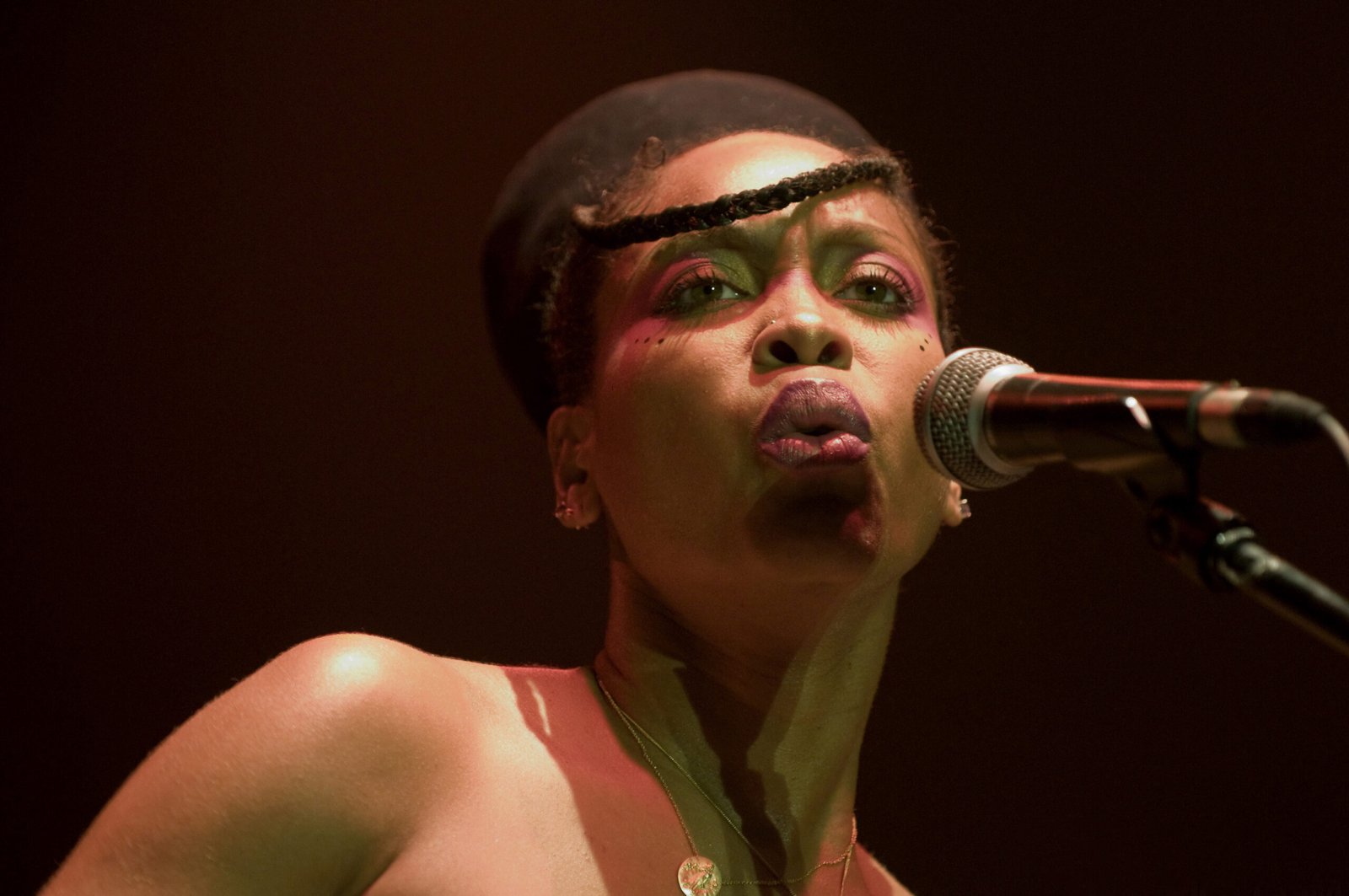
While mainstream R&B was getting glossier in the late 1990s, neo-soul artists like Erykah Badu and D’Angelo were digging deeper, creating music that felt more like therapy than entertainment. This genre blends the best of soul, jazz, and R&B into something that speaks directly to your emotions. What makes it special is its refusal to be perfect—the vocals crack with emotion, the instruments breathe with natural rhythm, and the lyrics cut straight to the heart. Today’s artists like SZA and Leon Bridges are carrying this torch, proving that authentic emotion never goes out of style. Social media platforms are filled with clips of live neo-soul performances that give you goosebumps, reminding us why sometimes the most powerful music comes from vulnerability rather than polish.
Post-Punk Revival: Angular Guitars for Turbulent Times
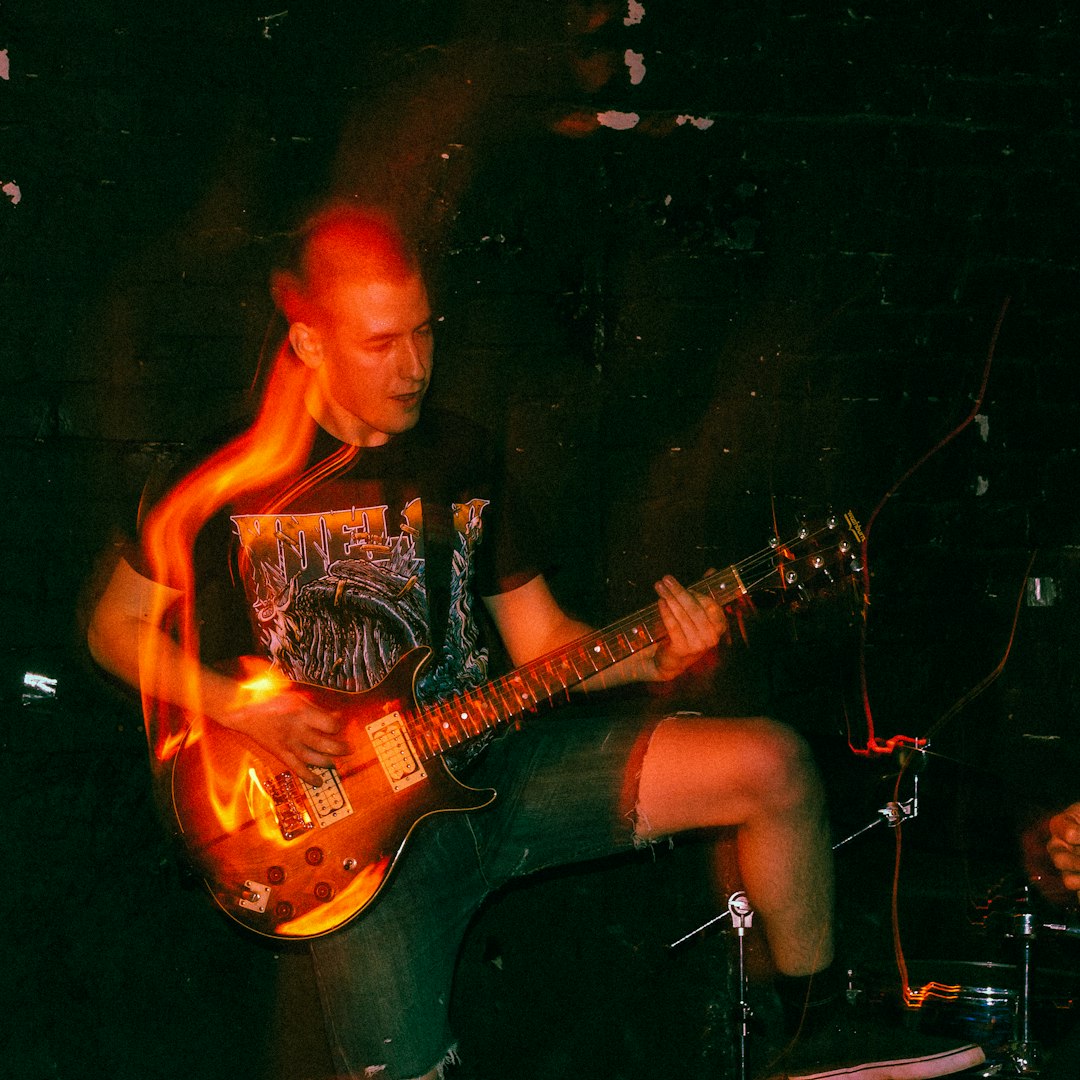
If regular punk rock is a punch to the face, post-punk is a brooding conversation in a dark corner. This genre takes punk’s raw energy and channels it through angular guitar riffs and moody basslines that somehow make you want to dance and contemplate existence at the same time. Joy Division pioneered this sound in the late 1970s, and after a brief revival in the early 2000s with bands like Interpol, it seemed to fade again. But turbulent times call for turbulent music, and bands like Fontaines D.C. and IDLES are proving that post-punk’s gritty authenticity hits different when the world feels chaotic. Underground venues are packed with fans who find something deeply satisfying about music that doesn’t try to make everything okay—sometimes you need a soundtrack that acknowledges that things are complicated.
Trip-Hop: Cinematic Beats for the Digital Age
Imagine if film noir had a baby with hip-hop beats—that’s trip-hop, and it’s making a surprisingly strong comeback. This genre dominated the 1990s with artists like Massive Attack and Portishead creating atmospheric soundscapes that felt like walking through a city at 3 AM. The downtempo beats, haunting vocals, and cinematic samples created something that was both danceable and deeply introspective. After fading as electronic music evolved in different directions, trip-hop is finding new life through artists like Bonobo who understand that sometimes less is more. YouTube’s algorithm has been particularly kind to this genre, with fans rediscovering classics while new artists experiment with its moody, urban aesthetic. It’s perfect background music for everything from late-night gaming sessions to contemplative walks through the city.
Freakbeat: The Forgotten Bridge Between Rock and Psychedelia
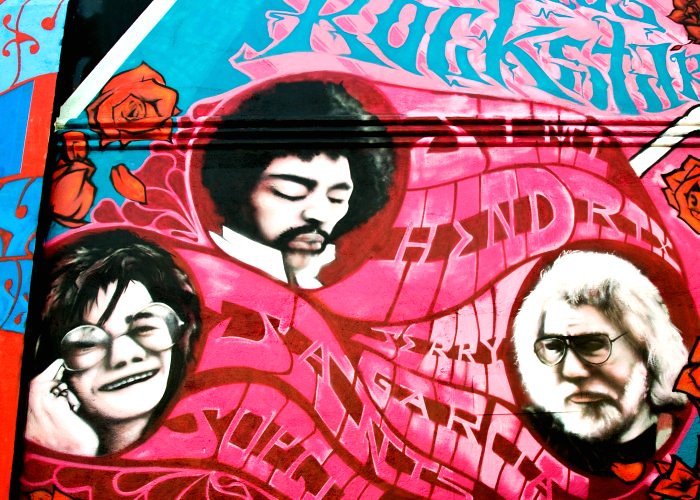
Here’s a genre that was obscure even in its own time, but vinyl collectors and retro enthusiasts are giving it the recognition it deserves. Freakbeat emerged in the 1960s as British bands took the energy of the Invasion era and pushed it toward psychedelic experimentation. Think garage rock with a twist—fuzzed-out guitars, unconventional song structures, and an experimental spirit that was ahead of its time. Bands like The Creation were making music that wouldn’t sound out of place in today’s indie rock scene, but they were doing it decades before anyone knew what indie rock was. Modern acts like The Black Angels are clearly influenced by this sound, while crate-diggers share their rare 45s on social media like treasure hunters showing off their finds.
Acid Jazz: Funk Meets Electronic in Perfect Harmony

When jazz musicians in the 1990s decided to embrace funk rhythms and electronic beats, they created something magical called acid jazz. Artists like Jamiroquai and The Brand New Heavies proved that jazz didn’t have to be stuffy—it could make you move your hips while still showcasing incredible musicianship. This genre’s groovy, danceable sound was perfect for the club scene, but it never quite achieved mainstream dominance outside of a few hit singles. Now, artists like Tom Misch are bringing it back by pairing those infectious rhythms with hip-hop influences, creating something that feels both nostalgic and fresh. Instagram Reels are full of dancers showing off moves to these funky beats, proving that when music makes you want to dance, genre boundaries become irrelevant. The upbeat, positive energy of acid jazz feels like exactly what we need right now.
Did you expect these forgotten gems to make such a strong comeback in our streaming age?
CEO-Co-Founder
