
“A Whiter Shade of Pale” – Procol Harum

Few songs have cast such a mysterious spell over listeners as Procol Harum’s “A Whiter Shade of Pale.” Released in 1967, the track’s swirling organ line and haunting melody aren’t just the product of the psychedelic era—they’re rooted in centuries-old masterpieces by Johann Sebastian Bach. The song’s main riff draws loosely from Bach’s “Air on the G String” and the chorale “Sleepers Wake,” giving it a timeless, almost spiritual quality. This clever borrowing is more than a simple tribute; it infuses the music with gravitas and emotion that’s hard to find elsewhere in pop. The blend of baroque influences with cryptic, poetic lyrics creates an ethereal effect that fans and critics still discuss today. “A Whiter Shade of Pale” spent six weeks at the top of the UK Singles Chart and is considered one of the best-selling singles of all time. Its enduring popularity proves that classical roots can help a pop song stand the test of time, sparking curiosity with every listen.
“Because” – The Beatles

When it comes to blending genres, The Beatles were true pioneers. Their song “Because,” from the 1969 album Abbey Road, is a shining example of this innovation. John Lennon was inspired by hearing Yoko Ono play Beethoven’s “Moonlight Sonata” on the piano. He asked her to play the chords backward, and from this experiment, “Because” was born. The track features lush, layered harmonies and a dreamy, almost hypnotic progression that feels simultaneously classical and modern. The Beatles’ clever reinterpretation shows how classical structures can be transformed into something entirely new in the hands of creative artists. The song’s influence is still felt today, as musicians continue to experiment with genre-blending and inventive arrangements. “Because” has been praised for its intricate vocal harmonies and evocative mood, often cited as one of the group’s more underrated masterpieces. This seamless blending of old and new keeps the song fresh and relevant, even decades after its release.
“All by Myself” – Eric Carmen

Eric Carmen’s “All by Myself” is a perfect example of how classical music can tug at the heartstrings even in a pop setting. Released in 1975, the song’s iconic piano intro and melancholic melody are actually borrowed from the second movement of Sergei Rachmaninoff’s Piano Concerto No. 2. Carmen, a classically trained musician, adapted the sweeping emotional power of Rachmaninoff’s work into a pop ballad that has become synonymous with heartbreak and longing. The raw vulnerability in Carmen’s vocals, combined with the grandeur of the original classical theme, makes the song instantly recognizable. “All by Myself” reached number two on the Billboard Hot 100 and has been covered by artists like Celine Dion, proving its wide appeal. The song’s enduring popularity shows how classical music’s emotional complexity can find a new life in the world of pop, resonating with listeners across generations.
“I Can” – Nas

Nas’s “I Can” stands out as a bold fusion of hip-hop and classical music, using Beethoven’s “Für Elise” as a central motif. Released in 2002, the track was groundbreaking in its blend of genres, with the familiar piano melody serving as an anchor for Nas’s empowering lyrics. The song encourages young people to pursue their dreams and avoid negative influences, using the universality of Beethoven’s piece to reach a broad audience. “I Can” climbed to number 12 on the Billboard Hot 100 and became one of Nas’s most commercially successful singles. By choosing a piece as recognizable as “Für Elise,” Nas not only pays homage to classical traditions but also gives his message a sense of timelessness. The song has been used in schools and educational programs, further solidifying its positive impact. Nas’s inventive sampling underscores how classical music can give modern songs both weight and instant familiarity.
“Lady Lynda” – The Beach Boys

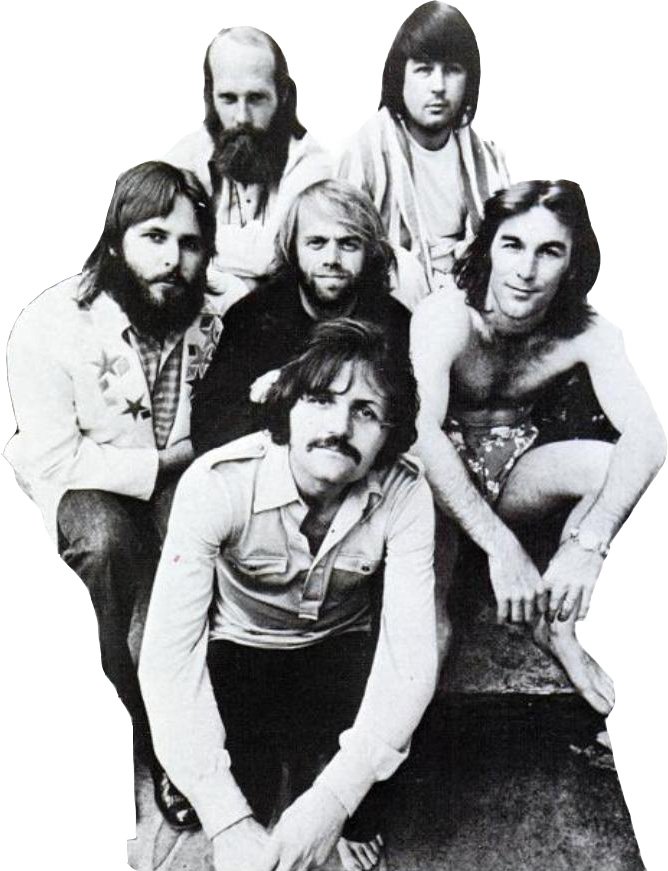
The Beach Boys, known for their sunny California sound, took a surprising turn with their 1978 song “Lady Lynda.” The track is based on Bach’s “Jesu, Joy of Man’s Desiring,” weaving the delicate classical melody into their trademark harmonies. This combination results in a song that feels both fresh and nostalgic, gracefully bridging the gap between centuries. “Lady Lynda” was a hit in the UK, reaching number six on the Singles Chart, and showcased the band’s ability to evolve while still honoring musical traditions. The use of Bach’s melody gives the song a regal, uplifting atmosphere, setting it apart from typical pop offerings. Fans and critics alike have praised the band’s willingness to experiment with new textures and styles. This song stands as a testament to how timeless classical motifs can breathe new life into contemporary genres.
“Pastime Paradise” – Stevie Wonder

Stevie Wonder’s “Pastime Paradise,” from his 1976 album Songs in the Key of Life, is a masterclass in musical fusion. The song’s lush string arrangement draws from Baroque classical traditions, layering intricate melodies over a driving, modern rhythm. Wonder uses these classical influences not just for decoration, but to underscore the song’s powerful commentary on social justice and hope for a better future. The gospel choir and percussive elements blend seamlessly with the classical strings, creating a rich, textured soundscape. “Pastime Paradise” has been sampled and covered by numerous artists, including Coolio’s “Gangsta’s Paradise,” further cementing its influence. The song’s innovative approach to arrangement has been widely studied and emulated, earning it a place in both pop and classical repertoires. Wonder’s genius lies in his ability to make the old sound new, and the familiar feel revolutionary.
“Hooked on Classics” – Royal Philharmonic Orchestra

In 1981, the Royal Philharmonic Orchestra released “Hooked on Classics,” a groundbreaking project that merged the worlds of pop and classical music. The album features medleys of famous classical themes—like Wagner’s “Ride of the Valkyries” and Mozart’s “Eine kleine Nachtmusik”—set to a contemporary disco beat. This inventive approach made classical music accessible to a new generation, turning centuries-old pieces into radio-friendly hits. “Hooked on Classics” reached number two on the UK Albums Chart and number ten in the US, selling over ten million copies worldwide. The series sparked a wave of similar projects and is credited with introducing millions to composers they might never have otherwise discovered. Its success proved that classical music could thrive outside the concert hall, inspiring countless musicians to experiment with cross-genre collaborations.
“Night on Bald Mountain” – Fantasia / Various Artists

The menacing, dramatic strains of Mussorgsky’s “Night on Bald Mountain” are instantly recognizable to many, thanks in part to its use in Disney’s Fantasia and its sampling by various modern artists. This piece’s intense energy has made it a favorite for reinterpretation in genres ranging from pop to electronic dance music (EDM). Artists have used its dark, swirling motifs to create new works that pay homage to its classical roots while pushing the boundaries of contemporary sound. The piece’s popularity in film, television, and music underscores the enduring appeal of classical drama and spectacle. Musicians are drawn to its sense of mystery and power, using it to add depth and excitement to their own creations. This ongoing fascination with “Night on Bald Mountain” proves that classical music can still give pop culture a thrilling, unforgettable edge.
Related Stories From Festivaltopia



“Firth of Fifth” – Genesis

Genesis’s “Firth of Fifth,” from their 1973 album Selling England by the Pound, is a standout track in the progressive rock genre, celebrated for its classical influences. The song’s centerpiece is an extended piano solo that draws on Romantic-era techniques, featuring expressive phrasing and complex harmonic progressions. Keyboardist Tony Banks crafted the piece to evoke the grandeur and emotion of 19th-century concert music, setting the stage for soaring guitar solos and intricate band interplay. “Firth of Fifth” has become a fan favorite and is often cited as one of Genesis’s finest musical achievements. The song’s classical elements are not just decorative—they form the backbone of the structure, guiding listeners through a journey of musical storytelling. Genesis’s willingness to embrace and reinterpret classical traditions has set them apart in the world of rock, earning respect from both critics and peers.
“They” – Jem

Jem’s 2004 single “They” is a shining example of how classical music can be seamlessly woven into modern pop. The song samples Gabriel Fauré’s “Pavane,” using its graceful, flowing melody as the foundation for an ethereal electronic track. Jem’s delicate vocals and contemporary beats blend effortlessly with Fauré’s romantic harmonies, creating a sound that is both nostalgic and forward-looking. “They” achieved commercial success in several countries, reaching the top ten in the UK and Ireland. This inventive use of sampling has introduced Fauré’s music to a new audience, many of whom may have never encountered classical music otherwise. Jem’s approach highlights how classical pieces can be reinvented for a new era, proving that great melodies know no boundaries. The song’s popularity demonstrates the universal appeal of blending the old with the new, sparking curiosity and admiration among listeners everywhere.