
The “Year Without a Summer” (1816) and “Frankenstein”’s Musical Legacy

In 1816, the world experienced what would become known as the “Year Without a Summer,” after Mount Tambora’s eruption in Indonesia filled the atmosphere with ash, dropping global temperatures. The cold, dreary weather forced people indoors, including writers and musicians who gathered at Lake Geneva. Among them were Mary Shelley and Lord Byron, whose time spent sheltering from the relentless chill led to the creation of gothic works like “Frankenstein.” The ominous climate fostered a sense of doom and dread that bled into both literature and music. Romantic composers, inspired by the darkness, began writing pieces filled with haunting melodies and dramatic, storm-like shifts. This event marked a turning point, with music reflecting humanity’s vulnerability to nature’s wrath. The legacy of this year can still be heard in the somber, tempestuous tones that define much of the Romantic era’s output, cementing weather’s role as a powerful muse.
Beethoven’s Thunderstorm in Symphony No. 6

Ludwig van Beethoven’s Symphony No. 6, the Pastoral Symphony, stands as one of the clearest examples of weather transforming music. Beethoven loved nature, often taking long walks in the countryside for inspiration. In the fourth movement, he composed a thunderstorm using swirling strings and booming percussion, capturing the drama and unpredictability of a real storm. Critics and historians have pointed to this as an early instance of “program music,” where sound is used to tell a vivid story. Audiences, then and now, are swept away by the emotional force of Beethoven’s musical weather. This symphony not only demonstrates the impact of weather on creative minds but also highlights how deeply listeners crave a sonic reflection of the world around them. The storm in Symphony No. 6 remains a staple in concert halls, reminding us of nature’s power to move both composers and audiences.
Bob Dylan’s Newport Folk Festival Set (1965)

Bob Dylan’s 1965 set at the Newport Folk Festival is legendary, not just for the music but for the atmosphere. That July day was overcast and threatening, echoing the brewing storm within the folk community. Dylan, long seen as the voice of acoustic protest, shocked crowds by plugging in his electric guitar. The skies themselves seemed to mirror the unrest, with wind and rain adding to the tension. The controversial performance split the audience, with some cheering and others booing as lightning flashed overhead. Many have noted how the electrified sound and stormy weather combined, turning Dylan’s set into a symbol of transformation and rebellion. This moment is now seen as a watershed, marking a dramatic shift in folk and rock history, all amplified by the wild, unpredictable weather.
Woodstock’s Iconic Mud

The Woodstock Festival of 1969 is etched into music history for reasons beyond its stellar lineup. The weekend was battered by torrential rains, turning the fields of Bethel, New York, into a sea of mud. Tens of thousands of festival-goers slogged through the muck, sharing blankets, food, and laughter. Rather than dampen spirits, the mud became a badge of honor, a symbol of communal endurance and unity. Photographs of muddy, smiling attendees became iconic, representing the peace and resilience at the heart of the counterculture movement. The music, from Jimi Hendrix to Janis Joplin, carried on through the storm, with performers and fans alike embracing the chaos. Woodstock’s muddy conditions have since become a mythic part of its story, forever linking the power of weather to the magic of live music.
Jazz and the Great Mississippi Flood of 1927

The Great Mississippi Flood of 1927 was one of the most devastating natural disasters in U.S. history, displacing over 600,000 people. Many of those forced to leave were Black Americans from the South, who brought with them the sounds of blues and jazz. As they migrated north to cities like Chicago and Detroit, they carried their musical traditions, planting the seeds for new jazz movements. The flood’s trauma and displacement were woven into the music, with lyrics and melodies reflecting loss, hope, and resilience. Historians often credit this migration with accelerating the spread of jazz, turning it into a national—and eventually global—phenomenon. The story of jazz would not be complete without recognizing the role weather played in reshaping American musical culture.
Hurricane Katrina and New Orleans’ Musical Rebirth

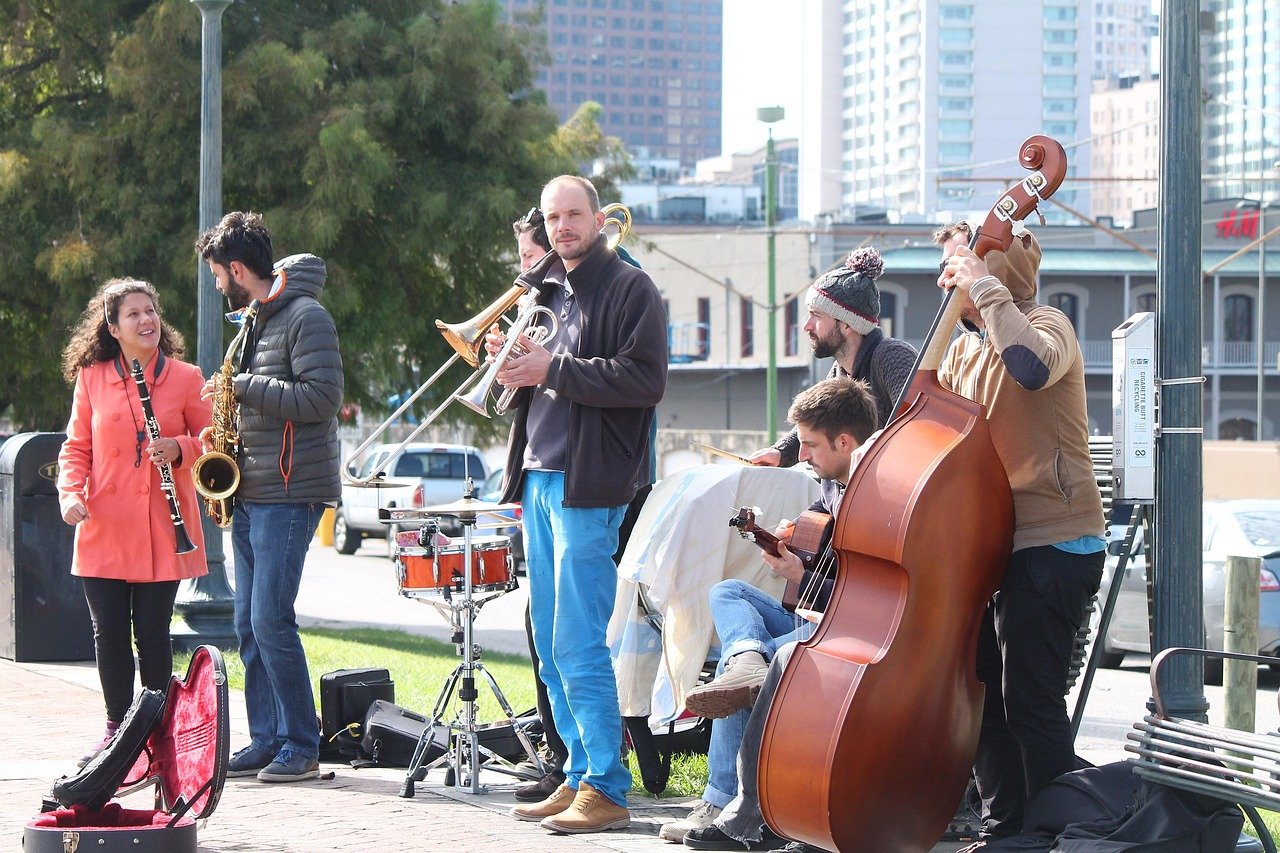
Hurricane Katrina struck New Orleans in 2005, leaving destruction, heartbreak, and silence in a city famed for its sound. Nearly 80% of the city was flooded, with thousands of musicians forced to scatter across the country. Yet, from this devastation came a powerful musical rebirth. Artists began to channel their pain, anger, and hope into songs that spoke directly to the city’s suffering and spirit. Brass bands, jazz ensembles, and hip-hop artists all found new urgency in their work, reflecting on themes of survival and community. This resurgence was not just a return to tradition but a reinvention, with musicians blending old styles and new influences. The storm’s scars linger, but so does the resilience, ensuring New Orleans’ place as a cradle of American music.
Dust Bowl Ballads by Woody Guthrie

The Dust Bowl of the 1930s brought relentless drought and dust storms, forcing thousands of families to abandon their homes. Woody Guthrie, himself displaced by these events, became the voice of the era’s struggles. His “Dust Bowl Ballads” are filled with vivid images of swirling dust, cracked earth, and the heartbreak of migration. Guthrie’s simple melodies and plainspoken lyrics resonated with ordinary Americans, giving them a sense of solidarity and hope. His songs, like “So Long, It’s Been Good to Know Yuh,” became anthems for those seeking a better life. By documenting the weather’s toll on real people, Guthrie helped cement folk music’s role as social commentary and collective memory.
The Rain at Glastonbury

For decades, the Glastonbury Festival in England has been synonymous with rain. It seems that nearly every year, the heavens open up, turning the festival grounds into a muddy, slippery playground. Instead of spoiling the fun, the persistent rain has become part of Glastonbury’s charm. Attendees don ponchos and boots, wading through puddles with a sense of camaraderie and humor. The weather has even influenced the festival’s programming, favoring bands and genres that thrive in wild, unpredictable conditions. The rain helps forge a unique festival identity, one where perseverance is celebrated as much as the music itself. This soggy tradition has made Glastonbury famous the world over, a testament to the enduring bond between music and the elements.
Related Stories From Festivaltopia


Vivaldi’s “Four Seasons”

Antonio Vivaldi’s “Four Seasons,” composed in the early 18th century, stands as a musical tribute to the changing weather. Each of the four concertos—Spring, Summer, Autumn, and Winter—captures the mood and sounds of its respective season. Vivaldi used quick violin runs to mimic storms, gentle pizzicato to evoke icy rain, and joyful melodies to represent blooming fields. The music’s vivid imagery helped listeners imagine the weather’s shifts, long before film or photography could do the same. “The Four Seasons” remains one of the most performed pieces in classical music, inspiring generations of composers to paint with sound. Its lasting popularity is proof of how deeply weather can move and motivate artists.
Climate Change as a Modern Muse

Today, the influence of weather on music is more urgent than ever. As climate change accelerates, musicians are using their art to sound the alarm. Artists like Anohni, Billie Eilish, and Thom Yorke have created songs and albums confronting environmental destruction, rising sea levels, and extreme weather events. Lyrics often reference melting ice caps, wildfires, and floods, reflecting both fear and hope for the future. The music videos and live performances accompanying these works are equally dramatic, using storm imagery and apocalyptic scenes to drive home the message. This trend shows no sign of slowing, as global weather crises continue to shape the creative landscape. Musicians are now among the loudest voices in the call for change, proving that weather’s power to inspire and provoke is as strong as ever.