1. Leonardo da Vinci (1452–1519) – The Renaissance Visionary

Leonardo da Vinci is often celebrated as the quintessential Renaissance artist. His revolutionary techniques in anatomy, perspective, and the blending technique known as sfumato set a new standard in art. Da Vinci’s masterpieces, such as the Mona Lisa and The Last Supper, are not just iconic works; they represent a leap forward in realism and composition. The Mona Lisa, for instance, is renowned for its intricate detail and the enigmatic expression of its subject, which has captivated audiences for centuries. According to a 2021 survey by the Art Newspaper, the Mona Lisa remains the most visited artwork in the world, attracting millions of visitors to the Louvre each year. Da Vinci’s influence extends beyond his lifetime, inspiring countless artists and movements, making him a pivotal figure in the history of art.
2. Michelangelo (1475–1564) – The Master of the Human Form

Michelangelo is revered for his unparalleled mastery in sculpture and fresco painting. His iconic works, such as the statue of David and the Sistine Chapel ceiling, epitomize the beauty and complexity of the human form. The David, standing at 17 feet tall, showcases Michelangelo’s deep understanding of anatomy and proportion, which has influenced generations of sculptors. The Sistine Chapel ceiling, completed in 1512, features scenes from Genesis, demonstrating his ability to convey profound narratives through visual art. According to the Vatican Museums, the ceiling attracts over 6 million visitors annually, highlighting Michelangelo’s lasting impact on both art and culture. His work defined Renaissance ideals and set a benchmark for artistic excellence that continues to resonate today.
3. Caravaggio (1571–1610) – The Father of Dramatic Lighting

Caravaggio revolutionized the art world with his innovative use of chiaroscuro, a technique that emphasizes strong contrasts between light and dark. His intense realism and dramatic storytelling brought a new emotional depth to painting. Works like The Calling of Saint Matthew and Judith Beheading Holofernes showcase his ability to capture human emotion and tension, making the viewer feel as if they are part of the scene. Caravaggio’s influence on the Baroque period is undeniable, as his techniques inspired countless artists, including Rembrandt and Velázquez. A study by the Getty Research Institute found that Caravaggio’s approach to lighting and composition has shaped modern cinematic techniques, illustrating his far-reaching impact on visual storytelling.
4. Vincent van Gogh (1853–1890) – The Pioneer of Expressionism

Vincent van Gogh is often regarded as a pioneer of Expressionism, known for his emotional use of color and bold brushwork. His works, such as Starry Night and Sunflowers, express deep feelings and personal struggles, which resonate with viewers on a profound level. Despite facing immense challenges during his life, including mental health issues and lack of recognition, Van Gogh’s art has gained immense popularity posthumously. According to a 2022 report by the Art Market Monitor, Van Gogh’s paintings have consistently fetched record prices at auctions, with Starry Night valued at over $100 million. His legacy has inspired countless artists to explore emotion and individuality in their work, making him a key figure in the evolution of modern art.
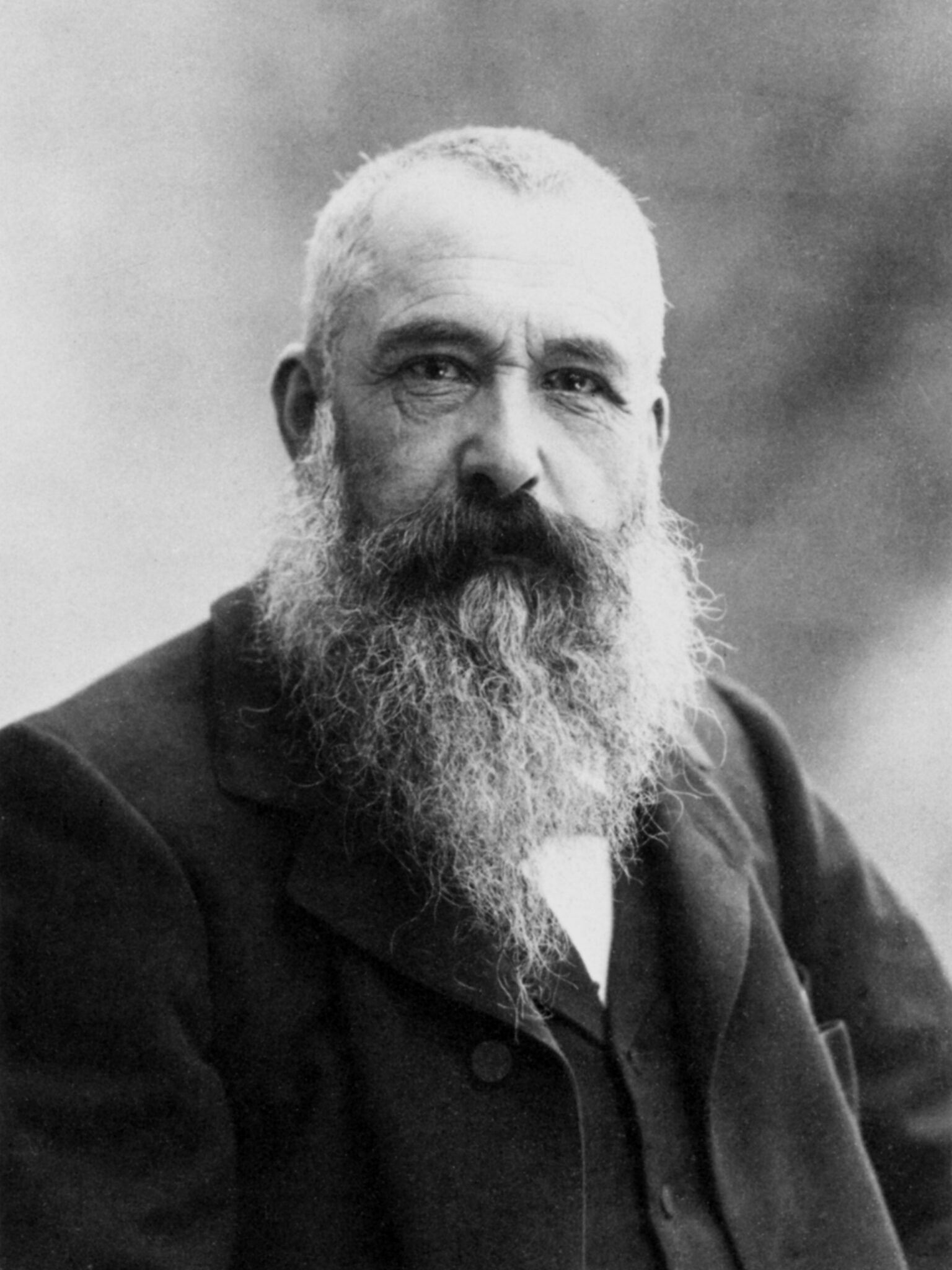
5. Claude Monet (1840–1926) – The Impressionist Trailblazer

Claude Monet is celebrated as a trailblazer of the Impressionist movement, which sought to capture fleeting moments through light and color. His series of Water Lilies and the iconic Impression, Sunrise exemplify his innovative approach to painting. Monet’s technique of painting en plein air (outdoors) allowed him to capture the changing effects of light on landscapes, breaking away from the rigid styles of academic painting. The Impressionist movement, which Monet helped to establish, has had a lasting impact on the art world, influencing movements such as Post-Impressionism and modern art. A 2023 study by the Museum of Modern Art found that Monet’s works remain among the most sought-after in the art market, reflecting his enduring legacy.
6. Pablo Picasso (1881–1973) – The Inventor of Cubism

Pablo Picasso is known for his revolutionary contributions to modern art, particularly through the invention of Cubism. His works, such as Les Demoiselles d’Avignon and Guernica, challenged traditional perspectives and forms, paving the way for abstraction in art. Cubism, which deconstructs objects into geometric shapes, fundamentally changed how artists perceive and represent reality. Guernica, painted in response to the Spanish Civil War, is a powerful political statement that continues to resonate today. According to the Museum of Modern Art, Picasso’s influence is evident in contemporary art practices, with many artists adopting his innovative techniques. His ability to constantly reinvent himself and his art has solidified his status as one of the most influential artists of the 20th century.
7. Marcel Duchamp (1887–1968) – The Rebel of Conceptual Art

Marcel Duchamp is often regarded as the father of conceptual art, challenging the very definition of what art can be. His famous work, Fountain, a urinal presented as art, questioned the role of the artist and the value of traditional art forms. Duchamp’s radical ideas laid the groundwork for the avant-garde movement and influenced generations of artists, including Andy Warhol and Jeff Koons. A 2023 exhibition at the Philadelphia Museum of Art highlighted Duchamp’s impact on contemporary art, showcasing how his ideas continue to provoke thought and discussion. His belief that art could be anything, including everyday objects, has transformed the art world, encouraging artists to explore new mediums and concepts.
8. Frida Kahlo (1907–1954) – The Voice of Identity & Feminism

Frida Kahlo is celebrated for her deeply personal and surreal self-portraits that explore themes of identity, gender, and disability. Her unique style blends elements of Mexican folk art with surrealism, creating a powerful visual language that resonates with many. Kahlo’s works, such as The Two Fridas and Self-Portrait with Thorn Necklace and Hummingbird, reflect her struggles and experiences, making her a symbol of resilience and empowerment. According to a 2022 survey by Artsy, Kahlo’s popularity has surged in recent years, with her paintings becoming some of the most sought-after in the art market. Her influence extends beyond art, inspiring movements in feminism and identity politics, making her a pivotal figure in both art and social change.
9. Jackson Pollock (1912–1956) – The Abstract Expressionist

Jackson Pollock is known for his revolutionary approach to painting, particularly through his technique of action painting, which involves dripping and splattering paint onto the canvas. His chaotic yet controlled works, such as No. 5, 1948, challenge traditional notions of artistic creation and emphasize the act of painting itself. Pollock’s work has been instrumental in the development of Abstract Expressionism, a movement that prioritizes emotion and spontaneity. A 2023 analysis by the Museum of Modern Art found that Pollock’s techniques have influenced contemporary artists, particularly in the realm of performance art. His legacy continues to inspire artists to explore new methods of expression and redefine the boundaries of art.
10. Andy Warhol (1928–1987) – The King of Pop Art

Andy Warhol is often hailed as the king of Pop Art, known for blurring the lines between commercial and fine art. His iconic works, such as Campbell’s Soup Cans and Marilyn Diptych, challenge the traditional notions of art by incorporating elements of consumer culture and mass media. Warhol’s approach to art, which embraced repetition and commercial techniques, has had a lasting impact on contemporary art and culture. According to a 2021 report by Sotheby’s, Warhol’s works continue to fetch record prices at auctions, with his pieces often seen as cultural artifacts of the 20th century. His ability to transform everyday objects into art has influenced generations of artists, making him a pivotal figure in the evolution of modern art.