
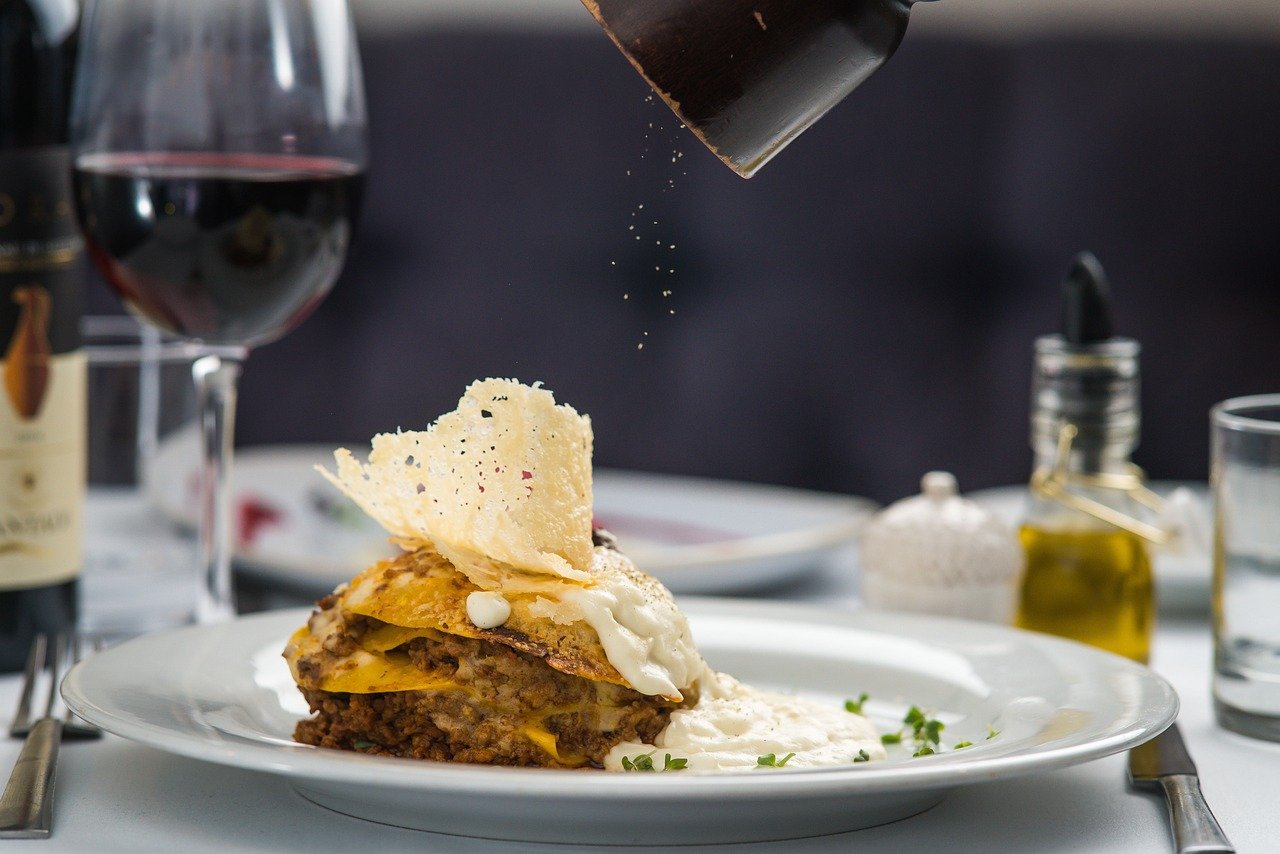
Hyper-Customized Dining Experiences

In 2025, the restaurant industry is witnessing a significant transformation with the introduction of 3D printing technology. This innovation allows restaurants to offer hyper-customized dining experiences, catering to individual dietary needs and taste preferences. Imagine walking into a restaurant and ordering a meal tailored specifically to your nutritional goals. Athletes can indulge in high-protein pasta, while those watching their sodium intake can opt for a low-sodium steak. This level of personalization not only enhances customer satisfaction but also creates a deeper connection between diners and their meals. According to a report by the National Restaurant Association, 70% of consumers are interested in personalized food options, indicating a robust market demand for such culinary innovations.
Sustainable & Waste-Free Food Production

Sustainability is becoming a cornerstone of the modern restaurant industry, and 3D printing is playing a pivotal role in this shift. By using precise amounts of ingredients, these printers significantly reduce food waste, ensuring every component is utilized efficiently. Additionally, many restaurants are exploring alternative proteins like insect flour, algae, and lab-grown meat, which contribute to a more sustainable dining experience. A study by the Food and Agriculture Organization (FAO) highlights that adopting such proteins can cut down greenhouse gas emissions by up to 80%. As restaurants embrace these eco-friendly practices, they are not only attracting environmentally conscious consumers but also playing a part in combating global food scarcity.
Faster & More Efficient Meal Preparation

3D food printing technology is revolutionizing the way meals are prepared in restaurants. With the ability to automate intricate designs and complex dishes, chefs can now prepare meals much faster than traditional methods allow. This efficiency not only speeds up service but also ensures consistency across all meals, maintaining high standards. By freeing chefs from repetitive tasks, they can focus more on creativity and innovation. A survey conducted by the Culinary Institute of America found that 60% of chefs believe automation will significantly enhance kitchen efficiency, underscoring the potential of 3D printing in modern culinary practices.
Revolutionizing Fine Dining & Food Art

Fine dining is undergoing a dramatic overhaul as Michelin-starred establishments incorporate 3D food printers into their culinary repertoire. These printers enable chefs to create artistic and futuristic dishes that were previously unimaginable. Edible sculptures, intricate chocolate designs, and perfectly layered gourmet meals are becoming standard in high-end dining. According to a report by the James Beard Foundation, 40% of fine dining restaurants are experimenting with this technology, showcasing its potential to elevate culinary artistry and create unforgettable dining experiences.
Healthier & Nutrient-Optimized Meals

3D-printed meals offer more than just customization; they can also be optimized for nutrition. This feature is particularly beneficial for hospitals, elder care facilities, and athletes who need specific dietary compositions. By precisely controlling ingredient composition, chefs can tailor meals to individual health needs, ensuring diners receive essential nutrients. A study published in the Journal of Nutrition found that personalized nutrition can improve health outcomes, making 3D printing a valuable asset in promoting healthier dining options.
Space-Age & Extreme Environment Food Solutions

The scope of 3D printing technology extends beyond Earth, as NASA experiments with 3D-printed food for astronauts. This innovation is paving the way for futuristic and space-themed dining experiences in terrestrial restaurants. Diners can anticipate meals that mimic space travel conditions, offering a unique culinary adventure. The potential for 3D-printed food in extreme environments is immense, and as more restaurants adopt this technology, it is likely to become a popular trend among adventurous eaters.
The Rise of 3D-Printed Meat Alternatives

As the demand for plant-based diets grows, 3D printing facilitates the creation of meat-like textures without animal harm. Restaurants can now serve realistic vegan steaks, sushi, and seafood, broadening their appeal. According to a report by the Good Food Institute, the plant-based meat market is projected to reach $27 billion by 2025, highlighting the increasing popularity of meat alternatives. This trend not only caters to vegetarians and vegans but also attracts flexitarians looking to reduce their meat consumption.
Automation & the Future of Kitchen Staffing

While traditional chefs remain indispensable, 3D food printers are altering kitchen staffing dynamics. By automating certain tasks, restaurants can operate with fewer staff while maintaining high-quality output. This shift allows chefs to concentrate on more complex and creative aspects of cooking, enhancing the overall dining experience. A report by the National Restaurant Association indicates that 58% of restaurant operators are considering automation to improve efficiency, showcasing the growing acceptance of technology in the kitchen.
Interactive & DIY Dining Experiences

The rise of 3D printing technology is leading to interactive dining experiences. Some restaurants are introducing 3D food printing stations, allowing diners to customize and print their own meals. This hands-on approach creates a fun and engaging atmosphere, involving customers in the culinary process. A survey by the Foodservice Research Institute found that 75% of diners are interested in interactive dining experiences, indicating a strong market potential for this innovative concept.
A New Era of Food Delivery & Ghost Kitchens

The emergence of ghost kitchens and food delivery services is being transformed by 3D printing technology. These establishments are adopting 3D printing to produce meals quickly and efficiently, reducing labor costs and streamlining operations. Consequently, the landscape of food preparation and delivery is changing dramatically. According to a report by IBISWorld, the ghost kitchen market is expected to grow by 20% annually, highlighting the potential for 3D printing to shape the future of food delivery services. As restaurants adapt to these changes, they will continue to innovate and meet the evolving demands of consumers.