

- Why Bob Dylan Shaped a Generation: His Impact on Those Born in the 50s and 60s - December 7, 2025
- Who’s the Ultimate Hitmaker? These Artists Hold the Record for the Most Songs Ever Released - December 7, 2025
- Stories of Strength: Musicians Who Conquered Illness - December 7, 2025
The Dust Bowl and The Grapes of Wrath

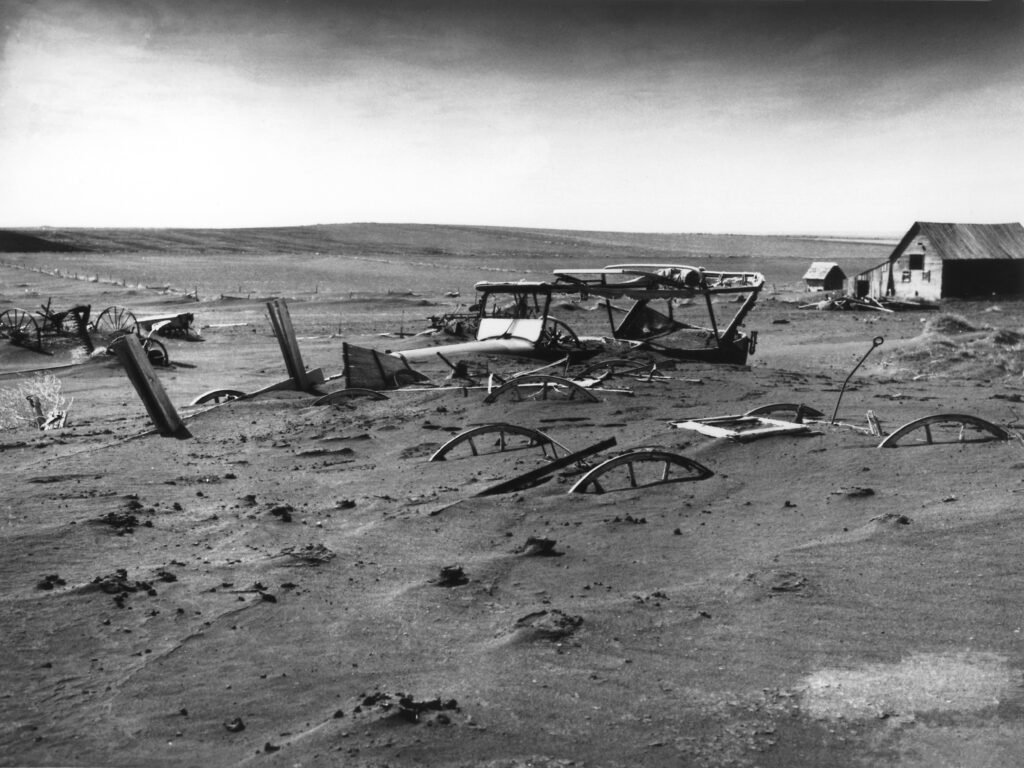
The Dust Bowl of the 1930s was one of the worst environmental disasters in American history. Severe drought, wind erosion, and poor farming practices turned the Great Plains into a barren wasteland. According to the Library of Congress, over 2.5 million people were forced to leave their homes. John Steinbeck’s famous novel “The Grapes of Wrath” follows the Joad family as they journey from Oklahoma to California, reflecting the real-life struggles of dust bowl migrants. Steinbeck drew on government reports and interviews to bring authenticity to his story. The novel’s raw depiction of hardship resonated with readers, selling over 430,000 copies in its first year. This disaster’s legacy still echoes in American consciousness through Steinbeck’s unforgettable work.
The Great Chicago Fire and The Devil in the White City
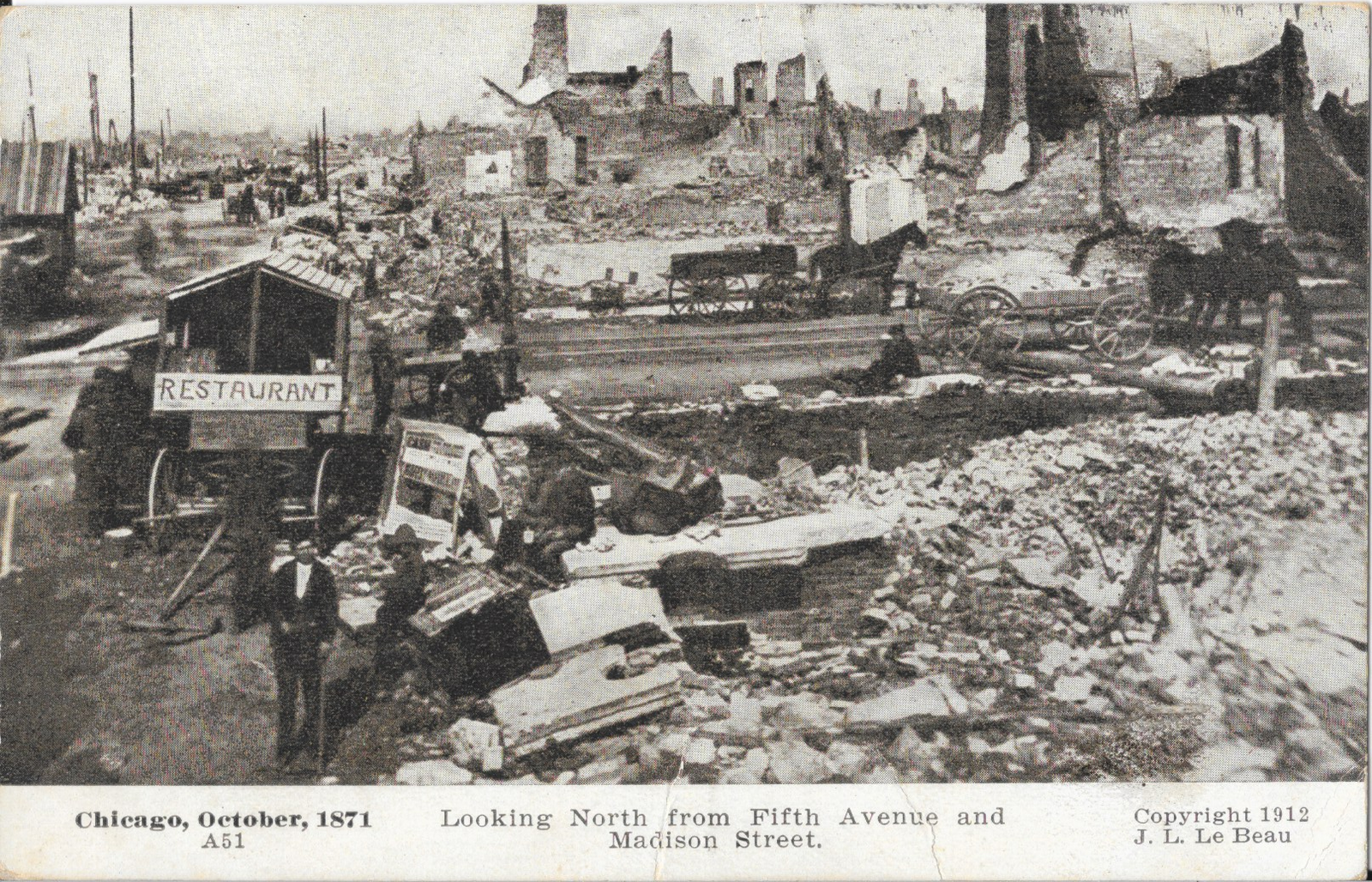
The Great Chicago Fire of 1871 left more than 100,000 people homeless and destroyed a large part of the city. The event was so traumatic that it shaped the rebuilding of Chicago for generations. Erik Larson’s novel “The Devil in the White City” mixes the true story of the fire’s aftermath with the suspense of a serial killer at the 1893 World’s Fair. Larson uses real historical documents, witness accounts, and city archives to paint a vivid picture of a city rising from ashes. The book’s unique blend of fact and fiction has made it a bestseller, selling over 3 million copies worldwide. This disaster inspired a new fascination with Chicago’s resilience and dark undercurrents.
The Sinking of the Titanic and A Night to Remember
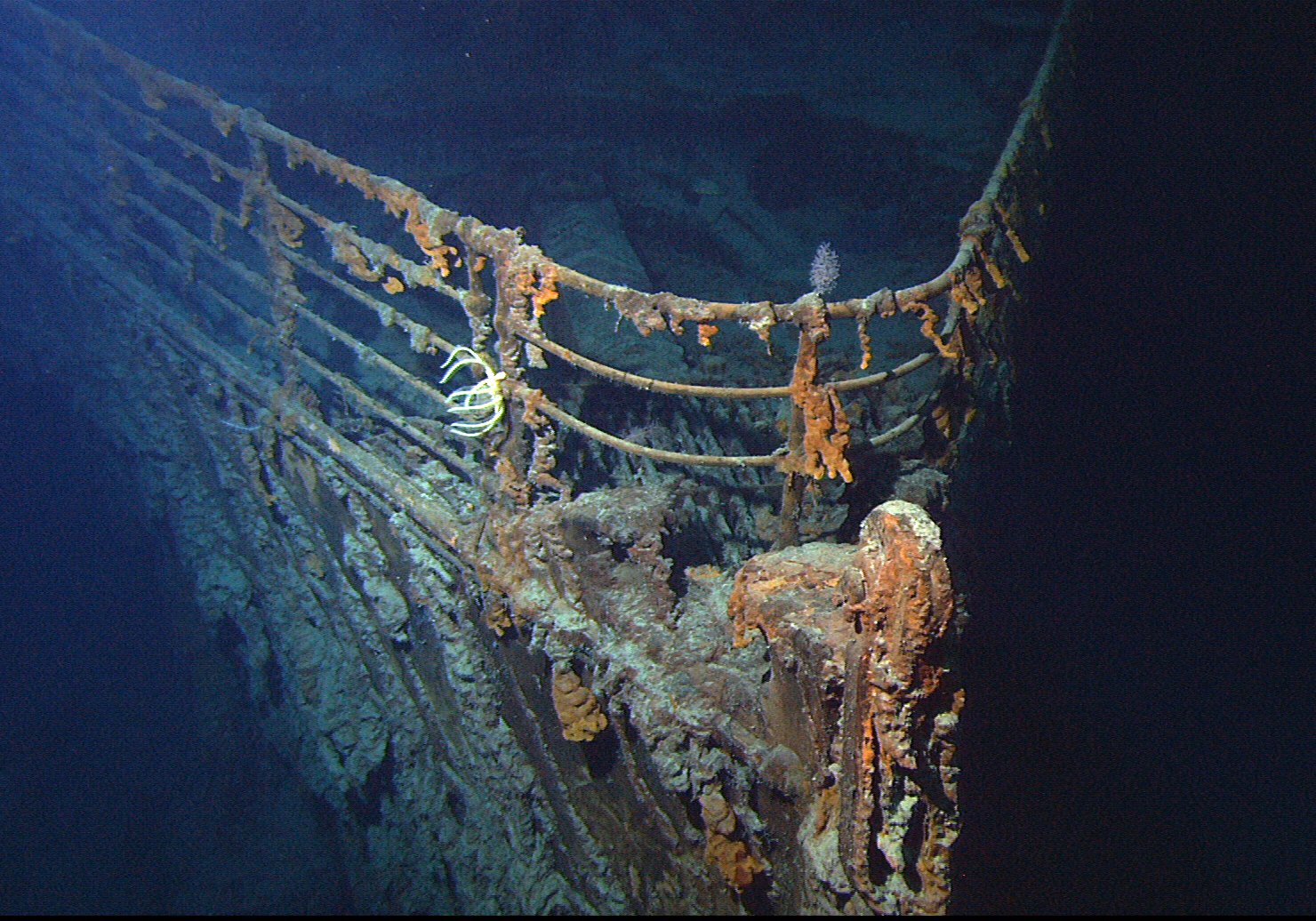
The Titanic disaster in 1912 shocked the world, claiming more than 1,500 lives when the “unsinkable” ship hit an iceberg. Walter Lord’s novel “A Night to Remember” is one of the most detailed and haunting retellings of the catastrophe. Lord interviewed over 60 survivors and pored over official records to create a gripping, hour-by-hour narrative. The book, first published in 1955, has sold millions and is still considered a definitive account. Its success inspired several movies and documentaries, making the Titanic’s story a permanent part of American culture. New findings about the ship’s wreckage continue to appear, keeping readers fascinated more than a century later.
Hurricane Katrina and Salvage the Bones
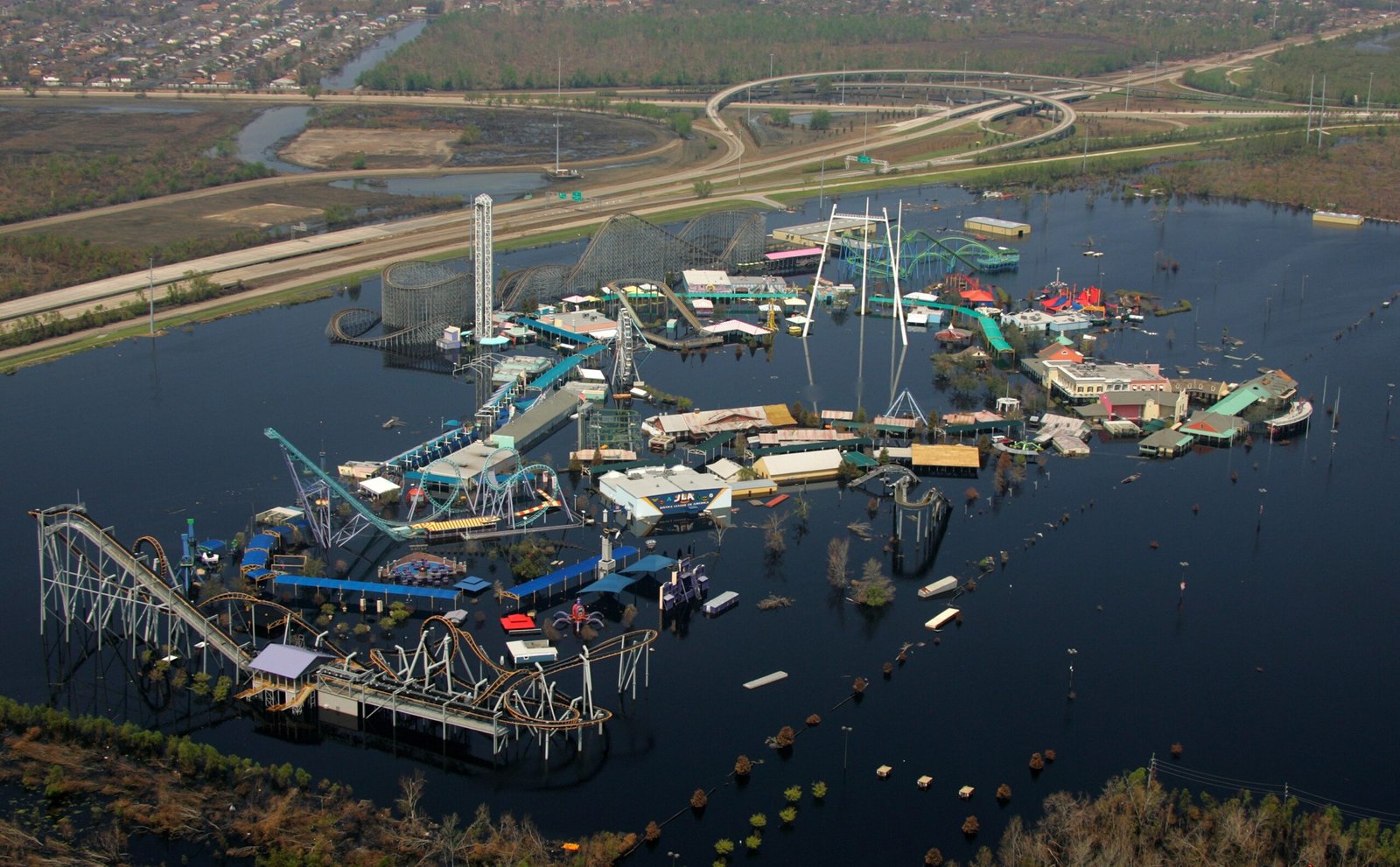
Hurricane Katrina devastated New Orleans and the Gulf Coast in 2005, killing over 1,800 people and displacing hundreds of thousands. Jesmyn Ward’s “Salvage the Bones” is a powerful novel set in the days leading up to the storm. The book captures the fear, chaos, and resilience of a struggling family facing both poverty and disaster. Ward draws on her own experiences growing up in Mississippi, as well as news reports and survivor testimonies. The novel won the National Book Award in 2011 and is often praised for its raw emotion and realism. Hurricane Katrina’s legacy remains visible in the city’s landscape and in the stories told by survivors today.
The Johnstown Flood and The Johnstown Flood by David McCullough
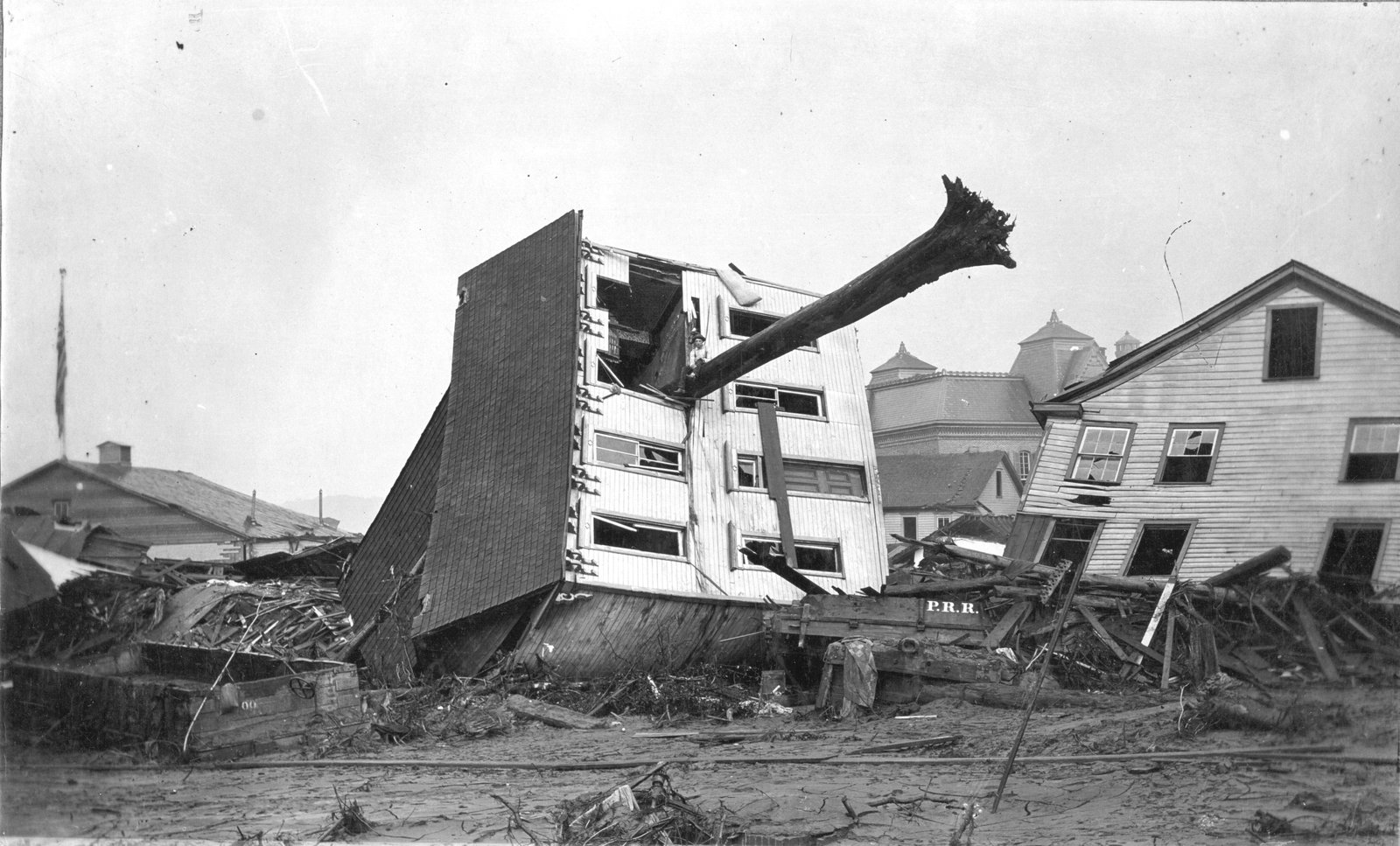
In 1889, a failed dam sent a wall of water crashing into Johnstown, Pennsylvania, killing more than 2,200 people in minutes. David McCullough’s nonfiction novel “The Johnstown Flood” recounts the tragedy with chilling detail. McCullough spent years researching old letters, newspapers, and survivor stories, creating a narrative that’s as gripping as any fiction. His book, first published in 1968, has sold steadily for decades and is used in schools nationwide. The disaster raised questions about industrial responsibility and inspired new safety standards for dams across America. The story’s impact is felt every time a community faces the threat of flooding.
The Galveston Hurricane and Isaac’s Storm
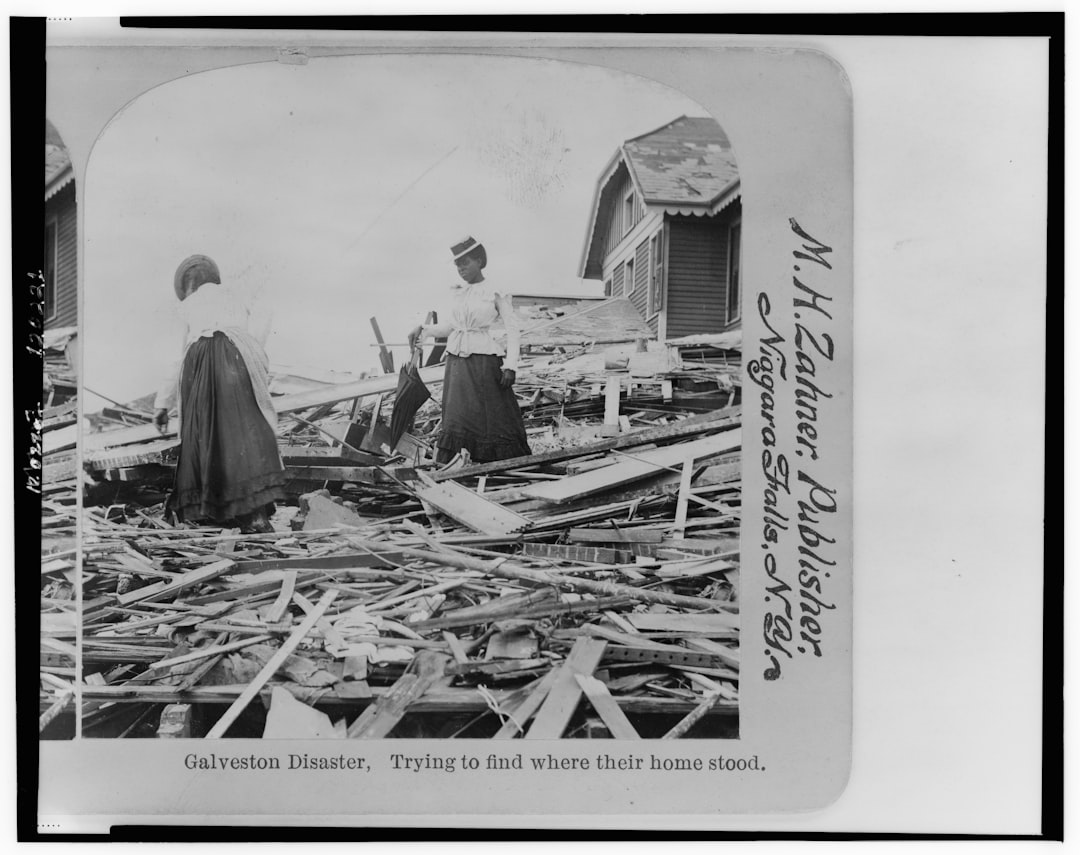
The Galveston Hurricane of 1900 remains the deadliest natural disaster in U.S. history, with an estimated 8,000 deaths. Erik Larson’s “Isaac’s Storm” tells the story from the perspective of Isaac Cline, the local weather bureau chief. Larson combines meteorological data, personal letters, and newspaper clippings to recreate the terror of the storm. The book reveals how overconfidence in technology and poor communication led to tragedy. “Isaac’s Storm” has been praised for its immersive storytelling and meticulous research, shedding new light on a disaster that changed hurricane forecasting forever.
The Triangle Shirtwaist Factory Fire and Ashes of Roses
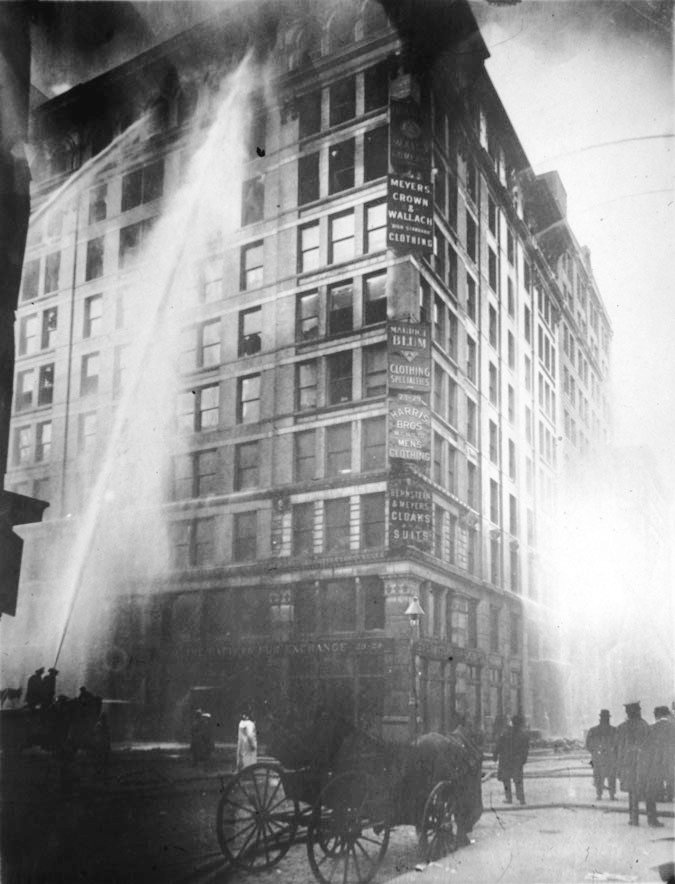
The Triangle Shirtwaist Factory fire in New York City in 1911 killed 146 garment workers, most of them young immigrant women. The fire led to major reforms in workplace safety and labor laws. Mary Jane Auch’s novel “Ashes of Roses” brings the tragedy to life through the eyes of a young Irish immigrant. Using historical research and survivor testimonies, Auch explores themes of hope, justice, and resilience. The book is often used in schools to teach about labor history and women’s rights, making the memory of the disaster deeply personal for new generations.
The San Francisco Earthquake and The Earthquake by Edith Wharton
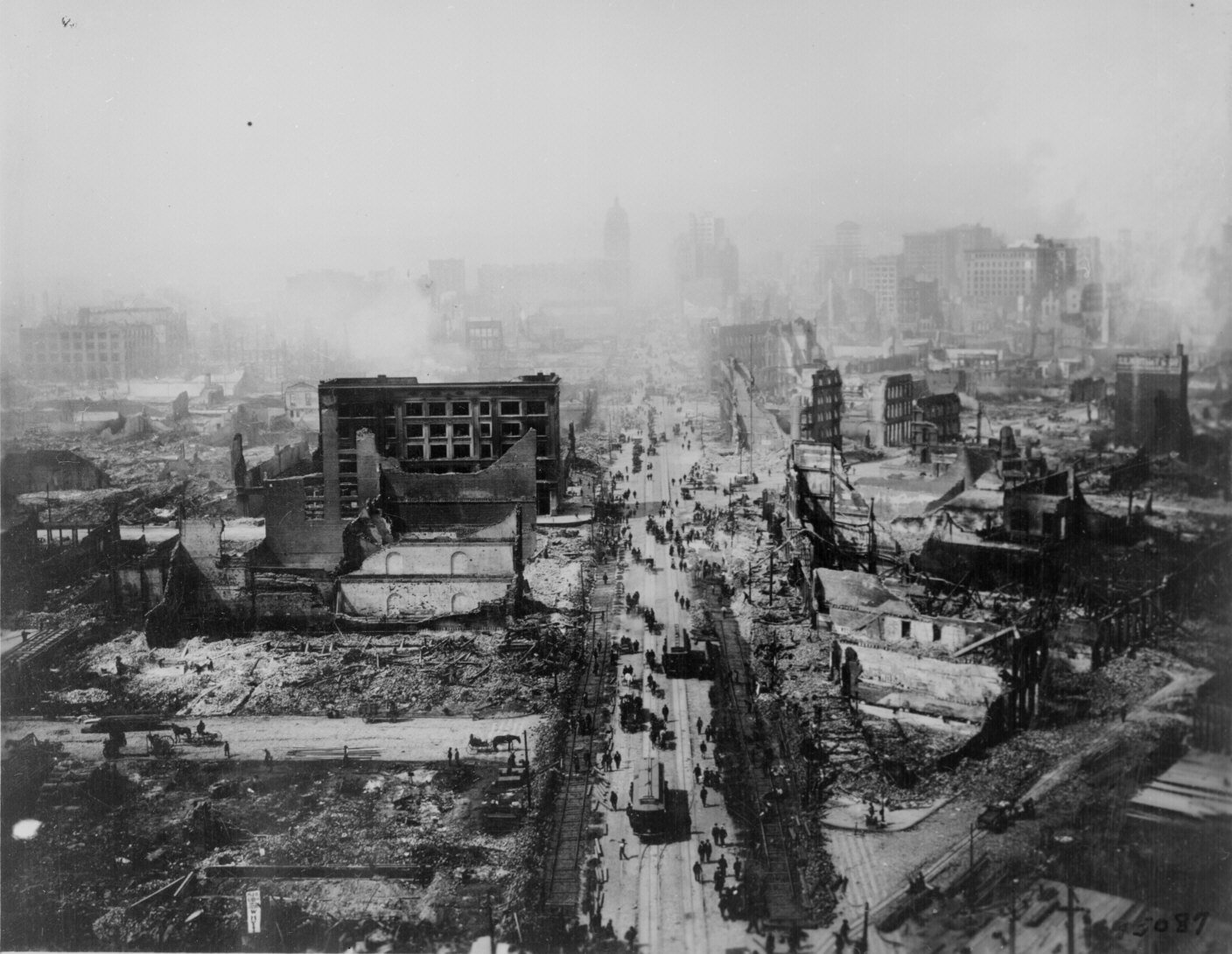
The 1906 San Francisco earthquake and resulting fires killed over 3,000 people and left the city in ruins. Edith Wharton’s short story “The Earthquake,” published in 1907, was inspired by reports and photographs of the devastation. Wharton’s story weaves personal loss with the chaos of a city transformed overnight. The earthquake has inspired countless other novels, but Wharton’s early work stands out for its emotional depth and social insight. The disaster led to advances in earthquake engineering and emergency response, influencing both literature and public policy.
The Chernobyl Disaster and American Novels Inspired by Nuclear Fear

While the Chernobyl disaster happened in Ukraine in 1986, its impact on American consciousness can’t be overstated. The fear of nuclear catastrophe inspired a wave of American novels, like “Swan Song” by Robert McCammon. Authors drew from news coverage, government reports, and interviews with survivors to imagine a world changed by radiation. The disaster’s fallout affected everything from environmental activism to pop culture. Even today, new research into radiation’s long-term effects continues to appear, sparking fresh stories and novels that warn of technological hubris.
The Great Mississippi Flood and Rising Tide

The Great Mississippi Flood of 1927 was the most destructive river flood in U.S. history, displacing around 700,000 people. John M. Barry’s “Rising Tide” blends the real stories of flood victims, politicians, and engineers. Barry backed up his account with months of research in archives, interviews, and government documents. The book reveals how the disaster reshaped American politics, race relations, and flood control. The lessons of the 1927 flood still influence engineers and lawmakers as they prepare for future disasters.
The Halifax Explosion and Its Echoes in American Literature
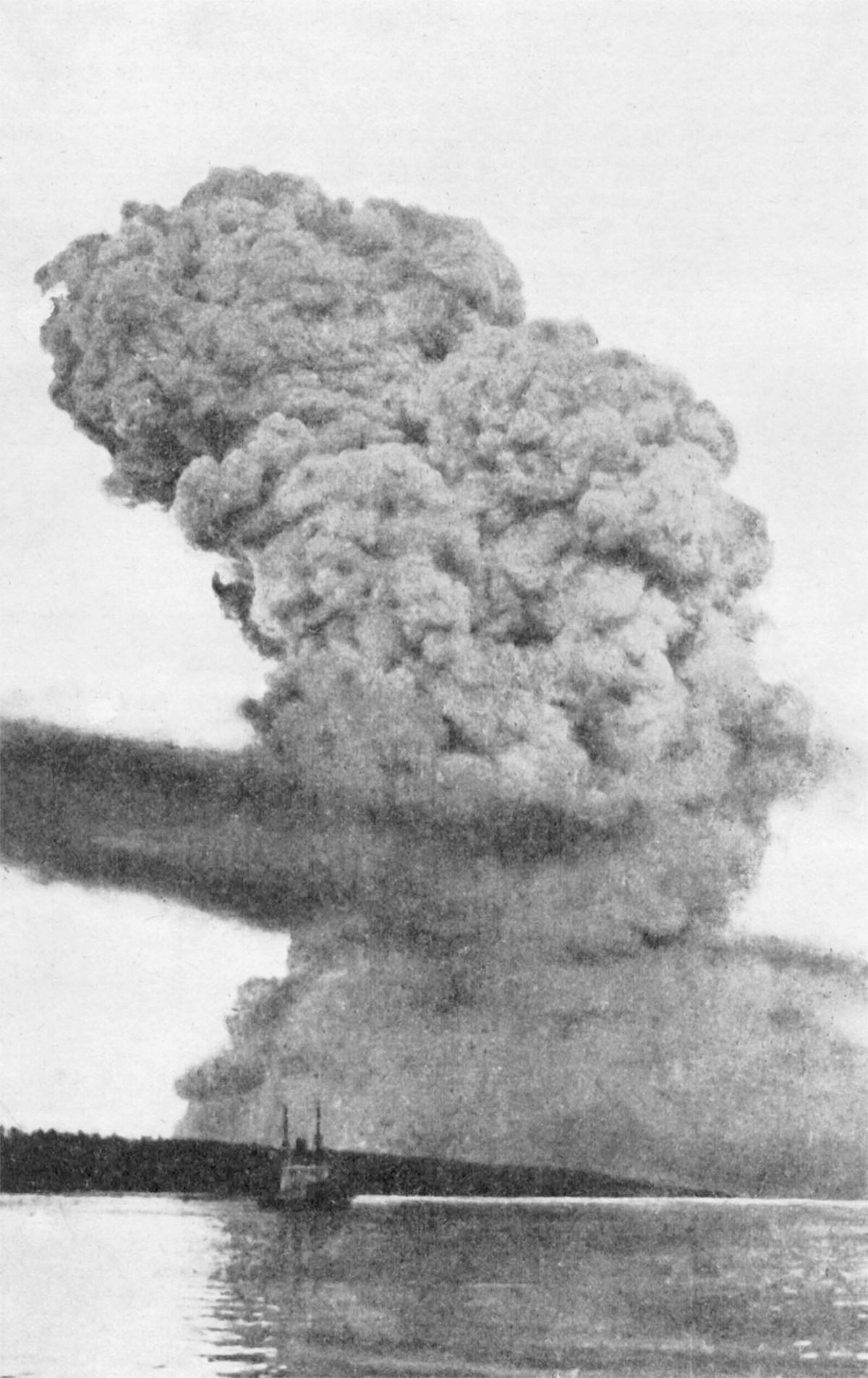
Although the Halifax Explosion occurred in Canada in 1917, its shockwaves reached American soil and inspired several U.S. writers. The explosion, caused by a munitions ship collision, killed almost 2,000 people and injured thousands more. American novelist Thomas King used the event as a backdrop for his novel “The Back of the Turtle,” exploring the emotional and physical aftermath through fictional characters. King wove together historical facts from eyewitness accounts and news archives to highlight the disaster’s lasting trauma. The explosion’s impact on emergency medicine and disaster response is still studied today, making it a powerful symbol in American literature.
CEO-Co-Founder
