

- Festival Fashion Trends: A Journey Through the Decades - December 6, 2025
- 20 Songs Inspired by American Literature - December 6, 2025
- 20 Songs That Became Unofficial National Anthems - December 6, 2025
Madison Square Garden: The “Mecca” Beneath the Surface
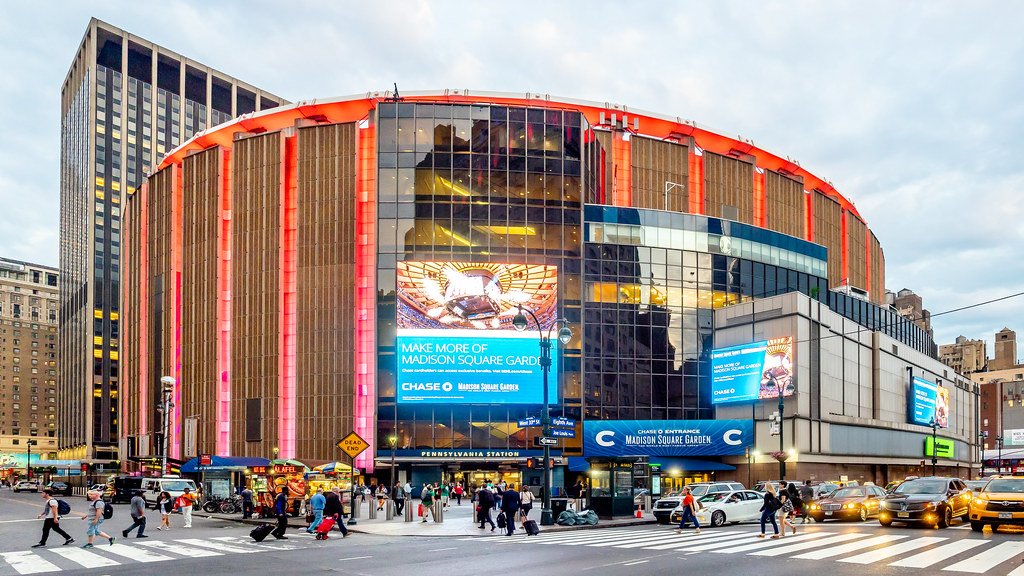
Madison Square Garden in New York City is a name everyone knows, but few realize the venue sits on the site of a demolished train station, Pennsylvania Station, which was once considered an architectural marvel. The destruction of the original Penn Station in 1963 sparked a national outcry and even led to the modern landmark preservation movement in America. Today, MSG is the fourth building to bear the name and has hosted more concerts than any other arena worldwide. In 2024, it was revealed that MSG generates over $1.5 billion in annual revenue, making it the highest-grossing venue of its kind. The venue’s circular floor was designed to give every fan a good view, but also creates a unique acoustic challenge that sound engineers still battle. Over the years, MSG has hosted legendary performances by Elton John, Billy Joel, and Beyoncé. The Garden’s location above active train lines means the floor sometimes vibrates during shows, a quirk that’s become part of its lore.
The Hollywood Bowl: Echoes of Lost Dreams
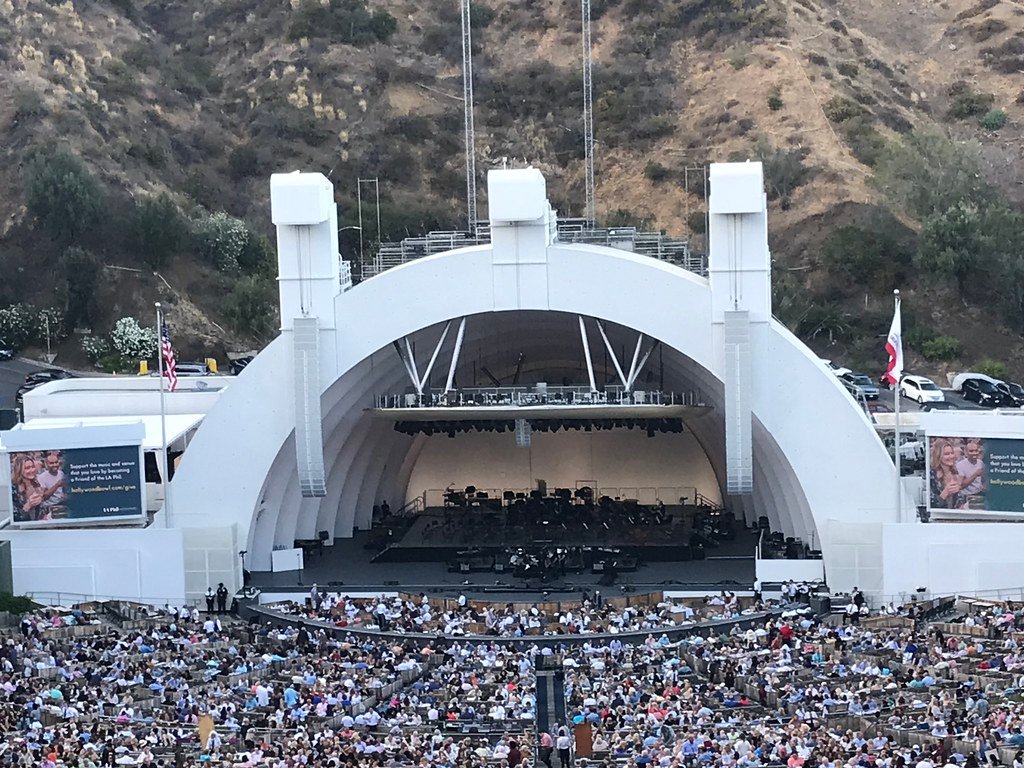
Nestled in the Hollywood Hills, the Hollywood Bowl’s iconic shell wasn’t always part of the plan. Early concertgoers in the 1920s sat on simple wooden benches, surrounded by fruit orchards and wild coyotes. In 2022, the Bowl celebrated its 100th anniversary and revealed that the site was originally a natural amphitheater, chosen for its incredible acoustics before technology could measure them. The Bowl’s design has changed seven times, each tweak inspired by the search for the “perfect sound.” In the 1960s, the Beatles played here, but the venue’s proximity to nature meant raccoons and skunks often wandered on stage. The Bowl’s vast seating, now over 17,500, makes it the largest natural outdoor amphitheater in the U.S., and recent studies revealed it sells more classical music tickets than any other venue in the country.
Red Rocks Amphitheatre: Carved by Nature and Protest
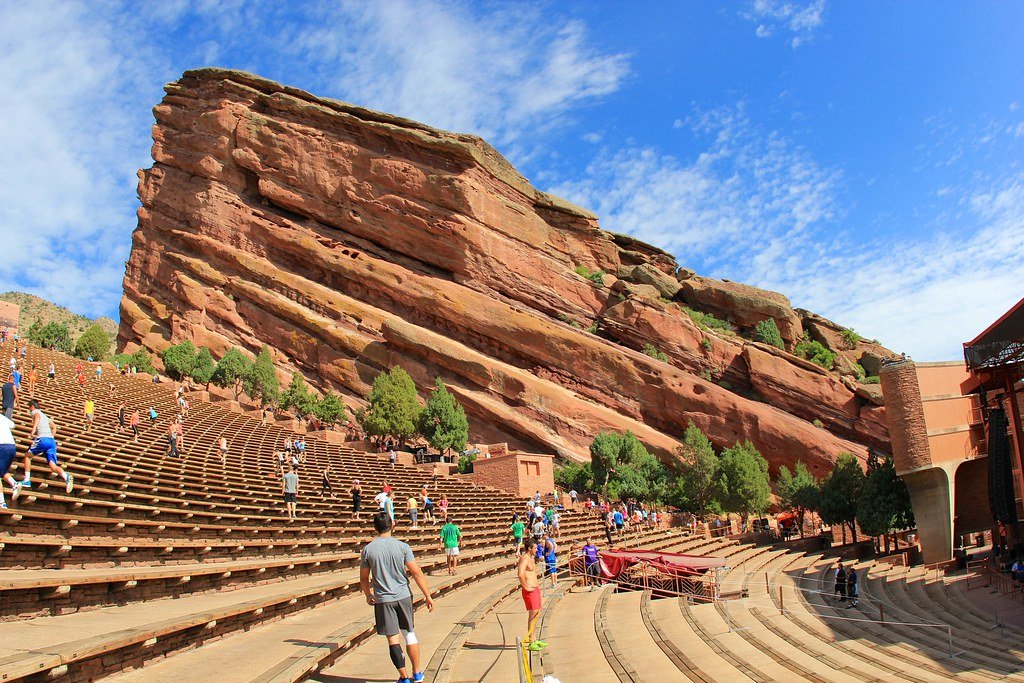
Red Rocks in Colorado is famous for its breathtaking scenery and natural acoustics, but its history is rooted in activism. The land was once sacred to Native American tribes, and in the 1940s, locals protested plans to develop the site into a luxury hotel. City leaders eventually sided with conservationists, preserving the unique rock formations for public use. Red Rocks opened as a city park in 1941, and in 2023, it hosted over 1.3 million visitors. The amphitheater’s stage is flanked by 300-foot sandstone monoliths, making it a rare venue where the location is as big a draw as the acts. It’s also one of the only major venues to run entirely on wind and solar power since 2021, a fact the city of Denver proudly shares.
The Ryman Auditorium: From Church Pews to Country Legends
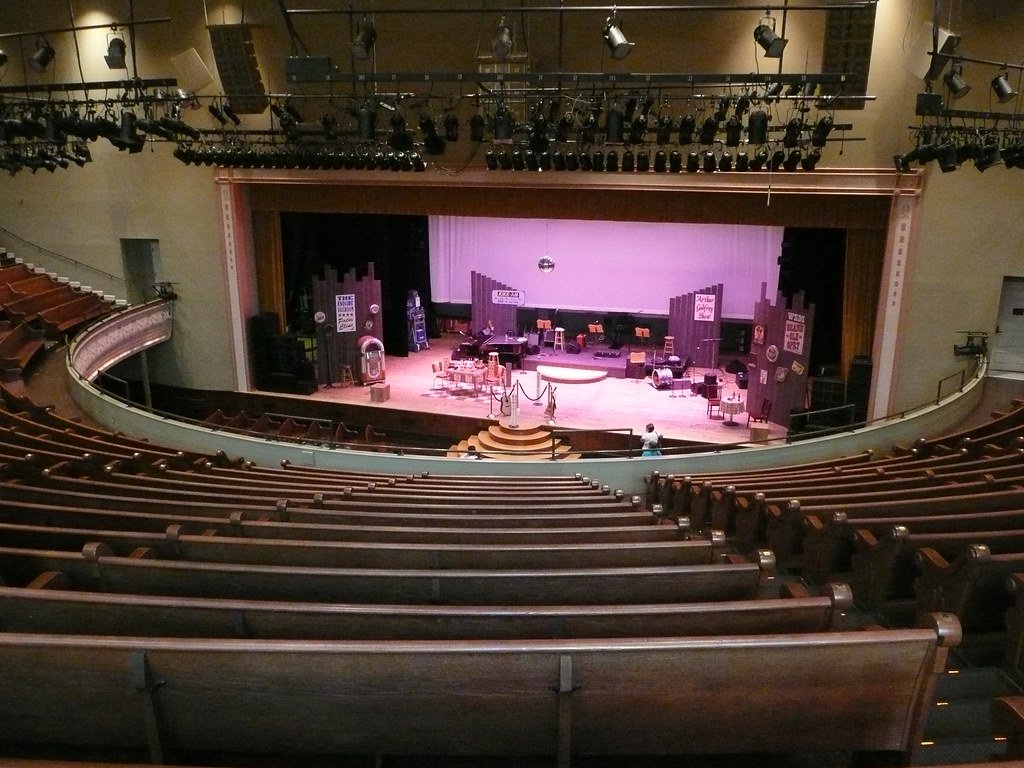
The Ryman Auditorium in Nashville started life as a tabernacle in 1892, built by riverboat captain Thomas Ryman after a religious conversion. Its famous wooden pews, still in use today, were installed for sermons, not songs. The venue’s incredible acoustics are a product of the curved balcony and the hard oak surfaces, features rarely found in modern buildings. In 2024, the Ryman was recognized as a National Historic Landmark. It’s been called the “Mother Church of Country Music,” but in the 1960s, it was nearly torn down to make way for a parking lot. The Ryman’s survival was due to a grassroots campaign by musicians and fans. Today, its backstage graffiti, dating back to the 1950s, is preserved as a quirky museum piece.
Radio City Music Hall: Art Deco Grandeur and Secret Tunnels
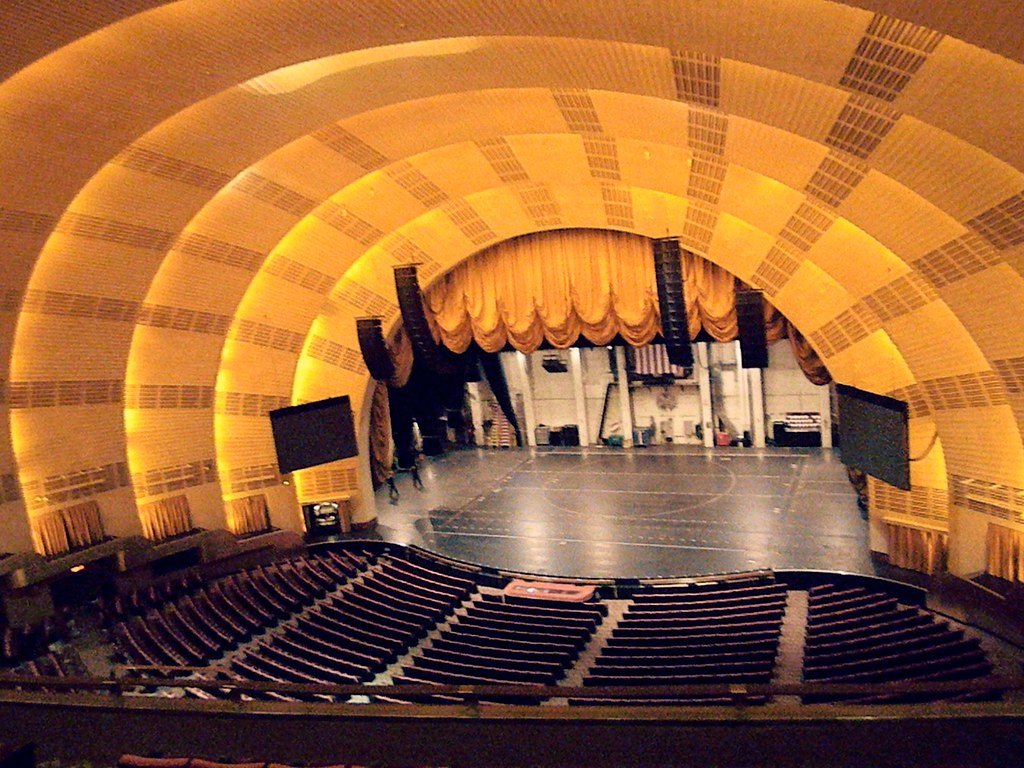
Radio City Music Hall is instantly recognizable for its neon marquee and Art Deco style, but its design hides a maze of secret tunnels and dressing rooms. Built in 1932 as part of Rockefeller Center, the venue nearly bankrupted its owners during the Great Depression. Its famous hydraulic stage—the largest in the world—was inspired by naval engineering, allowing for rapid scene changes and elaborate shows. In 2023, the venue hosted over 250 events, drawing nearly 2 million visitors. The Rockettes, its resident dance troupe, have performed here every Christmas since 1933, except during World War II when the Hall was used for military training. Restoration in the late 1990s uncovered hidden murals and gold leaf details, lost for decades behind layers of paint.
Ford Field: Gridiron by Day, Stage by Night
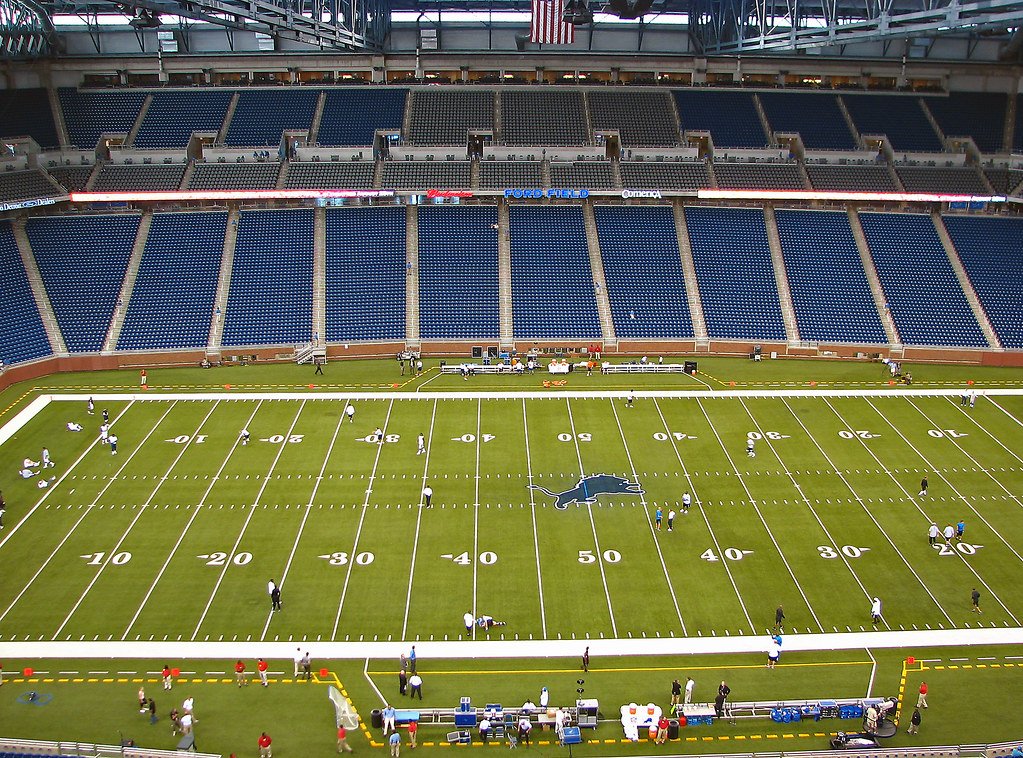
Detroit’s Ford Field is known as the home of the NFL’s Lions, but it doubles as Michigan’s largest indoor concert venue. Finished in 2002, the stadium’s glass atrium was designed to let in natural light—a rarity for venues of its size. In 2024, Ford Field set a new record by hosting over 80,000 fans for a Taylor Swift concert, the largest single-night attendance in Michigan history. The field’s retractable seating allows for a rapid transformation from football games to concerts. Beneath the stands are remnants of the city’s auto industry, including a preserved section of the Hudson’s warehouse, visible from the concourse. Ford Field’s sound system was upgraded in 2023, making it one of the loudest venues for live music in the Midwest.
The Fillmore: Psychedelic Roots and Secret Codes
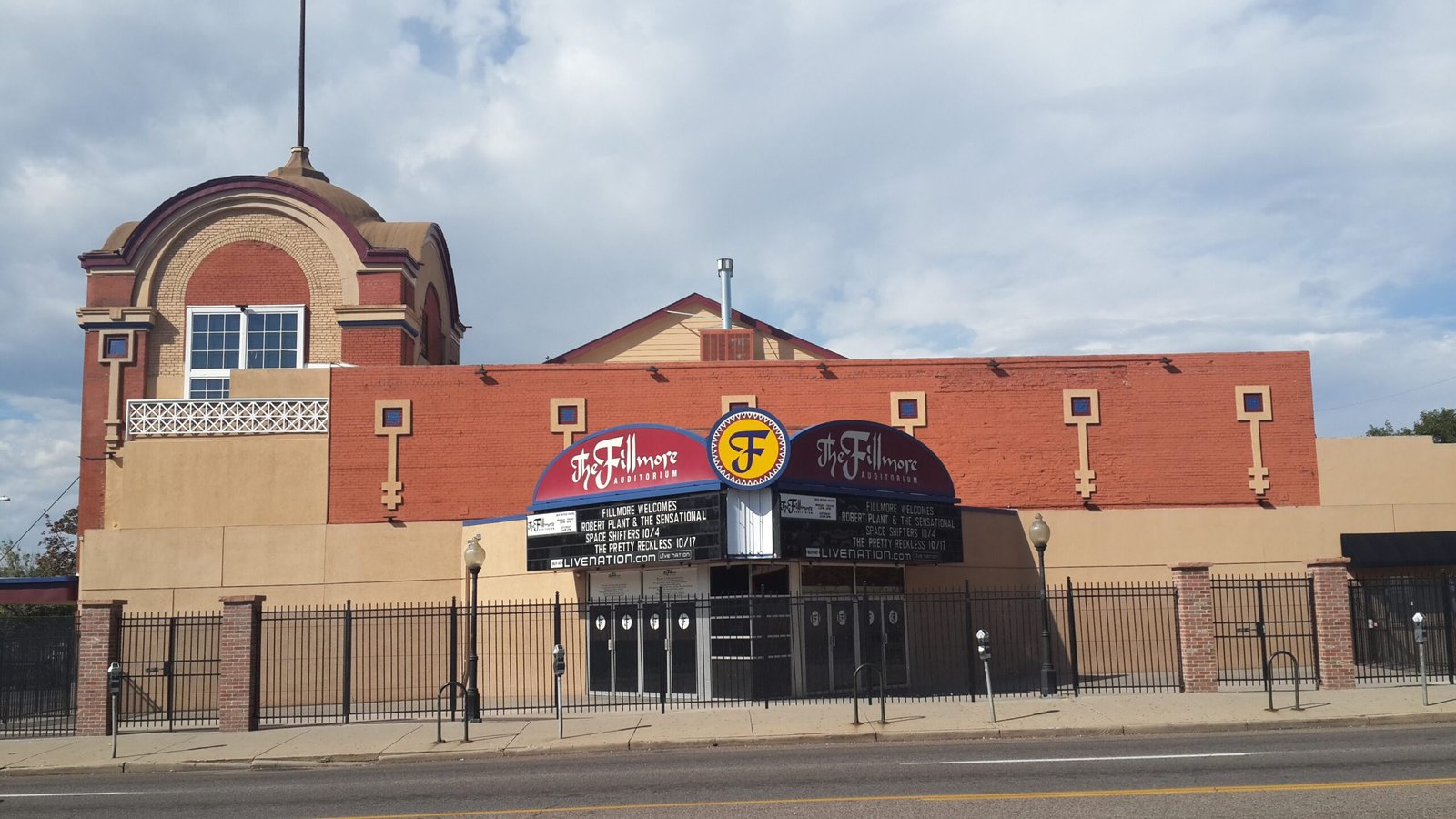
San Francisco’s Fillmore Auditorium is legendary for its psychedelic light shows and rock history, but few know about its secret codes. In the 1960s, promoter Bill Graham used colored balloons and scent cues to signal security and backstage staff. The Fillmore’s stage has hosted legends from Jimi Hendrix to the Grateful Dead, with posters from almost every show still decorating its walls. After closing in the early 1970s, the venue reopened with strict preservation rules, ensuring its original wooden dance floor and chandeliers remain. In 2024, the Fillmore announced a new partnership with local schools, offering music history workshops for students. Its intimate 1,200-seat capacity is a deliberate choice, preserving the close-knit vibe of its earliest days.
United Center: Where Sports and Music Collide
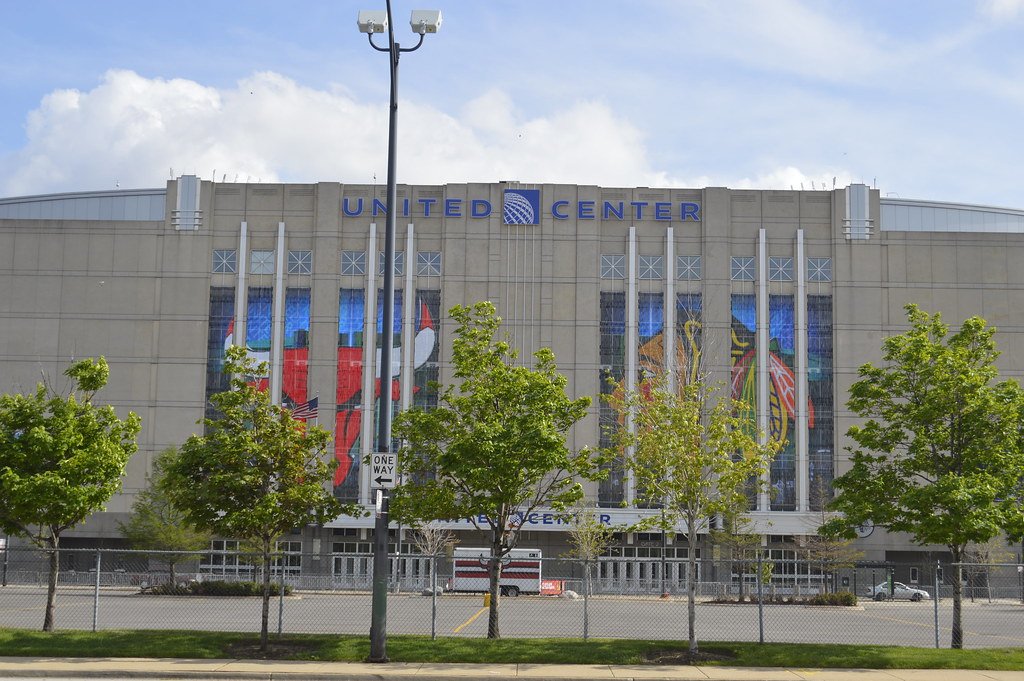
Chicago’s United Center is the largest arena in North America by capacity, but it was designed with more than just sports in mind. Opened in 1994, its floor can be reconfigured in under six hours to host concerts, basketball, or hockey. In 2023, the United Center hosted nearly 200 events, with over 3 million tickets sold. The venue’s sound system is digitally mapped for each event, a technological feat that makes every seat feel close to the stage. Hidden beneath the arena is a “star tunnel,” allowing performers to enter unseen by fans. The United Center’s walls feature rotating murals of Chicago’s music legends, from Muddy Waters to Kanye West, honoring the city’s musical roots.
The Gorge Amphitheatre: Music on the Edge of the World
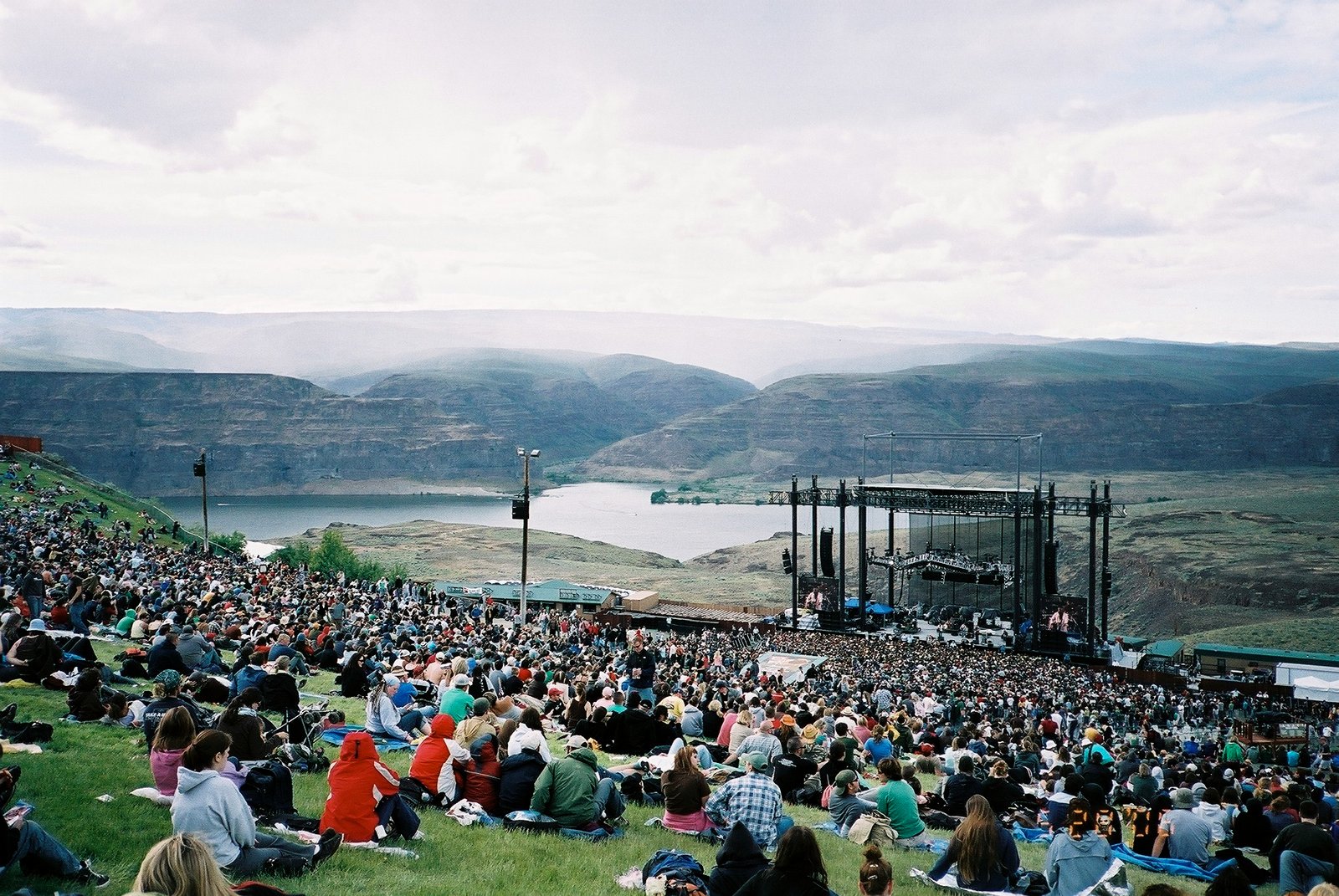
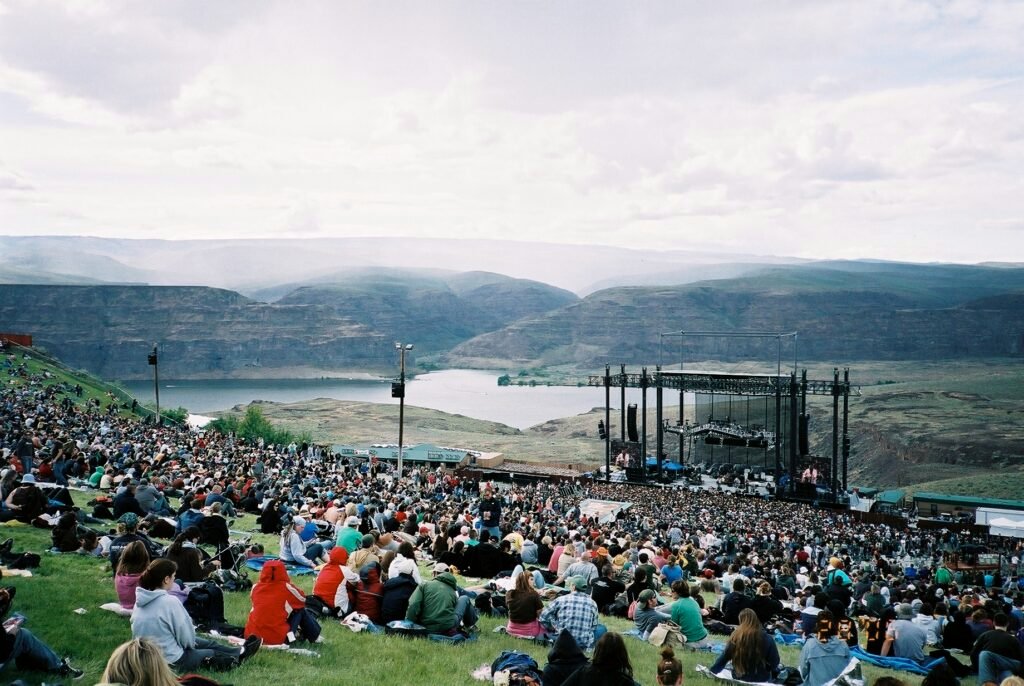
Set against the dramatic cliffs of the Columbia River, The Gorge in Washington State is as famous for its views as for its music. The site was a working vineyard before becoming a venue in 1986. Its remote location, over two hours from Seattle, means fans often camp overnight, creating a festival-like atmosphere even for single shows. In 2024, The Gorge was voted the best outdoor venue in America by several music publications, with over 400,000 attendees that season. The amphitheater’s natural bowl shape amplifies sound, but also makes weather a constant challenge—wind and rain have interrupted more than one legendary set. The venue’s owners recently invested in sustainable infrastructure, including solar-powered lighting and water recycling.
Barclays Center: Brooklyn’s Bold New Sound
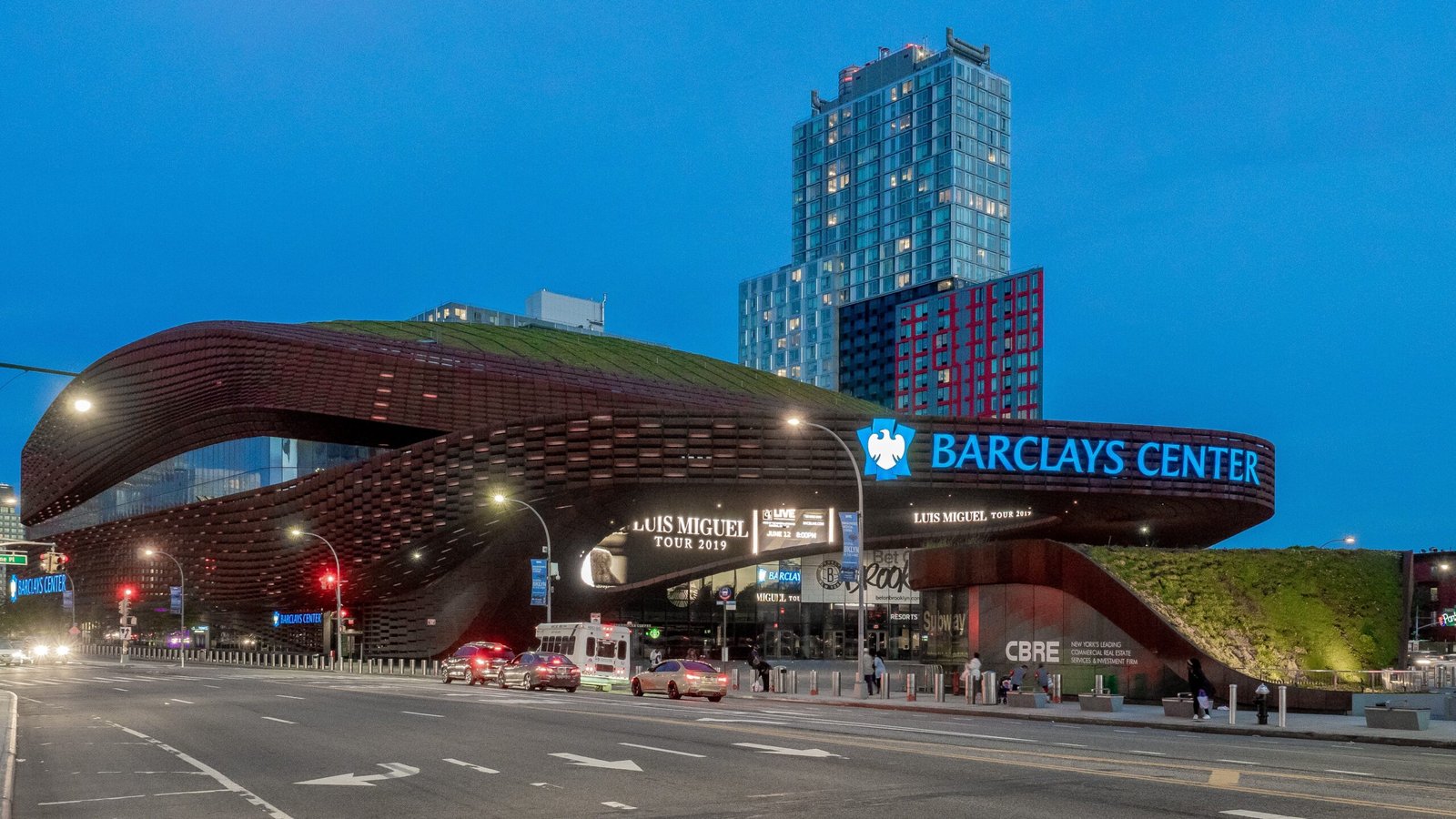
Barclays Center in Brooklyn opened in 2012 and quickly became a symbol of the borough’s renaissance. The venue’s rust-colored exterior is made from weathered steel, chosen to echo Brooklyn’s industrial past. In 2023, Barclays hosted over 240 events, including concerts by Jay-Z and Billie Eilish. Its design includes a “black box” interior, allowing for rapid customization of the space, and the venue’s sound engineers use real-time data to adjust acoustics for each act. Barclays Center is built atop one of the busiest transit hubs in New York, making it a focal point for both locals and tourists. The surrounding neighborhood, once marked by abandoned lots, now bustles with restaurants and bars, many named after famous Brooklyn musicians.

Besides founding Festivaltopia, Luca is the co founder of trib, an art and fashion collectiv you find on several regional events and online. Also he is part of the management board at HORiZONTE, a group travel provider in Germany.
