

- A Charming Tradition: The History of Christmas Markets in the United States - December 7, 2025
- Gear Up: Your Festival Camping Essentials - December 7, 2025
- Festival Survival Guide: Essential Tips - December 7, 2025
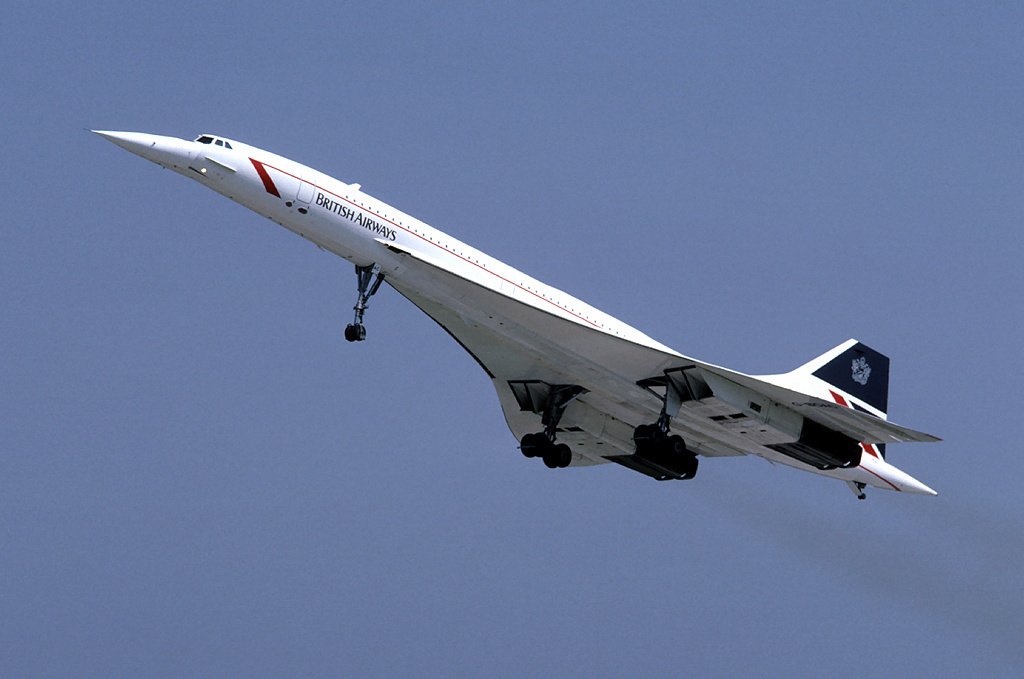
The Golden Age of Flying: When Air Travel Was Pure Glamour
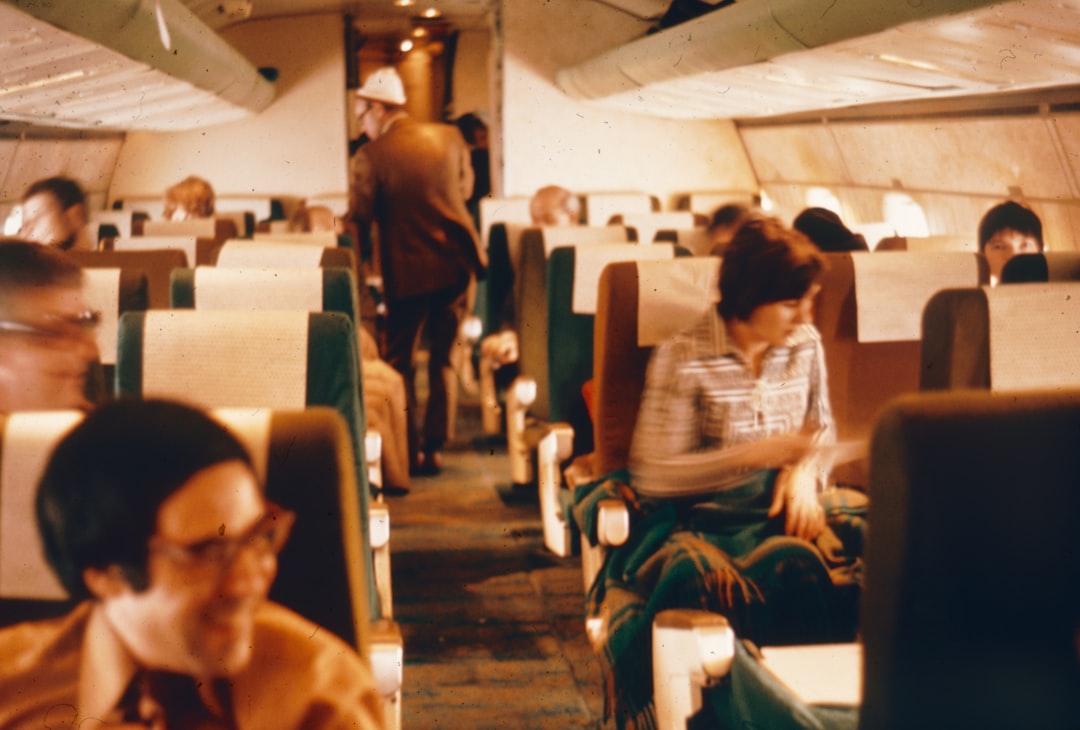
Picture this: stepping onto a plane in the 1960s meant dressing up like you were going to a fancy dinner party. Back then, flying was so exclusive that passengers would literally put on their Sunday best just to board an aircraft. The tickets cost more than most people’s monthly salary, and the experience felt like dining at a five-star restaurant while floating through the clouds. Flight attendants served actual meals on real china, and there was enough legroom to stretch out comfortably. Today, we complain about cramped seats and peanuts, but we can fly from New York to London for less than what our grandparents paid for a domestic flight. Budget airlines have turned what was once a luxury reserved for the wealthy into something as common as taking a bus across town.
When Mobile Phones Were the Ultimate Status Symbol
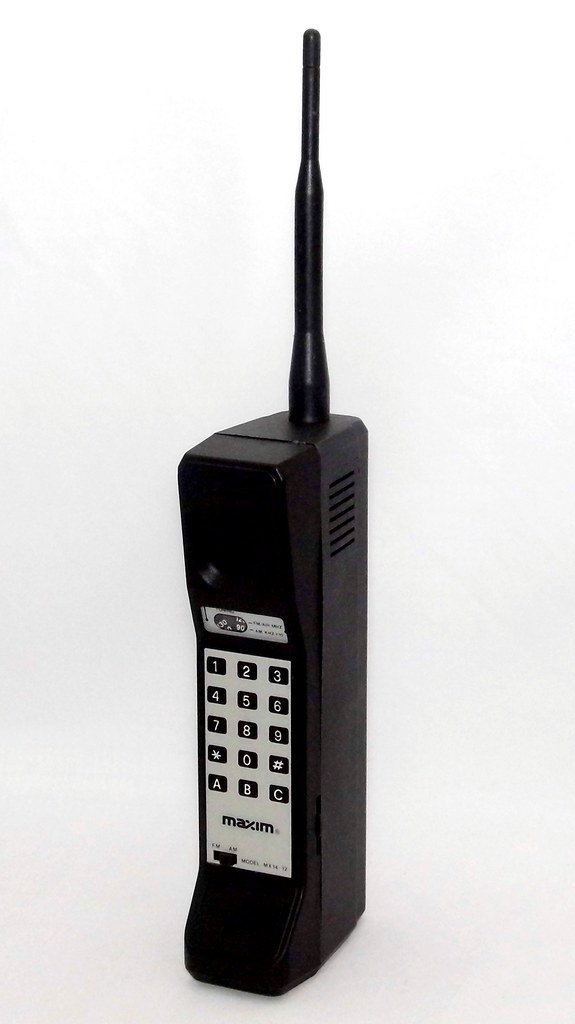
Remember those massive brick phones from the 1980s that looked like they could double as a weapon? Owning one of those bad boys was like wearing a Rolex on your ear – it screamed success and wealth. Early mobile phones cost thousands of dollars, and the monthly bills could rival a car payment. Only business executives, celebrities, and the ultra-rich could afford to carry around what was essentially a portable landline. Fast forward to today, and even teenagers in developing countries have smartphones more powerful than the computers that sent humans to the moon. The device that once separated the elite from everyone else now connects billions of people across the globe, regardless of their economic status.
Coffee Culture: From European Elite to Corner Store Staple
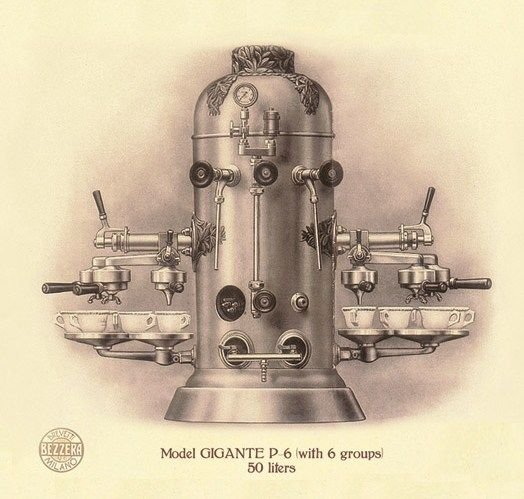
There was a time when ordering a cappuccino marked you as someone who had traveled to Europe or at least pretended to be cultured. Espresso machines were these mysterious Italian contraptions that only appeared in upscale restaurants and the homes of people who collected art. Regular folks drank instant coffee or whatever was brewing at the local diner, while the wealthy sipped carefully crafted lattes in exclusive cafés. Then Starbucks happened, and suddenly everyone became a coffee connoisseur. Now you can’t walk two blocks in most cities without stumbling into a coffee shop that serves drinks with names longer than most people’s addresses. What started as a European luxury became America’s daily fuel, and now even gas stations serve espresso drinks that would have impressed the snobs of yesteryear.
Entertainment on Demand: The Revolution of Streaming
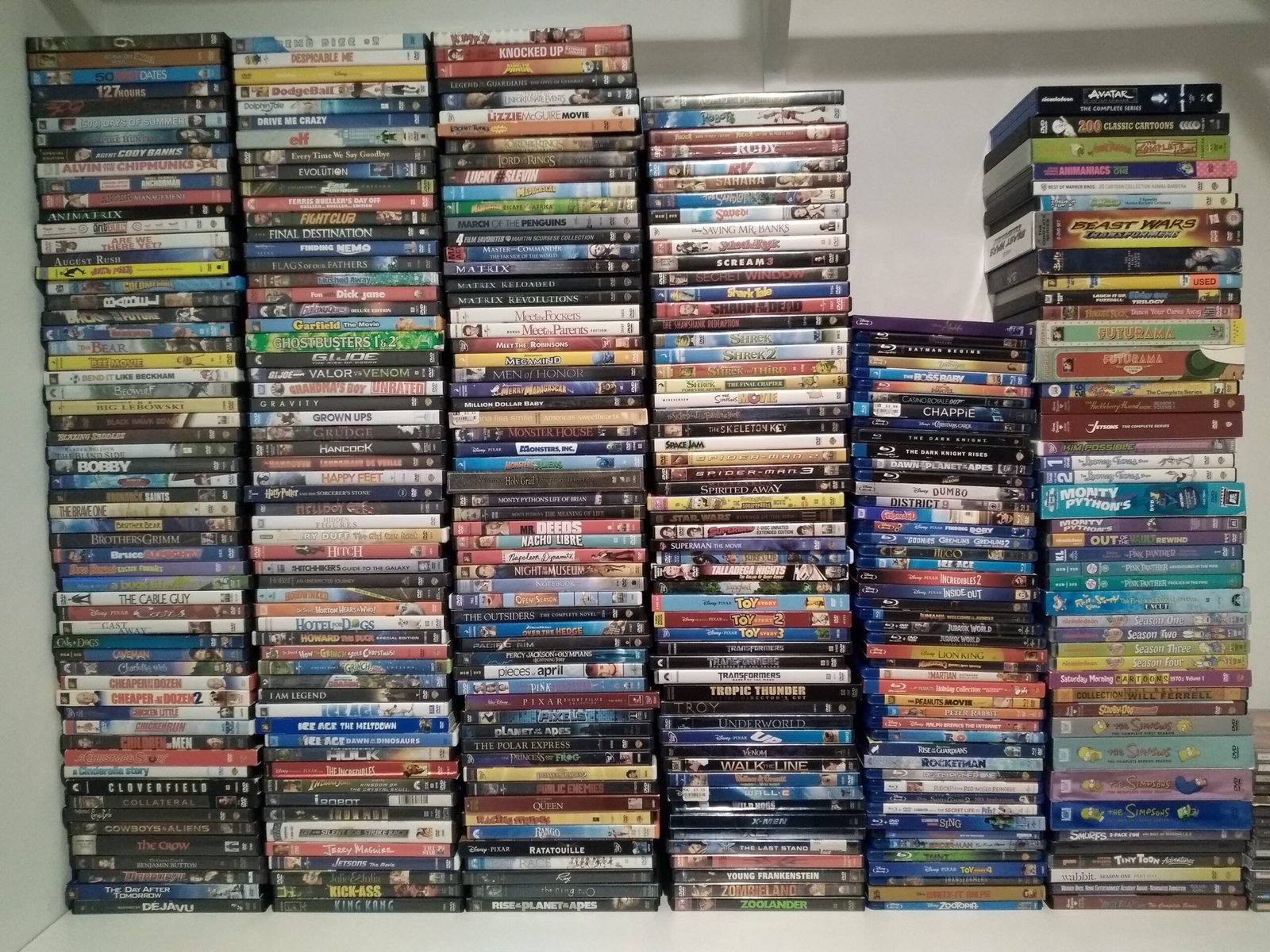
Not too long ago, having access to unlimited movies and TV shows meant owning a massive DVD collection or paying hundreds of dollars for premium cable packages. Rich people had home theaters with libraries that looked like video stores, while everyone else waited for movies to show up on basic cable years after their release. The idea of watching any movie, anytime, anywhere seemed like science fiction. Netflix started by mailing DVDs to people’s houses, which already felt revolutionary compared to driving to Blockbuster. Now, for the price of a single movie ticket, you can access thousands of films and shows instantly on any device. The entertainment library that once required serious wealth to maintain now fits in your pocket and costs less than a fancy dinner.
Personal Chauffeurs for Everyone: The Ride-Sharing Revolution
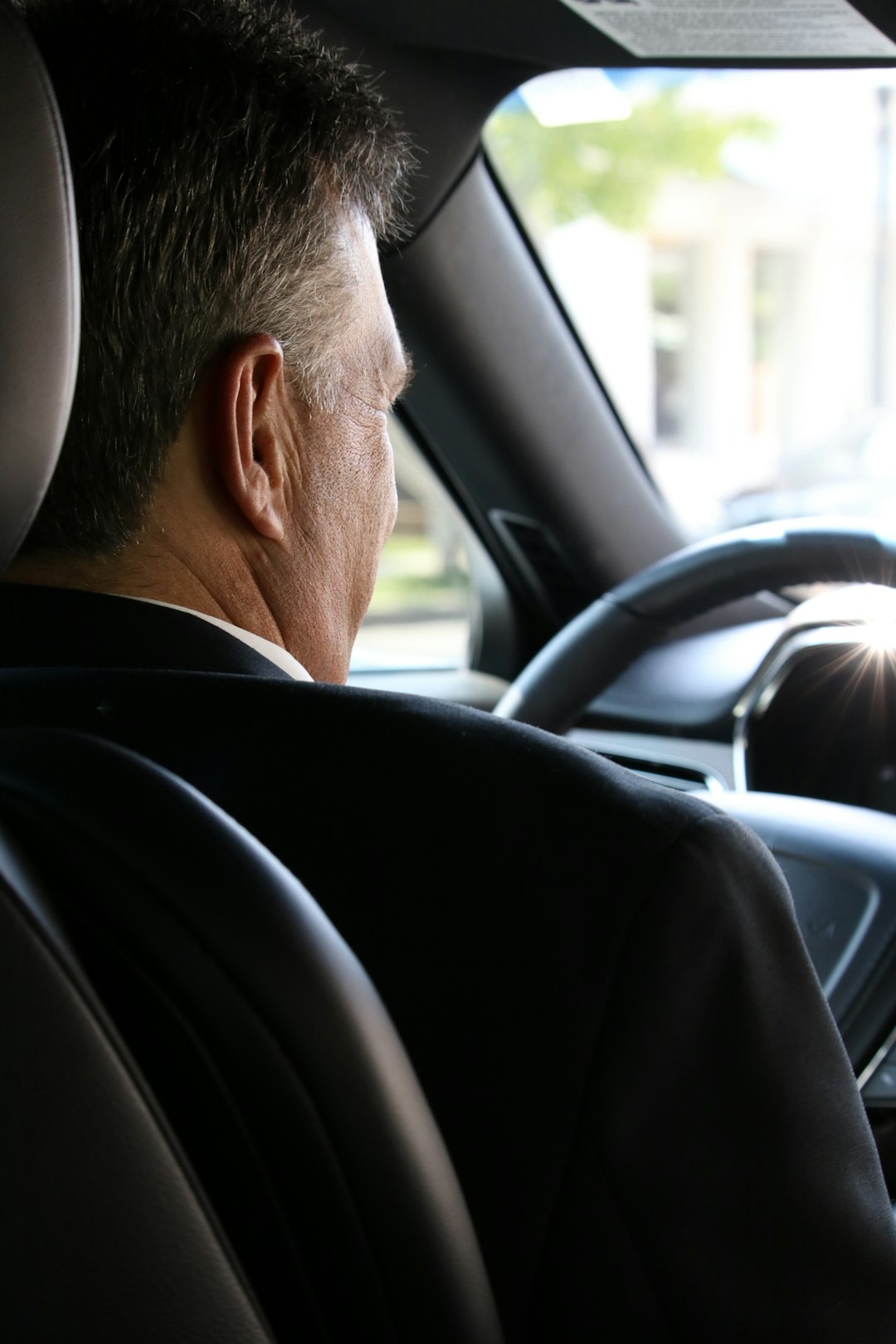
Having someone drive you around used to be the ultimate display of wealth and importance. Only celebrities, politicians, and business moguls had personal drivers waiting outside in sleek black cars. The rest of us took taxis when desperate, but mostly relied on our own cars or public transportation. The idea of summoning a private driver with the tap of a button sounded like something out of a futuristic movie. Then Uber and Lyft turned millions of regular people into part-time chauffeurs, and suddenly everyone could live like a VIP. Now you can get a ride that’s often cleaner and more reliable than traditional taxis, complete with water bottles and phone chargers, all while tracking your driver’s location in real-time. What once required serious money and connections now just needs a smartphone and a few dollars.
High Fashion Meets High Street: The Fast Fashion Phenomenon

Runway fashion used to trickle down to regular stores at a snail’s pace, if at all. Wealthy socialites would wear designer pieces to exclusive events, while everyone else admired them from afar in glossy magazines. The gap between high fashion and what normal people could afford was enormous, both in price and style. Designer clothes cost more than most people’s cars, and knockoffs were obvious and poorly made. Then fast fashion brands figured out how to copy runway looks and get them into stores within weeks instead of years. Zara, H&M, and others democratized style by making trendy clothes affordable for almost everyone. Now you can spot someone wearing a $30 dress that looks remarkably similar to what a celebrity wore on the red carpet just months earlier.
Wellness and Self-Care: From Exclusive Retreats to Everyday Rituals
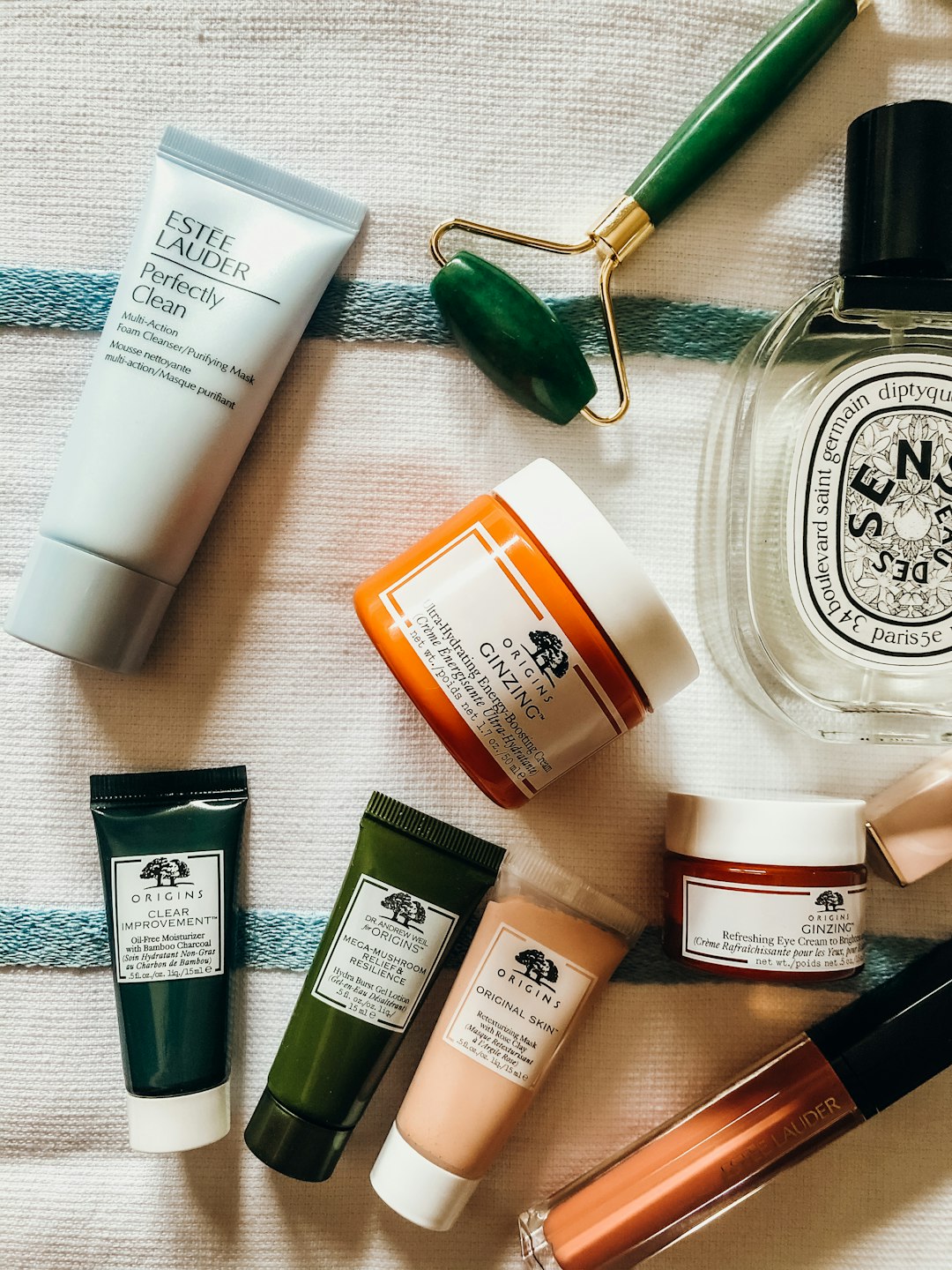
Getting a professional massage or facial once meant booking a weekend at an expensive spa resort or visiting an exclusive salon in the wealthy part of town. Wellness treatments were viewed as indulgent luxuries that only people with serious disposable income could justify. The average person’s idea of self-care was a hot bath and maybe some drugstore face cream. Spa days were special occasions, like anniversaries or milestone birthdays, not regular maintenance. Today, strip mall massage parlors and budget-friendly spa chains have made professional treatments accessible to almost everyone. You can get a decent massage for less than the cost of dinner at a nice restaurant, and at-home spa treatments rival what you’d get at expensive resorts. Wellness apps and YouTube tutorials have turned everyone into their own personal spa therapist.
Personal Training: From Celebrity Privilege to Smartphone App

Having a personal trainer used to be something only movie stars and professional athletes could afford. The idea of someone designing workouts specifically for you and coaching you through them was reserved for people whose bodies were their business. Regular folks joined basic gyms with rows of equipment and figured things out on their own, often incorrectly. Home gyms were these elaborate setups that required a dedicated room and thousands of dollars in equipment. Now, personal training has been democratized through technology and competition. Budget gym chains offer group training sessions, and apps provide personalized workout plans that adapt to your progress. You can have a virtual personal trainer in your pocket for less than the cost of a single session with a human trainer from the old days.
Modern Conveniences: When Home Appliances Were Luxury Items
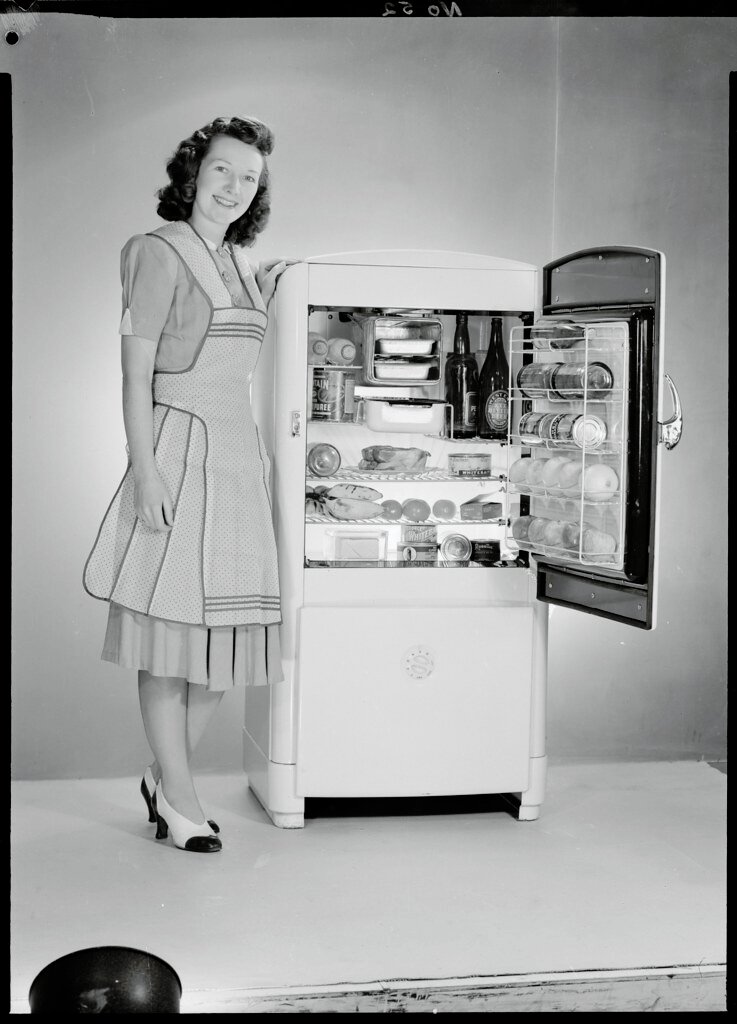
It’s hard to imagine life without a dishwasher, washing machine, or microwave, but these appliances were once expensive luxuries that only well-off families could afford. People would wash dishes by hand, take clothes to the laundromat, and heat food on the stove because automatic appliances cost several months’ worth of wages. Having a house full of labor-saving devices was a clear sign of economic success and modern living. Microwaves were so exotic that early models came with cookbooks explaining how to use them safely. Now these appliances are so common and affordable that even studio apartments often come equipped with them. What once separated the wealthy from everyone else is now considered a basic necessity of modern life, and you can buy better versions for a fraction of what they originally cost.
Jet-Setting Lifestyle: When International Travel Was for the Elite
Traveling to exotic destinations used to require serious wealth and weeks of planning. Visiting Europe, Asia, or tropical islands was something rich people did on extended vacations, often staying in luxury hotels and dining at expensive restaurants. The average family’s big vacation might be a road trip to a national park or a week at a nearby beach, while international travel remained a distant dream. Package deals were rare, and everything from flights to hotels had to be booked separately through travel agents who catered to wealthy clients. Budget travel wasn’t really a thing – you either traveled in style or you didn’t travel at all. Today, deal websites and budget airlines have made it possible for middle-class families to visit destinations that were once exclusive to the wealthy. You can find round-trip flights to Europe for less than what a domestic flight cost decades ago, and hostels and vacation rentals provide affordable accommodation options worldwide.
The Great Democratization: Why Luxury Became Accessible
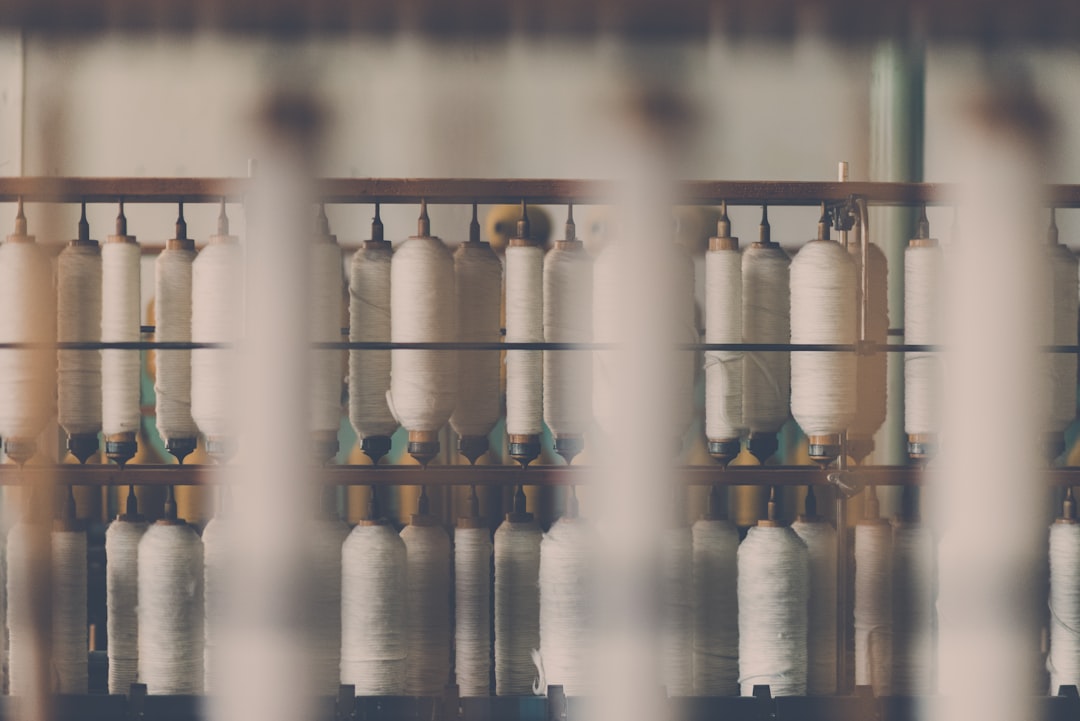
The transformation of these luxuries into everyday conveniences didn’t happen by accident – it’s the result of technology, competition, and changing business models. Companies discovered they could make more money by selling to millions of people at lower prices rather than a few wealthy customers at premium rates. Mass production brought costs down dramatically, while innovation made complex services simpler and more efficient. The internet eliminated many middlemen and connected consumers directly with providers, driving prices down even further. What we’re witnessing is perhaps the greatest democratization of luxury in human history, where yesterday’s status symbols become tomorrow’s basic expectations.
Did you ever imagine that the lifestyle of the wealthy would become so ordinary that we’d take it for granted?

Besides founding Festivaltopia, Luca is the co founder of trib, an art and fashion collectiv you find on several regional events and online. Also he is part of the management board at HORiZONTE, a group travel provider in Germany.
