Ludwig van Beethoven (Deaf)

Ludwig van Beethoven stands as a towering figure in music history, not just for his genius, but for his resilience in the face of profound adversity. By his late 20s, Beethoven began losing his hearing, a nightmare for any composer. Yet, instead of retreating, he pushed forward, composing works that would change music forever. His Ninth Symphony, featuring the triumphant “Ode to Joy,” was written when he was almost completely deaf. Beethoven’s late string quartets are still considered some of the most emotionally complex pieces ever written. His determination to create despite his deafness is both shocking and inspiring, reminding us that the human spirit can overcome even the harshest of challenges. Audiences today continue to be moved by the depth and beauty of his compositions, proving Beethoven’s defiance against the silence that threatened to end his art.
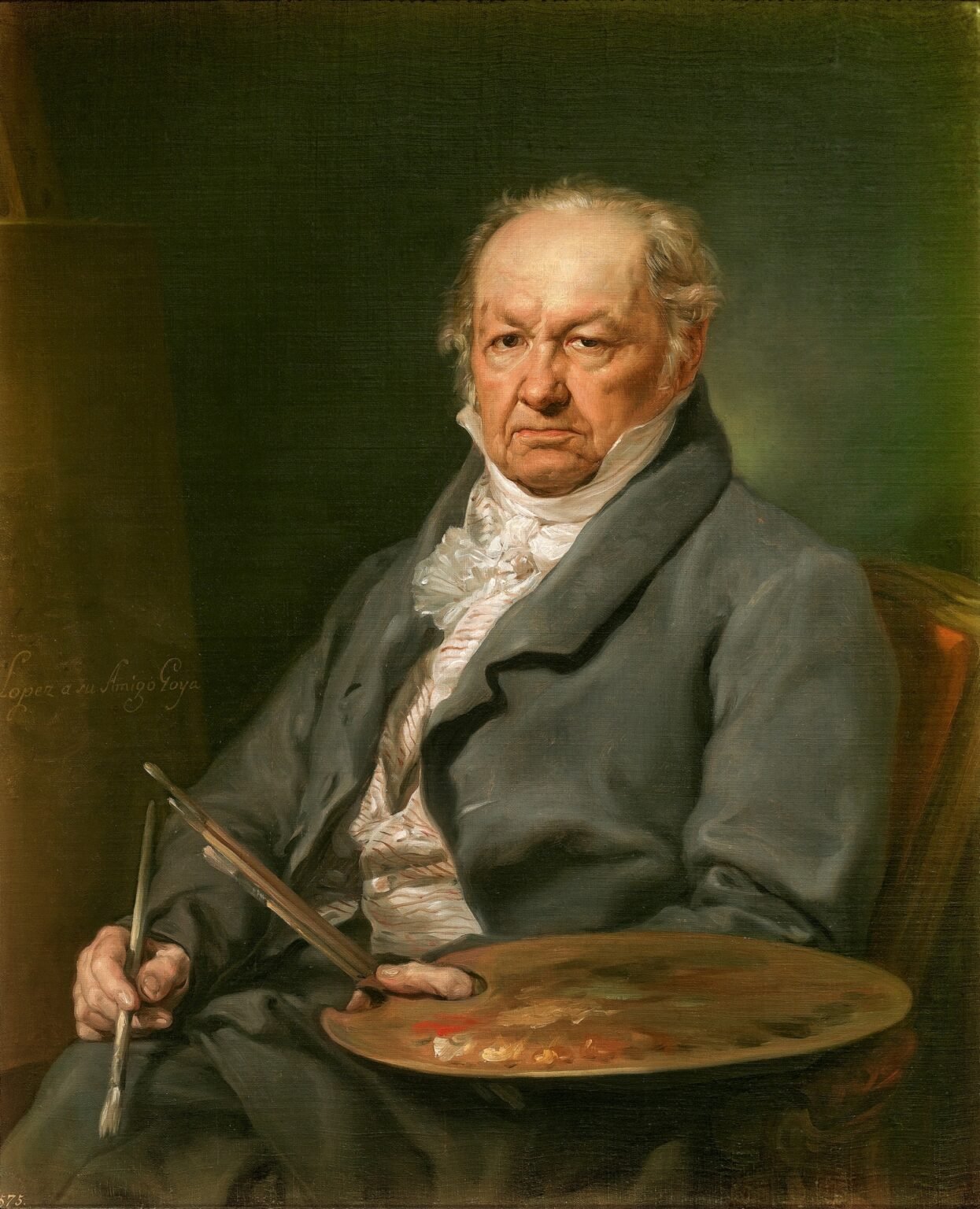
Francisco de Goya (Deaf)

Francisco de Goya’s life took a dramatic turn in his 40s when he lost his hearing after a severe illness. Far from ending his artistic journey, this silence seemed to unleash a new, darker side of his creativity. Goya’s later works, most famously “The Black Paintings,” are haunting, filled with emotional intensity and raw depictions of the human psyche. Some believe that Goya’s deafness forced him inward, fueling the powerful, almost nightmarish visions that made his late works so unforgettable. His paintings, which also document the horrors of war and human suffering, have become icons of European art. Despite his isolation from the world of sound, Goya’s brush captured the noise and chaos of life with even greater intensity. His legacy proves that even the loss of a vital sense can deepen an artist’s vision.
Helen Keller (Blind and Deaf)

Helen Keller’s name is synonymous with courage and advocacy, but fewer people know about her creative side. Deaf and blind from a very young age, Keller learned to communicate through touch, eventually becoming a prolific writer and even dabbling in tactile art. Her essays and books, written with the help of Braille and interpreters, reveal a mind curious about the world’s beauty despite never seeing or hearing it. Keller’s tactile artworks, though less famous than her writing, show her determination to express herself in every way possible. She often described her experiences through rich metaphors, helping others understand the world beyond sight and sound. Keller’s story continues to inspire people worldwide, showing that creativity and connection are possible even without the senses most of us take for granted. Her life is proof that art and meaning are not limited by physical boundaries.
Claude Monet (Legally Blind)

Claude Monet, a founder of French Impressionism, began losing his sight to cataracts later in life. As his vision blurred, Monet’s paintings took on a dreamlike quality, especially evident in his celebrated Water Lilies series. Instead of giving up, Monet adapted to his changing eyesight, embracing bold colors and softer forms. His later works, painted while nearly blind, are now considered masterpieces of abstract expression. Monet’s ability to capture light and emotion, even as the world became less defined to him, is nothing short of remarkable. He painted what he felt rather than what he saw, demonstrating that emotion can be just as powerful a guide as vision. Monet’s evolving style underlines how adversity can lead to new forms of artistic brilliance.
Eşref Armağan (Blind)

Eşref Armağan, a Turkish artist blind since birth, defies all expectations about the limits of creativity. Using only his sense of touch, Armağan paints detailed landscapes and portraits that have captured the world’s attention. He maps out his canvases with his fingers, layering colors and textures until the image in his mind comes alive. Armağan’s unique approach has been featured in international exhibitions, and scientists have even studied his brain to understand how he visualizes without sight. His story challenges traditional ideas about art and vision, showing that imagination can be more powerful than eyesight. Armağan’s journey is a testament to the strength of the human spirit and the boundless possibilities of artistic expression.
László Moholy-Nagy (Later Vision Loss)

László Moholy-Nagy was a Hungarian artist and Bauhaus pioneer who continued to innovate even after severe eye damage. His later works focused on the play of light, shadow, and form, pushing the boundaries of what art could be. Moholy-Nagy experimented with photography, sculpture, and abstract painting, often using new materials and techniques. His vision loss forced him to rethink how he interacted with his art, leading to groundbreaking new ideas. Moholy-Nagy’s legacy is evident in the continued influence of Bauhaus design and experimental art practices around the world. His adaptability and drive show that the loss of one sense can open up new creative pathways.
John Bramblitt (Blind)

John Bramblitt lost his sight due to complications from epilepsy, but he refused to let blindness end his passion for art. He developed a remarkable method to paint by touch, using raised lines and a mental map of colors to guide his brush. Bramblitt’s paintings are known for their vibrant energy and intricate detail, astonishing audiences and collectors alike. He has exhibited his work internationally and teaches art workshops for people with and without disabilities. Bramblitt’s story is a vibrant example of how innovation and determination can lead to new forms of beauty. His success encourages others to see ability, not disability, as the core of creative expression.
Beethoven’s “Moonlight Sonata”

Though Ludwig van Beethoven composed his famous “Moonlight Sonata” before becoming totally deaf, this piece is deeply linked to his journey into silence. The sonata’s haunting melody and emotional intensity reflect Beethoven’s internal struggles as he faced the loss of hearing. Listeners often describe the first movement as otherworldly, almost as if Beethoven was reaching for something just out of reach. Today, the “Moonlight Sonata” is one of the most recognized and performed piano pieces in the world, symbolizing the transition from light to darkness in Beethoven’s life. Its enduring popularity is a testament to the power of art to capture the most profound human experiences. The piece’s emotional resonance continues to move audiences, tying Beethoven’s personal journey to universal feelings of longing and hope.
Michael Naranjo (Blind and Partially Paralyzed)

Michael Naranjo’s life changed forever when he was blinded and partially paralyzed during the Vietnam War. Instead of giving up, Naranjo turned to sculpture, creating intricate works entirely by touch. He sculpts with his left hand, the only one he can use, forming figures that convey deep emotion and narrative. Naranjo’s sculptures often reflect his Native American heritage, blending cultural storytelling with personal experience. His works have been displayed in major museums, and he has won numerous awards for his achievements. Naranjo’s journey is a powerful example of resilience, demonstrating that even the most severe physical limitations cannot quash the creative drive.
Blind Willie Johnson (Blind)

Blind Willie Johnson was a gospel-blues singer and guitarist whose music left an indelible mark on American roots music. Blinded as a child, Johnson developed a unique slide guitar style and a voice that could move listeners to tears. His recordings, made in the 1920s and 1930s, are celebrated for their raw emotion and spiritual depth. Songs like “Dark Was the Night, Cold Was the Ground” have been covered by countless musicians and even sent into space on the Voyager Golden Record. Johnson’s influence is still felt in gospel, blues, and rock music today. Despite a life of hardship, his artistry reached the hearts of people around the world, showing that music can transcend any barrier.