Literature has long served as a mirror to the soul, capturing the essence of what it means to be human. Classic novels delve into universal themes like identity, where characters grapple with who they are amid societal pressures. They explore morality through dilemmas that test right from wrong, love in its many triumphant and heartbreaking forms, and power in how it corrupts or elevates.
These stories endure because they reflect struggles that transcend time and place. Readers find pieces of themselves in the pages, prompting reflection on their own lives. Such works invite us to confront uncomfortable truths with quiet wisdom.
Pride and Prejudice by Jane Austen

Jane Austen’s tale uncovers the intricacies of love tangled with social expectations. Elizabeth Bennet navigates pride and misunderstanding, revealing how personal flaws can blind us to genuine connection. The novel shows that true affection demands self-awareness and humility, stripping away illusions of superiority.
Identity emerges through class barriers that shape self-perception. Characters like Darcy learn that rigid social roles stifle authentic relationships. Ultimately, the story affirms that love thrives when individuals evolve beyond prejudice, offering a timeless lesson in vulnerability.
Jane Eyre by Charlotte Brontë

Charlotte Brontë’s heroine embodies the quest for self-identity in a world that seeks to define her. Jane rejects dependency, choosing integrity over comfort despite isolation. The narrative highlights how personal principles forge a resilient sense of self amid adversity.
Morality drives her decisions, from resisting temptation to demanding equality in love. Power dynamics in relationships expose the dangers of imbalance. Jane’s journey teaches that true fulfillment arises from aligning actions with inner convictions, not external validation.
Crime and Punishment by Fyodor Dostoevsky
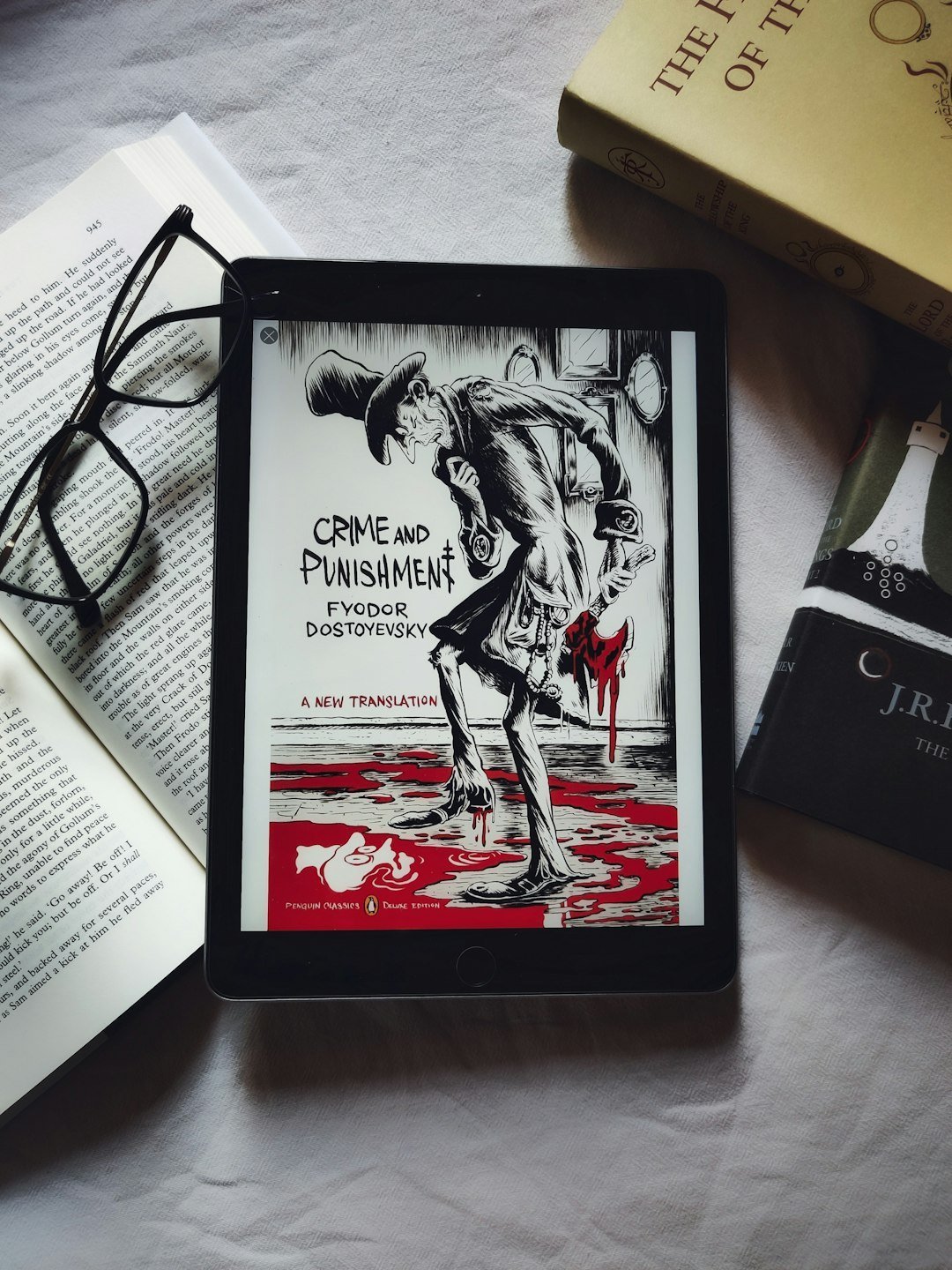
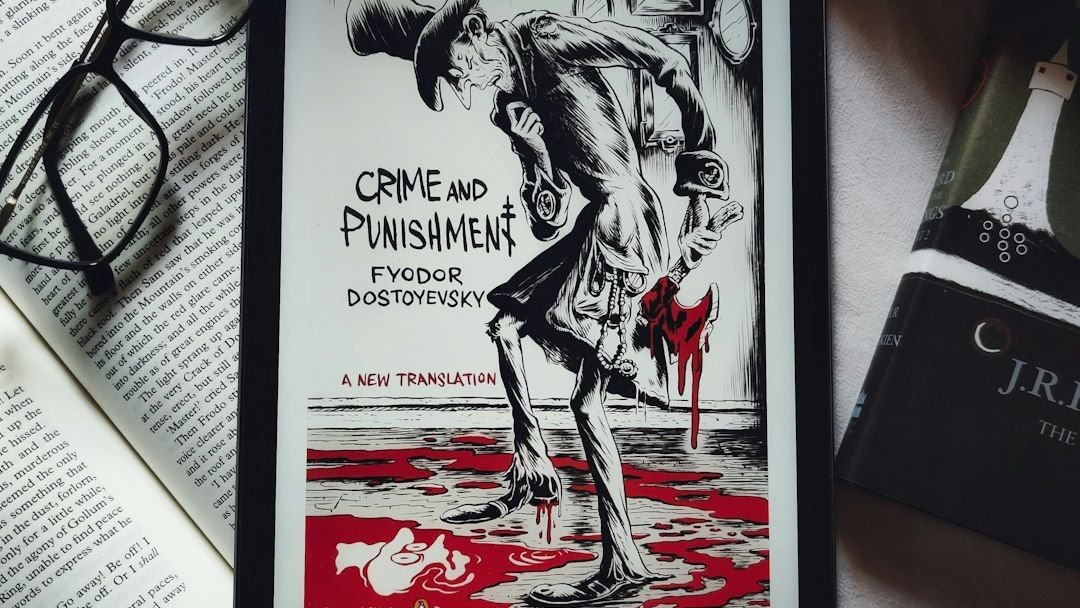
Dostoevsky plunges into the moral abyss through Raskolnikov’s crime, born of a twisted philosophy. Guilt consumes him, illustrating how rationalizing evil leads to inner torment. The novel probes the human capacity for redemption, showing suffering as a path to conscience.
Power over life and death tempts the intellect, yet morality asserts itself through empathy. Raskolnikov’s arc reveals the fragility of superior self-images. In the end, genuine connection offers salvation, underscoring our shared need for forgiveness.
1984 by George Orwell

Orwell’s dystopia exposes power’s corrosive grip on truth and individuality. Winston’s rebellion against totalitarian control highlights the human craving for autonomy. The regime’s manipulation erodes identity, turning people into extensions of the state.
Love becomes a defiant act in a surveilled world, yet power crushes it ruthlessly. The story warns of unchecked authority’s dehumanizing force. It reminds us that preserving inner freedom requires vigilance against subtle erosions of reality.
To Kill a Mockingbird by Harper Lee

Harper Lee’s narrative centers on morality through Scout’s innocent eyes witnessing injustice. Atticus Finch models courage in defending the vulnerable against prejudice. The book reveals how empathy bridges divides, challenging ingrained biases.
Power imbalances in society perpetuate harm, but individual integrity can inspire change. Childhood innocence contrasts adult failings, emphasizing growth through understanding. Ultimately, it affirms that compassion forms the bedrock of ethical living.
The Great Gatsby by F. Scott Fitzgerald

Fitzgerald dissects love’s illusions amid the pursuit of the American Dream. Gatsby’s obsession with Daisy exposes how nostalgia warps reality. The novel portrays identity as fluid, shaped by wealth and aspiration yet hollow without substance.
Power through money promises fulfillment but delivers isolation. Relationships fracture under superficiality, revealing human longing for meaning. Gatsby’s tragedy cautions against chasing shadows, urging authenticity over fabricated ideals.
Conclusion

Classic novels persist because they distill enduring human struggles into relatable narratives. They challenge us to examine identity, morality, love, and power without preaching. In a fast-changing world, these stories ground us in what remains constant.
Turning their pages feels like conversing with our deeper selves. They prove literature’s quiet power to illuminate paths forward, one truth at a time.