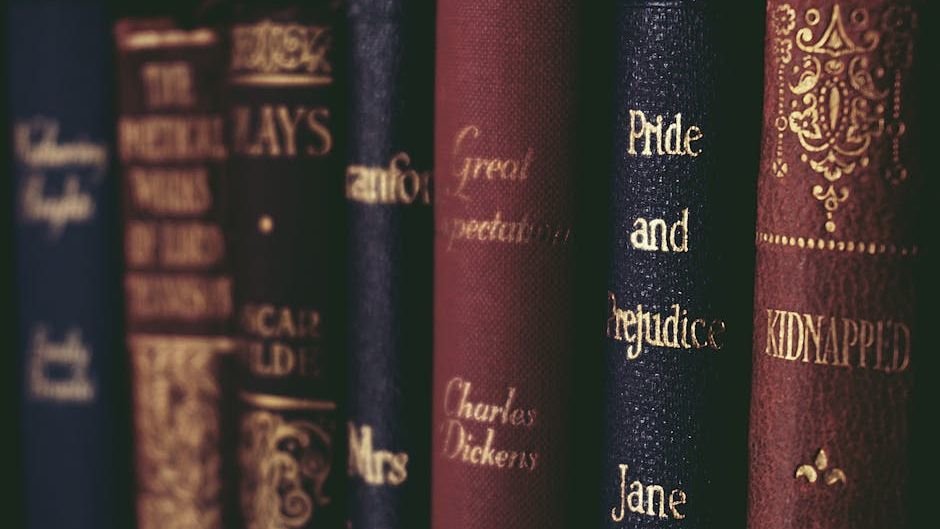
Revision stands at the heart of crafting a novel. Authors revisit their early drafts, sometimes overhauling endings to sharpen themes or heighten emotional impact.
These changes reshape the narrative structure long before publication. What begins as a raw idea evolves through layers of editing, ensuring the story lands with precision.
Persuasion by Jane Austen
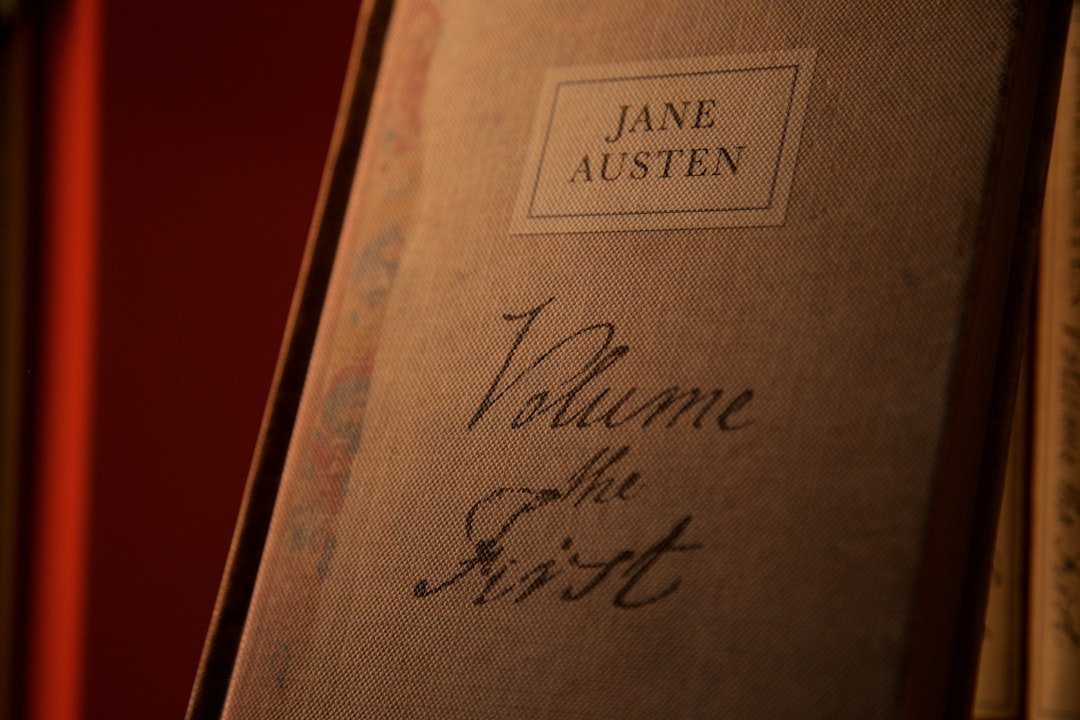
In the original draft of Persuasion, known as the cancelled chapters, Captain Wentworth proposes to Anne Elliot after overhearing a conversation about her past regrets.[1] Anne accepts, but her character regresses, slipping back into the persuaded mindset that defined her earlier life. This left the story feeling aimless, undermining her growth. Austen herself sensed the flaw, prompting a full rewrite of the final two chapters.[1]
The published version delivers Wentworth’s iconic letter, a turning point that propels Anne forward with resolve. Their reunion unfolds naturally amid social gatherings, affirming her independence. This revision strengthens the novel’s exploration of second chances. Readers now experience a satisfying arc of personal triumph.[1]
Great Expectations by Charles Dickens
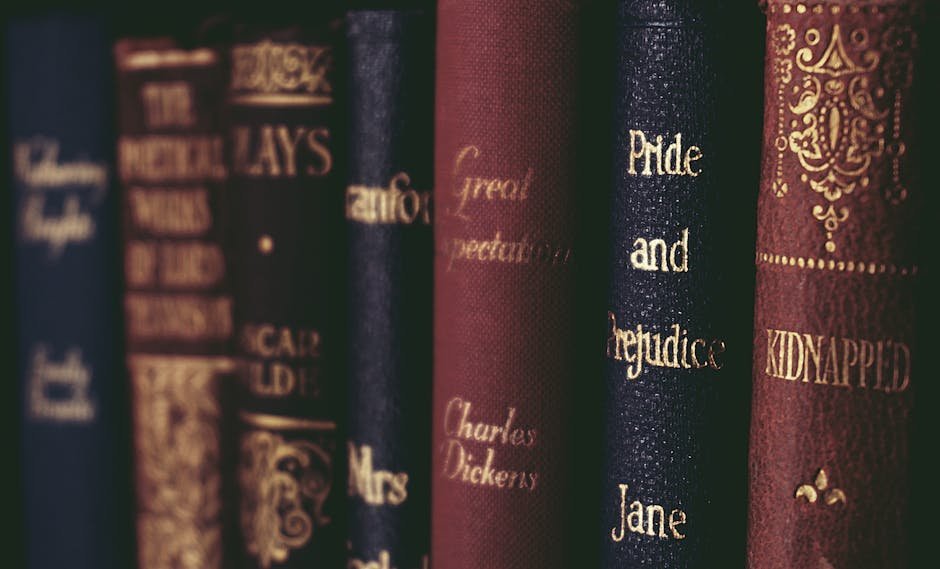
Dickens penned an initial ending where Pip encounters Estella years later on London’s streets. She has remarried, and they part as near-strangers after a brief, awkward exchange.[1] No reconciliation hints at romance; instead, finality underscores lost opportunities. This bleak close drew criticism from friend Edward Bulwer-Lytton, who urged more hope. Dickens drafted three versions before settling, each tweaking the tone slightly.
The final pages shift to Satis House ruins, where widowed Estella and Pip meet again. A shared gaze suggests mutual understanding and possible future together. The line “I saw no shadow of another parting from her” offers ambiguity yet optimism.[2] This edit balances despair with redemption, aligning with the novel’s growth motif. Dickens noted the change improved the overall impact.
The Strange Case of Dr. Jekyll and Mr. Hyde by Robert Louis Stevenson
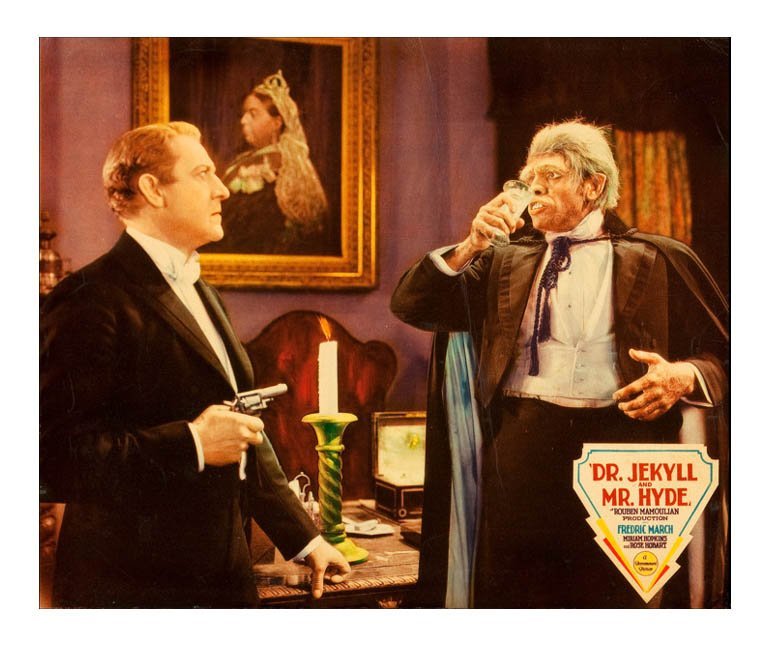
Stevenson’s first draft veered allegorical, lacking the gripping horror that defines the tale. His wife, Fanny, deemed it “distasteful” and burned the manuscript entirely.[1] Details of that original ending remain lost, but it failed to thrill as a straightforward narrative. Over three feverish days, Stevenson rebuilt the story from scratch. The shift emphasized psychological terror over moral fable.
The published ending reveals Jekyll’s full confession in a letter, exposing his dual life. Hyde’s dominance culminates in suicide, sealing tragic inevitability. This structure heightens suspense through Utterson’s discovery. The revision transformed a tepid draft into a masterpiece of tension. Readers feel the mounting dread right to the close.
The Picture of Dorian Gray by Oscar Wilde
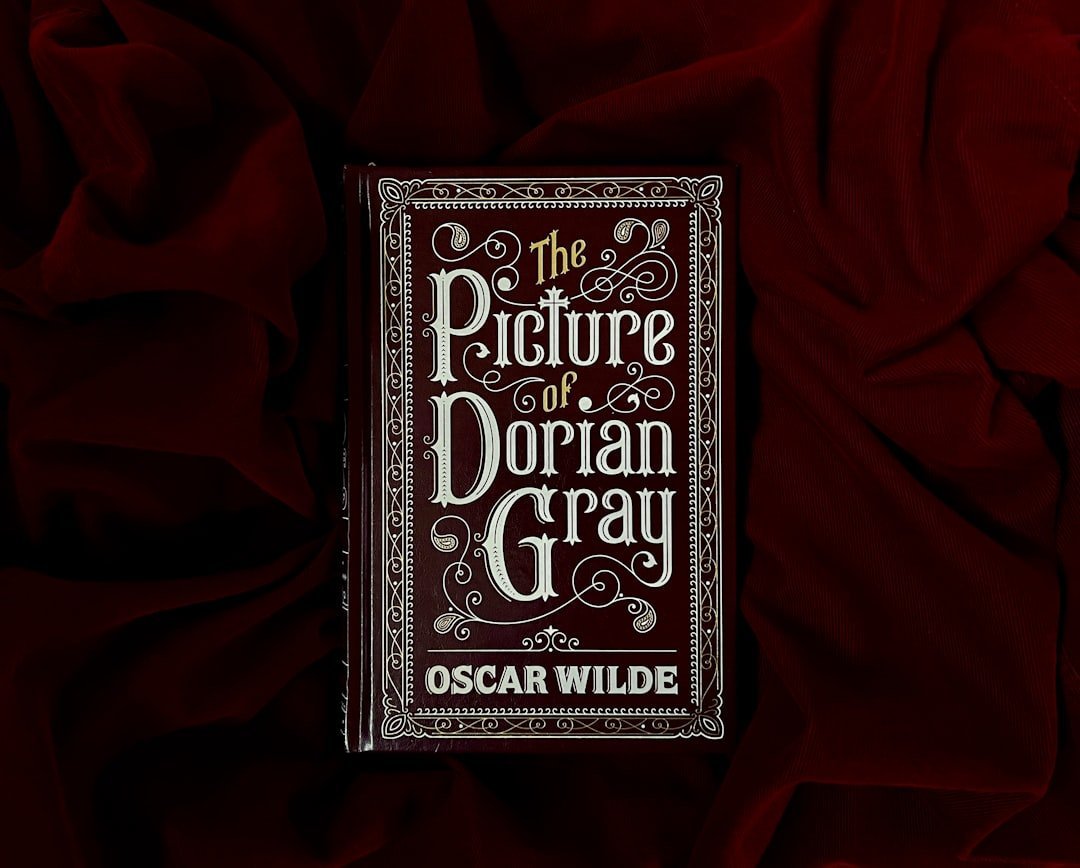
Wilde’s magazine version in Lippincott’s ended abruptly, shorter by six chapters with scant moral judgment. Explicit elements, including hints of gay relationships, faced heavy edits from the publisher.[1] Dorian’s portrait bore the corruption, but the tale lacked deeper reflection on vanity’s cost. This raw form prioritized sensation over consequence.
For book publication, Wilde expanded with chapters stressing soul-destroying hedonism. Dorian stabs the portrait, only to die hideously aged himself. The reversal delivers poetic justice. This layered close enriches the satire on beauty and decay. The changes catered to Victorian sensibilities while preserving wit.
A Farewell to Arms by Ernest Hemingway

Hemingway agonized over the close, drafting 47 versions. Some spared the baby, letting Frederic Henry embrace fatherhood amid grief.[1] Others evoked spring renewal or stark nihilism like “That is all there is to the story.”[3] F. Scott Fitzgerald suggested philosophical lines on impartial death. Indecision reflected the war novel’s core loss.
The final scene strips away hope: Catherine dies in childbirth, baby soon after. Henry walks into the rain, emotionless. This terse finale mirrors war’s emptiness. No uplift, just quiet devastation. Hemingway’s persistence honed a resonant punch.
The Craft of Literary Editing

These revisions reveal editing as vital artistry. Authors like Austen and Dickens tested paths, refining for emotional truth.
Early drafts capture raw vision, but polishing endings ensures lasting power. Such craft turns good stories into timeless classics. The process reminds us literature thrives on iteration.