
Classic films capture the pulse of their eras in ways that endure. Directors wove contemporary anxieties, social norms, and triumphs into stories that feel both timeless and deeply rooted in history. These movies serve as vivid archives, showing fashions, attitudes, and conflicts through scripted drama and unfiltered performances.
Viewers today can trace shifts in values by watching how characters navigate love, work, and power. Productions from the silent age to the 1960s reveal everything from economic despair to wartime resolve. Such works offer more than entertainment. They provide a lens into lives shaped by global events.
Metropolis (1927)
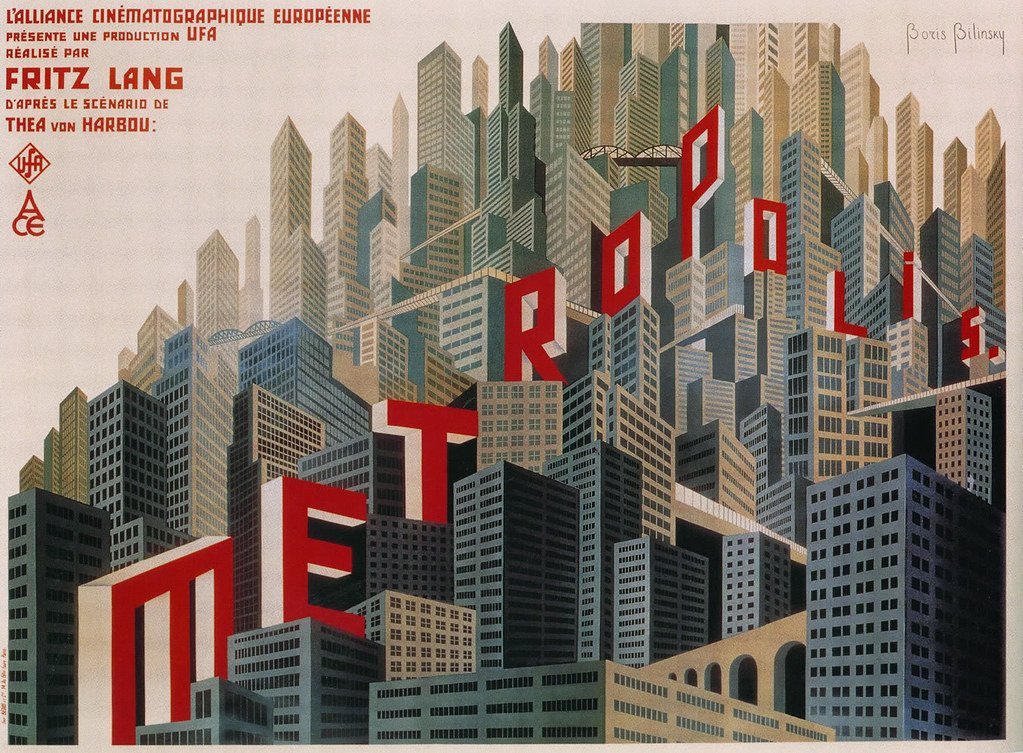
Released during the Weimar Republic in Germany, this silent sci-fi epic depicts a futuristic city divided by class. Workers toil underground while elites live in luxury above. The film mirrors the industrial tensions and economic instability of post-World War I Europe.[1]
Fritz Lang drew from urban growth and labor unrest to craft his dystopia. Massive sets and innovative effects underscored fears of dehumanizing technology. Heart motifs symbolize reconciliation efforts amid polarization. It stands as an early warning on social divides that echoed through the decade.
I Am a Fugitive from a Chain Gang (1932)
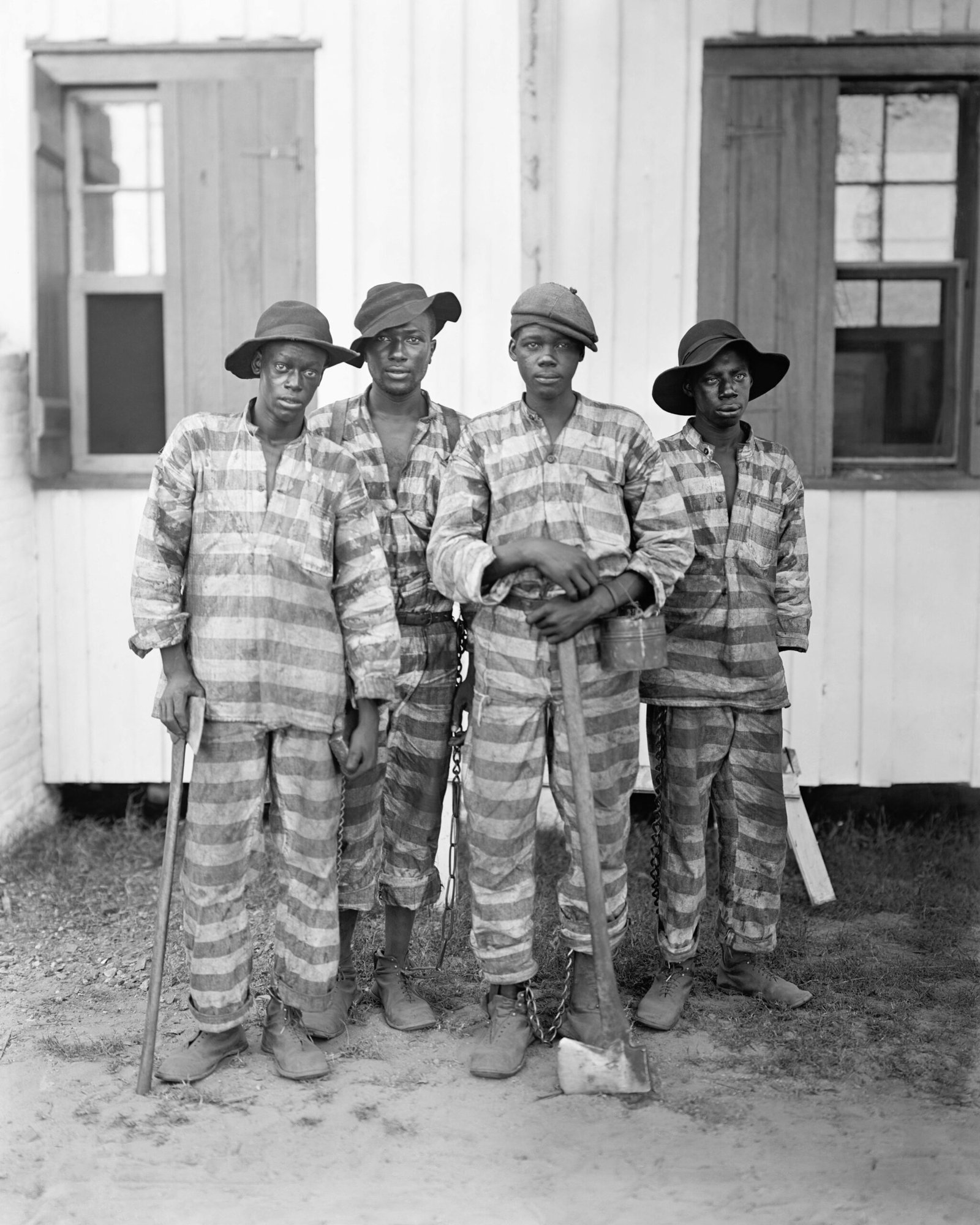
Produced amid the Great Depression, this Warner Bros. drama exposes brutal Southern prison labor systems. Paul Muni plays a wrongfully convicted veteran forced into chain gangs. It highlights widespread poverty and injustice that gripped America in the early 1930s.[2]
The film’s raw portrayal sparked outrage and influenced penal reforms. Realistic dialogue and shadowy visuals convey desperation without exaggeration. Viewers saw their own hardships reflected in the protagonist’s futile escape attempts. Such stories fueled New Deal sympathies for the downtrodden.
Gone with the Wind (1939)
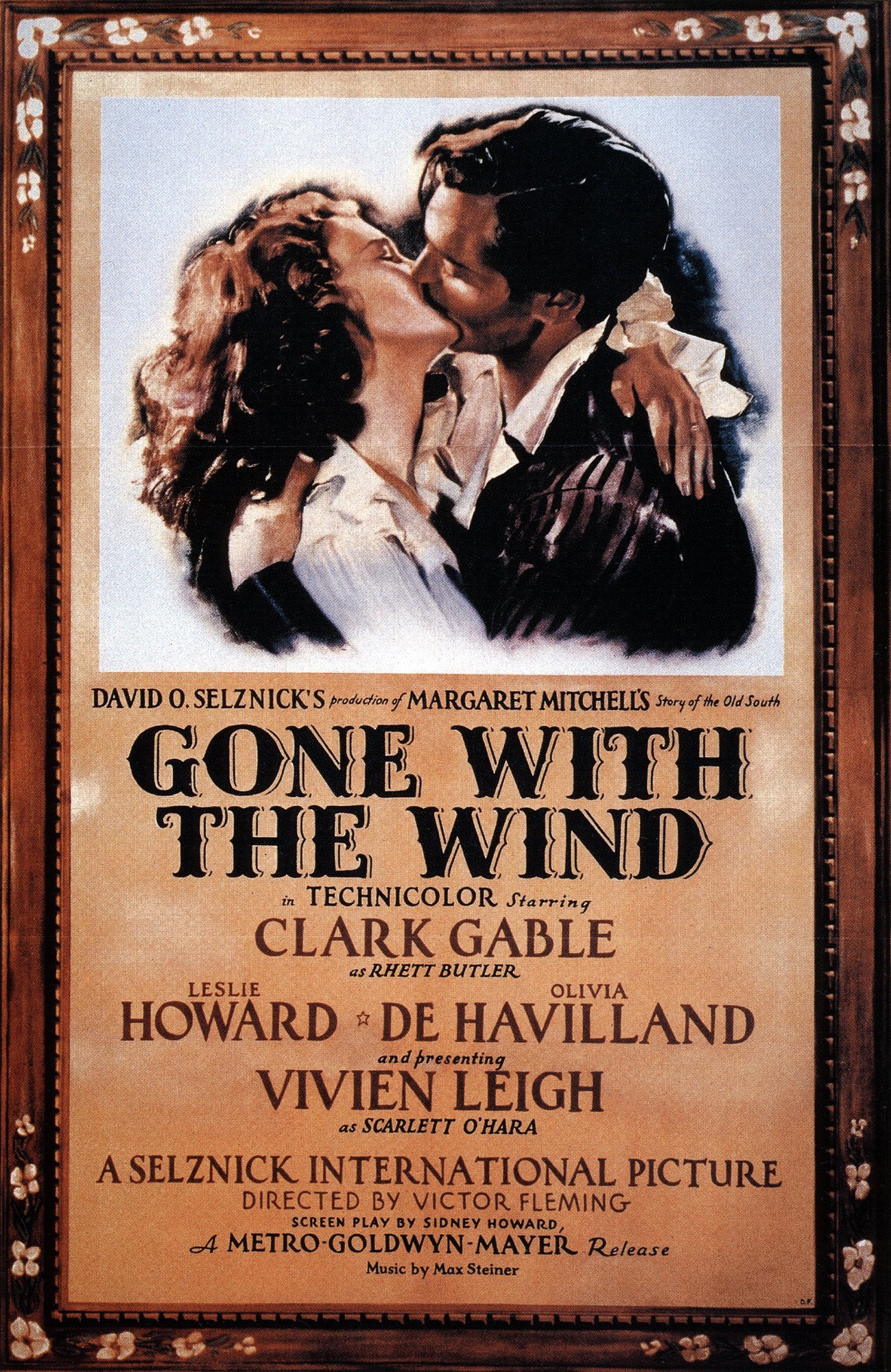
Set during the American Civil War but filmed during the late Depression, this epic romanticizes the Old South. Scarlett O’Hara embodies resilience amid loss and reconstruction. It reveals romanticized views of plantation life prevalent in 1930s Hollywood.[3]
Vivien Leigh and Clark Gable’s chemistry captures escapist fantasies from economic woes. Costumes and sets glorify antebellum excess while glossing over slavery’s horrors. The production’s scale reflected industry’s recovery and desire for grand narratives. Debates over its portrayals persist as markers of era attitudes.
Casablanca (1942)
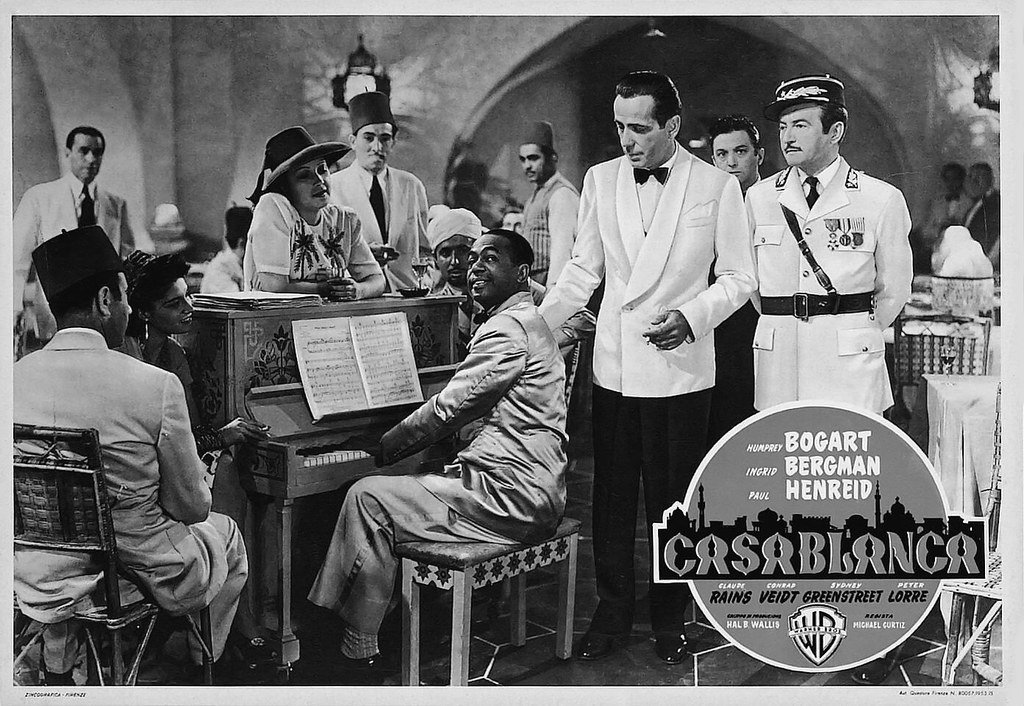
Made as World War II raged, this tale unfolds in neutral Morocco amid Nazi occupation. Humphrey Bogart’s Rick navigates love, loyalty, and resistance. It captures the moral ambiguities and exile experiences of the early 1940s.[4]
Iconic lines and smoky cafe scenes evoke wartime uncertainty in Hollywood. The film boosted morale with themes of sacrifice for greater causes. Diverse casts hinted at global alliances forming against fascism. Its release timing amplified reflections on personal versus political duties.
The Best Years of Our Lives (1946)
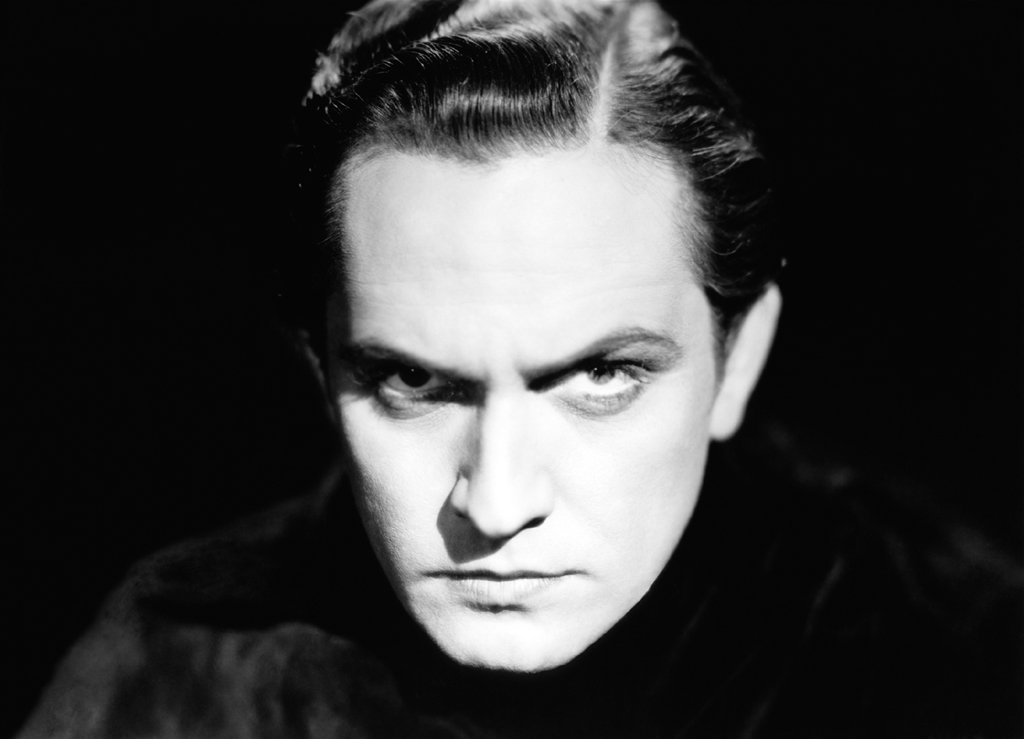
Released just after World War II, this drama follows three veterans readjusting to civilian life. Directed by William Wyler, it stars real-life amputee Harold Russell. The story illuminates post-war struggles with jobs, relationships, and trauma.[2]
Long takes and authentic small-town settings ground the emotional toll. It shifted public views from heroic myths to realistic reintegration challenges. Box-office success underscored shared national experiences. The film humanized the homecoming generation’s quiet battles.
Gentleman’s Agreement (1947)
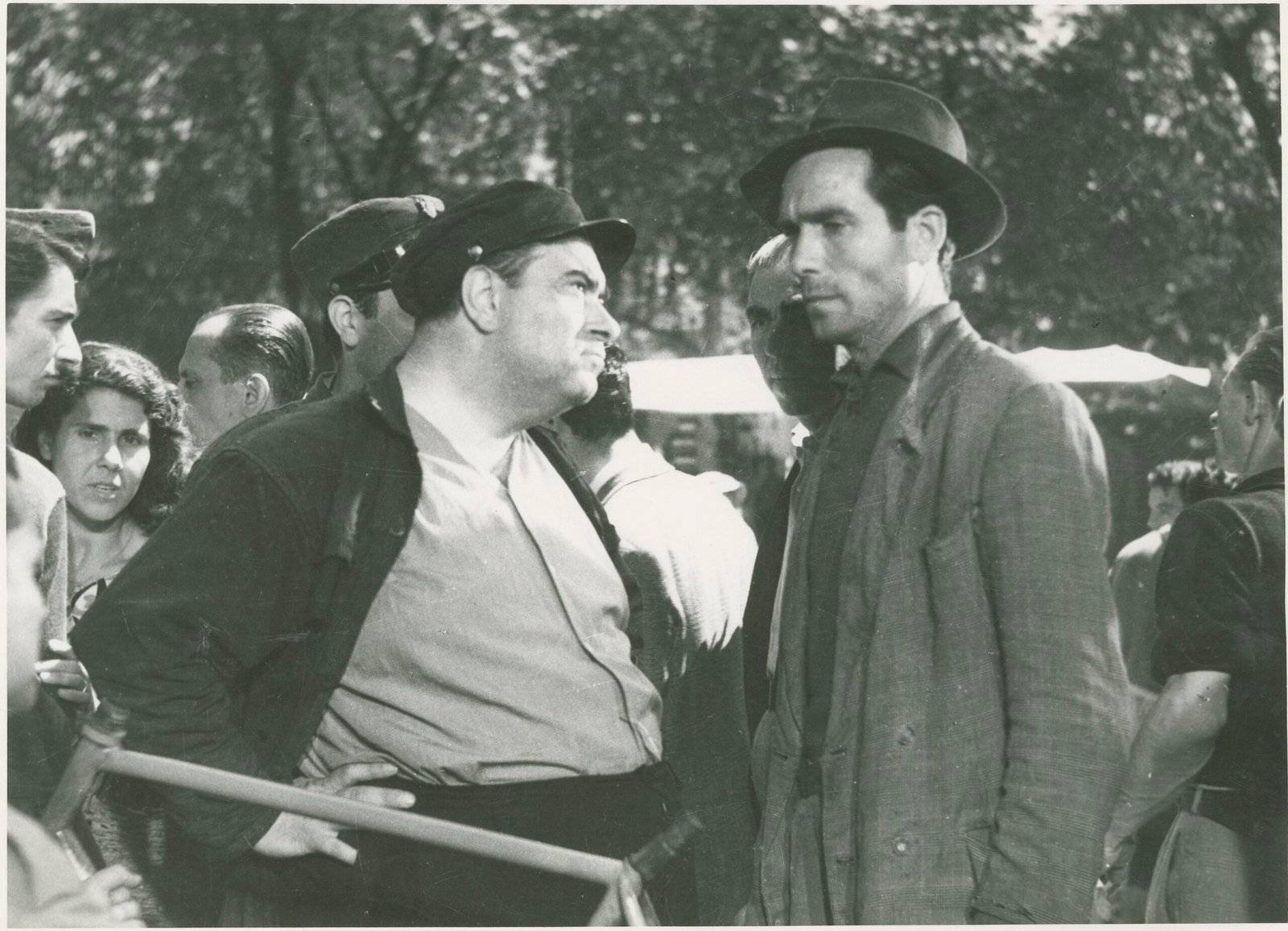
Produced in the shadow of the Holocaust’s revelation, this film tackles anti-Semitism in America. Gregory Peck poses as Jewish to expose casual prejudice. It reflects post-war reckonings with bigotry at home.[2]
Elia Kazan’s direction confronts exclusion in housing and social circles. Dorothy McGuire’s character arc questions complicity in discrimination. The movie prompted discussions on tolerance amid Cold War unity pushes. Its Oscar wins marked Hollywood’s growing social conscience.
Dr. Strangelove (1964)
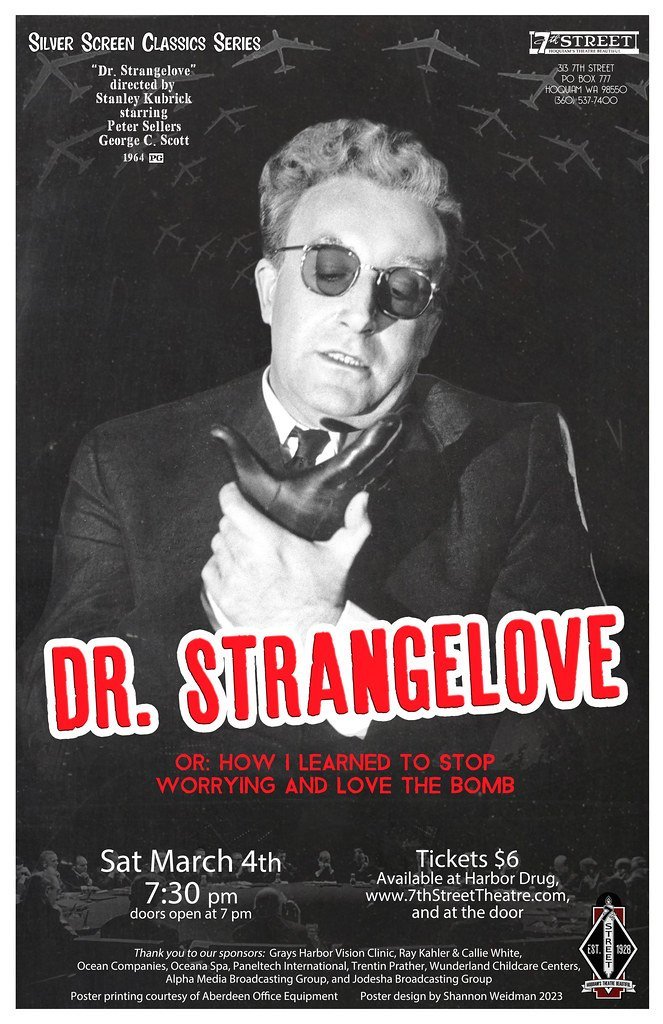
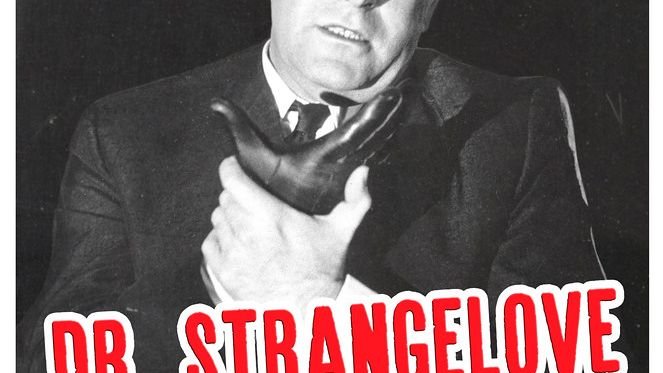
Crafted during the Cold War’s height, Stanley Kubrick’s satire skewers nuclear brinkmanship. Peter Sellers plays multiple roles in a doomsday comedy. It lampoons military paranoia and bureaucratic absurdities of the 1960s.[5]
Black humor exposes fears of accidental apocalypse. War room scenes mimic real strategic tensions. Released amid Cuban Missile Crisis memories, it critiqued arms race logic. The film’s edge captured era dread wrapped in farce.
The Graduate (1967)
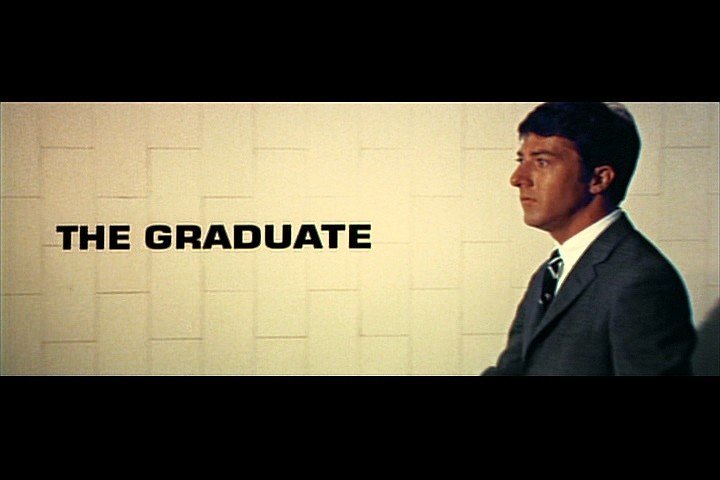
Filmed in the late 1960s, this coming-of-age story tracks Benjamin’s affair with Mrs. Robinson. Dustin Hoffman’s lost graduate embodies youth disillusionment. It mirrors counterculture stirrings and generational clashes.[6]
Simon & Garfunkel soundtrack amplifies alienation from plastic materialism. Pool scenes and church finale symbolize rebellion against conformity. The film resonated with baby boomers questioning post-war prosperity. Its influence shaped views on authority and freedom.
Cinema as a Cultural Record

These films preserve snapshots of bygone worlds in motion. Costumes, slang, and unspoken rules reveal societal undercurrents no textbook matches. They remind us how art distills collective moods into stories that outlast trends.
Revisiting classics today bridges gaps to ancestors’ realities. Cinema endures as humanity’s shared diary, urging reflection on progress and persistent flaws. In every frame lies a lesson from lives once lived.