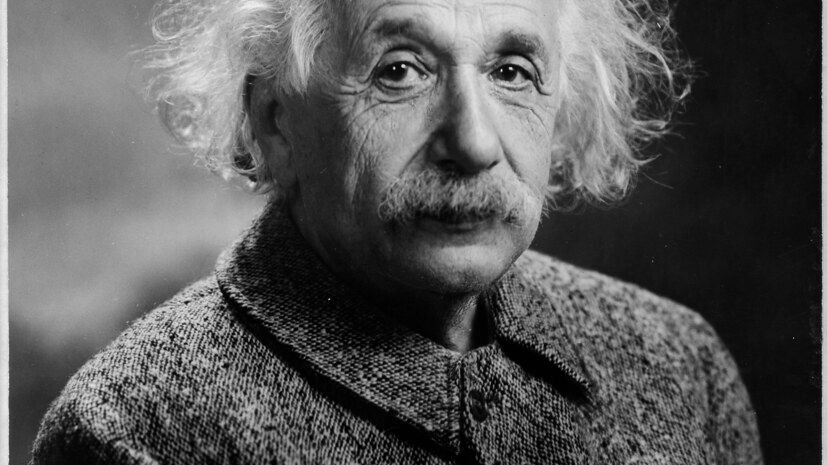
History textbooks streamline vast lives into simple tales of triumph or tragedy. This approach helps students grasp big events quickly. Yet it often ignores the messy contradictions that shaped these individuals.
Such oversimplification turns people into symbols rather than flesh-and-blood humans. Real figures wrestled with flaws, biases, and bold choices amid chaos. Peeling back these layers reveals a richer past.[1][2]
Christopher Columbus
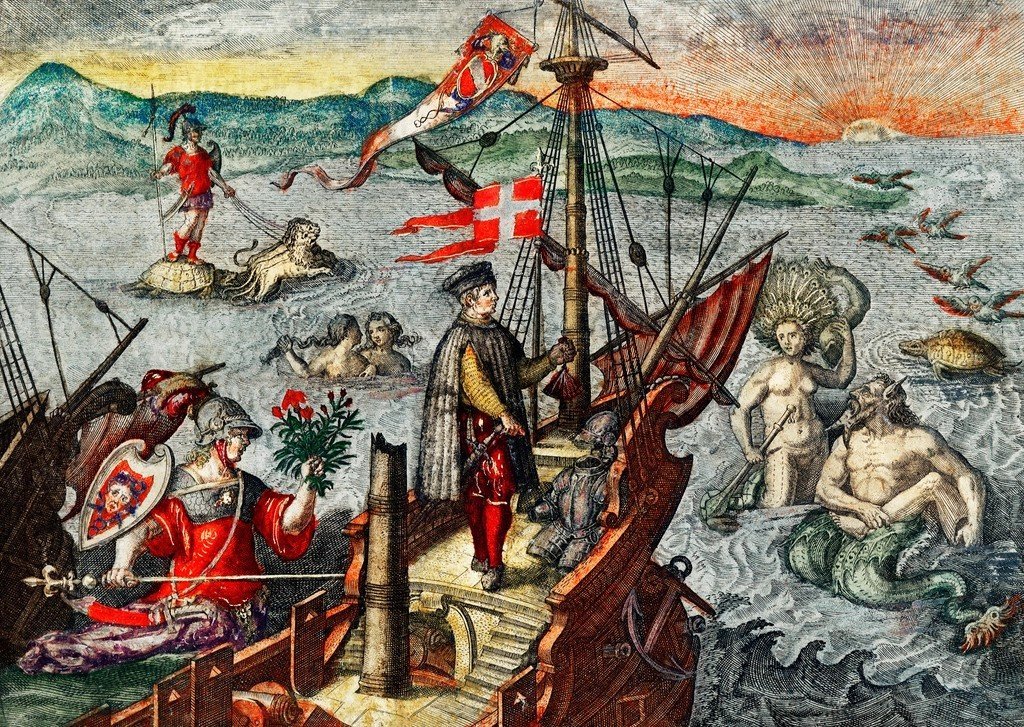
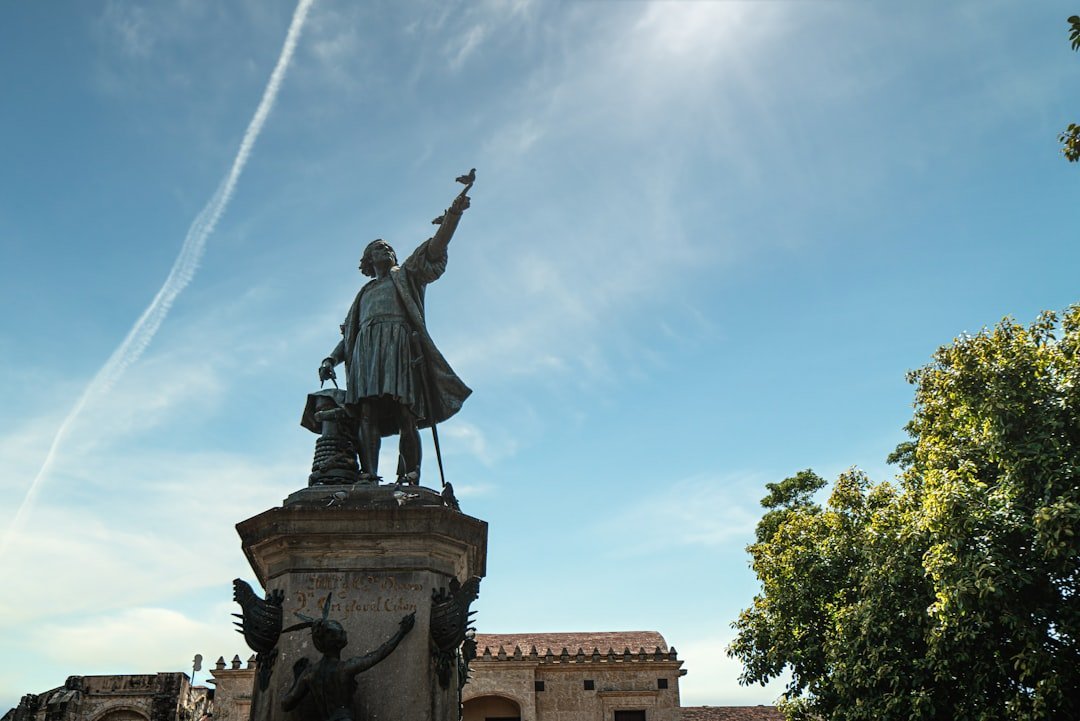
Schoolbooks paint Columbus as the daring explorer who discovered America in 1492. His voyages opened the New World to Europe. Generations celebrated him with holidays and statues.
Columbus never set foot on the North American mainland he is credited with finding. He reached islands in the Caribbean and insisted until his death that he had found Asia. His governorship involved harsh treatment of native peoples, including enslavement and violence that reduced populations drastically.[3][4]
Thomas Jefferson
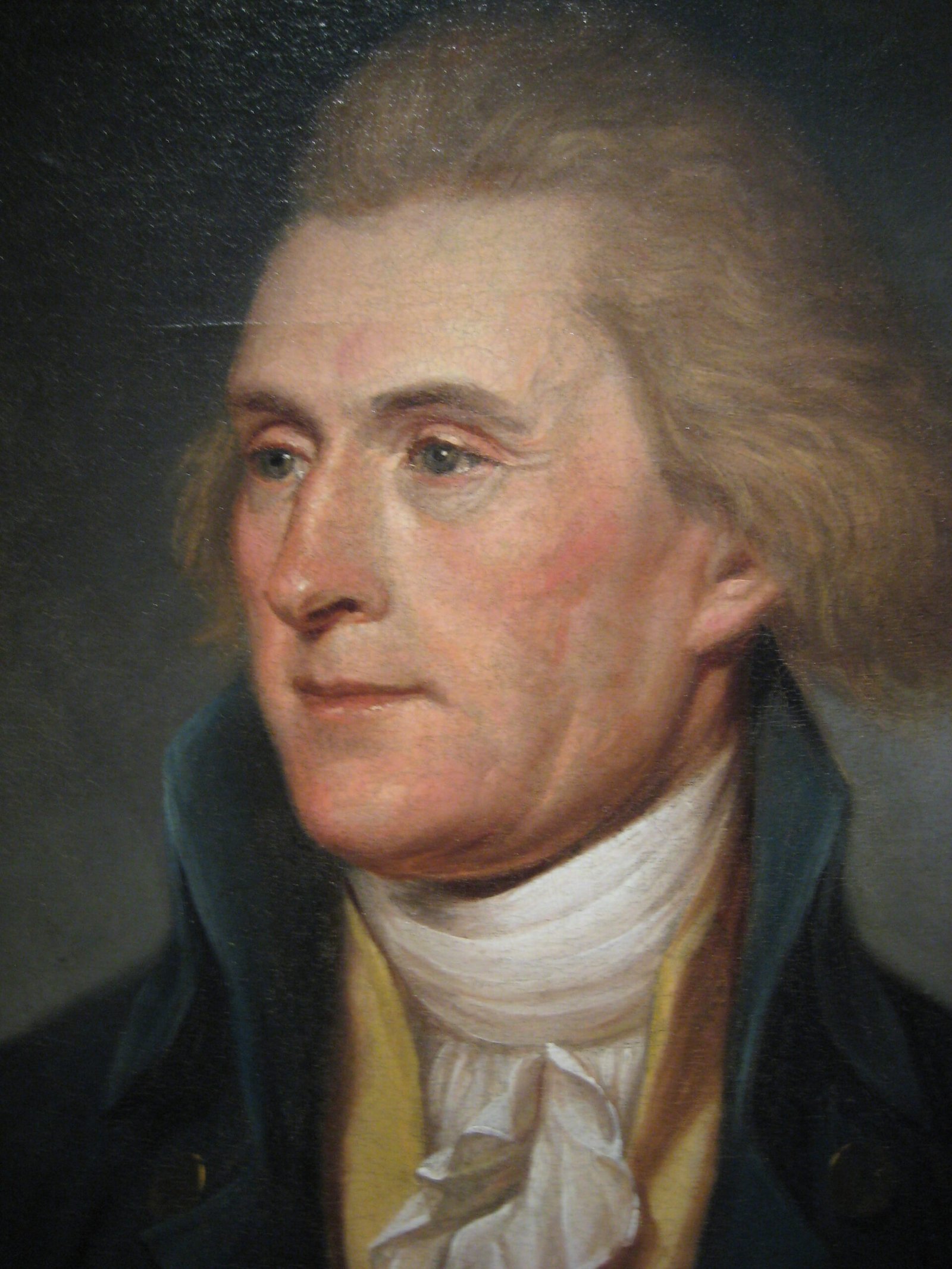
Jefferson stands as the eloquent author of the Declaration of Independence. His words championed liberty and equality for all. Americans revere him as a founder of democratic ideals.
He owned over 600 slaves throughout his life, including children fathered with Sally Hemings, an enslaved woman half his age. Jefferson expressed deep opposition to slavery in writings but freed few during his lifetime. His Monticello plantation relied on forced labor even as he designed it with Enlightenment flair.[5][6]
These contradictions highlight a man torn between principles and practice.
Abraham Lincoln
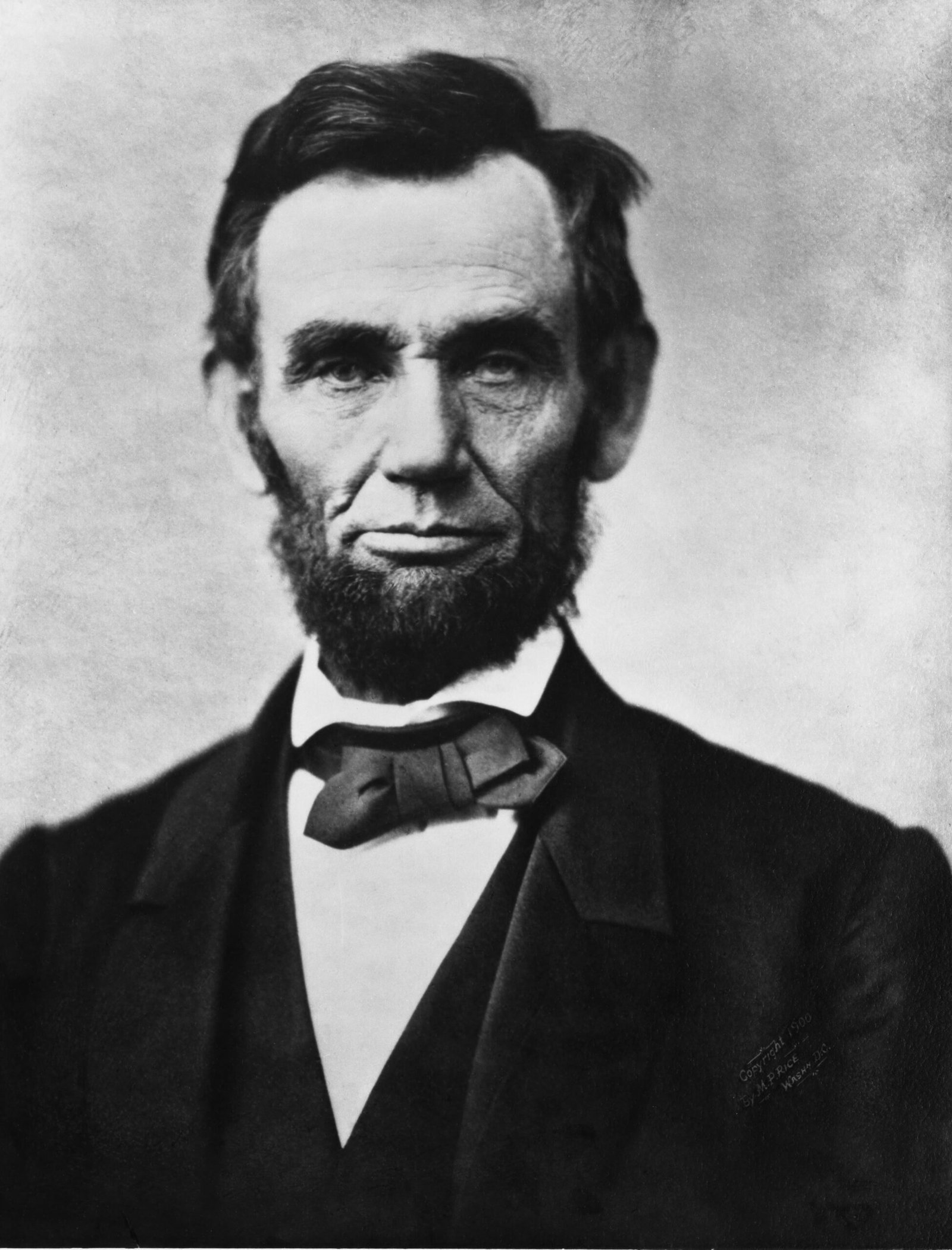
Lincoln earns fame as the Great Emancipator who ended slavery with the Emancipation Proclamation. His leadership preserved the Union during the Civil War. The Gettysburg Address cements his legacy as a moral giant.
Early in his career, Lincoln viewed Black people as physically and intellectually inferior to whites. He supported voluntary colonization schemes to send freed slaves to Africa or Central America. Over time, his views evolved through wartime necessity and interactions, but full equality remained elusive in his thinking.[7]
Winston Churchill
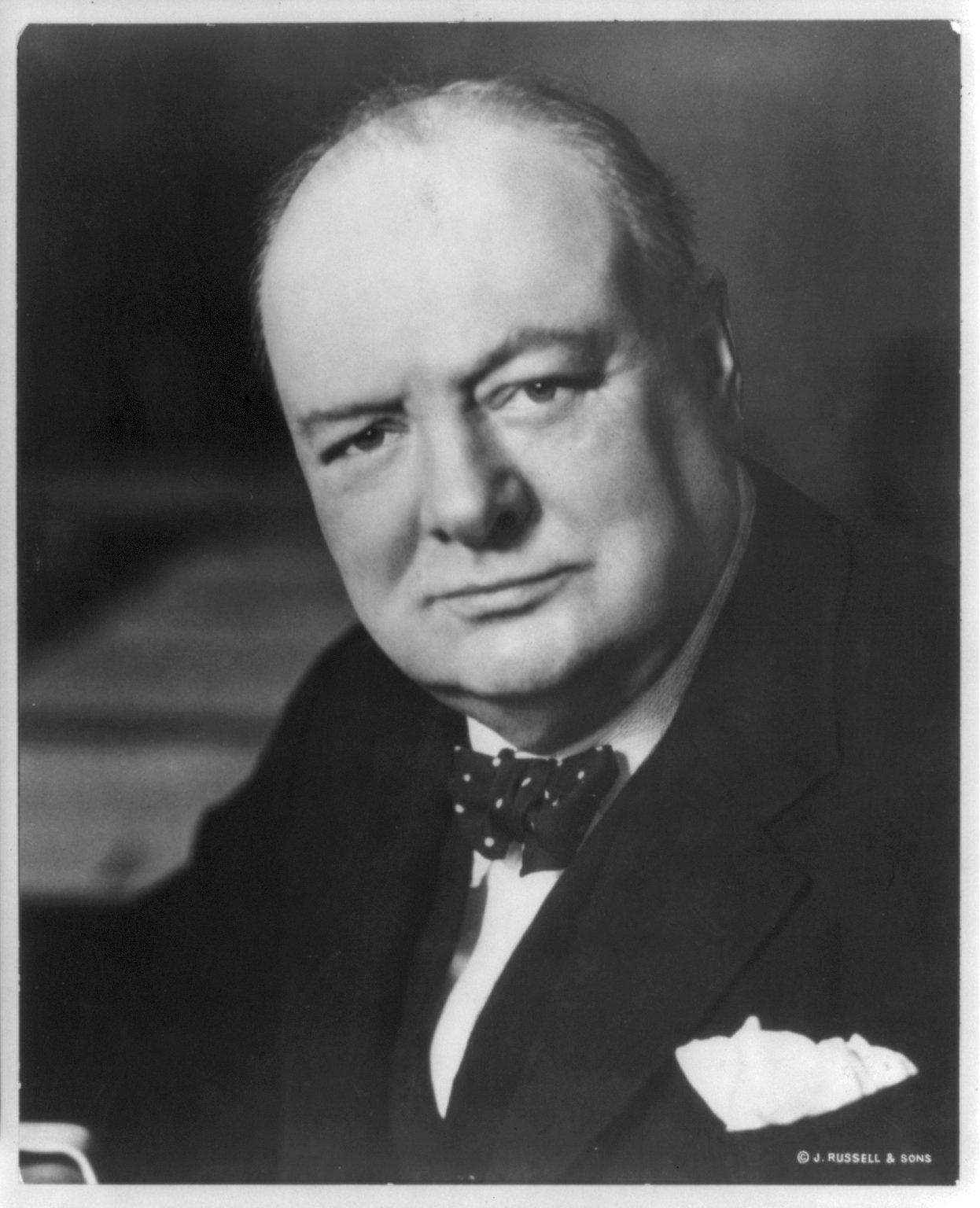
Churchill led Britain to victory against Nazi Germany in World War II. His stirring speeches rallied a nation under siege. Textbooks hail him as the bulldog who saved democracy.
He held imperial views that dismissed colonized peoples as inferior, once calling Indians a “beastly people with a beastly religion.” Policies under his watch contributed to the Bengal Famine of 1943, where millions starved amid wartime grain diversions. Churchill also backed eugenics and opposed Indian independence fiercely.[8]
His complexities blend defiance against tyranny with unyielding empire loyalty.
Albert Einstein
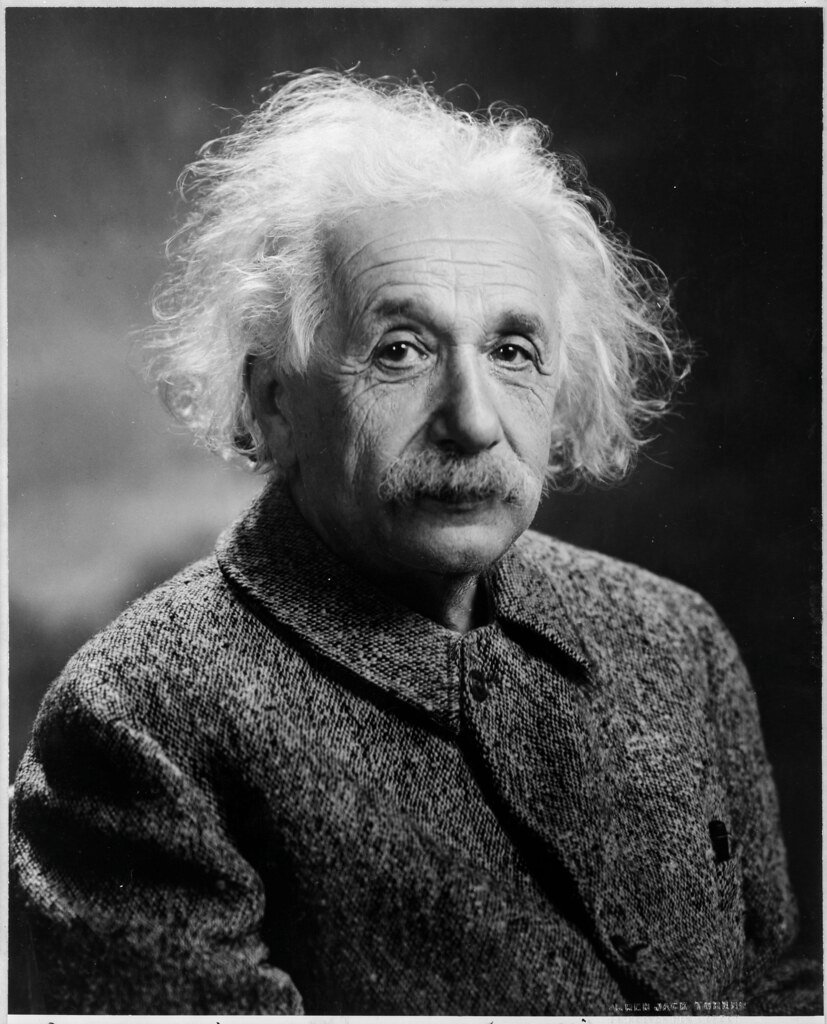
Einstein revolutionized physics with E=mc² and relativity. His genius reshaped our understanding of the universe. Nobel Prize winner, he embodies the absent-minded professor.
Before marrying Mileva Marić, he fathered an illegitimate daughter named Lieserl, whose fate remains unknown, possibly death in infancy. Einstein demanded harsh conditions from Mileva, like silence during meals and no personal needs. Multiple affairs marked his life, straining both marriages.[9][10]
Cleopatra

Popular depictions cast Cleopatra as a stunning seductress who enchanted Julius Caesar and Mark Antony. Her romances doomed Egypt to Roman conquest. Hollywood amplifies her as exotic temptress.
Born to Macedonian Greek rulers, she spoke nine languages and studied philosophy, mathematics, and rhetoric. Cleopatra positioned herself as Egypt’s pharaoh goddess, mastering politics to stabilize her realm. Far from mere beauty, her intellect forged alliances that preserved independence longer than expected.[11][12]
She ruled with shrewd strategy, not just charm.
Mahatma Gandhi
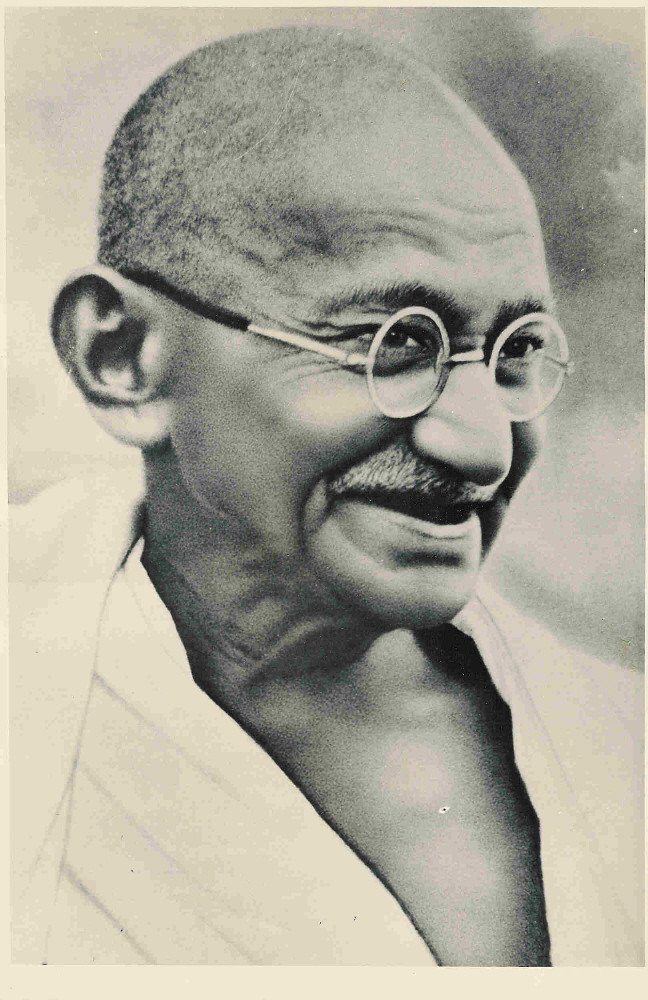
Gandhi pioneered non-violent resistance to free India from British rule. His satyagraha inspired global civil rights movements. The world knows him as the saintly father of his nation.
In South Africa, young Gandhi held racist views, complaining about sharing facilities with Black Africans. Later, he conducted celibacy experiments by sleeping naked with young women, including relatives, to test his restraint. These practices shocked even close followers and reveal personal struggles beneath his public purity.[13]
Looking Beyond the Legends
These figures defy easy labels. Their stories mix inspiration with uncomfortable realities. History gains depth when we embrace this full humanity.
Textbooks serve as starting points, not endpoints. Digging deeper fosters empathy for past dilemmas. In our own time, such nuance guards against repeating old errors.