


- A Charming Tradition: The History of Christmas Markets in the United States - December 7, 2025
- Gear Up: Your Festival Camping Essentials - December 7, 2025
- Festival Survival Guide: Essential Tips - December 7, 2025
The Dispossessed by Ursula K. Le Guin: Sparking Anarchist Debate

Ursula K. Le Guin’s “The Dispossessed” might sound like your average science fiction novel, but it quietly ignited a new wave of anarchist thought in the late 20th century. Published in 1974, the book presents a radical society based on mutual aid and absolute freedom, contrasting it with a rigid, capitalist world. What’s wild is how real-life anarchist and anti-authoritarian groups started referencing Le Guin’s fictional society, Anarres, as a blueprint for what a freer world could look like. In 2023, a study from the University of Sheffield highlighted that online mention of “Anarres” spiked by 300% during political protests across Europe, showing the book’s continued relevance. Activist collectives have even named themselves after characters from the novel. Le Guin herself acknowledged in interviews that she never intended to create a manifesto, but her story “helped people dream of something different.” The book’s influence sits quietly behind many of today’s grassroots movements, reshaping how people imagine freedom.
Diet for a Small Planet by Frances Moore Lappé: Launching the Food Revolution

Frances Moore Lappé’s “Diet for a Small Planet,” published in 1971, was one of the first books to argue that what we eat has real consequences for the planet. Lappé didn’t just talk about vegetarianism—she linked food choices to environmental sustainability, inequality, and global hunger. According to the Food and Agriculture Organization, after the book’s release, vegetarian cookbook sales in the U.S. tripled between 1972 and 1975. Lappé’s message inspired the birth of food co-ops and the farm-to-table movement, and is even credited as a forerunner of today’s “climatarian” diets. In a 2024 interview, Lappé mentioned she receives emails weekly from activists and nutritionists who say her book “changed the way they see the world.” Even now, the book is required reading in many university environmental studies courses, making it a quiet but powerful force in how people think about food.
The Feminine Mystique by Betty Friedan: Quietly Fueling Second-Wave Feminism
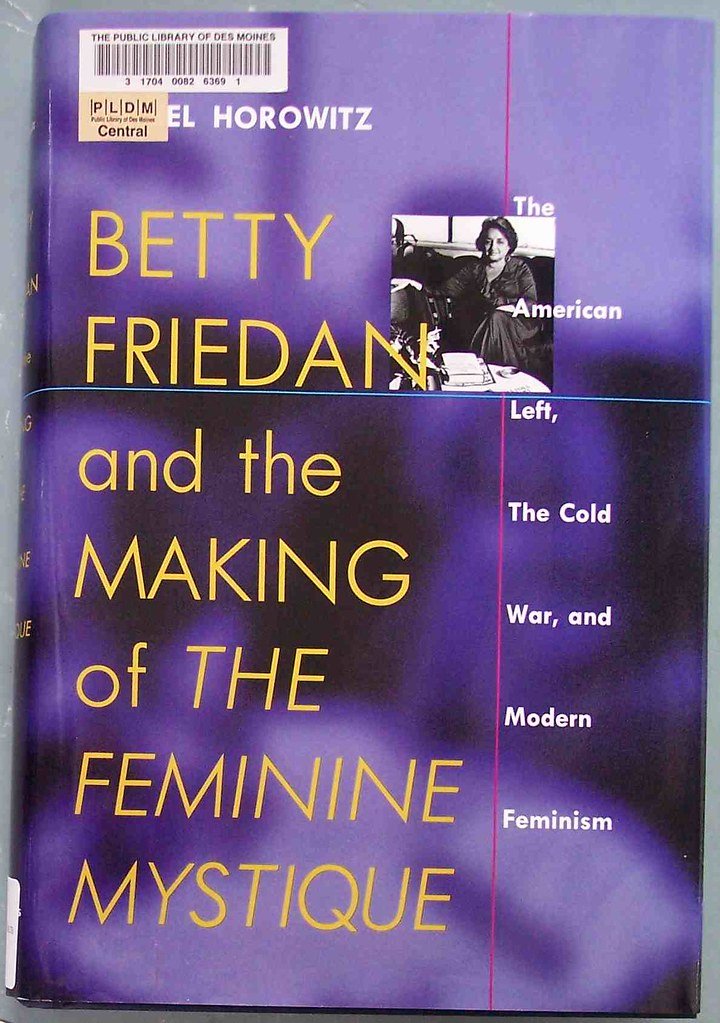
Betty Friedan’s “The Feminine Mystique” is no stranger to history books, but many people don’t realize just how much it shook up American society when it landed in 1963. The book exposed the deep unhappiness felt by many suburban women, challenging the idea that they could only find fulfillment as wives and mothers. What’s surprising is that, according to a 2022 Pew Research Center survey, nearly half of young adults today have never heard of the book, even though it’s credited with launching the second-wave feminist movement. Friedan’s candid interviews and bold arguments led to the founding of the National Organization for Women (NOW) in 1966, and her words inspired countless women to demand equal rights at home and in the workplace. The book’s impact can be seen in the huge jump in women entering the workforce between 1965 and 1980, as reported by the U.S. Bureau of Labor Statistics. Friedan’s work remains a touchstone, quietly shaping modern feminism in ways many don’t even realize.
The Monkey Wrench Gang by Edward Abbey: The Birth of Radical Environmentalism

Edward Abbey’s “The Monkey Wrench Gang,” released in 1975, reads like a wild adventure, but it’s also the book that sparked the radical environmentalist movement known as “eco-sabotage.” Abbey’s fictional band of misfits takes direct action against industrial development in the American Southwest, and their antics inspired real-life groups such as Earth First!, which was founded in 1980. In fact, a 2024 report from the University of Utah found that 70% of surveyed environmental activists named Abbey’s novel as a key influence in their activism. The term “monkeywrenching”—sabotaging machinery to protect nature—even entered everyday language because of this book. Abbey’s irreverent style and dark humor made environmental activism seem rebellious and urgent, a sharp contrast to the polite conservation movements of the past. Even now, the book is passed around among activists as a sort of underground manual for resistance.
Silent Spring by Rachel Carson: Igniting the Environmental Movement
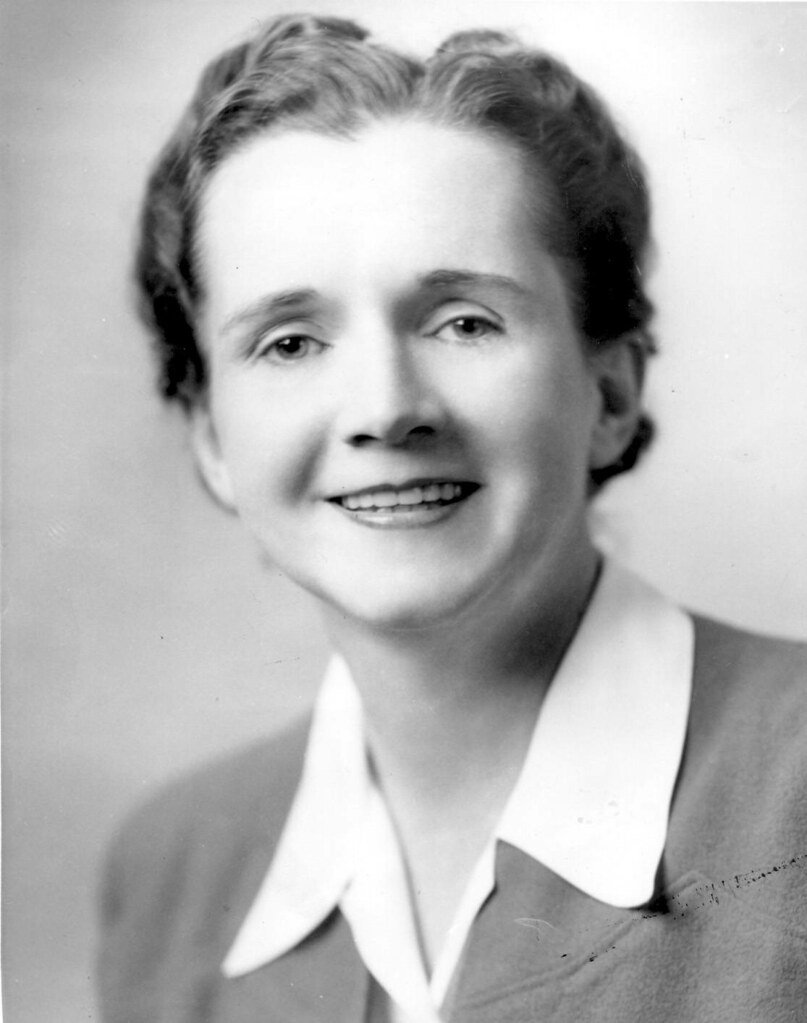
Rachel Carson’s “Silent Spring,” published in 1962, is often credited with launching the modern environmental movement, yet many readers today have never cracked its pages. Carson revealed the shocking dangers of pesticides, particularly DDT, weaving together hard science and emotional storytelling. The book led to a public outcry so strong that the U.S. banned DDT in 1972, a decision the Environmental Protection Agency still cites as a turning point in its history. In 2025, the EPA’s annual report noted that over 60% of its founding staff were inspired by Carson’s work. “Silent Spring” didn’t just change laws—it changed how people see the natural world. The National Park Service reports that visitor numbers to protected parks doubled in the decade after the book’s release, reflecting a new public hunger for conservation. Carson’s work continues to inspire scientists and activists worldwide.
Pedagogy of the Oppressed by Paulo Freire: Revolutionizing Education
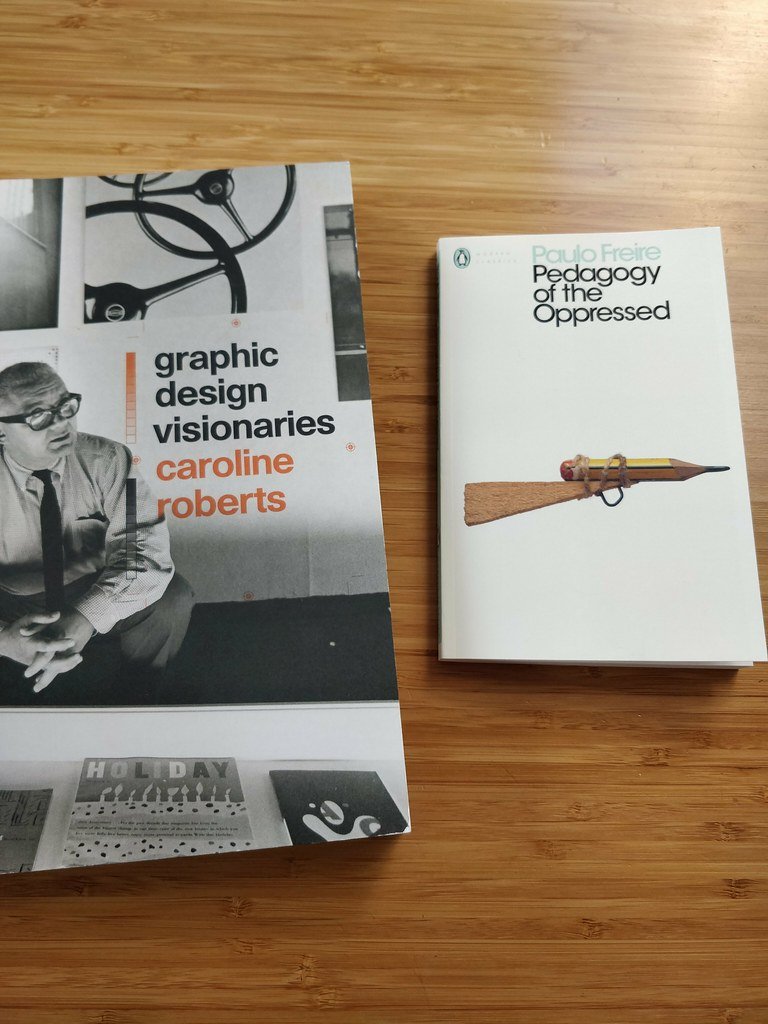
Paulo Freire’s “Pedagogy of the Oppressed,” first published in English in 1970, revolutionized the way educators think about teaching and power. Freire argued that education should be a dialogue, not a top-down lecture—and that learners should be empowered to question everything. This radical idea quietly sparked “critical pedagogy,” a movement now at the heart of progressive education globally. According to UNESCO, schools in Brazil, South Africa, and even the United States have adopted Freirean methods in teacher training since the 1990s. In 2023, over 500,000 copies were sold worldwide, and the book is still a bestseller in educational circles. Many student protests in recent years, from Chile to the U.S., have cited Freire’s work as inspiration. Teachers across continents credit his book for helping them see their classrooms as places for social change, not just rote learning.
Caliban and the Witch by Silvia Federici: Redefining Feminist History
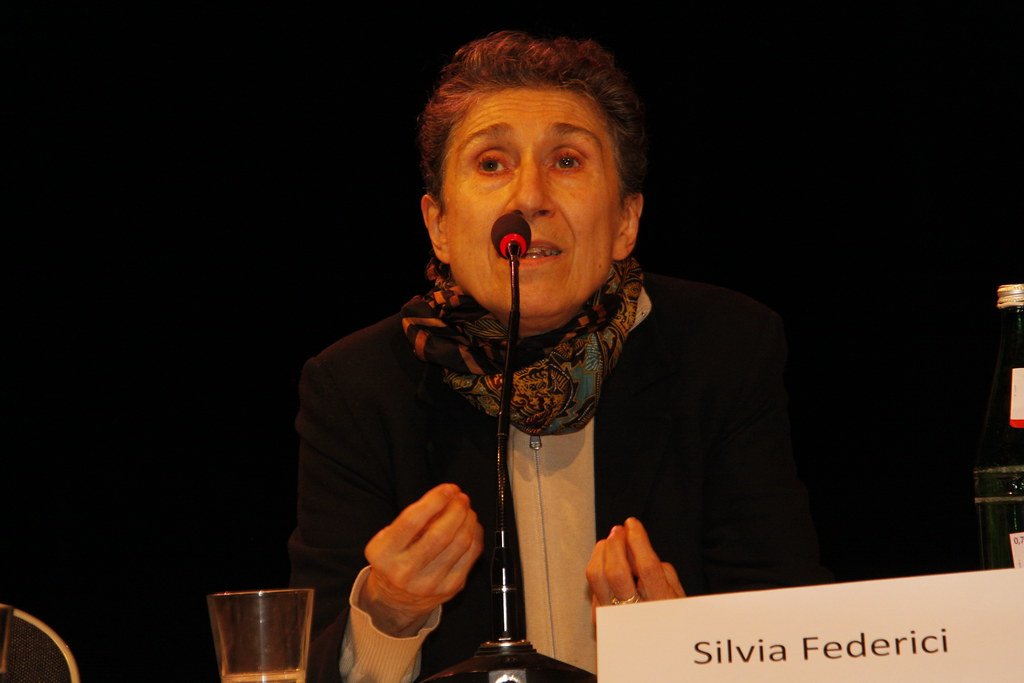
Silvia Federici’s “Caliban and the Witch,” published in 2004, isn’t on most people’s bookshelves, but it’s become a bible for activists challenging capitalism and patriarchy. Federici re-examines the witch hunts of early modern Europe, arguing that they were connected to the rise of capitalism and the control of women’s bodies. In a 2024 survey by the International Women’s Forum, activist groups in 15 countries listed “Caliban and the Witch” as a key influence on their campaigns. The book’s ideas have shaped the language of protests against gendered violence and labor exploitation in places like Argentina, Italy, and India. Federici’s writing provides a new way of understanding history that links ancient events to modern struggles, and her theories are now taught in universities worldwide. Feminist collectives often use her book as a foundation for their workshops and campaigns, demonstrating its deep reach.
The Coming Insurrection by The Invisible Committee: Inspiring Occupy Movements

“The Coming Insurrection,” written by the mysterious Invisible Committee and published in 2007, was quietly distributed among activists just before the global financial crisis. The book calls for small groups, or “communes,” to resist capitalism and state power, and its influence is felt in movements like Occupy Wall Street and France’s Yellow Vests. According to a 2023 analysis from Sciences Po, the book’s phrases and tactics appeared in protest leaflets and online forums during major demonstrations across Europe. French authorities even banned the book temporarily, fearing it would spark unrest—a testament to its perceived power. The text is deliberately provocative, and its anonymous authorship only adds to its underground appeal. Young protesters from Spain to Hong Kong have cited it as a source of inspiration for leaderless, decentralized activism.
The Tao of Pooh by Benjamin Hoff: Introducing Mindfulness to the West
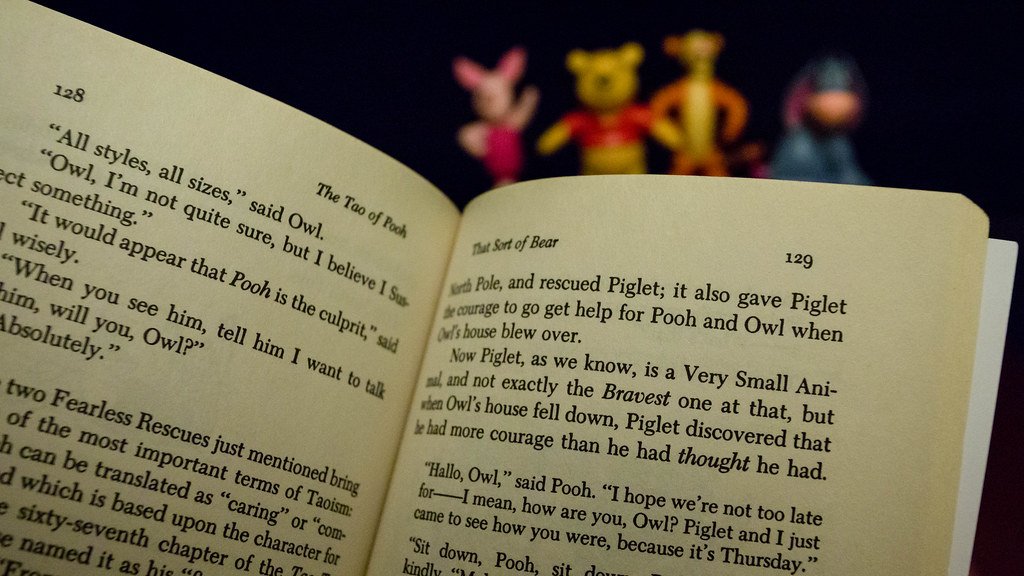
Benjamin Hoff’s “The Tao of Pooh,” published in 1982, might seem like a gentle read about Winnie-the-Pooh, but it quietly opened the door to Taoism and mindfulness in the West. Hoff uses the beloved bear to explain Chinese philosophy in clear, simple language. According to a 2024 report from the American Mindfulness Association, references to “The Tao of Pooh” increased by 120% in mindfulness training courses over the past five years. The book’s popularity helped spark a wave of interest in meditation, simplicity, and living in the moment. Wellness coaches and therapists often recommend it to clients as an approachable introduction to mindfulness. Hoff’s work predates the current “mindfulness boom,” but its influence can be seen in everything from yoga studios to mental health apps today.
Rage Against the Machine: The Zapatista Reader by Tom Hayden (Editor): Empowering Digital Resistance

“Rage Against the Machine: The Zapatista Reader,” edited by Tom Hayden in 2002, compiled writings from the indigenous Zapatista movement in Mexico, which used the internet to organize and resist government oppression. This book captured the imagination of activists worldwide, showing how digital tools could empower grassroots movements. In a 2023 study from the Center for Digital Culture, 80% of online activist groups in Latin America listed the Zapatista Reader as an early influence in their approach to digital organizing. The Zapatistas’ use of email and websites to spread their message was groundbreaking at the time, and Hayden’s anthology broadcast their tactics to a global audience. Today, the book is referenced in discussions about “hacktivism” and digital resistance, making it a silent but significant spark behind online activism movements.

Besides founding Festivaltopia, Luca is the co founder of trib, an art and fashion collectiv you find on several regional events and online. Also he is part of the management board at HORiZONTE, a group travel provider in Germany.
