Richard Donner – Superman II: The Richard Donner Cut (2006)

Few stories in Hollywood are as dramatic as Richard Donner’s return to “Superman II.” Originally, Donner was replaced midway through production, leaving much of his vision unseen. Decades later, thanks to relentless fan support and a changing industry, his version finally emerged in 2006. The Donner Cut is strikingly different from the theatrical release—restoring Marlon Brando’s haunting performance as Jor-El and embracing a darker, more serious tone. Unused footage and new special effects combined to create what many fans and critics see as the definitive version. According to Screen Rant and Wikipedia, the release was a watershed moment for Superman enthusiasts, who felt vindicated after years of campaigning. For Donner, it was a rare second chance to share his original vision—a privilege most directors never receive. The emotional impact of seeing his cut released after decades is almost like watching an underdog win the championship.
Francis Ford Coppola – Apocalypse Now Redux (2001)

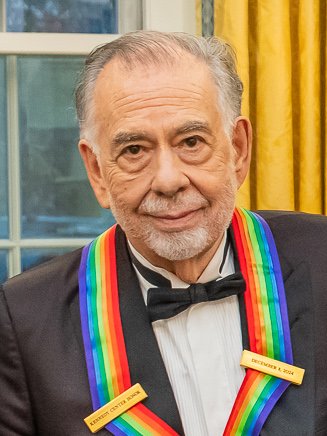
Francis Ford Coppola’s journey with “Apocalypse Now” didn’t end with its legendary 1979 premiere. In 2001, he stunned the film world by unveiling “Apocalypse Now Redux,” which added a whopping 49 minutes of footage. Among the most controversial additions was the “French Plantation” sequence, a slow-burning, philosophical detour that deepened the film’s exploration of colonialism and war. Critics had mixed reactions, but many praised how the new scenes enriched the film’s psychological and thematic complexity (Wikipedia, Flavorwire). Coppola’s commitment to refining his masterpiece over 20 years demonstrates a restless creative spirit. Redux became not just a new cut, but a bold statement: some films are never truly finished. Every added scene feels like an extra puzzle piece, snapping into place and changing the whole picture.
Michael Mann – Blackhat: Director’s Cut (2016)

Michael Mann’s “Blackhat” didn’t make much noise during its 2015 theatrical run, but in 2016, Mann quietly released a Director’s Cut that reimagined the film’s entire structure. One of the boldest choices was moving the nuclear reactor attack sequence from the opening to the middle, creating a more suspenseful buildup. Mann also inserted new scenes that fleshed out the characters and their motivations, aligning the movie more closely with his original vision. Critics and viewers noticed the improved pacing and narrative clarity (Wikipedia, Roger Ebert). This re-edit is a testament to Mann’s perfectionism—he’s known for obsessing over the smallest details, and here he got the rare opportunity to truly fine-tune his work. For fans of tech thrillers, this version feels like discovering a hidden level in a favorite video game.
Kenneth Lonergan – Margaret (Extended Cut, 2012)

The story behind Kenneth Lonergan’s “Margaret” is almost as messy and dramatic as the film itself. Plagued by legal disputes and studio interference, the original cut was delayed for years. In 2012, Lonergan finally released an extended version, adding nearly an hour of footage. The result: a raw and sprawling exploration of adolescence, guilt, and moral confusion. Critics like GQ and World of Reel praised the new cut for its emotional depth and complexity, noting how the additional scenes provided valuable context to the characters’ struggles. This version of “Margaret” feels richer and more honest, like a diary entry that’s finally been completed. For Lonergan, the extended cut wasn’t just about length—it was about restoring the soul of his story.
Orson Welles – Touch of Evil (1998 Restoration)

Orson Welles is a legend for a reason, and the saga of “Touch of Evil” proves it. After being cut and re-edited by the studio in 1958, Welles wrote a 58-page memo detailing his vision for the film. Decades later, in 1998, a restoration based on that memo was finally released. The re-edited version famously restored the uninterrupted opening shot, a technical marvel that’s been studied in film schools ever since. Critics and cinephiles, as noted by Wikipedia and Wealth of Geeks, hailed the restoration as a triumph, finally allowing Welles’ voice to shine through. The story feels almost mythical—like a lost painting recovered and restored. Welles’ persistence and attention to detail turned “Touch of Evil” into the noir masterpiece he always intended.
Richard Kelly – Donnie Darko: The Director’s Cut (2004)

“Donnie Darko” is one of those films that leaves viewers scratching their heads. In 2004, director Richard Kelly took a second shot at clarity by releasing a Director’s Cut with 20 extra minutes and text from the in-universe book “The Philosophy of Time Travel.” These additions helped untangle the notoriously complex plot, offering more context for Donnie’s surreal adventures. Critics from Flavorwire, Wikipedia, and GQ observed that the Director’s Cut gave fans a deeper appreciation for Kelly’s ambitious storytelling. The new scenes add a sense of coherence, while still preserving the film’s dreamlike quality. For many, revisiting “Donnie Darko” is like re-reading a favorite novel and finally catching all the hidden clues.
Francis Ford Coppola – The Godfather Part III: Coda (2020)

Francis Ford Coppola wasn’t satisfied with the way “The Godfather Part III” wrapped up Michael Corleone’s story. In 2020, he released “The Godfather Coda: The Death of Michael Corleone,” a re-edited version with a new beginning and ending. Coppola aimed to give the film more narrative coherence and emotional punch, answering decades of criticism that the original fell short of its legendary predecessors. According to The New Yorker and Screen Rant, many viewers found the new structure more satisfying and poignant. For Coppola, it was a chance to rewrite history—to give Michael Corleone the ending he always deserved. The experience feels like watching an old photograph develop into sharper focus.
Andrei Tarkovsky – Andrei Rublev (Final Cut, 1971)

Andrei Tarkovsky’s “Andrei Rublev” is a towering achievement of Russian cinema, but even he felt it needed trimming. In 1971, Tarkovsky personally cut 14 minutes from the film, believing these edits would improve the pacing and psychological impact. He insisted the changes didn’t alter the film’s essence, but instead made it more accessible without sacrificing depth (Wikipedia, FACETS). The final cut is revered by critics and fans for its meditative beauty and philosophical weight. Tarkovsky’s decision shows the humility of a true artist—sometimes less really is more. This willingness to self-edit is rare among auteurs, making “Andrei Rublev” even more remarkable.
Oliver Stone – Alexander: Revisited (2007)

Oliver Stone’s “Alexander” was a box-office disappointment on release, but Stone refused to let it go quietly. Over the years, he’s released several different cuts, with “Alexander: Revisited” in 2007 adding 40 minutes of new material. This version dives deeper into Alexander the Great’s life and relationships, enriching the historical drama. Critics, especially those at Flavorwire, noted that the new cut provided a more nuanced and comprehensive portrayal of its enigmatic protagonist. Stone’s willingness to keep revising the film is almost obsessive, but it’s also a testament to his passion for the story. Watching the Revisited cut feels like hearing a favorite story told with all the juicy details finally included.