


- Festival Fashion Trends: A Journey Through the Decades - December 6, 2025
- 20 Songs Inspired by American Literature - December 6, 2025
- 20 Songs That Became Unofficial National Anthems - December 6, 2025
The Underground Mind: Dostoyevsky’s Psychological Masterpiece
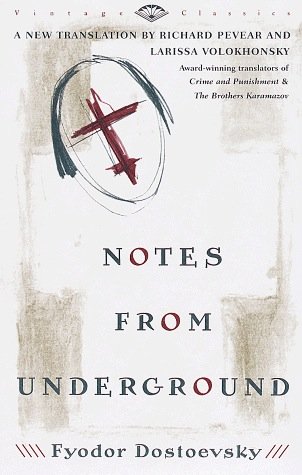
Fyodor Dostoyevsky’s ‘Notes from Underground’ hits you like a cold slap of reality. This short but powerful work from 1864 dives deep into the mind of a bitter, isolated man living beneath St. Petersburg. The unnamed narrator rants about society, free will, and human nature in a way that feels surprisingly modern. Dostoyevsky essentially invented the psychological novel here, showing us that our inner thoughts can be more fascinating and disturbing than any external drama. Reading this book is like having a brutally honest conversation with the darkest parts of your own mind. It’s considered essential because it explores the contradictions of human behavior in ways that still ring true today.
The Warrior’s Mind: Miyamoto Musashi’s Strategic Wisdom
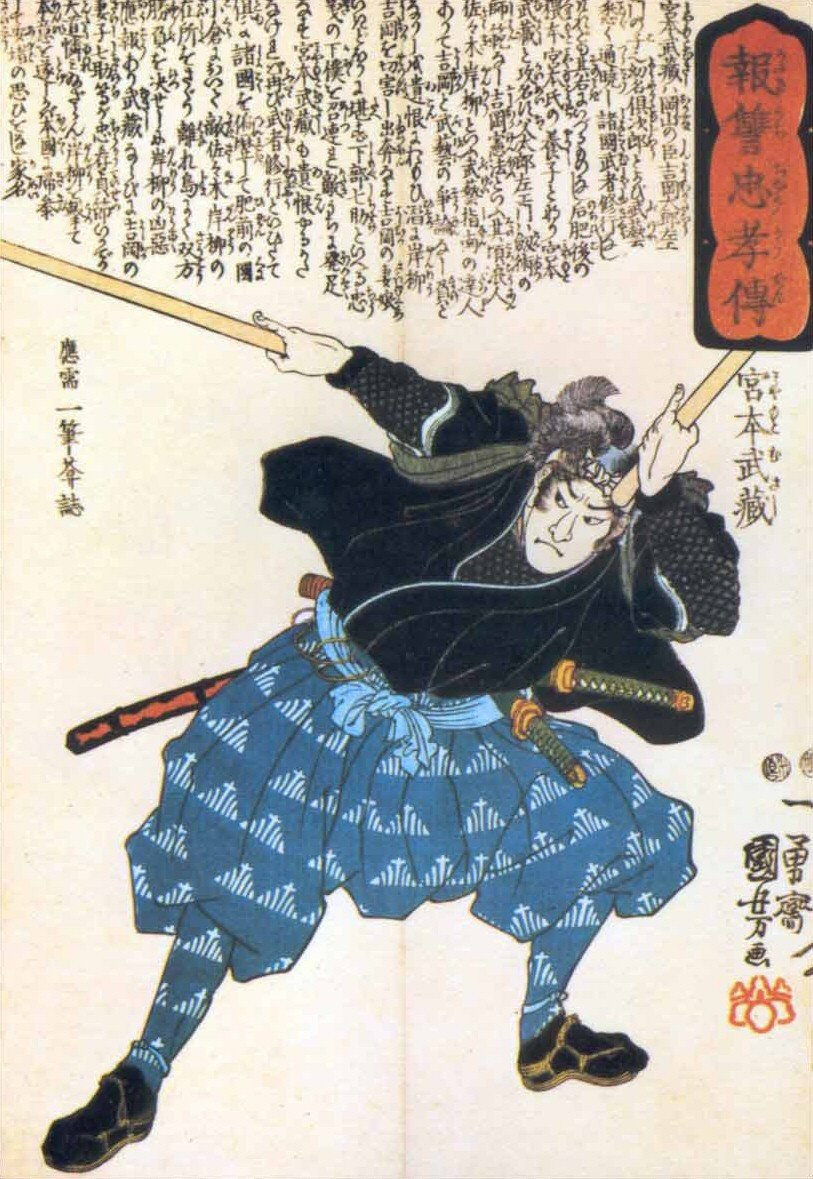
Miyamoto Musashi wrote ‘The Book of Five Rings’ not as a philosophical exercise, but as a practical guide born from real combat experience. This 17th-century samurai had fought over 60 duels and never lost a single one. His book breaks down strategy into five elements: Ground, Water, Fire, Wind, and Void. What makes this classic so enduring is how its principles apply far beyond sword fighting. Modern business leaders, athletes, and anyone facing competition still turn to Musashi’s insights. The book teaches you to think strategically, stay calm under pressure, and understand your opponent’s weaknesses. It’s like having a master strategist whispering battle-tested advice in your ear.
Ancient Strategy That Rules Modern Boardrooms

Sun Tzu’s ‘The Art of War’ proves that some wisdom never gets old. Written over 2,500 years ago, this Chinese military treatise remains one of the most quoted books in business schools worldwide. Sun Tzu understood that winning without fighting is the highest form of skill. His famous line “know yourself and know your enemy” has become a mantra for everyone from CEOs to sports coaches. The book’s genius lies in its psychological insights about human nature and conflict. Reading it gives you a framework for understanding power dynamics in any situation, whether you’re negotiating a salary or planning a career move. Think of it as the ultimate guide to strategic thinking that has stood the test of millennia.
Revolution and Love in Dickens’ Epic Tale
Charles Dickens crafted ‘A Tale of Two Cities’ as both a gripping adventure story and a deep meditation on social justice. Set during the French Revolution, this 1859 novel shows how ordinary people can be swept up in extraordinary historical events. Dickens paints the contrast between London and Paris, wealth and poverty, love and hatred with masterful strokes. The opening line “It was the best of times, it was the worst of times” captures the book’s central theme about contradictions in human experience. What makes this a must-read is how Dickens connects personal stories to larger social movements. The novel teaches you to see how individual choices can ripple through history and how social conditions shape human behavior.
The Mad Knight Who Changed Literature Forever
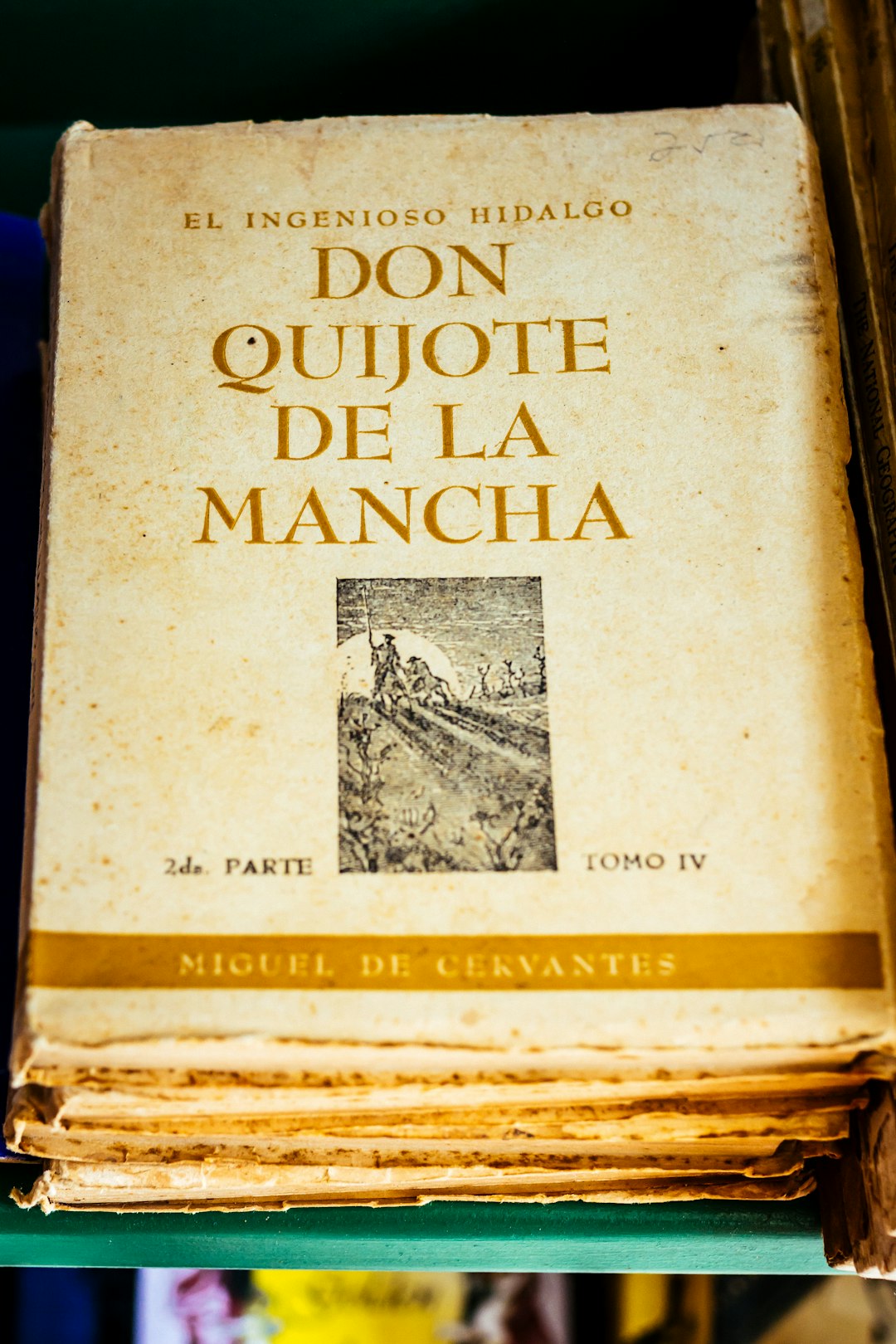
Miguel de Cervantes gave the world something completely new when he published ‘Don Quixote’ in two parts between 1605 and 1615. This Spanish masterpiece is often called the first modern novel, and for good reason. The story of an aging gentleman who reads too many chivalric romances and decides to become a knight-errant is both hilarious and heartbreaking. Don Quixote’s impossible quest to revive chivalry in a world that has moved on creates comedy, but also profound questions about idealism versus reality. Cervantes invented techniques that writers still use today, like having characters aware they’re in a story. Reading this book is like watching the birth of the novel as an art form, while also enjoying one of literature’s greatest buddy comedies.
Why These Books Define Intellectual Culture

These five classics have shaped how educated people think and communicate for centuries. When you reference Dostoyevsky’s underground man, others immediately understand you’re talking about alienation and self-destructive behavior. Mentioning Sun Tzu signals strategic thinking, while quoting Don Quixote shows you appreciate the tension between dreams and reality. These books provide a shared cultural vocabulary that transcends national boundaries. They appear in university curricula worldwide because they tackle universal human experiences: conflict, power, justice, psychology, and the search for meaning. Think of them as essential software for your mental operating system.
The Psychological Revolution in Your Hands

Reading these classics does something remarkable to your brain. ‘Notes from Underground’ teaches you to examine your own motivations more honestly, even when they’re ugly or contradictory. ‘The Book of Five Rings’ sharpens your ability to read situations and people strategically. ‘The Art of War’ gives you frameworks for understanding conflict and competition that you’ll recognize everywhere once you know them. These books don’t just entertain; they upgrade how you process the world around you. They’re like mental workouts that strengthen your capacity for complex thinking and emotional intelligence.
From Page to Real Life: Practical Wisdom

What separates these classics from lighter reading is their practical application to modern life. Dickens shows you how social conditions create individual suffering, making you more aware of systemic issues around you. Cervantes demonstrates how idealism can be both noble and foolish, helping you balance dreams with realism in your own pursuits. Musashi’s strategic principles work whether you’re planning a career change or trying to understand office politics. These authors weren’t writing abstract philosophy; they were offering tools for navigating human complexity. Each book arms you with insights that prove useful in surprising situations throughout your life.
The Conversation Starter Effect

Knowing these classics transforms your social interactions in subtle but powerful ways. Drop a reference to Quixote’s windmills, and you’ll connect with fellow readers who appreciate the metaphor for fighting impossible battles. Mention Sun Tzu’s emphasis on knowing your enemy, and business colleagues will recognize your strategic mindset. These books serve as cultural passwords that signal intellectual curiosity and depth. They’ve influenced countless other works, so understanding them helps you catch references and deeper meanings in everything from movies to political speeches. It’s like having access to a secret language that educated people have been speaking for generations.
Breaking Down the Intimidation Factor

Many people avoid classics because they seem difficult or boring, but these five are surprisingly accessible. ‘Notes from Underground’ reads like a modern psychological thriller disguised as 19th-century literature. ‘The Art of War’ and ‘The Book of Five Rings’ are actually quite short and practical. Dickens writes with such vivid characters and dramatic plots that you’ll forget you’re reading ‘literature.’ Cervantes invented many of the storytelling techniques that make modern novels enjoyable. The key is approaching them as adventures rather than assignments. Once you start, you’ll discover why these books have captivated readers for centuries.
Your Mind Will Thank You Later

These classics stick with you long after you’ve finished reading them. Years later, you’ll find yourself thinking about Dostoyevsky’s insights into human self-deception during moments of personal crisis. Sun Tzu’s strategic wisdom will pop into your head during challenging negotiations or competitive situations. Dickens’ portrayal of social injustice will give you language for understanding modern inequality. The beauty of reading classics is that they continue revealing new meanings as you gain life experience. They’re not just books you read once; they’re companions that grow more valuable over time. What would you have guessed could change your thinking so dramatically with just a few hundred pages?

Besides founding Festivaltopia, Luca is the co founder of trib, an art and fashion collectiv you find on several regional events and online. Also he is part of the management board at HORiZONTE, a group travel provider in Germany.
