
#30 – Norman Greenbaum

Norman Greenbaum scored a massive crossover hit with “Spirit in the Sky” in 1970. The gospel-tinged rock track reached No. 3 on the Billboard Hot 100 and stayed on the chart for months.
Greenbaum never returned to the Top 40 after that single. He released follow-ups that barely charted and stepped away from the spotlight. Many listeners still associate the song with 1970s radio, yet Greenbaum largely vanished from pop charts. He later worked outside music for years. The track’s enduring play on classic rock stations keeps his name alive even though his chart run ended quickly.
But that’s nothing compared to what we found about #29…
#29 – Carl Douglas
Carl Douglas delivered the novelty disco smash “Kung Fu Fighting” in 1974. The song hit No. 1 on the Billboard Hot 100 and sold millions worldwide.
Douglas never cracked the Top 40 again as a performer. Follow-up singles failed to connect with American audiences. He continued recording in other markets but stayed off U.S. pop charts. The martial-arts themed track became a cultural touchstone of the decade. His story shows how a timely novelty can dominate briefly then fade.
But that’s nothing compared to what we found about #28…
#28 – Terry Jacks

Terry Jacks released “Seasons in the Sun” in 1974. The soft-rock ballad topped the Billboard Hot 100 and became an international seller.
Jacks never returned to the U.S. Top 40 after that release. He issued additional material that received limited airplay. The Canadian singer eventually focused on production and other projects. The song’s melancholic tone made it a staple of 1970s playlists, and listeners still request the track on oldies stations.
But that’s nothing compared to what we found about #27…
#27 – Nick Gilder
Nick Gilder hit No. 1 with “Hot Child in the City” in 1978. The sleek rock single dominated American radio that year.
Gilder never reached the Top 40 again as a solo artist. He had earlier success with Sweeney Todd in Canada, but the U.S. pop charts proved harder to crack repeatedly. Later releases stayed outside the mainstream. The song’s urban theme captured late-1970s energy. Gilder shifted toward songwriting and production work afterward, and his one major U.S. hit remains a recognizable 1970s artifact.
But that’s nothing compared to what we found about #26…
#26 – Anita Ward

Anita Ward scored a disco-era No. 1 with “Ring My Bell” in 1979. The funky track became a dance-floor staple.
Ward never returned to the Billboard Hot 100 Top 40 after that single. Follow-up material received modest attention but failed to replicate the success. She stepped back from recording soon after. The song’s electronic groove defined summer 1979 radio, and her voice still surfaces on retro playlists.
At a Glance
- “Ring My Bell” topped the Billboard Hot 100 in 1979.
- It also reached No. 1 on the R&B chart and in the UK.
- Songwriter Frederick Knight originally wrote it with a much younger singer, Stacy Lattisaw, in mind.
- Ward is a Memphis, Tennessee native.
But that’s nothing compared to what we found about #25…
#25 – Samantha Sang

Samantha Sang reached the Top 10 with “Emotion” in 1978. The Bee Gees-backed ballad featured prominent falsetto harmonies.
Sang never cracked the U.S. Top 40 again. Subsequent singles stayed outside the mainstream charts. She continued performing in other countries but faded from American pop radio. Her association with the Gibb brothers helped the single but did not lead to sustained U.S. success, which illustrates the challenge of following a major hit.
But that’s nothing compared to what we found about #24…
#24 – Andrea True
Andrea True Connection scored a disco classic with “More, More, More” in 1976. The track peaked at No. 4 on the Billboard Hot 100.
True never returned to the Top 40 after that release. Later singles charted modestly at best. She eventually left the music industry for other work. The song’s catchy hook and production became a disco favorite, and True’s background added to the track’s notoriety at the time.
But that’s nothing compared to what we found about #23…
#23 – Debby Boone
Debby Boone spent ten weeks at No. 1 with “You Light Up My Life” in 1977. The ballad won a Grammy and dominated radio.
Boone never scored another major pop Top 40 hit. She released additional material that performed modestly. Boone later focused on Christian music and other projects. The song became a wedding and easy-listening staple, yet her early success proved difficult to repeat in the pop market.
But that’s nothing compared to what we found about #22…
#22 – Vicki Lawrence

Vicki Lawrence hit No. 1 with “The Night the Lights Went Out in Georgia” in 1973. The dramatic country-pop story song crossed over successfully.
Lawrence never returned to the Hot 100 Top 40 after that single. She continued acting and released other recordings with limited chart impact. The track’s narrative style stood out on 1970s radio. Her television fame helped promote the song but did not translate to repeated pop hits.
But that’s nothing compared to what we found about #21…
#21 – Sammi Smith
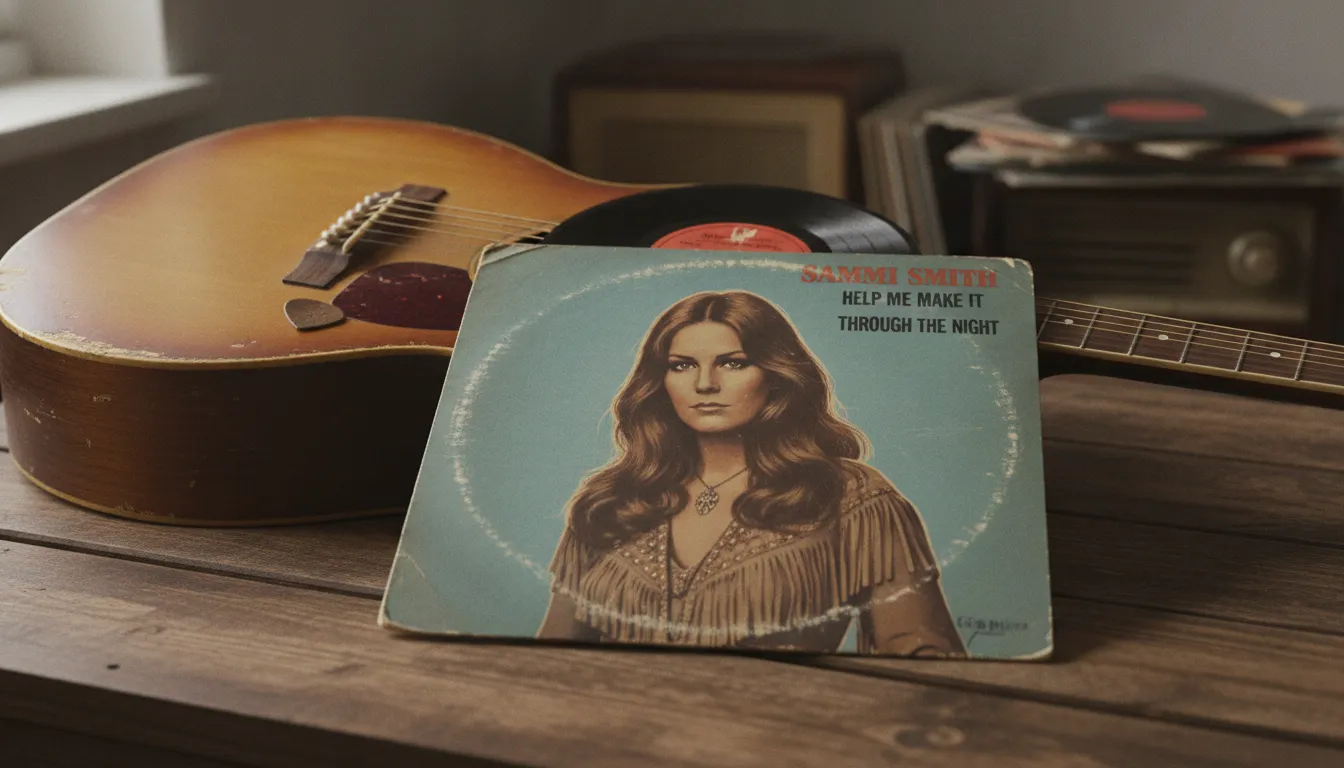
Sammi Smith reached No. 8 with “Help Me Make It Through the Night” in 1971. The country crossover ballad earned critical praise.
Smith never made the Hot 100 Top 40 again. She continued charting on country lists but disappeared from pop radio. The Kris Kristofferson-penned song became a standard. Her outlaw-country style found a dedicated audience outside mainstream pop, which shows the divide between genre and pop success.
But that’s nothing compared to what we found about #20…
#20 – Lynn Anderson
Lynn Anderson scored a No. 3 hit with “(I Never Promised You A) Rose Garden” in 1971. The upbeat country-pop track crossed over strongly.
Anderson never returned to the Hot 100 Top 40 after that release. She maintained a successful country career with additional hits in that format. The song’s optimistic message resonated widely. Her later work stayed primarily within country audiences.
But that’s nothing compared to what we found about #19…
#19 – William DeVaughn
William DeVaughn reached No. 4 with “Be Thankful for What You Got” in 1974. The soulful track also topped R&B charts.
DeVaughn never cracked the Hot 100 Top 40 again. Minor follow-ups appeared that year but failed to sustain momentum. He stepped away from major-label recording afterward. The song’s message of gratitude became a quiet 1970s soul favorite, though his brief pop chart run ended quickly despite strong initial reception.
But that’s nothing compared to what we found about #18…
#18 – Pete Wingfield
Pete Wingfield hit No. 15 with “Eighteen with a Bullet” in 1975. The doo-wop styled track charted modestly but memorably.
Wingfield never returned to the Hot 100 Top 40. He worked as a session musician and producer in later years. The song’s clever title and retro sound stood out. His later contributions stayed behind the scenes.
But that’s nothing compared to what we found about #17…
#17 – Polly Brown
Polly Brown reached No. 16 with “Up in a Puff of Smoke” in 1975. The upbeat pop track received radio play.
Brown never cracked the Hot 100 Top 40 again. Earlier band work existed, but the solo single marked her main U.S. pop moment. She continued recording in the UK with limited crossover. The song’s light production fit mid-1970s pop radio, and her story shows how many artists had brief chart flashes.
But that’s nothing compared to what we found about #16…
#16 – Minnie Riperton
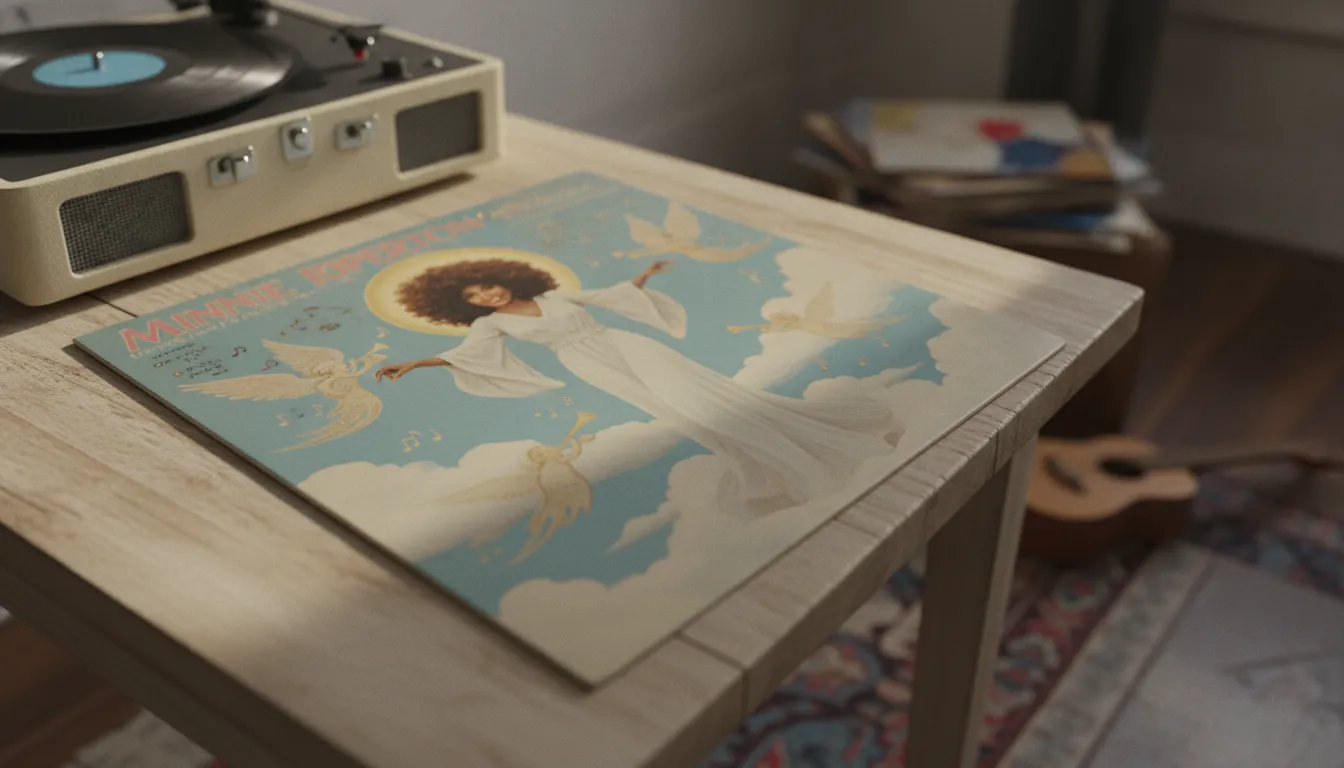
Minnie Riperton topped the chart with “Lovin’ You” in 1975. The ethereal ballad showcased her distinctive vocal range.
Riperton never returned to the Hot 100 Top 40 after that single. Health issues later affected her career. The song’s gentle melody became a soft-rock staple, and her vocal talent earned respect even as chart success remained singular.
Why It Stands Out
- Riperton’s soaring whistle-register notes are the song’s signature.
- She co-wrote it with her husband, Richard Rudolph.
- It came from the album Perfect Angel, which Stevie Wonder helped produce.
- Her daughter, Maya Rudolph, became a well-known actress and comedian.
But that’s nothing compared to what we found about #15…
#15 – Chi Coltrane
Chi Coltrane reached the Top 20 with “Thunder and Lightning” in 1972. The powerful rock track highlighted her vocal strength.
Coltrane never returned to the U.S. Top 40 after that release. She found more sustained success in Europe with later albums. The song’s dynamic arrangement stood out on early-1970s radio. Her later independent work maintained a dedicated following abroad.
But that’s nothing compared to what we found about #14…
#14 – Rickie Lee Jones

Rickie Lee Jones hit No. 4 with “Chuck E.’s in Love” in 1979. The jazzy pop track introduced her distinctive style.
Jones never returned to the Hot 100 Top 40 after that debut single. Subsequent releases charted lower or missed the mainstream. The song’s storytelling lyrics captured late-1970s radio. Jones built a respected career with critical acclaim but limited pop chart repeats, and her one major hit remains her signature track.
But that’s nothing compared to what we found about #13…
#13 – Looking Glass
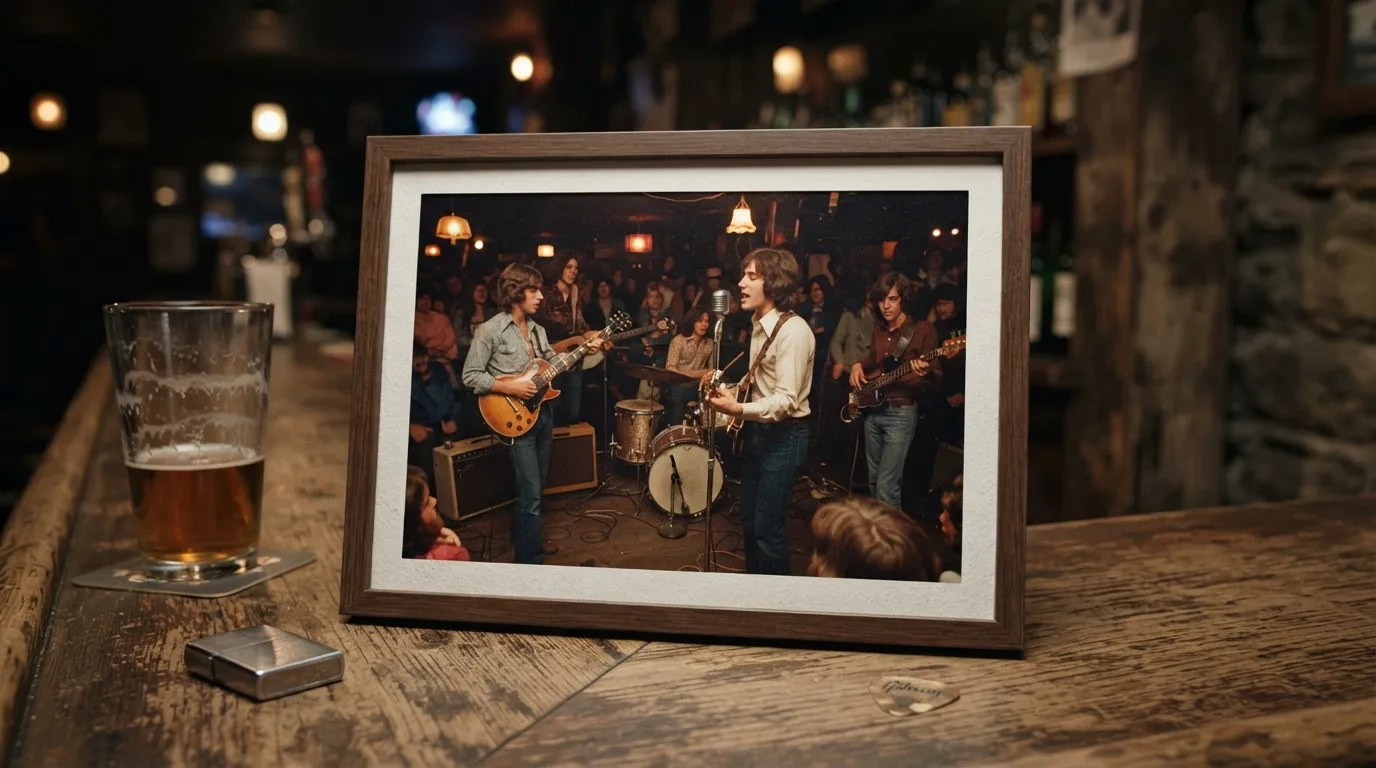
Looking Glass topped the chart with “Brandy (You’re a Fine Girl)” in 1972. The soft-rock single became a radio staple.
The band never returned to the Hot 100 Top 30 after that hit. Follow-up material stayed outside the upper charts. The song’s nautical theme and melody defined their brief moment. Looking Glass disbanded soon after the success.
But that’s nothing compared to what we found about #12…
#12 – Starland Vocal Band
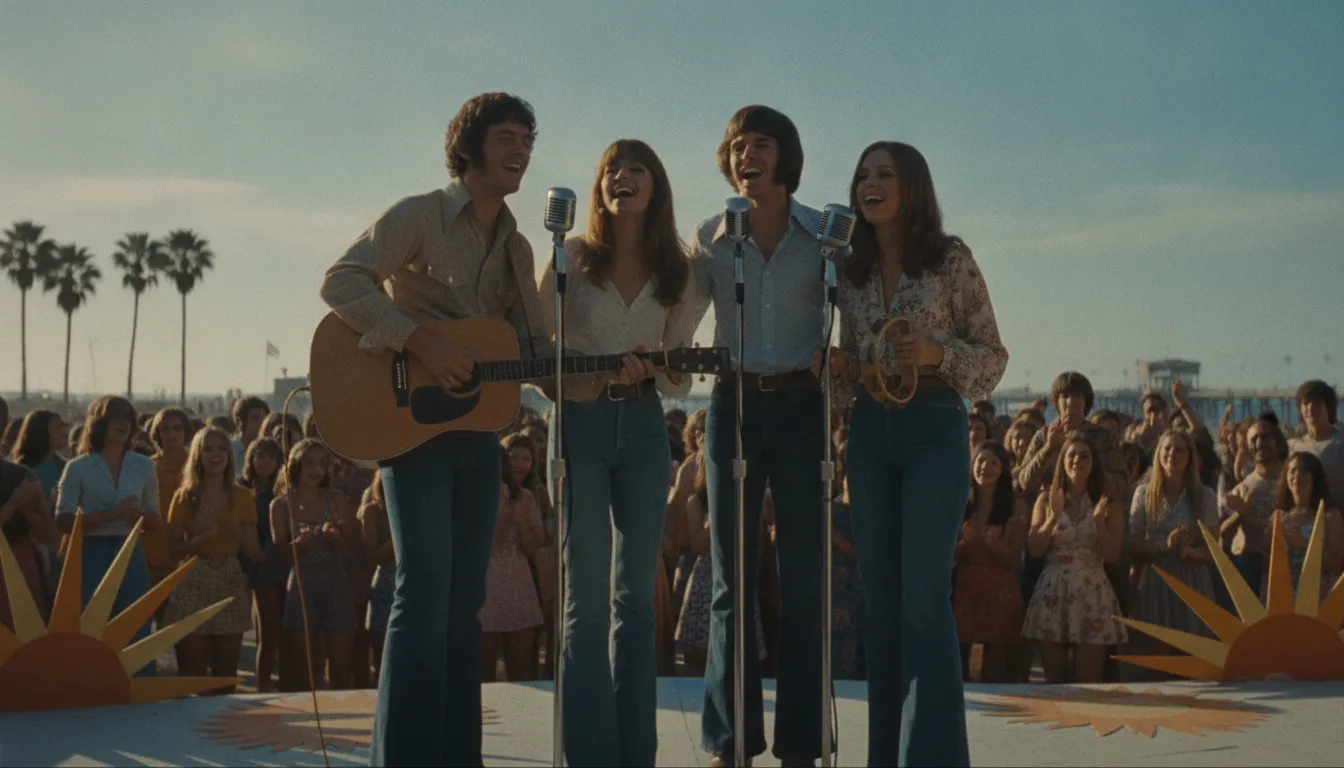
Starland Vocal Band reached No. 1 with “Afternoon Delight” in 1976. The soft-rock harmony track won Grammys.
The group never returned to the Hot 100 Top 40 after that single. Later releases received limited airplay. The song’s suggestive lyrics and vocal arrangement stood out. The band reunited occasionally, but chart success remained singular.
Fast Facts
- “Afternoon Delight” hit No. 1 in the summer of 1976.
- Bill Danoff wrote it. He also co-wrote “Take Me Home, Country Roads.”
- The group won two Grammys, including Best New Artist.
- They landed a CBS summer variety show in 1977.
But that’s nothing compared to what we found about #11…
#11 – Rupert Holmes

Rupert Holmes hit No. 1 with “Escape (The Piña Colada Song)” in 1979. The narrative pop track dominated year-end charts.
Holmes did not land another Top 40 hit in the 1970s. “Him” reached No. 6 in 1980, but his career soon moved to theater and writing. The song’s clever story became a 1970s sing-along favorite, and Holmes’ later career thrived outside pop charts.
But that’s nothing compared to what we found about #10…
#10 – Gilbert O’Sullivan
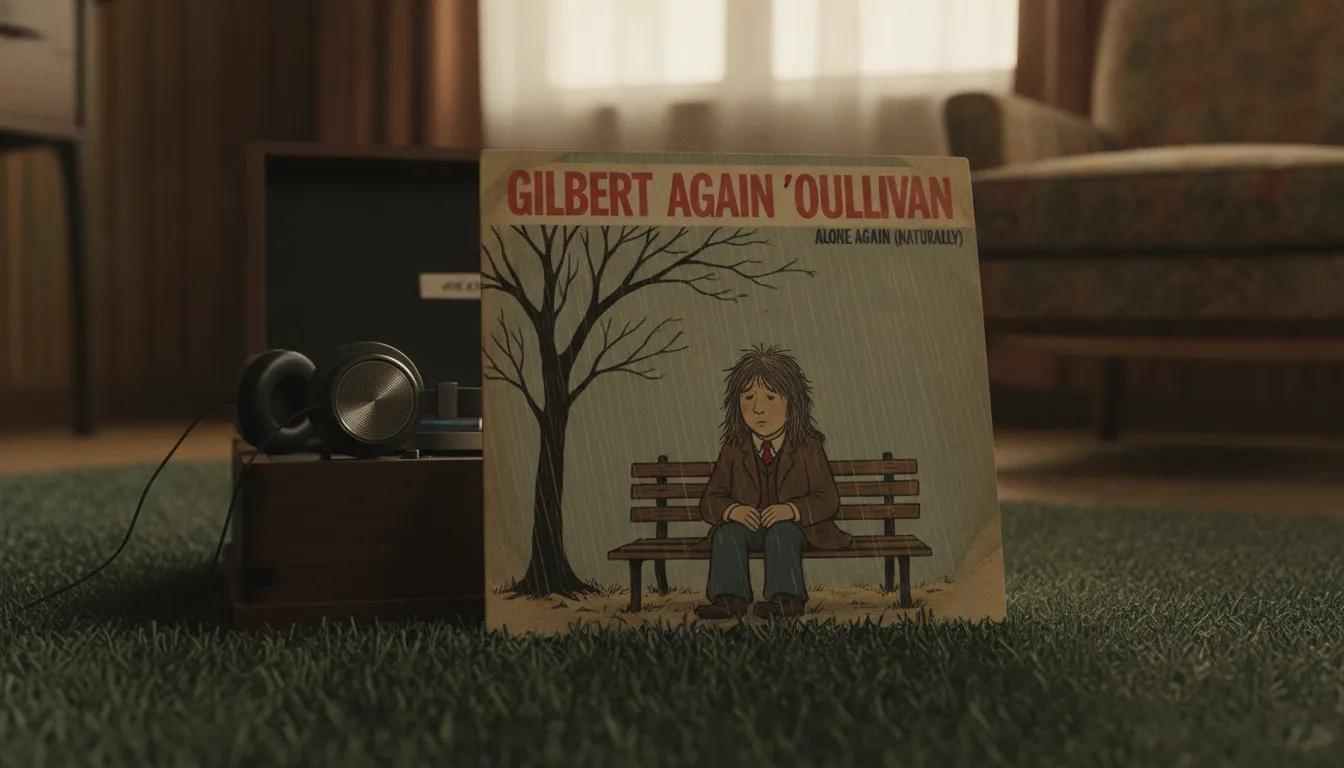
Gilbert O’Sullivan reached No. 1 with “Alone Again (Naturally)” in 1972. The introspective ballad crossed over widely.
O’Sullivan never returned to the same U.S. pop heights after that hit. He followed with “Clair,” which reached No. 2, but no further chart-toppers came. Legal issues with his label affected later momentum. The song’s emotional depth made it a decade staple, and he maintained a following in other markets.
But that’s nothing compared to what we found about #9…
#9 – Harry Chapin
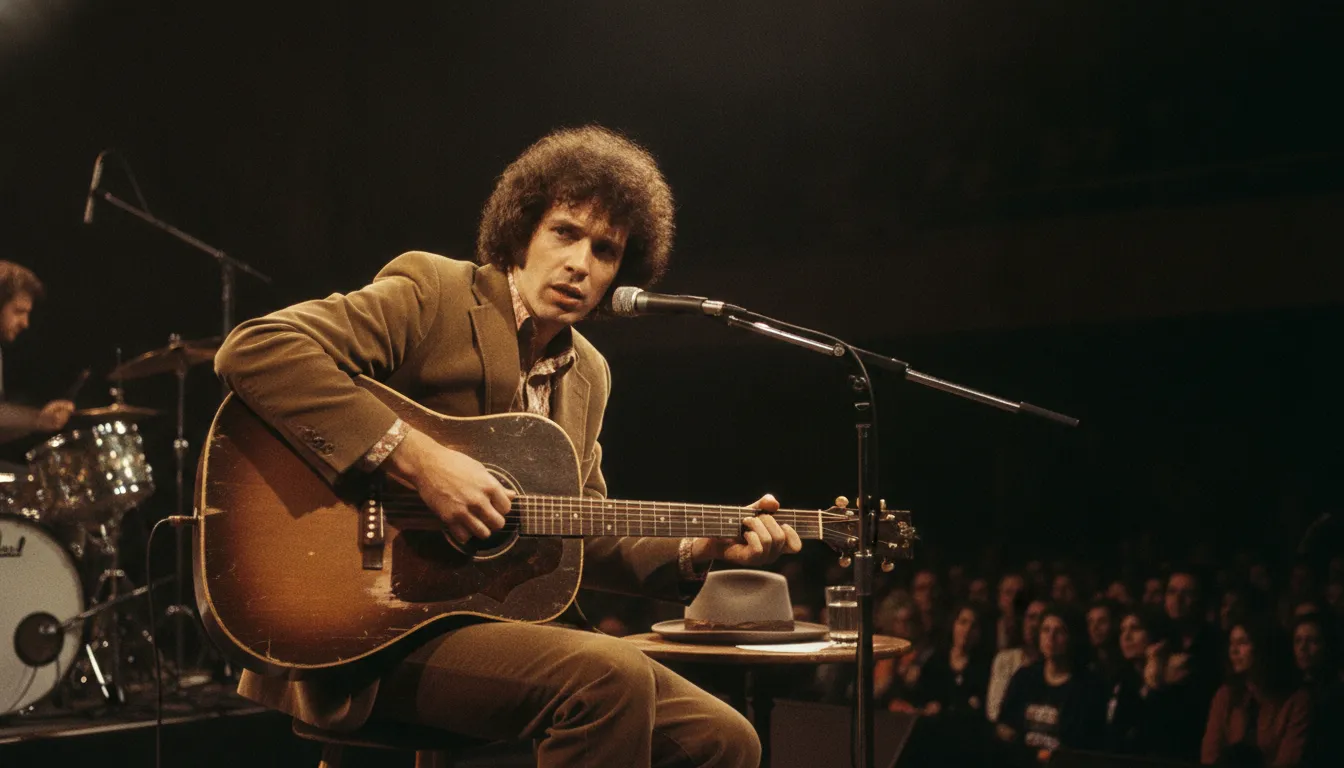
Harry Chapin hit No. 1 with “Cat’s in the Cradle” in 1974. The storytelling folk-rock track became a radio standard.
Apart from “Sequel” in 1980, Chapin did not return to the Hot 100 Top 40 after that single. He released additional material with modest chart results. The song’s cautionary tale resonated with listeners. Chapin focused on live performances and activism afterward.
But that’s nothing compared to what we found about #8…
#8 – Van McCoy
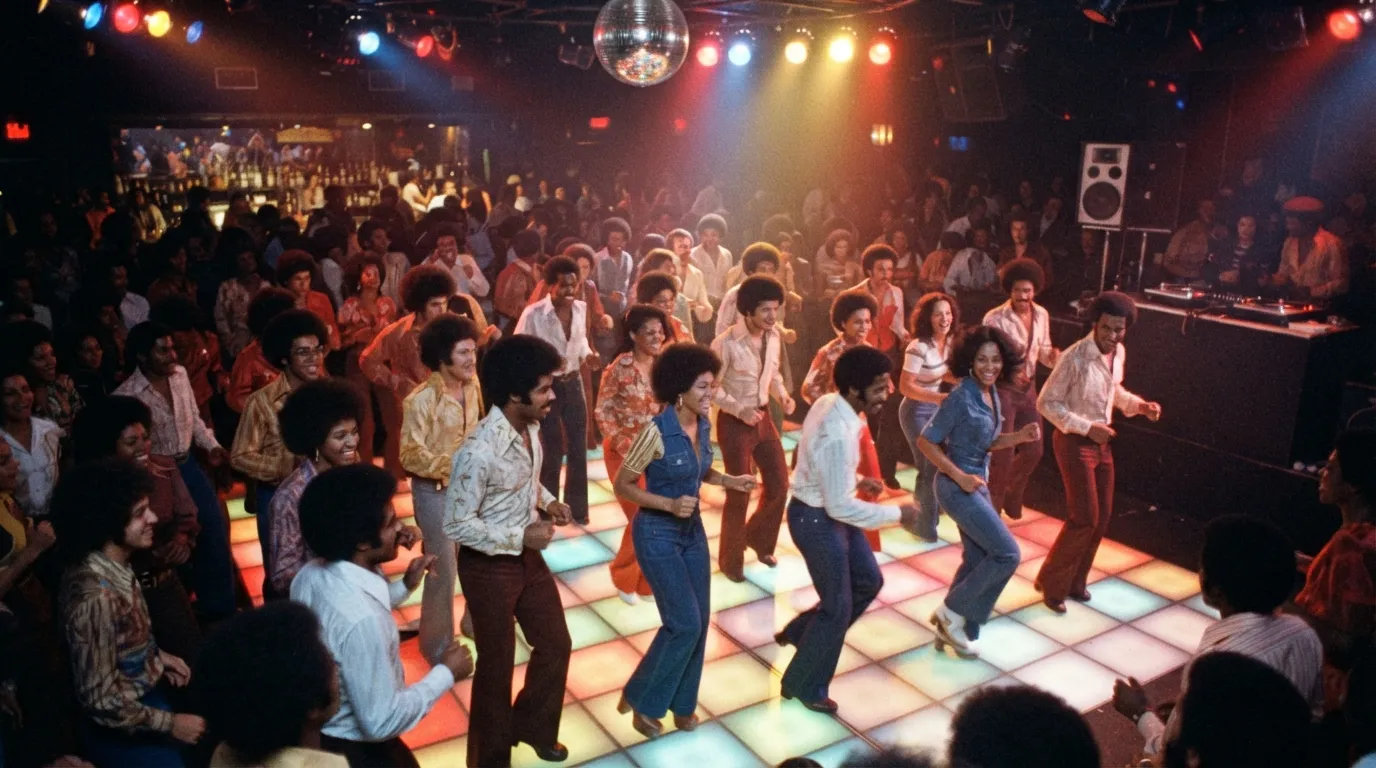
Van McCoy topped charts with “The Hustle” in 1975. The disco instrumental became a dance craze.
McCoy never returned to the Hot 100 Top 40 after that release. He continued producing but passed away in 1979. The track’s simple groove defined mid-1970s disco, and his production work influenced later artists.
But that’s nothing compared to what we found about #7…
#7 – Pilot
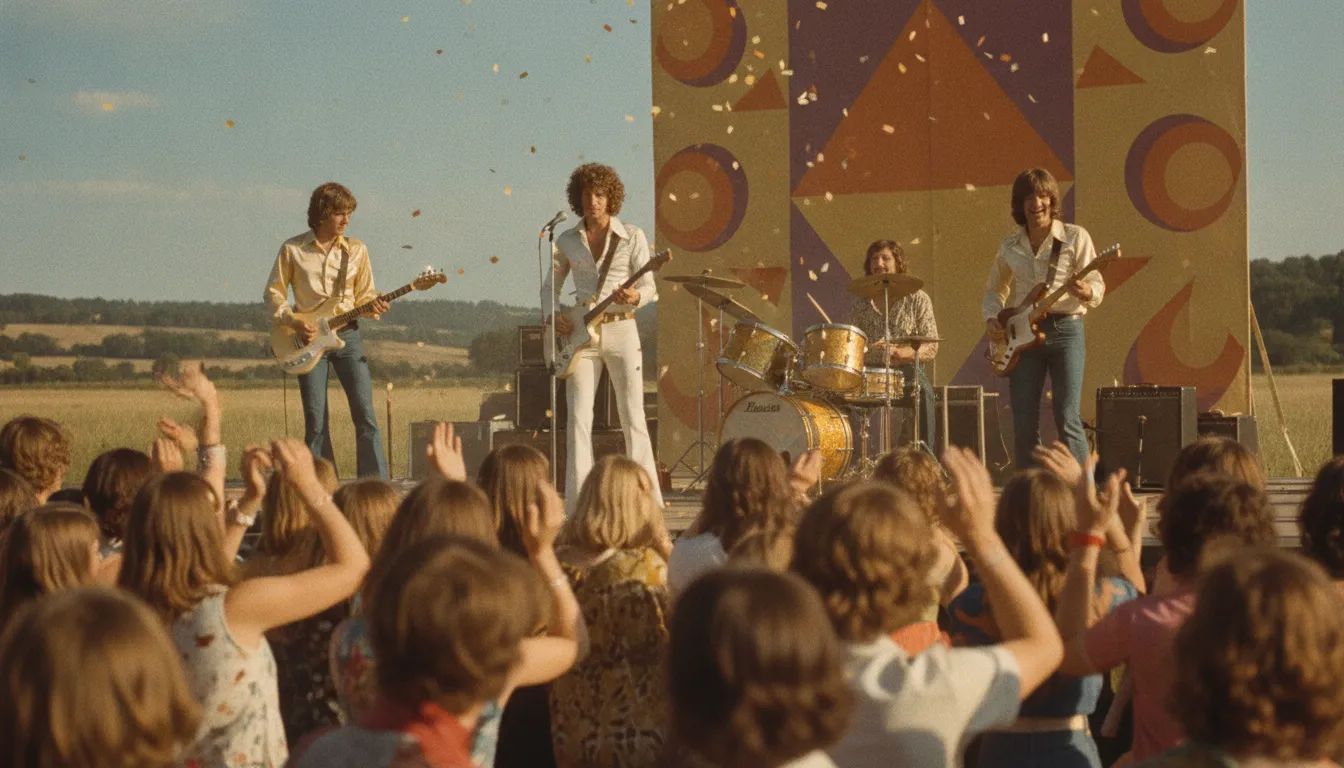
Pilot reached No. 5 with “Magic” in 1975. The upbeat pop track became a summer radio hit.
The band never returned to the U.S. Top 40 after that single. Later releases stayed outside mainstream charts. The song’s bright melody captured mid-1970s pop energy. Pilot continued in other markets with limited crossover.
But that’s nothing compared to what we found about #6…
#6 – Wild Cherry
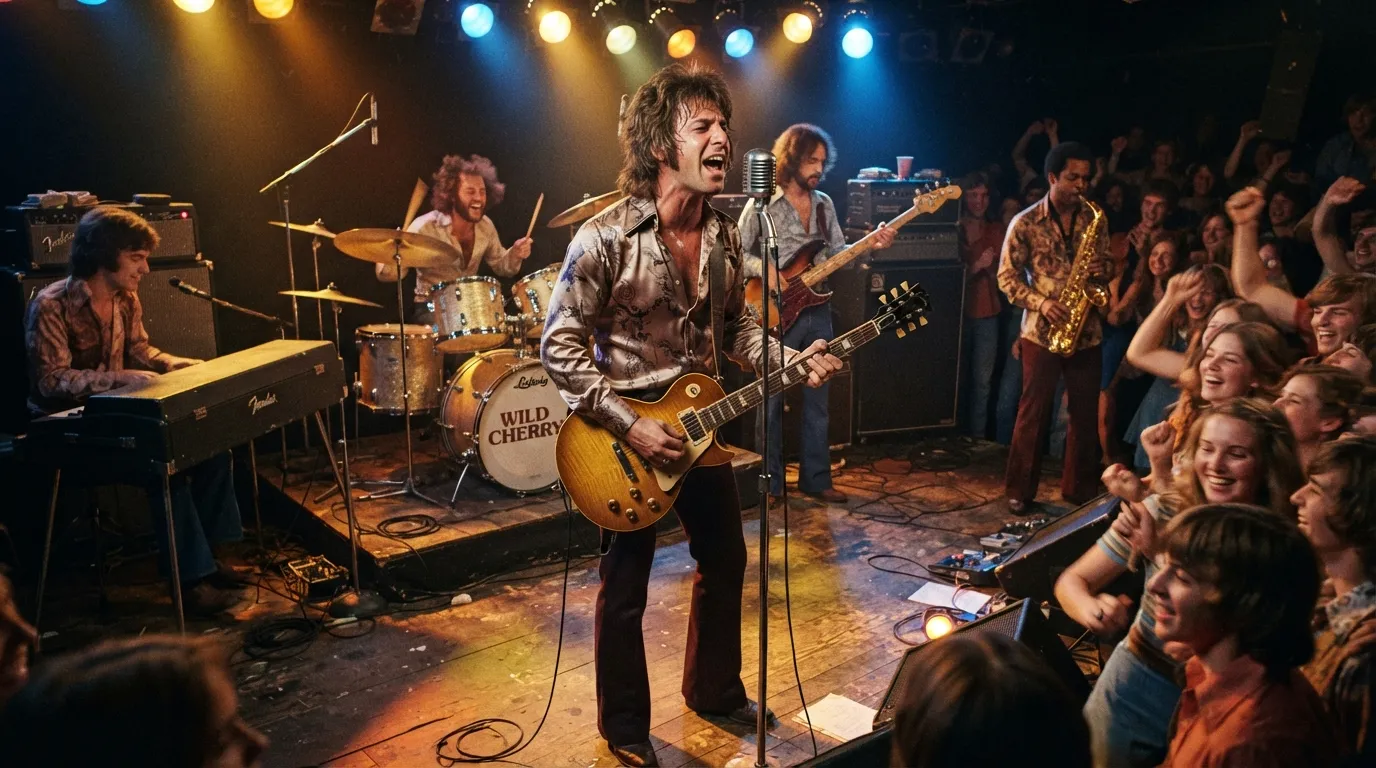
Wild Cherry hit No. 1 with “Play That Funky Music” in 1976. The funk-rock track dominated dance floors.
The band never returned to the Hot 100 Top 40 after that release. Follow-up singles charted lower. The song’s call-and-response hook became a 1970s staple. Members later pursued other projects.
But that’s nothing compared to what we found about #5…
#5 – Ram Jam
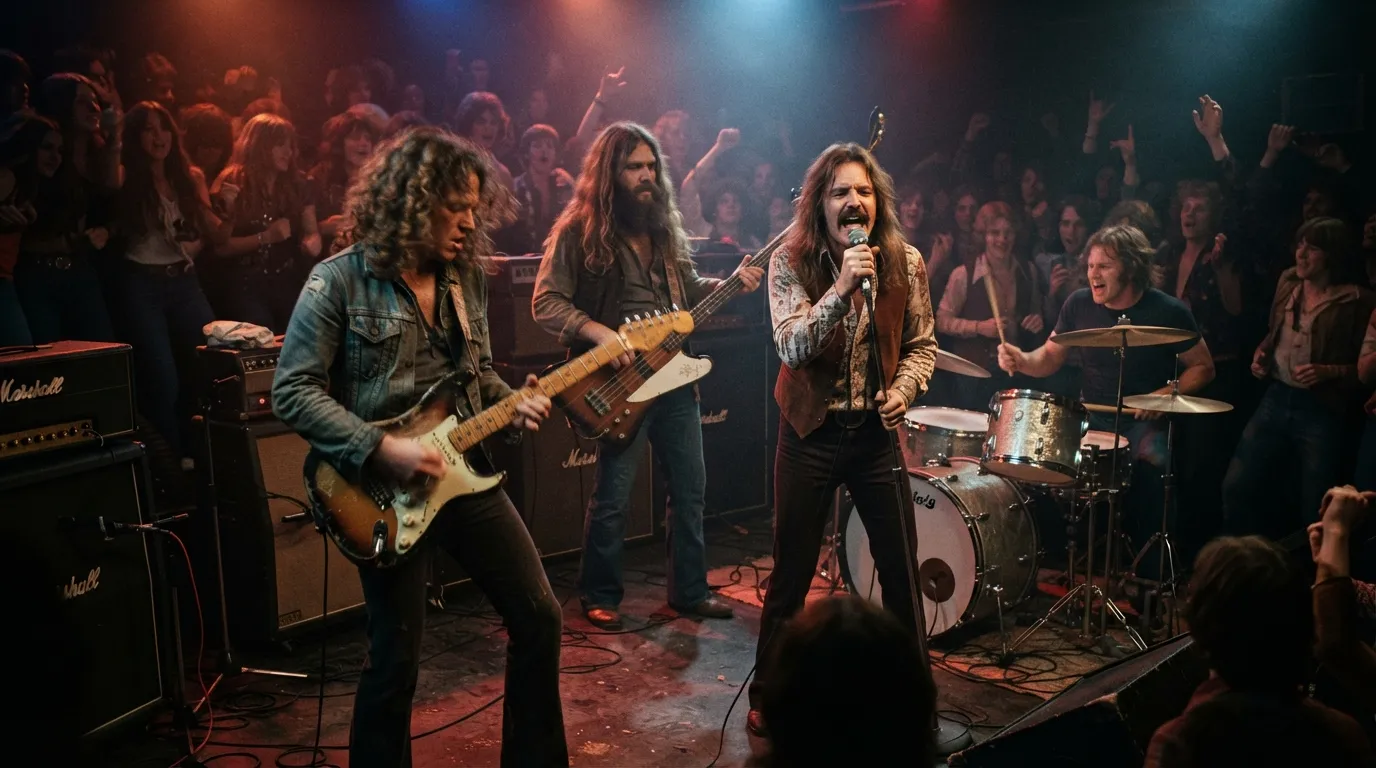
Ram Jam reached the Top 20 with “Black Betty” in 1977. The hard-rock reinterpretation gained heavy radio play.
The band never returned to the Hot 100 Top 40 after that single. They released additional material with limited chart impact. The song’s driving riff stood out on 1970s rock radio, and their brief moment remains tied to that track.
But that’s nothing compared to what we found about #4…
#4 – Mountain
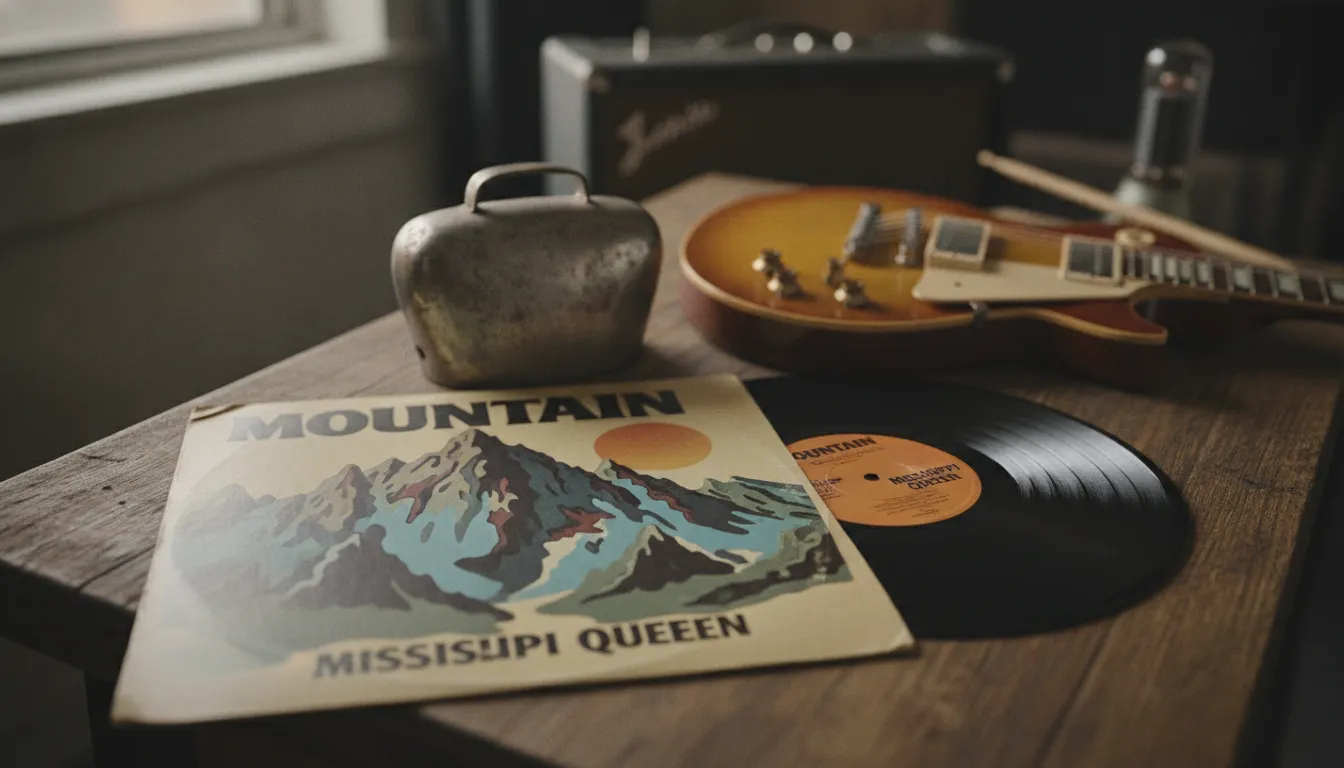
Mountain hit the charts with “Mississippi Queen” in 1970. The hard-rock track featured prominent cowbell and guitar.
The band never returned to the Hot 100 Top 40 after that release. They continued touring and recording in the rock genre. The song’s energetic style became a classic-rock staple. Their influence extended beyond the single chart success.
But that’s nothing compared to what we found about #3…
#3 – Free
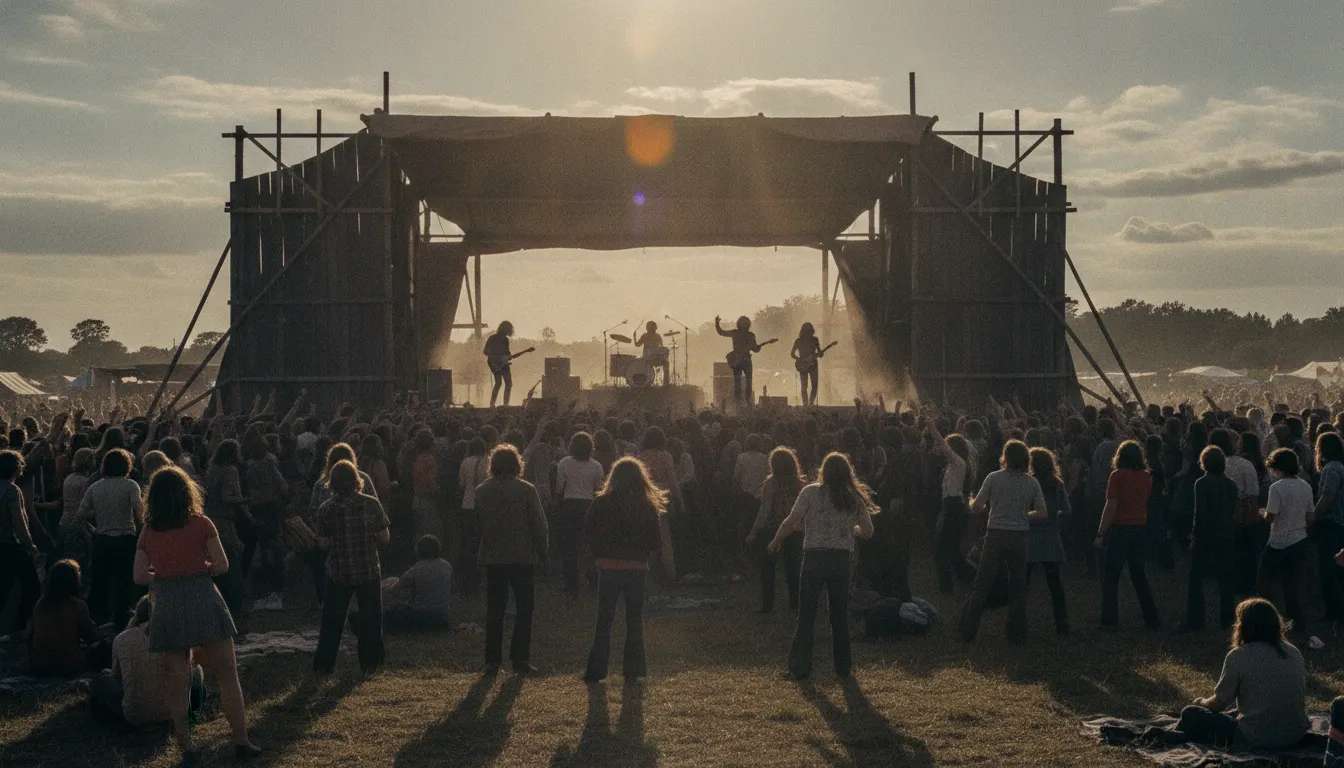
Free reached No. 4 with “All Right Now” in 1970. The hard-rock anthem became a festival favorite.
The band never returned to the Hot 100 Top 40 after that single. Members later formed Bad Company and achieved further success. The song’s riff and chorus defined early-1970s rock radio, and the band’s legacy continued through those later projects.
Quick Compare
- Free: “All Right Now” peaked at No. 4 in 1970.
- Bad Company: “Can’t Get Enough” reached No. 5 in 1974.
- Shared link: singer Paul Rodgers and drummer Simon Kirke were in both bands.
But that’s nothing compared to what we found about #2…
#2 – The Jaggerz
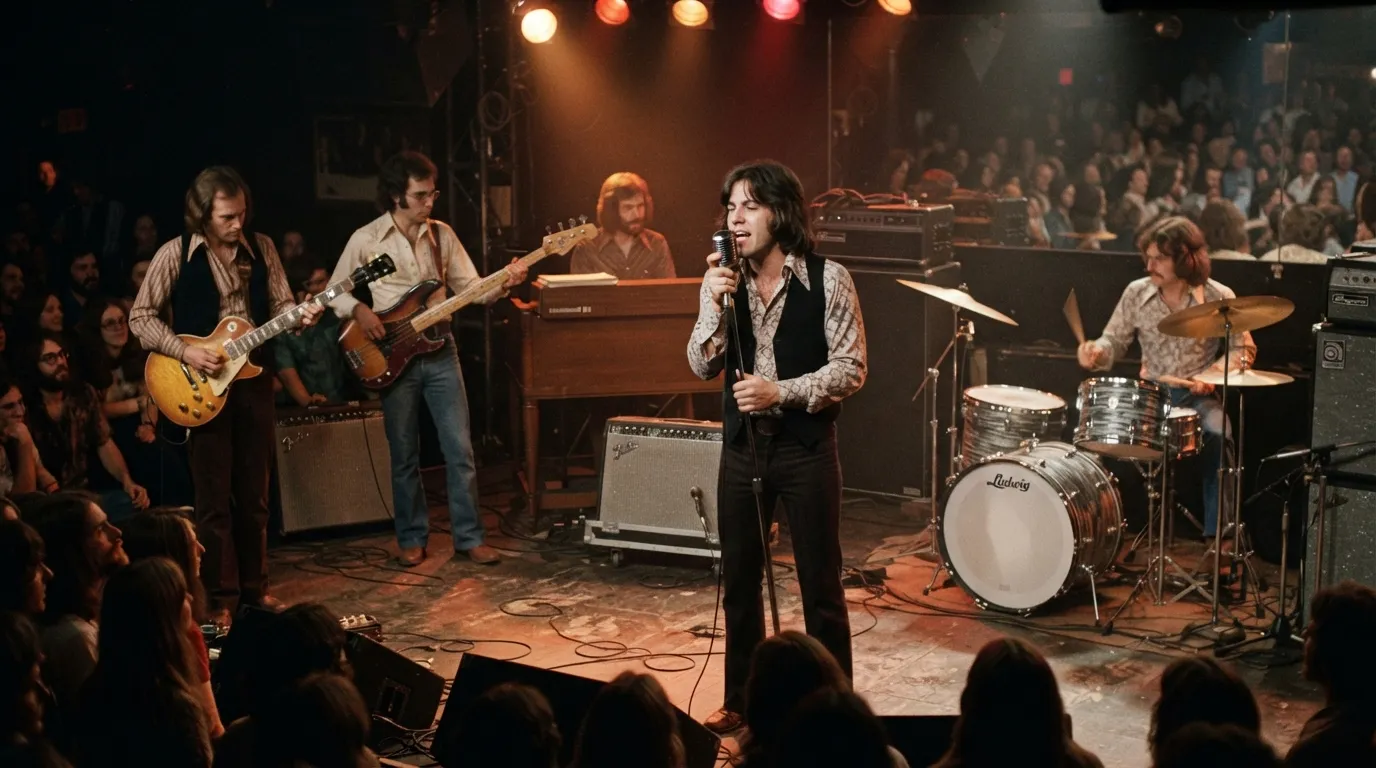
The Jaggerz hit No. 2 with “The Rapper” in 1970. The upbeat track featured distinctive vocals.
The band never returned to the Hot 100 Top 40 after that release. They released additional material with limited chart results. The song’s playful lyrics captured early-1970s pop energy, and their brief moment remains tied to that single.
But that’s nothing compared to what we found about #1…
#1 – Edison Lighthouse
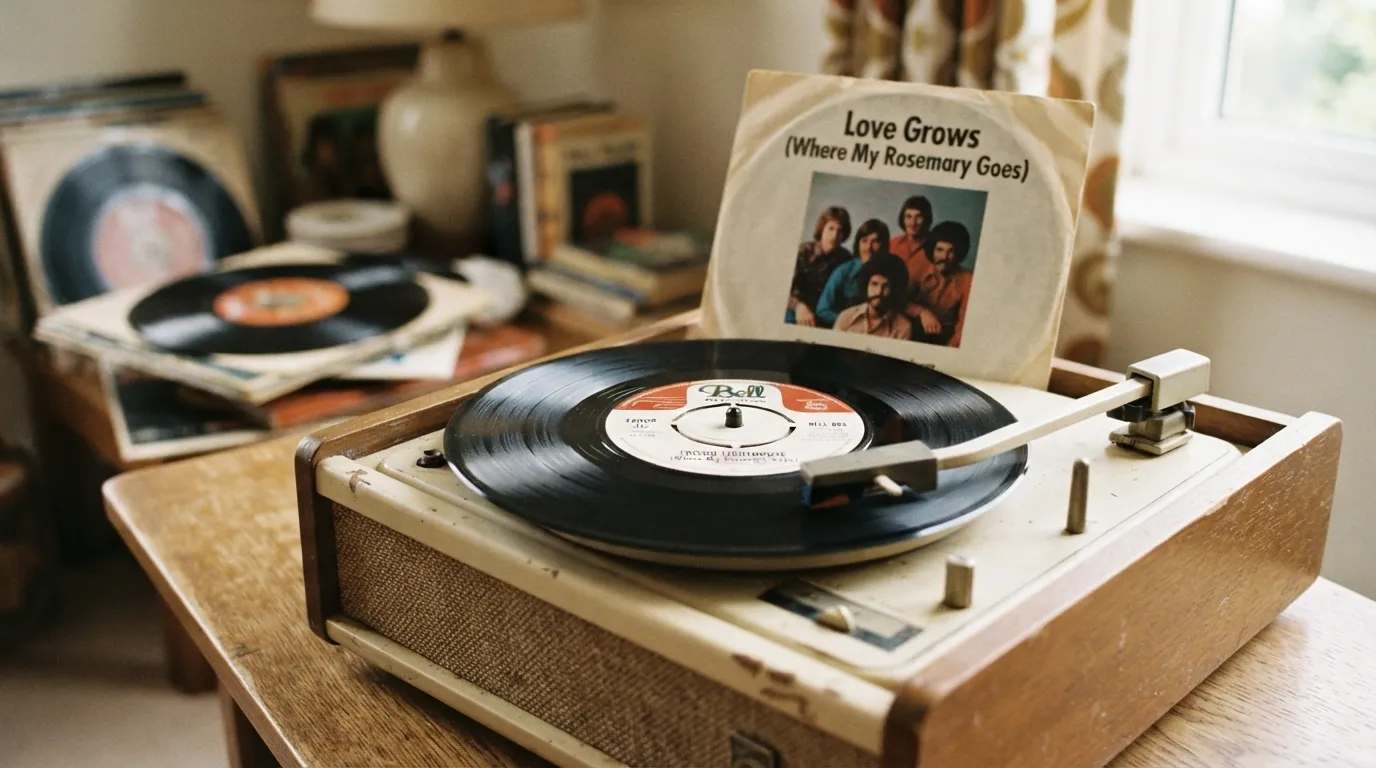
Edison Lighthouse reached No. 5 with “Love Grows (Where My Rosemary Goes)” in 1970. The bright pop track became an instant radio favorite.
The group never returned to the Hot 100 Top 40 after that single. Session musicians largely performed the hit. The song’s catchy melody defined early-1970s pop, and the track continues to appear on retro playlists decades later.