You remember the aisle: bright boxes stacked to the ceiling and every kid on the block begging for the same thing. Then, almost overnight, it was gone. This countdown covers the 1970s toys that owned that moment and then slipped away, whether they were pulled, outgrown, or quietly rebuilt into something you would barely recognize.
Some vanished for the most 1970s reason imaginable: they were genuinely dangerous. Others burned out as pure novelties, and a few came back wearing a different face. Keep reading, because the reasons behind some of these disappearances are stranger than the toys themselves.
#25 – Clackers
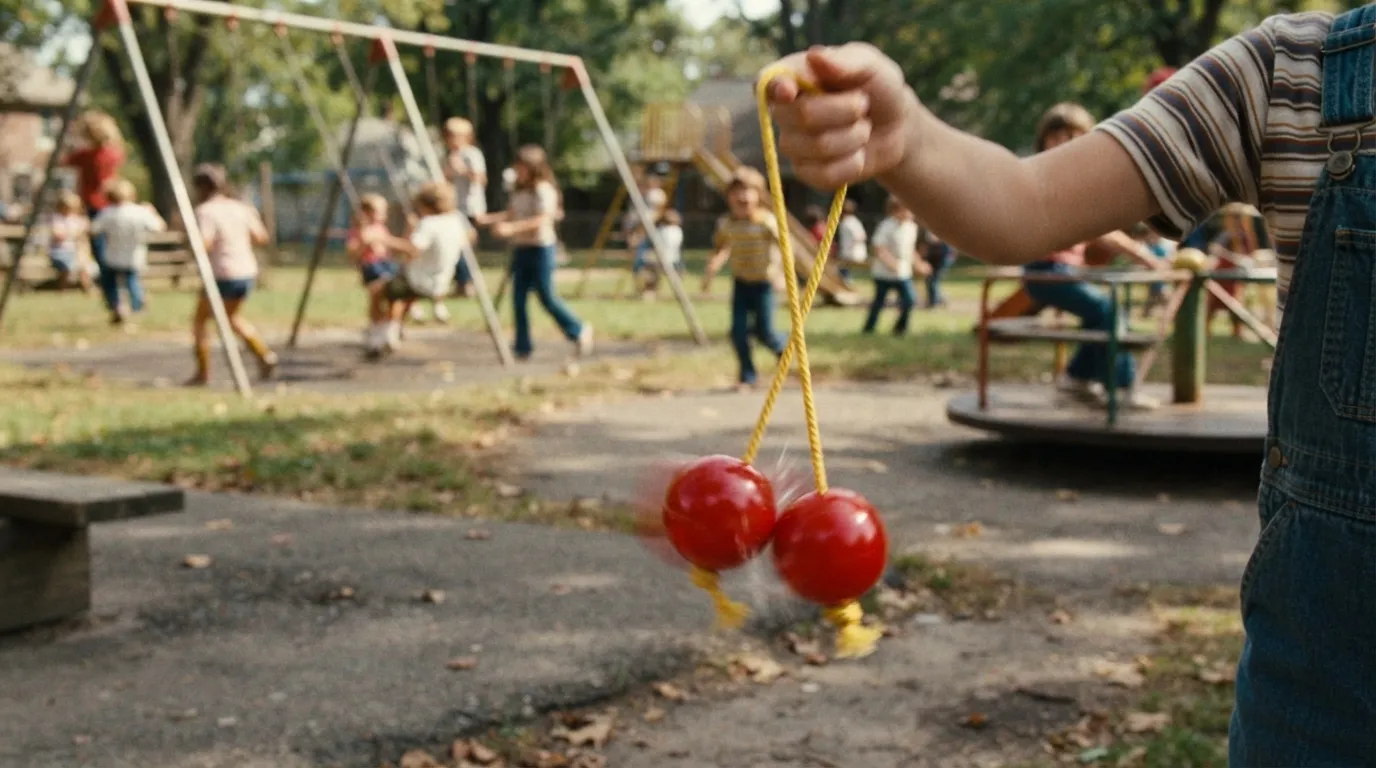
Two hard acrylic balls on a string. That was the whole toy, and in the early 1970s it was impossible to ignore. Swing the balls up and down just right and they slammed together with a sharp crack that carried across an entire playground.
Kids chased the sound and the tricks, like getting the spheres to loop around each other in a blur. The trouble was the acrylic itself. Under hard, repeated impact the balls could crack or shatter, and sharp pieces went flying.
Reports of bruised wrists, cut hands, and face injuries piled up. Stores pulled the toy, and some parents and schools banned it outright. A toy built around a violent smack had a flaw built in, and the original hard-acrylic version never really returned to mass-market shelves.
#24 – Lawn Darts
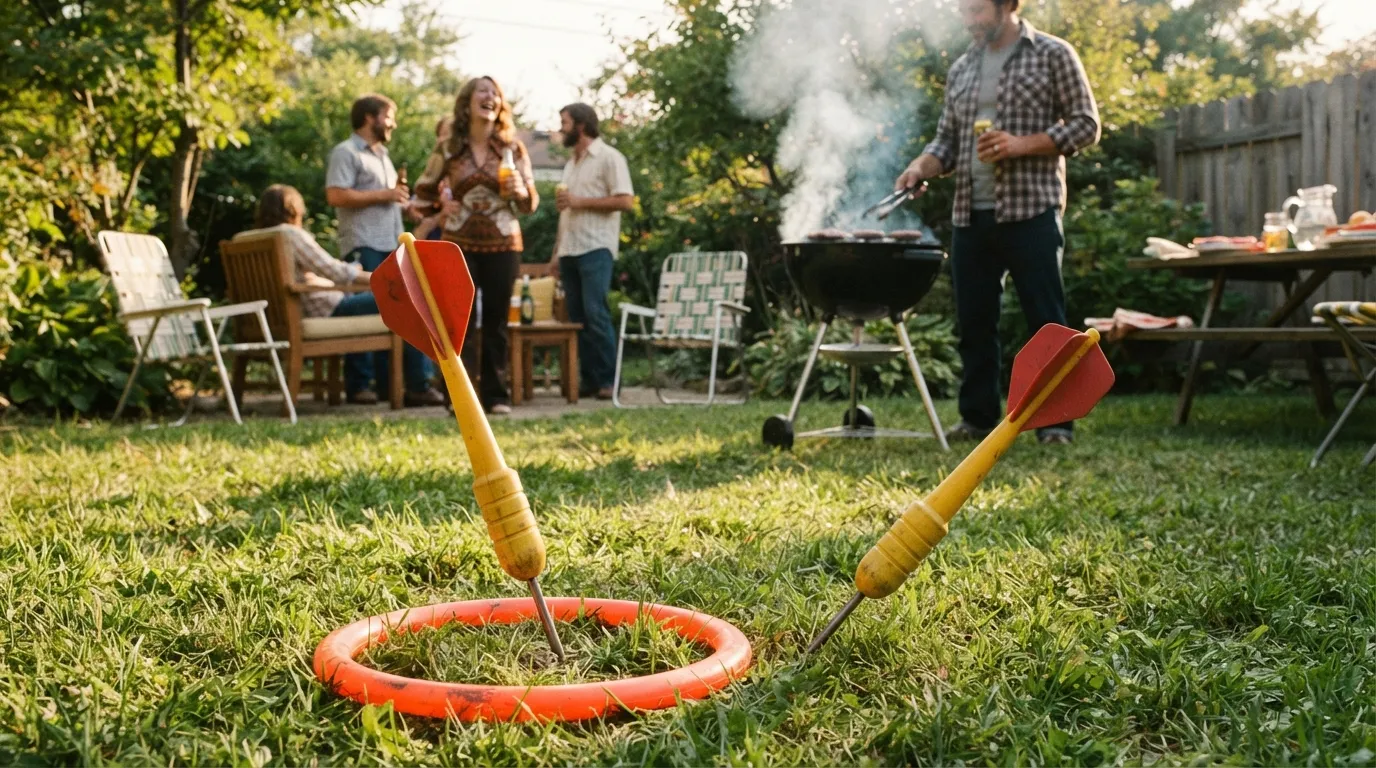
Picture a 1970s backyard cookout. Burgers on the grill, adults with drinks in hand, and heavy, foot-long darts with weighted metal tips arcing toward a plastic ring in the grass. Lawn darts, often sold as Jarts, were sold as a family game.
The design was the problem. A dart that comes down tip-first from a height can hit a person with startling force, and children were the ones most often hurt. Some of those injuries were fatal.
In 1988, the U.S. Consumer Product Safety Commission banned the sale of the metal-tipped sets. Softer versions with plastic tips showed up later, but the classic game vanished from store shelves. Old sets still surface from garages and attics, which is part of why this one has such a haunted reputation.
#23 – Pet Rock
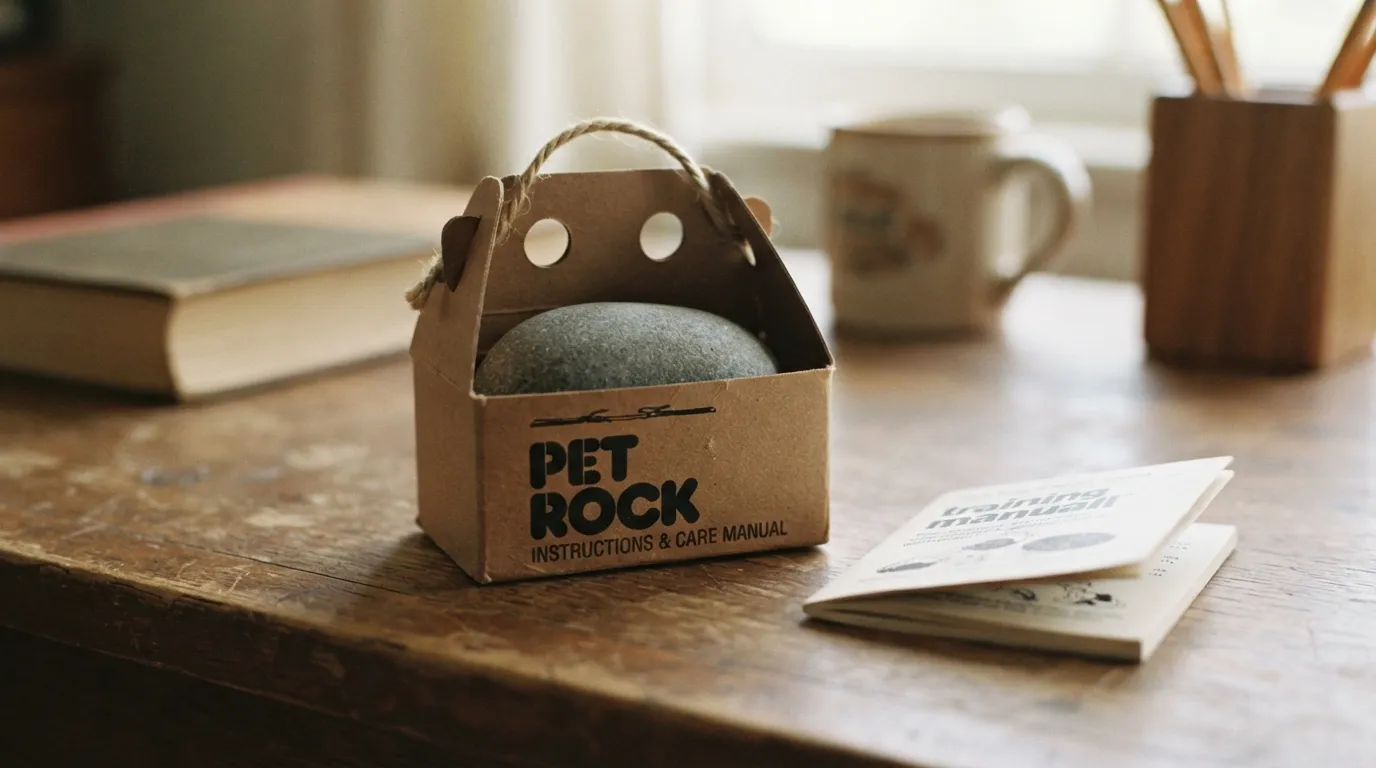
In 1975, a California advertising man named Gary Dahl sold people an ordinary smooth stone in a little cardboard box with air holes. It came with a tongue-in-cheek training manual, and the joke was that you never had to feed it, walk it, or clean up after it. The price was about four dollars.
Fast Facts
- Creator: Gary Dahl, an advertising man from California
- Launch year: 1975, just in time for the holiday rush
- Price: about four dollars per rock
- Packaging: a cardboard carrier with air holes and a mock training manual
It worked almost absurdly well. The Pet Rock became a holiday-season sensation, and reportedly more than a million were sold in a matter of months.
Then the punchline wore thin. By early 1976 the craze had cooled, because a gag gift is only funny once. Today the rocks hardly matter. Collectors chase the original boxes and manuals, which turned out to be the real product all along.
#22 – Stretch Armstrong
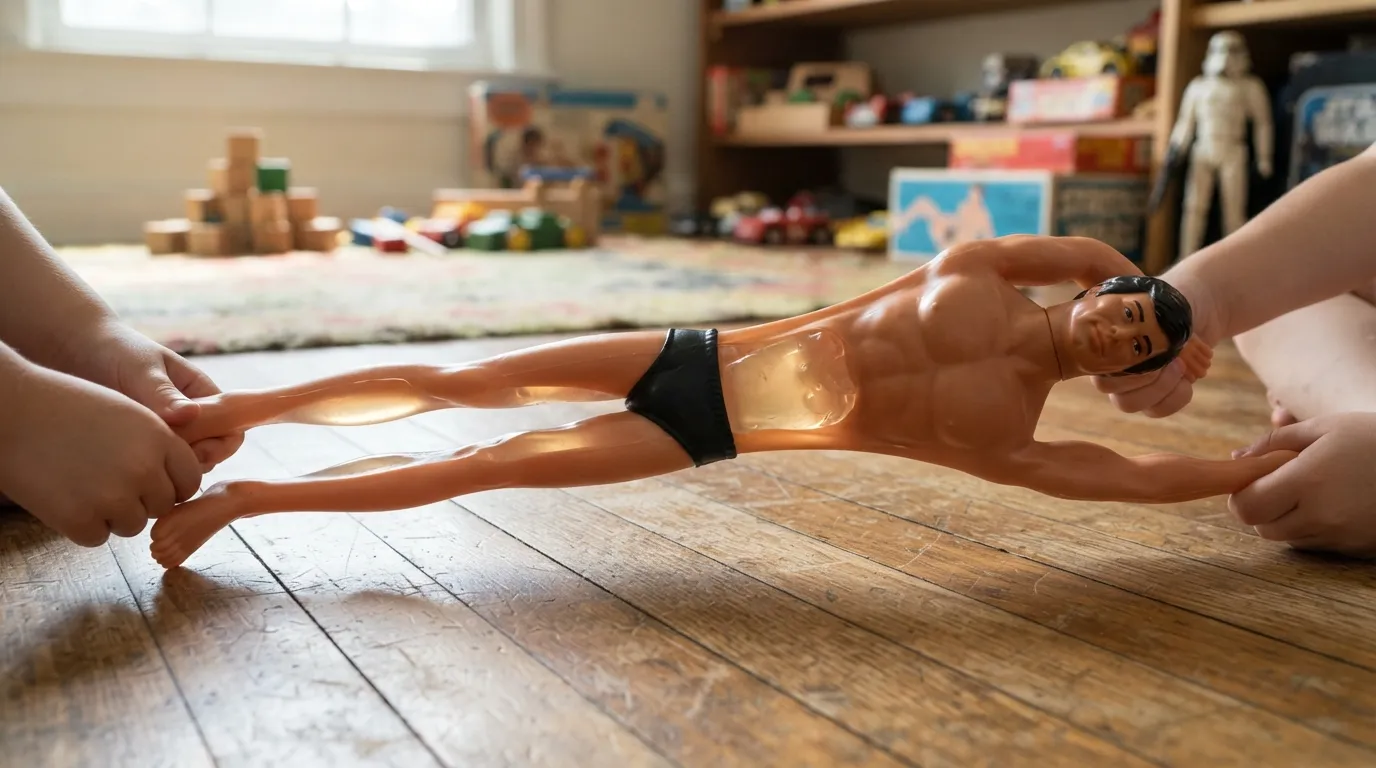
Stretch Armstrong looked like a muscle-bound action figure, but his real talent was being pulled. Kenner released him in 1976, and kids discovered he could stretch to several times his normal length and then slowly snap back.
That was the thrill. It was also the doom. Stretch was filled with a thick, syrupy gel, and if the skin tore or aged badly, the stuff leaked out into a sticky mess.
Plenty of original Stretches never survived childhood, which is why a toy that sold so well is hard to find intact today. Later versions came back with different fillings, but the gooey 1970s original, the one that could actually burst on you, mostly disappeared from everyday play.
#21 – Space Hopper
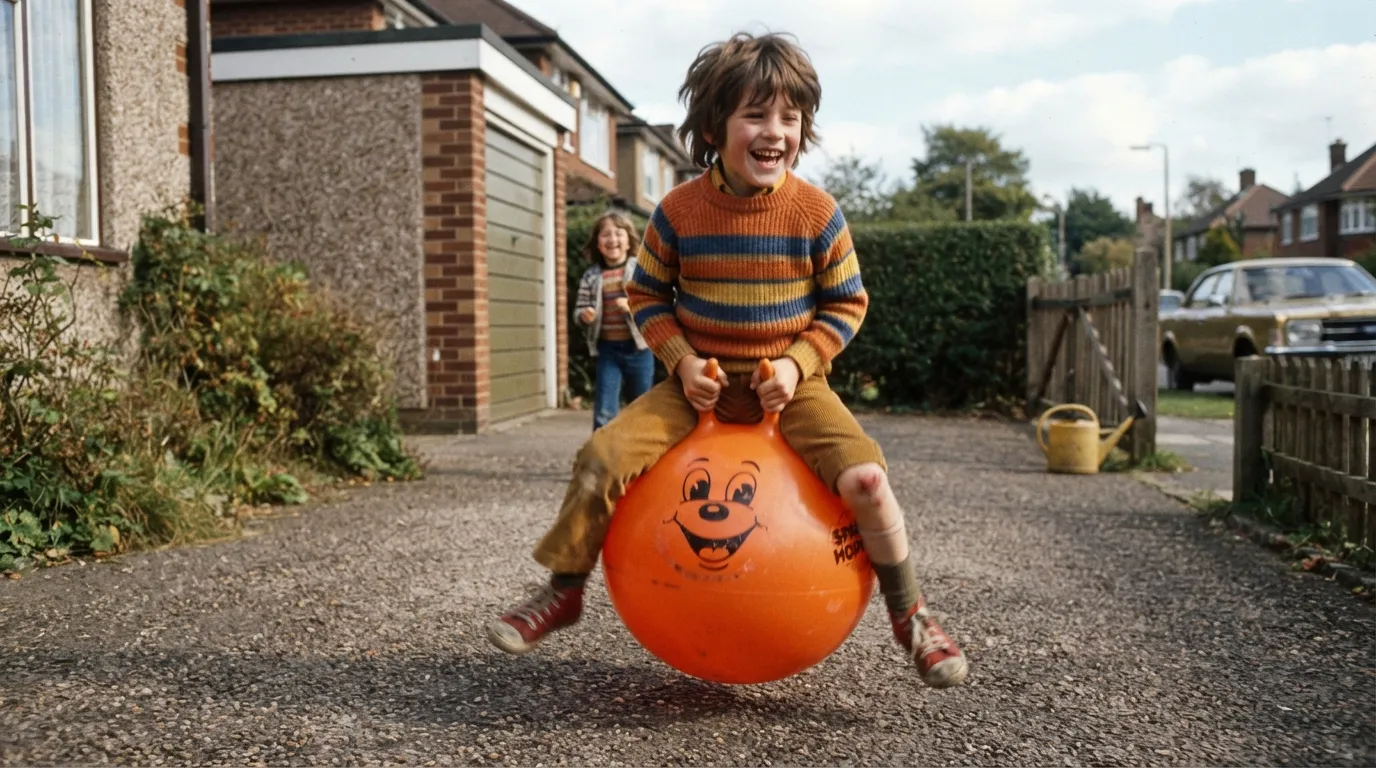
Imagine sitting on a giant rubber ball, gripping two little handles, and bouncing down the driveway like a kangaroo. That was the Space Hopper, an inflatable ride-on that, especially in Britain, became a defining toy of the 1970s. The bright orange versions with cartoon faces are the ones people remember.
It was pure joy and pure chaos. Riders tumbled off, scraped knees, and learned fast that a hopper needs to stay properly inflated and away from anything sharp.
By the early 1980s the craze had cooled as bikes and skateboards took over. The hopper never completely disappeared, but the big wave of 1970s bouncing ended, and the original look rarely turns up in toy aisles now.
#20 – Weebles
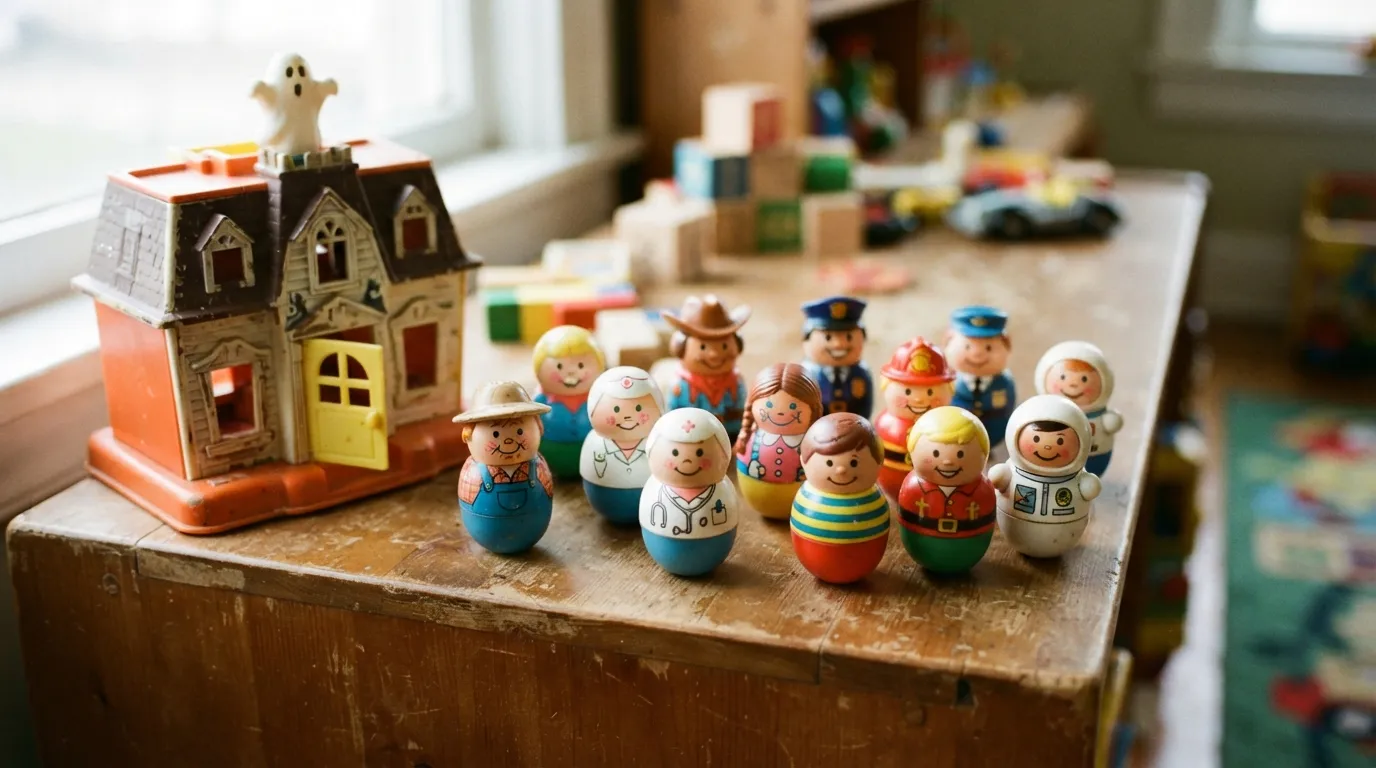
Weebles solved a problem nobody realized they had: toy people who refuse to fall over. These egg-shaped figures had weighted bottoms, so you could knock them flat and they would pop back up. Hasbro launched the line in 1971.
The marketing is what burned it into memory. The jingle said it plainly, that Weebles wobble but they do not fall down, and a generation of kids could sing it on command.
Playsets like the Haunted House gave the little wobblers places to live and plenty of trouble to get into. As the decade went on, new action figures and electronic toys crowded them out. The wobble itself never really changed, but the era that made it a phenomenon did.
#19 – Lite-Brite
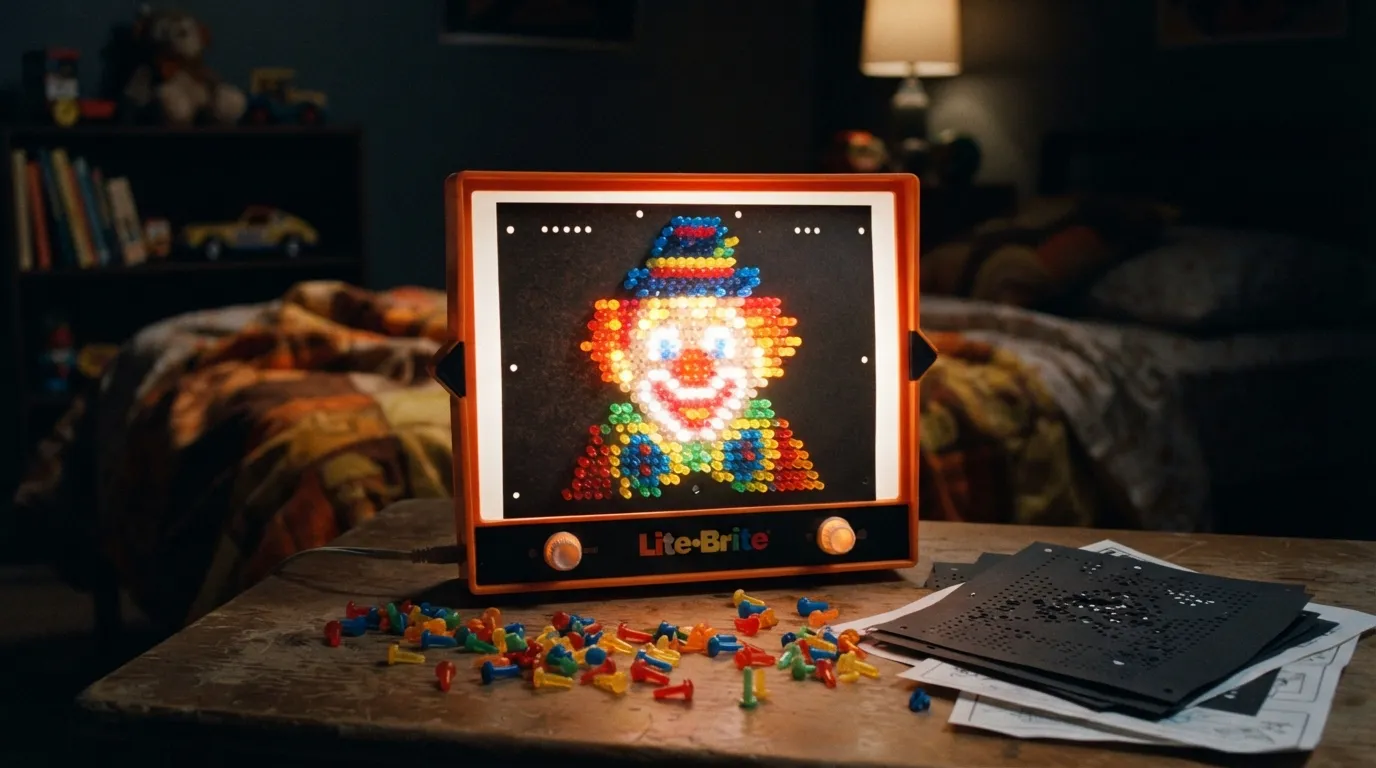
Lite-Brite was magic in a dim room. You pushed small colored pegs through a sheet of black paper, and a light behind the board turned your pattern into a glowing picture. Hasbro introduced it in 1967, and it became a fixture of 1970s childhood.
Part of the appeal was the pre-printed templates, which turned any kid into a pixel artist. The other part was the chaos. Pegs scattered, vanished under couches, and left half-finished pictures on the board.
Over time, flashier battery-powered and character-licensed toys pulled attention away from it. Lite-Brite is still around in updated forms, but the 1970s versions, with their chunky pegs and paper templates, now live mostly in memory and attic boxes.
#18 – Easy-Bake Oven
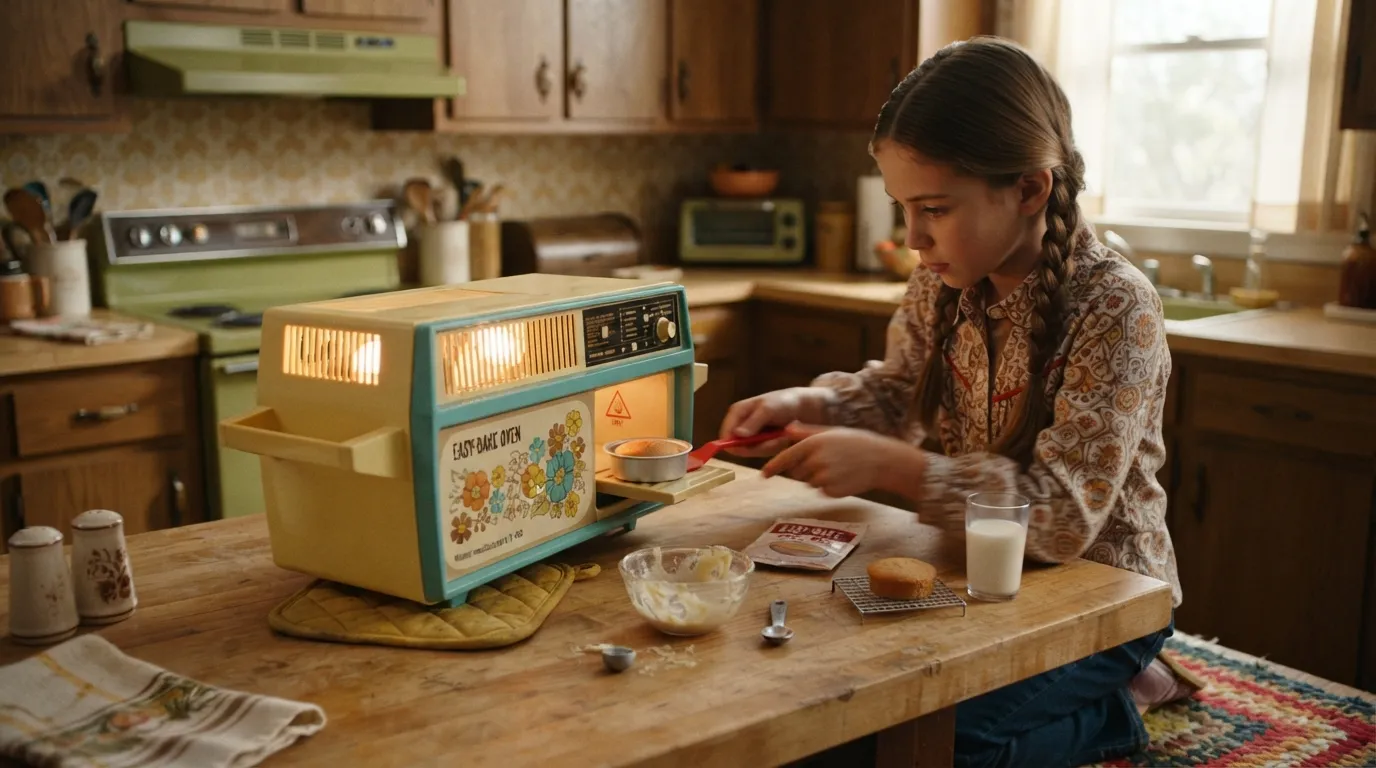
A real oven that fit on a kitchen counter, powered by nothing more than a light bulb. That was the wonder of the Easy-Bake Oven, which Kenner first sold in 1963 and kept selling through the 1970s. Kids mixed a pre-measured packet, slid a tiny pan through the slot, and waited for a miniature cake.
It felt like grown-up independence in toy form. It also meant a hot appliance in a child’s hands, so parents often hovered nearby.
The toy itself never truly vanished, but its heart did. As the incandescent bulb faded from everyday life, newer models switched to a different heat source. The classic bulb-powered oven that so many people remember is now a vintage item.
#17 – Evel Knievel Stunt Cycle
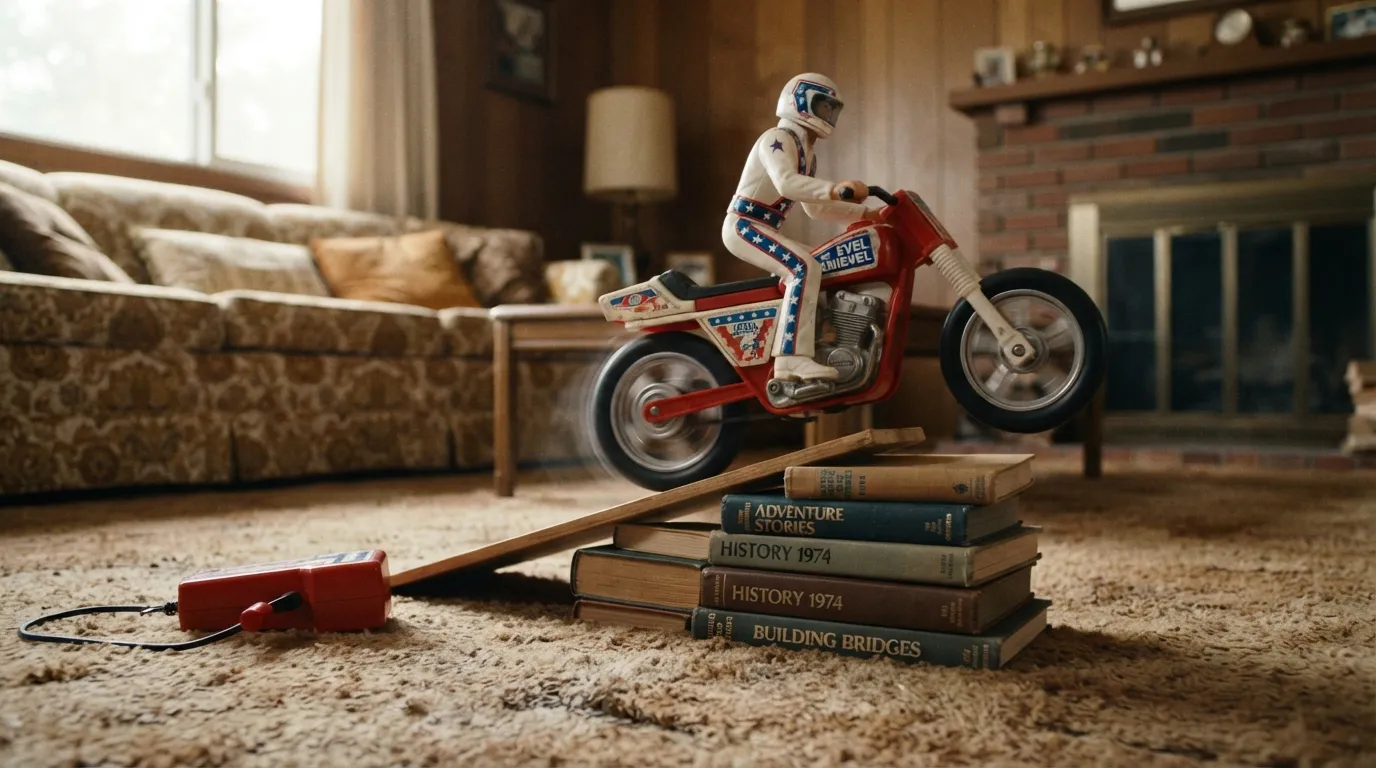
In the early 1970s, Evel Knievel was the most reckless celebrity in America, and kids wanted to launch him across their living rooms. Ideal’s Stunt Cycle arrived in 1973. A hand crank spun up a gyro inside the bike, and the rider shot forward.
The toy rode a wave of real-world drama, including the buzz around Knievel’s 1974 Snake River Canyon jump attempt. Kids built ramps from books and boards and staged their own death-defying jumps, often followed by spectacular crashes.
When the stuntman’s fame faded, so did the toy’s grip on shelves. It lives on mostly through collectors, who hunt for complete sets with the bike, the figure, and the crank launcher.
#16 – Simon
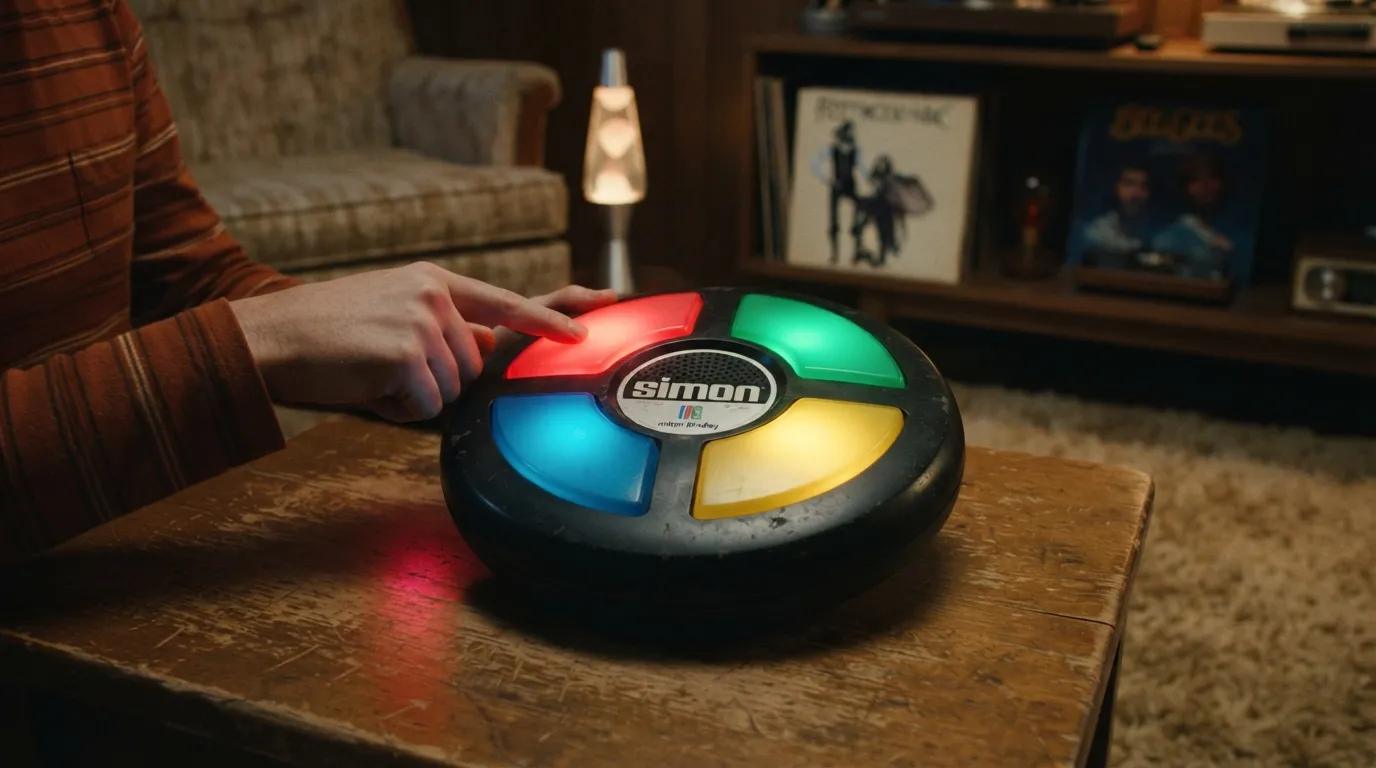
Four glowing buttons, four tones, and a machine that never forgot a thing. Simon, released by Milton Bradley in 1978, asked players to repeat a growing sequence of lights and sounds until someone slipped up. It was widely said to have debuted at Studio 54, which fits its futuristic late-1970s vibe.
At a Glance
- Maker: Milton Bradley
- Release: 1978
- Setup: four colored buttons, each with its own tone
- Goal: repeat the growing pattern without a single miss
The beauty was how quickly it humbled you. Everyone thought they were great at it until the sequence hit a certain length and the brain simply short-circuited.
Simon never fully disappeared, but its original run ended as electronic games exploded in number. Newer editions have changed the size and added features, so the classic late-1970s disc is mostly a nostalgia piece now.
#15 – Spirograph
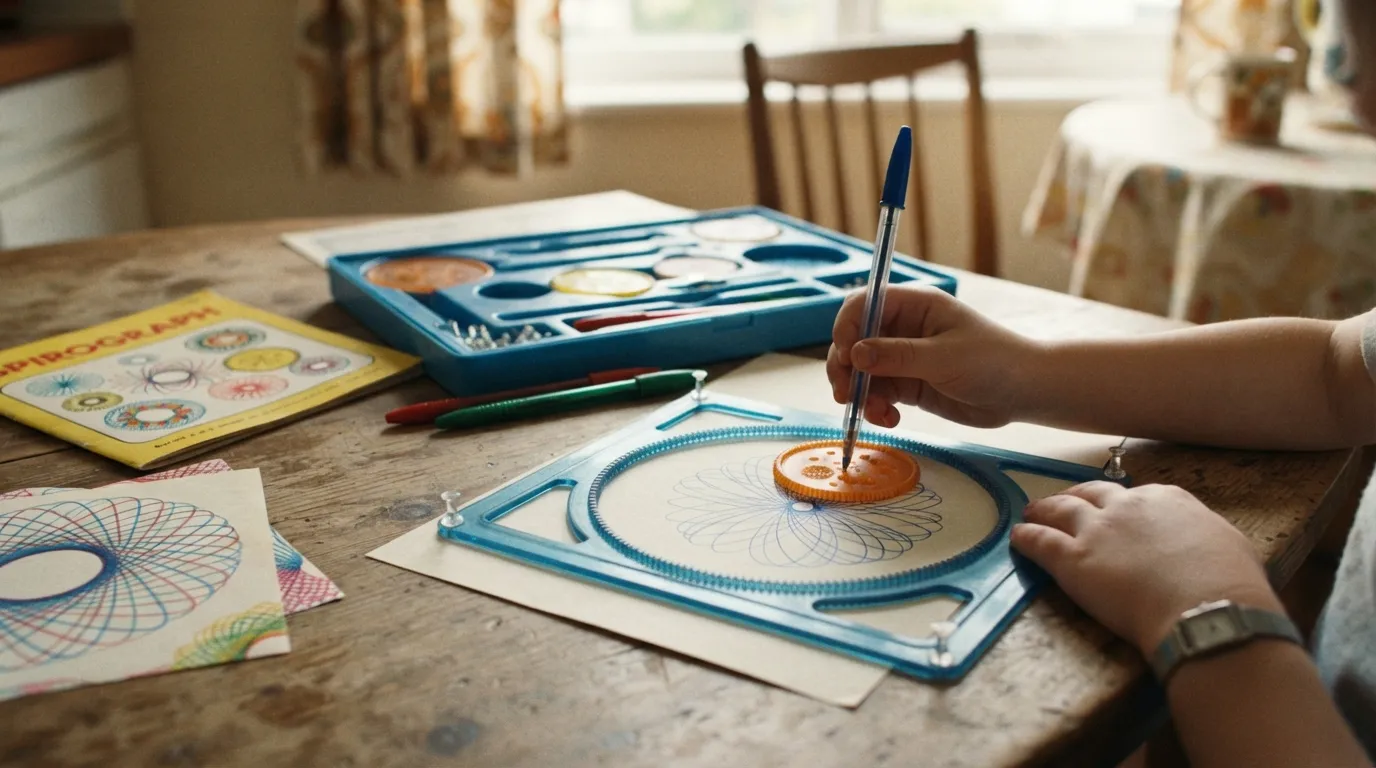
Spirograph looked like a math lesson and felt like art. You pinned down a plastic ring, set a toothed wheel inside it, put a pen through a hole, and traced. The result was a looping, perfectly symmetrical pattern that seemed impossible to make by hand.
The toy began in the mid-1960s, but it stayed a favorite into the 1970s, when kids covered kitchen tables with colorful designs. It also took patience. A slipping gear could ruin a half-finished drawing and start the whole thing over.
Spirograph never entirely left, yet the older sets mostly drifted out of mainstream stores as drawing apps and craft kits took over. Vintage sets are often missing pieces, since one lost wheel can ruin the whole collection.
#14 – Shrinky Dinks
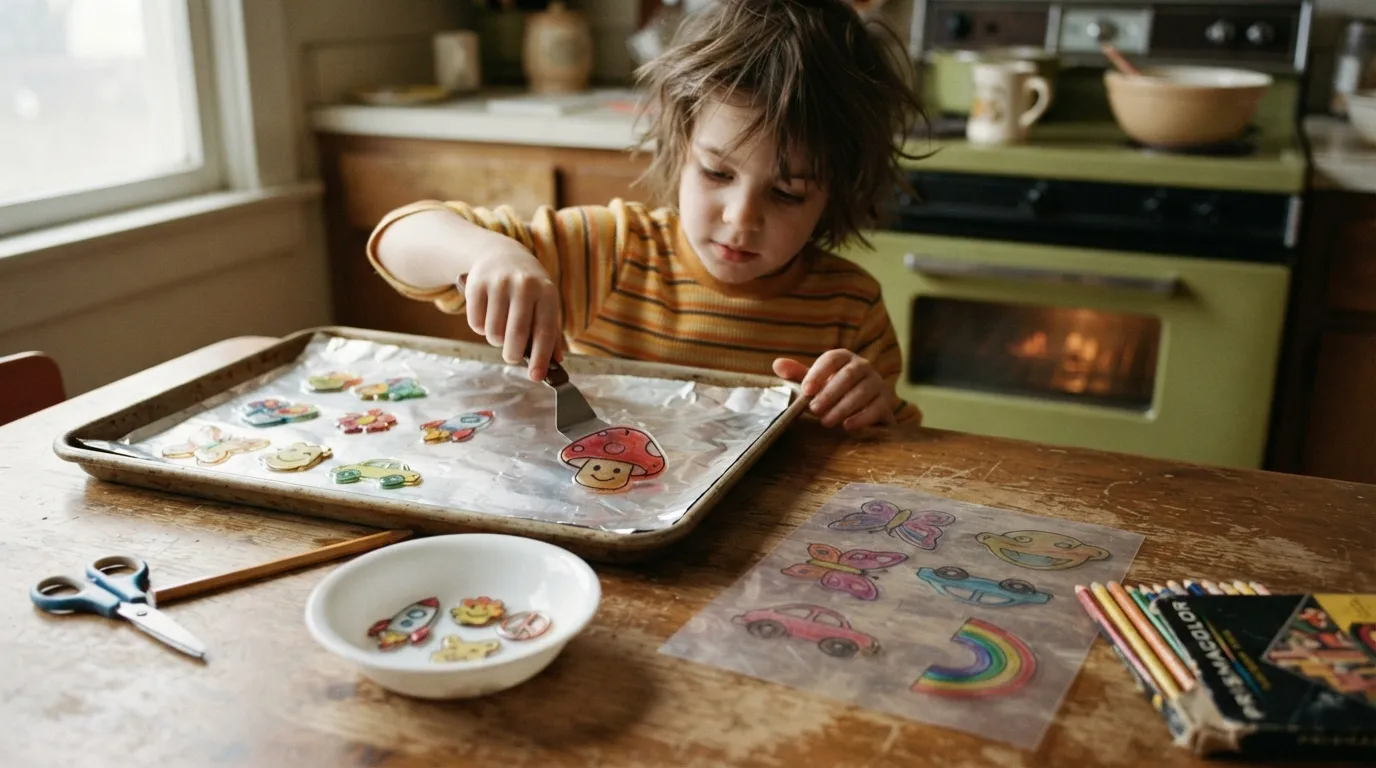
Here is a craft that rewarded you for waiting. Kids colored a clear plastic sheet, cut out the shape, and slid it into the oven, where it curled, wrinkled, and then shrank into a tiny, thick charm. Two Wisconsin moms introduced Shrinky Dinks in 1973.
Watching the plastic transform was the whole thrill. A drawing you spent an hour on turned into a miniature keepsake in a few minutes, and every kid wanted to know exactly how small it would get.
Shrinky Dinks never fully disappeared, but the original 1970s kits gave way to newer craft sets and packaging. The craft itself remains a very 1970s kind of kitchen-table magic.
#13 – Rock ‘Em Sock ‘Em Robots
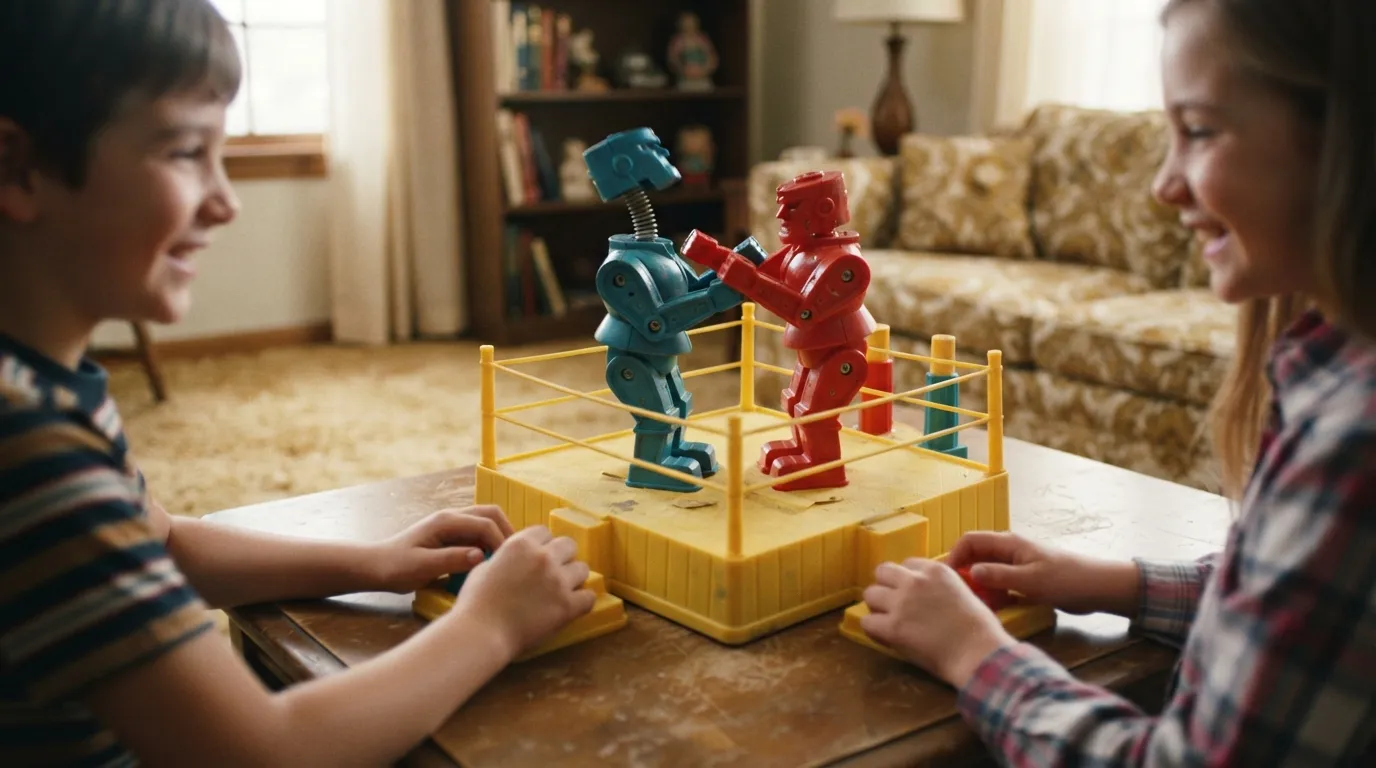
Two plastic robots, one red and one blue, locked in a ring. Each player had a pair of controls and one goal: land a clean punch so the other robot’s head popped up. Marx introduced the game in 1966, and it kept turning up in family rooms into the 1970s.
It was loud, simple, and weirdly addictive. Kids mashed buttons until their thumbs ached, and the winner’s roar usually told the whole house the match was over.
As electronic and licensed toys took over, the old boxing game lost its edge. Marx itself faded, and the toy later came back under Mattel. The original vintage sets are mostly collector items now.
#12 – Big Wheel
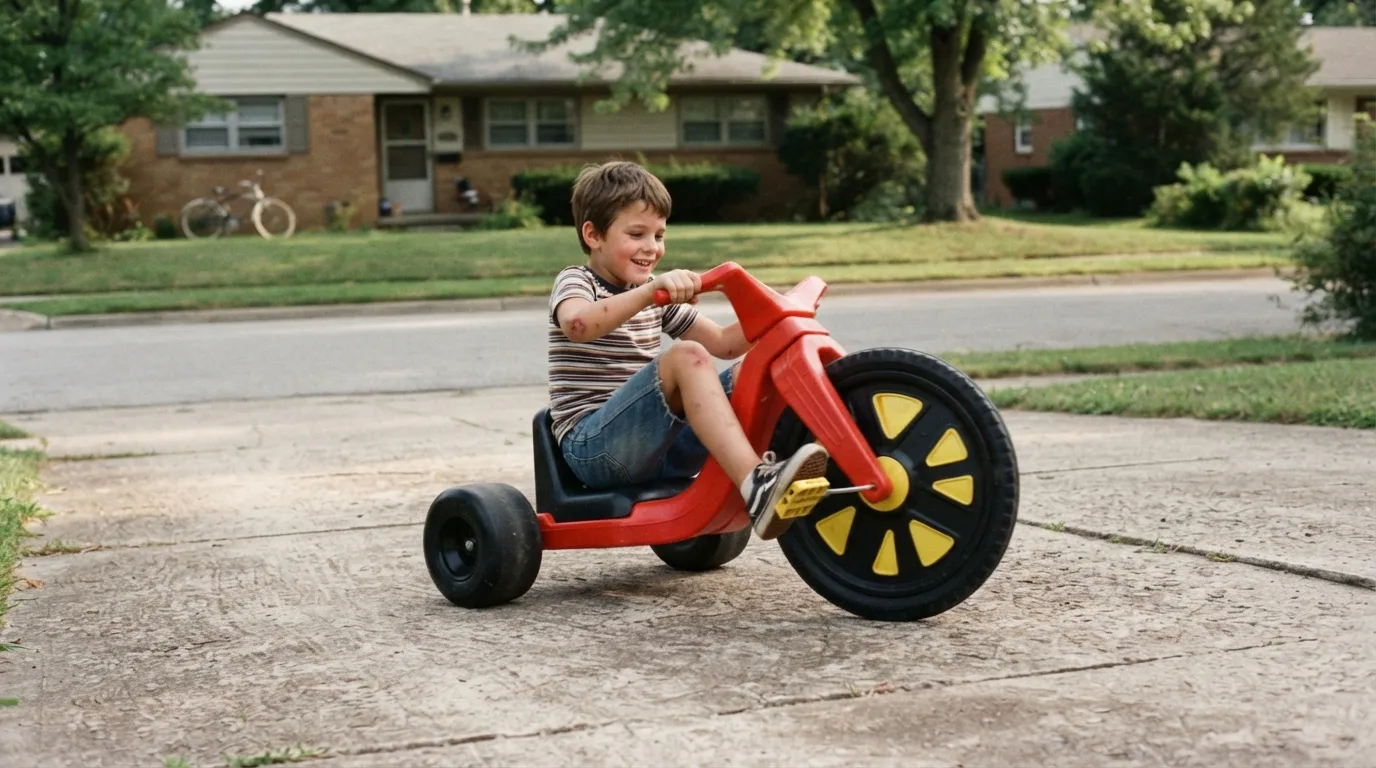
The Big Wheel looked like a tricycle that had grown up and gone feral. Marx launched it in 1969. It had an enormous front wheel with pedals attached, a seat just inches off the ground, and rear wheels that made slides and spin-outs part of the fun.
On a sloped driveway it felt like speed itself. It also meant plenty of scraped elbows, and every neighborhood had one kid who could do a dramatic turn on the sidewalk.
The 1970s versions faded as other ride-ons arrived, though Big Wheel-style trikes remain available in modern forms. What disappeared was the specific plastic look and the feeling of owning the sidewalk.
#11 – SSP Racers
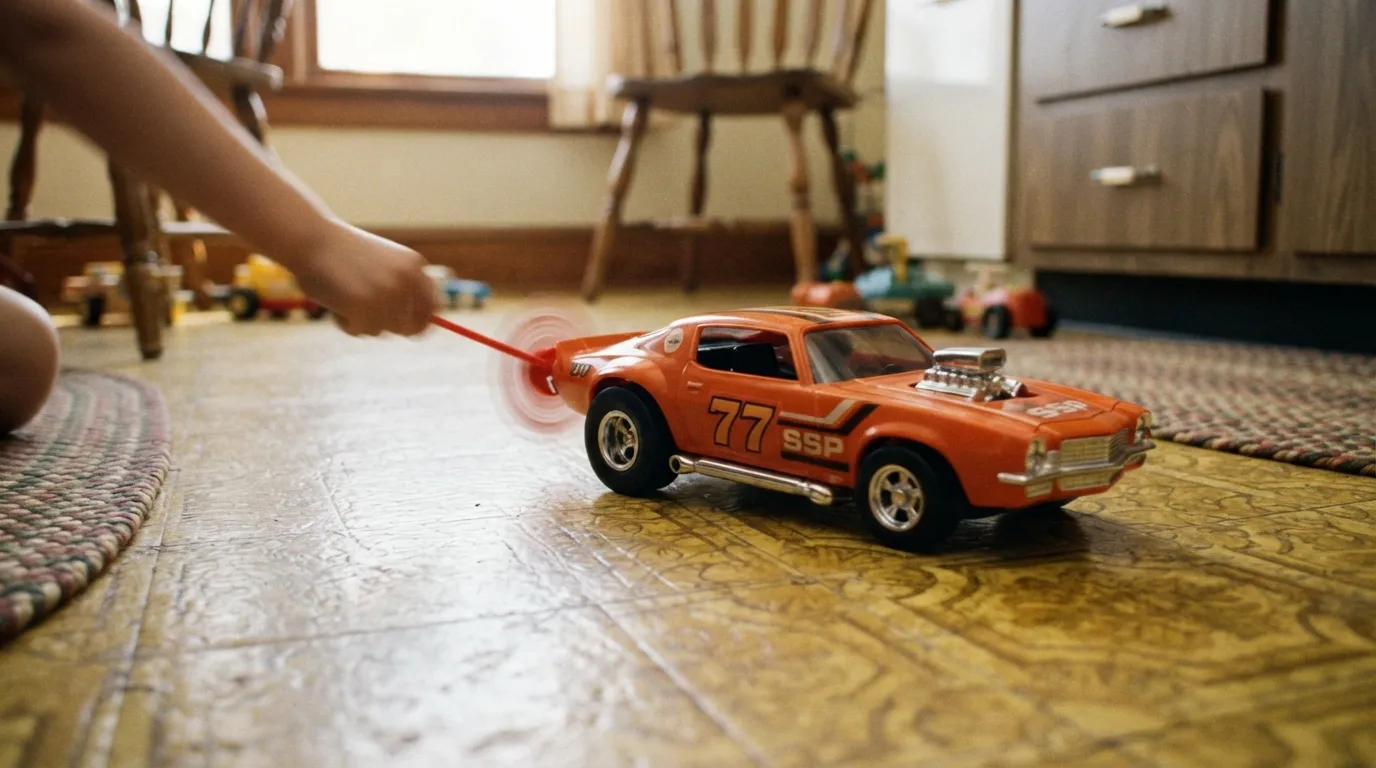
SSP Racers were Kenner’s answer to the question every kid asked: how do I make my toy car go faster? The racers used a ripcord and a spinning flywheel inside, so a hard pull sent the little car rocketing across the floor.
The name stood for Super Sonic Power, and the cars lived up to it. Kids lined up on linoleum and carpet to see whose car would win the race, and the whirring sound of the flywheel became part of the memory.
Muscle-car styling gave the toys a very 1970s look. As toy trends moved on, the exact pull-and-release setup largely disappeared. The racers are now remembered by collectors and by anyone who ever lost a favorite car under the couch.
#10 – Micronauts
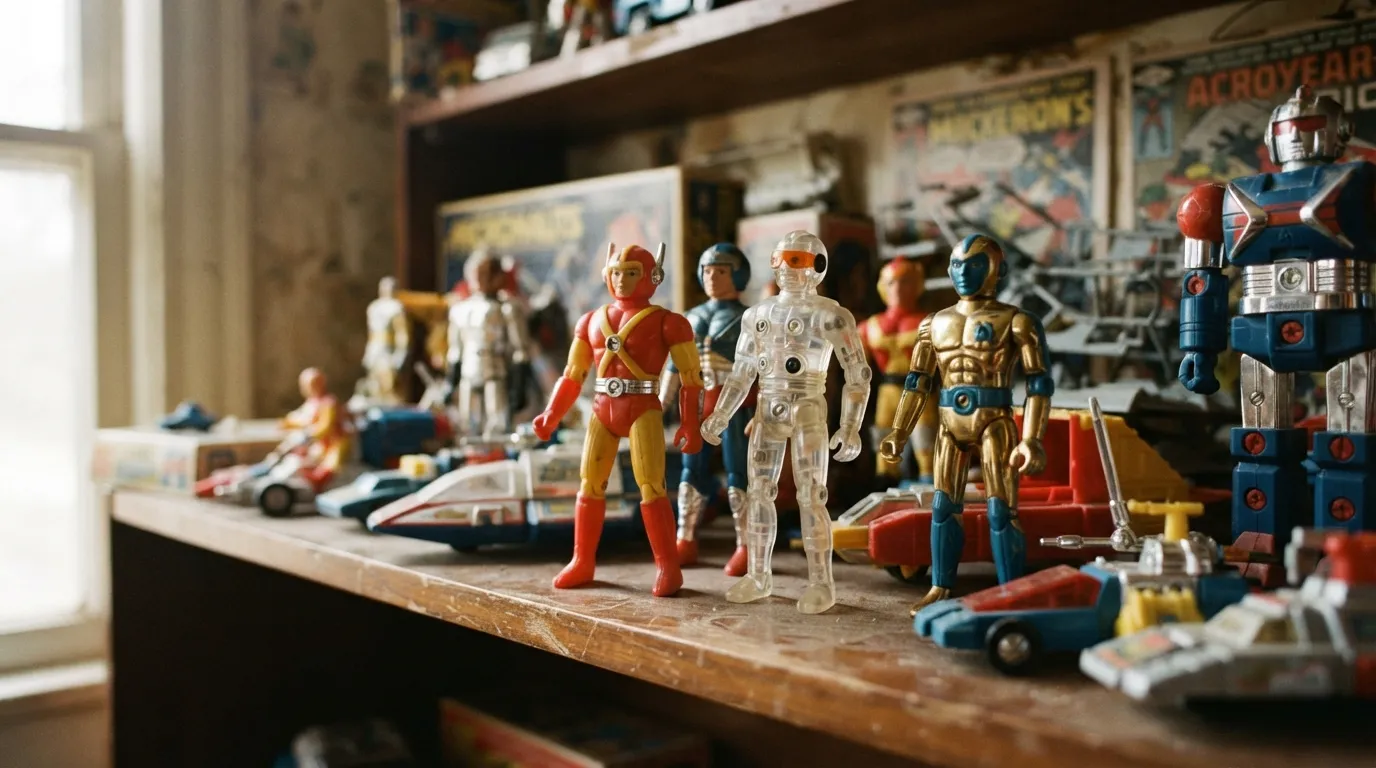
Micronauts were tiny space heroes built like construction kits. Mego brought them to American toy stores in the mid-1970s, and the 3¾-inch figures had pieces that snapped together and could be swapped between characters, which made the toys feel limitless.
The line added robots, vehicles, and playsets, all wrapped in sci-fi adventure. In 1979, Marvel launched a Micronauts comic book, which gave the toys a bigger story and helped keep the excitement going.
But the toy market shifted, and Mego itself went bankrupt in the early 1980s. The line faded from store shelves as other space and action brands took over. Collectors still prize the original figures and their interchangeable parts.
#9 – Six Million Dollar Man Action Figure
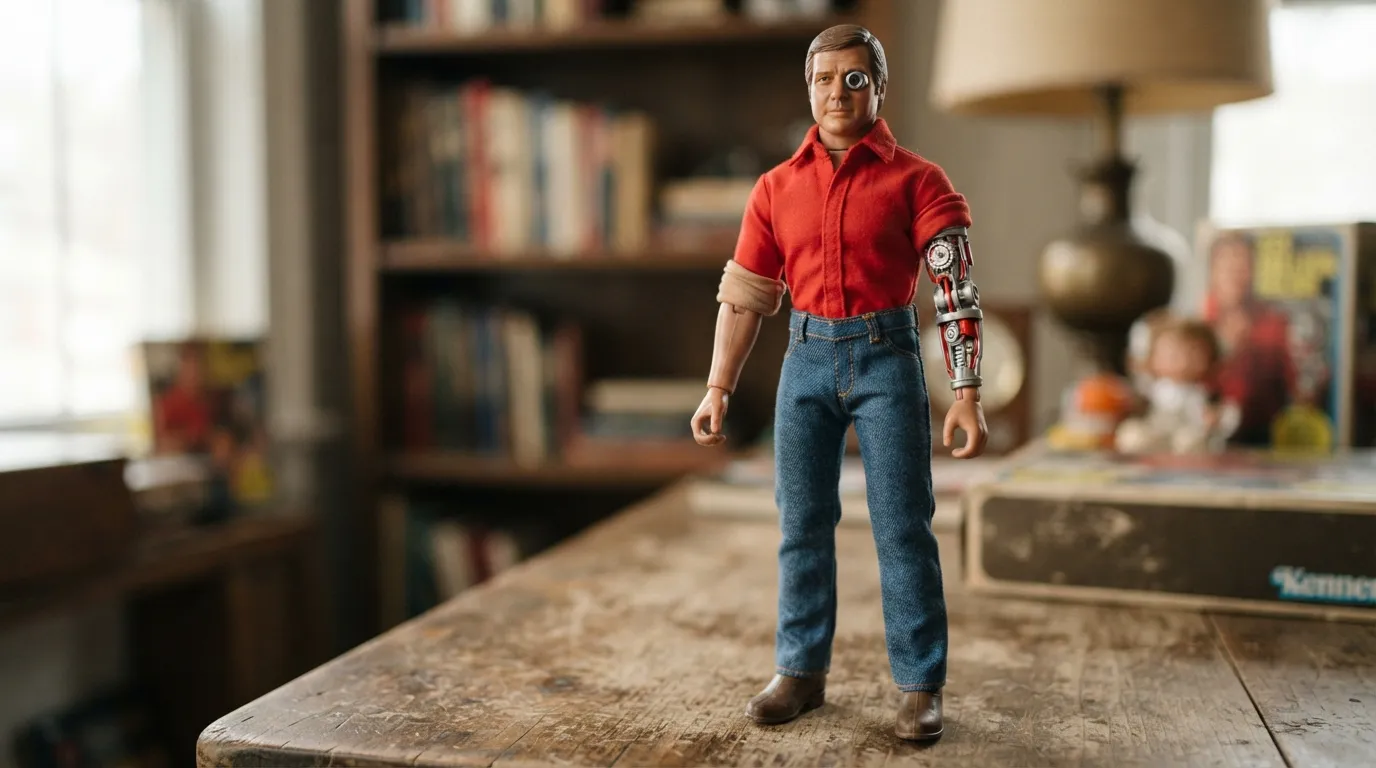
Steve Austin could run faster than a car, and the toy version let kids peek at why. Kenner’s Six Million Dollar Man figure came out in 1975 with a rubbery skin covering on his arm that rolled back to show the bionic parts underneath. A tiny lens in his head let kids look through his “bionic eye.”
It was a clever gimmick tied to a hit TV show, and it made the figure feel like a piece of the show itself.
When the series ended and new sci-fi and superhero lines arrived, the toy slipped away. Complete original figures, especially with intact skin and accessories, are now sought after by fans of 1970s television.
#8 – Fashion Plates
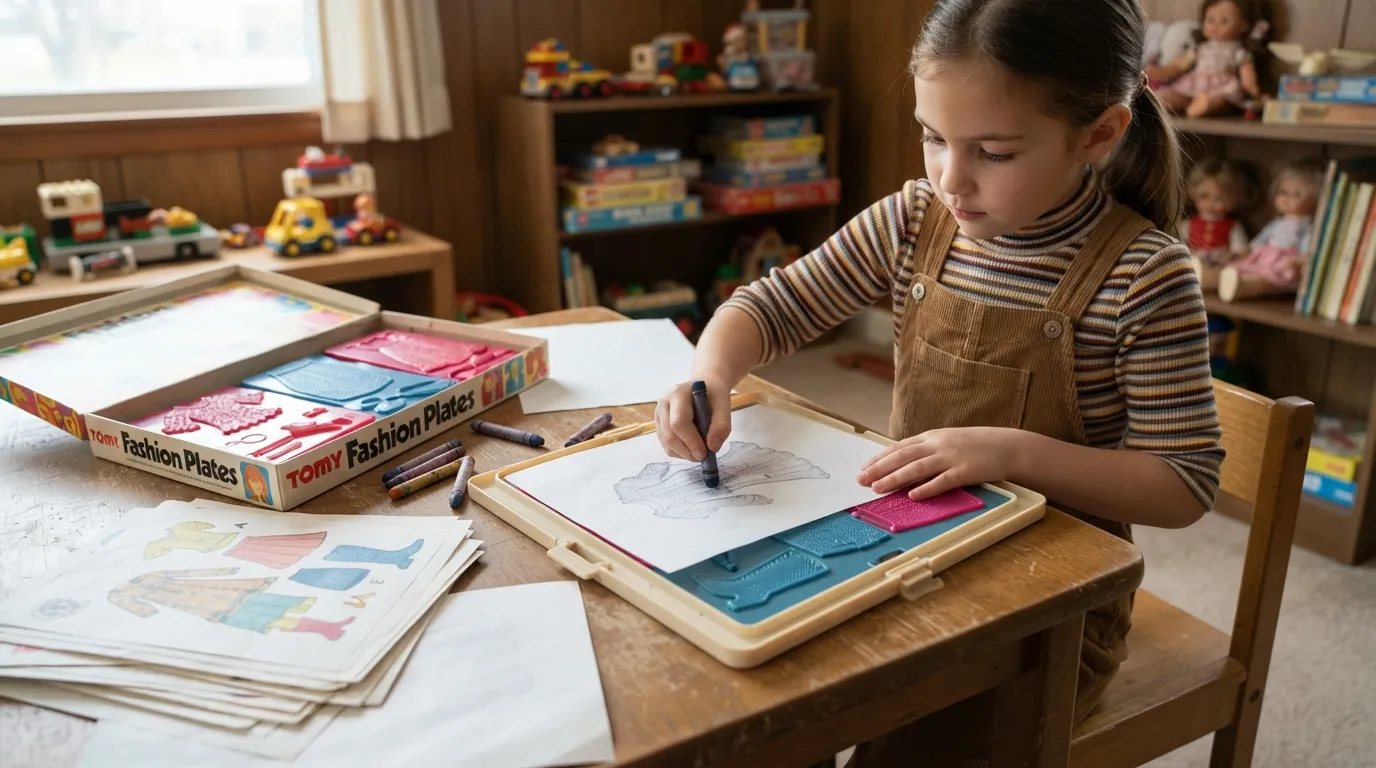
Fashion Plates turned a pencil and a sheet of paper into a runway. Tomy’s late-1970s set had plastic plates with raised outfit designs. Kids slid them into a frame, rubbed crayon or pencil over the paper, and out came a fashion drawing.
The fun was in the mix and match. A top from one plate and a skirt from another created a look nobody had seen before, and the results felt more polished than most kids’ doodles.
Craft trends moved on and electronic drawing toys took over, so the original sets slipped away. Fashion Plates remain tied to the late 1970s, when a rubbing and a bit of imagination were enough to design a whole wardrobe.
#7 – Super Elastic Bubble Plastic
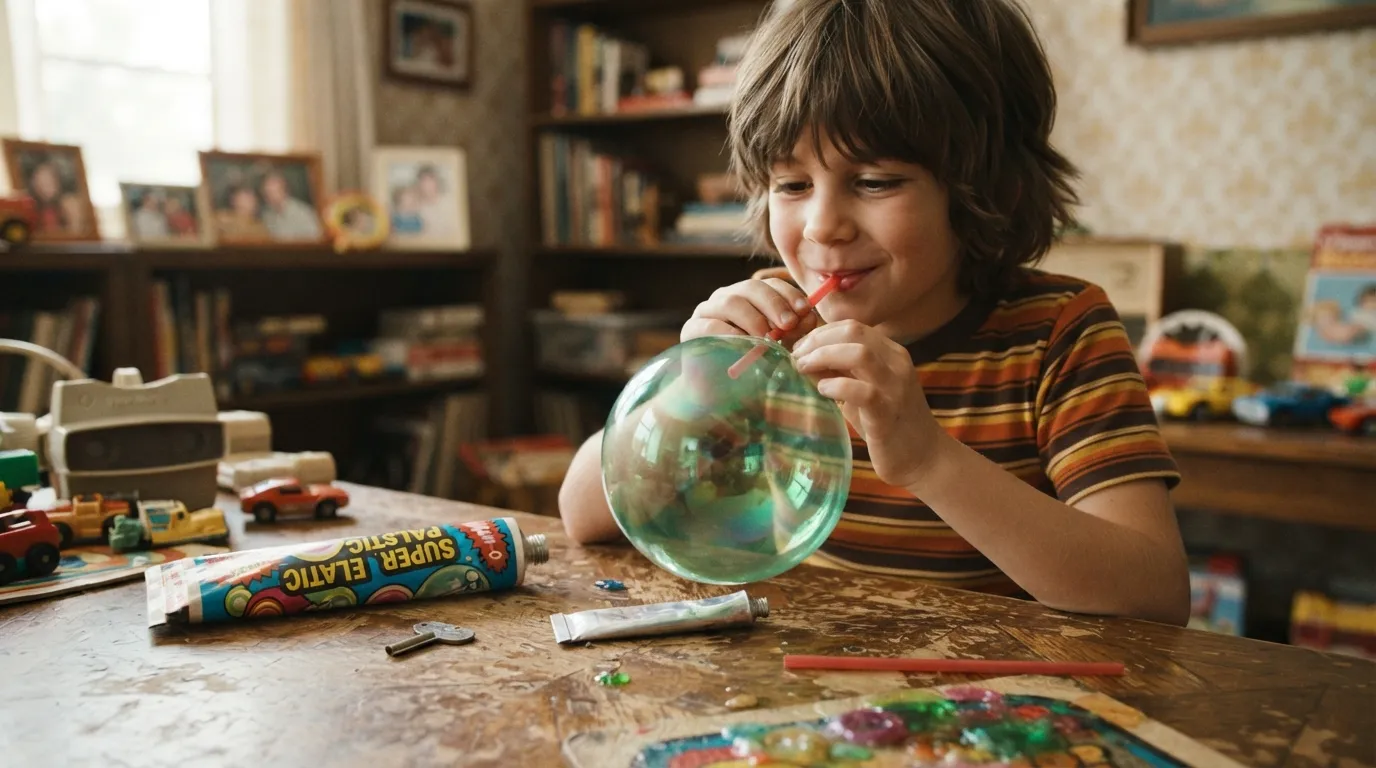
Super Elastic Bubble Plastic, made by Wham-O, was a goo that came in a tube with a little straw. You squeezed a blob onto the end, blew, and a shiny, colorful bubble swelled up that could last far longer than any soap bubble.
Kids loved it, and parents often hated it. The strong chemical smell and the solvent fumes raised safety concerns, and the toy eventually disappeared from shelves.
It remains one of those 1970s experiments that feels almost impossible today, a toy that was basically a chemistry project in a tube. Few modern products match its odd mix of wonder and danger, which is exactly why people still remember it.
#6 – Chatty Cathy Pull-String Dolls
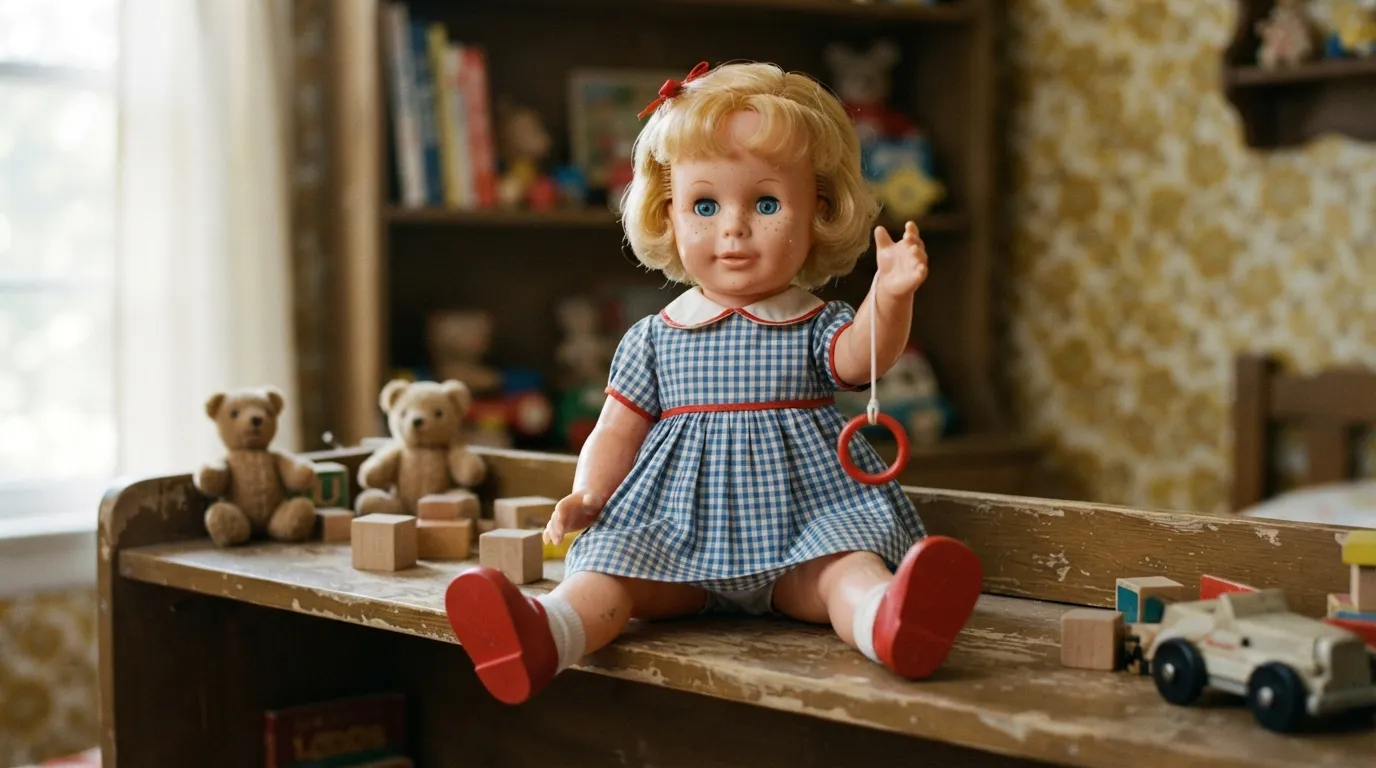
Pull the ring and the doll talked. Mattel’s Chatty Cathy first spoke in 1960, and the pull-string voice box set the template for talking dolls that were still common as the 1970s began. A tiny record inside played a few phrases, and kids could never predict which one they would get.
The thrill was a little uncanny, with a doll answering you in a small, scratchy voice. It was also fragile. Strings snapped, voices slowed down, and a favorite doll could go silent after too many pulls.
Electronic chips and battery-powered sound eventually replaced the old mechanical voice boxes. Newer dolls could say far more, but they lost that homemade, slightly spooky character that made the pull-string version so memorable.
#5 – View-Master
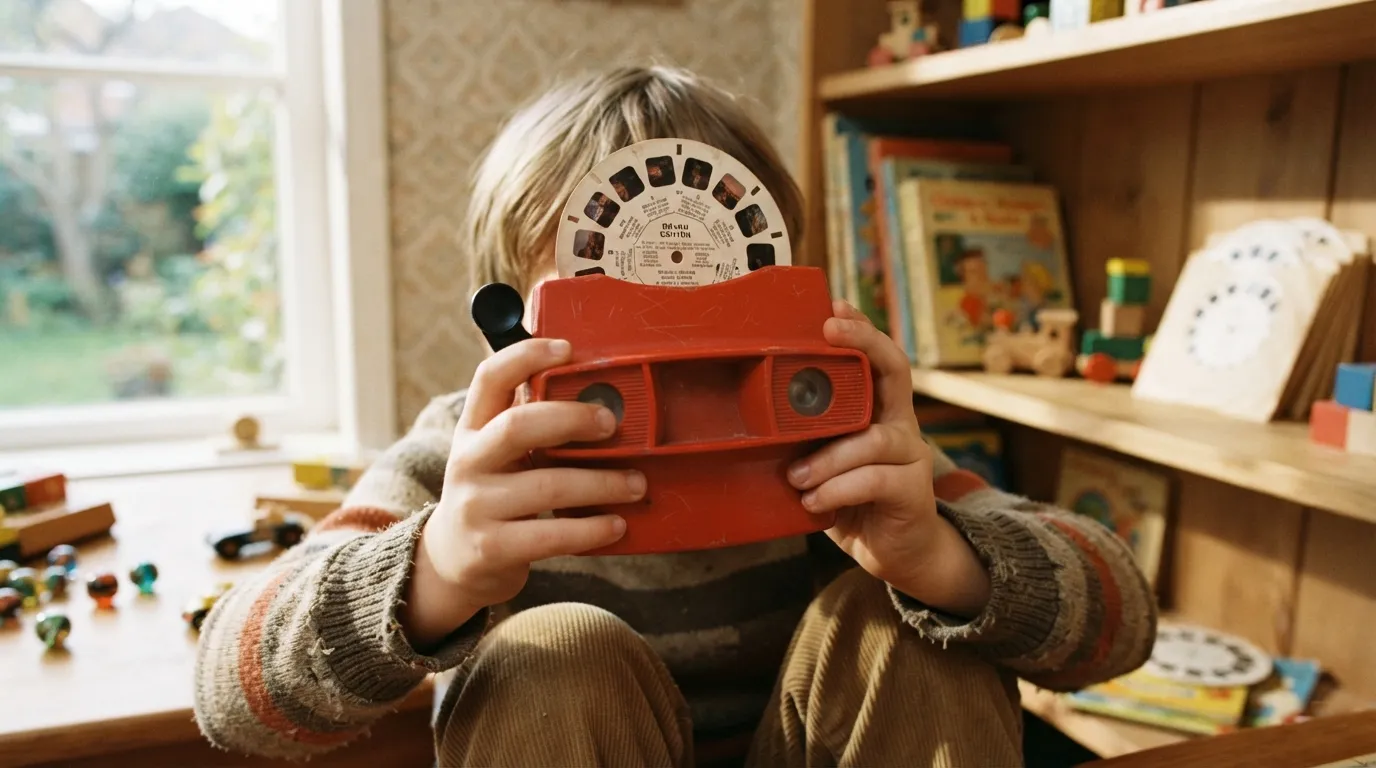
View-Master turned a cardboard disc into a tiny window onto another world. Each reel held seven pairs of images, and when you clicked the lever, the scene appeared in 3D. The toy dates back to 1939, but the 1970s were a golden era for reels tied to television, cartoons, and travel destinations.
Worth Knowing
- The format dates to 1939, decades before the 1970s boom
- Every reel holds seven image pairs, which add up to seven 3D scenes
- 1970s reels covered TV shows, cartoons, and travel spots
- Old reels are now collectible, especially sets in good condition
Kids held it up to a window or a lamp and disappeared into a miniature scene. Collecting reels felt like collecting tiny worlds.
The viewer itself survived, but many of the original reels from the era vanished from everyday toy stores as new technology arrived. Today the old reels are collectors’ items, and a well-kept set can feel like holding a time capsule.
#4 – Fisher-Price Record Player
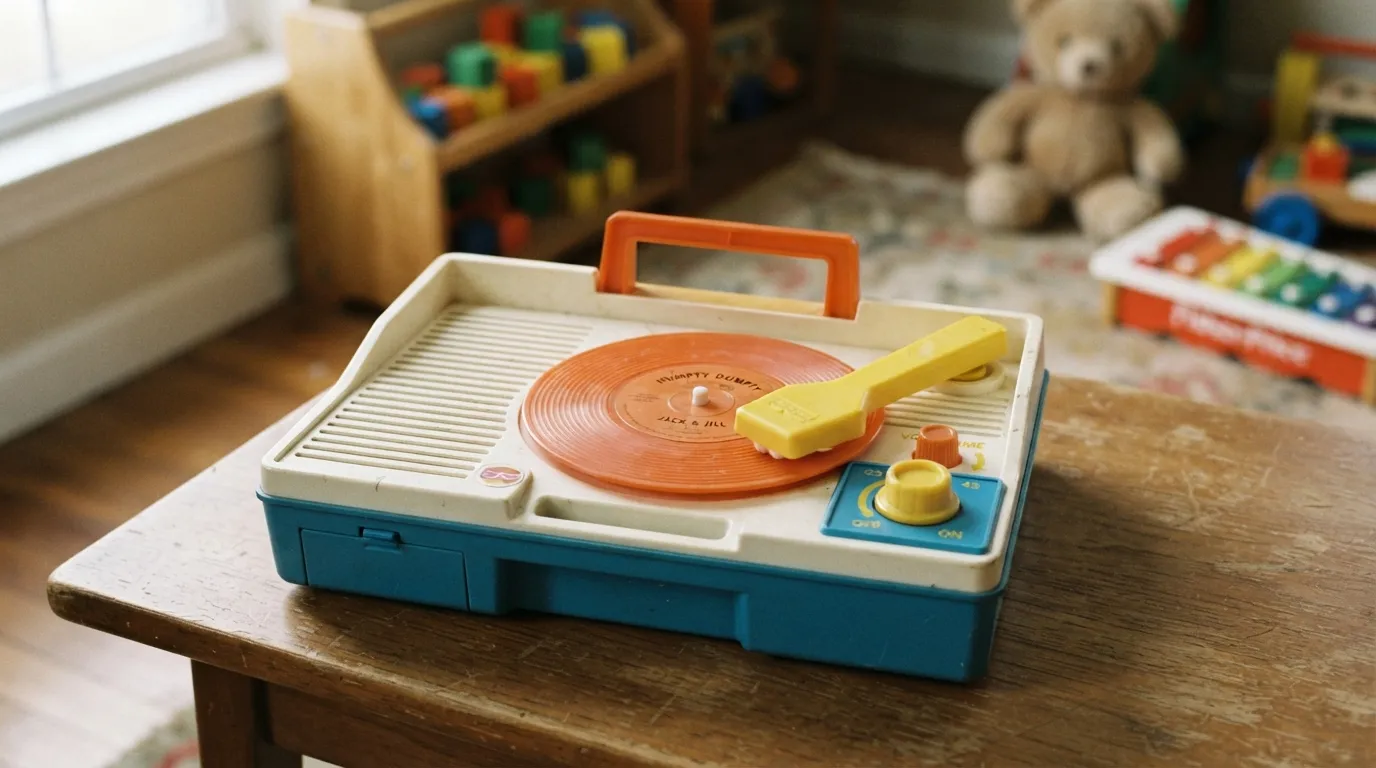
It was one of the first machines many toddlers were trusted to operate alone. The Fisher-Price record player played small plastic records, and its simple design meant a preschooler could start the music without a grown-up’s help.
Parents liked that it was sturdy, and kids loved the bright colors and the feeling of having their own stereo. Many people can still hum the nursery songs that came with it.
The format was the weak spot. As cassette tapes and later formats took over, the tiny records became a dead end. The plastic player often outlasted its own technology, and the exact 1970s model and record selection quietly faded from stores.
#3 – Ants in the Pants
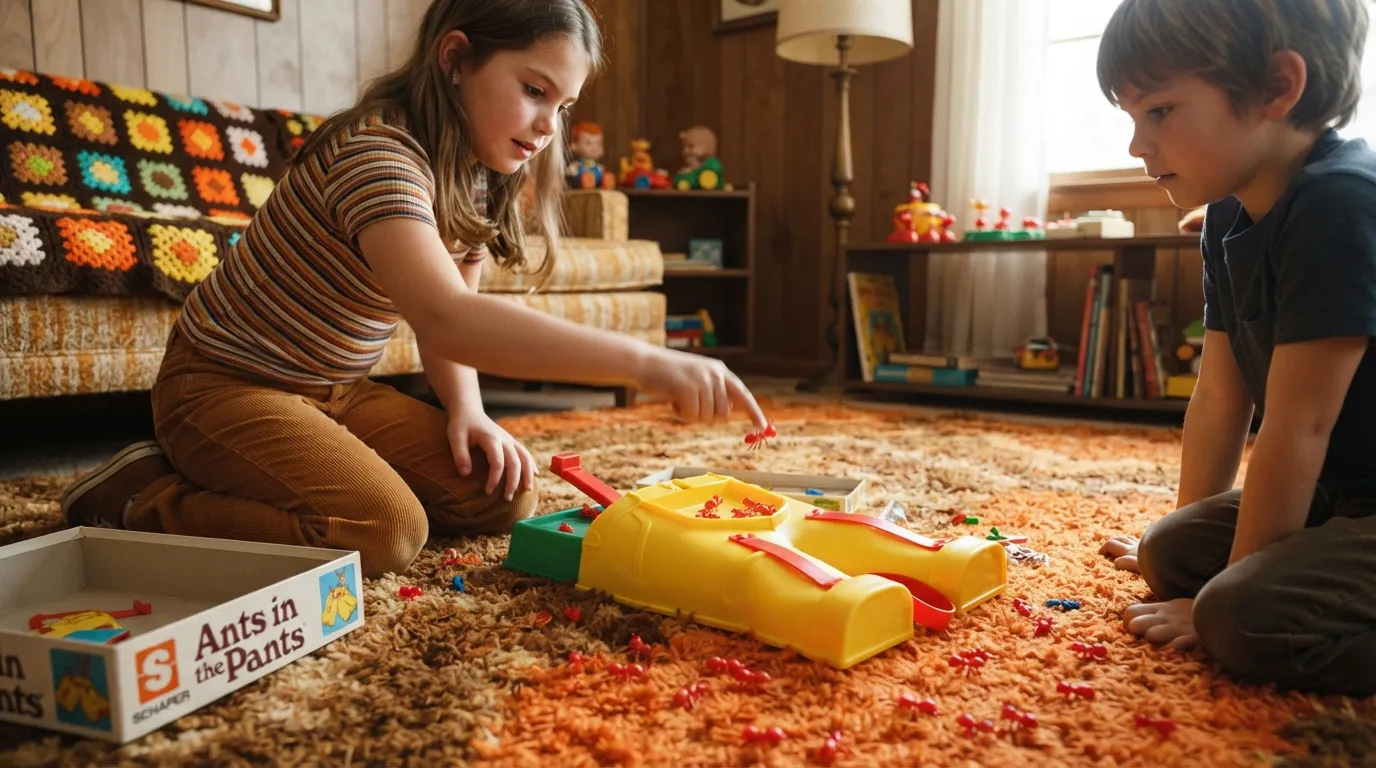
The goal sounds ridiculous, and that was the charm. Schaper’s Ants in the Pants, introduced in 1969, gave players tiny plastic ants and a pair of oversized pants. You pressed down on an ant to flip it, aiming to land it in the pocket.
It was a game of luck and wobbly dexterity, played in quick rounds. Ants scattered across the floor, got lost in carpet, and ended up in places nobody expected.
The game stayed popular through the 1970s, then lost ground as electronic and licensed games dominated store aisles. Later generations rarely saw it on shelves, even though it appealed to kids who loved goofy, simple play.
#2 – Perfection
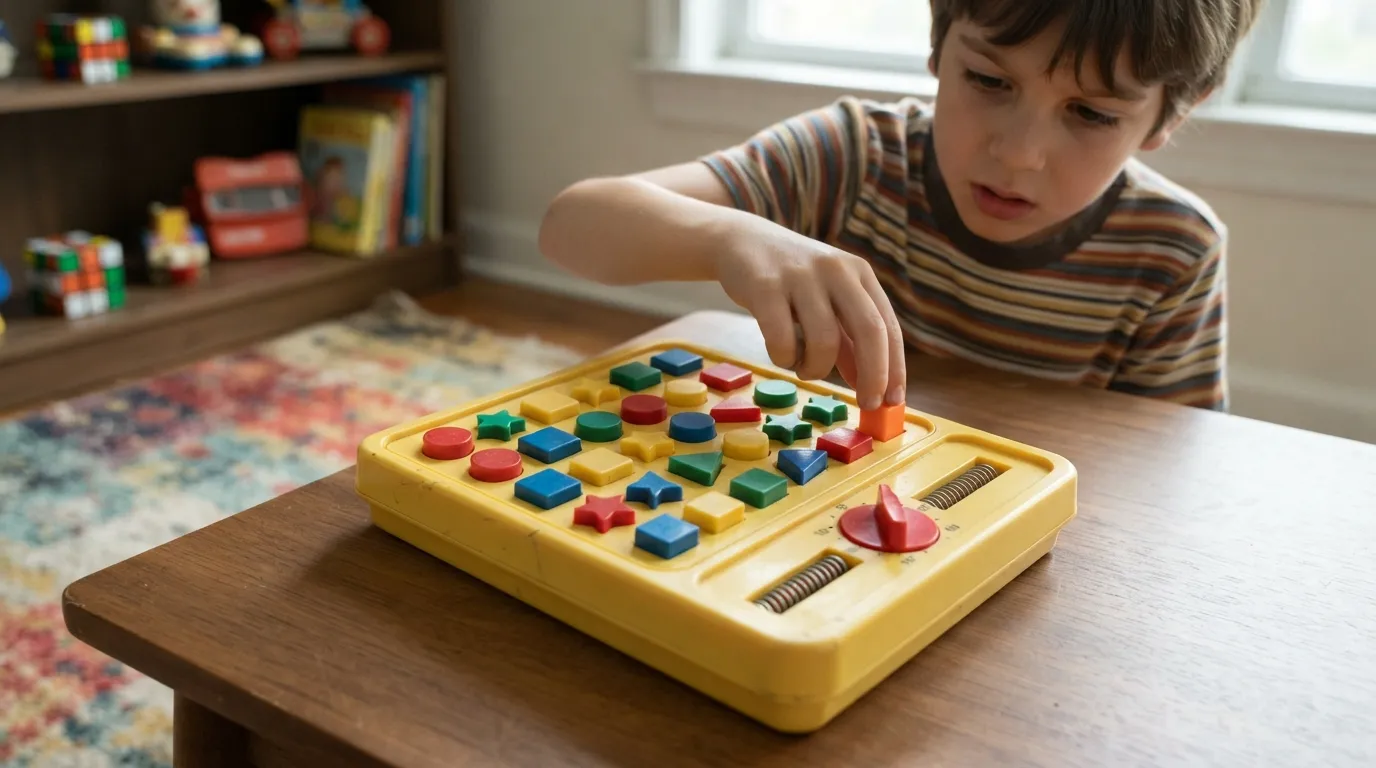
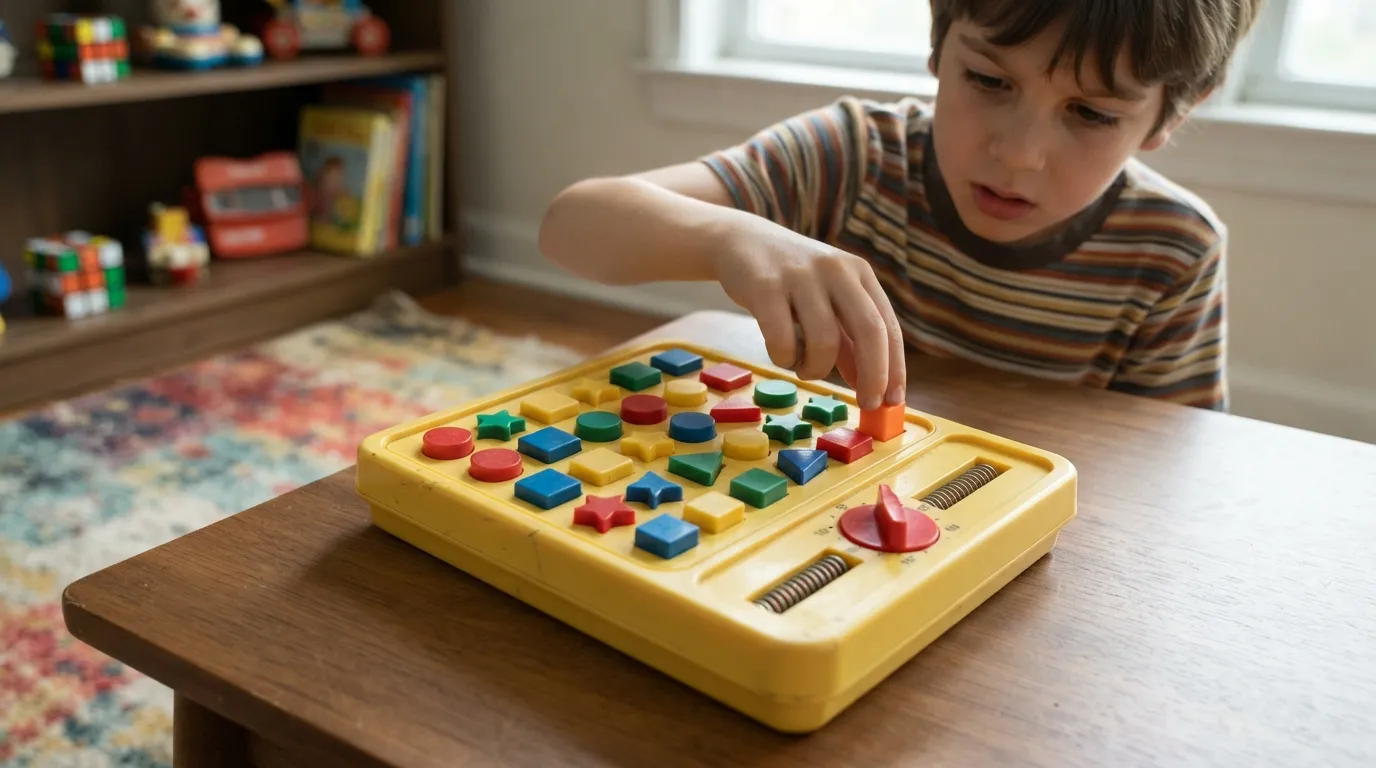
Perfection came with one rule: beat the clock. Players had 60 seconds to fit 25 shapes into the right holes on the tray, and when time ran out the whole thing exploded upward with a spring-loaded pop.
The game arrived in 1973, and it made kids panic in the best way. Even people who knew they were about to lose still jumped when the pieces went flying.
Why It Stands Out
- The ticking timer turned a simple shape-matching puzzle into a race
- Failure was loud, sudden, and part of the fun
- All 25 shapes had to land in the right holes before 60 seconds ran out
- Missing pieces make complete vintage sets harder to find
Perfection has been sold again in later versions, but the original tray and ticking-timer feel are tied to 1970s game nights. As puzzle apps and electronic games took over family time, the old tabletop pop became a nostalgic memory, and complete vintage sets tend to show up mostly among collectors.
#1 – Hot Wheels Orange Track
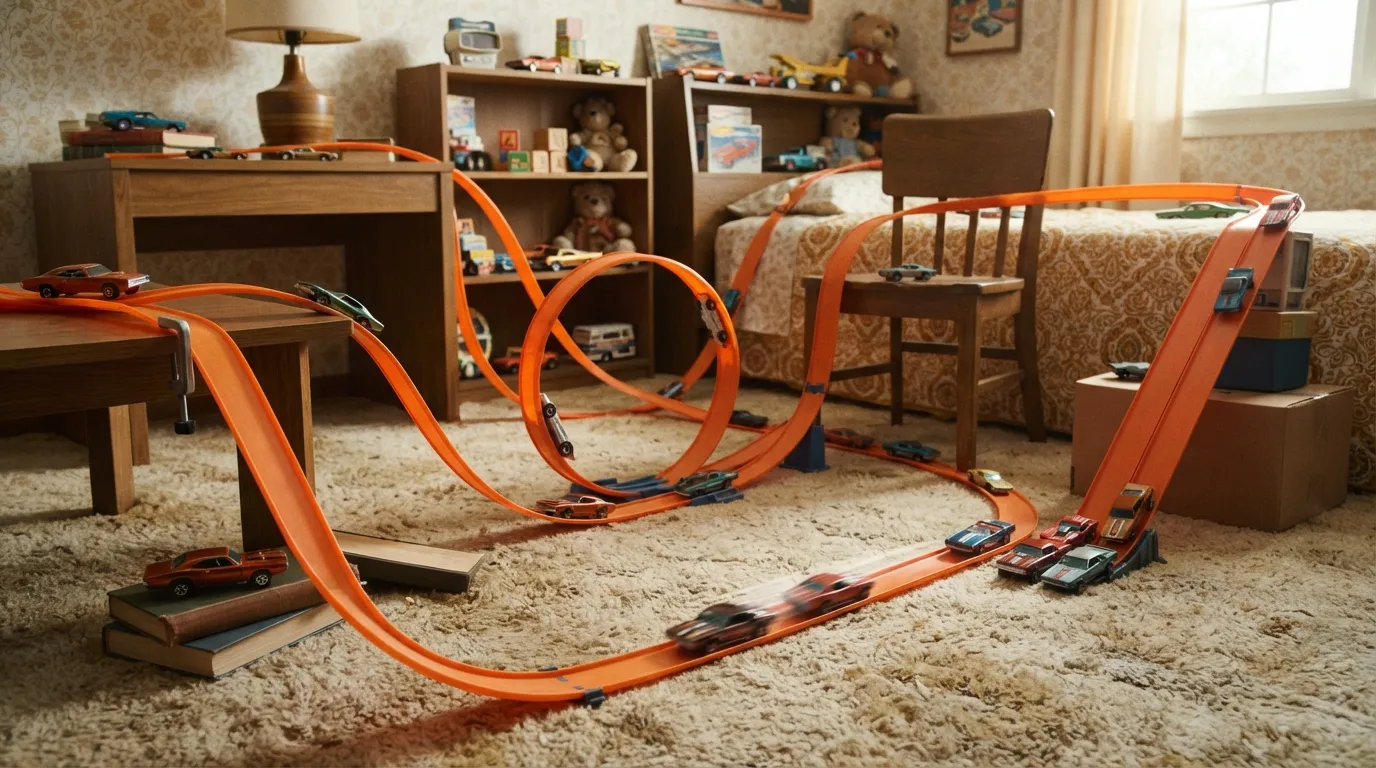
The orange track is the toy-aisle image that refuses to fade. Hot Wheels debuted in 1968, and by the 1970s the flexible orange track was a staple of childhood bedrooms. It could be clamped to a table, looped over a chair, or turned into a ramp that sent die-cast cars flying.
Part of the magic was how easily it could be rebuilt. Kids designed loops, curves, and drag-strip layouts out of the same snap-together pieces, and every new layout felt like a different race.
The track did not disappear, but the way kids used it changed. Newer sets added motors and electronic boosters, and the classic bendable orange pieces became just one option among many. For anyone who grew up with it, the original feels like pure speed.