Before the stadiums and the platinum plaques, a lot of rock’s biggest names were playing school fetes, wedding receptions, and sticky-floored clubs in bands almost nobody remembers. This countdown puts 25 of those first chapters next to the famous ones, so you can see the shocking before-and-after for yourself.
Some started on a different instrument. Some began in a band that lasted two gigs. One played in a heavy metal duo that flopped, years before he became the Piano Man. And the pivot that finally made a name is rarely the one you’d guess.
#25 – Freddie Mercury: Piano Player in The Hectics vs Queen Frontman
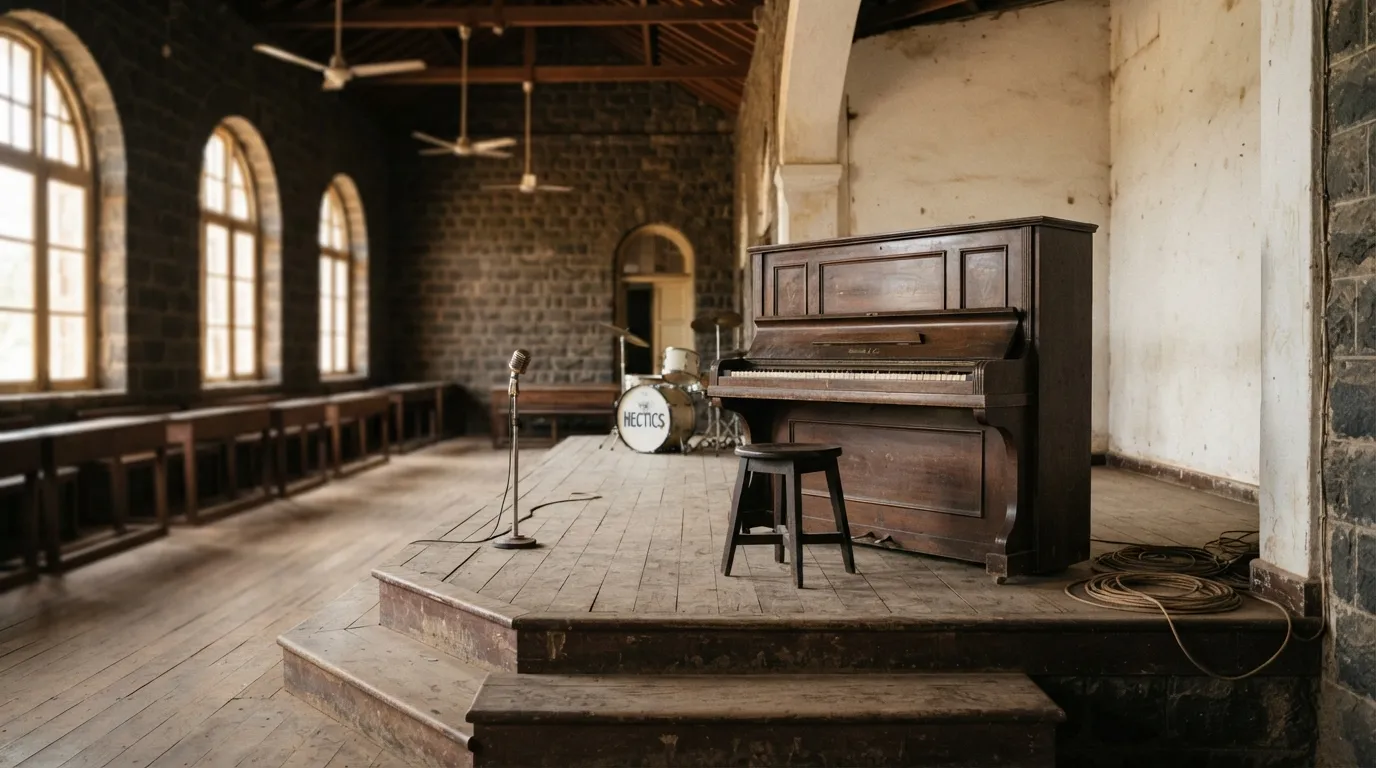
Freddie Mercury, then Farrokh Bulsara, started out as a schoolboy pianist. At St. Peter’s school in Panchgani, India, he played in The Hectics, a cover band that ran through rock and roll hits at school events in the late 1950s.
After moving to England he sang with Ibex and Wreckage in the late 1960s. In 1970 he joined Brian May and Roger Taylor, whose band Smile had just lost singer Tim Staffell. The new group became Queen.
What changed was the spot on the stage. He went from keyboard player in a teenage cover band to the singer out front, and he also wrote songs for the band.
#24 – David Bowie: Saxophonist in The Konrads vs Ziggy Stardust
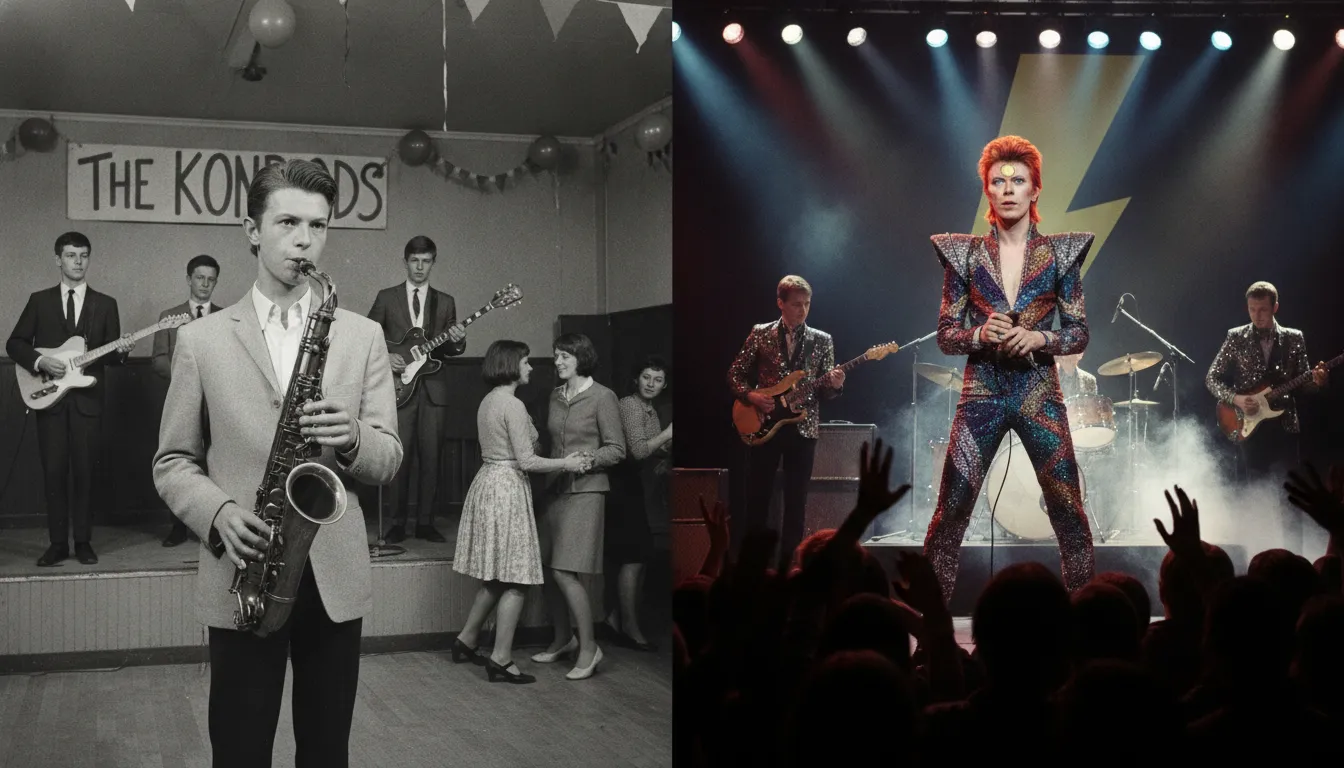
At 15, in 1962, David Bowie was the saxophone player in The Konrads. They played youth clubs and weddings, with a rock and roll lineup that kept shifting around him.
By most accounts he left because the group’s ambitions felt too small for him, then drifted through several other bands. In 1972 he emerged as Ziggy Stardust, backed by the Spiders from Mars.
The sideman who blew sax at weddings became a bandleader in full costume, performing original songs with mime-influenced theatrics and a total image overhaul.
#23 – Dave Grohl: Teenage Guitarist in Freak Baby vs Nirvana and Foo Fighters
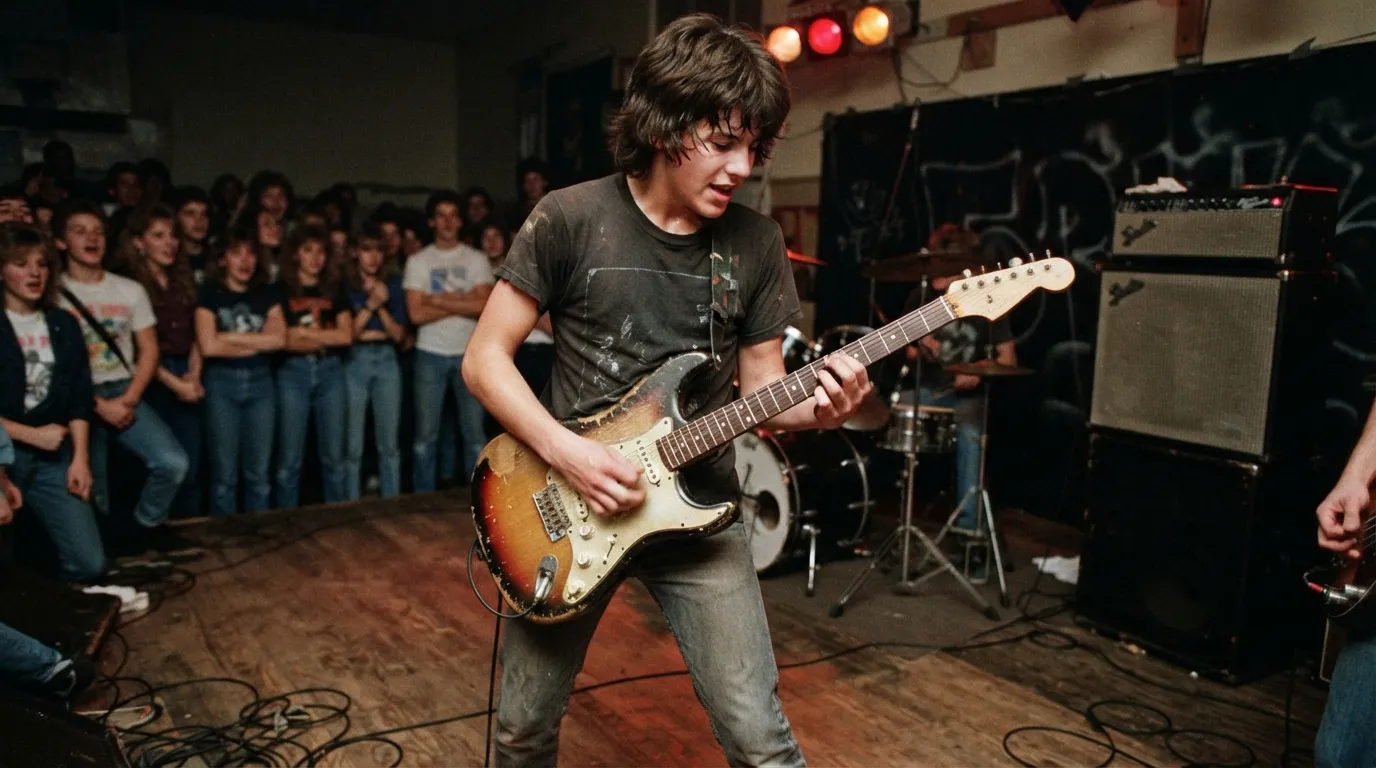
Dave Grohl didn’t start on drums. In the mid-1980s he played guitar in a Virginia high-school band called Freak Baby, then switched to drums in Dain Bramage.
In 1987 he joined the Virginia hardcore band Scream and stayed until 1990. When Scream fell apart, he auditioned for Nirvana and drummed on Nevermind.
After Nirvana ended in 1994, he formed Foo Fighters and recorded the first album himself, playing nearly every instrument. The unknown touring drummer had become a frontman and guitarist.
Fast Facts
- Mid-1980s: plays guitar in Freak Baby, a Virginia high-school band.
- Next stop: switches to drums with Dain Bramage.
- 1987 to 1990: drums for the hardcore band Scream.
- Nirvana: drummer on Nevermind.
- 1994: Nirvana ends and Foo Fighters begins.
#22 – Bruce Dickinson: Vocalist in Samson vs Iron Maiden
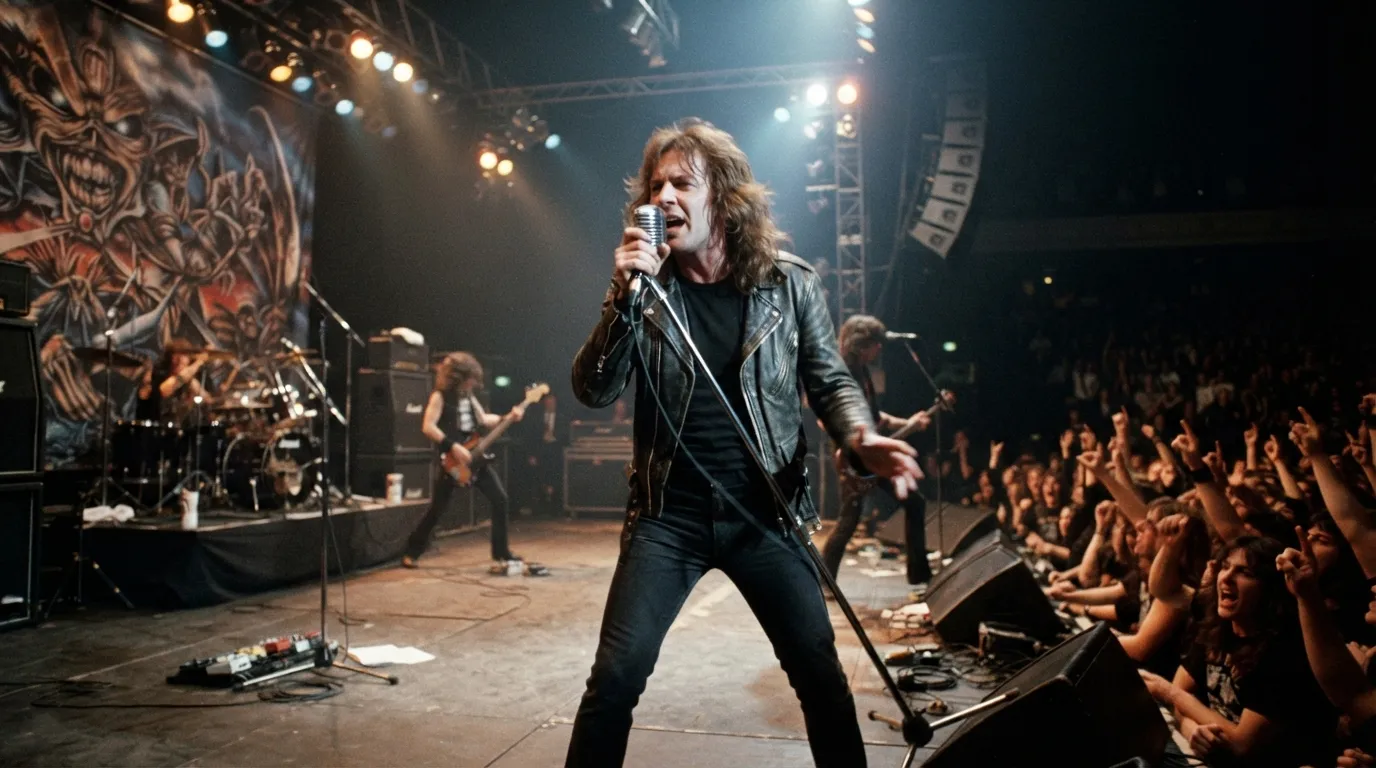
Bruce Dickinson once performed as “Bruce Bruce.” Under that name he fronted the New Wave of British Heavy Metal band Samson from 1979 to 1981 and recorded two albums with them, after earlier groups such as Speed and Shots.
In 1981, after Paul Di’Anno left, he joined Iron Maiden. His soaring range and theatrical delivery helped define the band’s classic era.
He went from a respected club-circuit act to one of metal’s most recognizable voices, with far bigger stages to fill.
#21 – Lemmy Kilmister: Guitarist in Rockin’ Vickers vs Motörhead Bassist and Singer
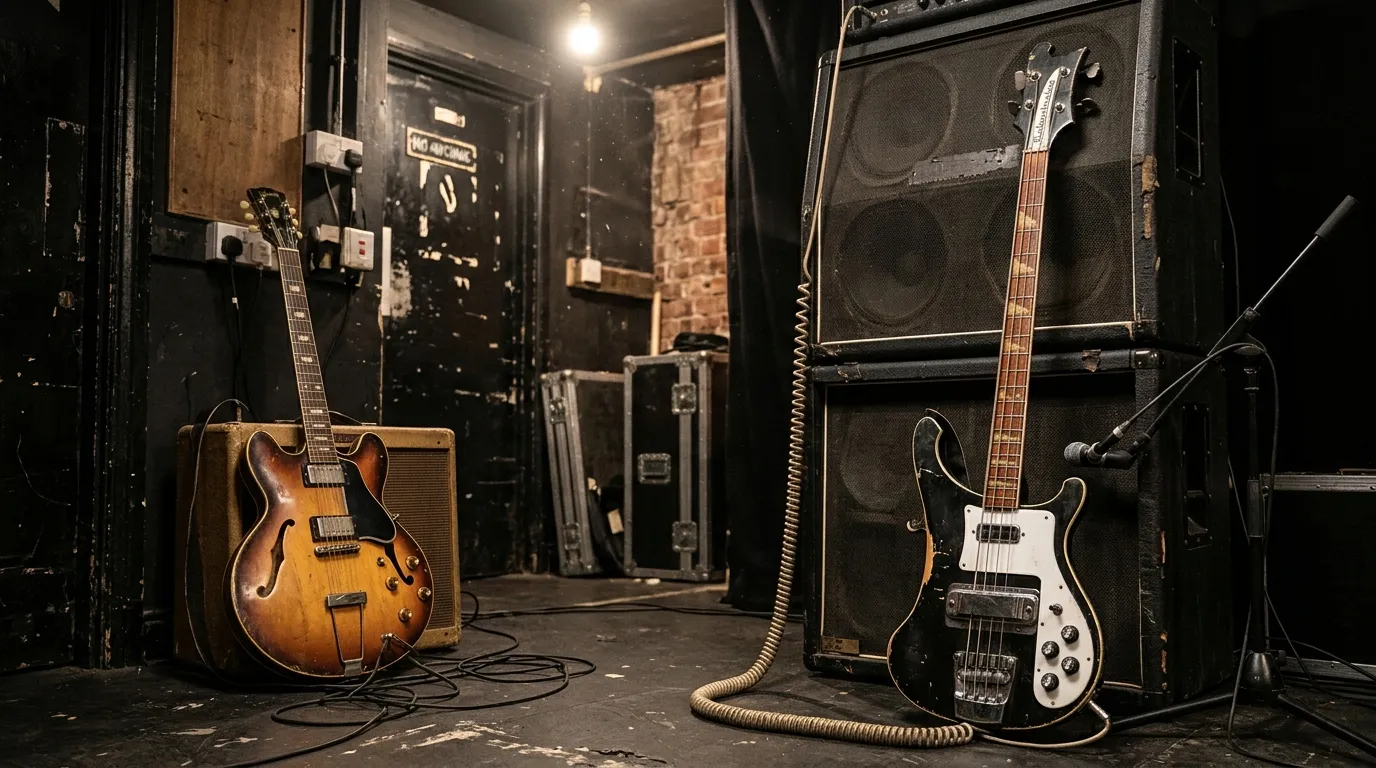
In the mid-1960s Lemmy was a guitarist in the Manchester band Rockin’ Vickers. They played straightforward rock and roll and toured Europe, including a trip to Yugoslavia.
He later joined Hawkwind as bassist. In 1975 he formed Motörhead and took over bass and lead vocals.
Everything flipped: guitar sideman became bass-playing frontman, and polite rock and roll became the loud, fast sound that made him a legend.
#20 – Chester Bennington: Frontman of Grey Daze vs Linkin Park
Chester Bennington sang lead for the Arizona band Grey Daze from 1993 until its breakup in 1998. They released independent music with a post-grunge edge but never broke out nationally.
He then auditioned for a group called Xero, which became Hybrid Theory and then Linkin Park. Their 2000 debut, Hybrid Theory, turned them into a global name.
He went from a regional favorite that never quite broke through to a multi-platinum band whose blend of rock and rap defined nu-metal.
#19 – Maynard James Keenan: Experimental Project Children of the Anachronistic Dynasty vs Tool Frontman
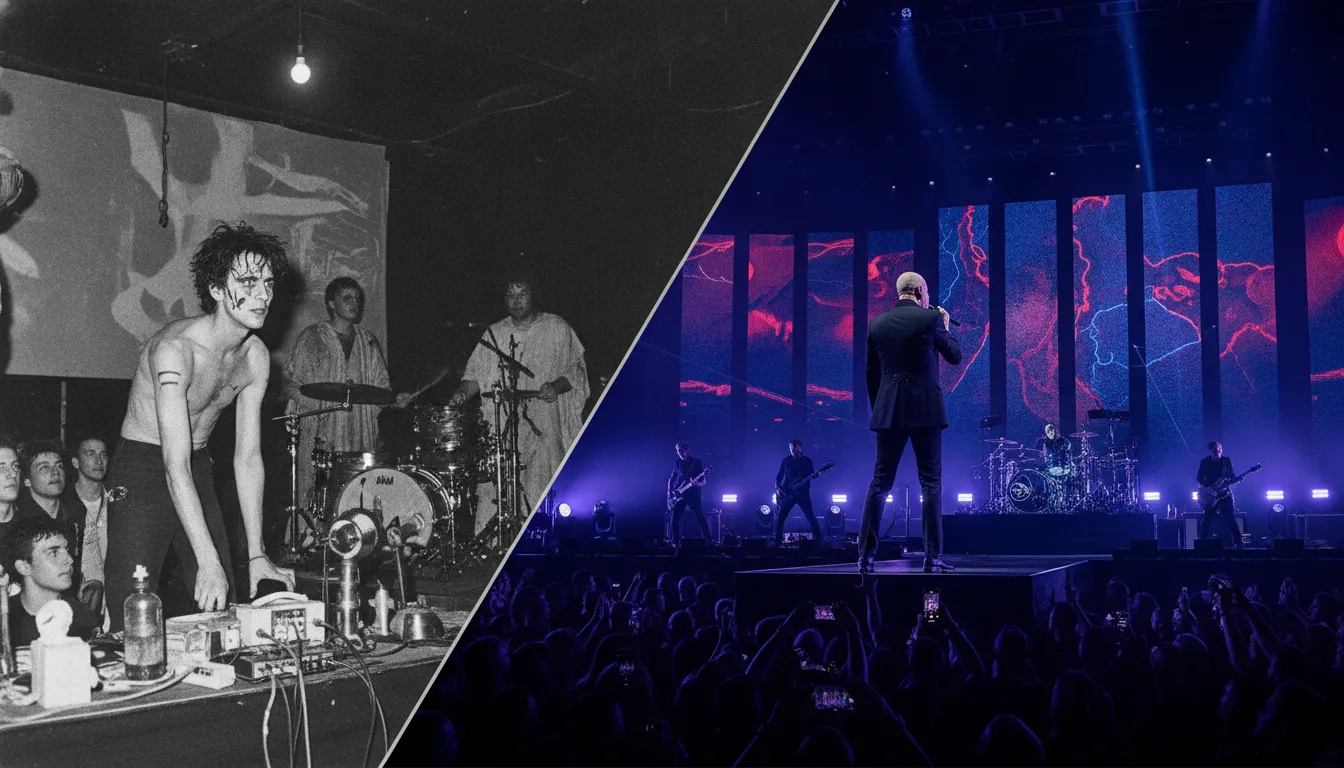
Before Tool, Maynard James Keenan led an experimental project called Children of the Anachronistic Dynasty in the late 1980s. It was an avant-garde outfit that stayed deep underground.
In 1990 he co-founded Tool in Los Angeles. The new band kept the strangeness but gave it muscle, with progressive-metal structures and a heavy visual-art component.
He went from a fringe art project to a band that fills arenas with some of rock’s most complicated songs.
#18 – Billy Joel: Teen Rocker in The Echoes vs Piano Man Solo Career
Billy Joel’s first band was a Long Island teen group, The Echoes, which he joined in 1964. He later played with The Hassles before forming the heavy metal duo Attila in 1970 with drummer Jon Small.
Attila was just keyboards and drums, and it released a single album. It flopped.
Joel pivoted to solo work, released Cold Spring Harbor in 1971, and found his voice as a piano-driven singer-songwriter. The heavy metal duo became a footnote to a catalog of piano ballads.
At a Glance
- 1964: joins The Echoes, a Long Island teen group.
- Next: plays with The Hassles.
- 1970: forms Attila with drummer Jon Small, just keyboards and drums.
- 1971: releases Cold Spring Harbor as a solo artist.
#17 – Jimi Hendrix: Seattle Teen in the Velvetones vs Jimi Hendrix Experience
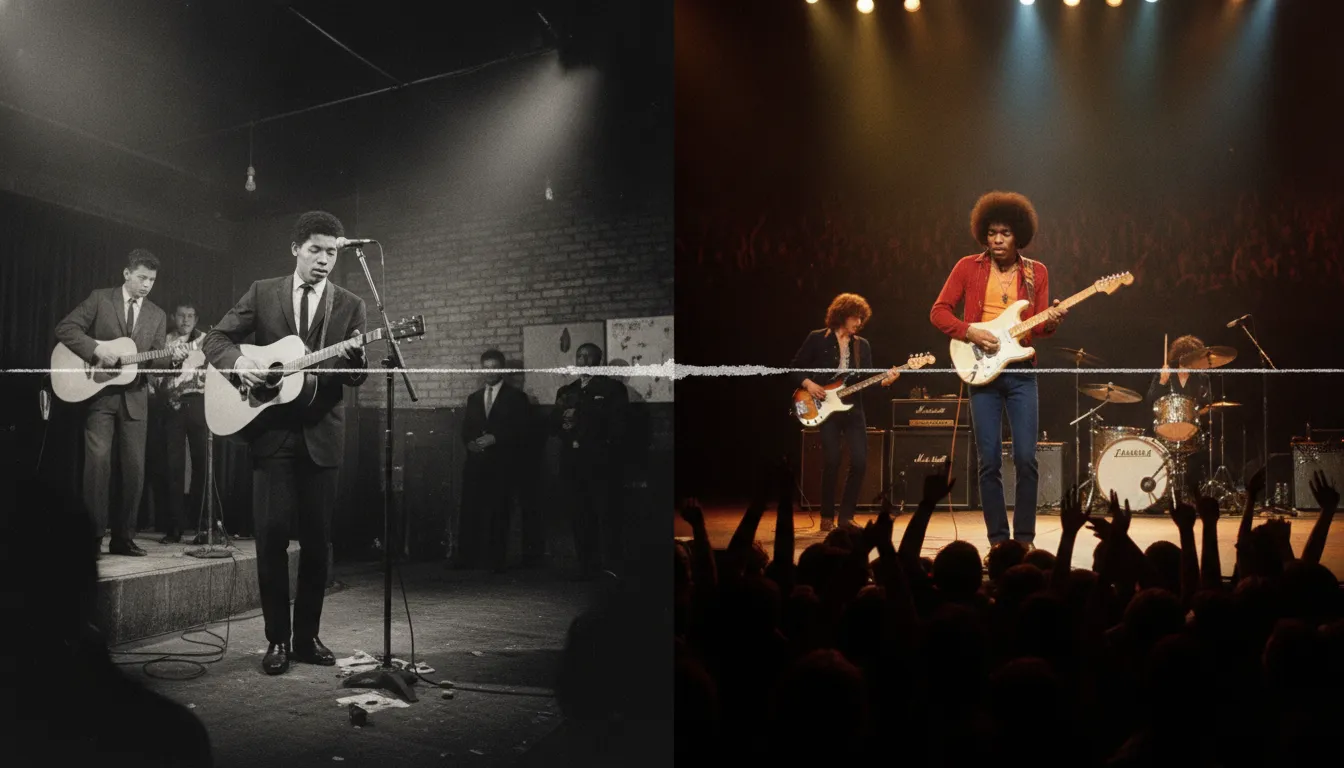
Jimi Hendrix began in the late 1950s as a teenager in Seattle bands like the Velvetones and later the Rocking Kings.
In the mid-1960s he worked as a hired guitarist for acts including the Isley Brothers and Little Richard. In 1966 he was discovered in New York and taken to London, where he formed the Jimi Hendrix Experience with Noel Redding and Mitch Mitchell.
The sideman who stood in the back of other people’s bands was suddenly leading his own, and the Experience’s 1967 debut, Are You Experienced, made him a star.
#16 – Eddie Vedder: Singer in Bad Radio vs Pearl Jam Frontman
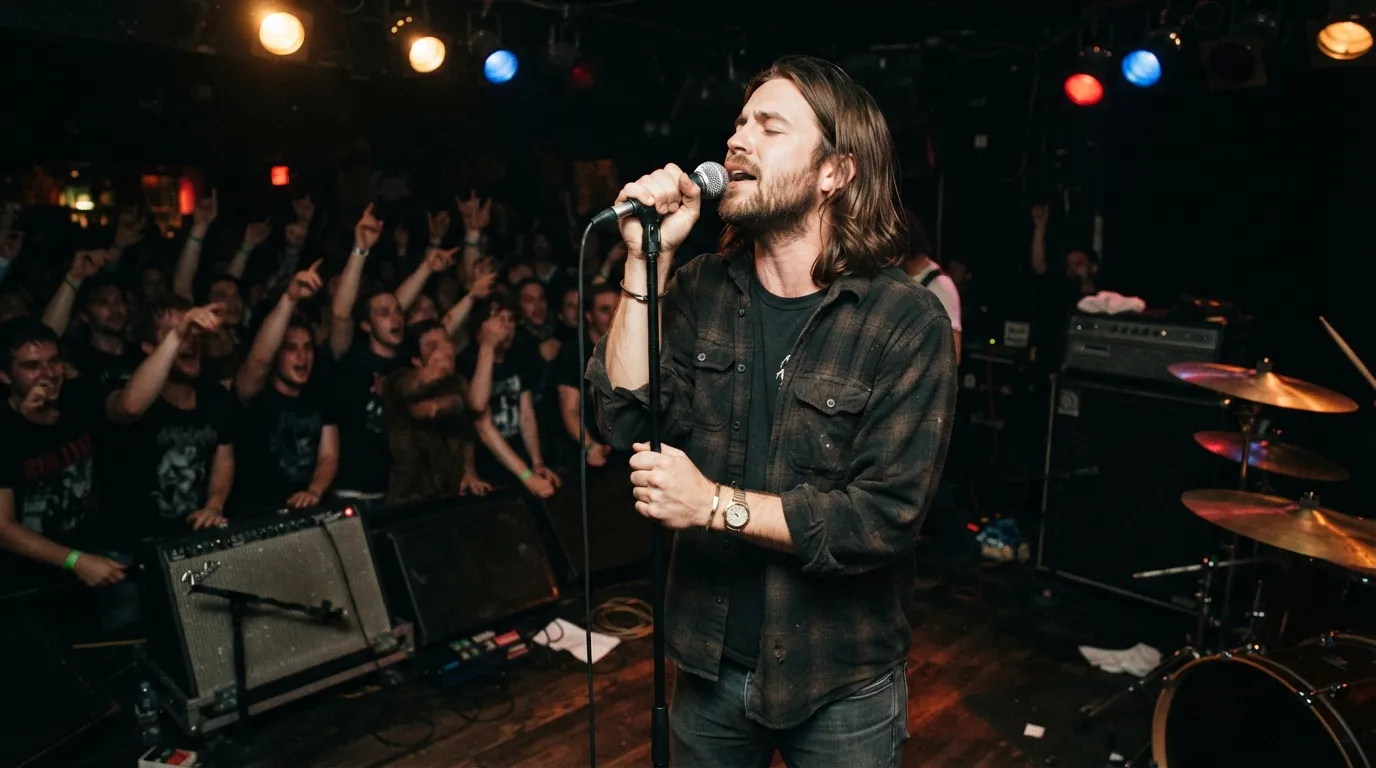
In the late 1980s Eddie Vedder sang for Bad Radio, a San Diego band that recorded demos but stayed local.
In 1990 a tape reached him from Seattle musicians Stone Gossard and Jeff Ament, who were looking for a singer. He wrote lyrics and recorded vocals over their instrumentals, and they invited him north. That became Pearl Jam.
He went from the voice of a local band to the voice of one of grunge’s biggest records, Ten, in 1991.
#15 – Courtney Love: Singer in Pagan Babies vs Hole Leader
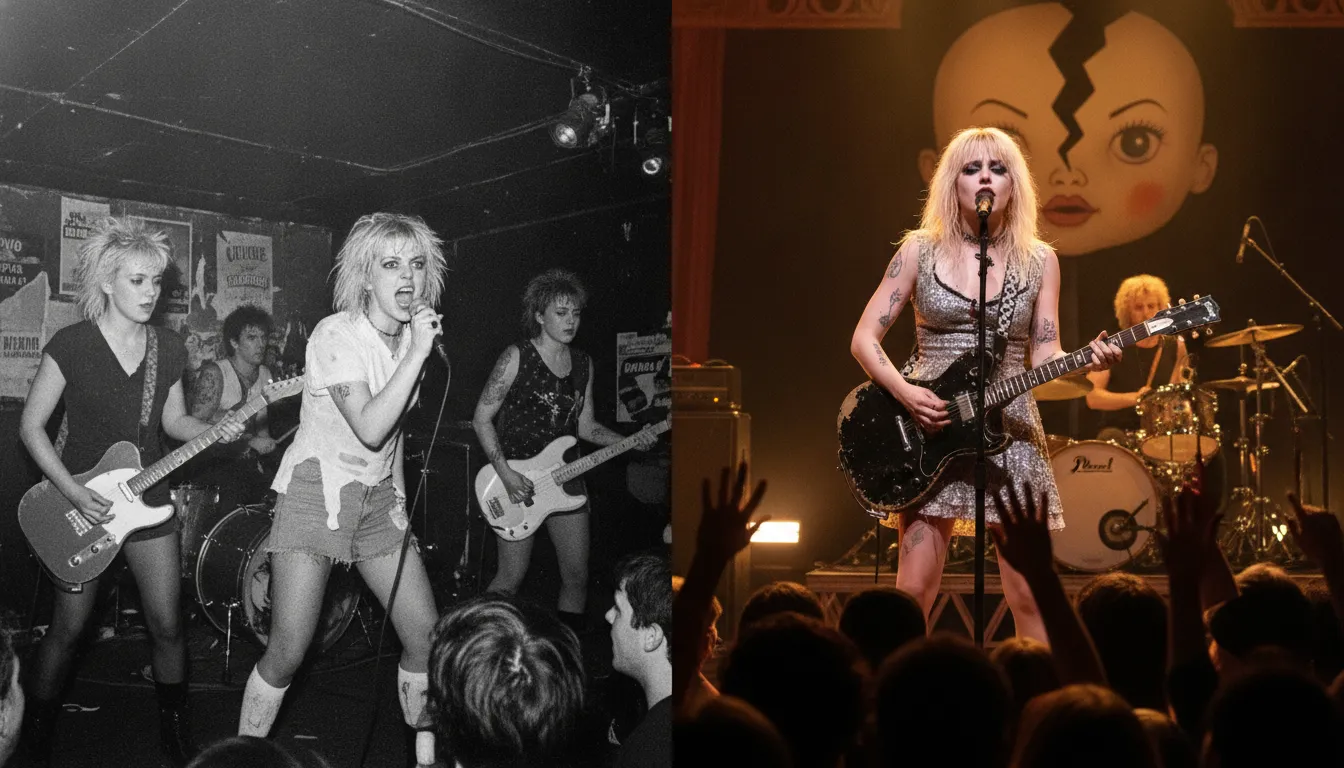
In 1985 Courtney Love formed Pagan Babies in San Francisco with Kat Bjelland, who later founded Babes in Toyland. The band was short-lived and never reached a wide audience.
In 1989 she started Hole in Los Angeles as lead vocalist and guitarist. This time she wrote, sang, and steered the sound herself.
Their 1991 debut, Pretty on the Inside, announced her as the bandleader of one of alternative rock’s most talked-about groups.
#14 – Ronnie James Dio: Bassist and Trumpeter in Vegas Kings vs Rainbow and Black Sabbath
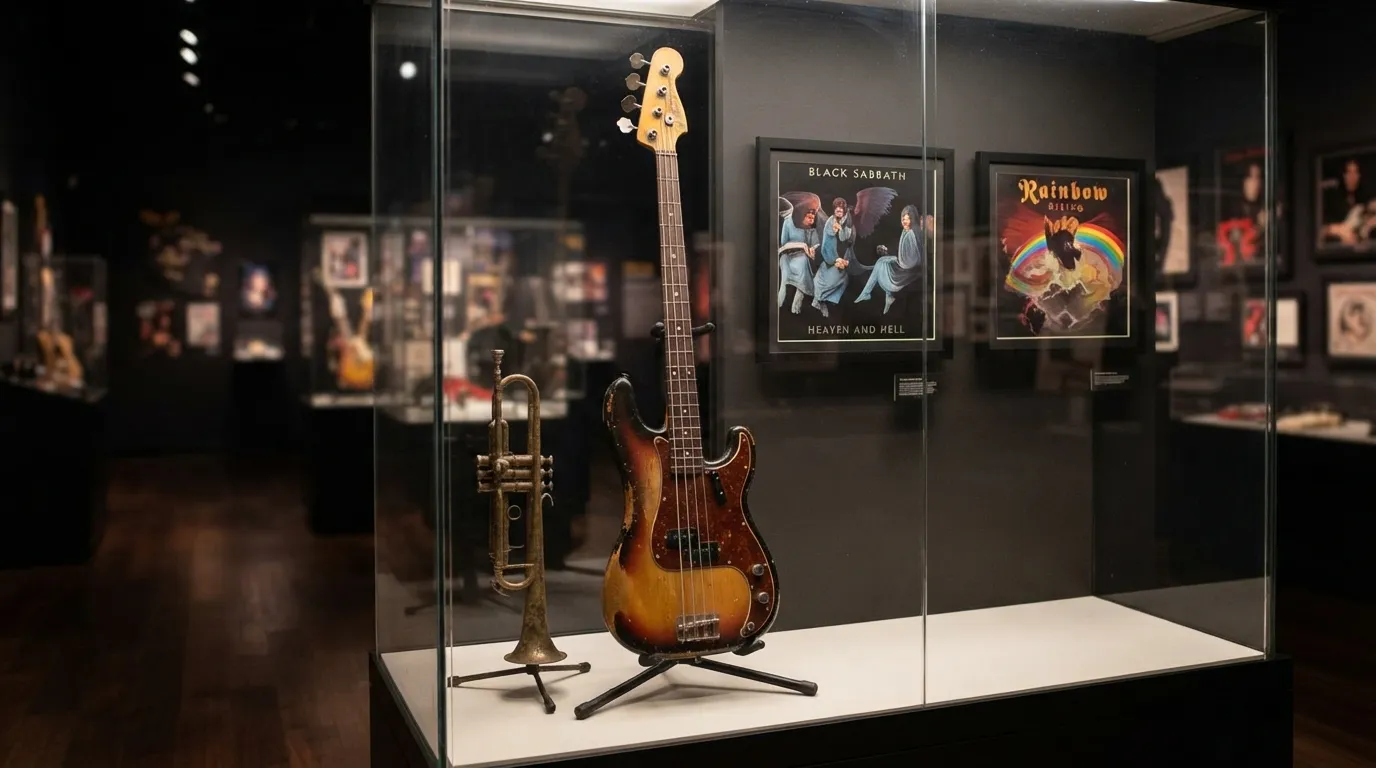
Ronnie James Dio, born Ronald Padavona, began in 1957 with the high-school band Vegas Kings. He played bass and trumpet before moving to the front as a singer.
By the mid-1970s he was fronting Rainbow, and in 1979 he replaced Ozzy Osbourne in Black Sabbath. His trumpet background is often linked to the breath control behind his huge voice.
The teenage rock and roller who played trumpet became a metal singer known for fantasy-flavored epics and a mighty range.
Worth Knowing
- Born Ronald Padavona, long before the Dio name.
- 1957: Vegas Kings, where he played both bass and trumpet.
- Mid-1970s: fronts Rainbow.
- 1979: steps into Ozzy Osbourne’s spot in Black Sabbath.
#13 – Frank Iero: Frontman of Pencey Prep vs My Chemical Romance
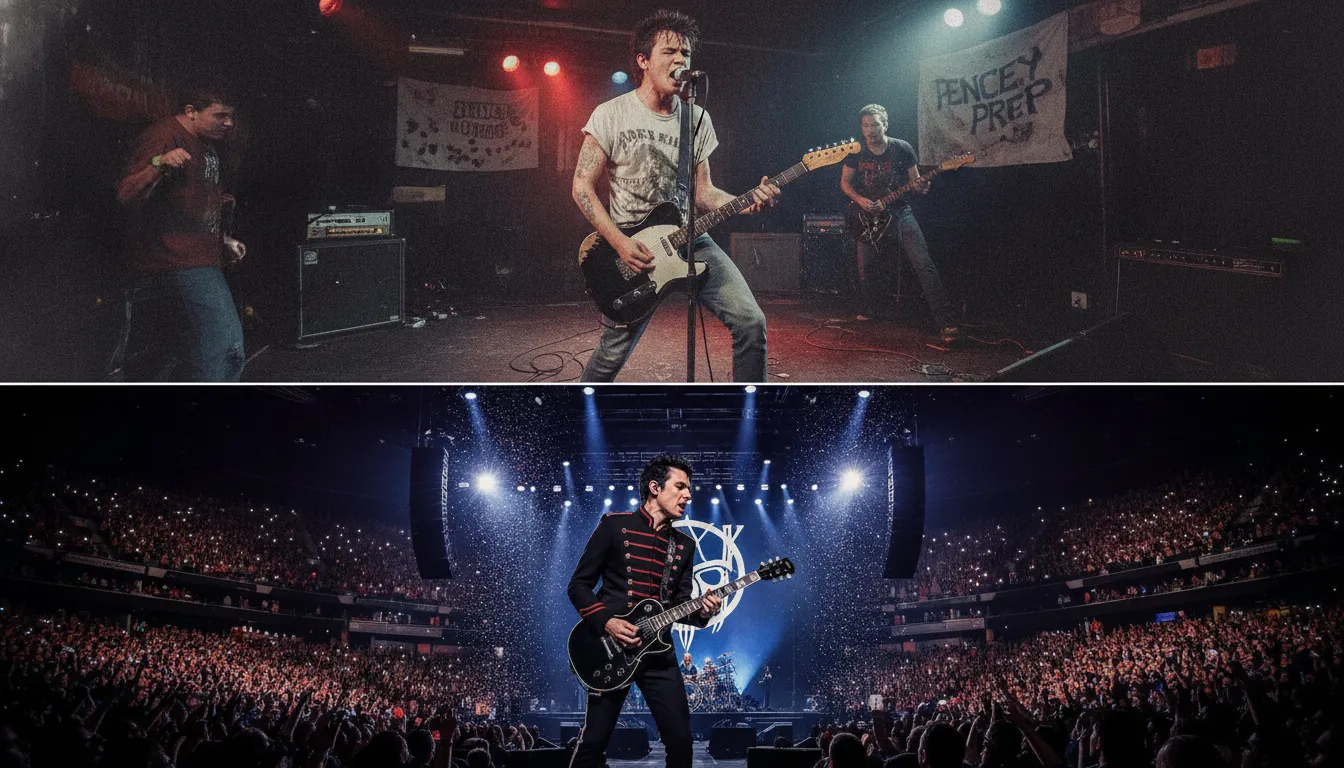
Frank Iero fronted the New Jersey band Pencey Prep in the late 1990s, singing and playing guitar, and released their record Heartbreak in Stereo in 2001. It was a punk-edged local band that never climbed above the underground.
In 2002 he joined My Chemical Romance as rhythm guitarist and backing vocalist.
He stopped leading and started supporting, and that shift put him inside a major-label band that became one of the 2000s’ defining emo acts.
#12 – Sting: Jazz Bassist in Last Exit vs The Police
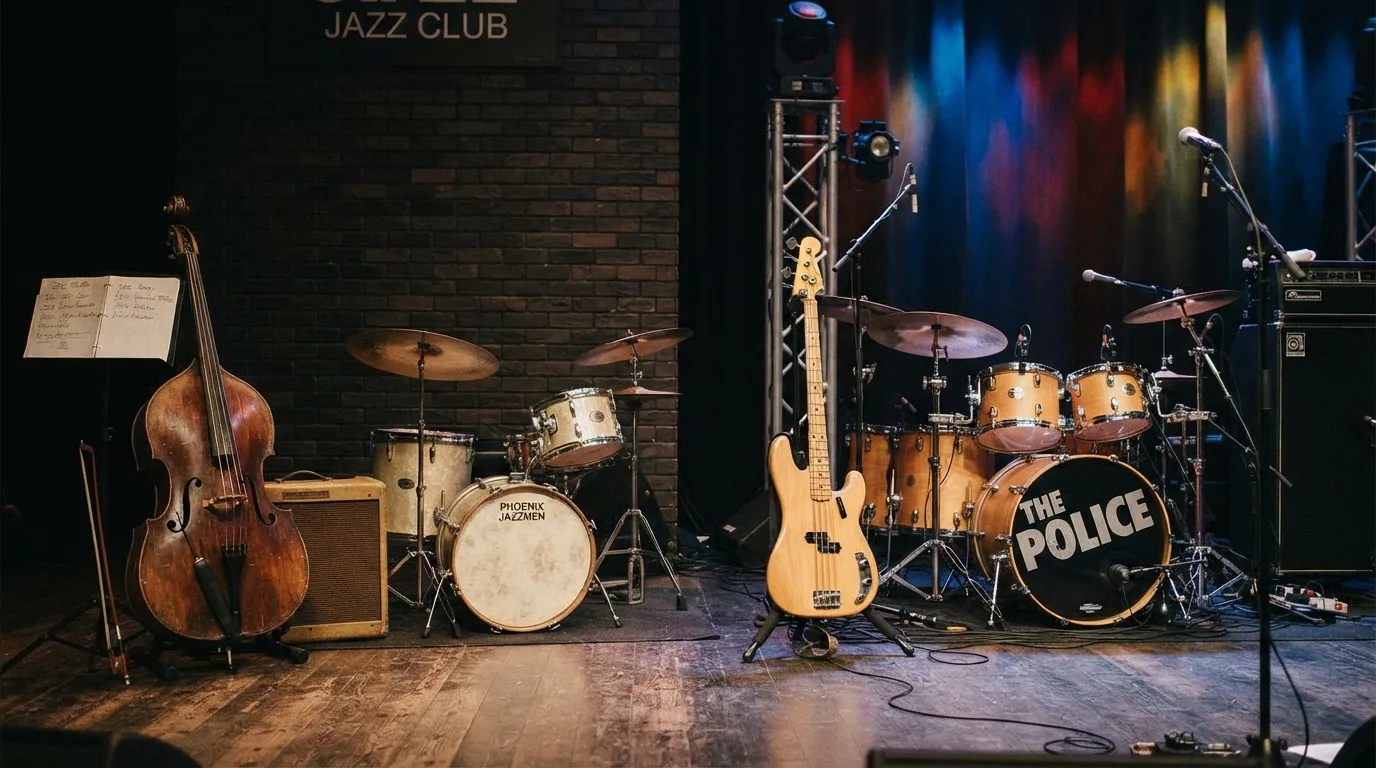
Before the world knew him as Sting, Gordon Sumner played bass in Newcastle jazz groups like the Phoenix Jazzmen. The nickname came from a black-and-yellow striped sweater he wore on stage.
In the mid-1970s he fronted Last Exit, a Newcastle band, before moving to London in 1977. There he joined drummer Stewart Copeland to form The Police.
The jazz bassist from a regional scene became the singing, songwriting bassist of a new-wave trio that won over radio.
#11 – Nate Ruess: Indie Rocker in The Format vs fun.
Nate Ruess co-founded The Format in Arizona in 2002. The indie-pop group put out a 2003 debut on Elektra and followed it with Dog Problems in 2006, earning devoted fans but only modest sales.
In 2008 he formed fun. with new collaborators. Their sound got bigger, with huge choruses and glossy production, and the band went on to massive hits.
The Format’s melodic songwriting carried over. The scale, and finally the mainstream breakthrough, were what changed.
#10 – Ozzy Osbourne: Singer in Rare Breed vs Black Sabbath
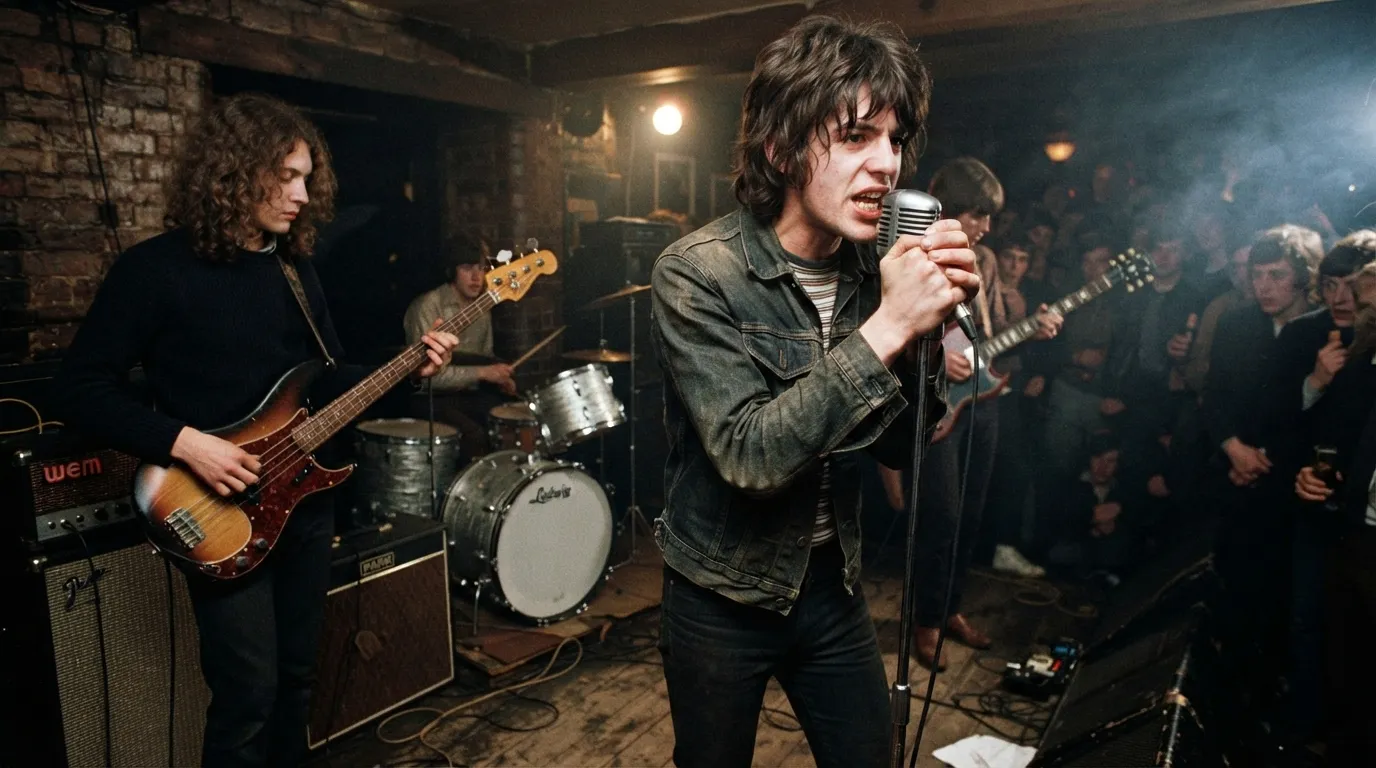
In the late 1960s Ozzy Osbourne sang in Rare Breed, a short-lived Birmingham band with Geezer Butler that lasted just two gigs.
He then posted a note reading “Ozzy Zig needs a gig,” which led to Tony Iommi and Bill Ward. The group became the Polka Tulk Blues Band, then Earth, and in 1969 Black Sabbath.
A flop band that died after two shows led directly to the voice that launched heavy metal.
#9 – Steven Tyler: Drummer and Singer in Chain Reaction vs Aerosmith
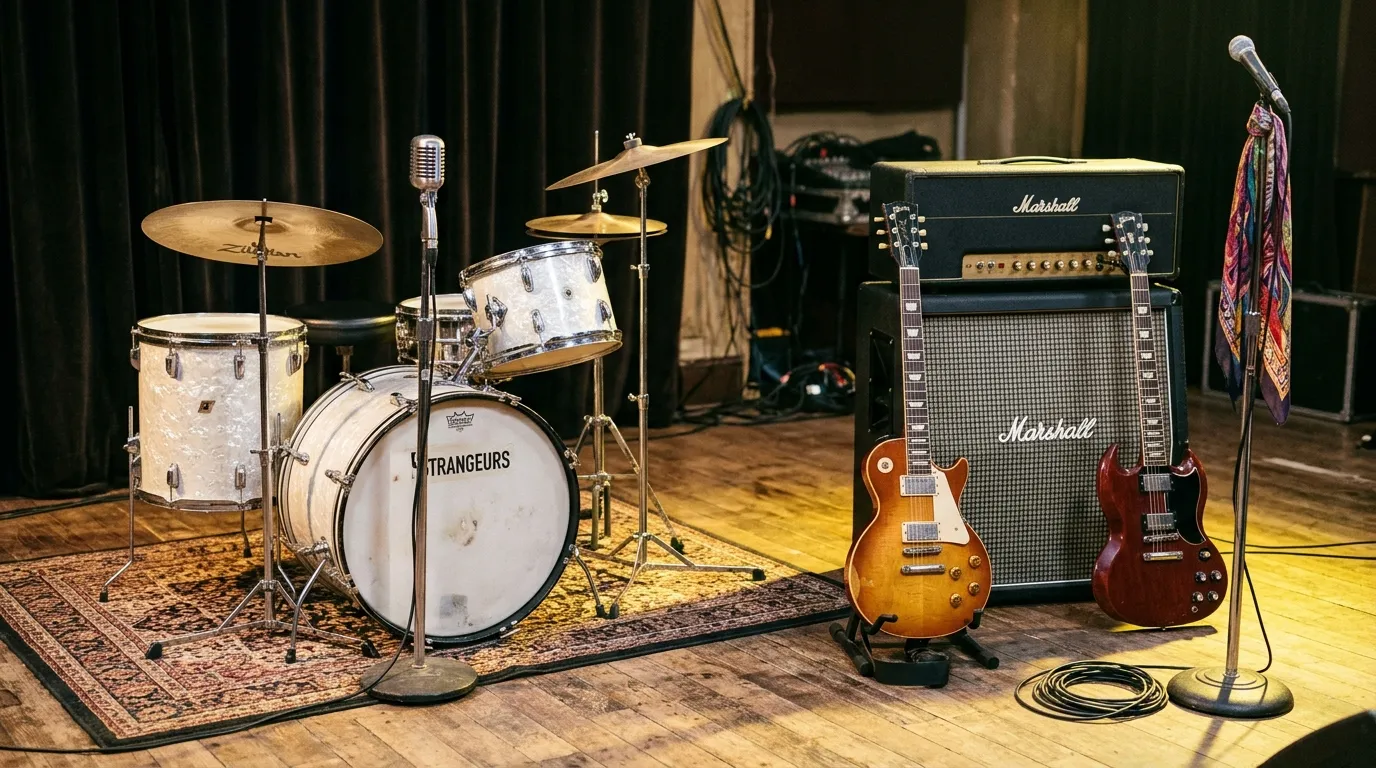
Steven Tyler, then Steven Tallarico, started on the New York scene in the mid-1960s. He drummed and sang in the Yonkers band Chain Reaction, originally the Strangeurs.
By 1970 he had moved to Boston, left the drum stool behind, and formed Aerosmith with Joe Perry and Tom Hamilton.
The kid behind the kit moved to the front as a full-time singer. His rhythmic vocal phrasing may owe something to those drumming years.
#8 – Kurt Cobain: Punk Project Fecal Matter vs Nirvana
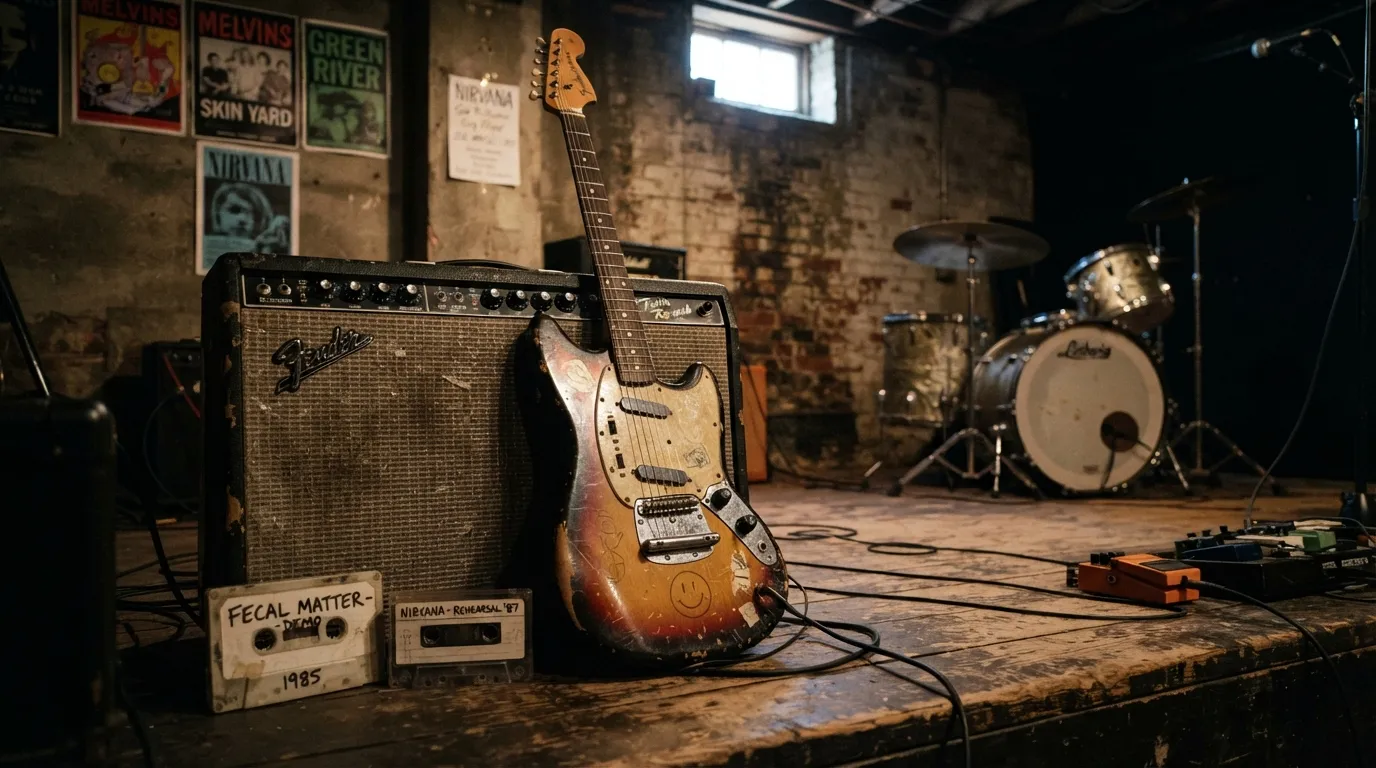
In 1985 Kurt Cobain formed Fecal Matter, a noisy punk project that included drummer Dale Crover of the Melvins. It recorded a demo tape and went nowhere.
In 1987 he started Nirvana in Aberdeen, Washington. Songs like “Spank Thru” and “Downer” had roots in that demo, so early riffs and raw energy carried forward.
He went from a one-demo curiosity to the songwriter who defined the grunge breakthrough.
#7 – Paul McCartney: Quarrymen Guitarist vs Beatles Bassist and Songwriter
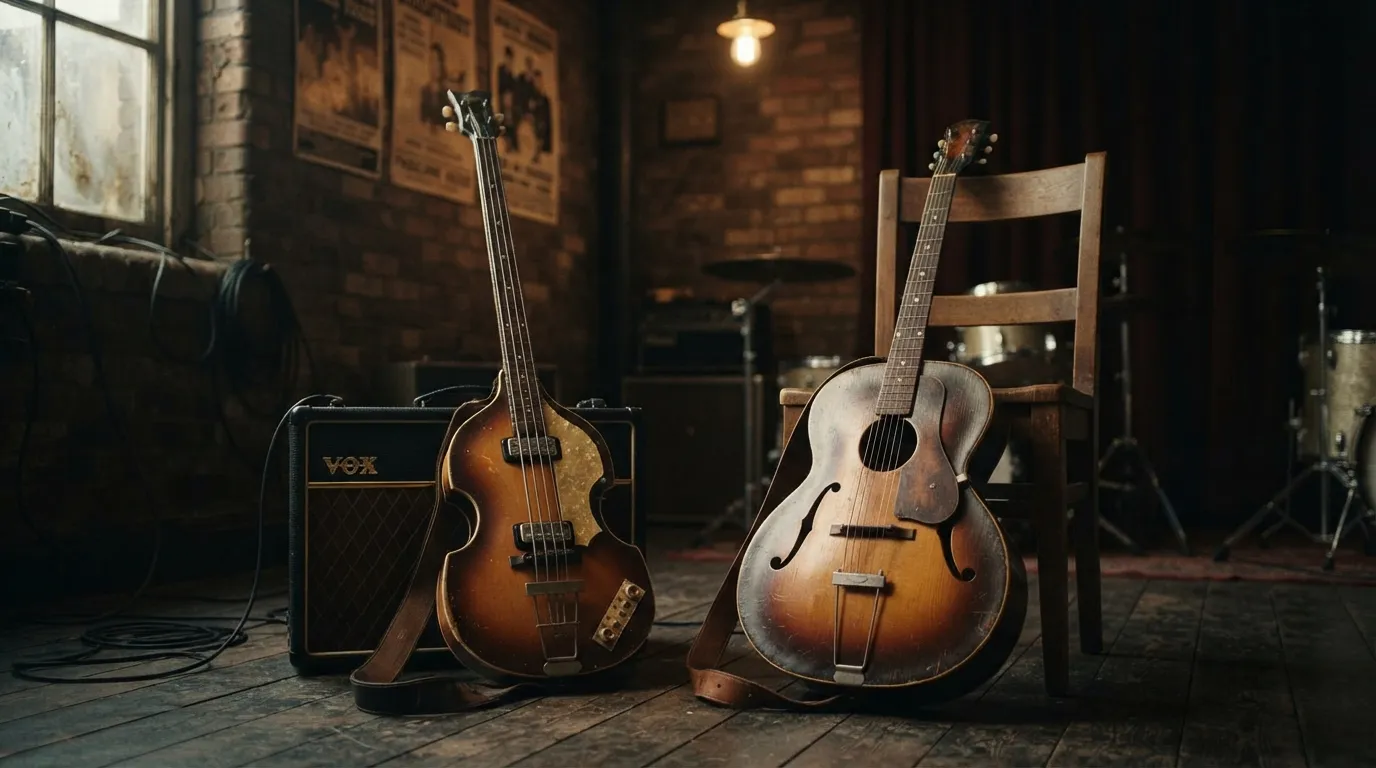
In 1957 Paul McCartney joined John Lennon’s Quarrymen as a guitarist. They played skiffle and rock and roll around Liverpool.
The group shifted names and lineups, becoming the Beatles in 1960. In 1961, after Stuart Sutcliffe left, McCartney took up bass, and he and Lennon built one of pop’s biggest songwriting partnerships.
One guitarist in a teenage skiffle group became a left-handed bassist and co-writer of much of the Beatles catalog.
#6 – Ringo Starr: Drummer in Rory Storm and the Hurricanes vs The Beatles
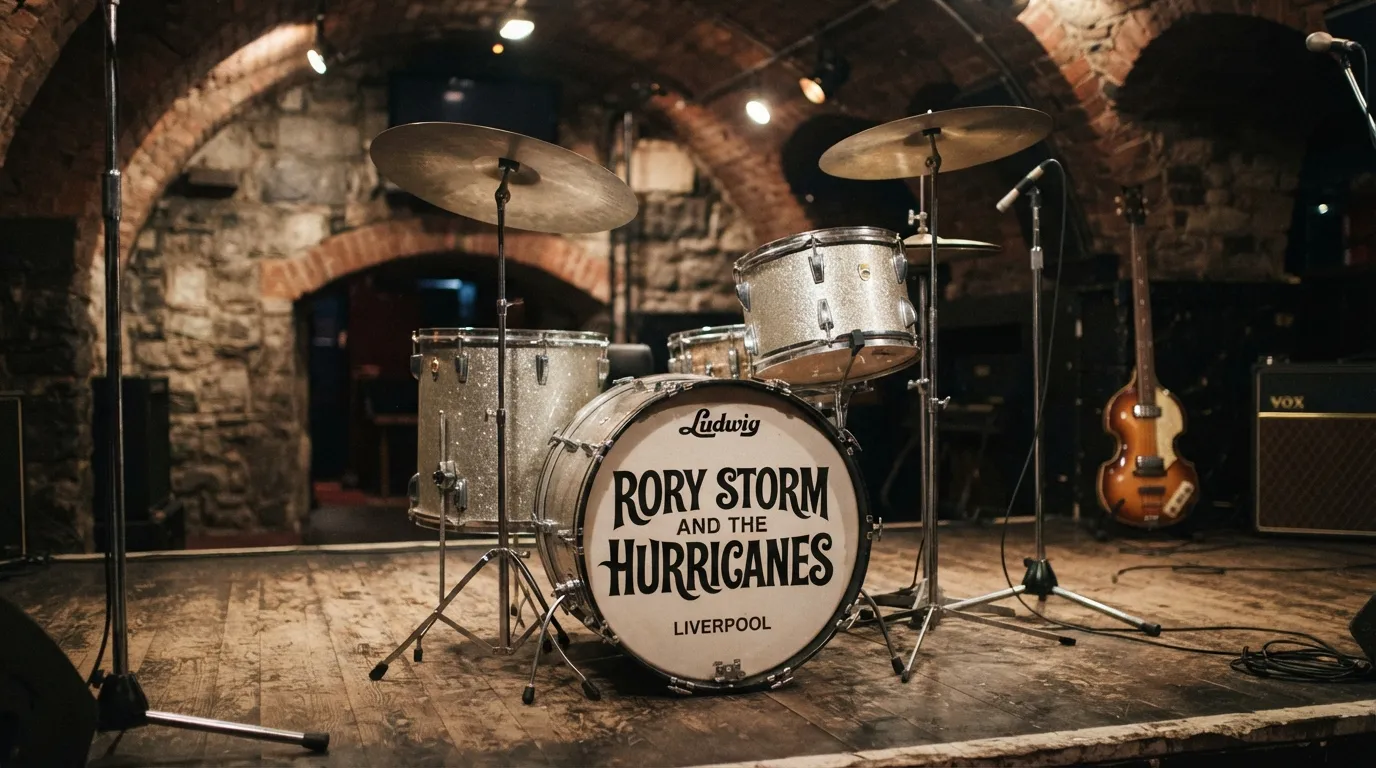
Ringo Starr, born Richard Starkey, began in a Liverpool skiffle outfit, the Eddie Clayton Skiffle Group, in 1957. In 1959 he joined Rory Storm and the Hurricanes, a top Liverpool band that also played club residencies in Germany.
In 1962 he left to join the Beatles, bringing his steady backbeat to their sound.
He went from the drummer of a leading local band to the drummer of the most famous group in the world.
#5 – Tony Iommi: Guitarist in Mythology vs Black Sabbath Innovator
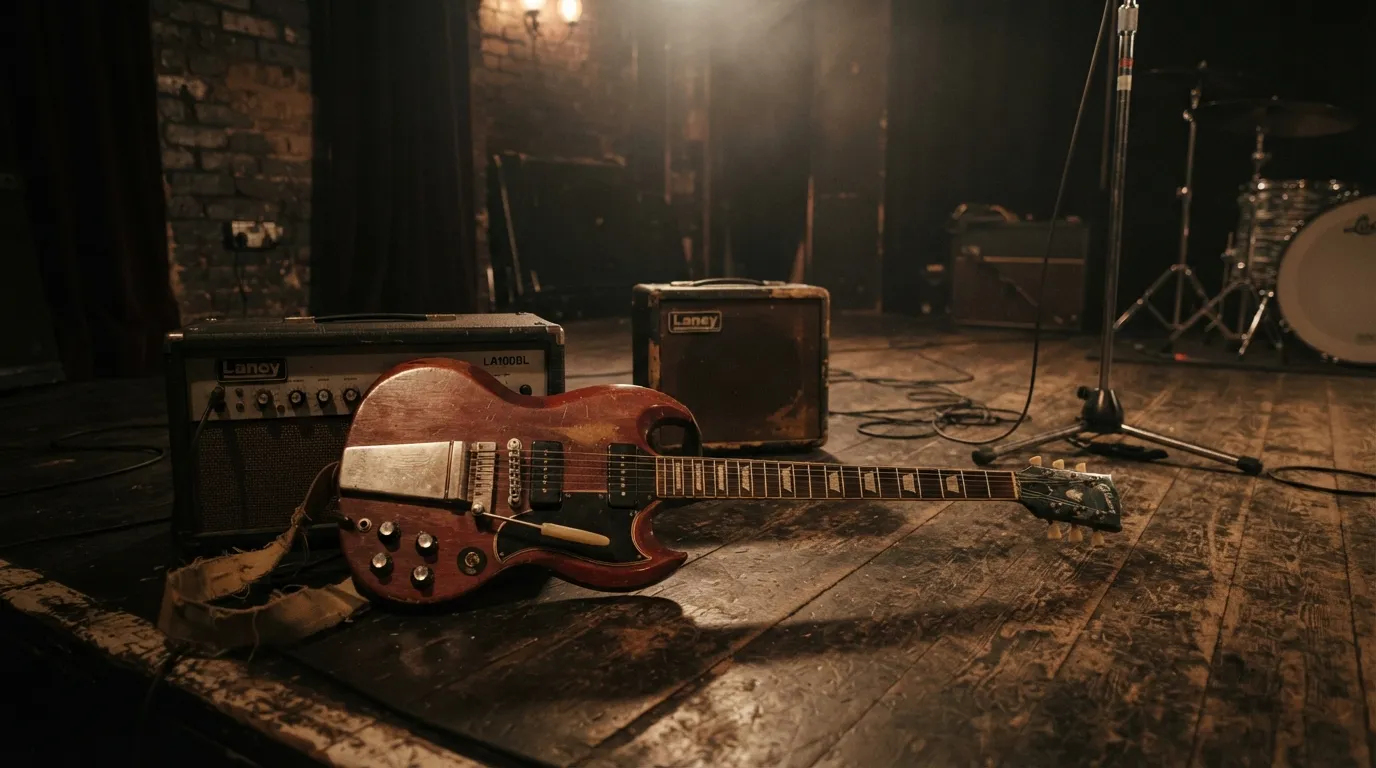
In the mid-to-late 1960s Tony Iommi played guitar in Birmingham bands, including Mythology with drummer Bill Ward. After Mythology broke up in 1968, he briefly joined Jethro Tull and appeared with them in the Rolling Stones’ Rock and Roll Circus TV special.
Then he went home and formed a band with Ward, Geezer Butler, and Ozzy Osbourne. Earth became Black Sabbath.
A blues-rock guitarist became the man behind some of the heaviest riffs ever written.
#4 – Phil Collins: Drummer in Flaming Youth vs Genesis and Solo Star
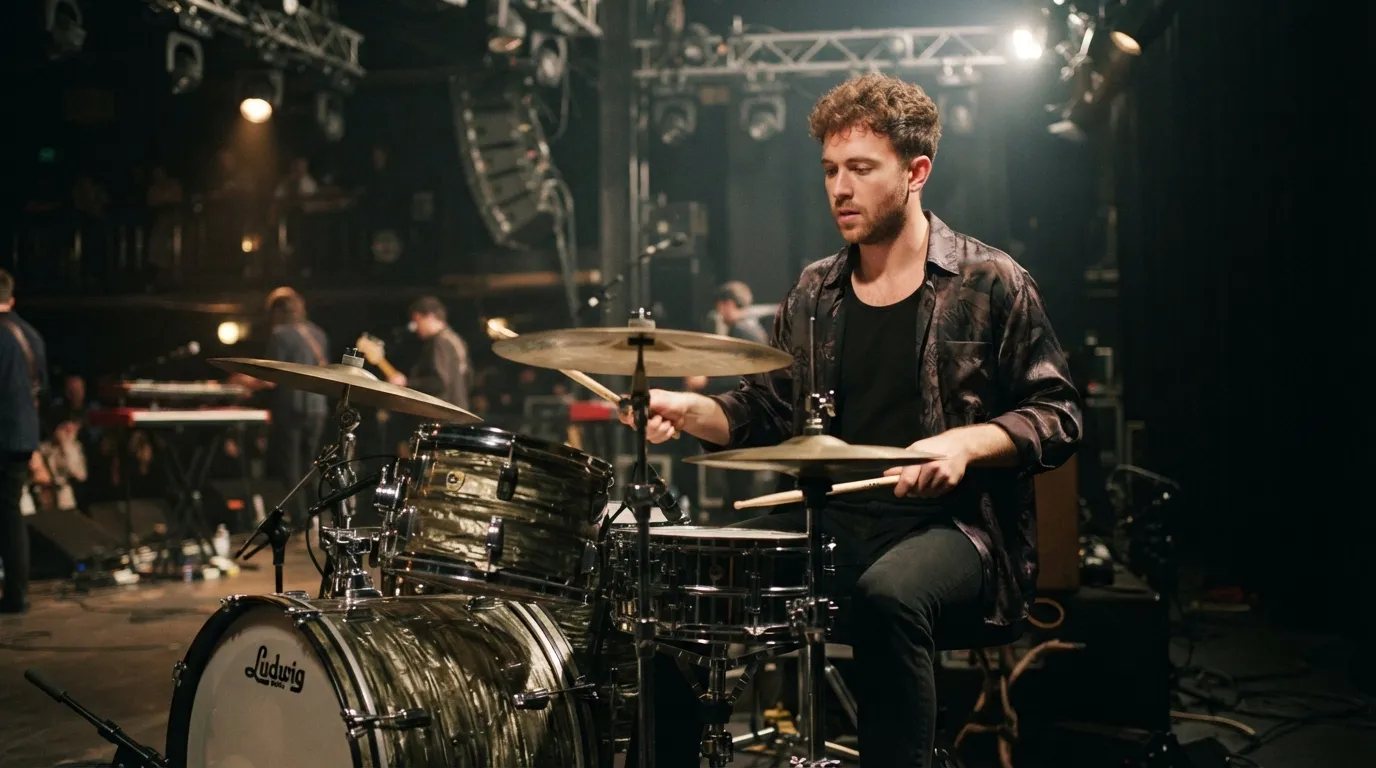
Phil Collins was a drummer in the late-1960s band Flaming Youth, which released an album, Ark 2, in 1969.
In 1970 he joined Genesis as drummer. When Peter Gabriel left in 1975, Collins stepped to the microphone, and in 1981 he launched a solo career with Face Value.
The drummer in the back became the voice and face of one of the biggest pop-rock careers of the 1980s.
Quick Compare
- Late 1960s, Flaming Youth: drummer, with Ark 2 out in 1969.
- 1970, Genesis: joins as drummer.
- 1975, Genesis: takes the microphone after Peter Gabriel leaves.
- 1981, solo: launches with Face Value.
#3 – Bill Ward: Drummer in Mythology vs Black Sabbath Rhythm Section
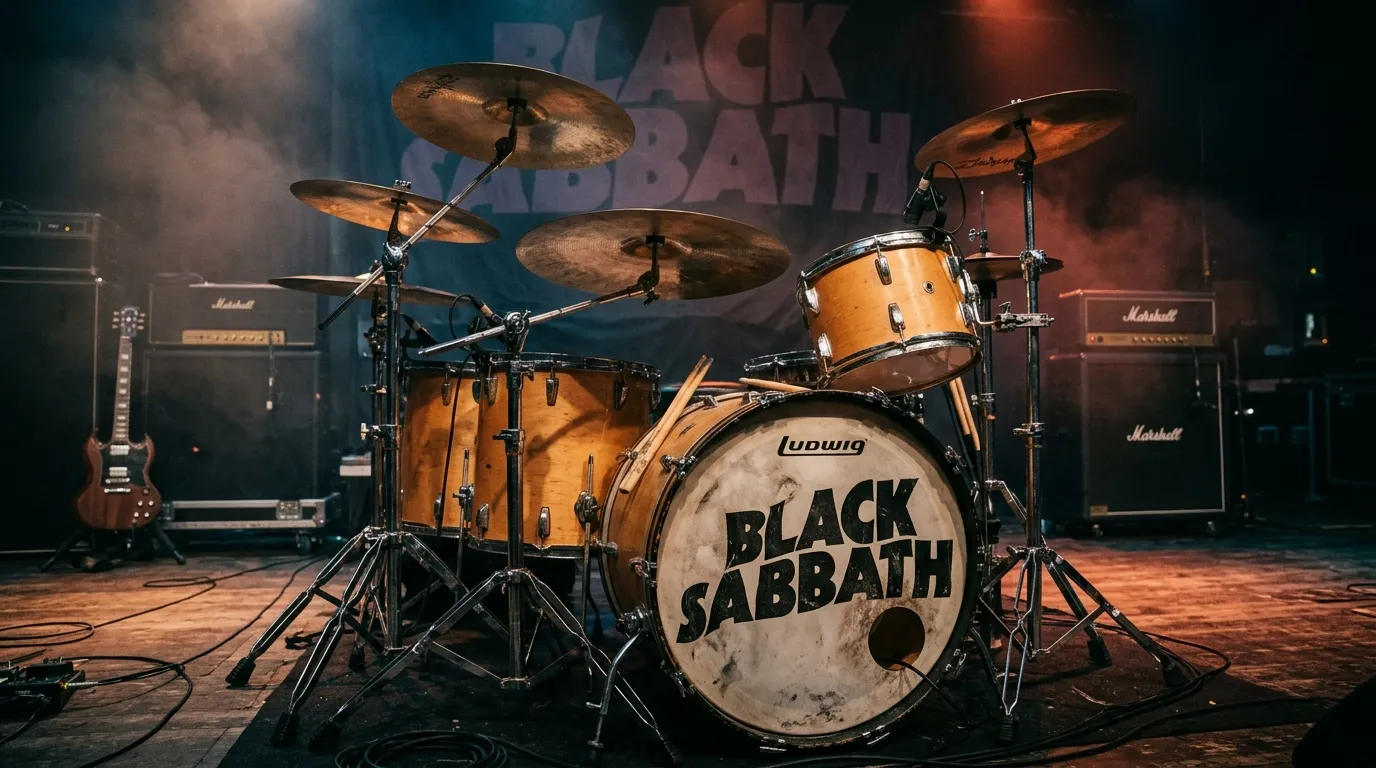
Bill Ward drummed alongside Tony Iommi in Mythology until the band split in 1968.
The pair soon formed Earth, adding Geezer Butler and Ozzy Osbourne, and that band became Black Sabbath.
The original lineup released eight studio albums by 1978, and Ward’s drumming anchored all of them. A bluesy local group became the engine room of heavy metal.
#2 – Brian May: Guitarist in 1984 and Smile vs Queen Co-Founder
Brian May’s first band was a school group literally named 1984, formed in the mid-1960s with Tim Staffell. It later evolved into Smile with drummer Roger Taylor, and Smile released a single before Staffell left.
In 1970 May and Taylor recruited Freddie Mercury, and the band became Queen.
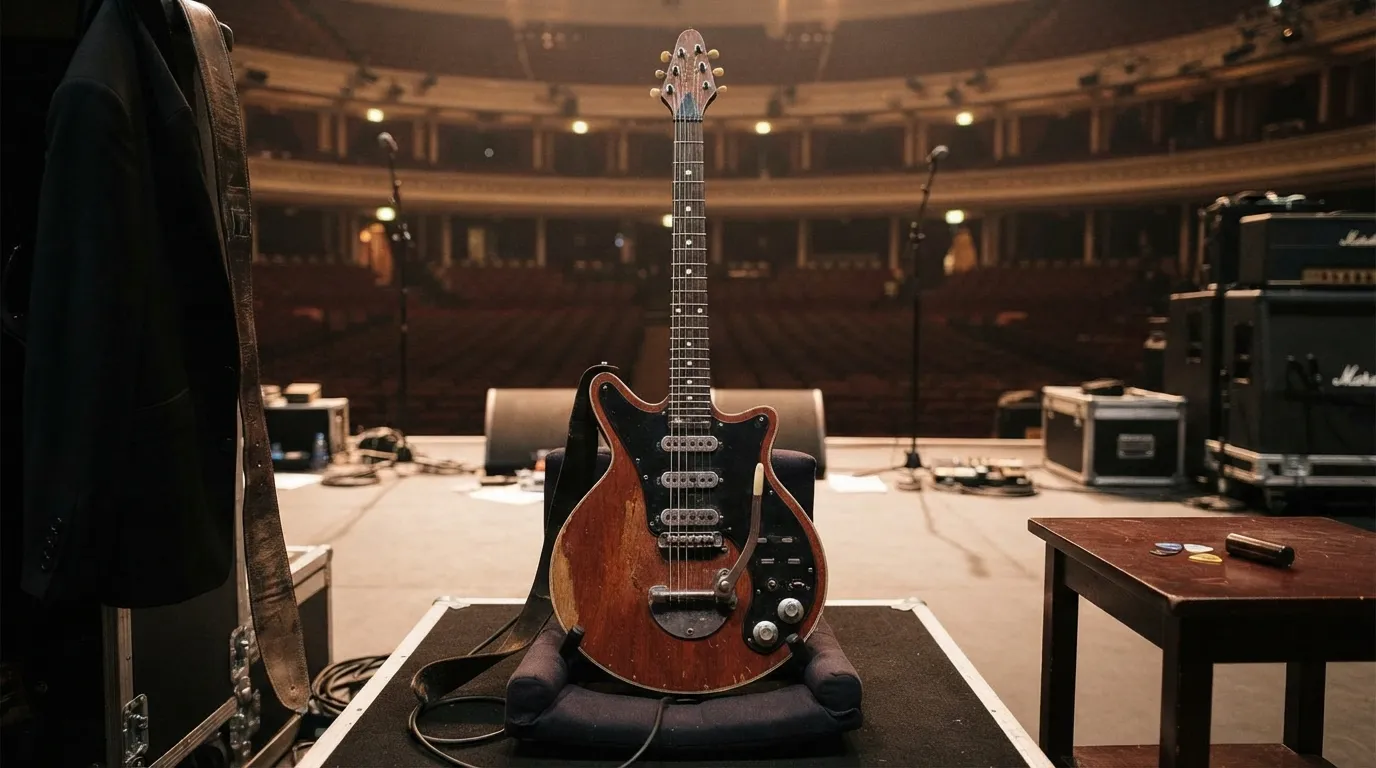
May also built his Red Special guitar with his father in the early 1960s, and he still plays it with Queen. A school-days band named after a book became the foundation of rock royalty.
#1 – John Lennon: Quarrymen Leader vs Beatles Songwriting Force
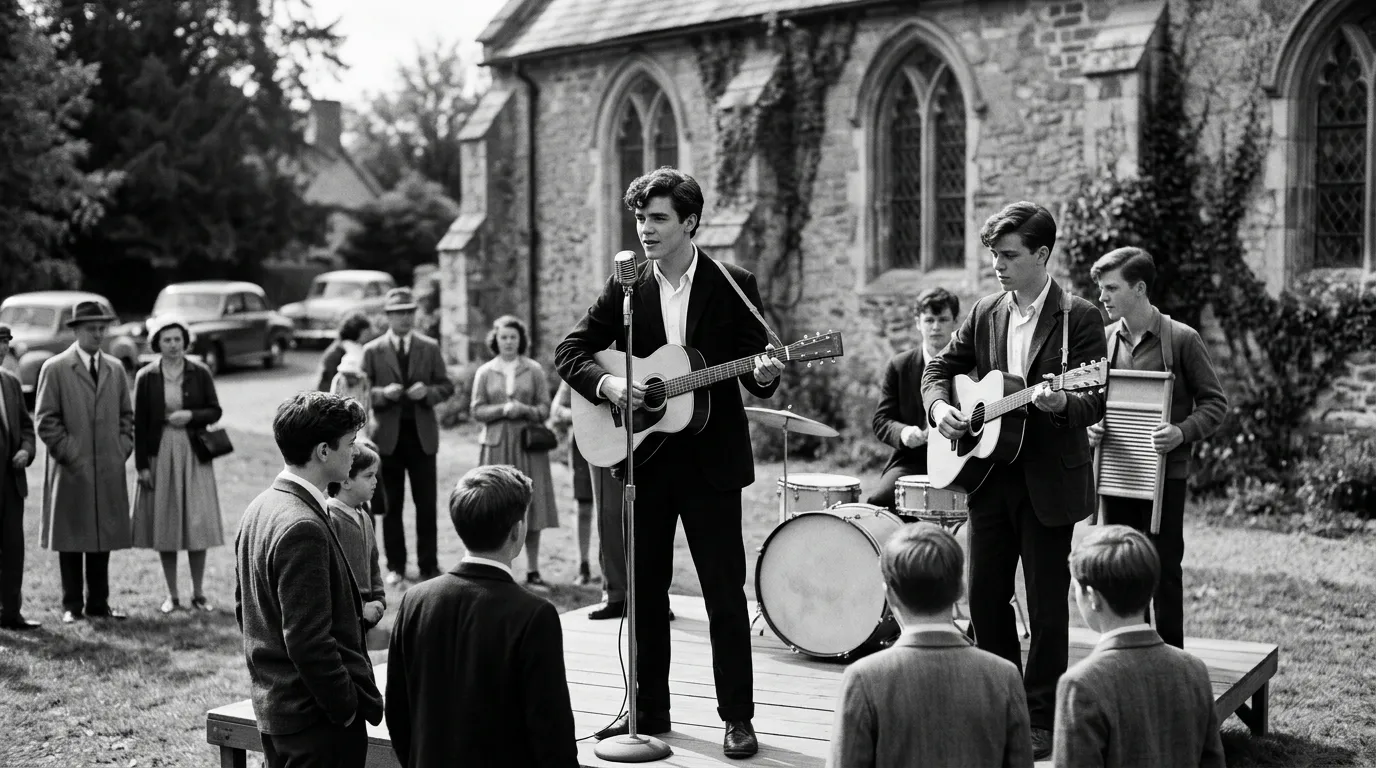
John Lennon formed the Quarrymen as a Liverpool teenager in the mid-1950s, a skiffle group that played parties and talent shows. Paul McCartney joined in 1957, and George Harrison followed.
By 1960 the group had become the Beatles, and Lennon and McCartney were writing songs that changed pop music.
The skiffle bandleader had grown into half of the most famous songwriting team in popular music, and every bit of that chemistry started in a teenage band.
Look across all 25 and the pattern is hard to miss. Almost none of these stars came out of nowhere. They came out of school fetes, cover bands, and a two-gig band or two, learning on the job.
The famous band usually wasn’t the first try. It was the one where the right people, the right instrument, and the right songs finally lined up.