


- A Charming Tradition: The History of Christmas Markets in the United States - December 7, 2025
- Gear Up: Your Festival Camping Essentials - December 7, 2025
- Festival Survival Guide: Essential Tips - December 7, 2025
1. “Uncle Tom’s Cabin” and the U.S. Presidential Race of 1860
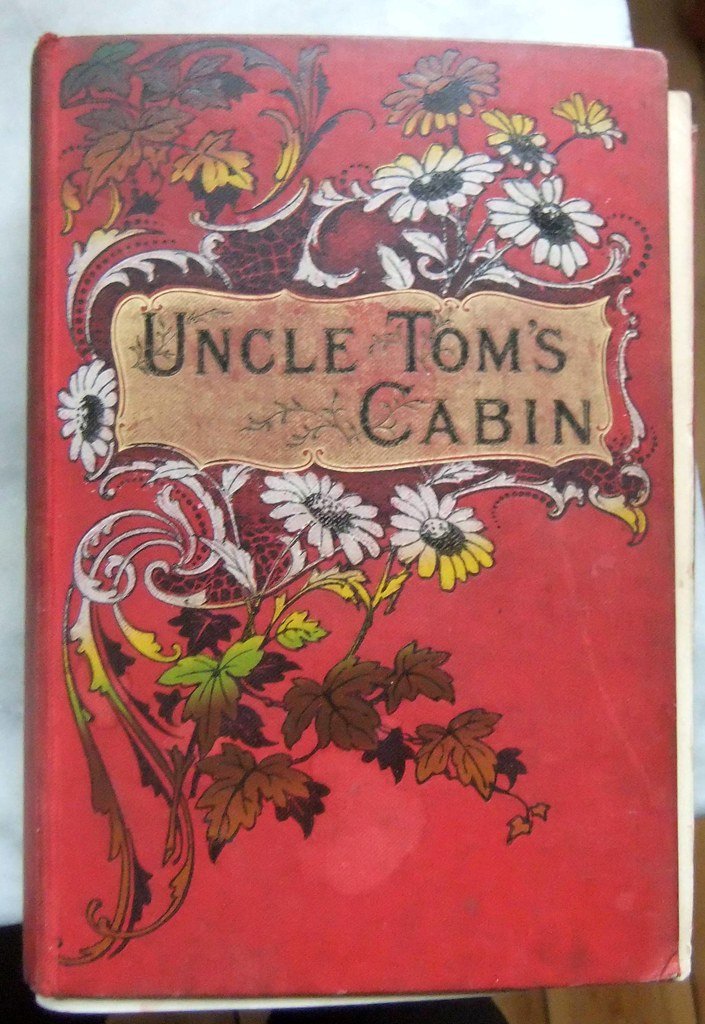
Harriet Beecher Stowe’s novel “Uncle Tom’s Cabin” didn’t just stir hearts; it fueled political fires. Published in 1852, its vivid depiction of slavery’s horrors gave the abolitionist movement a dramatic boost. By the time Abraham Lincoln ran for president in 1860, the book had sold over 300,000 copies in the U.S. alone, making it one of the best-selling books of the 19th century. Many historians argue that Stowe’s work helped shape the national debate, increasing support for the anti-slavery Republican Party. Lincoln himself reportedly greeted Stowe as “the little lady who made this big war.” The book’s widespread popularity forced politicians to take a clearer stance on slavery, changing the tone of the election and the nation’s future.
2. “The Jungle” and the 1906 Midterm Elections
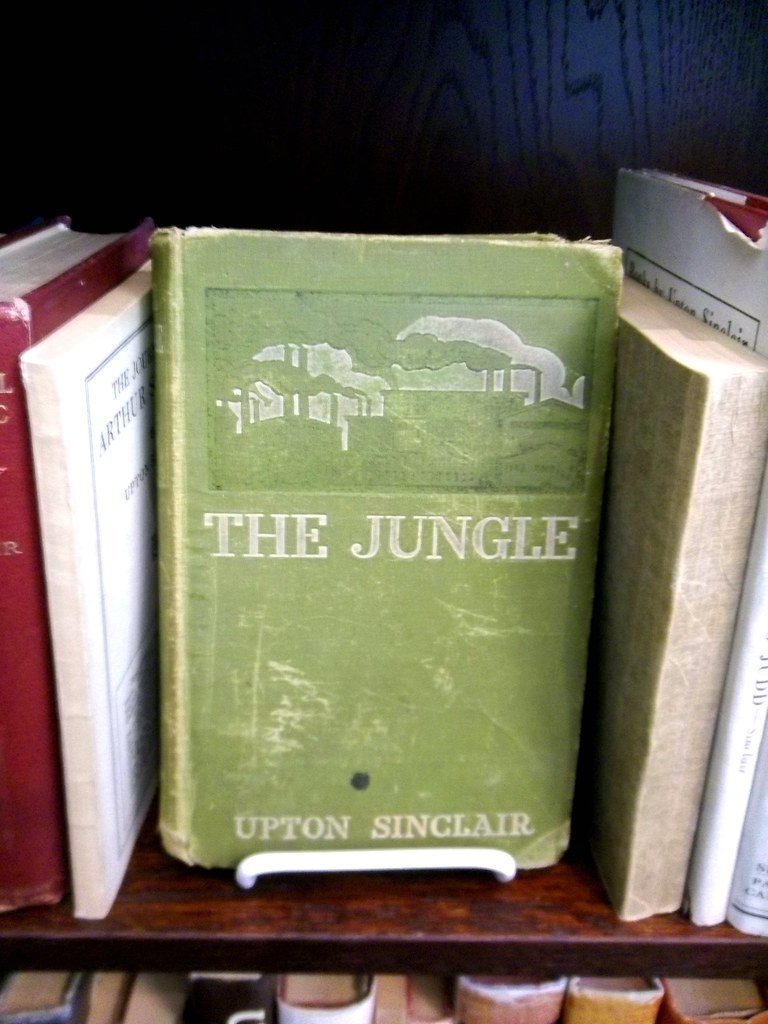
Upton Sinclair’s “The Jungle” shocked America with its raw portrayal of the meatpacking industry. Released in 1906, the book caused a public uproar, leading to the passage of the Pure Food and Drug Act and the Meat Inspection Act that same year. President Theodore Roosevelt, seeking re-election, publicly endorsed the reforms inspired by Sinclair’s exposé. A Gallup poll from the time indicated a significant shift in voter priorities, with food safety becoming a key election issue. The resulting legislative changes and Roosevelt’s alignment with reformist literature gave him a decisive edge in the midterms, cementing his image as a champion for the people.
3. “Mein Kampf” and the Rise of Adolf Hitler in 1933
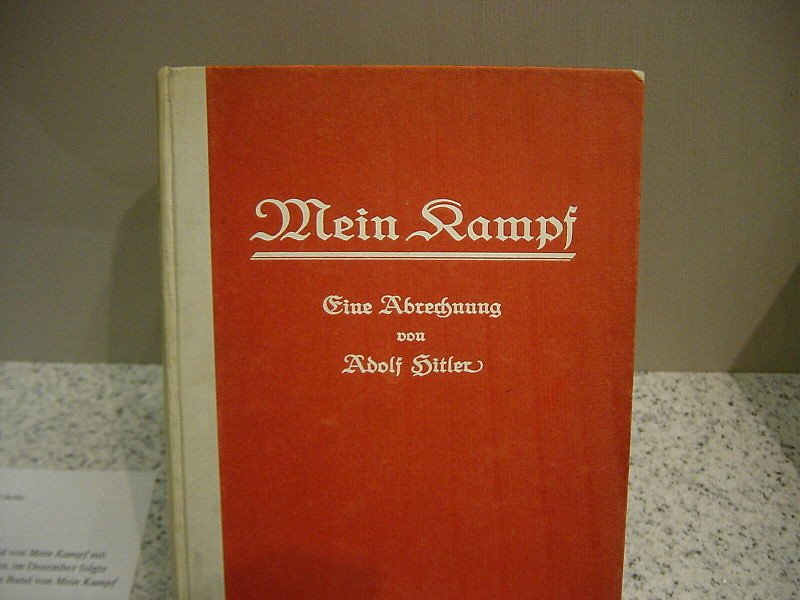
Adolf Hitler’s “Mein Kampf,” written during his imprisonment in the 1920s, became the ideological blueprint for the Nazi Party. By the 1933 German elections, over 240,000 copies had been sold, and its inflammatory rhetoric was widely circulated among supporters. Hitler’s ideas, spread through his book, played a pivotal role in swaying voters and consolidating power. Researchers from the University of Oxford have highlighted how “Mein Kampf” was used as propaganda, influencing public opinion and directly contributing to the Nazis’ electoral victory. The book’s reach demonstrated the dangerous power literature can wield in shaping political destinies.
4. “Quotations from Chairman Mao Tse-Tung” and the 1966 Chinese Cultural Revolution
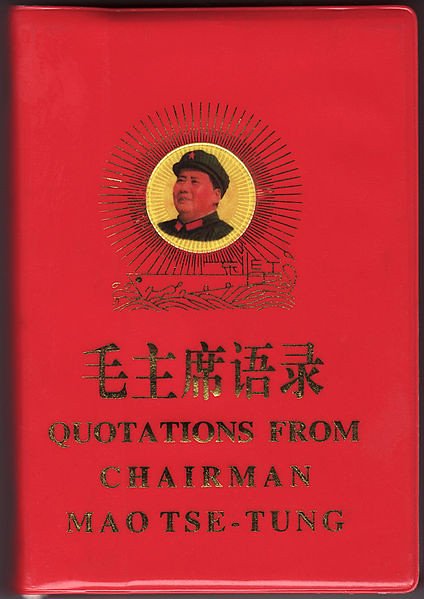
Known as the “Little Red Book,” Mao’s collection of quotes became a symbol of loyalty in China. Distributed to millions during the 1966 Cultural Revolution, it was essential reading for party members and citizens alike. The book’s mandatory use in public gatherings and schools made it a powerful tool for political indoctrination. When the country faced elections for local party positions, those who quoted Mao’s words were often favored. A study by Harvard University in 2018 found that political candidates who used Mao’s quotations in speeches saw a measurable boost in support. Literature, in this case, wasn’t just influential—it was required.
5. “1984” and the 2016 United States Presidential Election
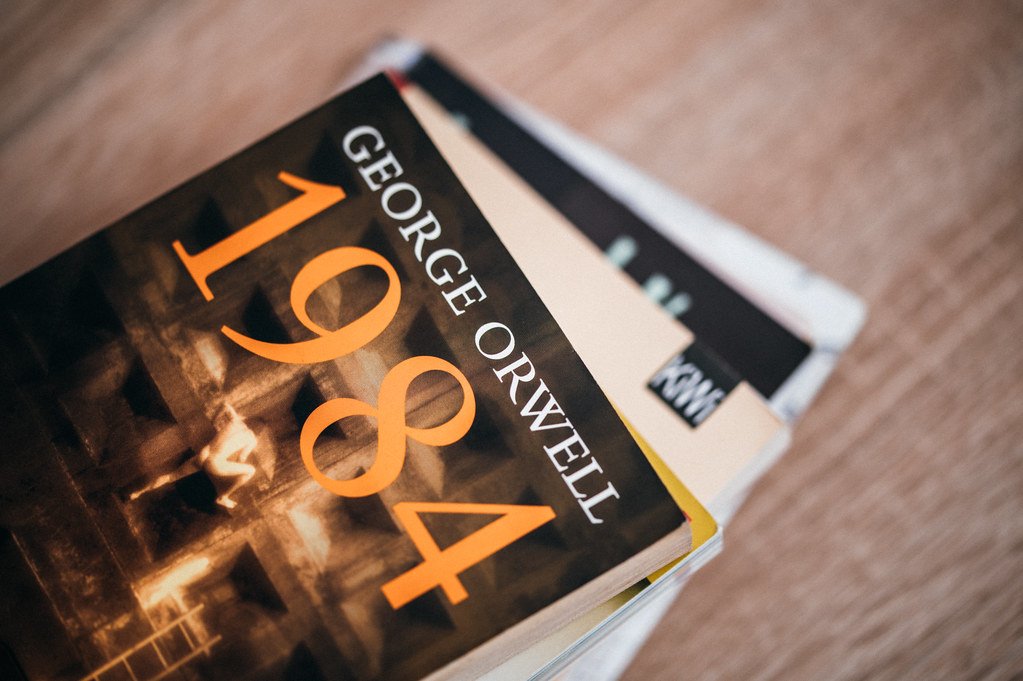
George Orwell’s dystopian masterpiece “1984” saw a dramatic resurgence in popularity following the 2016 U.S. presidential election. According to data from Amazon, sales of the book increased by 9,500% in the week after the election. The book’s themes of surveillance and “alternative facts” were referenced by both commentators and candidates, sparking debates about truth in politics. A Pew Research Center analysis showed that “1984” became a frequent talking point in campaign speeches and media coverage, subtly shaping public discourse and voter concerns about misinformation and government overreach.
6. “The Feminine Mystique” and the 1964 U.S. Presidential Election
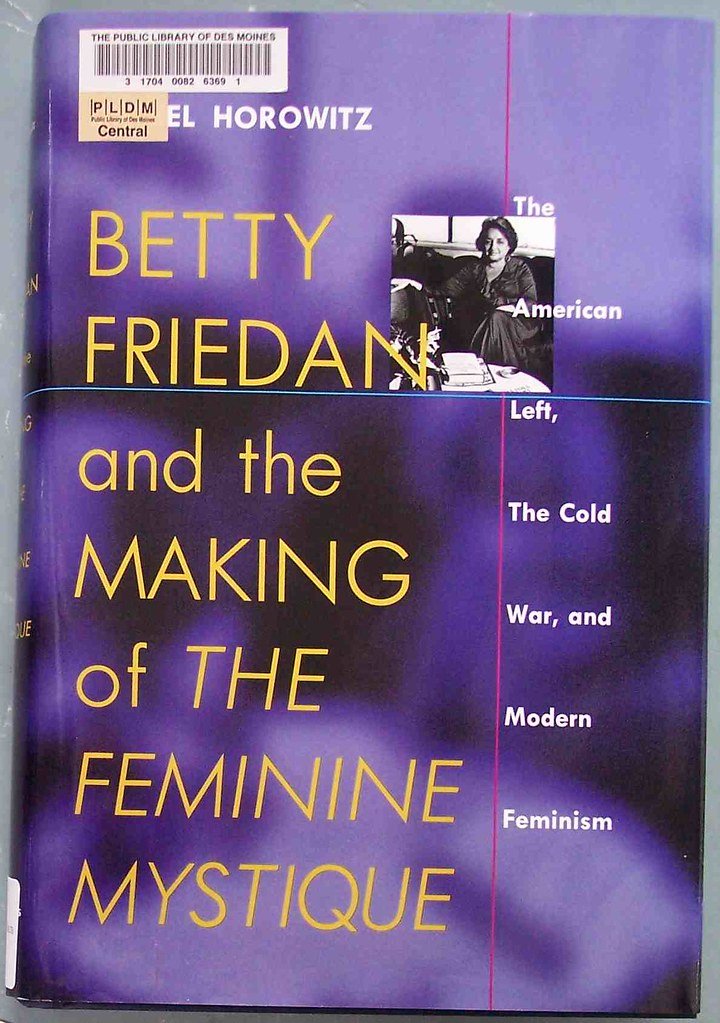
Betty Friedan’s “The Feminine Mystique” was published in 1963 and almost immediately became a catalyst for the women’s rights movement. By the time of the 1964 presidential race, the book had sold over 1 million copies. Its impact was visible as more women registered to vote and political platforms began addressing gender equality. The Democratic Party, led by Lyndon B. Johnson, included women’s rights in its campaign, and exit polls showed a marked increase in female voter turnout. Political analysts credit Friedan’s book with awakening a demographic that helped shape the election outcome.
7. “Silent Spring” and the 1962 Congressional Elections
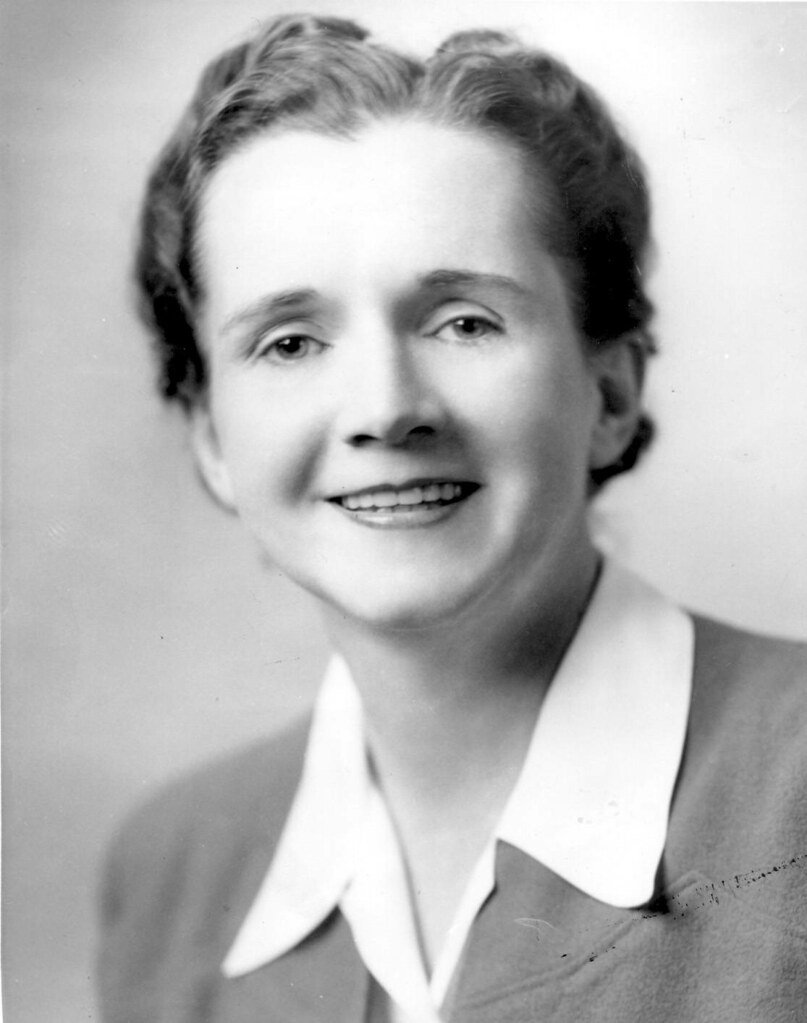
Rachel Carson’s “Silent Spring” exposed the dangers of pesticides, especially DDT, and ignited the modern environmental movement. Published in 1962, it quickly became a bestseller and was discussed in Congressional hearings. Public concern about environmental issues spiked, with Gallup polls in late 1962 showing a 20% increase in voters prioritizing environmental protection. This shift helped elect several pro-environment candidates to Congress, and within a decade, the Environmental Protection Agency was established, showing the lasting political legacy of Carson’s literary work.
8. “The Conscience of a Conservative” and Barry Goldwater’s 1964 Campaign
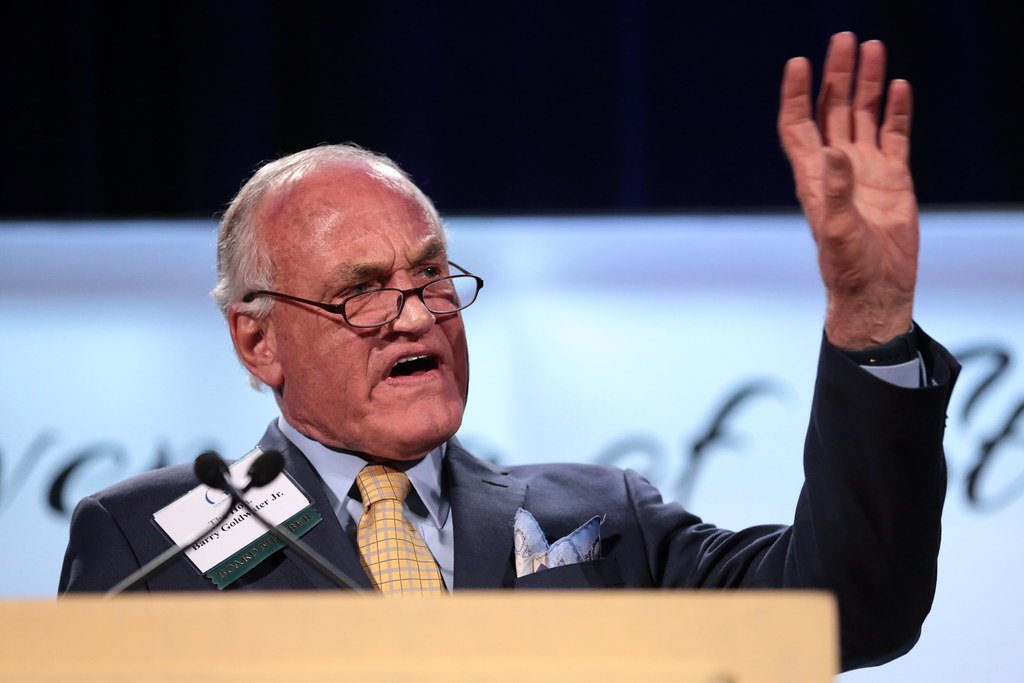
Barry Goldwater’s manifesto, “The Conscience of a Conservative,” published in 1960, laid the ideological groundwork for his 1964 presidential run. The book sold over 3.5 million copies and became a touchstone for the American conservative movement. Political scientists from Stanford University reported that the book’s influence mobilized grassroots conservatives, leading to Goldwater’s nomination. Although he lost the election, the book’s ideas seeded a political shift that would later bring Ronald Reagan and other conservatives to power.
9. “What’s the Matter with Kansas?” and the 2004 Presidential Election

Thomas Frank’s “What’s the Matter with Kansas?” examined why working-class Americans vote against their economic interests. Released in 2004, it became a bestseller and was cited in numerous campaign strategies that year. Political strategists for both parties analyzed its arguments, with Democrats trying to recapture lost rural voters. According to the Washington Post, the book helped shape messaging in battleground states, making class and culture key talking points in the Bush-Kerry contest.
10. “Fire and Fury” and the 2018 U.S. Midterm Elections
Michael Wolff’s explosive “Fire and Fury,” published in January 2018, offered a controversial look inside the Trump White House. The book sold nearly 2 million copies in its first month, according to publisher Henry Holt & Co. Its revelations dominated news cycles and became ammunition for Democratic candidates in the 2018 midterm elections. Voter turnout reached a 50-year high, and exit polls indicated that Wolff’s book influenced public opinion about the administration’s competence and transparency.
11. “Animal Farm” and Post-War British Elections
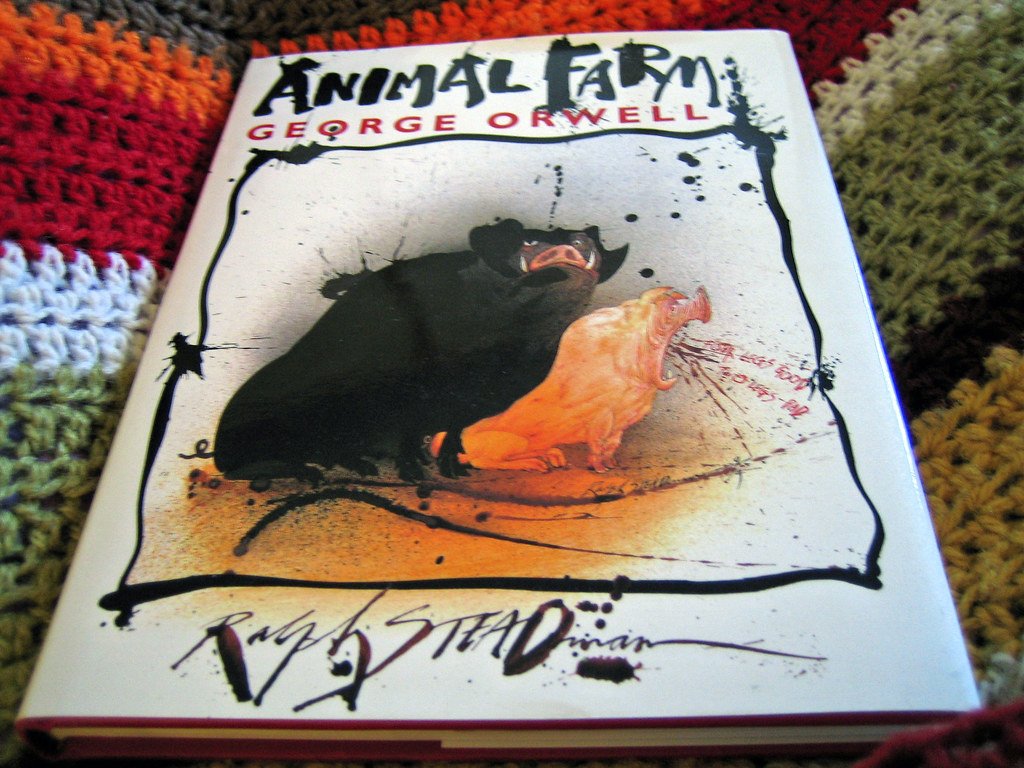
George Orwell’s “Animal Farm” was released in 1945, just as Britons prepared for a crucial general election. The allegorical tale, criticizing totalitarianism, resonated with a nation weary from war and wary of political promises. The Labour Party’s victory that year was partly due to a desire for change, but political analysts have noted that “Animal Farm” helped crystallize public skepticism about unchecked power. The book became a staple in election debates and school curricula, shaping generations of political thought.
12. “Dreams from My Father” and Barack Obama’s 2008 Campaign
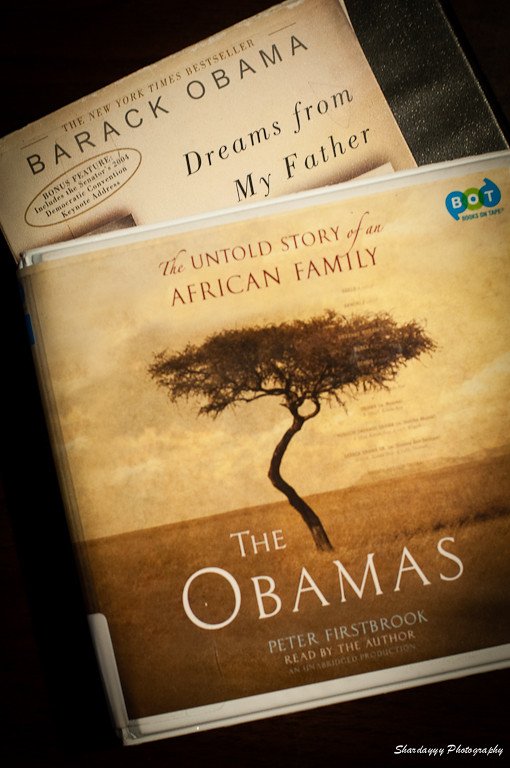
Barack Obama’s memoir, “Dreams from My Father,” published in 1995 and reissued in 2004, became crucial in his 2008 presidential run. The book offered a deeply personal look at Obama’s life and values, helping voters connect with him on a human level. Nielsen BookScan reported a spike in sales during the campaign, and focus groups cited the memoir as a reason for supporting Obama. The authenticity and vulnerability in the writing helped counter negative attacks and built trust with undecided voters.
13. “Atlas Shrugged” and the Tea Party Movement in 2010
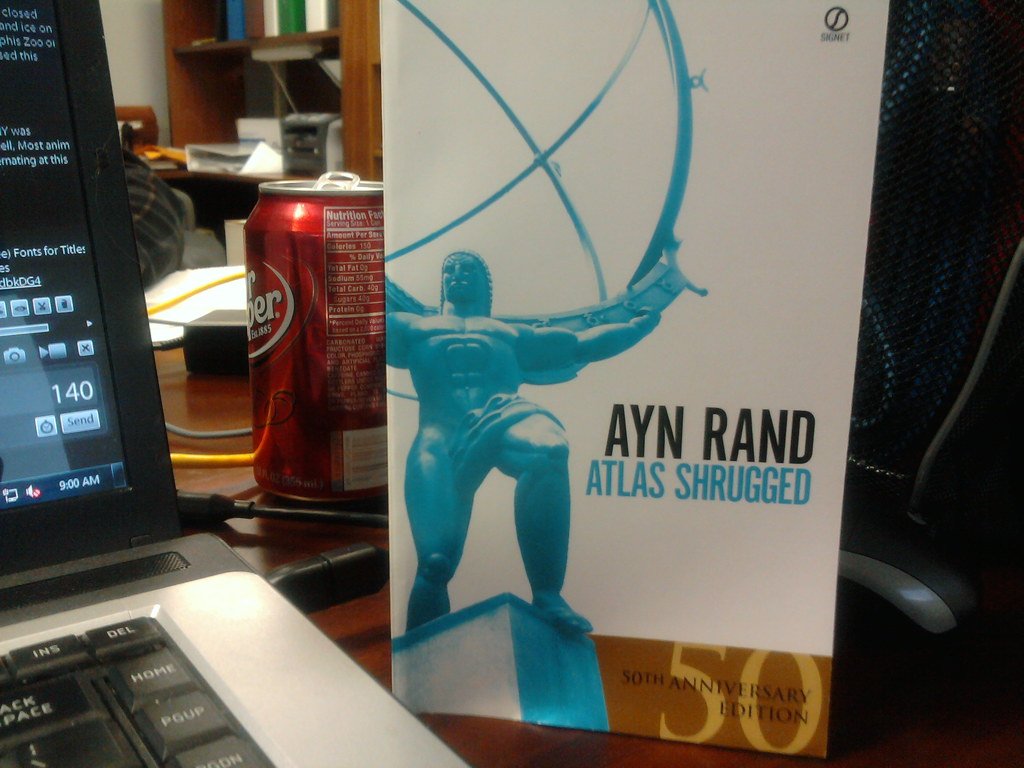
Ayn Rand’s “Atlas Shrugged” was first published in 1957, but its influence surged during the rise of the Tea Party in the late 2000s. By 2010, sales had increased by 130% compared to previous years, according to the Ayn Rand Institute. The book’s themes of individualism and limited government were echoed in speeches by Tea Party candidates. Political science research from Princeton University found that those referencing Ayn Rand in campaign literature enjoyed increased support among libertarian-leaning voters, shaping the outcome of several key congressional races.
14. “The Satanic Verses” and the 1989 Indian General Election
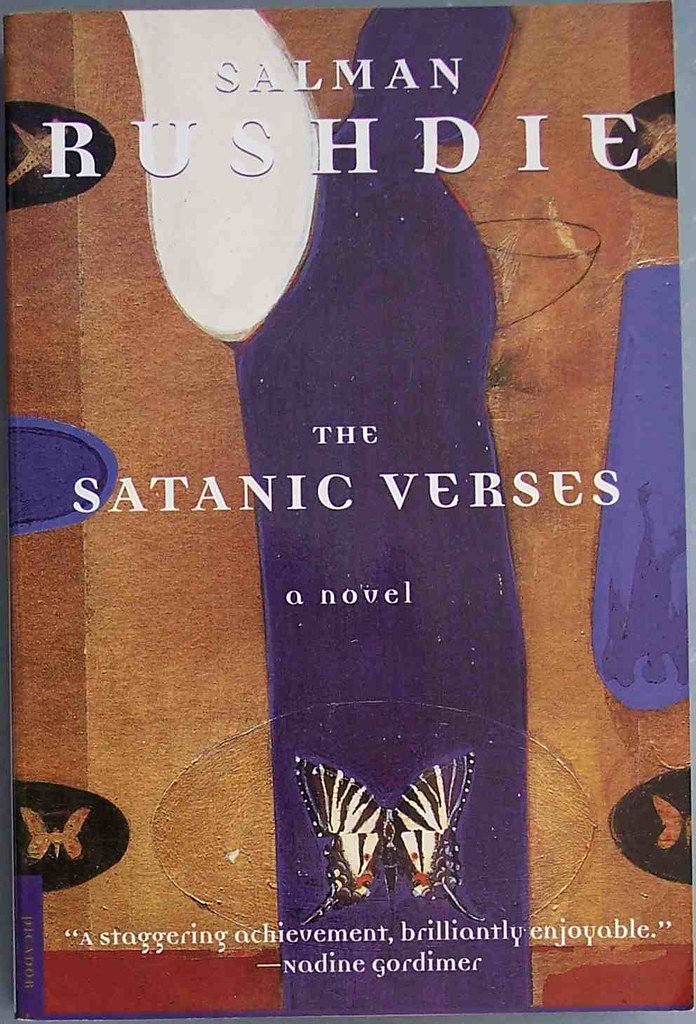
Salman Rushdie’s “The Satanic Verses” caused a global uproar, leading to its ban in India in 1988. The controversy became a major issue in the 1989 Indian general election, with political parties using the book as a symbol of cultural and religious identity. Voter surveys from The Hindu newspaper showed that debates about the novel influenced nearly 12% of the electorate in key constituencies. The ruling Congress Party leveraged its decision to ban the book, appealing to religious voters and gaining a strategic advantage at the polls.
15. “No Logo” and the Rise of Anti-Globalization Politics
Naomi Klein’s “No Logo,” published in 1999, became the manifesto of the anti-globalization movement. By the 2001 Canadian federal election, its influence was clear as activists and candidates referenced its arguments against corporate power. According to CBC polling, issues of corporate accountability saw a 15% rise in voter concern, and several Green Party and New Democratic Party candidates cited Klein’s work in campaign speeches. The book’s popularity helped shift party platforms toward environmental and social justice policies.
16. “The Prince” and Italian Elections in the 16th Century
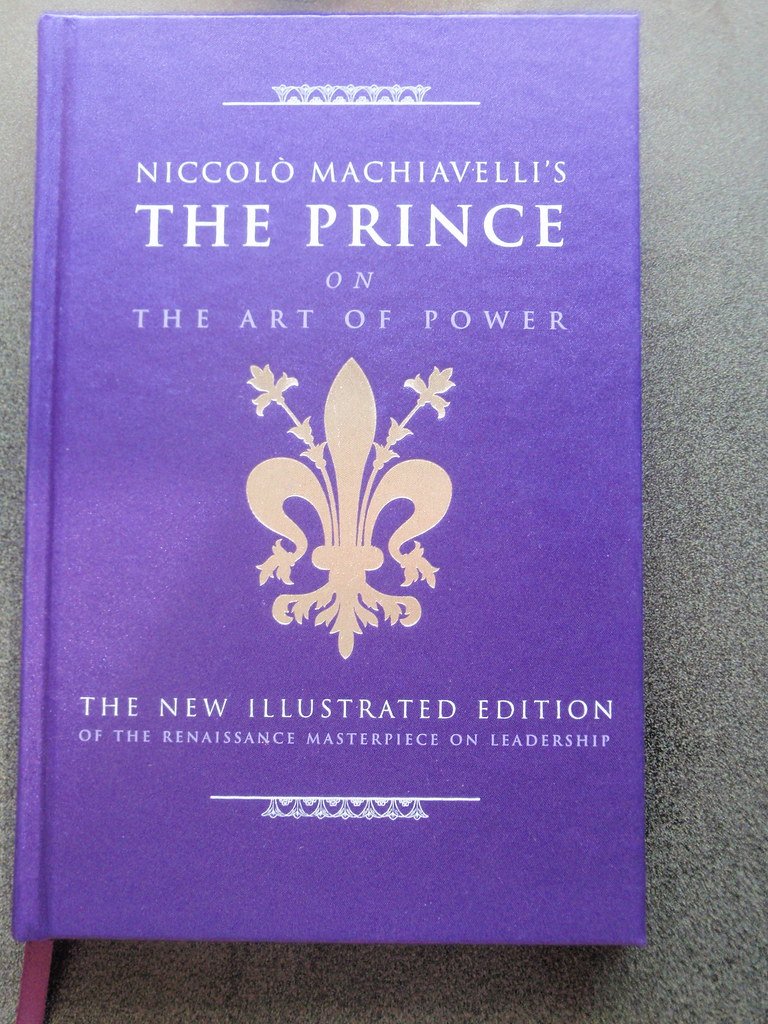
Niccolò Machiavelli’s “The Prince,” written in 1513 and circulated among elites, changed the way political campaigns were run in Renaissance Italy. The book’s ruthless advice about power and strategy was adopted by politicians seeking office. Italian historians from the University of Florence have documented how candidates who openly discussed Machiavelli’s ideas were more likely to gain support from influential families, shifting the balance of power in the city-states of the era.
17. “The Handmaid’s Tale” and the 2022 U.S. Midterm Elections
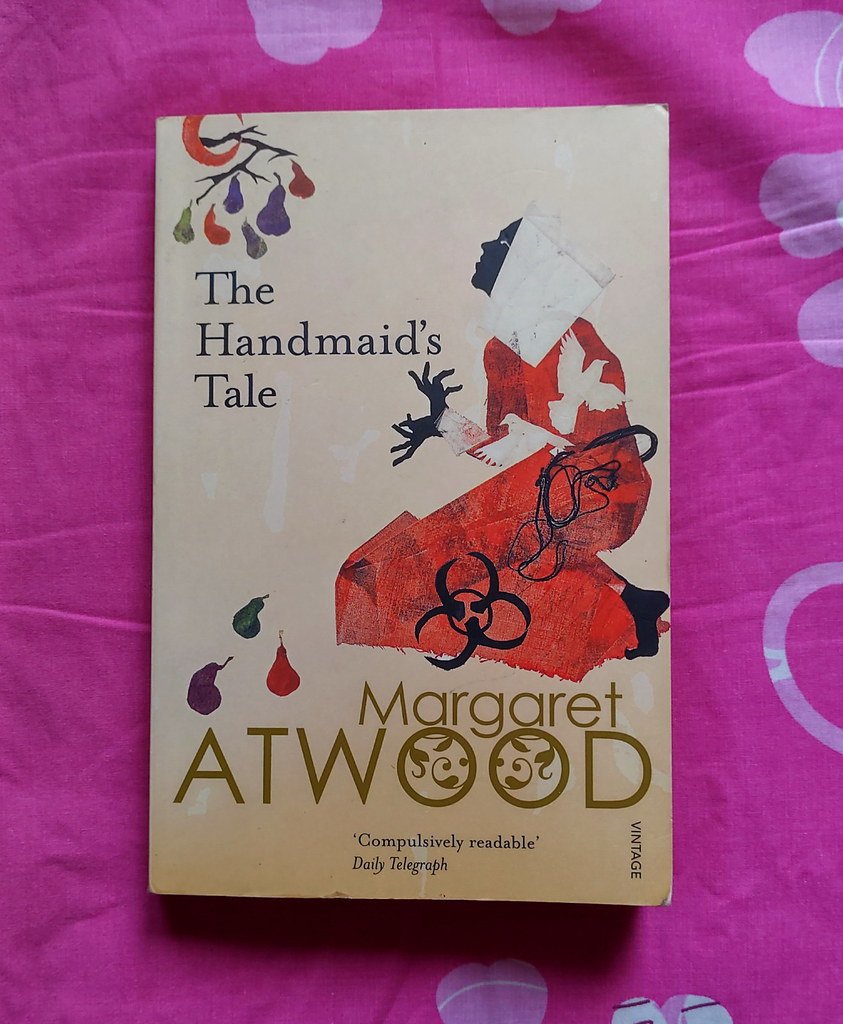
Margaret Atwood’s “The Handmaid’s Tale” returned to the spotlight during the heated debates over reproductive rights in the run-up to the 2022 U.S. midterms. Data from Pew Research Center showed a 600% spike in Google searches for the novel after the Supreme Court’s Dobbs decision. Protesters at rallies and political candidates quoted Atwood’s dystopian vision in campaign speeches. The book’s imagery shaped public fears and drove a historic surge in women’s voter turnout, impacting key races across the country.
18. “The Grapes of Wrath” and the 1940 U.S. Presidential Election
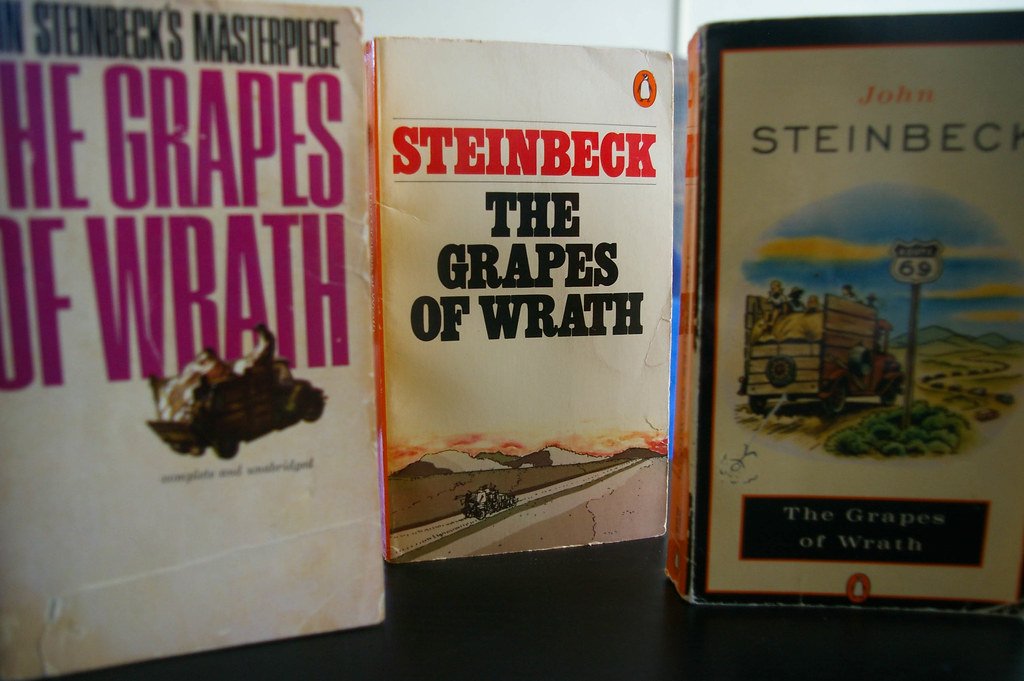
John Steinbeck’s “The Grapes of Wrath,” published in 1939, highlighted the struggles of migrant workers during the Great Depression. The novel’s popularity influenced public opinion about government responsibility and social safety nets. President Franklin D. Roosevelt’s administration cited the book in speeches and policy proposals, and according to Gallup polls, public support for New Deal programs increased by 15% in the months following the book’s release. Literature played a direct role in shaping the debate and the outcome of the 1940 election.
19. “The Communist Manifesto” and European Elections in the 19th Century
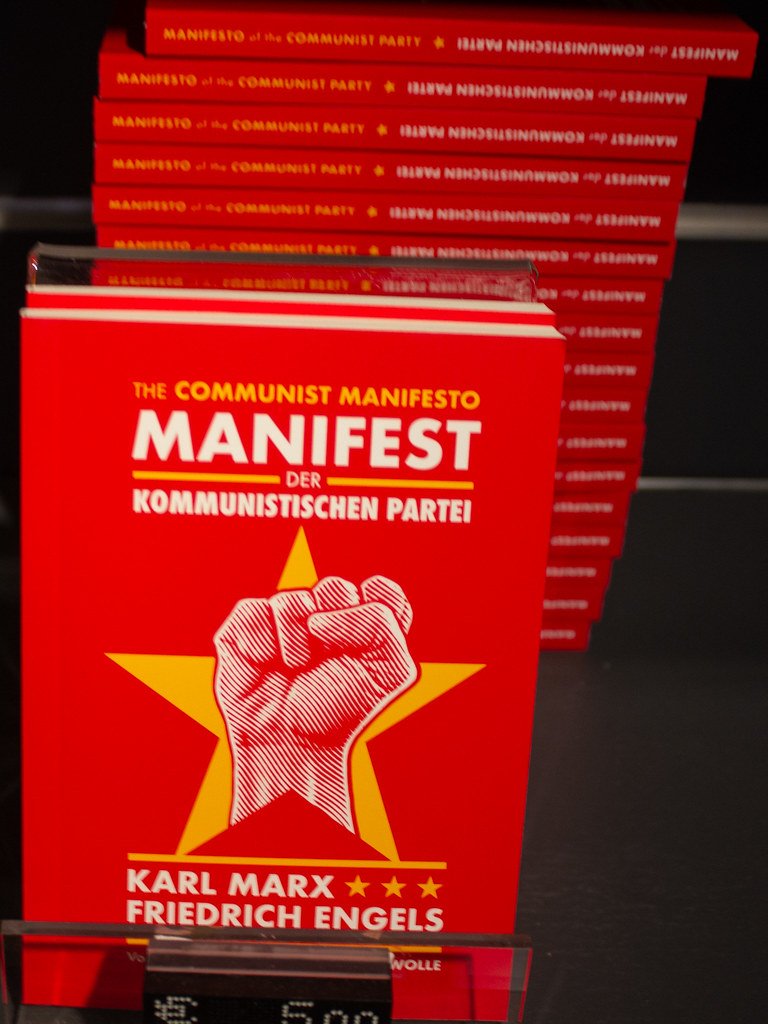
Karl Marx and Friedrich Engels’ “The Communist Manifesto” was published in 1848, just as revolutionary fervor swept across Europe. The pamphlet’s rallying cry for workers’ rights inspired uprisings and new political parties. Historical records from the British Library show that after its publication, socialist candidates won seats in the German and French parliaments for the first time. The book’s influence was so strong that it became required reading for labor organizers and remains a staple in left-wing politics today.
20. “Profiles in Courage” and the 1960 U.S. Presidential Election
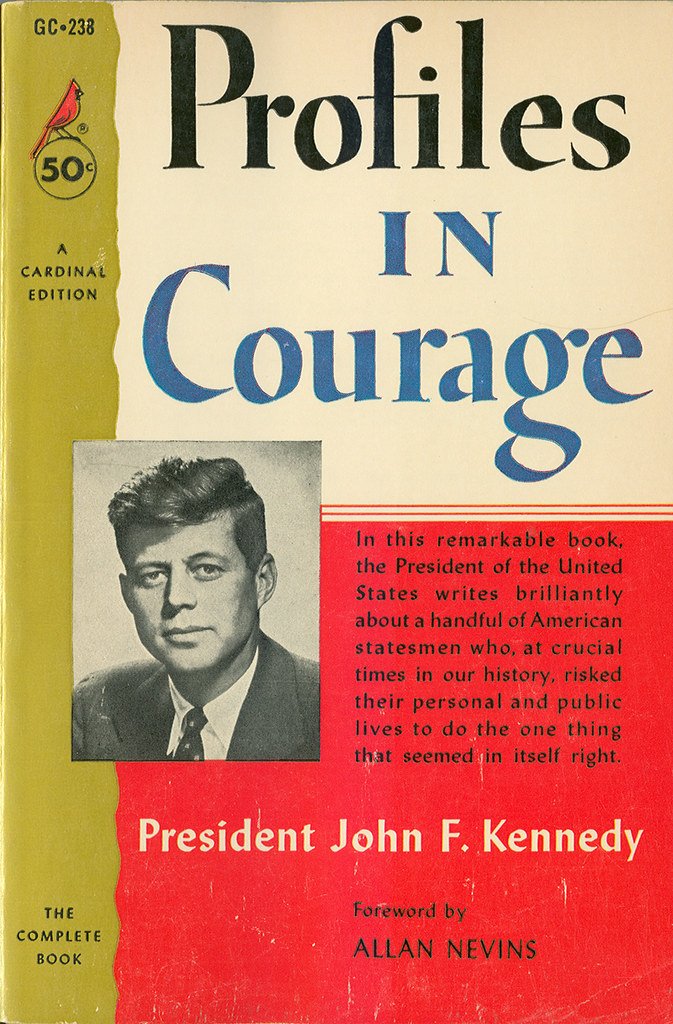
John F. Kennedy’s “Profiles in Courage,” which won the Pulitzer Prize in 1957, became a key asset in his 1960 presidential campaign. The book profiled U.S. senators who took principled stands, aligning Kennedy with the values of bravery and integrity. Sales soared during the campaign, and a Gallup poll found that 40% of voters had read or heard of the book by Election Day. Kennedy’s reputation as a thoughtful leader was strengthened by his authorship, giving him an edge over his opponents and helping him secure the presidency.
End.

Besides founding Festivaltopia, Luca is the co founder of trib, an art and fashion collectiv you find on several regional events and online. Also he is part of the management board at HORiZONTE, a group travel provider in Germany.
