

- A Charming Tradition: The History of Christmas Markets in the United States - December 7, 2025
- Gear Up: Your Festival Camping Essentials - December 7, 2025
- Festival Survival Guide: Essential Tips - December 7, 2025
1. Zydeco – Louisiana’s Spicy Musical Gumbo
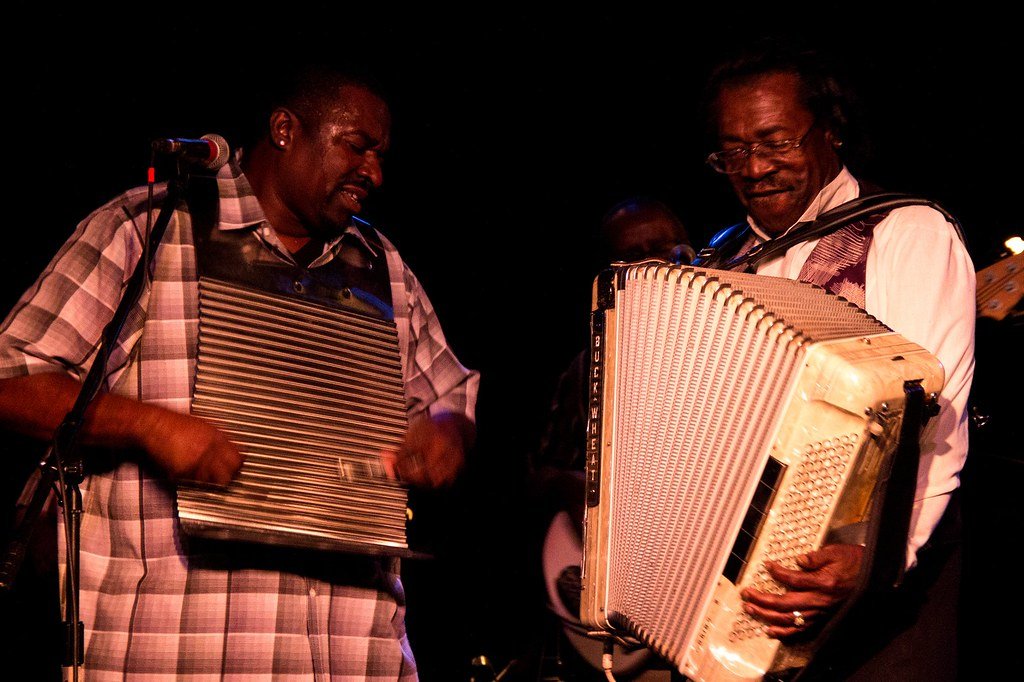
Picture this: it’s 1920s Louisiana, and Creole musicians are creating something extraordinary by blending French folk music with blues, country, and R&B. Zydeco emerged from the dance halls of southwest Louisiana, where musicians like Amédé Ardoin pioneered this infectious sound. The genre gets its name from the Creole phrase “les haricots sont pas salés” (the beans are not salty), which became a popular song title. What makes zydeco unique is the prominent use of the accordion and the frottoir (washboard), creating a rhythm that’s impossible to resist. While Clifton Chenier later brought zydeco to national attention in the 1960s, earning him the title “King of Zydeco,” the genre has largely faded from mainstream consciousness. Today, you’ll mainly find zydeco alive in Louisiana’s countryside, where local festivals still celebrate this vibrant musical tradition.
2. Western Swing – When Cowboys Met Jazz
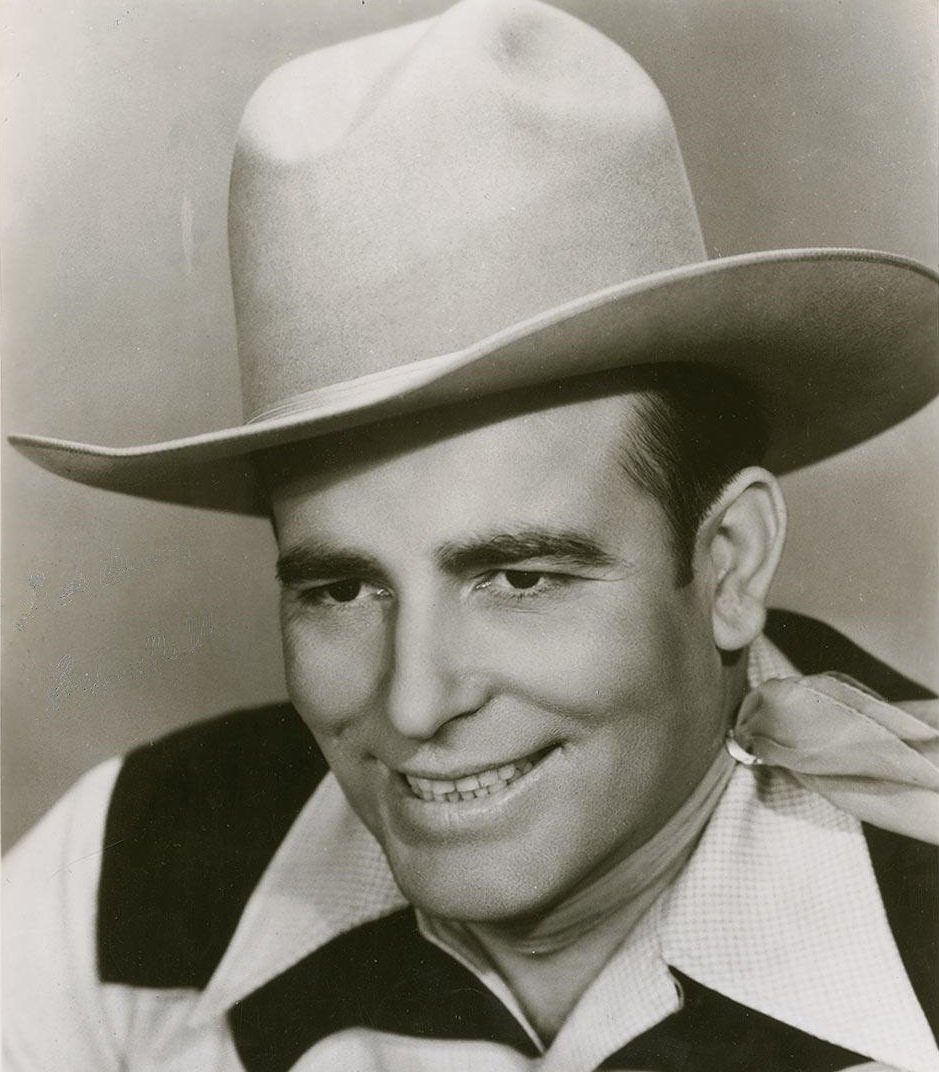
Bob Wills didn’t just play music; he created a revolution in the 1930s Texas dance halls. Western swing took the fiddle-driven sounds of country music and added jazz instrumentation, creating something entirely new. Bands like the Texas Playboys featured steel guitars, drums, and even saxophones alongside traditional country instruments. The genre dominated dance halls across the Southwest from the 1930s through the 1950s, with musicians improvising solos much like their jazz counterparts. What set western swing apart was its ability to make cowboys and oil workers dance to complex rhythms while maintaining that familiar country storytelling. The genre influenced everything from honky-tonk to rock and roll, yet few people today recognize names like Milton Brown or Spade Cooley, who were once household names across America.
3. Tejano – Texas-Mexican Musical Fusion
Long before Selena brought Tejano to the mainstream in the 1990s, this genre had been evolving in South Texas for over a century. Tejano music emerged in the late 1800s when Mexican immigrants combined traditional Mexican folk music with German polka, creating a unique sound centered around the accordion. Artists like Narciso Martínez, known as “El Huracán del Valle” (The Hurricane of the Valley), popularized the genre in the 1930s and 1940s. The music reflected the cultural identity of Mexican-Americans living in Texas, often singing about love, heartbreak, and the immigrant experience. While Selena’s tragic death in 1995 brought temporary mainstream attention to Tejano, the genre has since retreated to regional audiences. Today, Tejano struggles to find its place in a music industry dominated by other Latin genres like reggaeton and Latin pop.
4. Piedmont Blues – The Gentle Side of the Blues
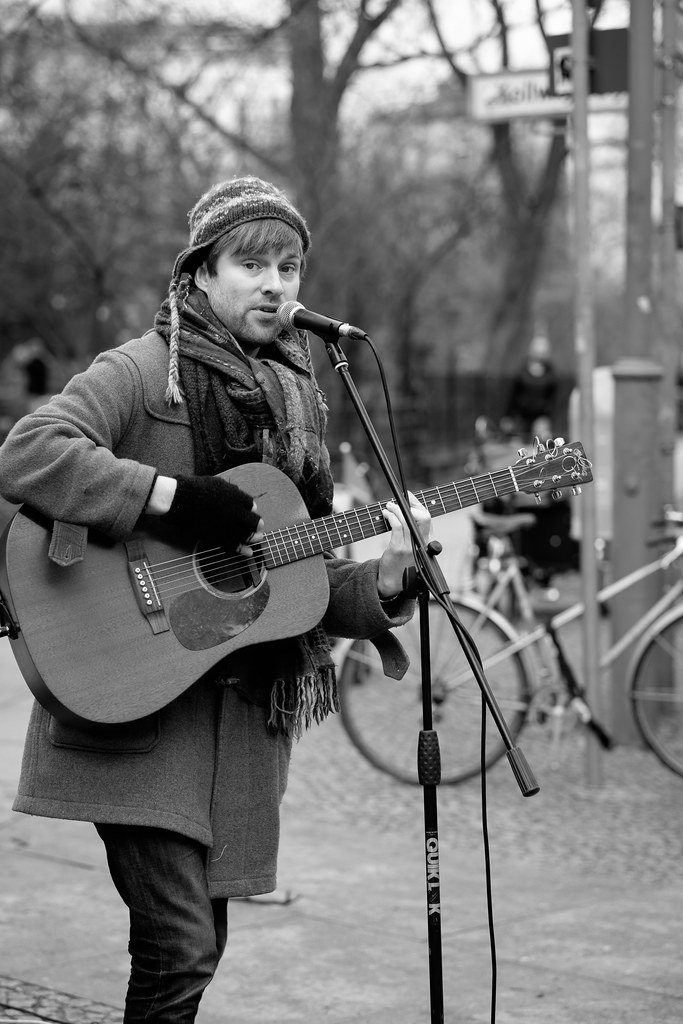
While Delta blues gets all the attention, Piedmont blues developed a completely different approach to the genre in the southeastern United States. This style, also known as East Coast blues, featured a distinctive fingerpicking guitar technique that created a more melodic, ragtime-influenced sound. Artists like Blind Boy Fuller and Rev. Gary Davis mastered this intricate playing style in the 1930s and 1940s. Unlike the raw emotion of Delta blues, Piedmont blues incorporated elements of ragtime and country music, creating a more accessible sound for diverse audiences. The technique required incredible finger independence, with the thumb maintaining a steady bass line while the fingers played complex melodies. Despite influencing later folk and country artists, Piedmont blues remains largely unknown to modern audiences, overshadowed by its more famous Mississippi cousin.
5. Conjunto – Accordion-Driven Border Music
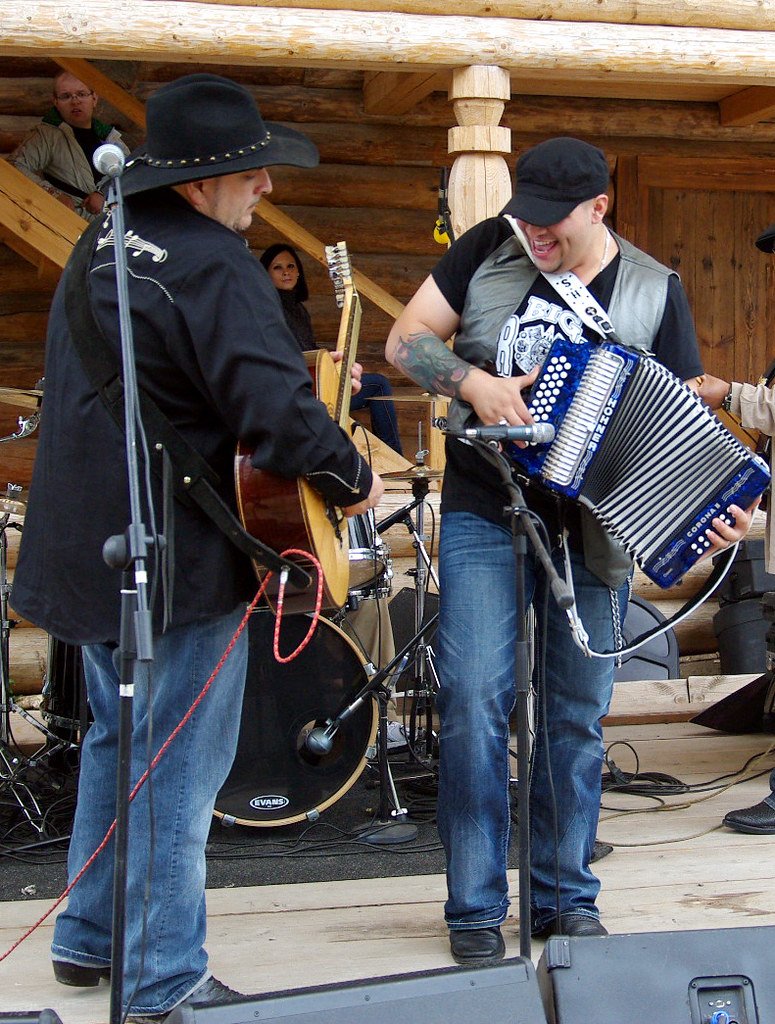
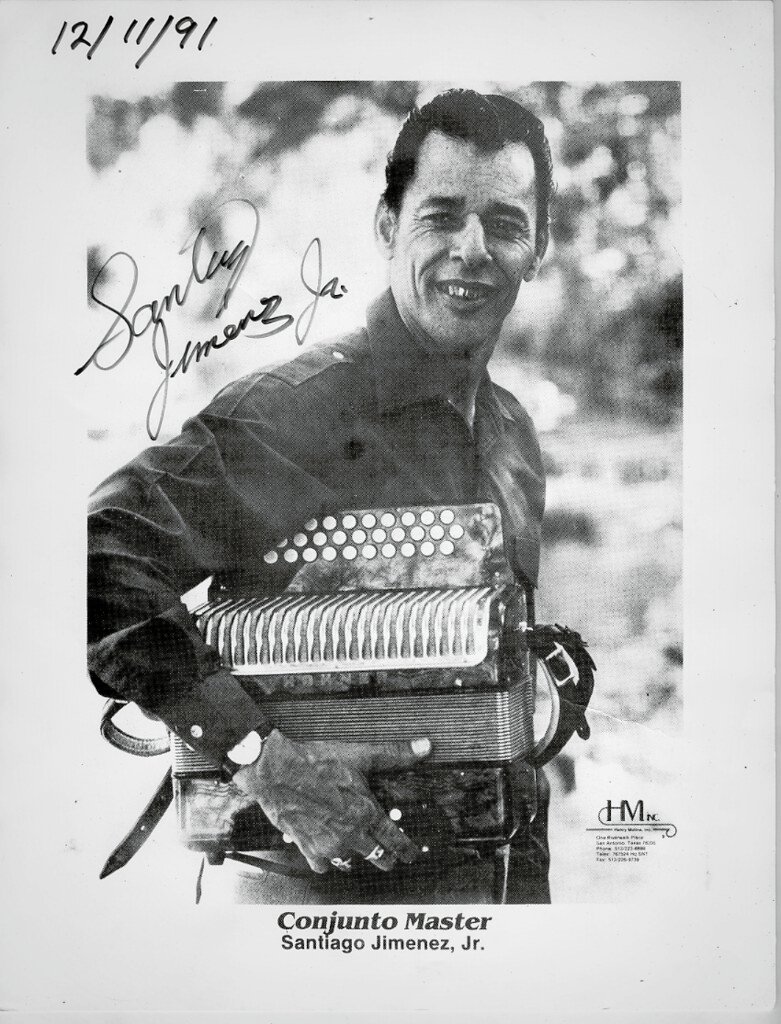
In the dusty border towns of South Texas and Northern Mexico, conjunto music emerged as the soundtrack of working-class life. This genre, distinct from Tejano, focuses heavily on the button accordion and bajo sexto (12-string bass guitar). Narciso Martínez and Santiago Jiménez Sr. pioneered the style in the 1930s, creating music that spoke directly to the experiences of Mexican-American laborers. Conjunto typically features simpler arrangements than Tejano, with lyrics focusing on everyday struggles, love, and regional pride. The genre reached its peak popularity in the 1960s and 1970s, with artists like Flaco Jiménez (Santiago’s son) bringing international recognition to the style. However, younger generations of Hispanic Americans have largely moved toward more contemporary Latin music styles, leaving conjunto as a genre primarily enjoyed by older audiences in specific geographic regions.
6. Doo-Wop – Street Corner Harmonies
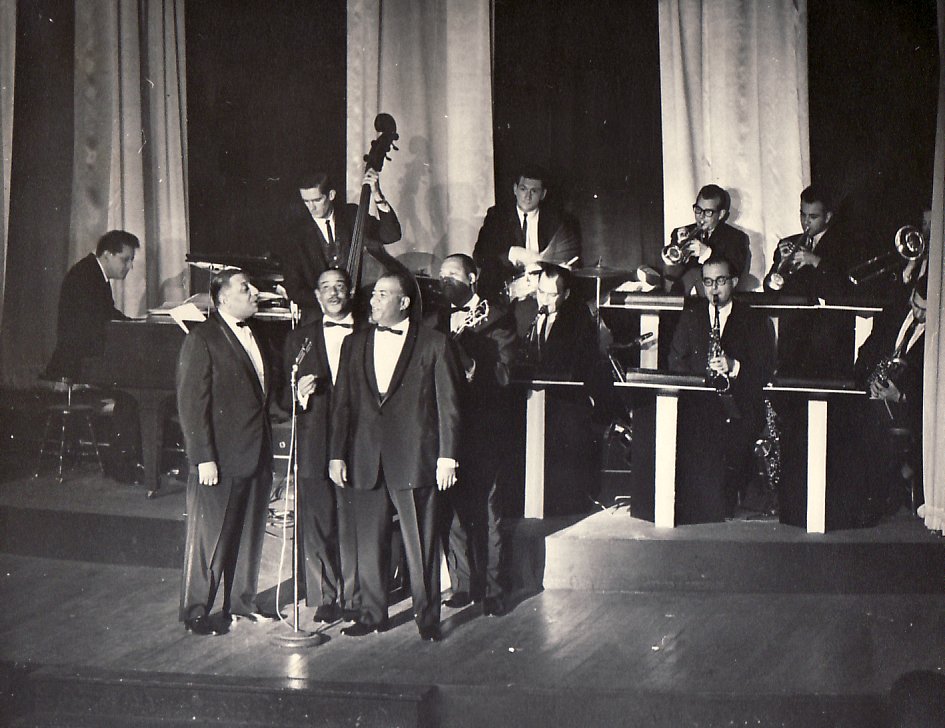
Before there were recording studios, there were street corners, and that’s where doo-wop was born. Groups like The Orioles and The Ravens started harmonizing on street corners in Baltimore and New York in the late 1940s, creating a vocal style that would influence popular music for decades. The genre got its name from the nonsense syllables singers used to create rhythm and harmony, with songs often featuring a lead vocalist backed by a group providing vocal percussion. Doo-wop democratized music-making because it required no instruments—just voices and creativity. The genre peaked in the 1950s with hits like “Earth Angel” by The Penguins and “In the Still of the Night” by The Five Satins. Despite its massive influence on rock and roll and R&B, doo-wop is now mostly remembered as a nostalgic curiosity, with few understanding its crucial role in American music history.
7. Swamp Pop – Louisiana’s Rock and Roll Cousin
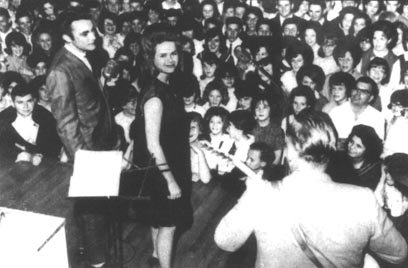
Down in the bayous of Louisiana, musicians were creating their own version of rock and roll in the late 1950s. Swamp pop combined the emotional intensity of rhythm and blues with country music’s storytelling, all delivered with a distinctive South Louisiana accent. Artists like Dale and Grace, who hit number one with “I’m Leaving It Up to You” in 1963, epitomized the genre’s romantic, sometimes melancholy sound. The genre featured prominent use of horns, piano, and emotional vocals that often dealt with lost love and heartbreak. What made swamp pop unique was its regional flavor—songs were often sung in heavily accented English or even Cajun French. While the genre produced several national hits in the 1960s, it never achieved the lasting recognition of other regional rock styles, remaining largely a South Louisiana phenomenon.
8. Surf Rock – California’s Instrumental Wave
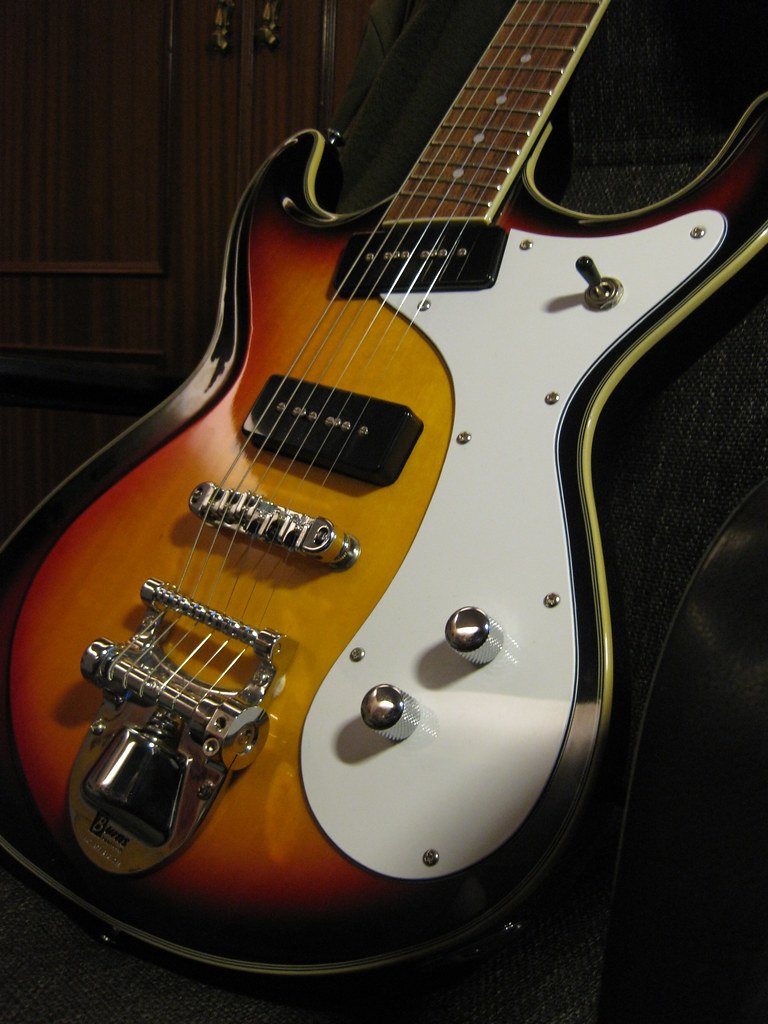
Dick Dale didn’t just play guitar; he created an entire culture around the instrument in early 1960s California. Surf rock emerged from the beaches of Southern California, where musicians created instrumental tracks that captured the feeling of riding waves. The genre featured heavy use of reverb and tremolo effects, creating a “wet” sound that mimicked the ocean’s movement. Songs like “Misirlou” by Dick Dale and “Pipeline” by The Chantays became anthems of California beach culture. Surf rock was unique because it was primarily instrumental, letting the guitars do the talking rather than vocals. The genre influenced everyone from The Beach Boys to punk rock bands, yet most people today only know surf rock through movie soundtracks and TV commercials, unaware of its rich musical complexity and cultural significance.
9. Bakersfield Sound – Country Music’s California Rebellion
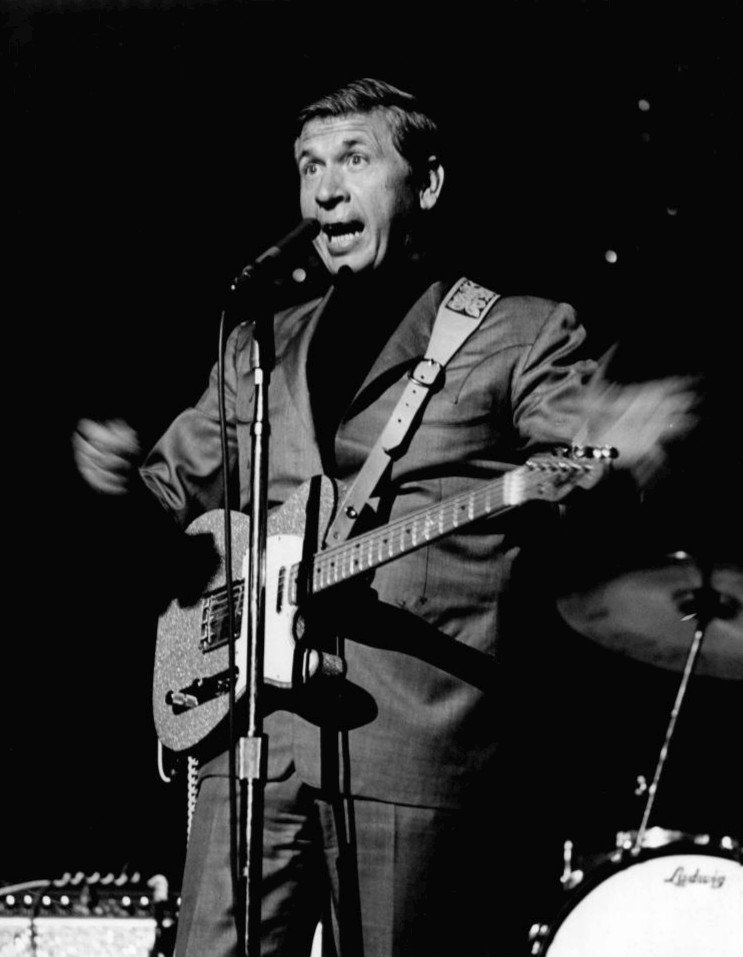
While Nashville was polishing country music with strings and choirs, Bakersfield, California was keeping it raw and real. Buck Owens and Merle Haggard led this movement in the 1960s, creating a sound that rejected the Nashville establishment in favor of electric guitars and honest lyrics. The Bakersfield Sound emerged from the oil fields and farms of California’s Central Valley, where Dust Bowl migrants had settled and maintained their country roots. This genre featured a harder edge than Nashville country, with prominent electric guitar work and lyrics that dealt with working-class struggles. Songs like “Act Naturally” by Buck Owens and “Mama Tried” by Merle Haggard defined the genre’s no-nonsense approach. Despite its influence on modern country music, the Bakersfield Sound is now largely forgotten, overshadowed by the commercial success of Nashville’s more polished productions.
10. Outlaw Country – Nashville’s Rebellious Sons
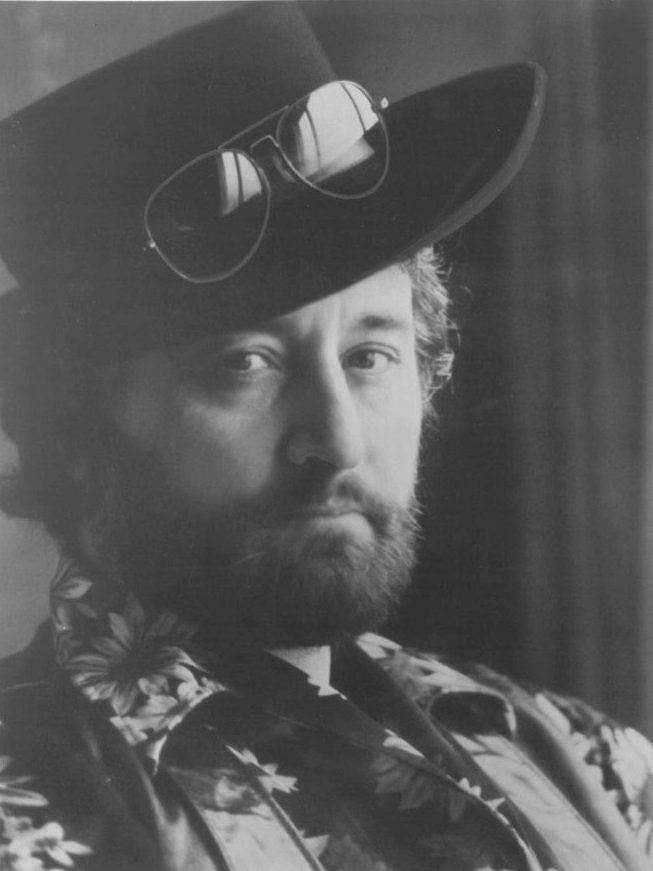
By the 1970s, Nashville had become a slick music machine, but artists like Willie Nelson, Waylon Jennings, and Kris Kristofferson had other plans. Outlaw country emerged as a reaction against the heavily produced “Nashville Sound,” with artists demanding creative control over their music. These musicians moved away from Nashville’s conventional wisdom, growing their hair long, embracing rock and roll influences, and writing songs that challenged country music’s conservative image. The movement peaked with the 1976 album “Wanted! The Outlaws,” which became country music’s first platinum album. Outlaw country songs often dealt with themes of rebellion, freedom, and anti-establishment sentiment, resonating with audiences beyond traditional country fans. While the genre influenced modern country significantly, the original outlaw movement lasted only about a decade before being absorbed into mainstream country music.
11. Acid Rock – San Francisco’s Psychedelic Experiment
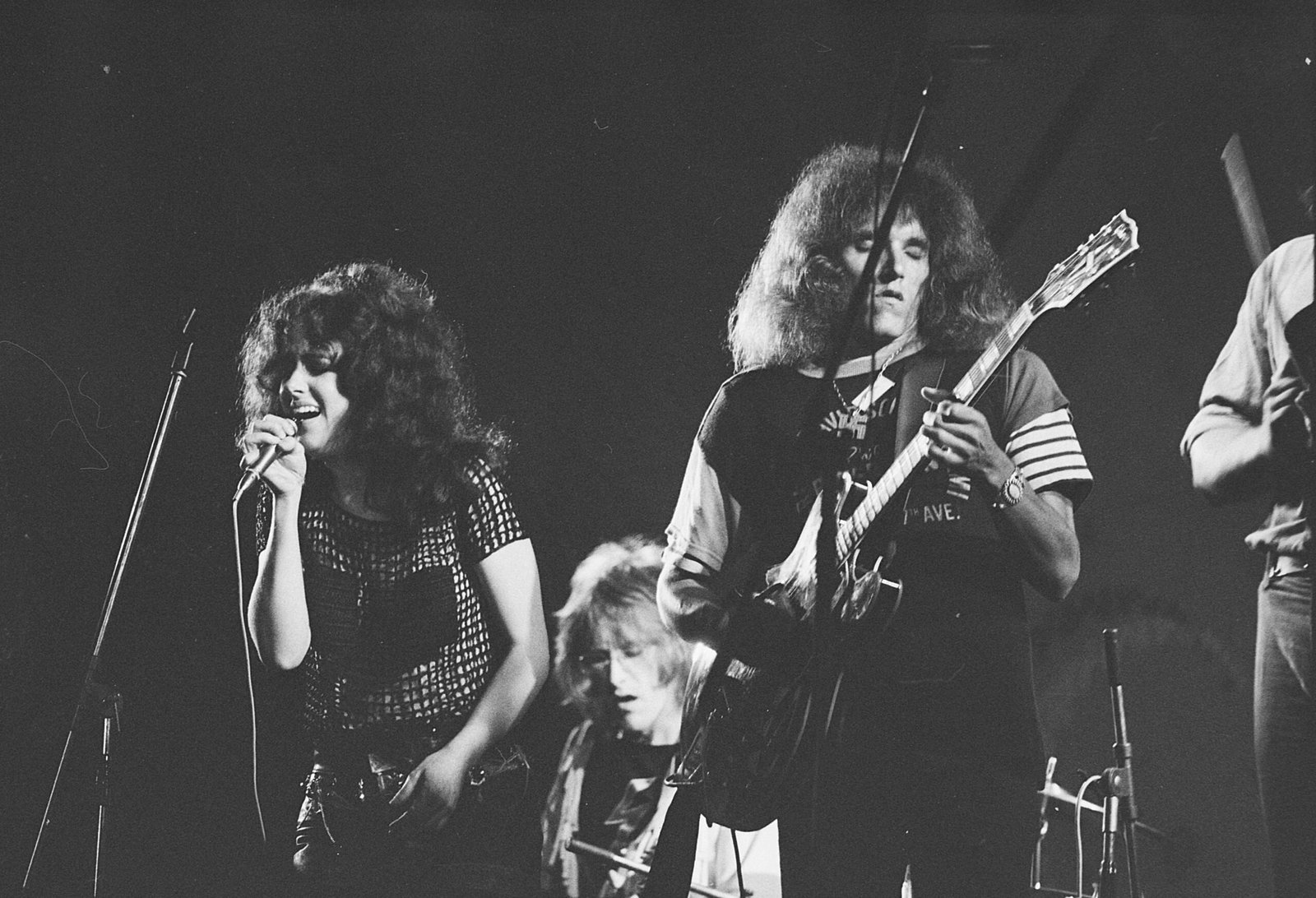
In the mid-1960s, San Francisco’s Haight-Ashbury district became the epicenter of a musical revolution that paralleled the counterculture movement. Acid rock, named after the LSD experiences that often inspired it, featured extended guitar solos, experimental sound effects, and lyrics that explored altered states of consciousness. Bands like Jefferson Airplane, The Grateful Dead, and Big Brother and the Holding Company created music that defied traditional song structures. The genre was characterized by its use of feedback, distortion, and unconventional recording techniques that created a “trippy” sound. Acid rock concerts often featured elaborate light shows and lasted for hours, with bands improvising extensively. While the genre heavily influenced hard rock and metal, pure acid rock largely disappeared by the early 1970s, though its experimental spirit lives on in various forms of alternative rock.
12. Krautrock – Germany’s Experimental Export to America
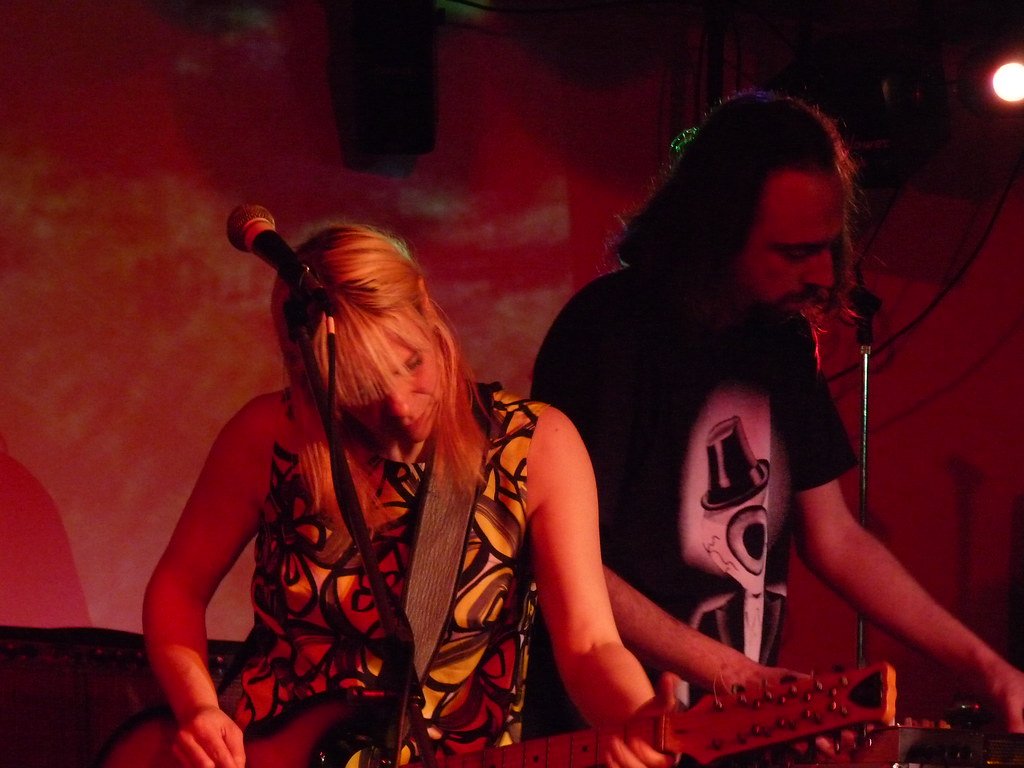
Though it originated in Germany, krautrock found a devoted following in America’s underground music scene of the 1970s. Bands like Kraftwerk, Can, and Neu! created repetitive, hypnotic music that incorporated electronic instruments and unconventional song structures. American musicians and critics embraced this experimental approach, with the genre influencing everything from punk rock to electronic dance music. Krautrock emphasized rhythm and texture over traditional melody, often featuring extended instrumental passages that could last for entire album sides. The genre’s minimalist approach and use of synthesizers predicted many developments in electronic music. While krautrock never achieved mainstream success in America, its influence can be heard in the work of artists from David Bowie to Radiohead, making it one of the most important underground movements in modern music history.
13. Trap Music – Atlanta’s Street Sound
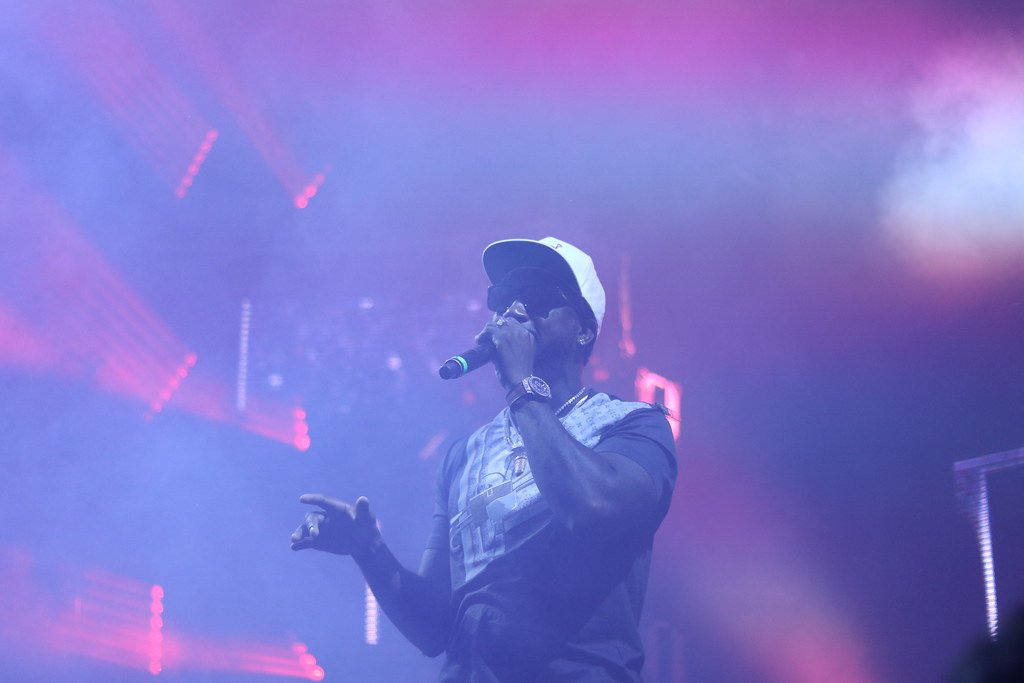
Before trap music became a global phenomenon, it was the raw sound of Atlanta’s streets in the early 2000s. Pioneered by producers like Shawty Redd and Zaytoven, trap music featured heavy use of 808 drum machines, hi-hats, and synthesizers that created a dark, atmospheric sound. The genre got its name from “trap houses,” where drugs were sold, and the lyrics often reflected the harsh realities of urban life. Artists like T.I., Gucci Mane, and Young Jeezy brought trap to mainstream attention, but the genre’s roots run deep in Atlanta’s underground hip-hop scene. What made trap unique was its distinctive rhythm patterns and production techniques that created an almost hypnotic effect. While trap has since evolved and merged with pop music, the original Atlanta trap sound remains largely forgotten by mainstream audiences who only know its commercialized descendants.
14. Grunge – Seattle’s Accidental Revolution
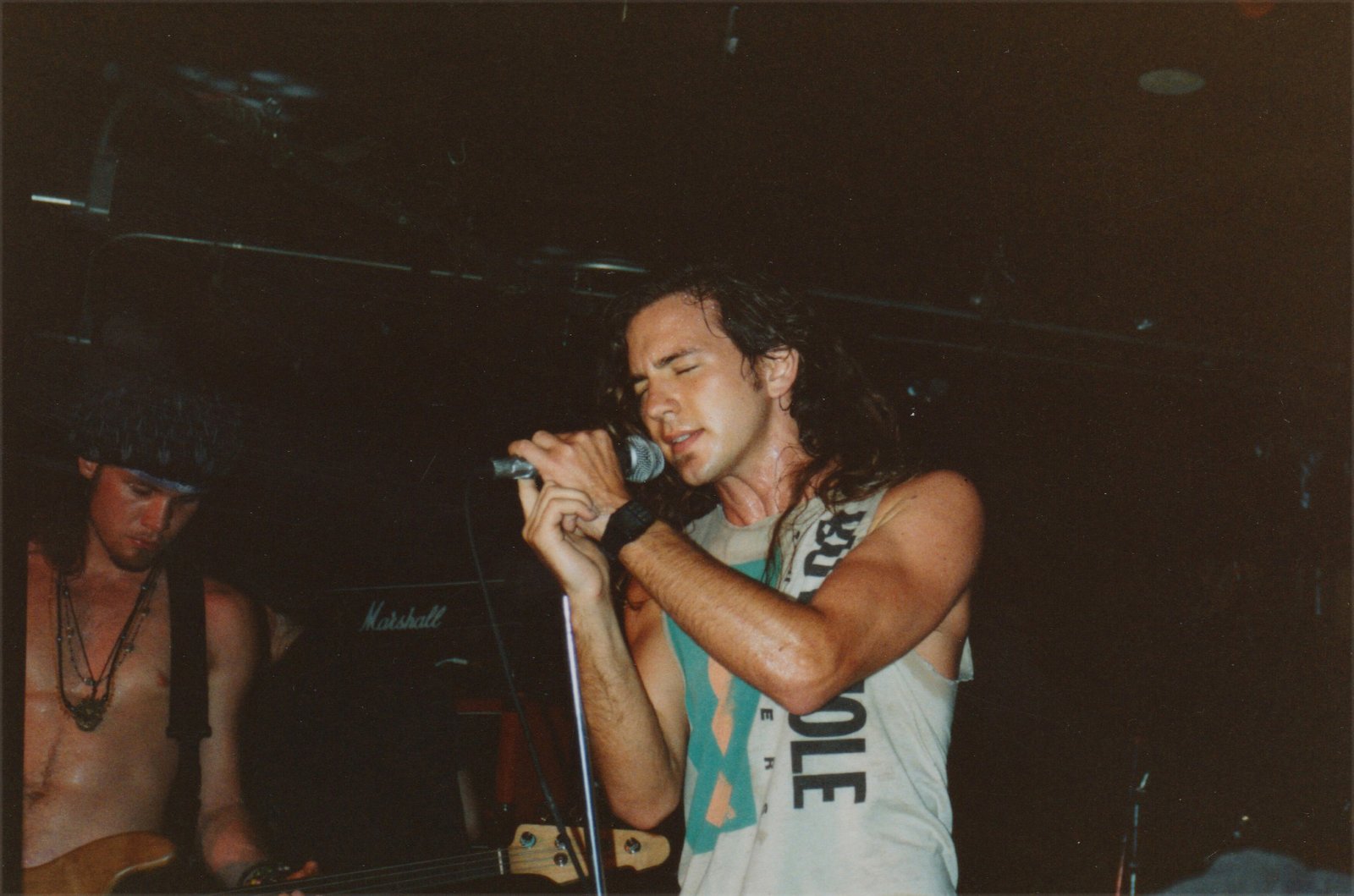
Nobody expected Seattle to become the center of a musical revolution, but that’s exactly what happened in the late 1980s and early 1990s. Grunge emerged from the Pacific Northwest’s underground music scene, combining punk rock’s attitude with heavy metal’s power and alternative rock’s accessibility. Bands like Nirvana, Pearl Jam, and Soundgarden created music that spoke to Generation X’s disillusionment and alienation. The genre was characterized by distorted guitars, angst-filled lyrics, and a deliberately “sloppy” aesthetic that rejected the polished production of 1980s rock. Grunge’s breakthrough came with Nirvana’s “Nevermind” album in 1991, which brought alternative rock to mainstream radio. However, the genre’s mainstream moment was brief, largely ending with Kurt Cobain’s death in 1994, and today grunge is often reduced to a fashion statement rather than recognized as a legitimate musical movement.
15. No Wave – New York’s Art Rock Experiment
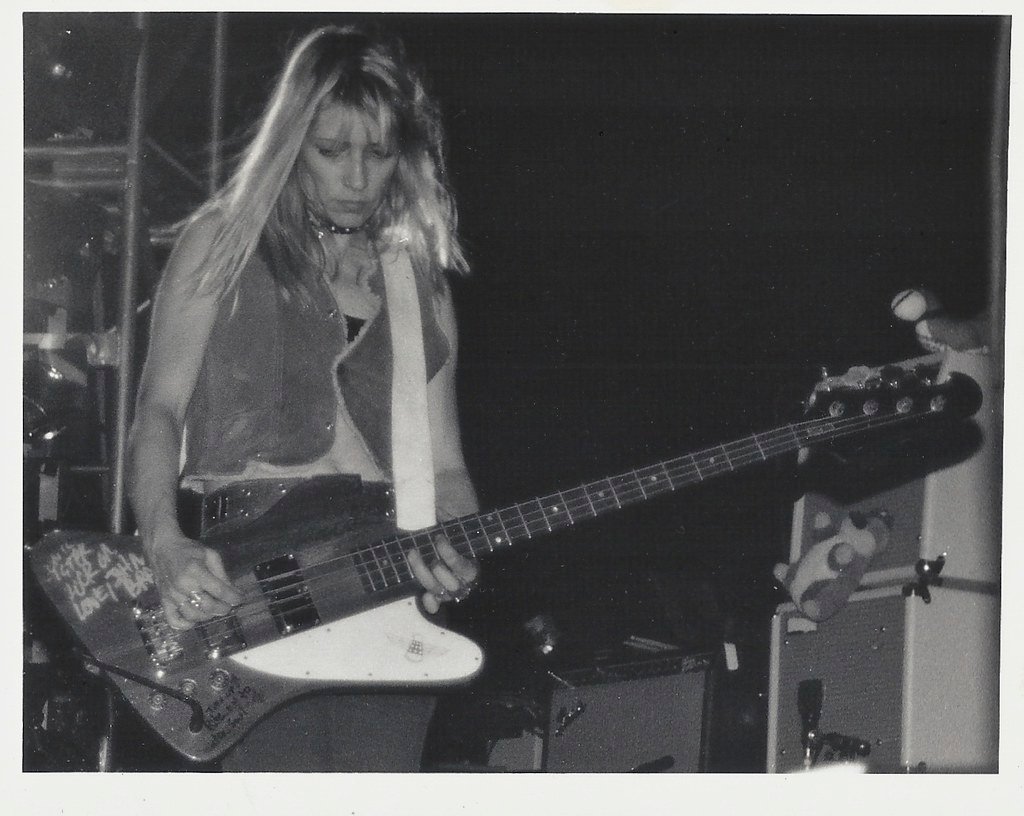
In the late 1970s, New York’s downtown art scene produced one of the most challenging and experimental genres in American music history. No Wave rejected traditional musical structures, embracing atonality, noise, and unconventional instrumentation. Bands like Sonic Youth, Swans, and Glenn Branca created music that was more about texture and atmosphere than melody or rhythm. The genre emerged from the same art world that produced artists like Jean-Michel Basquiat and Keith Haring, with musicians often collaborating with visual artists and performing in galleries. No Wave concerts were as much performance art as they were musical events, with artists often destroying instruments or incorporating multimedia elements. While the genre influenced alternative rock and experimental music, No Wave remained largely confined to New York’s art scene, making it one of America’s most important yet forgotten musical movements.
16. Hardcore Punk – Punk Rock’s Angry Younger Brother
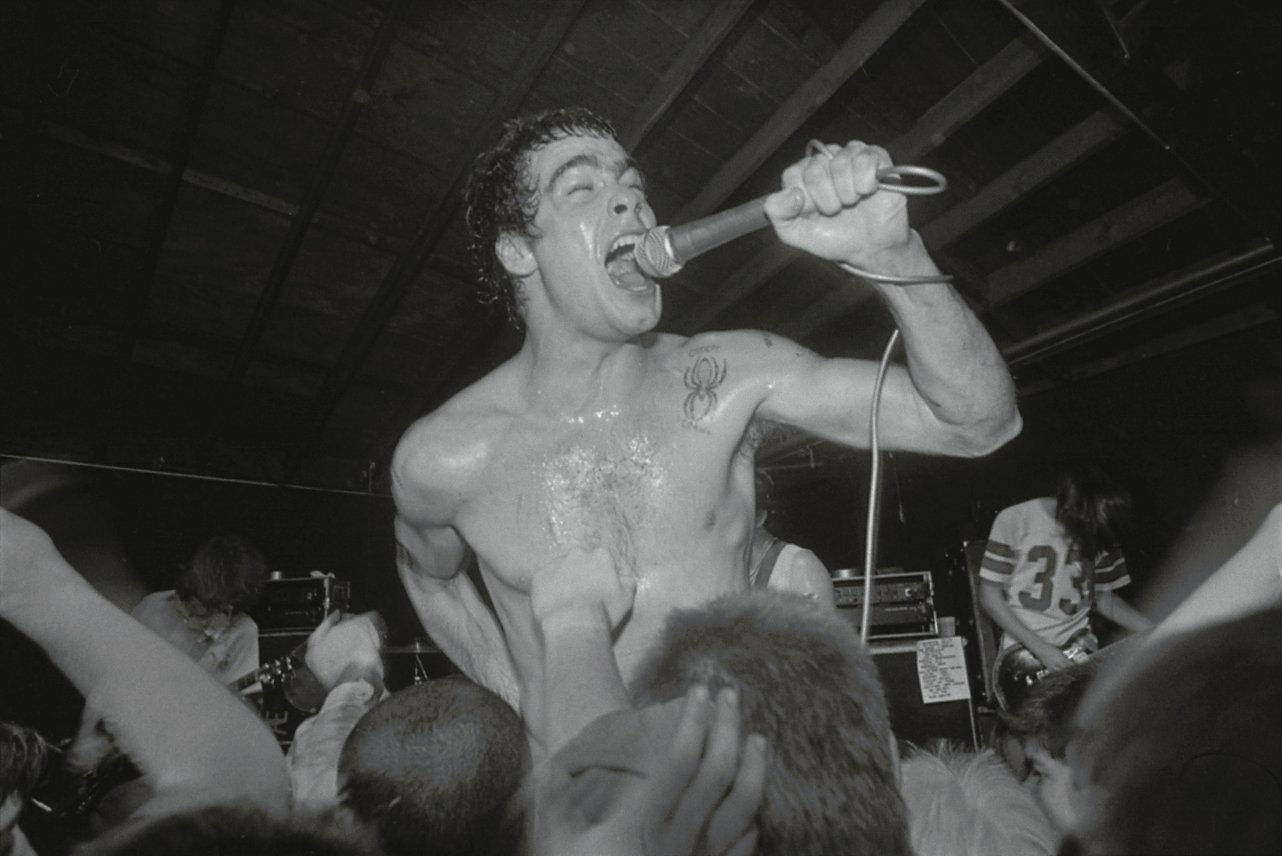
When punk rock started getting too popular, hardcore punk emerged as its more aggressive, faster cousin in the early 1980s. Bands like Black Flag, Minor Threat, and Bad Brains took punk rock’s three-chord formula and played it louder, faster, and angrier than ever before. Hardcore punk was characterized by extremely short songs (often under two minutes), shouted vocals, and lyrics that dealt with social and political issues. The genre developed its own DIY culture, with bands self-releasing records and organizing their own tours through a network of small venues and community centers. Hardcore punk also established the “straight edge” movement, which rejected drugs and alcohol in favor of clear-minded rebellion. While the genre influenced metal and alternative rock, hardcore punk’s original form largely disappeared by the mid-1980s, though its DIY ethos continues to influence independent music today.
17. Shoegaze – Britain’s Dreamy American Influence
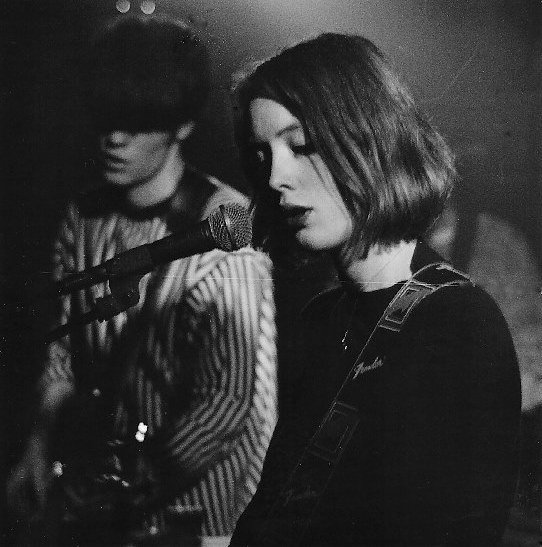
While shoegaze originated in Britain, it found a devoted following among American college radio listeners and independent musicians in the early 1990s. The genre, named after performers’ tendency to stare at their feet while manipulating effects pedals, featured layers of distorted guitars, ethereal vocals, and dreamy atmospheres. American bands like Dinosaur Jr., Slowdive, and later My Bloody Valentine created walls of sound that enveloped listeners in a cocoon of noise and melody. Shoegaze was characterized by its use of feedback, reverb, and other effects that created a “wall of sound” production style. The genre represented a reaction against the increasingly commercial nature of alternative rock, offering instead an introspective, almost meditative listening experience. While shoegaze influenced indie rock and dream pop, it remained largely underground in America, overshadowed by grunge and other more aggressive alternative rock styles.
18. Mathcore – When Metal Met Mathematics
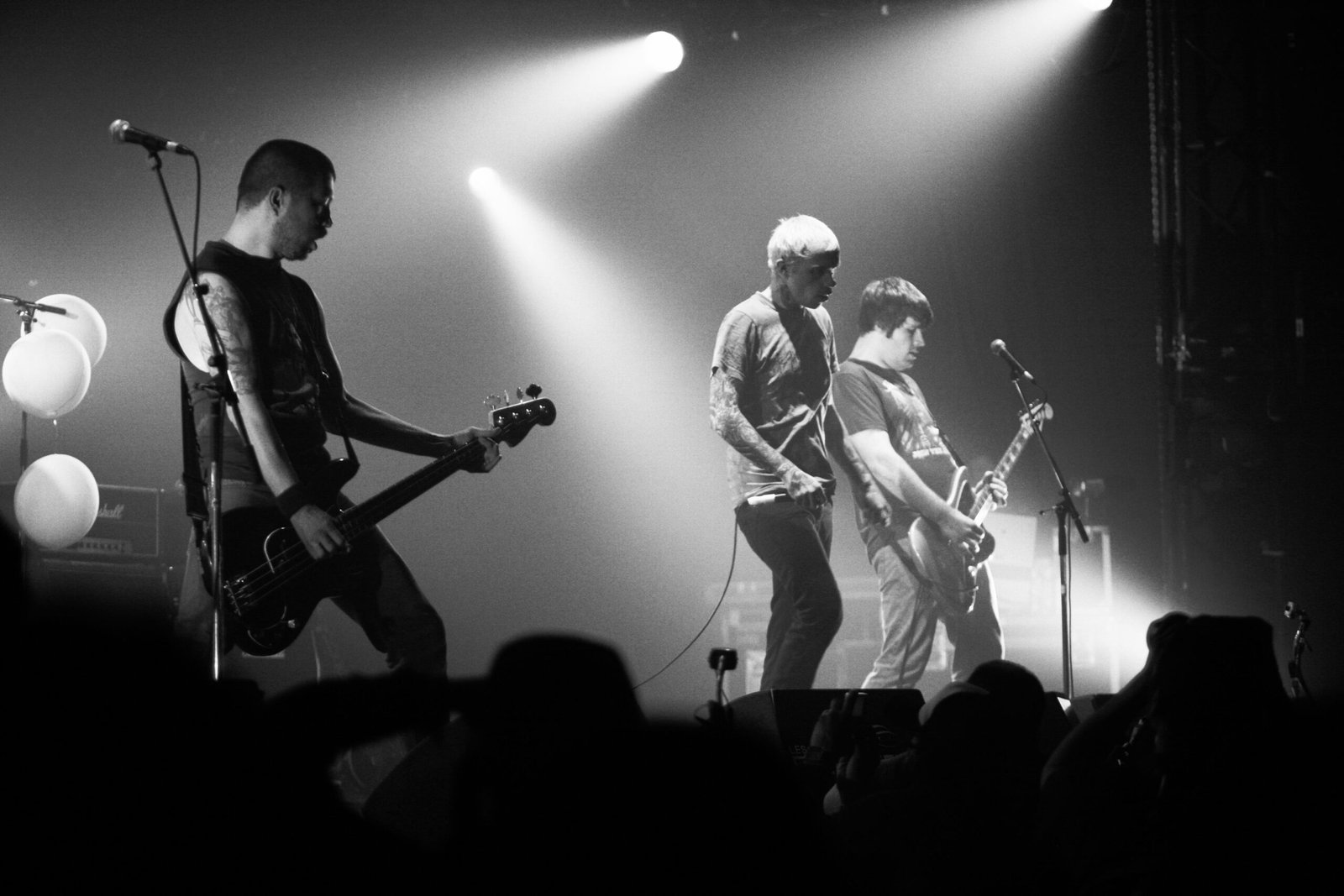
In the mid-1990s, a small group of American metal bands began incorporating complex mathematical concepts into their music, creating one of the most technically demanding genres in metal history. Mathcore, pioneered by bands like Converge, The Dillinger Escape Plan, and Botch, featured irregular time signatures, complex rhythmic patterns, and sudden tempo changes that defied traditional song structures. The genre required incredible technical skill from musicians, with songs often featuring passages that seemed to follow mathematical formulas rather than conventional musical logic. Mathcore lyrics often dealt with philosophical and existential themes, matching the music’s intellectual complexity. The genre’s extreme technical demands and uncompromising artistic vision limited its commercial appeal, but it influenced a generation of metal musicians who pushed the boundaries of what was possible with traditional rock instruments. Today, mathcore remains largely unknown outside of extreme metal circles, despite its significant influence on progressive metal and experimental rock.
19. Post-Rock – Instrumental Storytelling
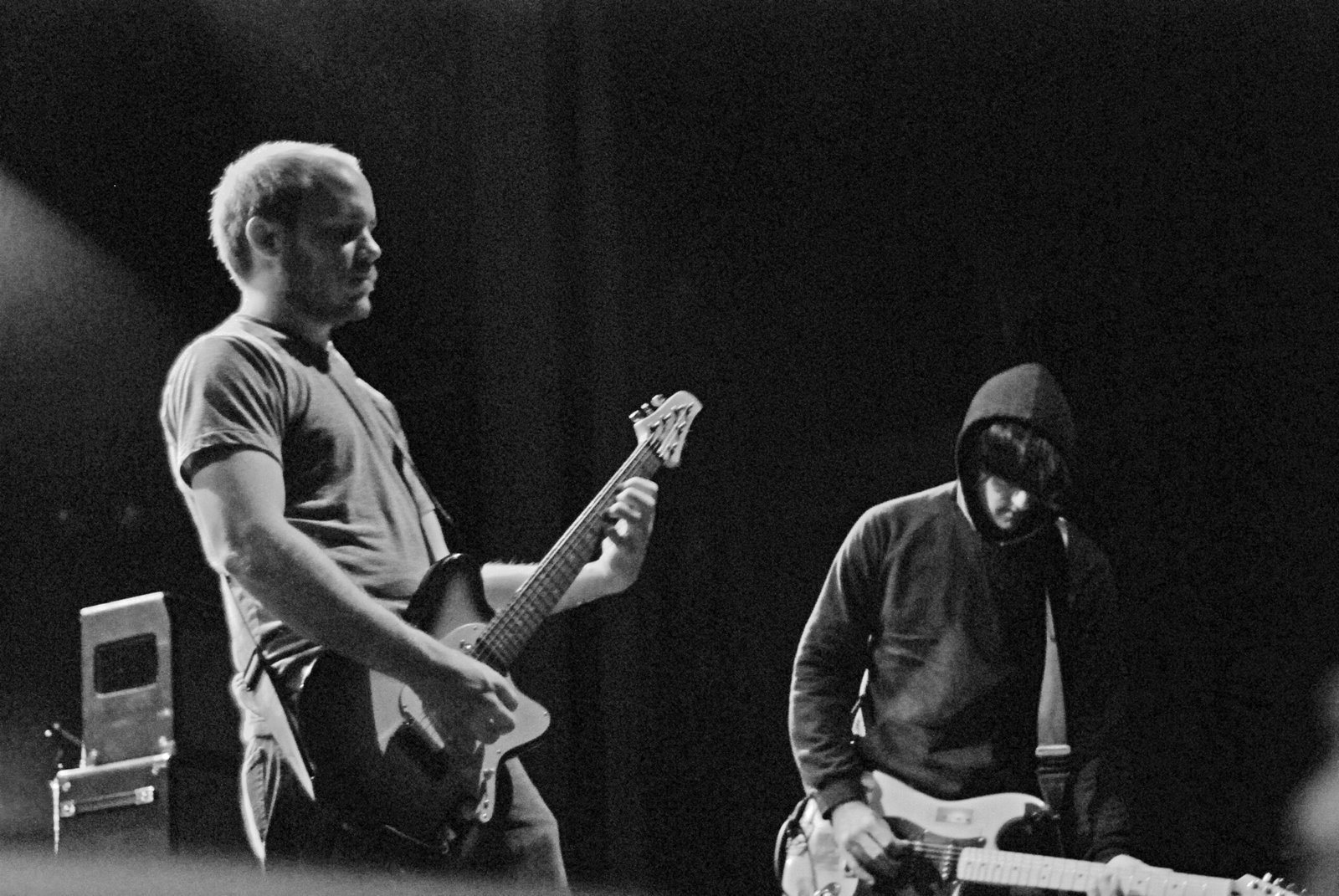
In the 1990s, American bands began creating epic instrumental compositions that told stories without words, giving birth to the post-rock movement. Bands like Godspeed You! Black Emperor, Explosions in the Sky, and Sigur Rós created music that built slowly from quiet beginnings to massive, orchestral climaxes. Post-rock was characterized by its use of traditional rock instruments in non-traditional ways, often incorporating elements from classical music, ambient electronic music, and even field recordings. The genre emphasized atmosphere and emotion over traditional song structures, with compositions often lasting 10-20 minutes or more. Post-rock found a devoted following among listeners who appreciated its cinematic quality and emotional depth, leading to its frequent use in film and television soundtracks. However, the genre remained largely underground, with most post-rock bands never achieving mainstream recognition despite creating some of the most emotionally powerful music of the era.
20. Vaporwave – Internet Culture’s Musical Manifestation
Born from internet culture in the early 2010s, vaporwave represents one of the first truly digital-native musical genres. This genre took 1980s and 1990s pop music, slowed it down, added reverb, and created a nostalgic, dreamlike atmosphere that reflected internet culture’s obsession with retro aesthetics. Artists like Macintosh Plus and Saint Pepsi created music using samples from elevator music, old commercials, and forgotten pop songs, transforming them into something entirely new. Vaporwave was distributed almost exclusively through online platforms, with many artists remaining anonymous and releasing music for free. The genre’s visual aesthetic, featuring neon colors, ancient computers, and Japanese text, became as important as the music itself. While vaporwave influenced other internet-based genres like future funk and synthwave, it remained largely confined to online communities, making it one of the most unique examples of how digital culture can create entirely new forms of artistic expression.
What would you have guessed was hiding in America’s musical shadows all along?

Besides founding Festivaltopia, Luca is the co founder of trib, an art and fashion collectiv you find on several regional events and online. Also he is part of the management board at HORiZONTE, a group travel provider in Germany.
