The pictures show soft lighting, a made-up bed, and a sunrise sliding past the window. The first morning can look a lot more like a narrow corridor, a short line, and a hunt for your other shoe.
None of this is a reason to skip the trip. But small details, like where your bag actually fits and who is holding your passport, can decide whether you wake up rested or scrambling, and the biggest one is saved for last.
#19 – Your Suitcase May Not Fit Where You Expected
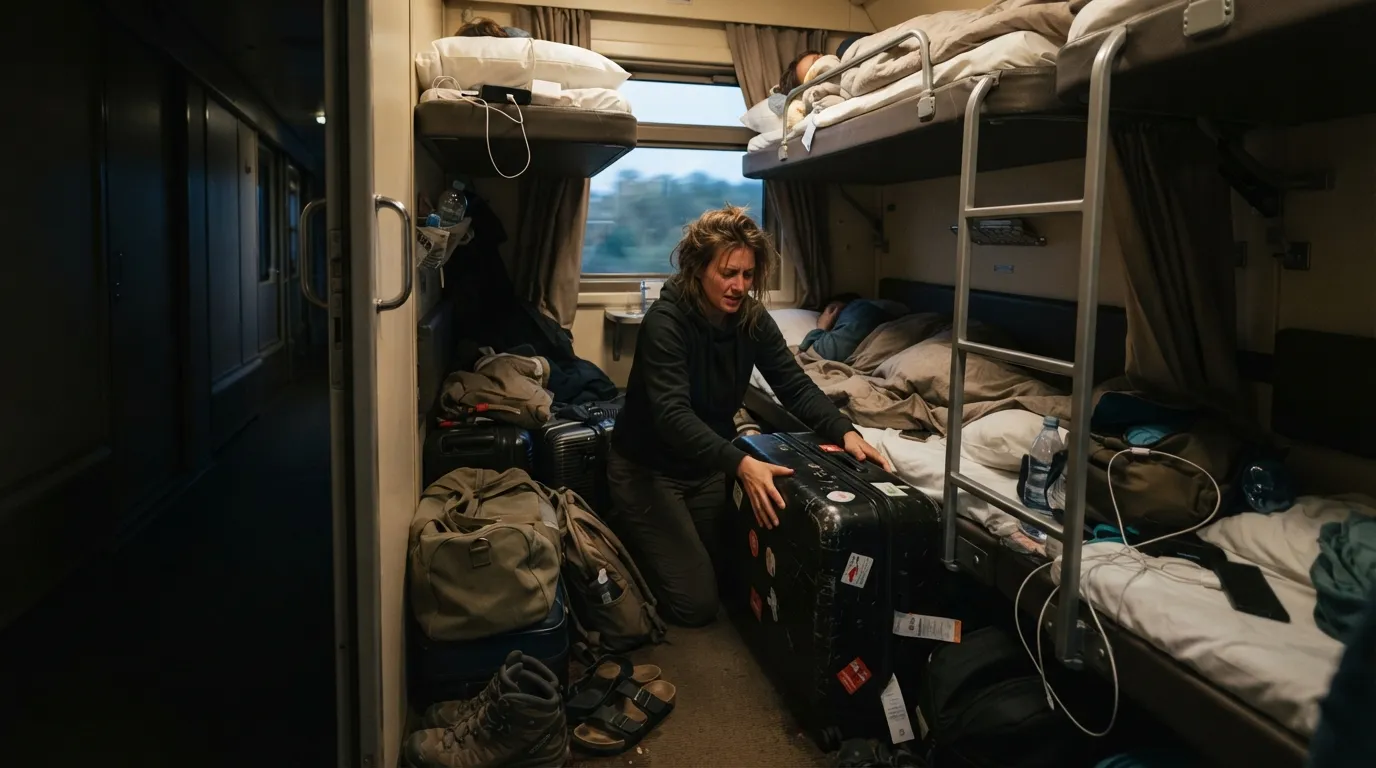
Overnight trains have tight luggage space, and it fills fast. Large, rigid suitcases are the hardest to place once the beds are down, while soft bags squeeze in more easily.
Many riders end up repacking in the dark or at dawn, trying to find a charger that slid somewhere during the night. Pack a small bag for the night and leave the big one as untouched as you can.
#18 – The Corridor Bathroom Line Starts Before You Do
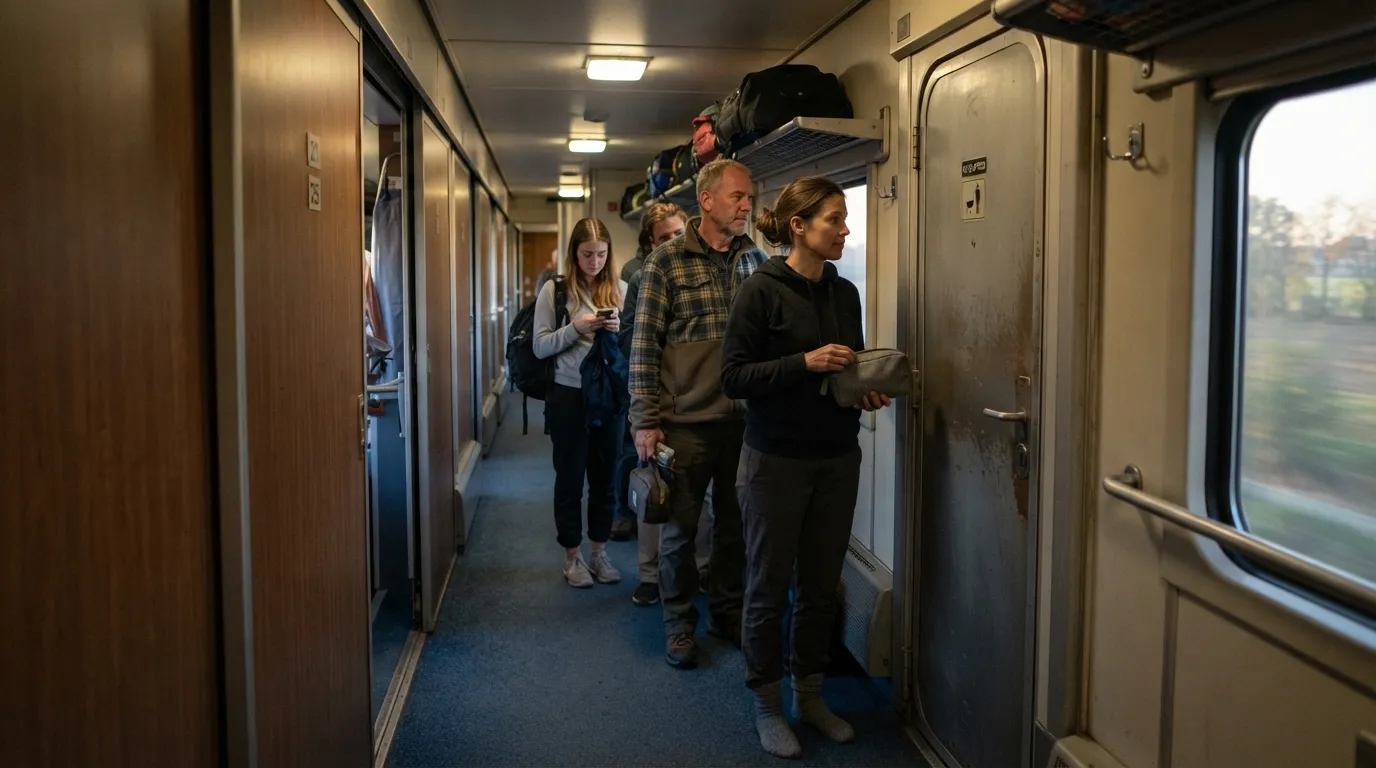
On trains without a private toilet in the cabin, everyone wakes up and heads for the same corridor facilities. If you are slow to get up, you may find a line.
Heading out a little earlier, or after the first rush, can save you some standing around in your socks.
At a Glance
- No private toilet in your cabin means a shared corridor facility.
- Most people wake around the same time, so the line builds together.
- Going a bit early or after the first rush shortens the wait.
- Keep a small pouch of toiletries ready so you can move quickly.
#17 – Breakfast Means Very Different Things Depending on Operator and Ticket
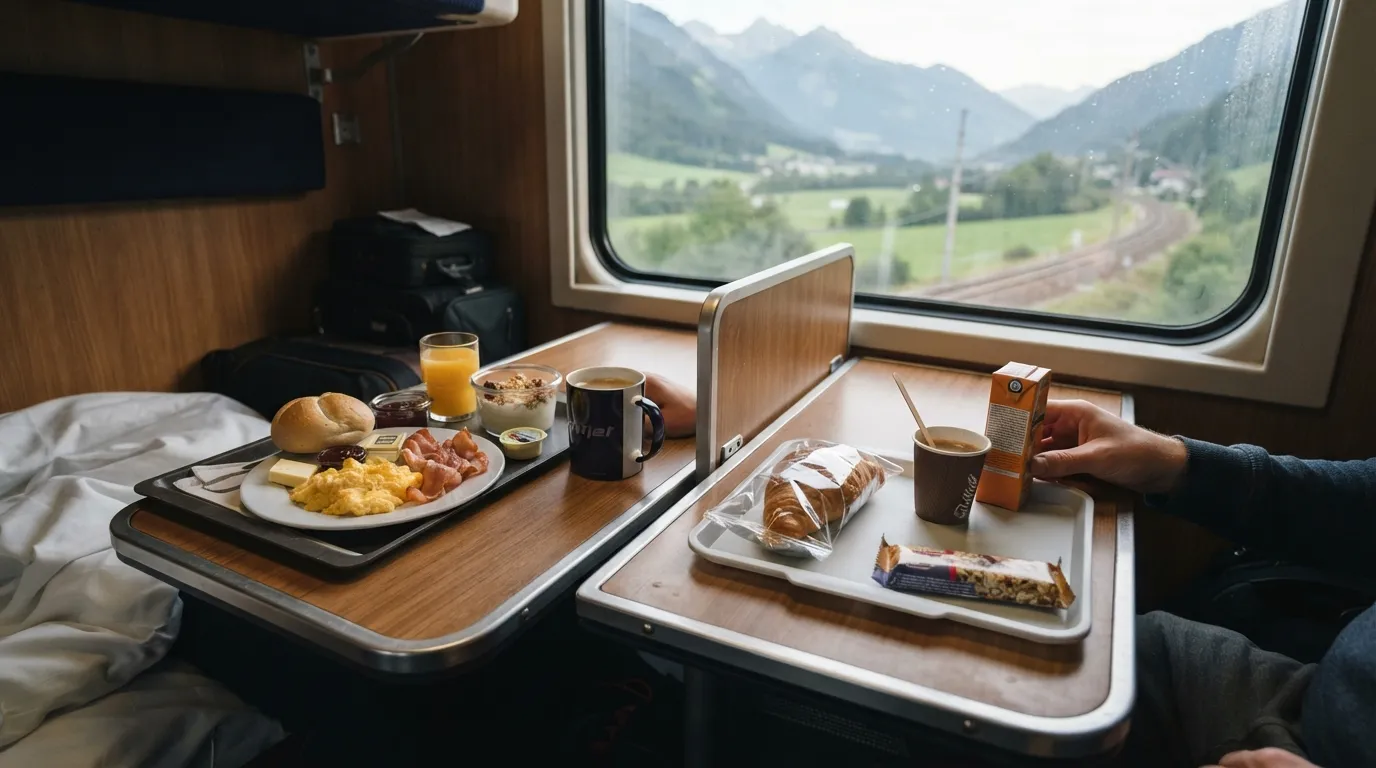
What lands on your tray, or whether anything does, depends on the train and the ticket you bought. Nightjet breakfast varies by cabin type, and on many routes it is tied to the ticket class you chose.
On many Amtrak long-distance trains, sleeping-car fares include meals, while coach passengers buy their own food. Check what your exact ticket includes before you assume a hotel-style spread.
#16 – The Cabin Climate Can Swing by Morning
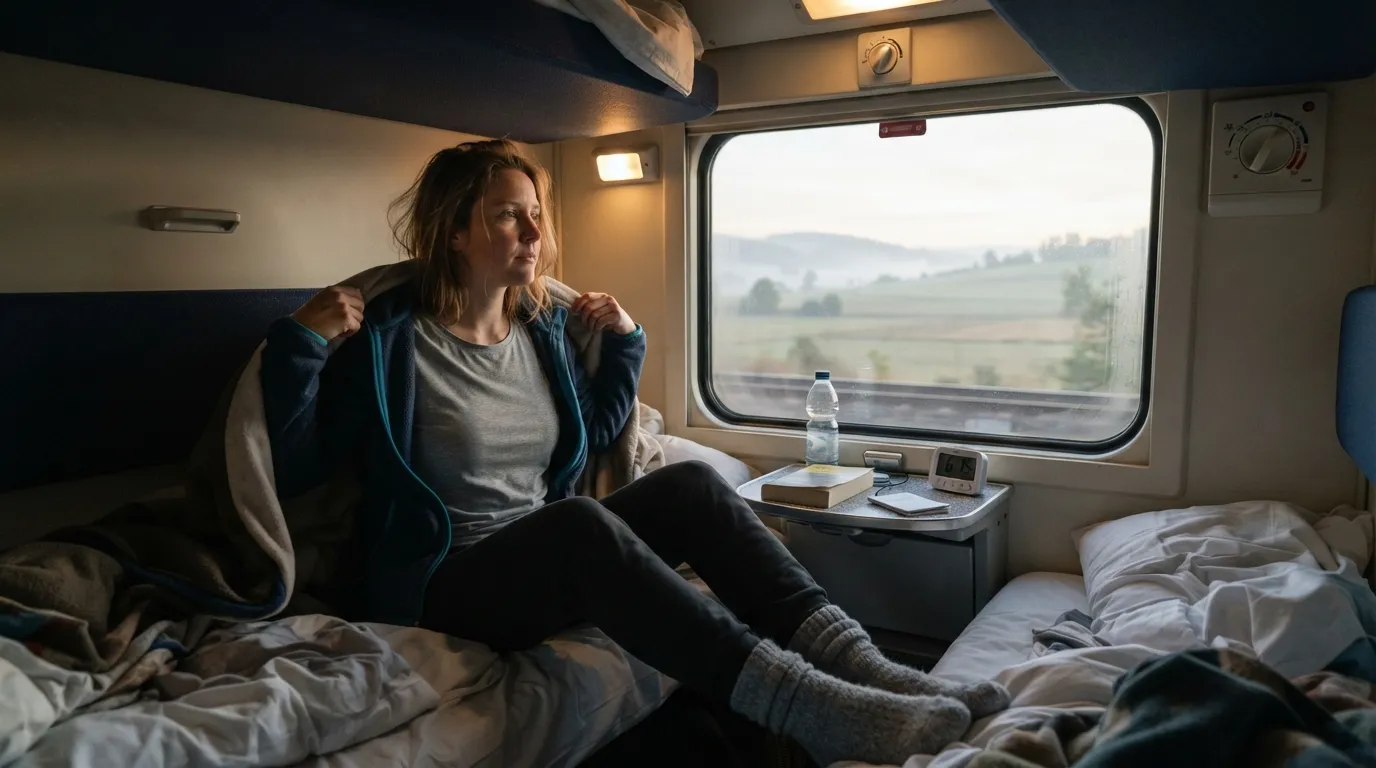
Heating and cooling systems do their best, but a closed compartment can feel stuffy at 2 a.m. and chilly by sunrise. Vents and controls are not always where you would want them.
Riders often recommend layers you can add or shed without getting out of bed. A pair of socks and a light jacket weigh almost nothing.
#15 – The Train Does Not Stop Moving Just Because You Stopped Noticing
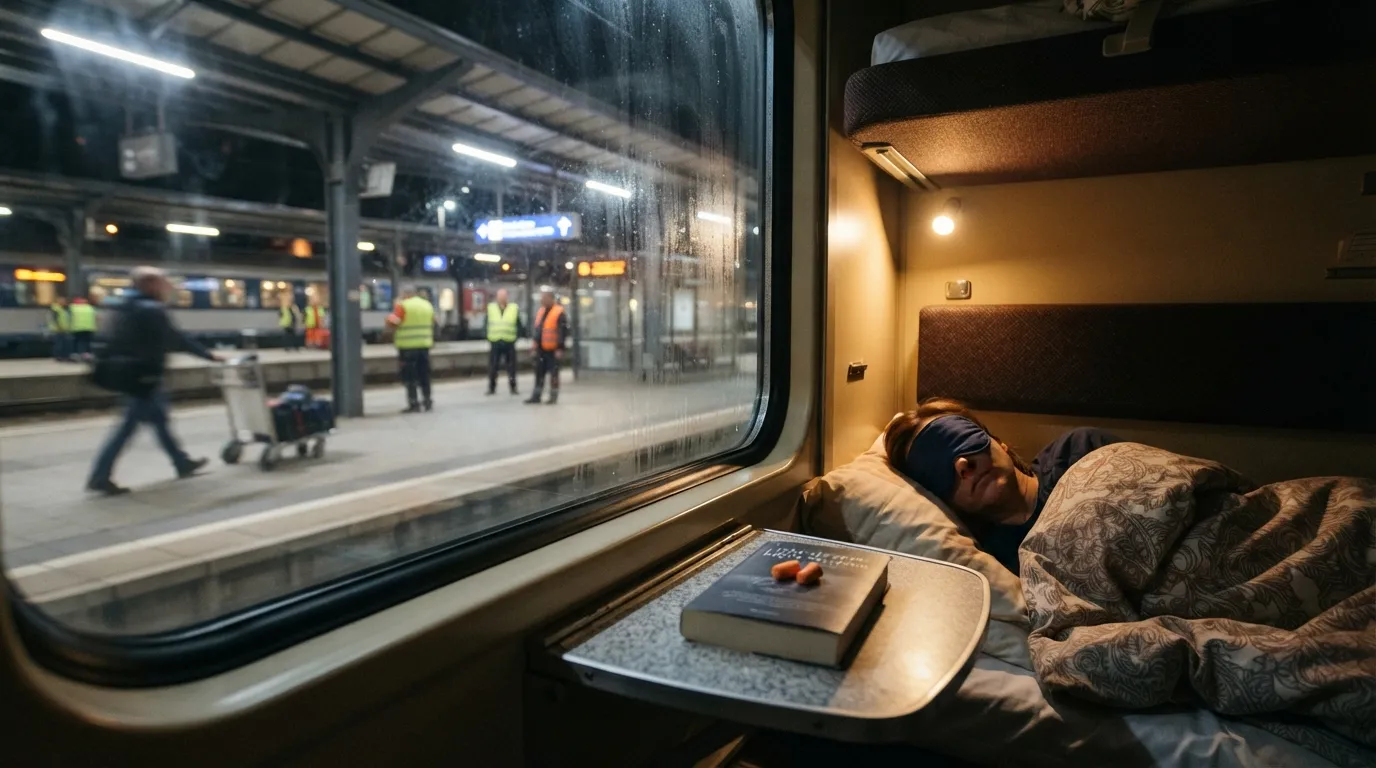
Overnight trains pause at stations, change crews, and sometimes shuffle cars, and you may hear platform sounds and bumps through the wall. Light sleepers can wake more than once.
Earplugs and an eye mask are among the cheapest upgrades you can bring.
#14 – Your Valuables Belong Within Arm’s Reach
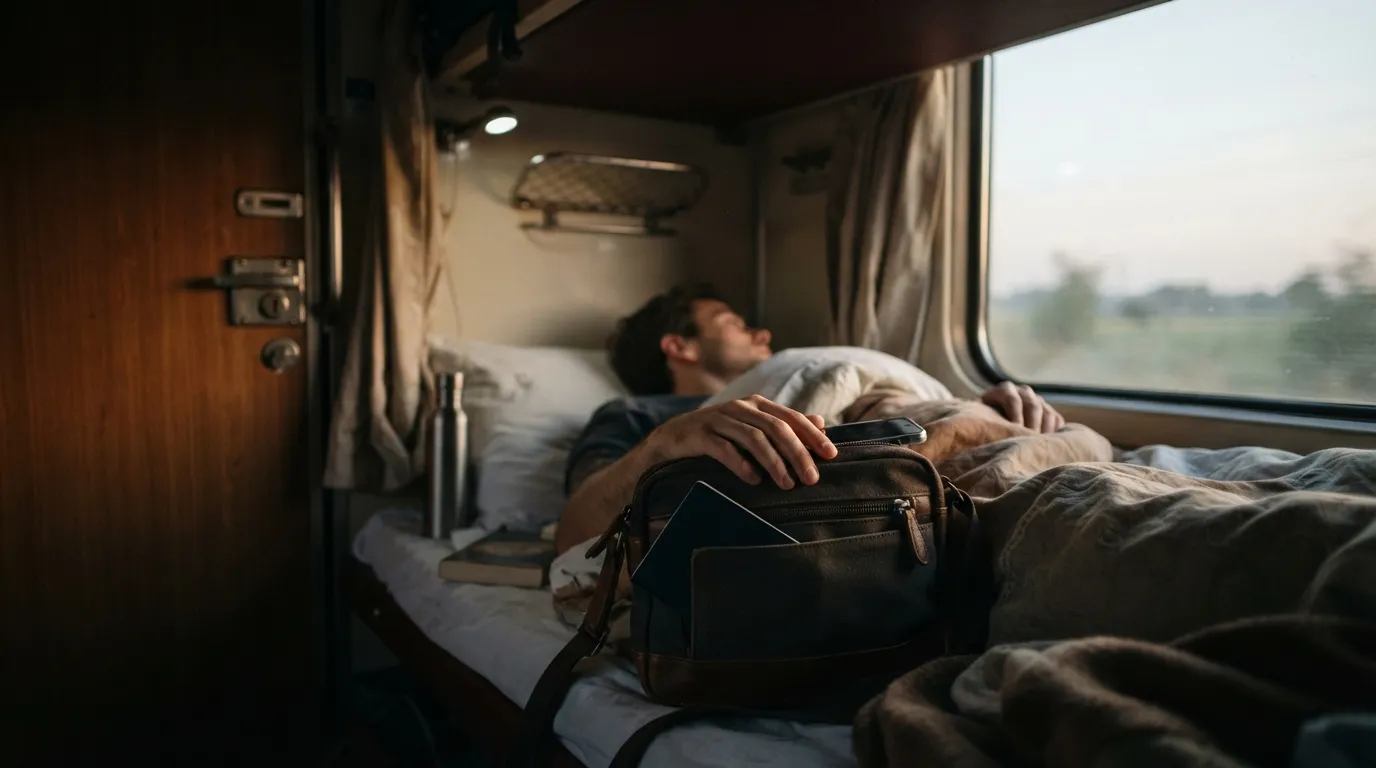
Even with a locked door, many travelers keep their passport, wallet, and phone in a small bag on the bunk instead of in the luggage space. It is a simple habit that removes a lot of worry.
On some routes, attendants collect tickets or passports at boarding. Ask when you will get them back so you are not surprised later.
#13 – Sleeping Through Your Stop Is a Real Risk
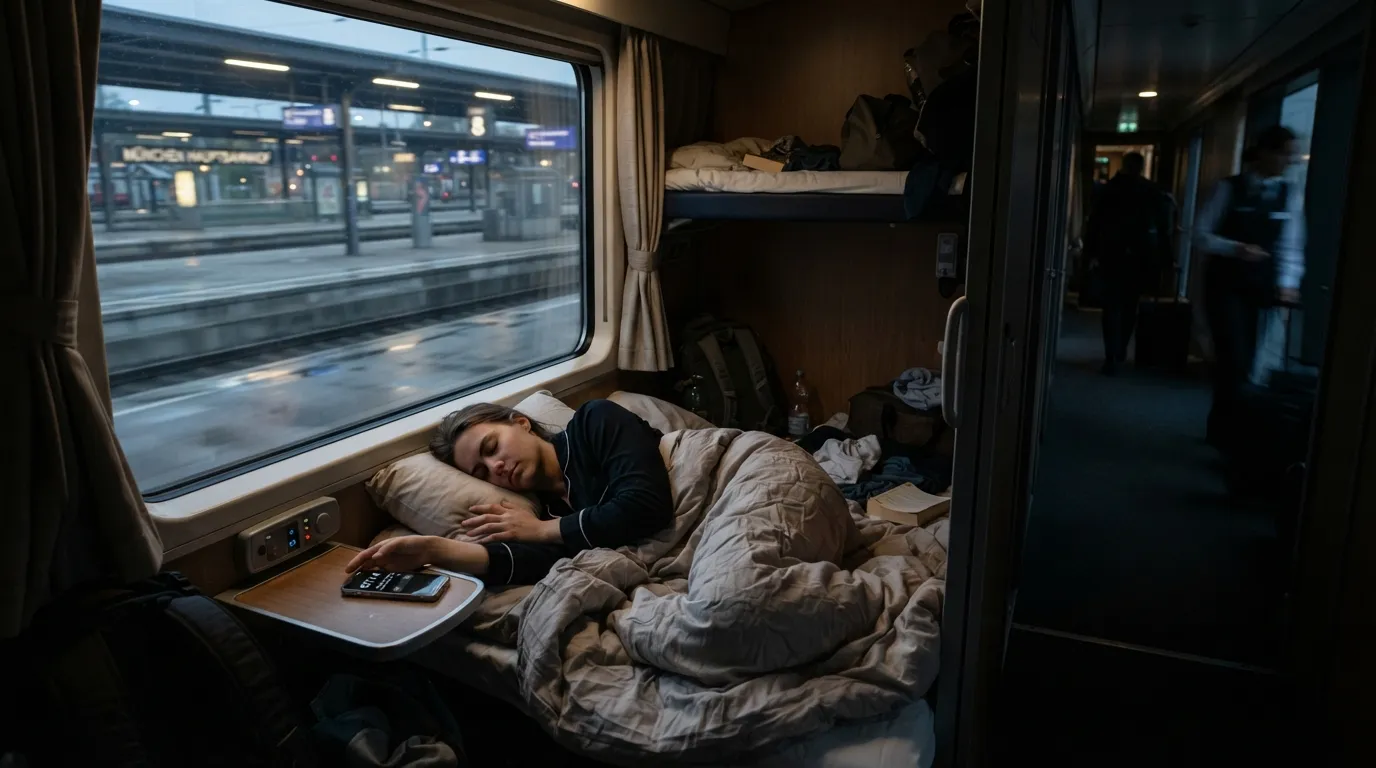
A train will not wait for a sleeping passenger, and corridor noise can drown out announcements. A deep sleeper can miss an arrival even in a quiet cabin.
Set a phone alarm and ask for a wake-up call if one is offered. Treat them as backups for each other.
#12 – Paying for a Sleeper Does Not Always Mean a Private Bathroom
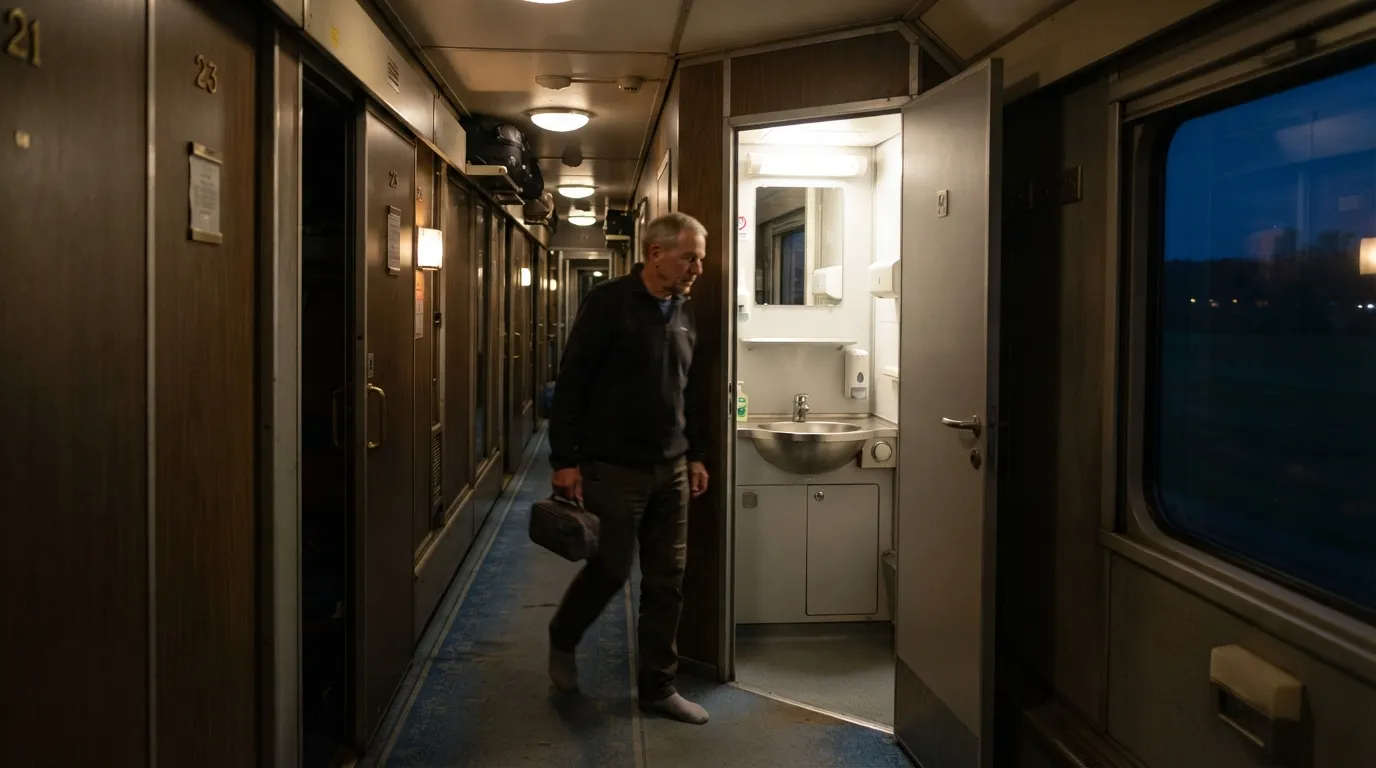
Basic couchettes and many standard sleepers send you to the corridor to wash up. Private washrooms are generally tied to premium cabins on select trains.
Before booking, check exactly what the cabin includes, because the word sleeper alone does not guarantee an en-suite.
Quick Compare
- Basic couchette: corridor facilities for washing up.
- Many standard sleepers: also a trip down the corridor.
- Premium cabins on select trains: private washroom generally included.
#11 – Border Checks Can Interrupt Your Sleep
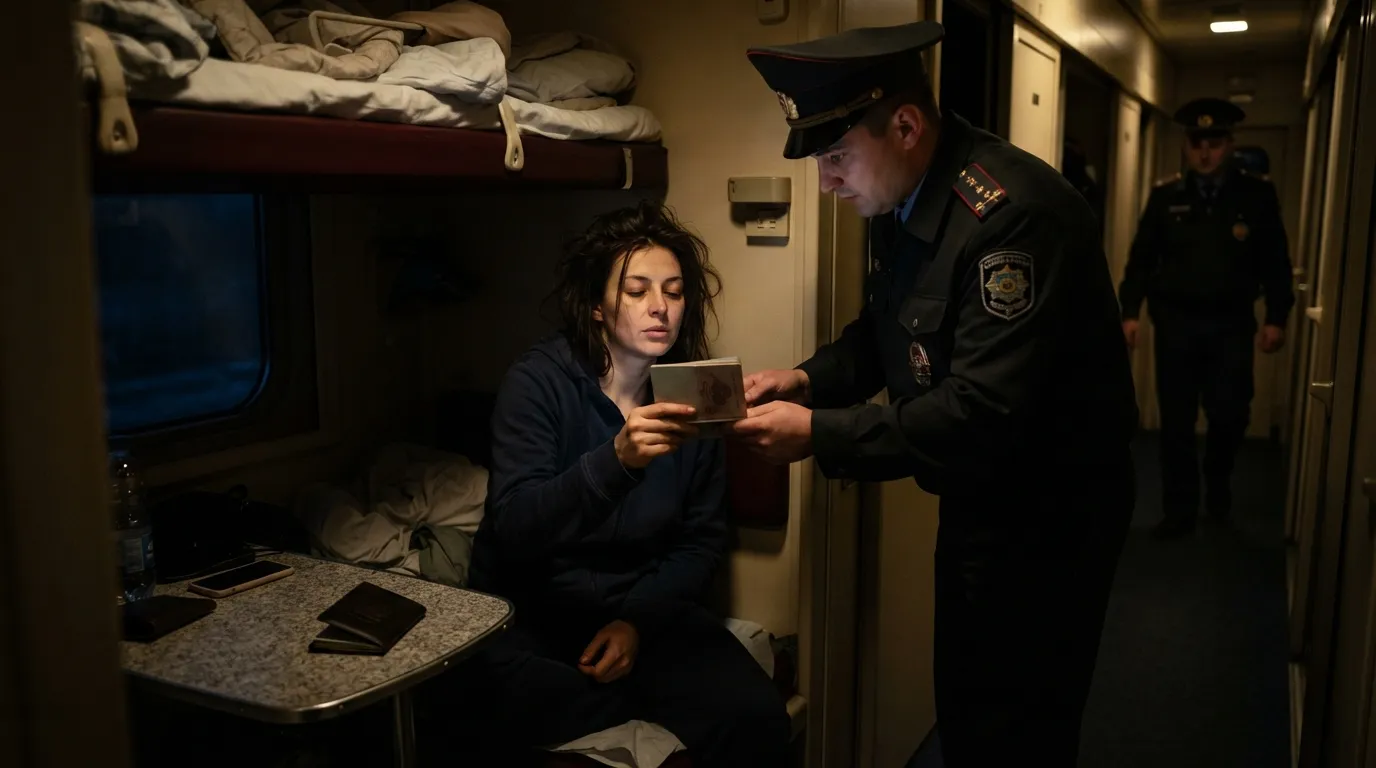
On some international routes, border formalities can happen overnight, and staff may ask for passports. Timing and procedures vary by route and by country.
Keep your documents easy to reach so you are not digging through a bag in the dark.
#10 – Charging Your Phone Can Take Some Strategy
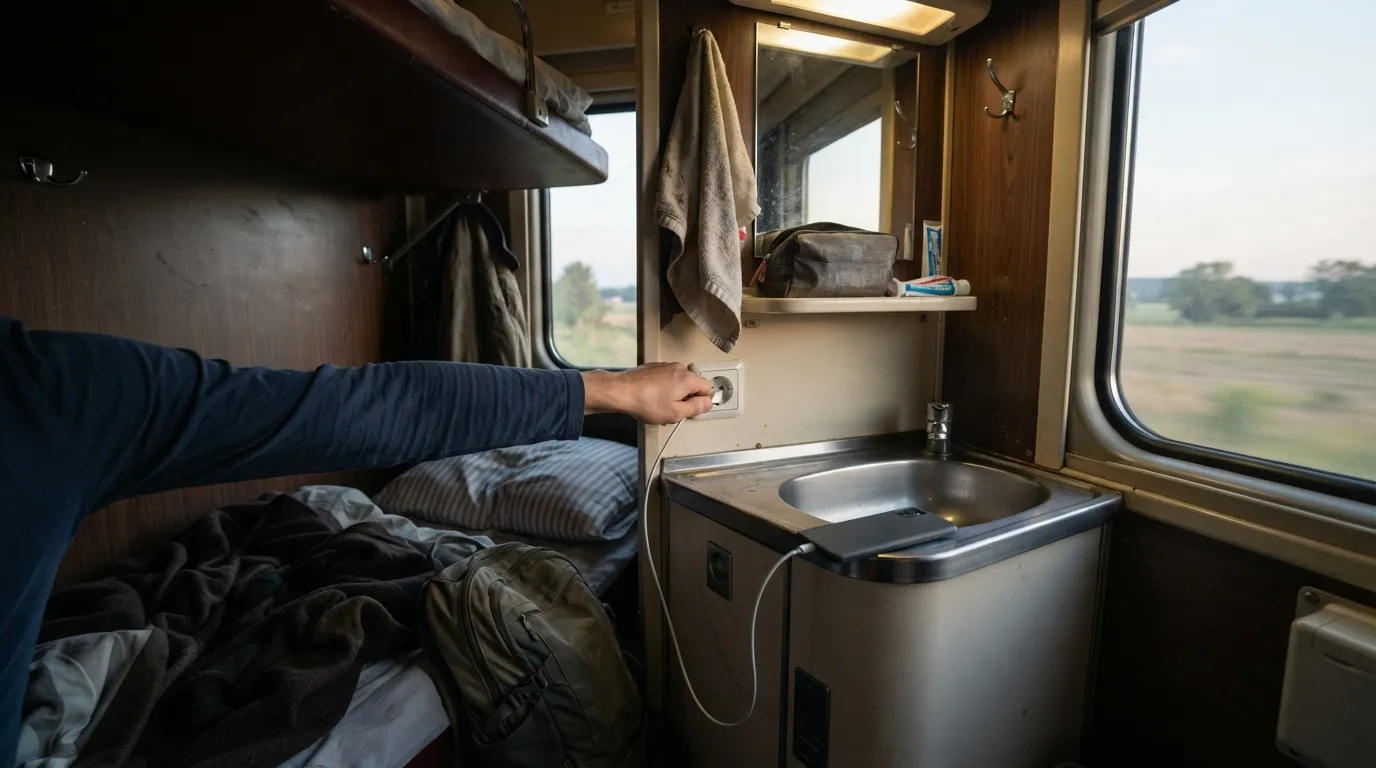
Outlets are often few and in awkward spots, sometimes near the sink or low on the wall. Sharing a compartment can mean sharing a socket, too.
Bring a fully charged power bank and download what you need before boarding.
#9 – Bedding Is Not the Same From Train to Train
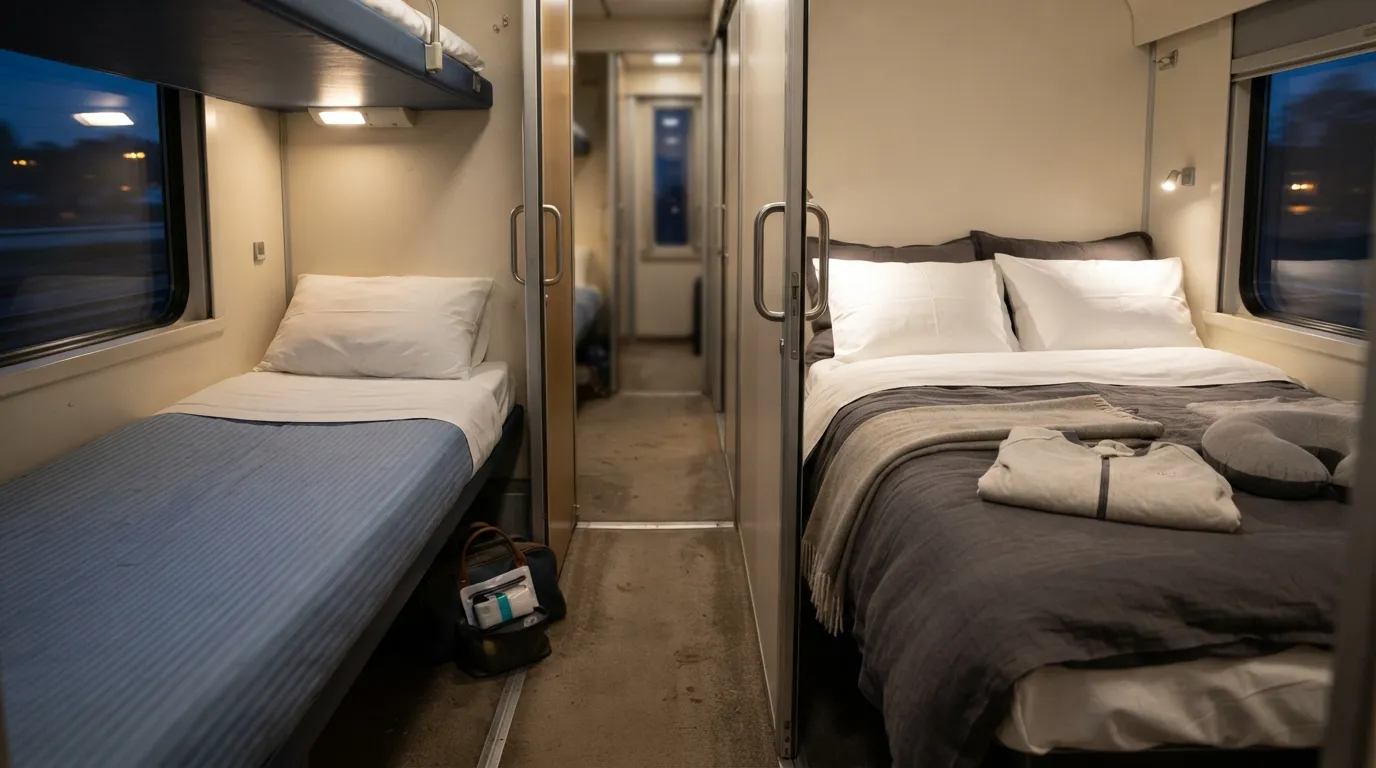
What you get for sleeping depends on the operator and the ticket class. Pillows, blankets, and sheets can differ even within one company.
Check what is supplied and bring a light layer or sleep sack if you are particular about comfort.
#8 – The Floor Moves When You Get Up
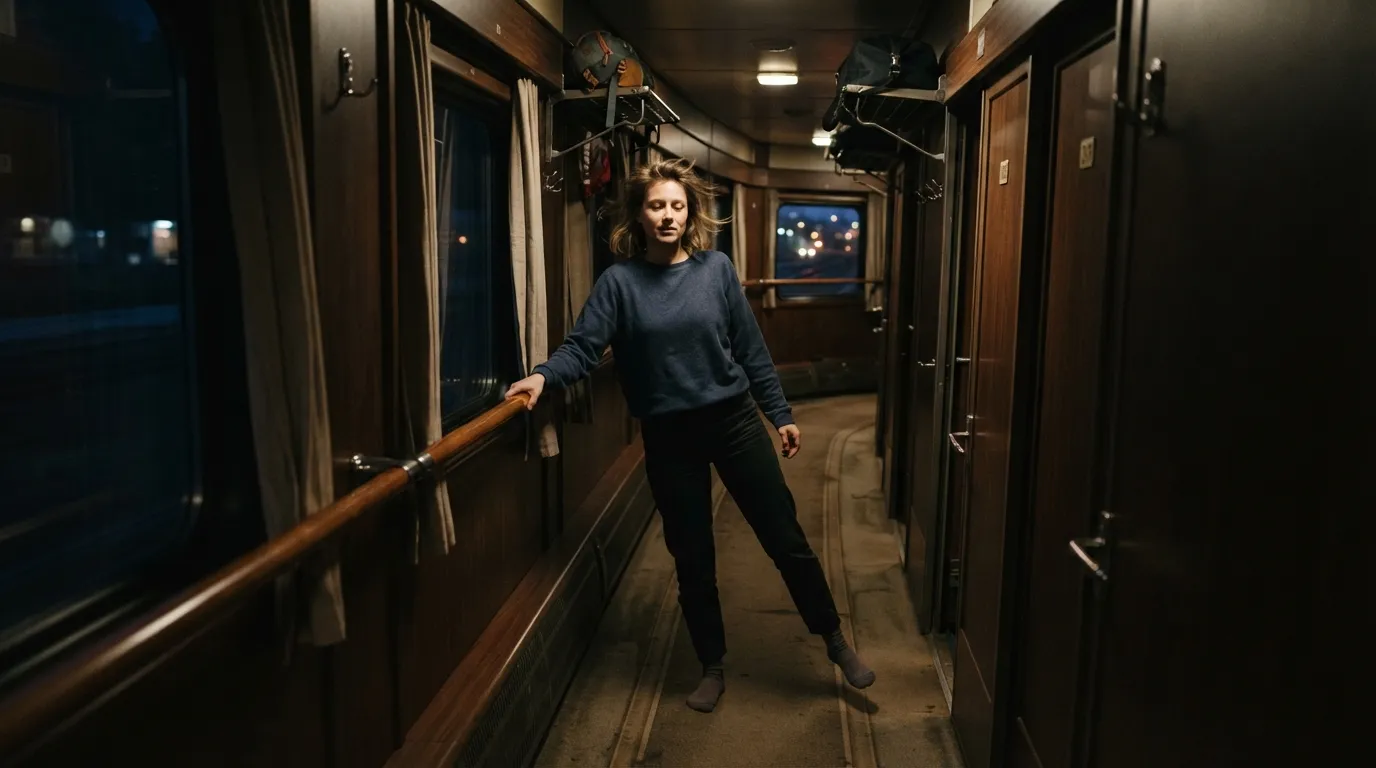
After hours of rocking and vibration, walking down a corridor or climbing down from an upper berth can feel unfamiliar. Low light and sudden curves add to it.
Move slowly and keep a hand on something, especially when the train is rounding a bend or braking.
#7 – Shared Compartments Come With Unwritten Rules
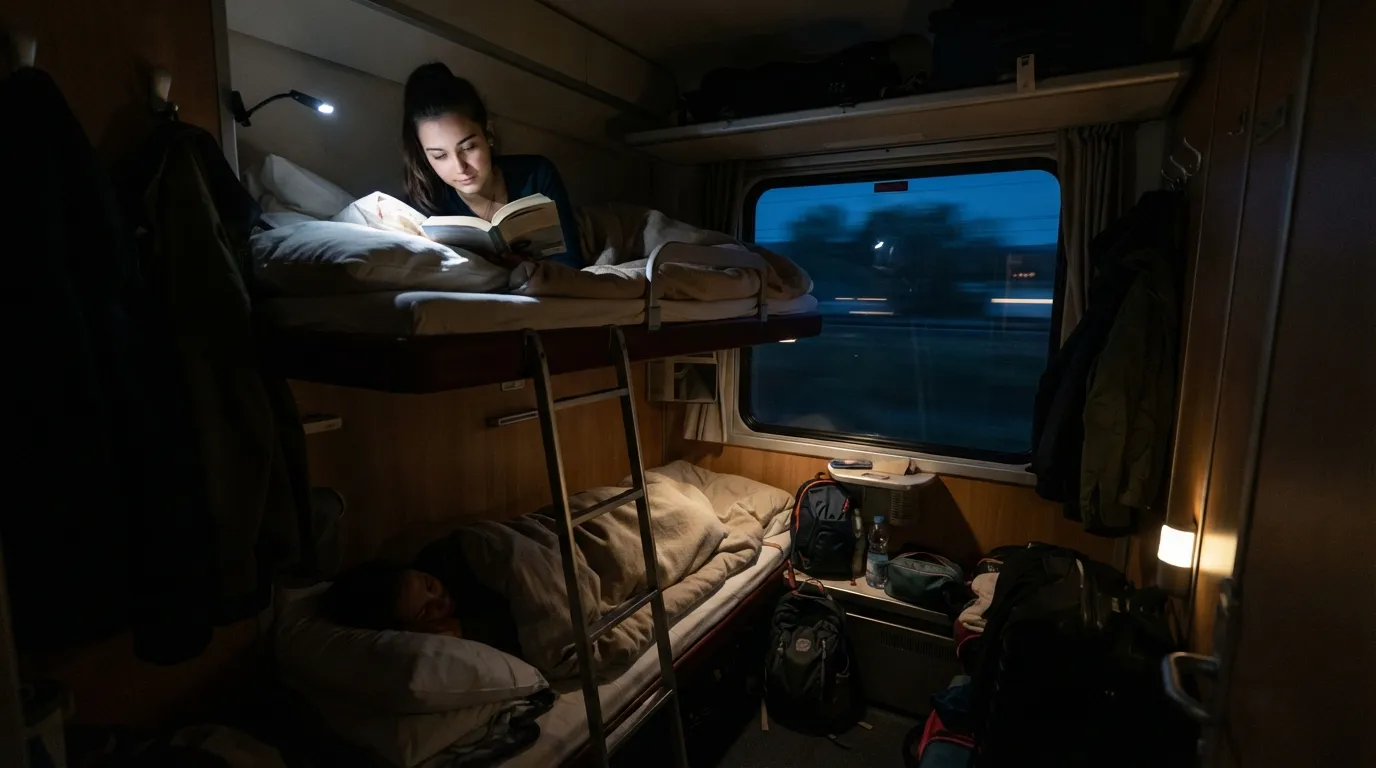
Strangers in the same compartment negotiate lights, noise, and space without much instruction. Not everyone follows the same etiquette.
Some Nightjet services offer women-only compartments you can choose when booking. If that matters to you, plan for it ahead of time.
#6 – Shower Access Depends on the Train and the Ticket
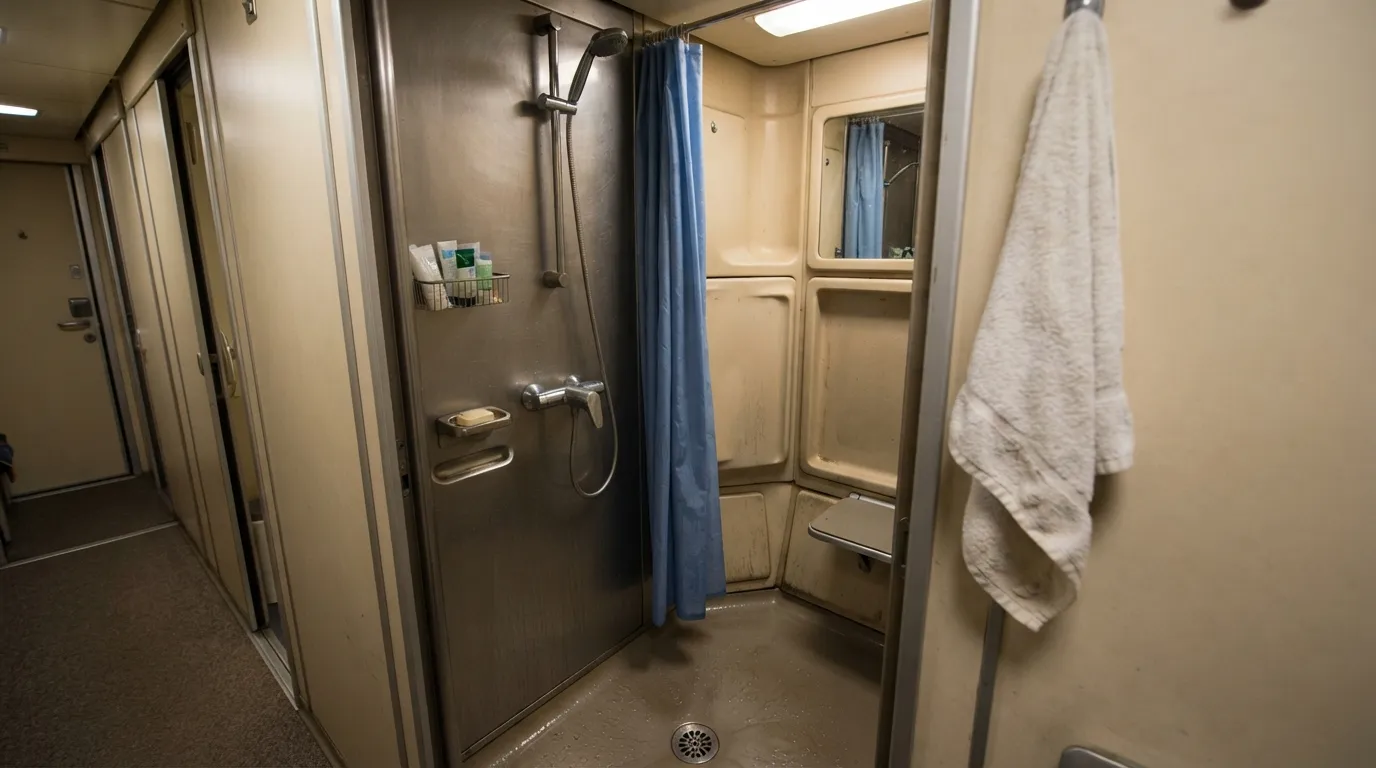
Do not assume you can shower on board. On many European night trains, showers are limited to premium cabins, and other operators may offer shared facilities on certain trains.
Look up your exact train before you count on a morning rinse, and pack wipes just in case.
Fast Facts
- On many European night trains, showers are tied to premium cabins.
- Some operators offer shared facilities, but only on certain trains.
- The exact train and ticket matter more than the operator’s name.
- Wipes are a light backup if the answer turns out to be no.
#5 – Food on Board Can Be Limited
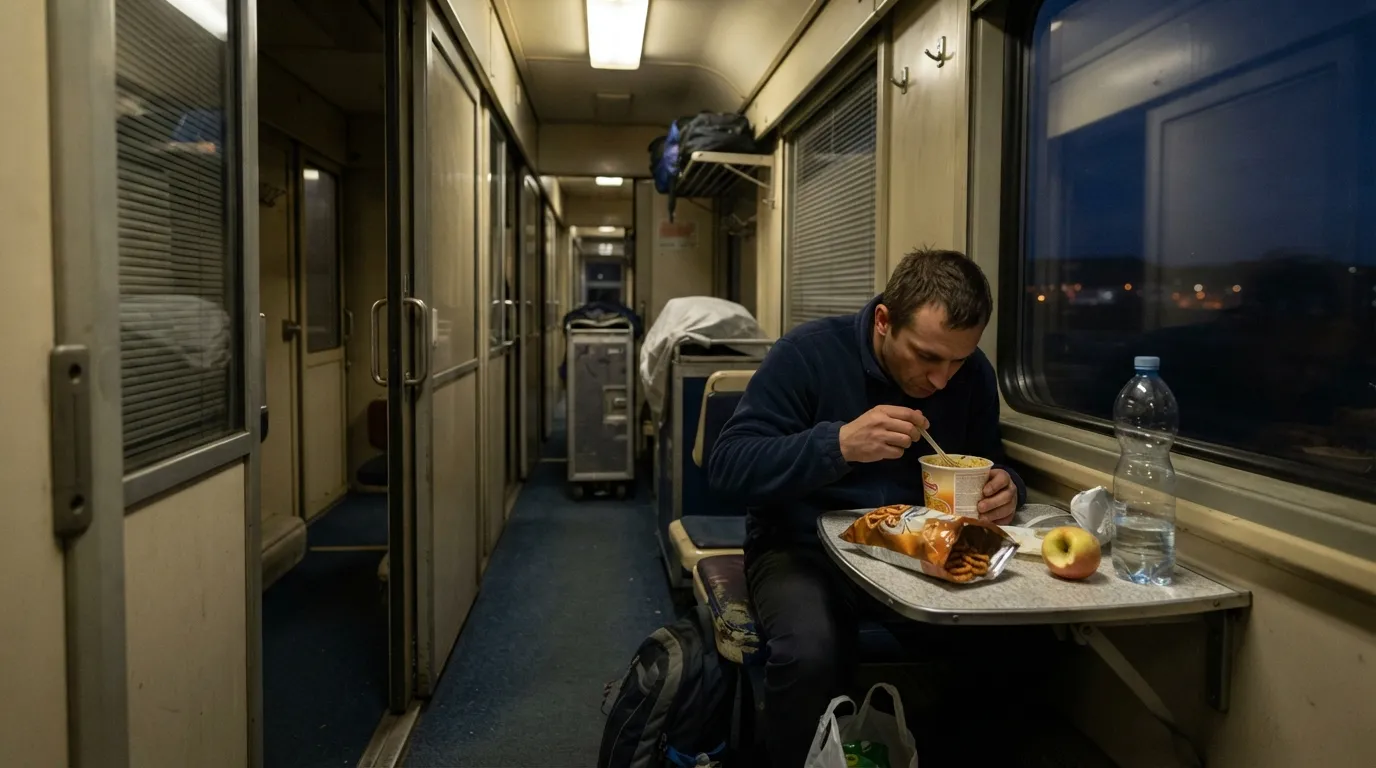
Not every overnight train has a full dining car, and trolley or minibar options may be limited or sold out. What is available differs a lot by route and operator.
Bring your own dinner and snacks, especially if you have dietary needs or an odd arrival time.
#4 – The Signal Disappears at the Worst Moments
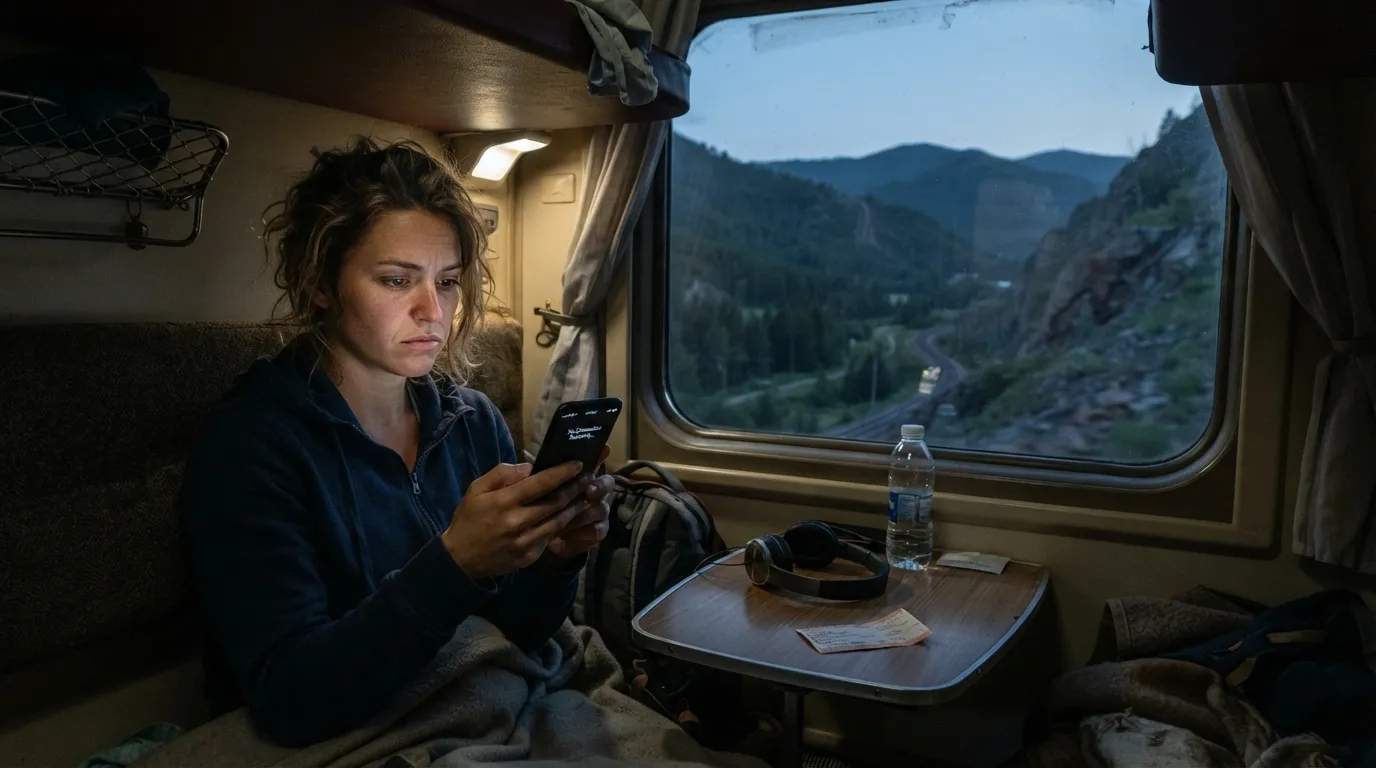
Wi-Fi and mobile data can fade in rural stretches, tunnels, and mountains. Even trains that advertise connectivity do not always deliver it.
Download maps, tickets, and entertainment before you leave the station.
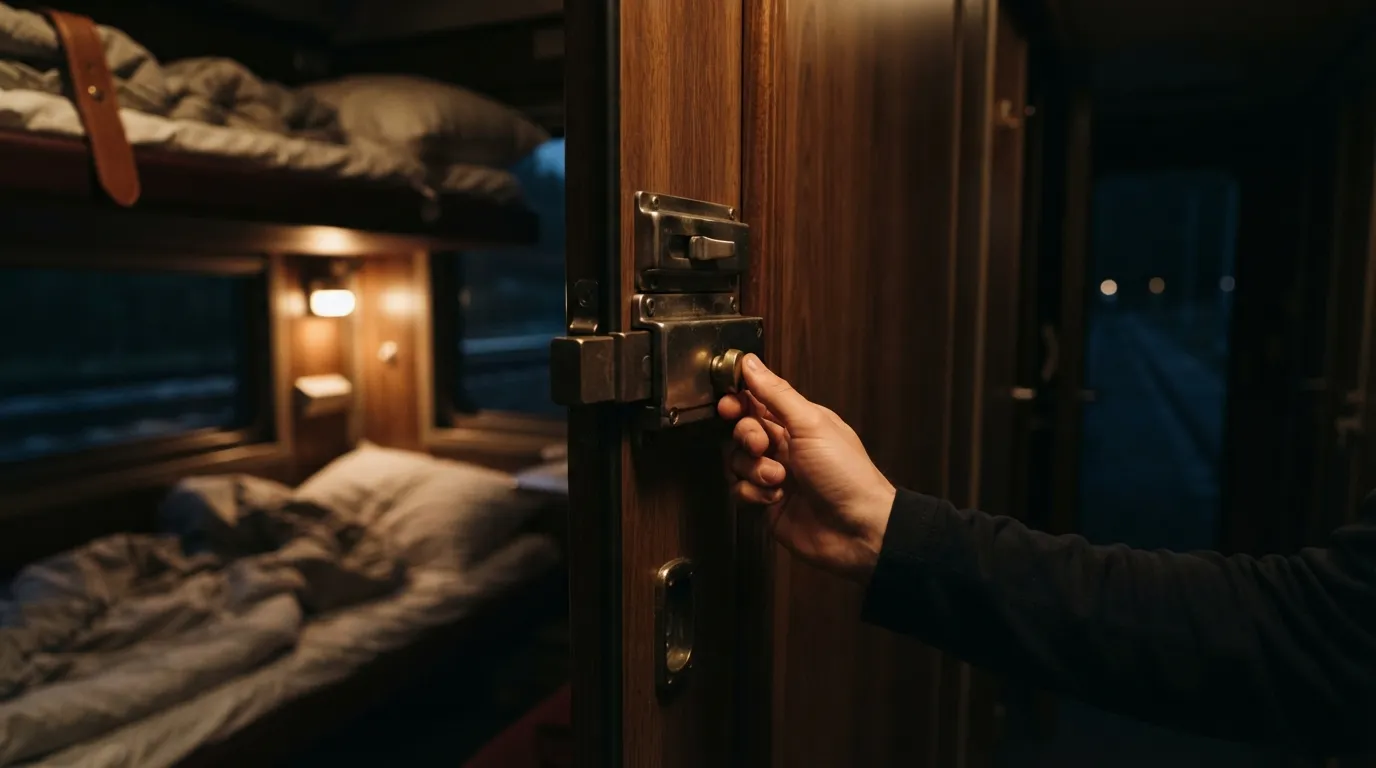
#3 – The Door Lock Is Not Always Obvious
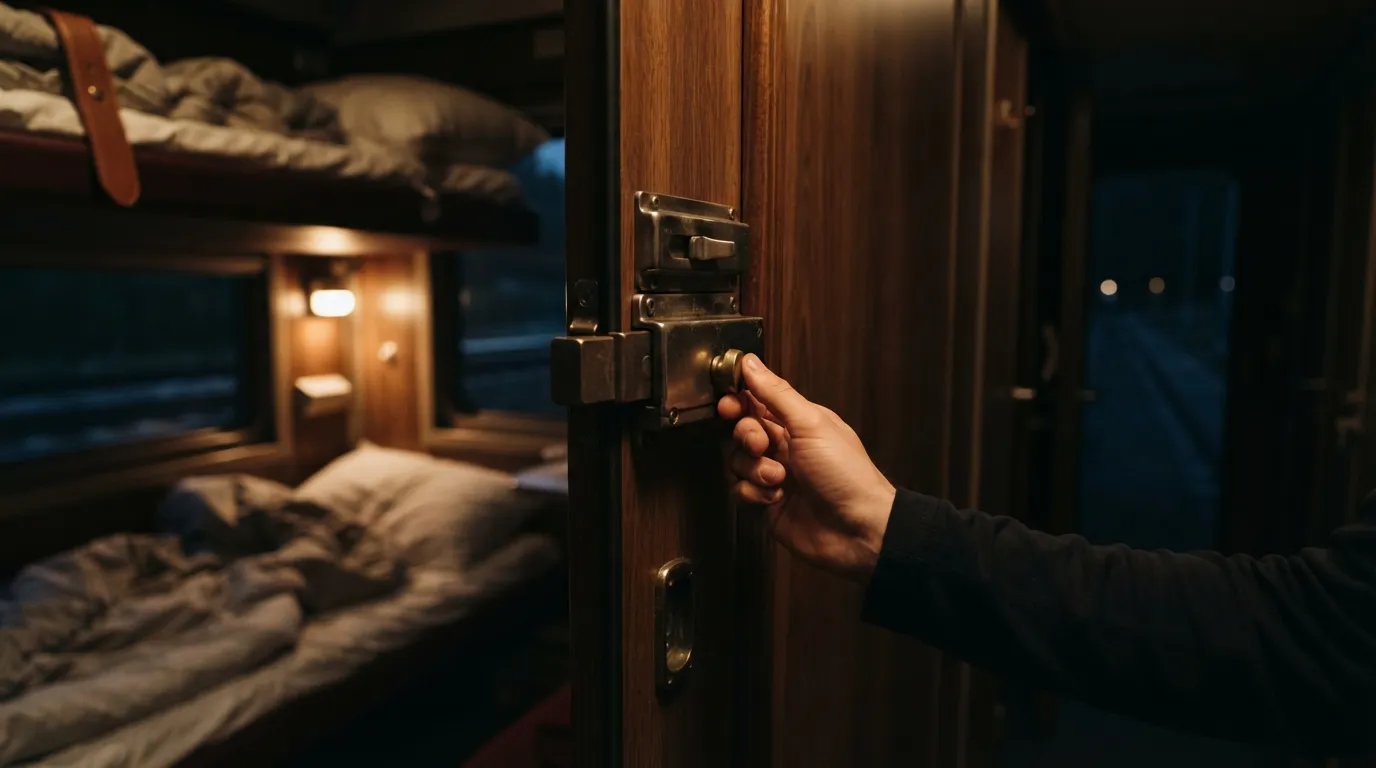
Many compartments have a secondary lock on the inside, but how it works is not always explained. Some cabins can also be opened by staff with a key.
Ask the attendant to show you the lock before bed so you are not figuring it out in the dark.
#2 – The Arrival Time on Your Ticket Is a Best Guess
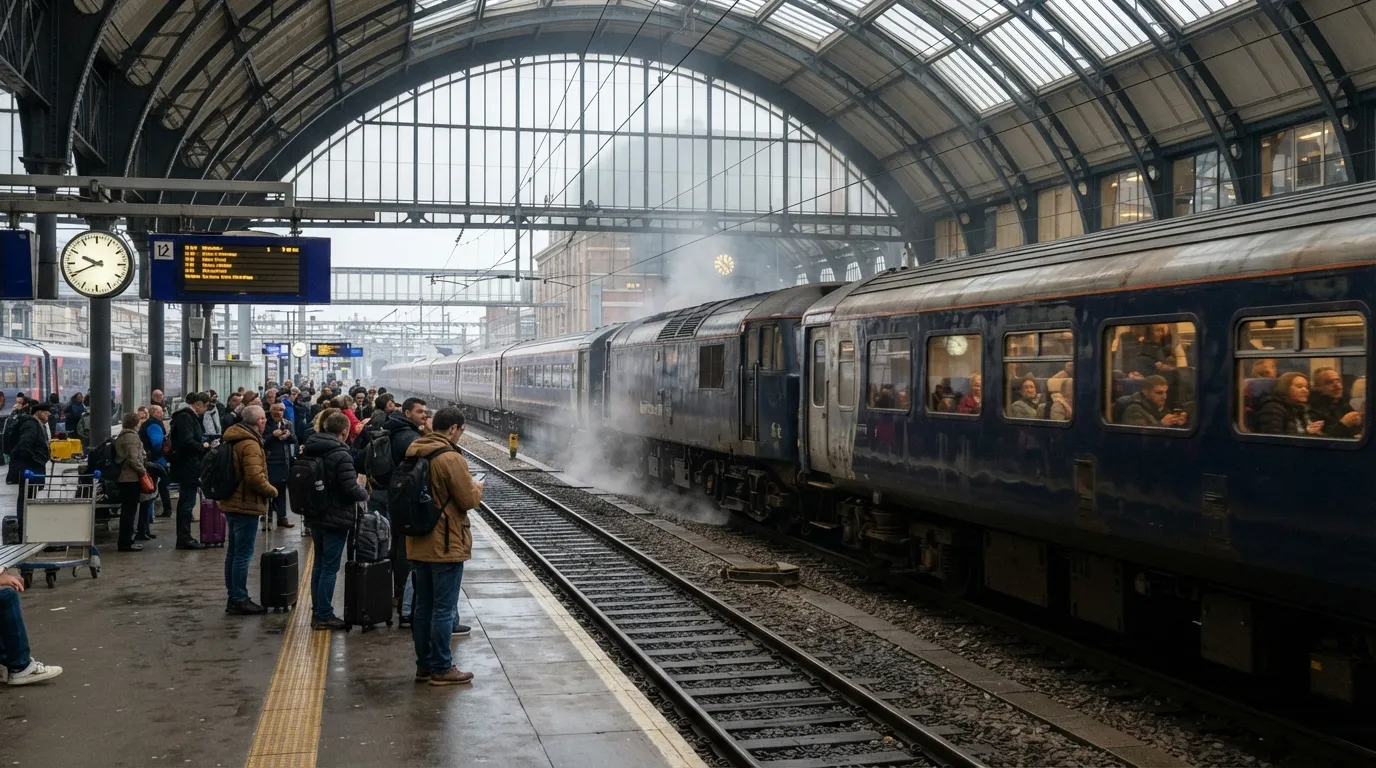
Overnight trains can run late, and delays vary by route and season. Anyone with a tight connection after arrival is taking a risk.
Check live updates before you rely on a connection, and leave extra room in your plans.
Worth Knowing
- Delays vary by route and season, so one rider’s experience may not be yours.
- A tight onward connection is where a late arrival hurts most.
- Live updates beat the printed timetable on travel day.
- Extra buffer time costs little and protects the whole plan.
#1 – Your Ticket Type Decides the Whole Morning
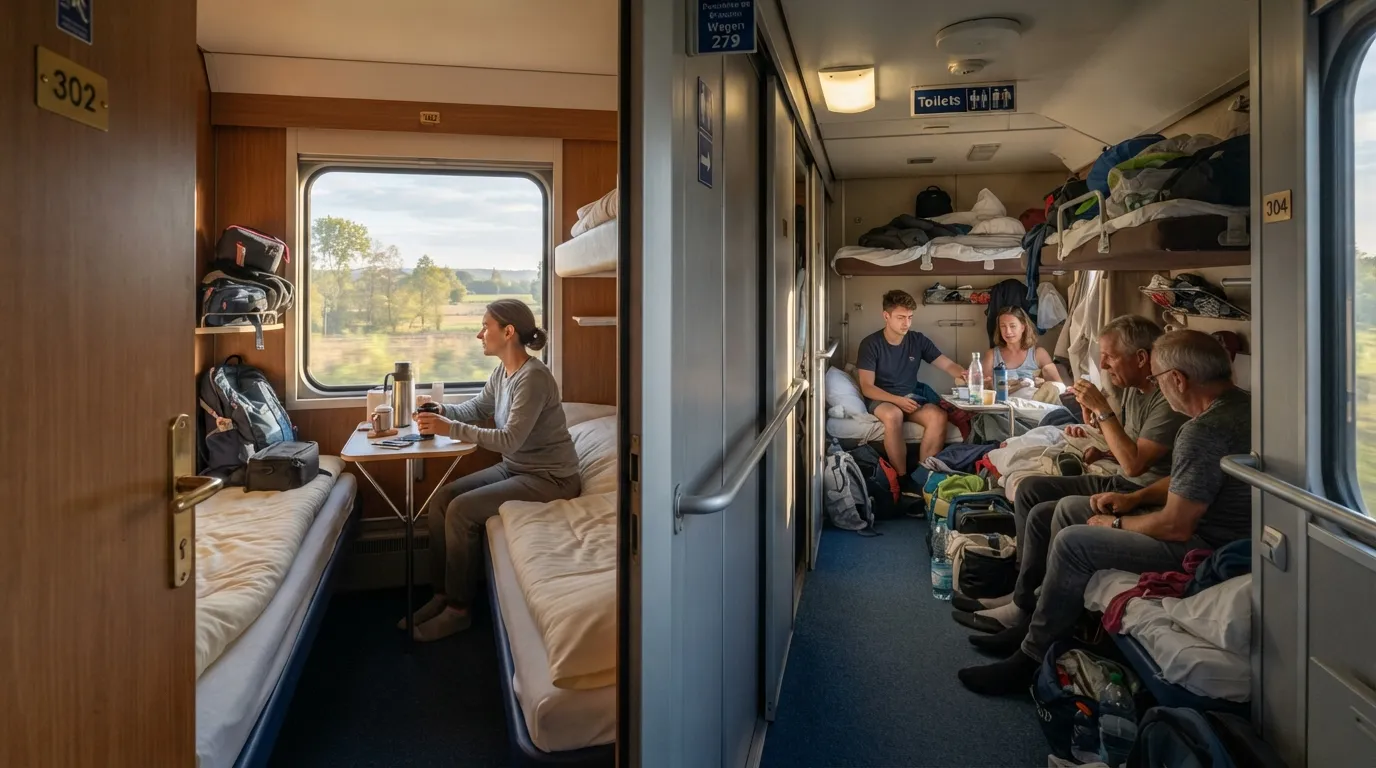
The biggest difference is not the route. It is whether you booked a bed in a shared compartment or a private cabin.
That one choice affects privacy, noise, access to washing facilities, how safe your belongings feel, and how smooth the morning is. Riders who check exactly what their ticket includes before boarding tend to have a far easier first morning.
The train will get you there either way. What changes is whether the first morning feels like a surprise or a plan.