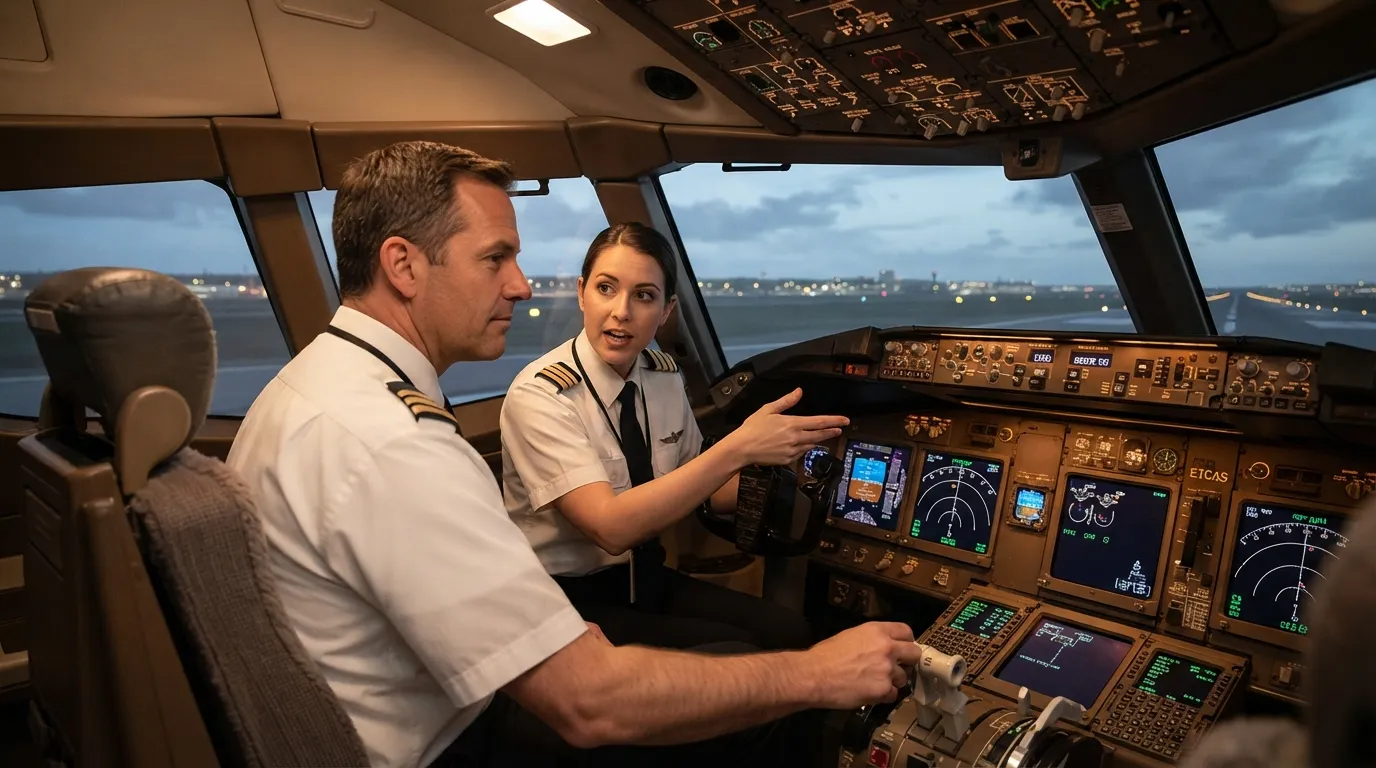
Most people picture aviation rules being written in quiet conference rooms. The records tell a different story: many began with one terrible moment, or one scary close call that somebody refused to forget.
Some of these rules shape every flight you take. The one at #1 comes down to a single word that pilots now treat with extreme care.
#19 – The Sterile Cockpit Mandate
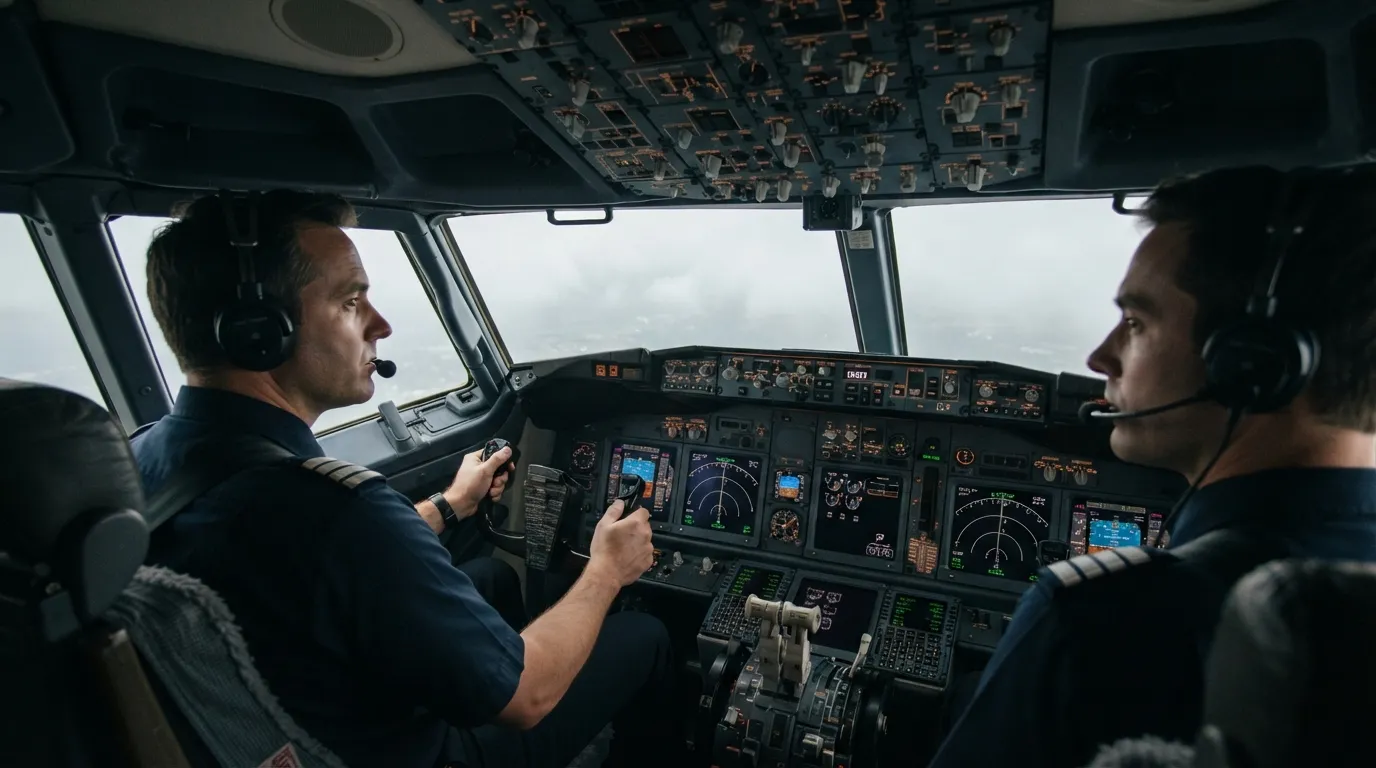
In 1974, Eastern Air Lines Flight 212 descended through fog toward Charlotte while the crew chatted about things unrelated to landing. The plane hit the ground short of the runway, and 72 of the 82 people aboard died.
The NTSB tied the crash to the crew’s lost focus on altitude. In 1981, the FAA banned non-essential talk below 10,000 feet.
Airlines wrote it into every crew manual, and it is still there.
Next up is a rule that changed the one door passengers never get to see open.
#18 – Reinforced Cockpit Doors
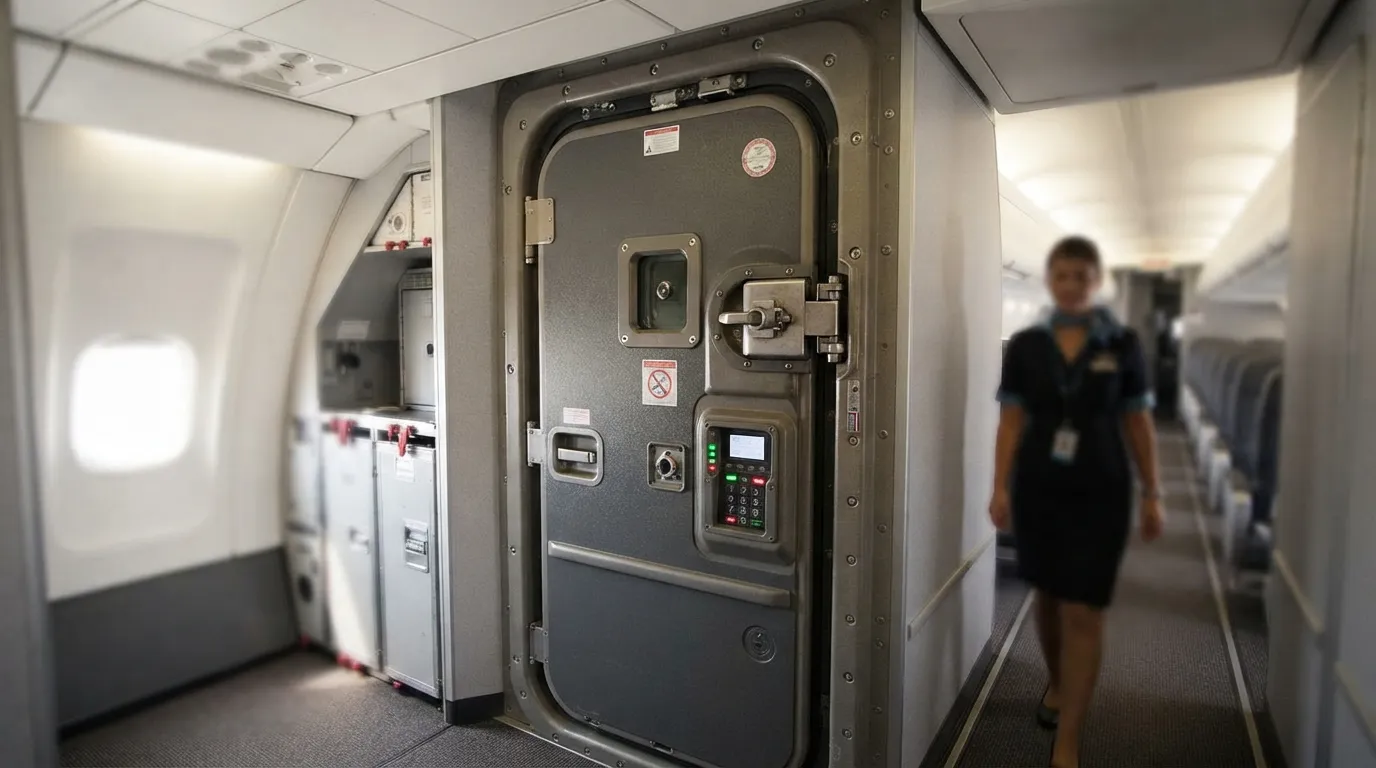
Before September 11, 2001, the flight-deck door was little more than a privacy barrier. After the attacks, regulators decided that was unacceptable.
US airlines had to install reinforced doors by April 2003. They are built to resist forced entry, small-arms fire, and fragments.
Many airlines also layer on their own procedures for when that door opens in flight.
The next rule was written after a pilot found himself locked out of his own cockpit.
#17 – Two Crew Members Required in Cockpit
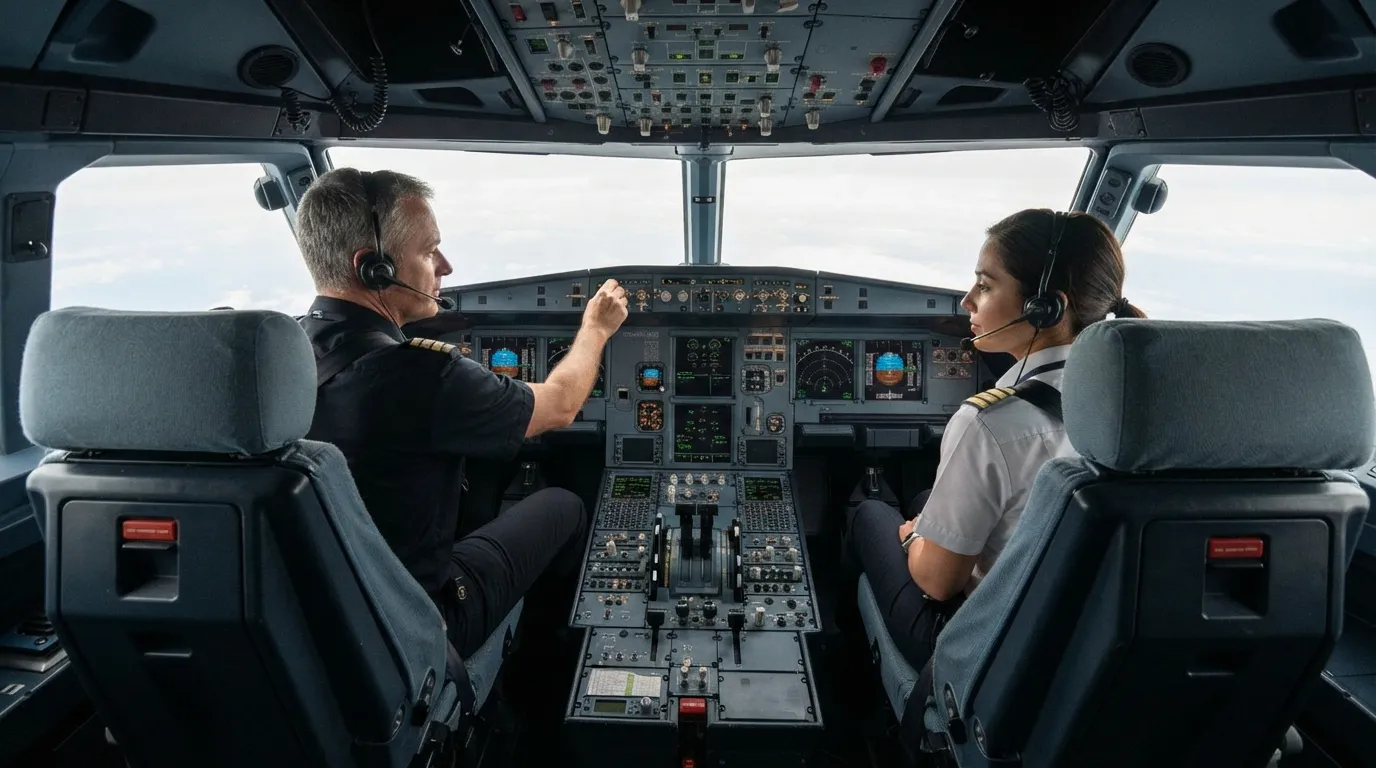
On March 24, 2015, Germanwings Flight 9525 flew into a mountainside in the French Alps. The co-pilot had locked the captain out, and all 150 people aboard died.
Within days, many airlines adopted a rule that two authorized crew members must stay on the flight deck at all times. European regulators later left the final decision to each airline’s risk assessment.
Many crews still follow that rule today. But the next story began with a warning that never made it out of one airline.
#16 – Anonymous Close-Call Reporting

On December 1, 1974, TWA Flight 514 hit a Virginia ridge while approaching Dulles in clouds. All 92 people aboard died.
Six weeks earlier, a United crew had nearly made the same mistake on the same approach. United warned its own pilots, but nobody at other airlines heard about it.
That gap led to NASA’s Aviation Safety Reporting System in 1976, which lets pilots report close calls confidentially. One airline’s private lesson became everyone’s lesson.
That same crash also gave cockpits something that talks back.
#15 – Ground Proximity Warning Systems
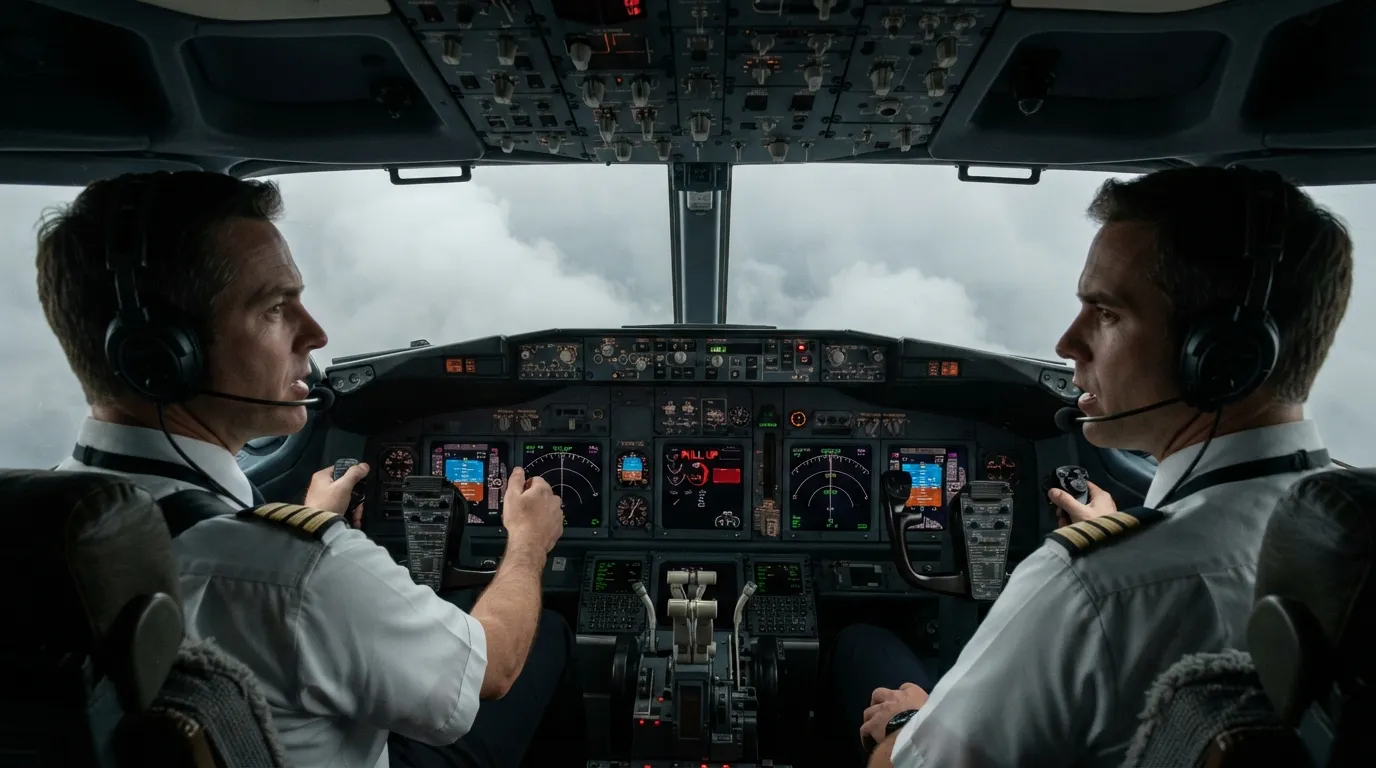
The TWA 514 crew was flying in cloud, and nothing told them the ground was rising ahead. They never saw the mountain.
The FAA required ground proximity warning systems on large airliners by 1975. Later versions are far more advanced, but the core message is still a blunt “Pull up!”
Another cockpit system has a rule so strict that pilots must obey it even when a human controller says otherwise.
#14 – Traffic Collision Avoidance Systems
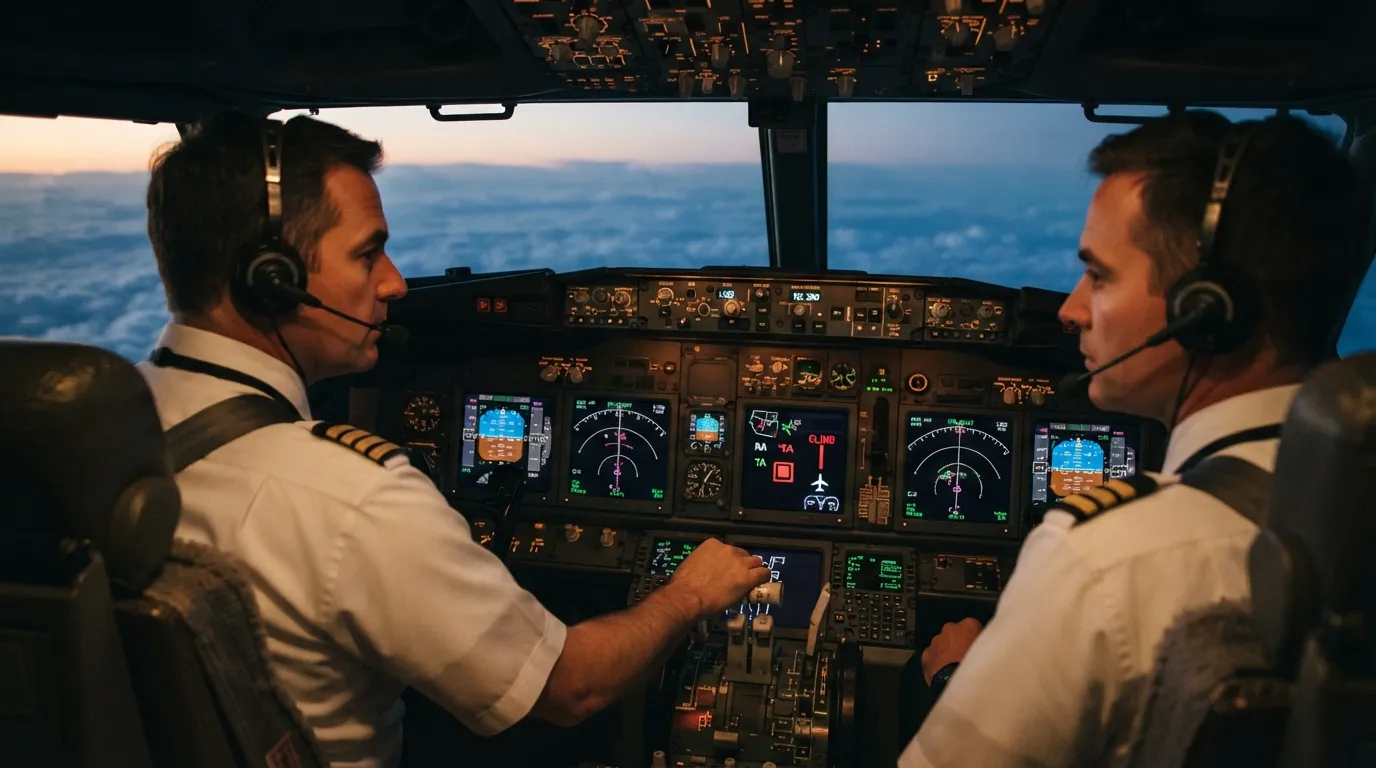
Midair collisions in San Diego in 1978 and Cerritos in 1986 pushed Congress to demand a collision-warning system. By 1993, TCAS was required on larger airliners.
Then came Überlingen, Germany, in 2002. A controller told one jet to descend while TCAS told the crew to climb, and the plane collided with a cargo jet.
Quick Compare
- Controller’s instruction: descend, and the passenger jet’s crew followed it.
- That jet’s TCAS: climb, a command the crew did not follow.
- The cargo jet’s TCAS: descend, which its crew followed. Both planes ended up descending into each other.
- Today’s rule: if TCAS and a controller disagree, follow TCAS.
The lesson is now written into procedures: if TCAS issues a resolution advisory, follow it. Fire, though, taught a different set of lessons.
#13 – Lavatory Smoke Detectors
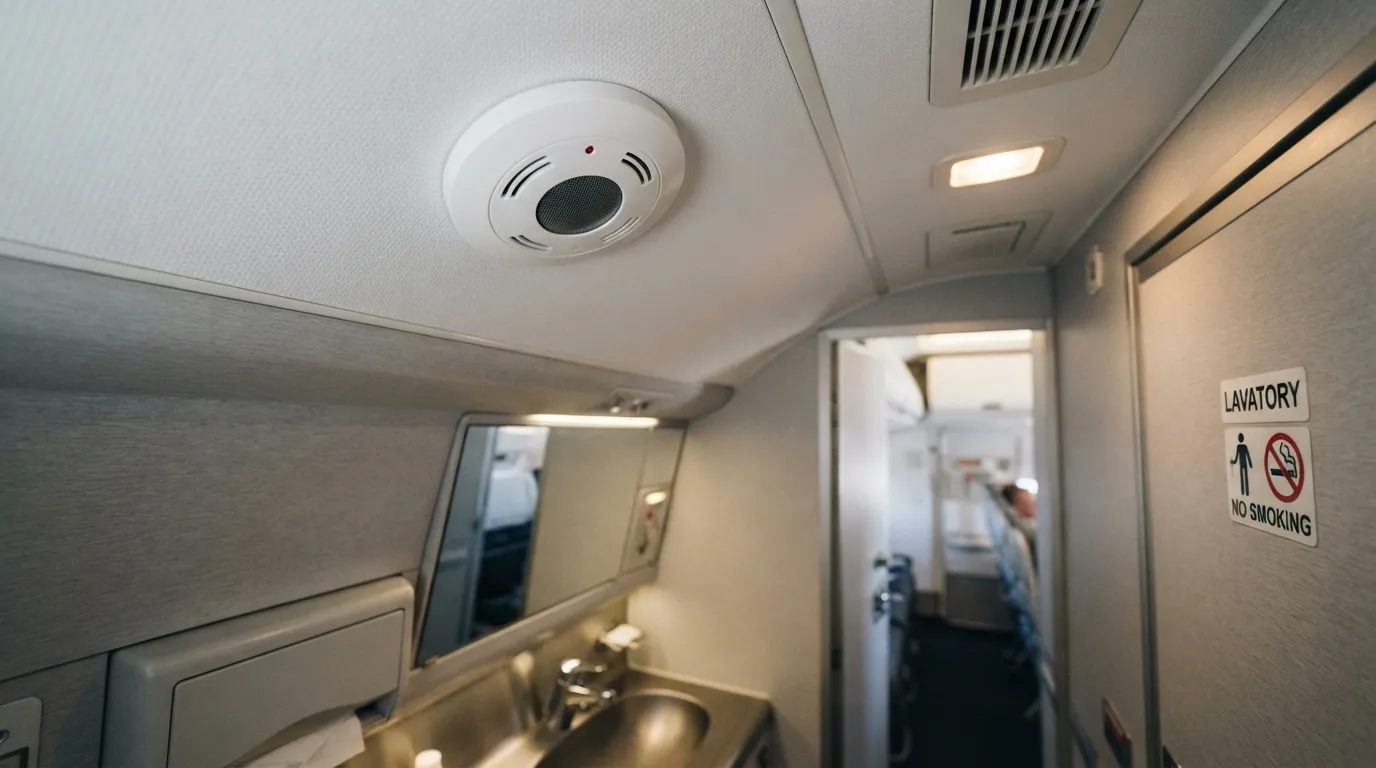
On June 2, 1983, smoke appeared in the rear lavatory of Air Canada Flight 797. The crew landed in Cincinnati, but a flash fire swept the cabin after the doors opened, and 23 of the 46 aboard died.
The FAA soon required lavatory smoke detectors and automatic fire extinguishers in waste bins. That is why tampering with a lavatory smoke detector is a federal offense.
That fire exposed another danger, and it was sitting right under passengers.
#12 – Fire-Blocking Seat Cushions
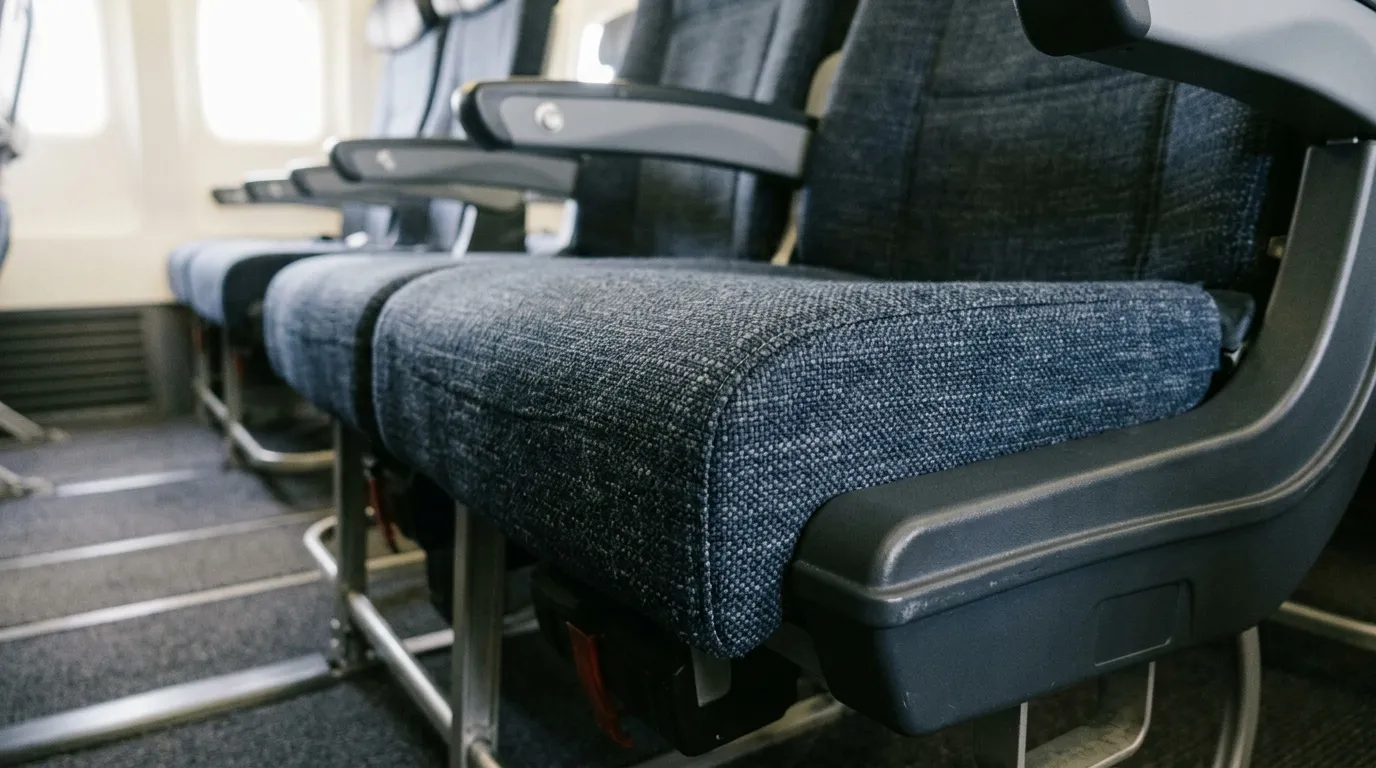
Fire tests showed that ordinary seat cushions kept feeding flames. The FAA responded with a 1984 rule requiring fire-blocking layers on seat cushions.
The stakes were clear after the 1985 British Airtours fire in Manchester, where 55 people died, most from smoke. Every extra minute without flames can decide who gets out.
But not every fire starts where people can see it. One began in the dark, below the floor.
#11 – Cargo Hold Fire Detection and Hazmat Limits
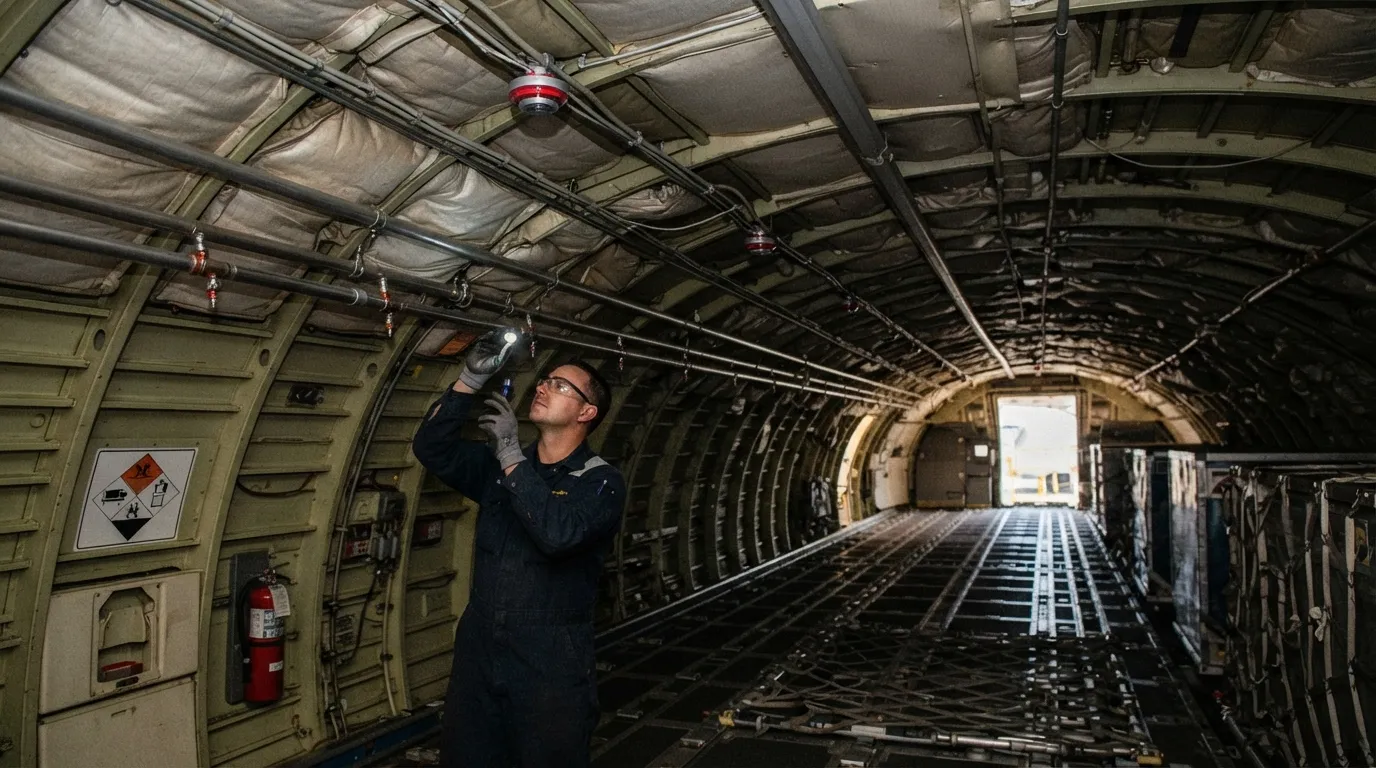
In May 1996, ValuJet Flight 592 went down in the Florida Everglades after a fire broke out in the cargo hold. Improperly carried oxygen generators were involved, and all 110 people aboard died.
The FAA banned oxygen generators as cargo on passenger planes. It also ordered fire detection and suppression in cargo holds that had none.
The next danger was not fire or terrain, but something harder to spot.
#10 – The 1,500-Hour Rule and Pilot Rest Limits
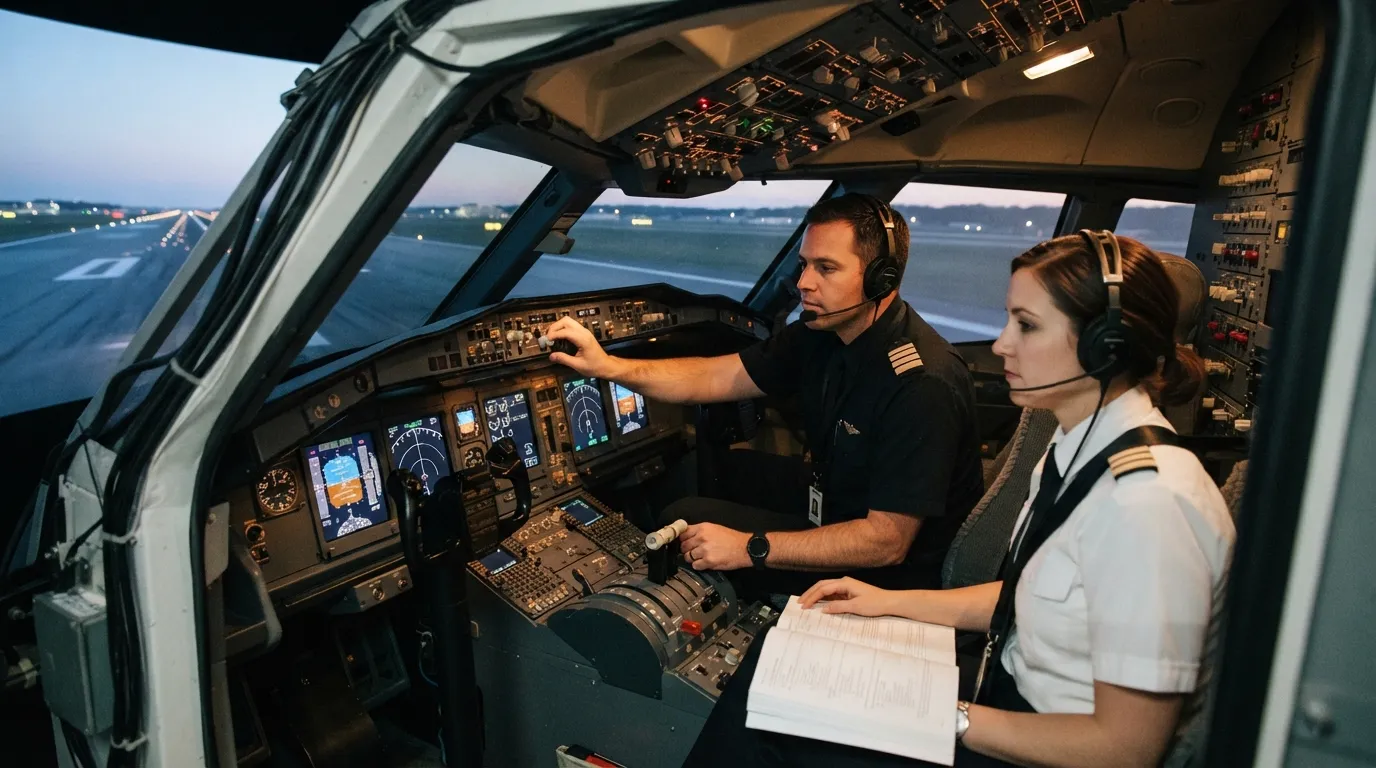
In February 2009, Colgan Air Flight 3407 crashed into a house near Buffalo, killing 50 people. Investigators found a crew that responded poorly to a stall warning, and fatigue and commuting came under scrutiny.
In 2013, the FAA required new airline first officers to hold 1,500 hours of experience. New rest rules for pilots followed.
At a Glance
- Crash date: February 12, 2009.
- Lives lost: 50, including one person on the ground.
- New experience bar: 1,500 flight hours for airline first officers.
- Old baseline: a commercial license required far less, as little as 250 hours.
The industry also had to rethink stalls, and the next section tells how.
#9 – Lithium Battery Rules
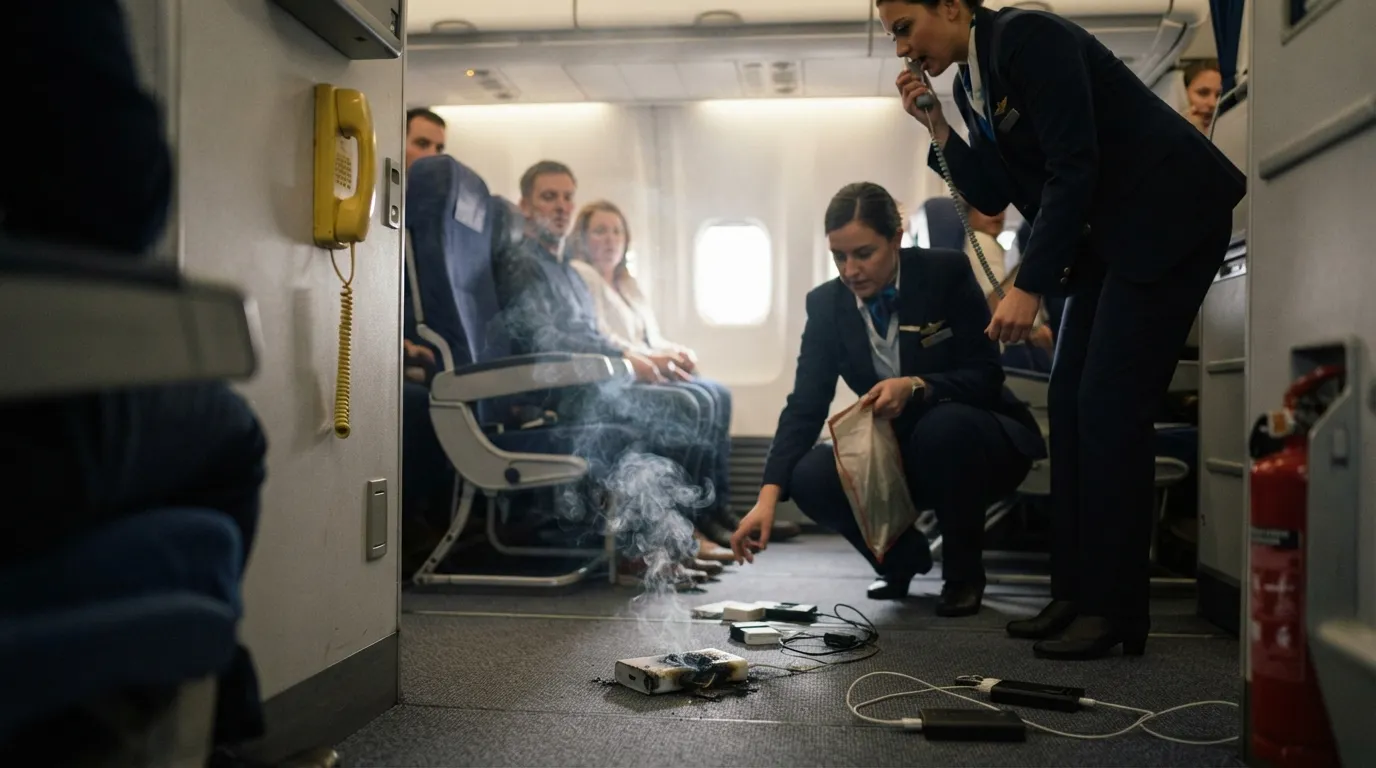
In 2010, a UPS cargo jet crashed near Dubai after a fire in the cargo hold, which carried lithium batteries. Both pilots died.
Then in October 2016, a Samsung Galaxy Note 7 began smoking on a Southwest flight in Louisville. Everyone evacuated before takeoff, and days later the US Department of Transportation banned the phone from flights.
Today, spare lithium batteries belong in the cabin, not in checked bags. But what happens inside the aircraft in a crash matters, too.
#8 – 16g Seats
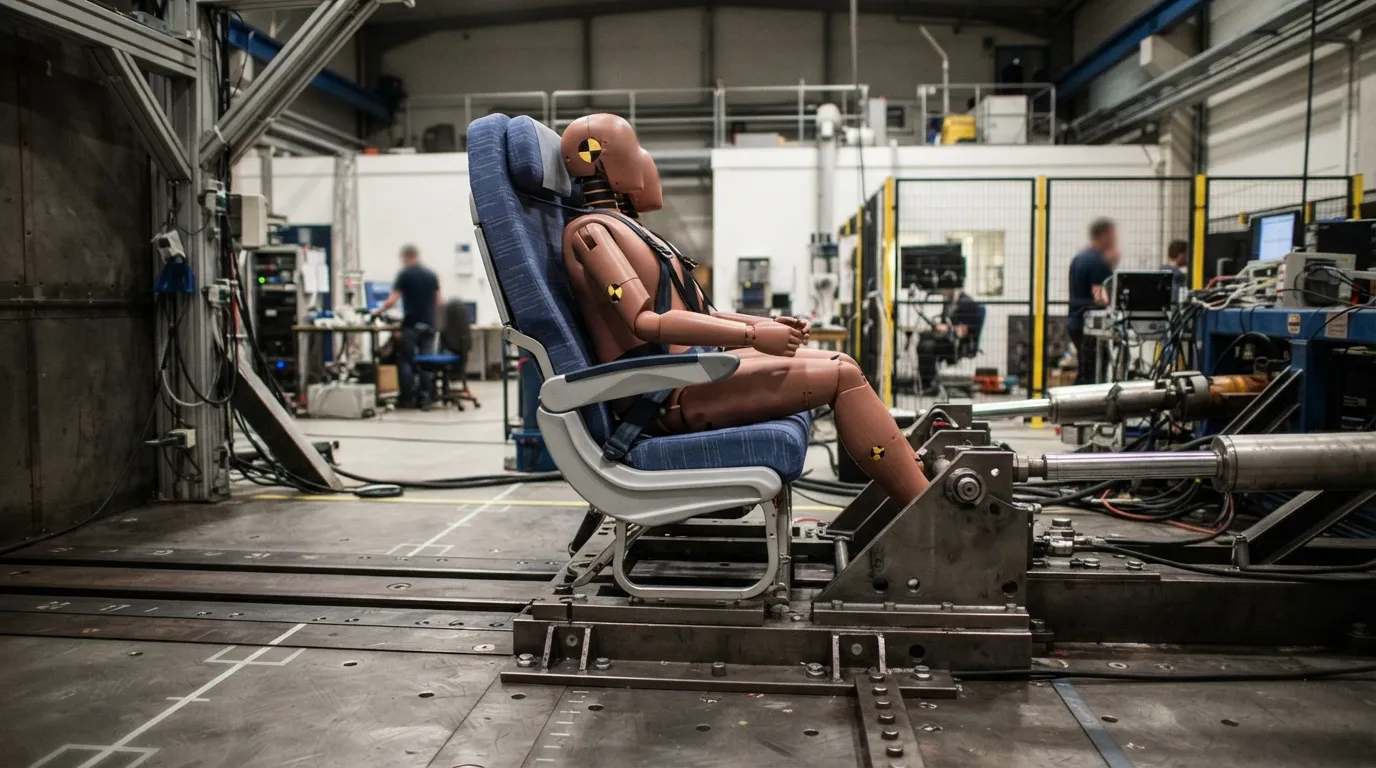
Dynamic crash tests showed that many seats tore loose under impact. In 1988, the FAA required seats on new aircraft designs to pass 16g dynamic tests.
Those seats are tested against forward crash forces, because a seat that stays attached can save lives. In a survivable crash, the seat can be the difference.
A seat that holds is useless if people can’t get out fast. So the next rule is about the clock.
#7 – The 90-Second Evacuation Standard
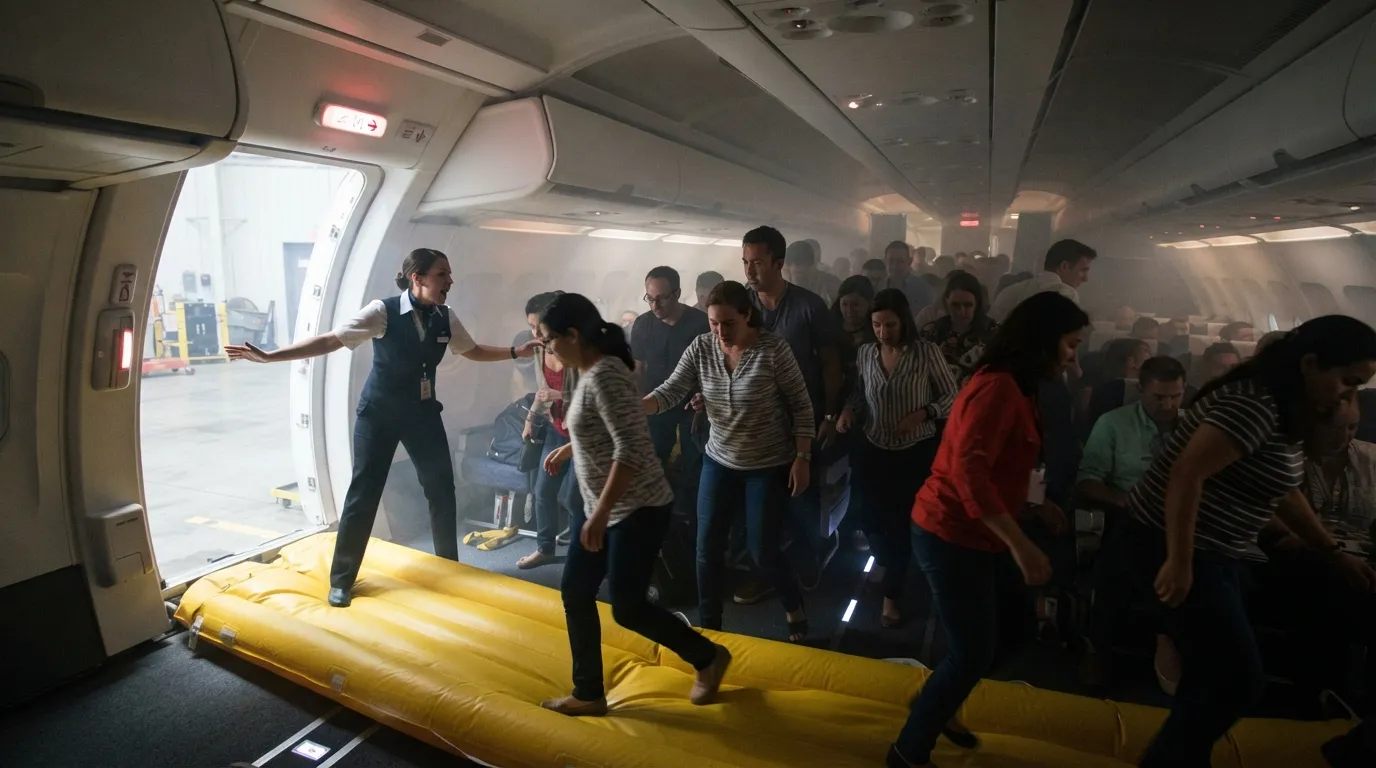
Since the 1960s, airliners must prove they can empty a full load of passengers in 90 seconds. The test assumes half the exits are blocked.
In 2005, Air France Flight 358 overran a runway in Toronto and burned. All 309 people aboard survived.
Worth Knowing
- The clock: 90 seconds to get everyone out.
- The handicap: only half the exits can be used in the test.
- The real-world proof: Flight 358 crashed on August 2, 2005, and everyone got out of a burning Airbus A340.
- The takeaway: those seconds are why crews repeat the exit briefing every flight.
That is why crews drill exits constantly. And the next rule concerns something that disappears when a cabin fills with smoke.
#6 – Floor-Level Emergency Lighting
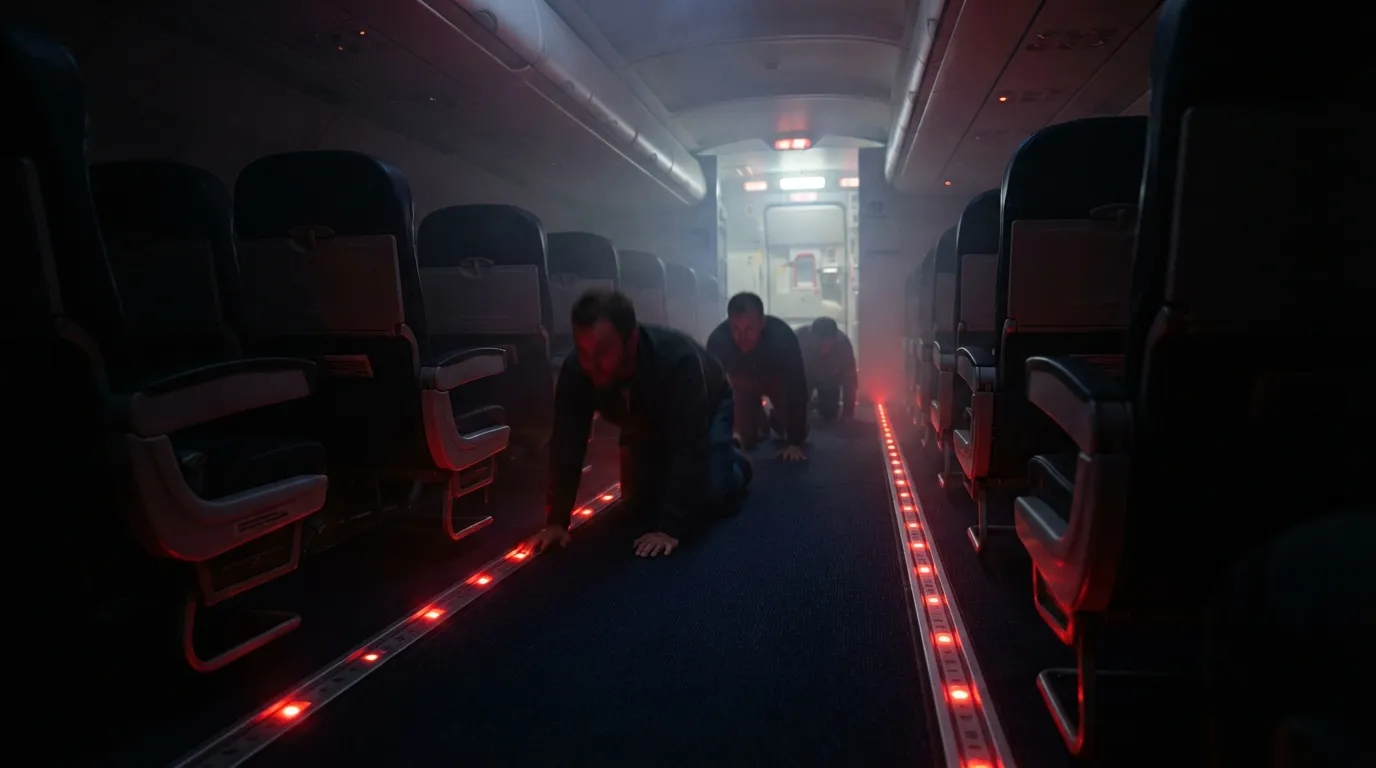
In real cabin fires, smoke rises and hides the overhead exit signs. People crawl in the dark, looking for a way out.
In the 1980s, the FAA required lights along the floor. Crews now tell passengers to follow them.
One more rule applies to the seat you may be sitting in right now.
#5 – Exit Row Seating Rules
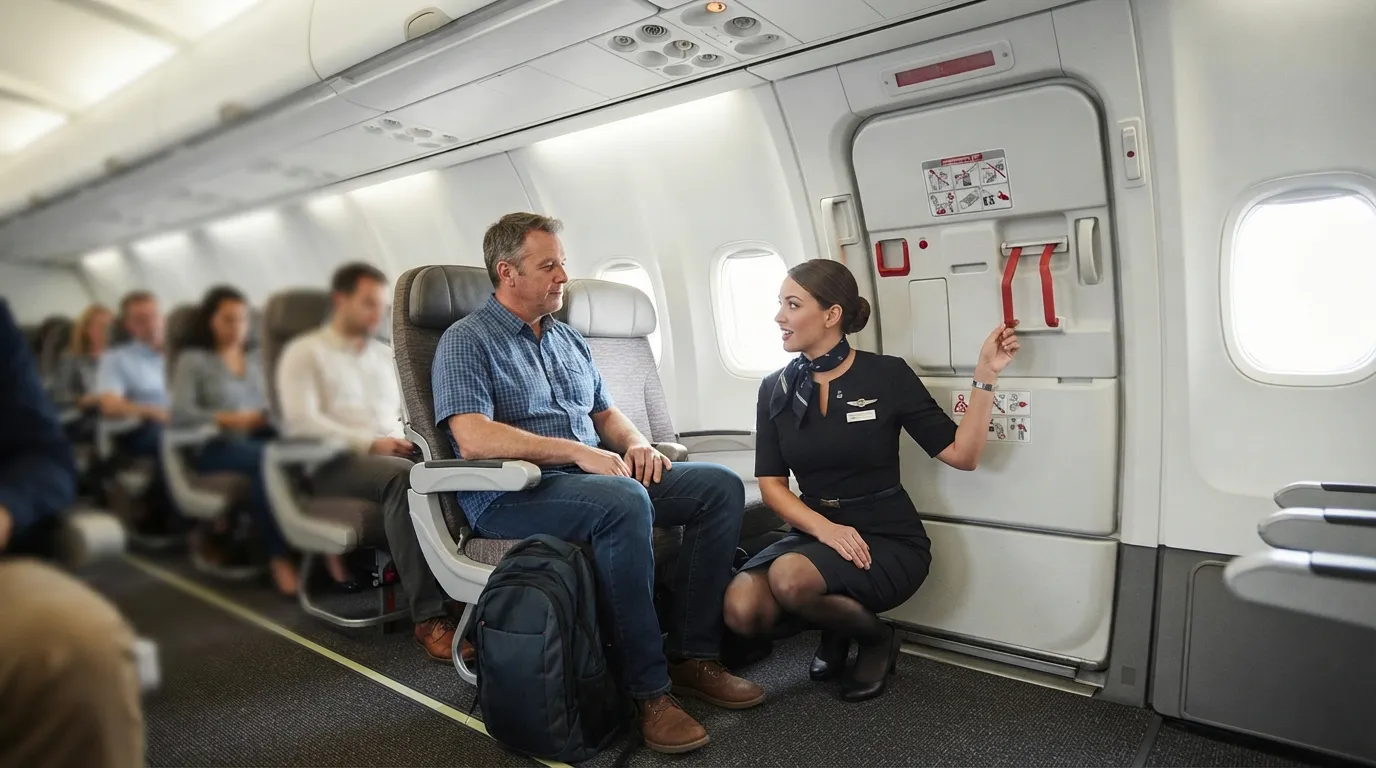
An exit row is not just a seat with extra legroom. The FAA formalized rules in 1990 so that those seats must be occupied by passengers able to operate the exit.
That is why crews ask the question out loud and can move you if you can’t or won’t help. A person who freezes at the door can cost others precious seconds.
Next, the same lesson shows up in the cockpit, with one of the most puzzling crashes of the 21st century.
#4 – Stall and Upset Recovery Training
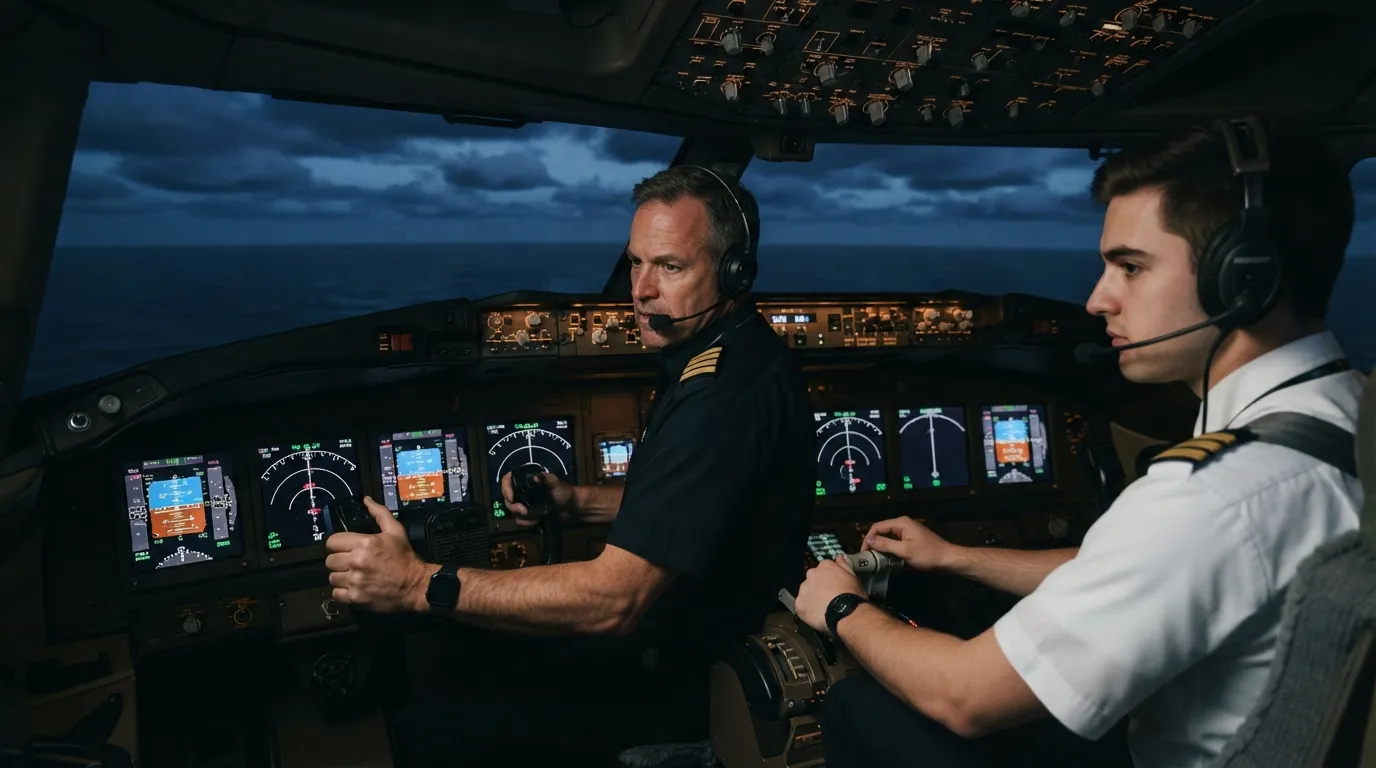
In June 2009, Air France Flight 447 lost reliable speed readings over the Atlantic. The autopilot disengaged, and the crew held the nose up while the plane stalled. All 228 people aboard died.
The FAA finalized stronger stall and upset recovery training in 2013, with full compliance phased in by 2019. Pilots now practice what to do when the aircraft stops flying as expected.
Another danger lurks in a sky that looks perfectly calm.
#3 – Wind Shear Detection Systems
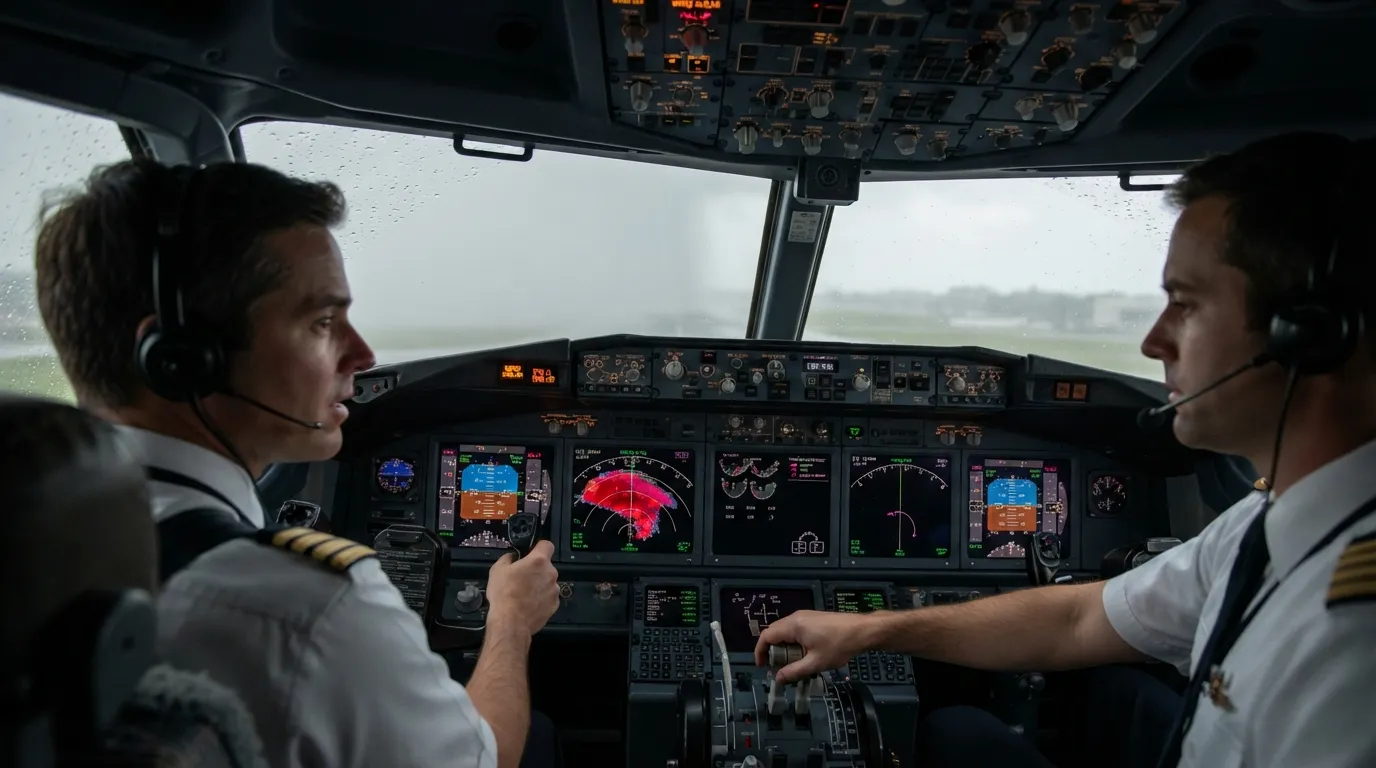
On August 2, 1985, Delta Flight 191 flew into a microburst while approaching Dallas/Fort Worth. The plane hit the ground short of the runway, and 134 people died.
In 1988, the FAA required airborne wind shear detection on airliners, with a 1993 deadline. Crews now practice escape maneuvers in simulators.
But the best technology fails if someone in the cockpit is afraid to speak up. That’s next.
#2 – Crew Resource Management Training
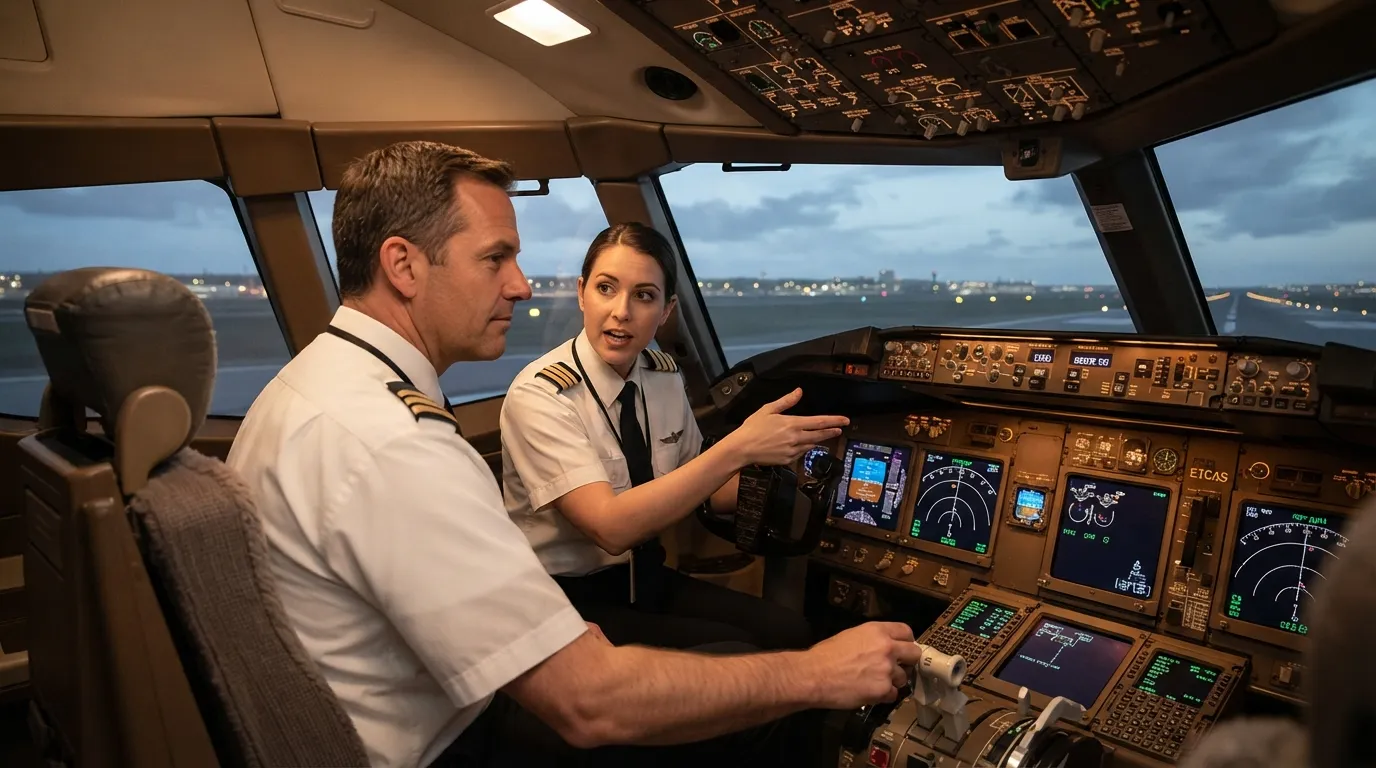
On December 28, 1978, United Flight 173 circled Portland while the crew troubleshot a landing gear problem. The plane ran out of fuel, and 10 people died.
Other crew members had raised concerns, but the message did not get through. A NASA workshop in 1979 led to crew resource management, and United launched its program in 1981.
Junior crew members are now trained to speak up, and captains are trained to listen. The final rule involves a single word and the deadliest accident in aviation history.
#1 – The Word “Takeoff” Is Reserved
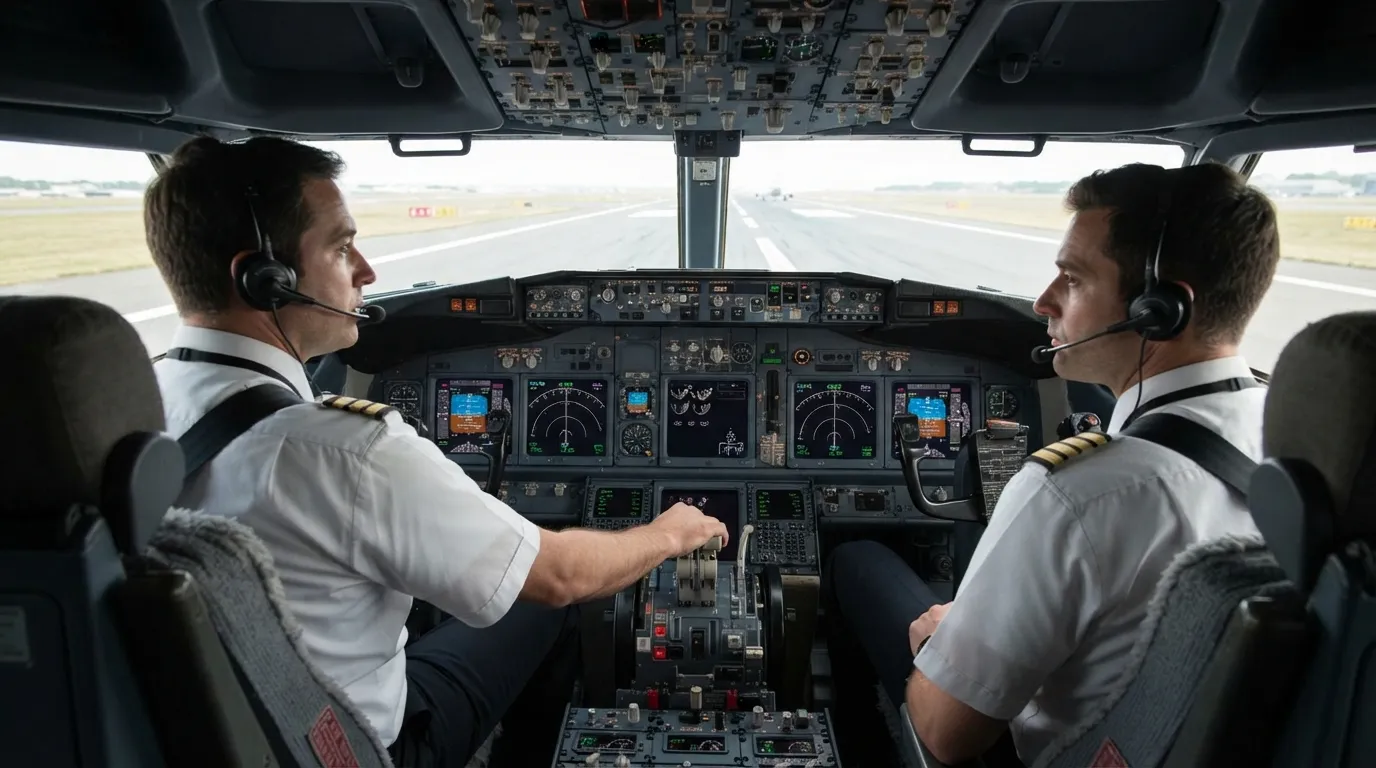
On March 27, 1977, two Boeing 747s collided on a fog-covered runway in Tenerife. A total of 583 people died.
The KLM crew began its takeoff roll without a clear takeoff clearance, and radio messages were misunderstood. The first officer’s hesitation also became a classic case for crew resource management.
Since then, aviation phraseology has been tightened. “Takeoff” is used only when a takeoff clearance is actually being given, and readbacks are stressed.
Why It Stands Out
- Scale: 583 deaths, the deadliest accident in aviation history.
- Setting: neither plane was meant to be there. Both had been diverted to Tenerife.
- Aircraft: KLM Flight 4805 and Pan Am Flight 1736.
- Legacy: a tighter radio vocabulary and a push toward speaking up in the cockpit.
Behind every dull line in the safety briefing is a day someone wished it already existed.