You’ve probably sung along to a song from this list without once thinking about the movie behind it. That’s the quiet trick of the film commission: a song gets built for one scene, one character, one deadline, then slips out of the theater and into the world.
These 18 songs were all written for films and went on to become chart hits, award winners, or both. Some were rescues. One started as a backup plan. One was written with fingernails for percussion. And the countdown ends with a chart-topper many of us watched take over in real time.
#18 – White Christmas Quietly Outgrew Holiday Inn
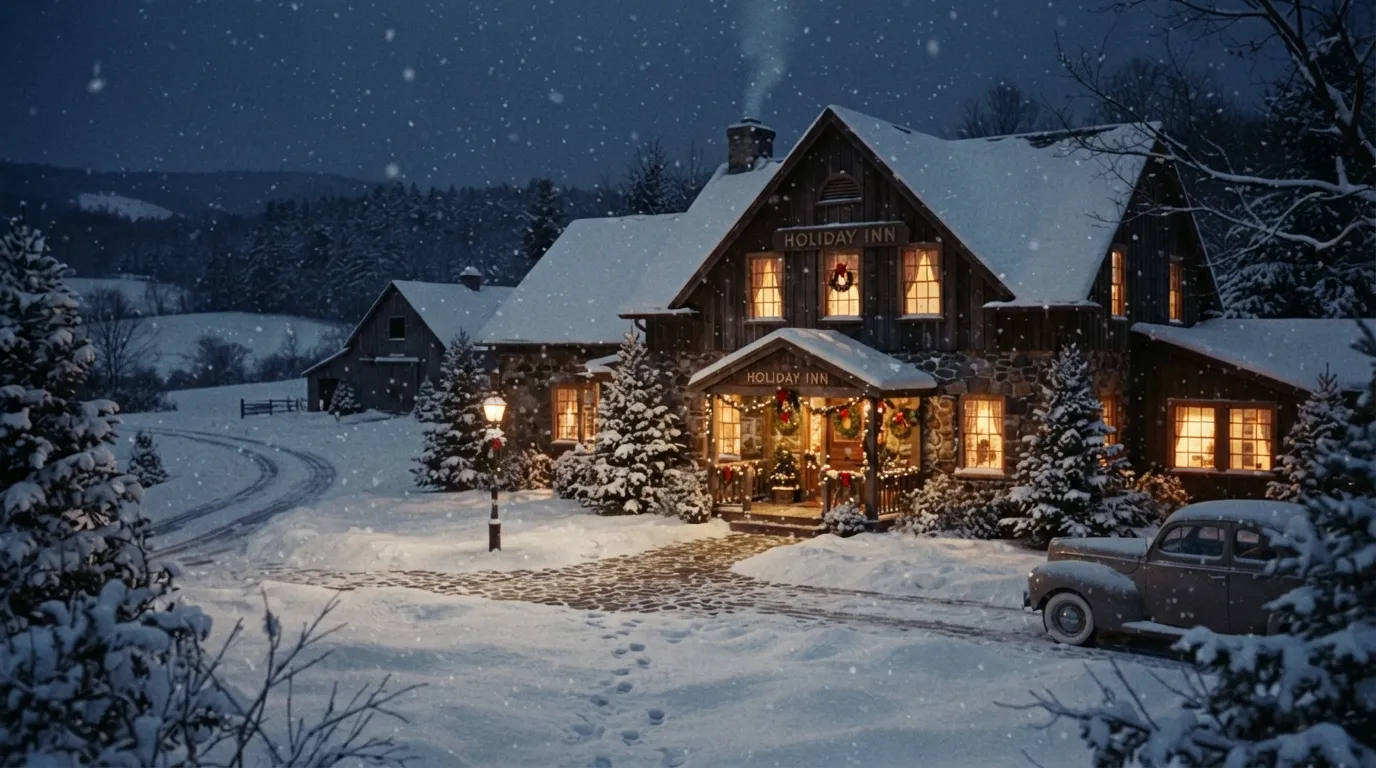
Irving Berlin wrote “White Christmas” for the 1942 film Holiday Inn, and Bing Crosby’s recording turned it into a seasonal ritual. At first, another song from the movie, “Be Careful, It’s My Heart,” got more of the attention.
Then “White Christmas” took over. It won the Academy Award for Best Original Song at the 1943 ceremony, and Crosby’s version is widely counted among the best-selling singles of all time.
Today, plenty of people who hum it every December couldn’t name the film it came from. That’s how completely the song left home.
The next one made a folk-rock duo into household names.
#17 – Mrs. Robinson Turned a Movie Request into a No. 1 Hit
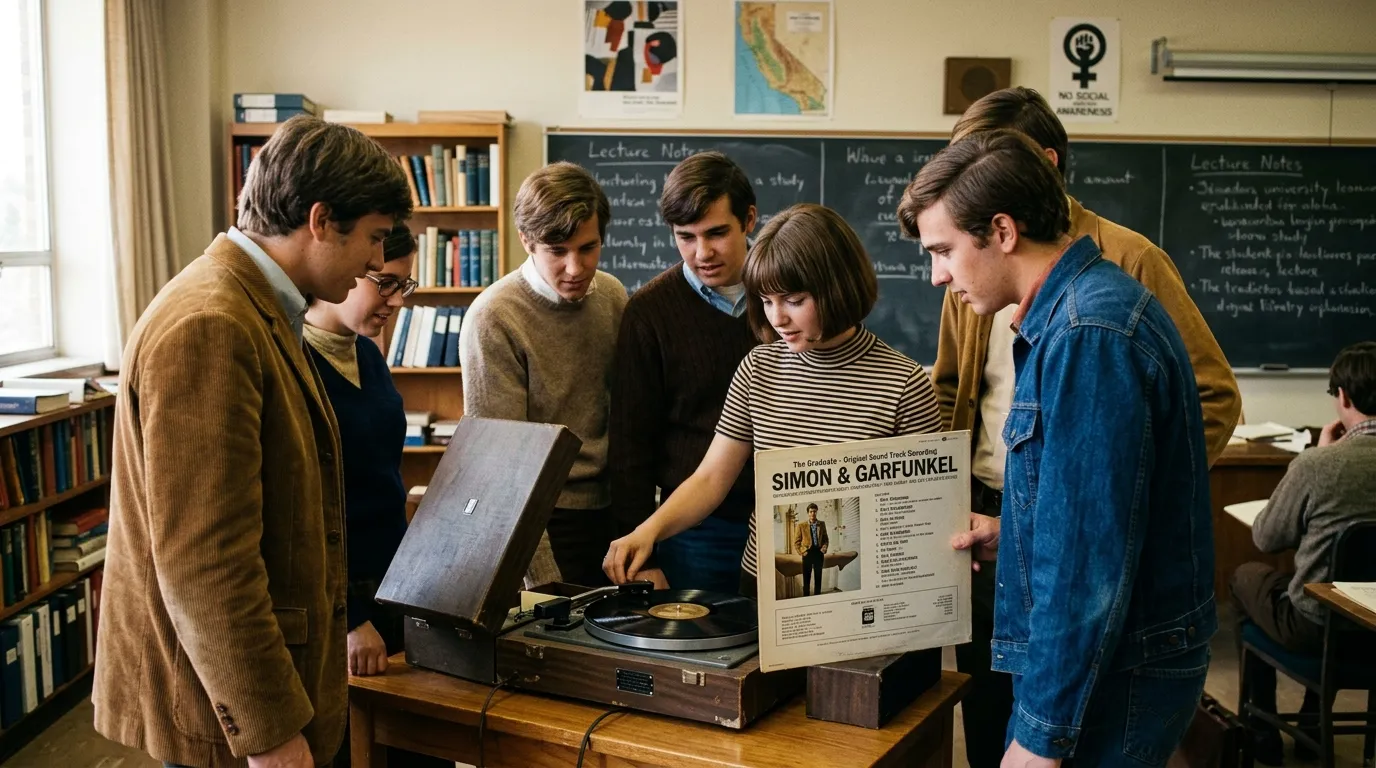
Director Mike Nichols wanted new songs from Simon & Garfunkel for his 1967 film The Graduate. Paul Simon had a work-in-progress tune, and it became “Mrs. Robinson.”
The song hit No. 1 on the Billboard Hot 100 and became the first rock song to win the Grammy for Record of the Year. Its sly, slightly jumpy folk-rock sound caught the film’s mood of restless young adulthood.
The film remains a landmark, but the song went on to live a life of its own on radio and in pop culture.
#16 – Theme from Shaft Made a Private Eye Sound Unstoppable
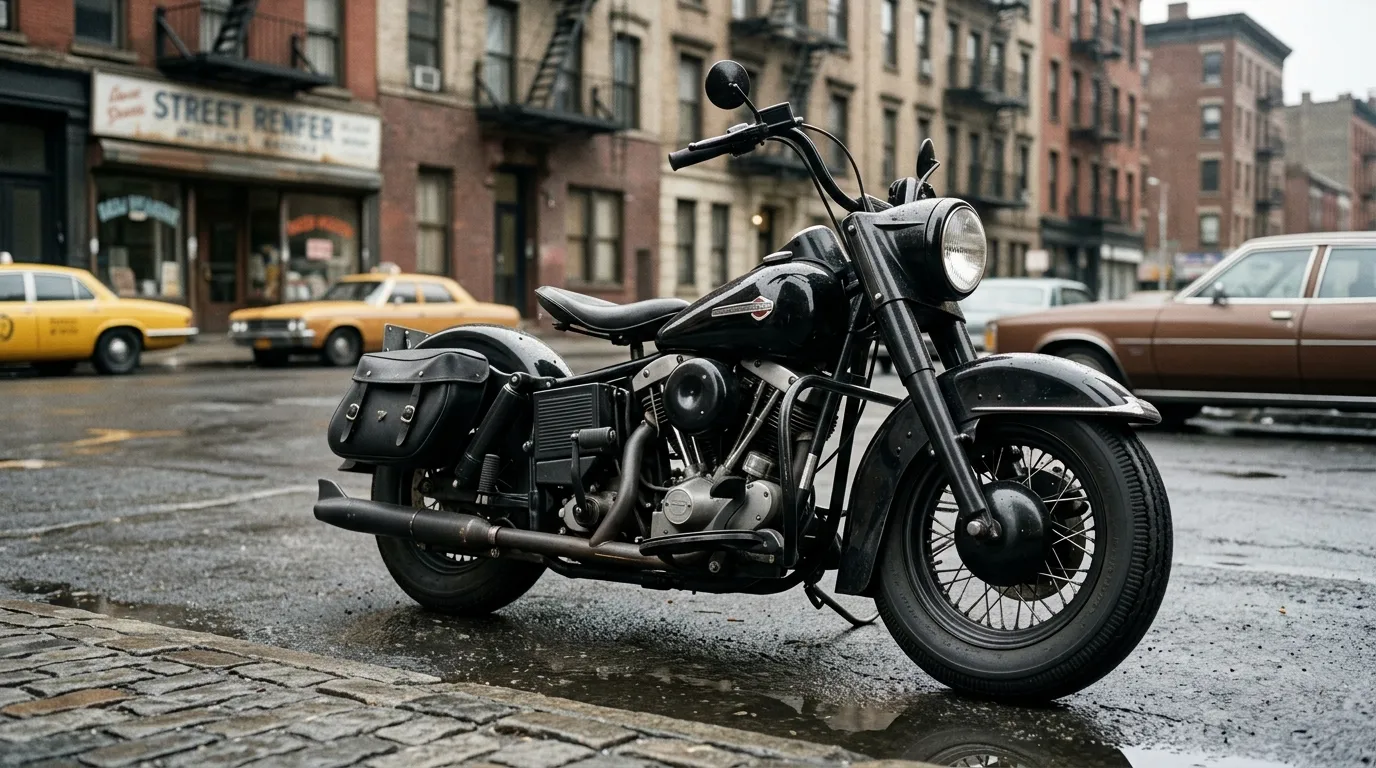
Isaac Hayes wrote and recorded the “Theme from Shaft” for the 1971 film Shaft. A wah-wah guitar, hi-hat pulse, and sweeping orchestral strings gave it a swagger that’s still instantly recognizable.
It topped the Billboard Hot 100 and won the Academy Award for Best Original Song. Hayes became the star of his own movie theme.
Fast Facts
- Film: Shaft (1971)
- Artist: Isaac Hayes, who wrote and recorded it
- Chart peak: No. 1 on the Billboard Hot 100
- Big honor: Academy Award for Best Original Song
Few film openings announce themselves this loudly. Next up, a ballad with a famously modest origin story.
#15 – Knockin’ on Heaven’s Door Outlived the Western It Was Written For
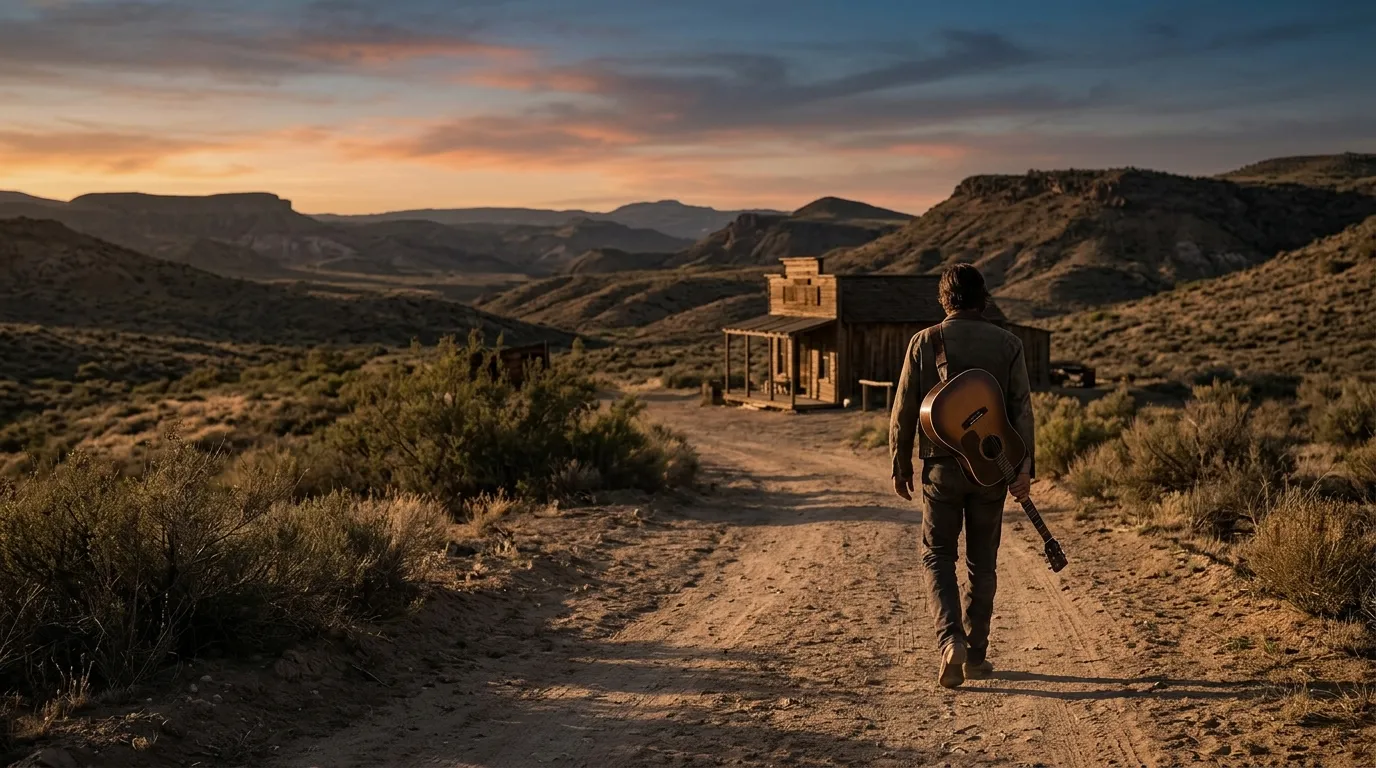
Bob Dylan wrote “Knockin’ on Heaven’s Door” for Sam Peckinpah’s 1973 Western Pat Garrett and Billy the Kid, and he also appeared in the film. The film got a rough reception at first, but the song didn’t.
The spare, weary ballad reached the top 20 on the Billboard Hot 100 and has been covered by artists across genres ever since.
It’s a small, quiet song that ended up much bigger than the movie it came from.
#14 – 9 to 5 Was Written With Fingernails as Percussion
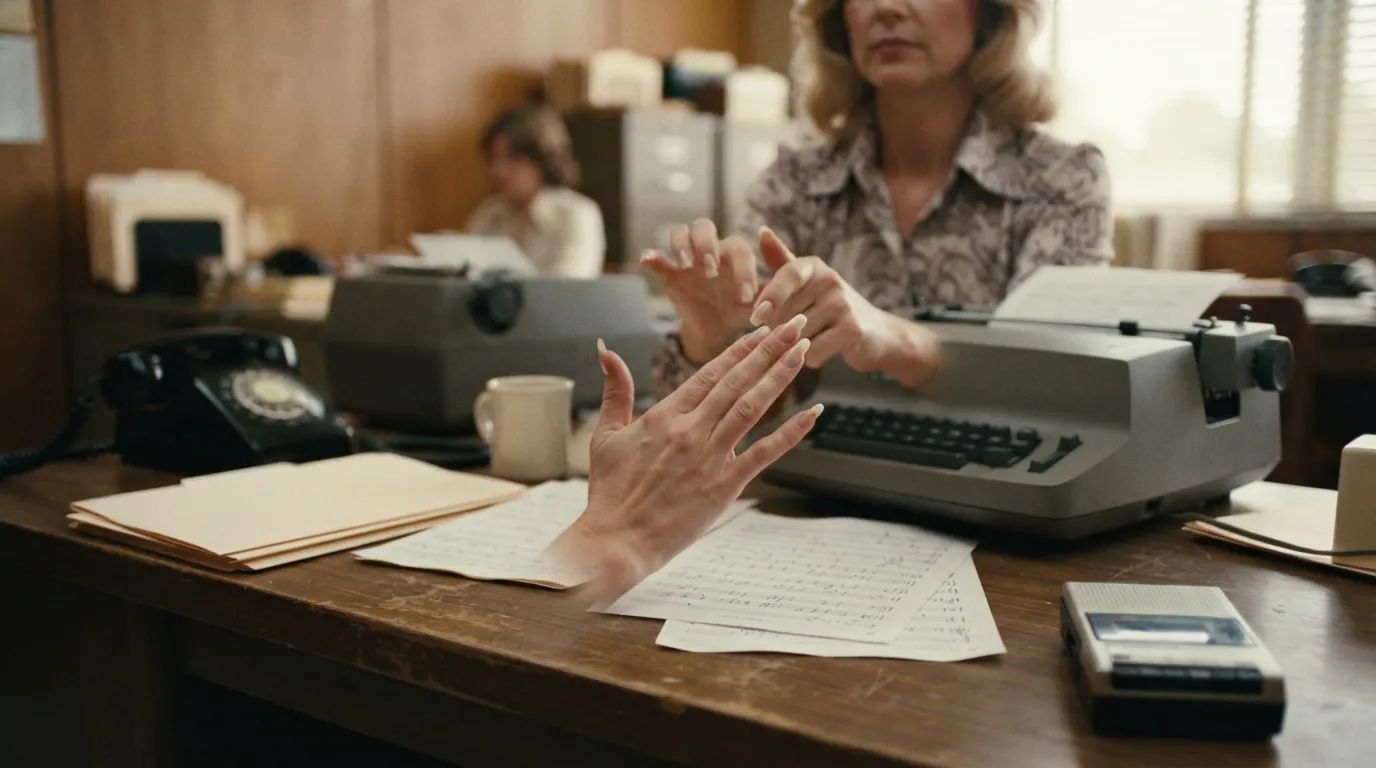
Dolly Parton wrote “9 to 5” for the 1980 comedy 9 to 5, tapping her acrylic nails together to create the rhythm. That clacking pulse became the song’s heartbeat.
It hit No. 1 on the Billboard Hot 100, earned an Oscar nomination, and won Grammys. Its lyrics about workday grind and being overlooked fit the film’s story of office sexism.
It also helped cement Parton as a crossover star, and it still gets quoted whenever people complain about the nine-to-five.
#13 – Eye of the Tiger Was Plan B That Became the Ultimate Pump-Up Track
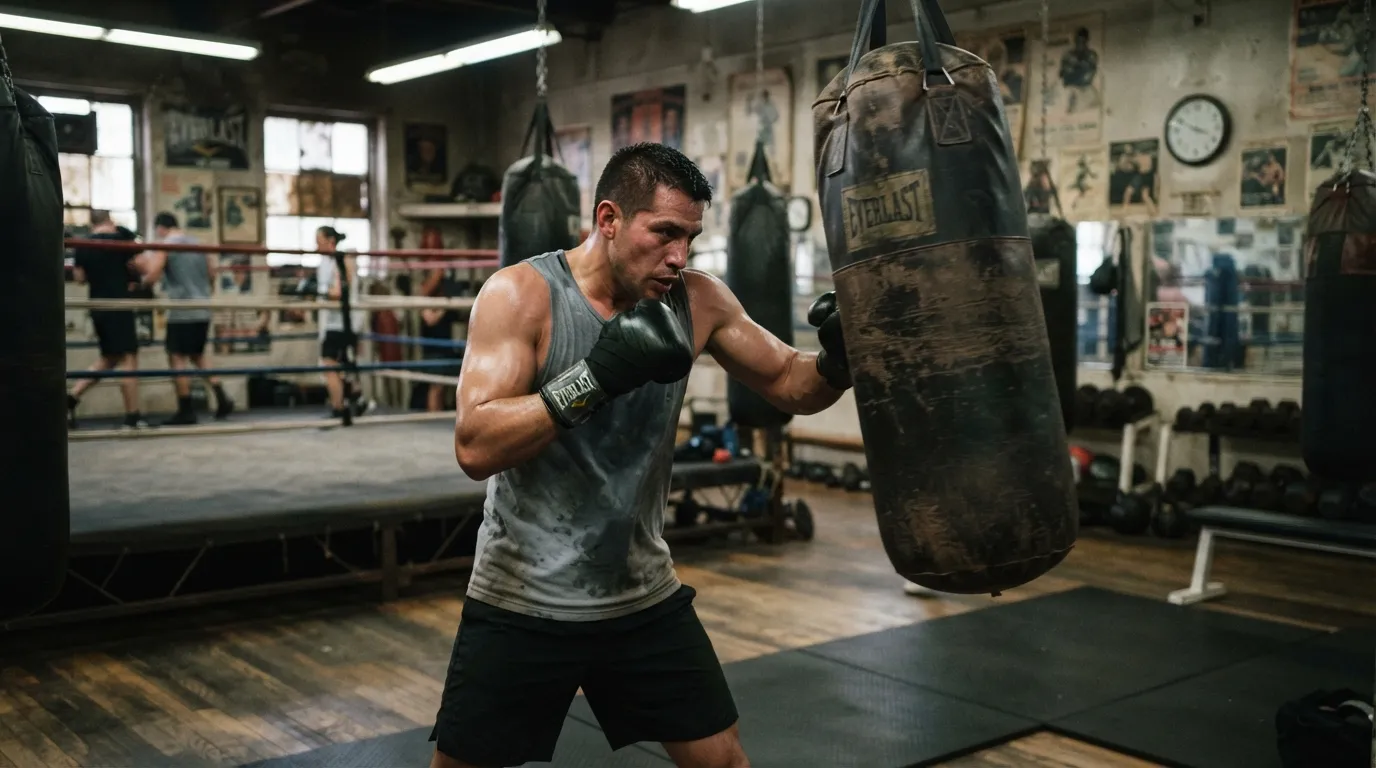
Sylvester Stallone wanted a Queen song for Rocky III, but it couldn’t be cleared. So he turned to Survivor, who wrote “Eye of the Tiger” for the 1982 film.
The song spent six weeks at No. 1 on the Billboard Hot 100 and won a Grammy. That driving riff has since followed athletes, gym-goers, and underdogs everywhere.
The movie told one comeback story. The song became the soundtrack for everyone else’s.
Next, a song that gave one of rock’s biggest bands its longest stay at the top.
#12 – Call Me Gave Blondie Its Longest Run at No. 1
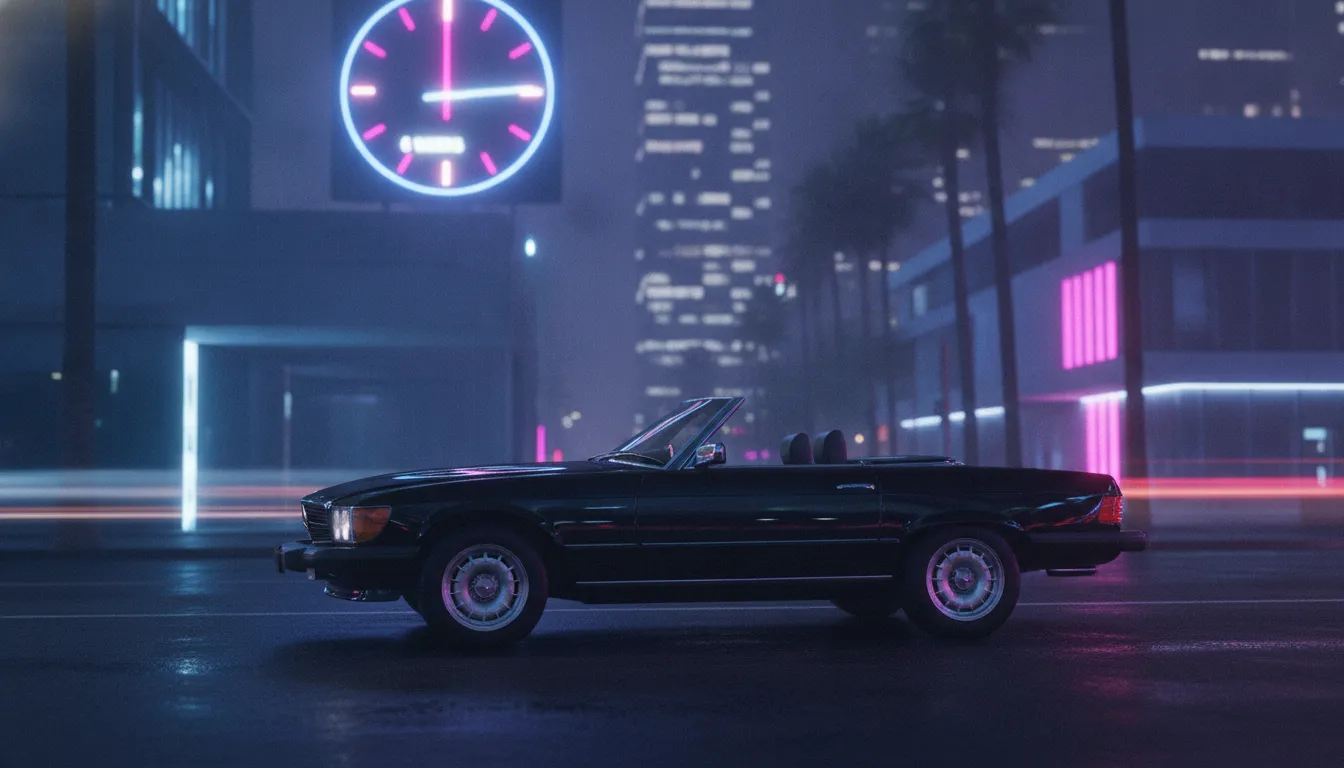
Giorgio Moroder composed the music for “Call Me” for the 1980 film American Gigolo. Debbie Harry wrote the lyrics, taking the perspective of the film’s story.
Blondie’s version spent six weeks at No. 1 on the Billboard Hot 100, the band’s longest stay on top. Its sleek, restless new-wave energy matched the film’s glossy, nocturnal mood.
Worth Knowing
- Moroder supplied the music, while Harry wrote the words.
- The film arrived in 1980, the same year as “9 to 5.”
- Six weeks at No. 1 remains Blondie’s longest run on the Hot 100.
- Moroder shows up again later in this countdown, with a very different mood.
Plenty of listeners know it as a Blondie classic first and a movie song second, if at all.
#11 – Stayin’ Alive Gave Disco Its Walk
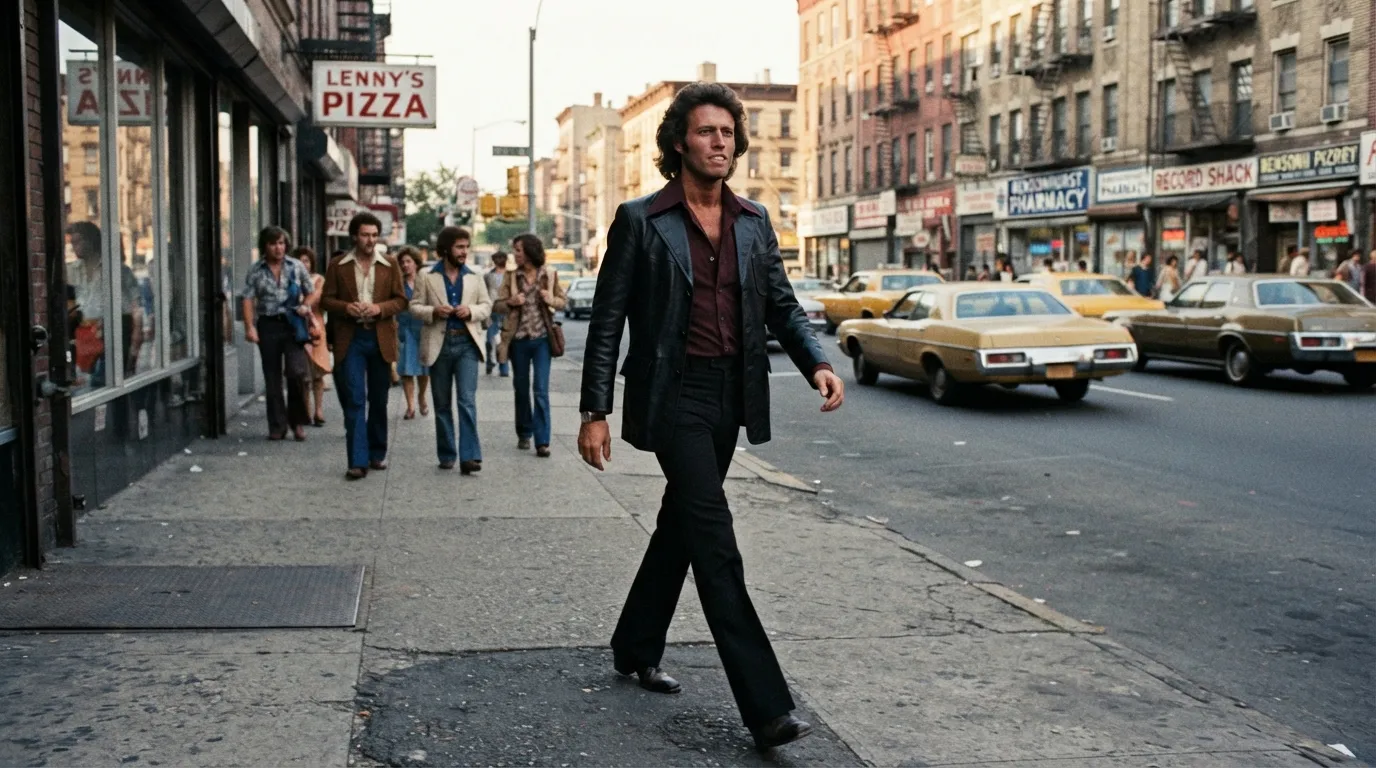
The Bee Gees wrote “Stayin’ Alive” for the 1977 film Saturday Night Fever, and it soundtracks one of the most famous opening strut sequences in movie history.
The single reached No. 1 on the Billboard Hot 100 and helped make the soundtrack one of the best-selling albums ever. Those falsetto harmonies over a relentless beat have kept it in circulation long after disco’s peak.
You can hear the song in a hundred places that have nothing to do with John Travolta. It’s still the default beat for a confident walk.
#10 – Take My Breath Away Became Top Gun’s Slow-Burn Love Song
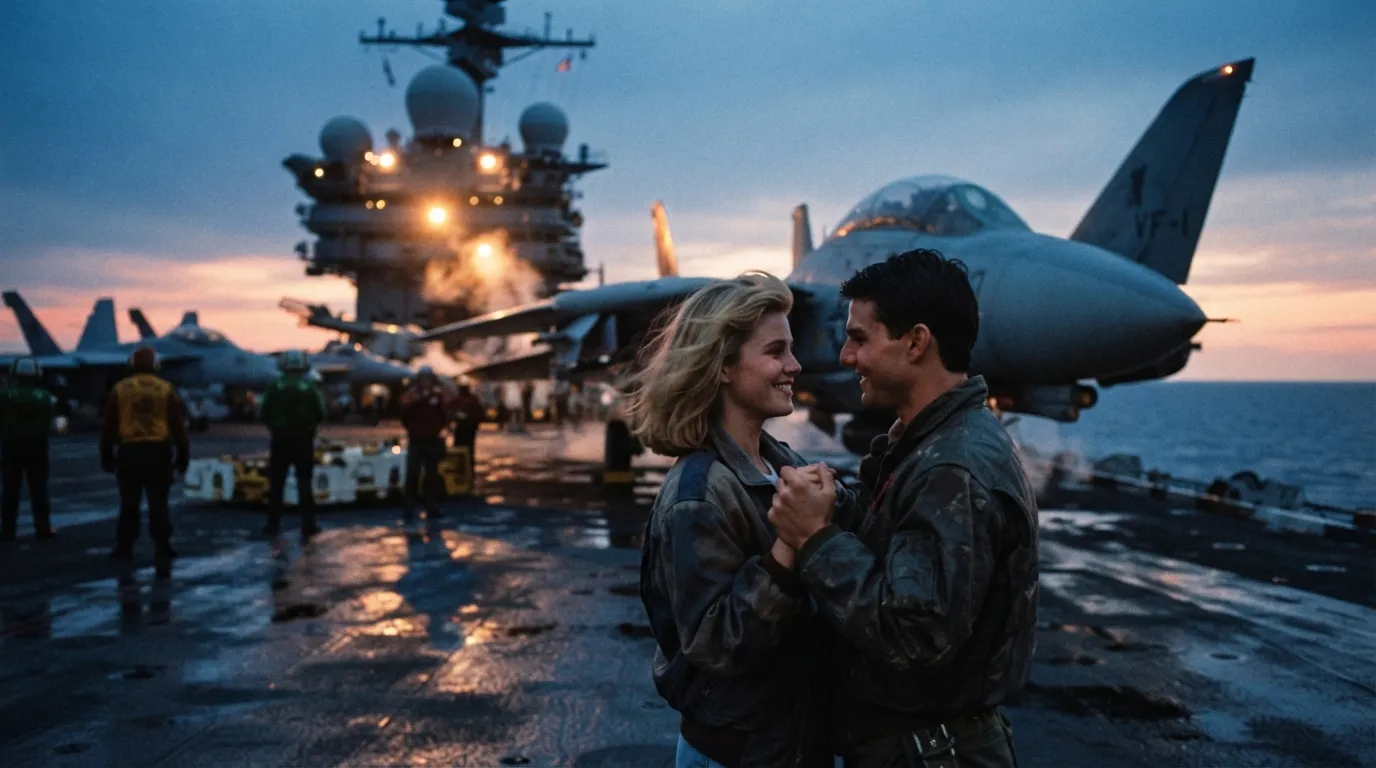
Berlin recorded “Take My Breath Away” for the 1986 film Top Gun, with music by Giorgio Moroder. It won the Academy Award for Best Original Song.
The song peaked at No. 3 on the Billboard Hot 100 and reached No. 1 in the UK. Its shimmering synths gave a movie full of jets and swagger a soft, romantic center.
It has since become a fixture of 1980s love-song playlists, often far from any fighter-pilot context.
#9 – Glory of Love Gave Peter Cetera His First Solo No. 1
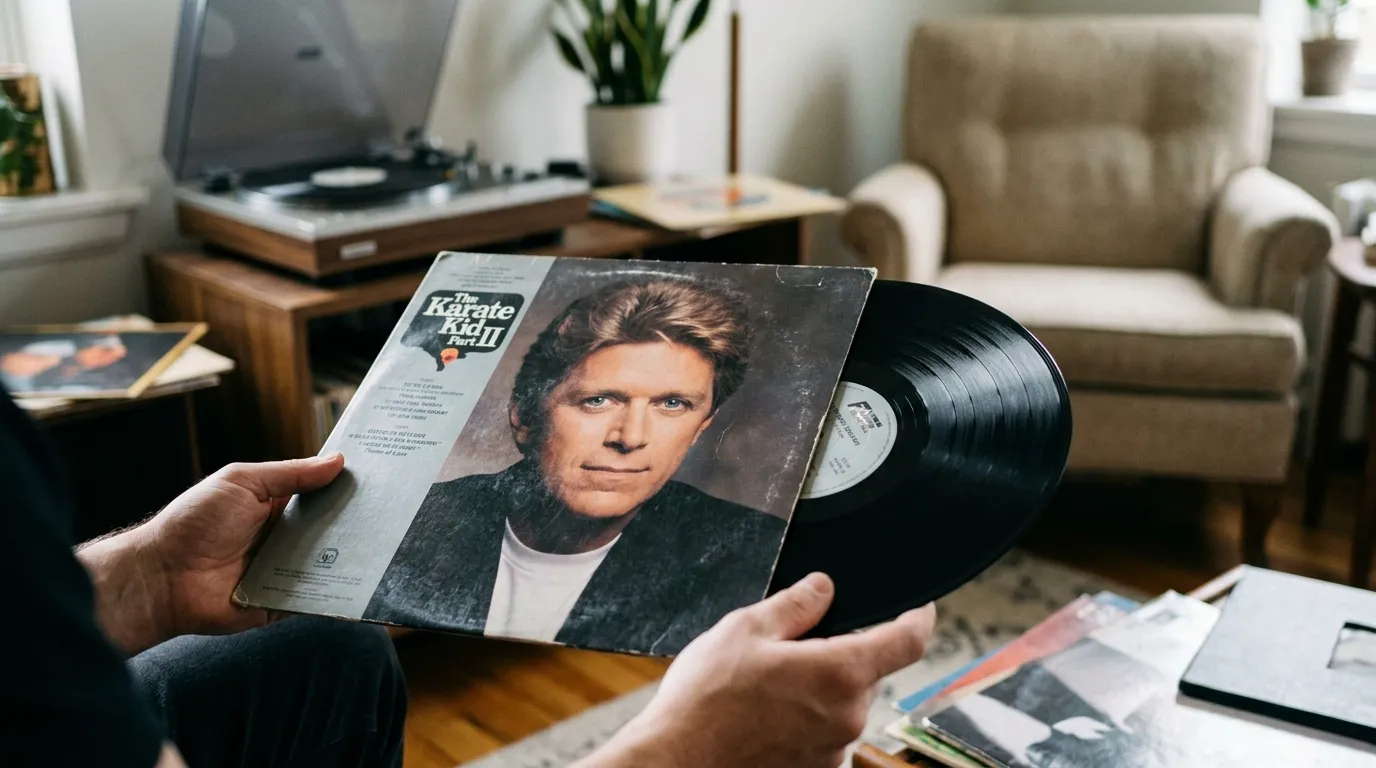
Peter Cetera co-wrote “Glory of Love” for The Karate Kid Part II in 1986, and it hit No. 1 on the Billboard Hot 100 for two weeks. It earned Oscar and Grammy nominations.
It was Cetera’s first solo No. 1, and its big, earnest chorus gave the film’s story of loyalty and perseverance a sing-along heart.
These days it’s as likely to turn up in a throwback playlist as in a movie marathon.
#8 – St. Elmo’s Fire (Man in Motion) Gave the Brat Pack an Anthem
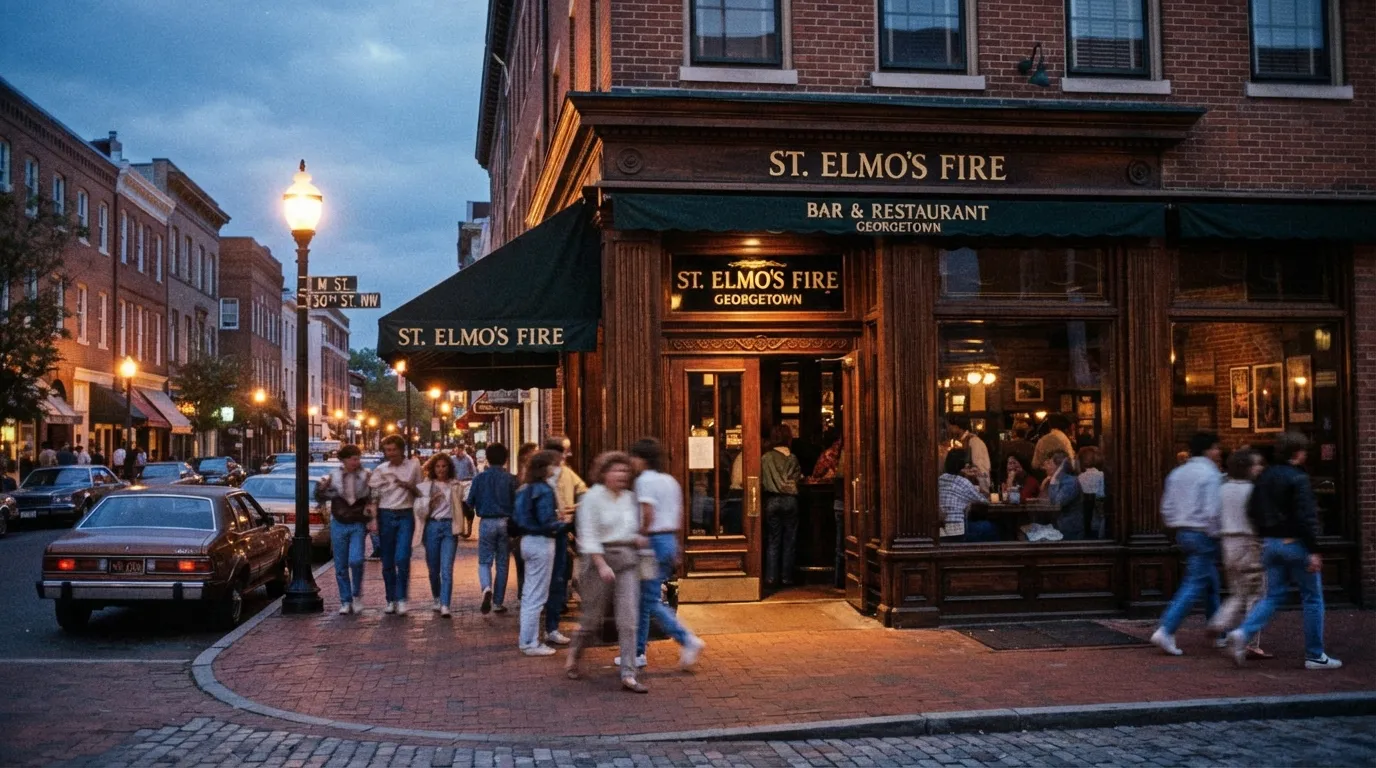
John Parr recorded “St. Elmo’s Fire (Man in Motion)” for the 1985 film St. Elmo’s Fire, a song co-written with David Foster. It reached No. 1 on the Billboard Hot 100.
The big, soaring chorus fit the film’s group of friends facing post-college life. It remains Parr’s biggest hit and a time capsule of mid-’80s ambition.
#7 – Lose Yourself Turned a Movie Role into Eminem’s Defining Moment
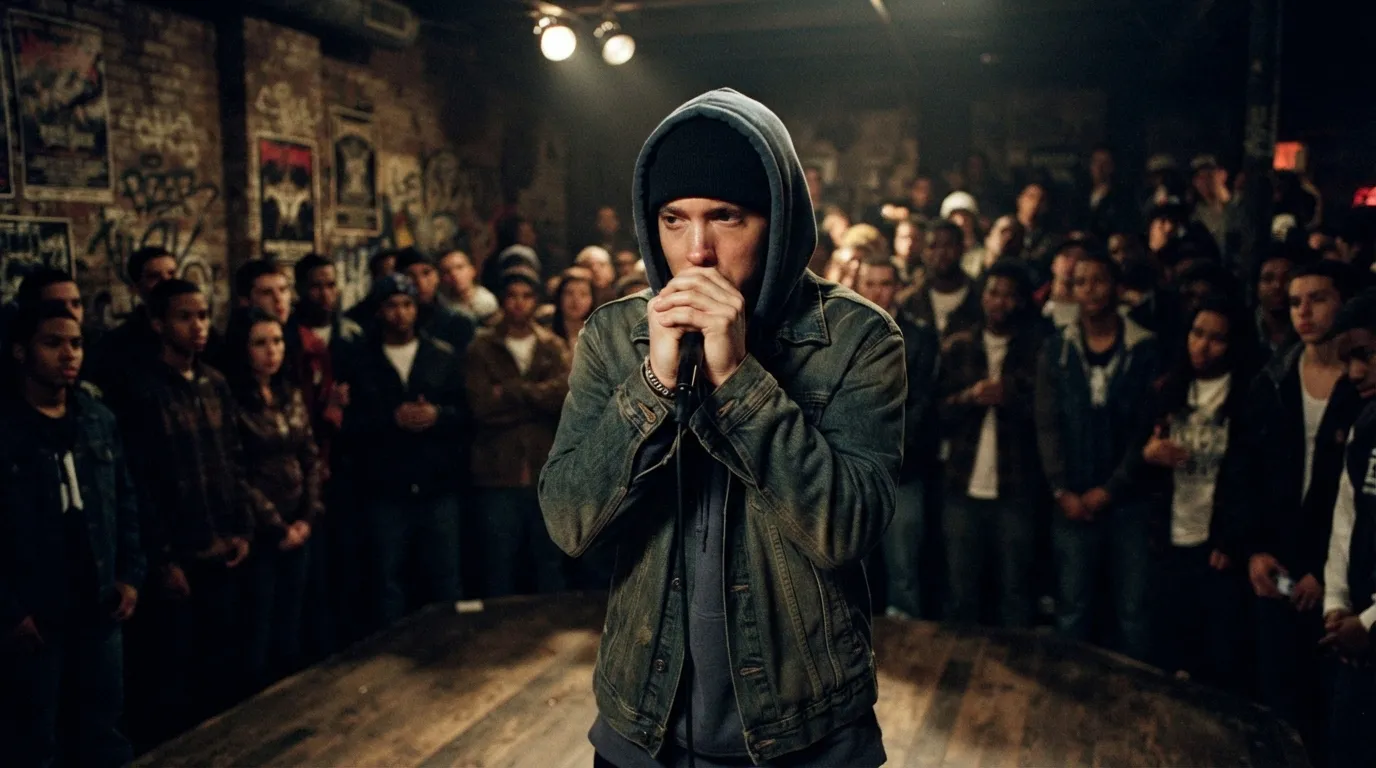
Eminem wrote “Lose Yourself” for the 2002 film 8 Mile, a song built from the point of view of his character’s struggle. It spent 12 weeks at No. 1 on the Billboard Hot 100.
It also became the first rap song to win the Academy Award for Best Original Song. Few movie songs have hit this hard, this long.
Up next, a ballad that climbed higher than the ship it sailed with.
#6 – My Heart Will Go On Sailed Past Titanic Itself
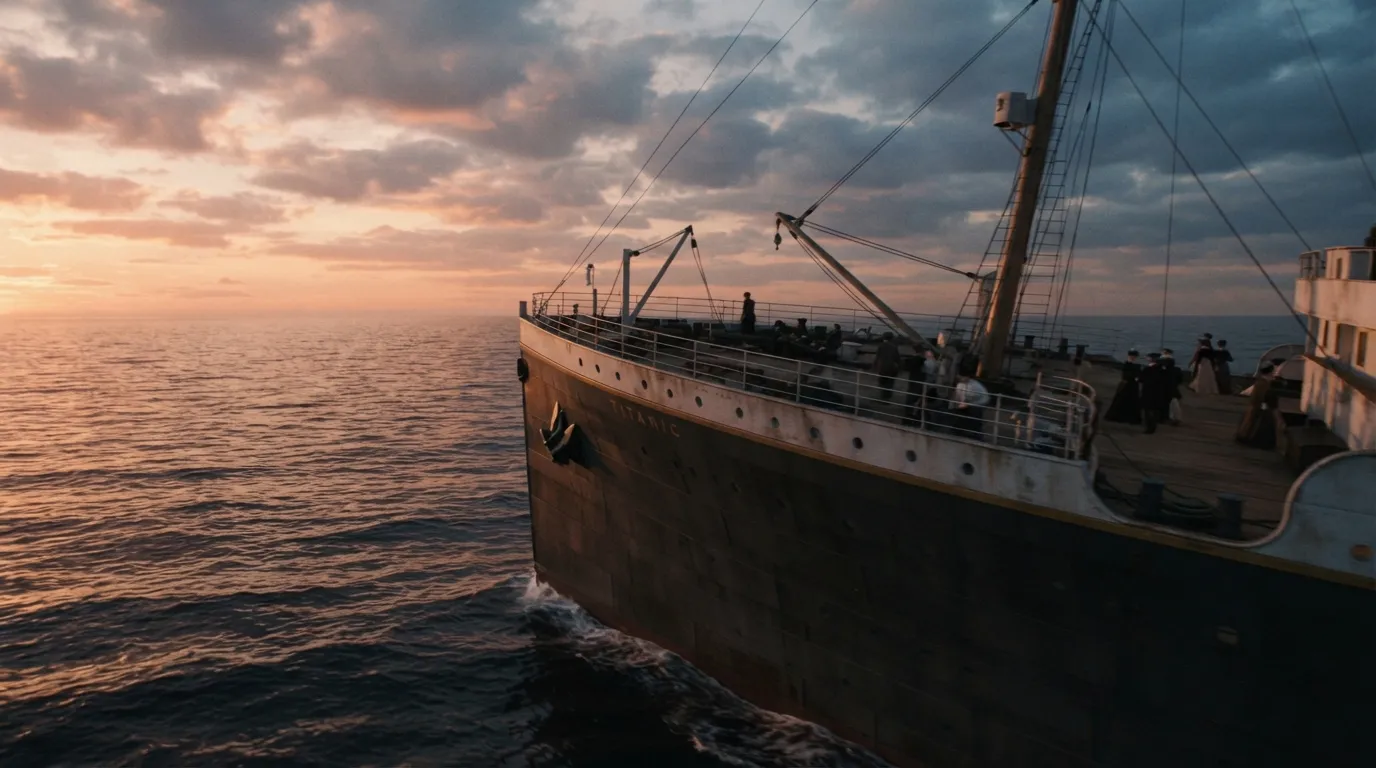
James Horner and Will Jennings wrote “My Heart Will Go On” for the 1997 film Titanic, and Celine Dion sang it. James Cameron was reportedly reluctant to include a pop vocal at first.
The song ended up topping charts in more than 25 countries and selling over 18 million copies, and it won an Oscar plus multiple Grammys. It became Dion’s signature song.
At a Glance
- Film: Titanic (1997)
- Writers: James Horner and Will Jennings
- Voice: Celine Dion
- Honors: an Oscar and multiple Grammys
The movie was a box-office giant, yet the song’s reach was arguably even more universal.
#5 – Let It Go Made a Disney Ballad a Playground Anthem

Kristen Anderson-Lopez and Robert Lopez wrote “Let It Go” for Disney’s 2013 animated film Frozen. Idina Menzel’s version peaked at No. 5 on the Billboard Hot 100.
It won the Academy Award for Best Original Song and became a worldwide singalong, especially among young fans. For a while, it was almost impossible to avoid.
The song became a standalone pop event, often played without any reference to the movie.
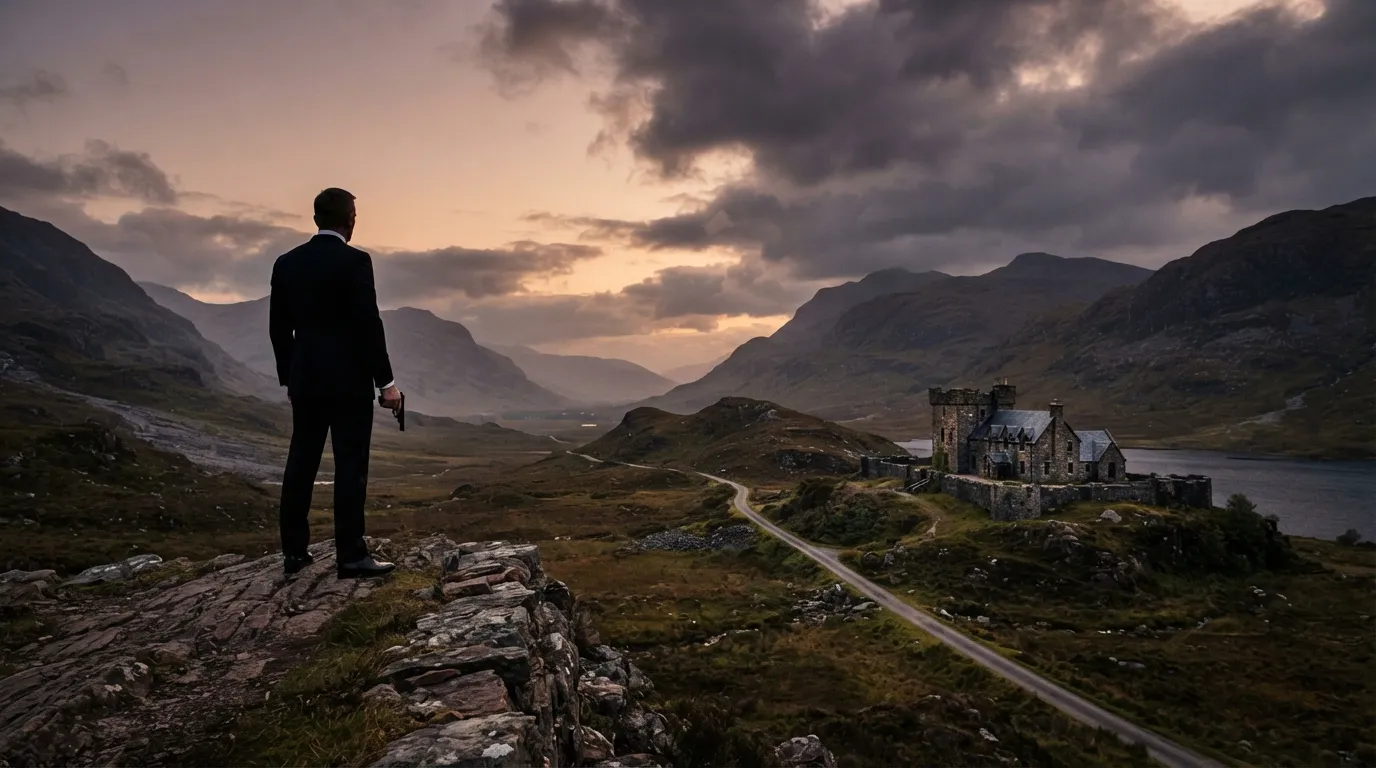
#4 – Skyfall Brought a Bond Theme Its First Oscar
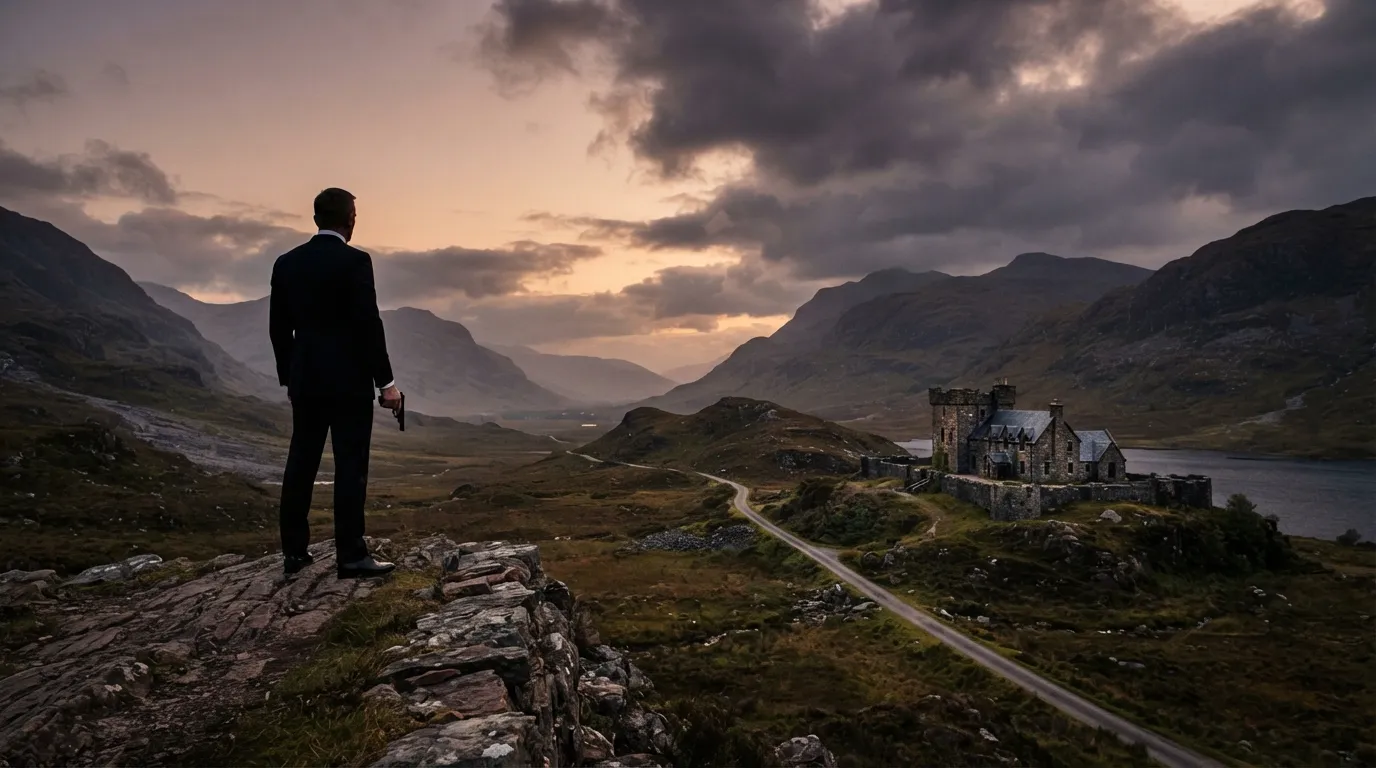
Adele co-wrote “Skyfall” with Paul Epworth for the 2012 James Bond film of the same name. It reached the top 10 in both the U.S. and the UK.
The song won the Academy Award for Best Original Song, the first Bond theme to do so, along with a Grammy. Its dramatic, orchestral build is built for the Bond tradition.
Why It Stands Out
- Adele co-wrote it with Paul Epworth.
- It was the first Bond theme to win the Oscar for Best Original Song.
- It cracked the top 10 on both sides of the Atlantic.
- It also picked up a Grammy.
It also confirmed Adele as a global force, and a modern Bond classic.
#3 – Shallow Turned a Movie Duet into an Awards Sweep
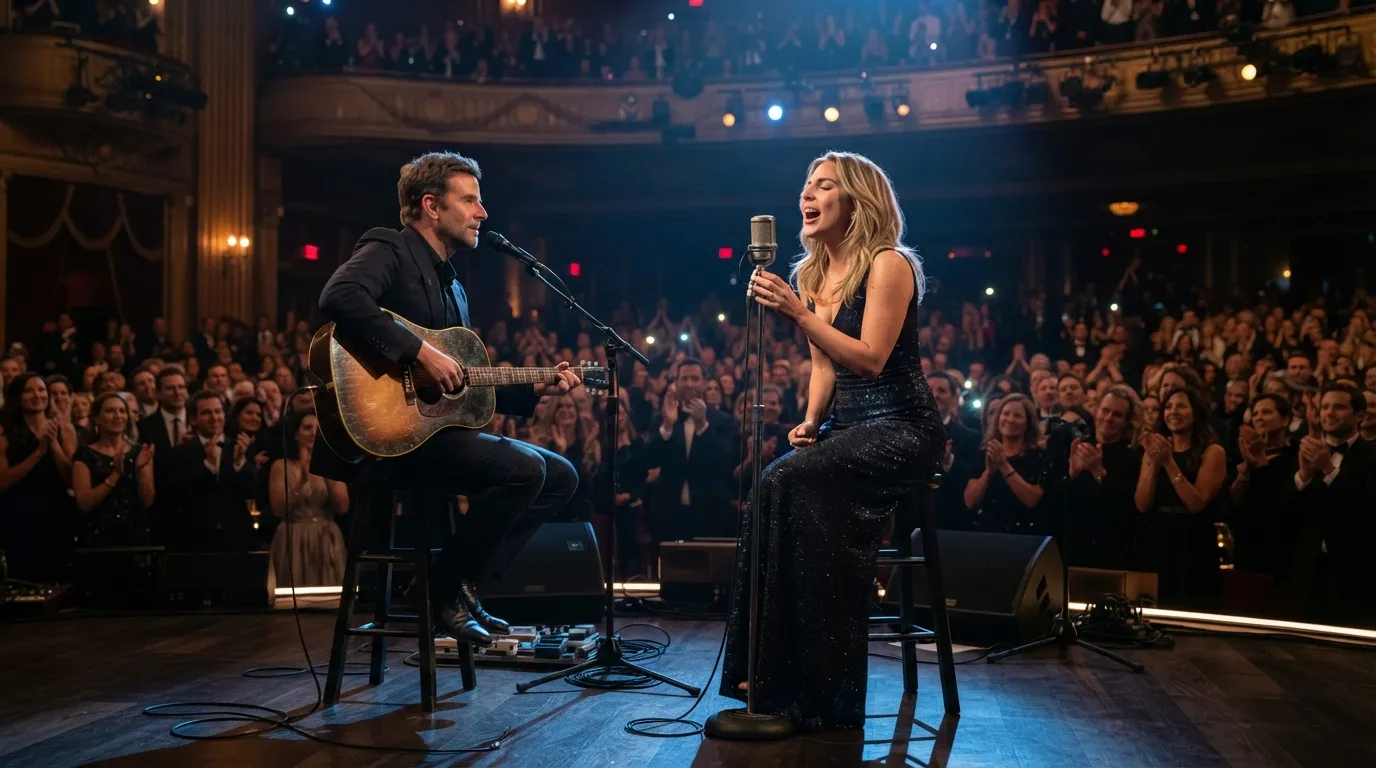
Lady Gaga, Mark Ronson, Anthony Rossomando, and Andrew Wyatt wrote “Shallow” for the 2018 remake of A Star Is Born, and Gaga and Bradley Cooper performed it in the film.
The duet topped charts in many countries and won an Oscar, a Golden Globe, and Grammys. That slow build into the big vocal leap is what people remember.
It has since become a modern standard, performed far outside the film.
#2 – Young and Beautiful Gave Gatsby a Heartbreaking Soundtrack
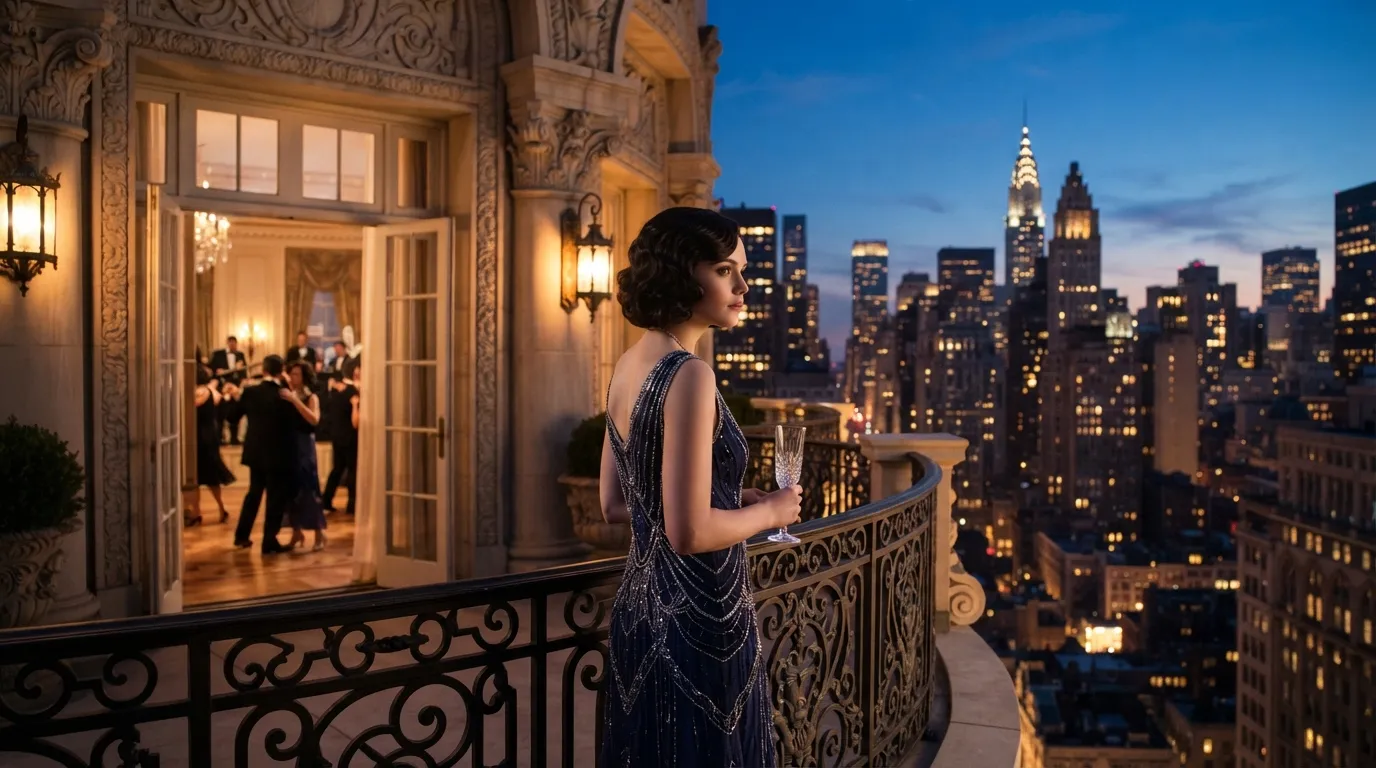
Lana Del Rey wrote “Young and Beautiful” with Rick Nowels for Baz Luhrmann’s 2013 adaptation of The Great Gatsby. The soundtrack was executive produced by Jay-Z.
The song’s slow, swooning orchestration fit the film’s mix of glamour and tragedy. It became one of her best-known songs and has continued to pile up streams years after the film left theaters.
One last stop remains, and it’s the biggest recent surprise.
#1 – We Don’t Talk About Bruno Went from Family Gossip to Chart Takeover
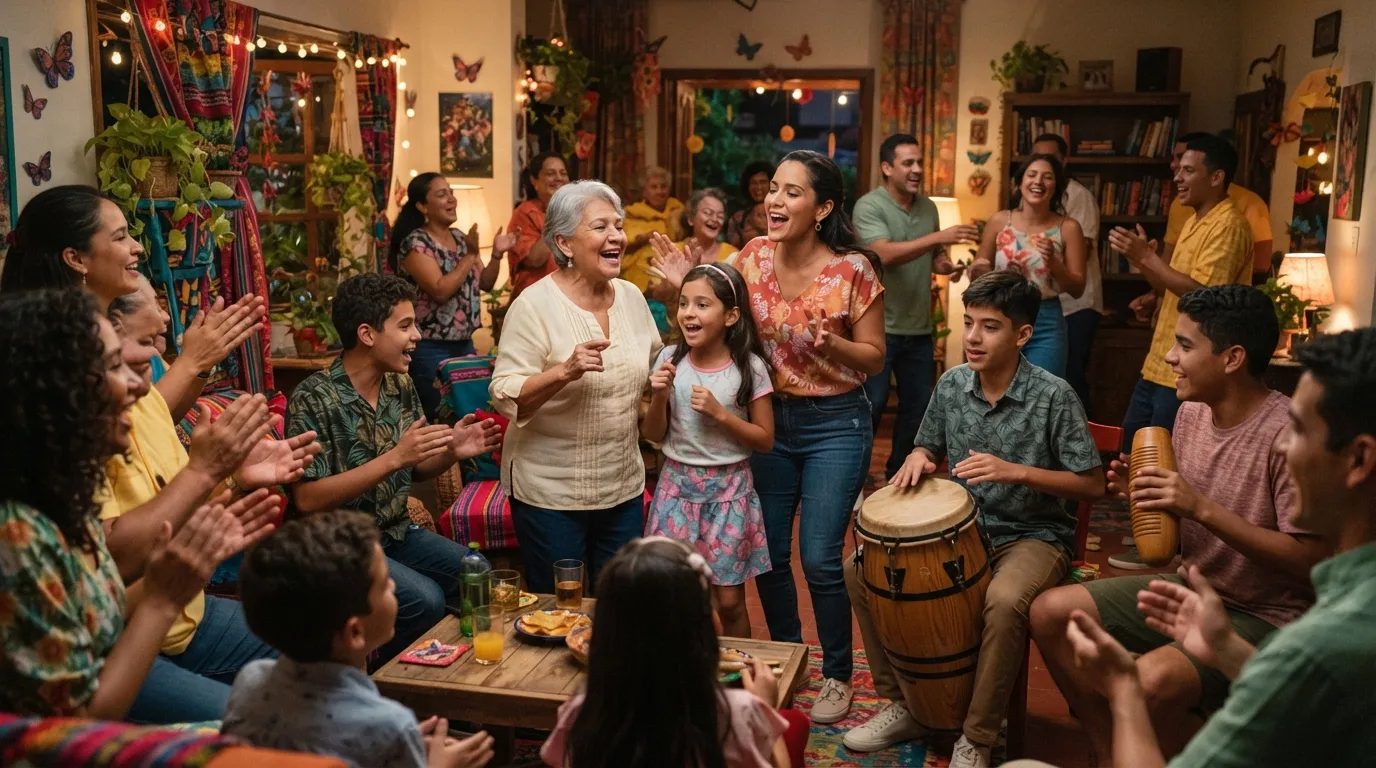
Lin-Manuel Miranda wrote “We Don’t Talk About Bruno” for Disney’s 2021 animated film Encanto. It’s an ensemble number, with different family members piling on whispered stories about the one relative nobody mentions.
The song hit No. 1 on the Billboard Hot 100, the first song from a Disney animated film to do so since “A Whole New World” in 1993. It also dominated streaming charts for weeks.
Its gossip-driven structure, Latin-inflected rhythms, and impossible-to-resist hook made it a social media and family sing-along phenomenon.
Look at the whole list and a pattern emerges. These songs were built for one story, then outgrew it. Some became anthems at the gym, in the car, or at the holidays, and some have outlived the films they were made for.
Which one did you assume was just a radio hit all along?