You probably expected a longer cruise with more time to unwind. Then the second sea day arrives, and the ocean starts setting its own rules.
Where you sleep, when you eat and what time it even is all work differently out here. Start with the one that surprises people most.
#17 – Your Cabin Choice Decides How the Ocean Feels
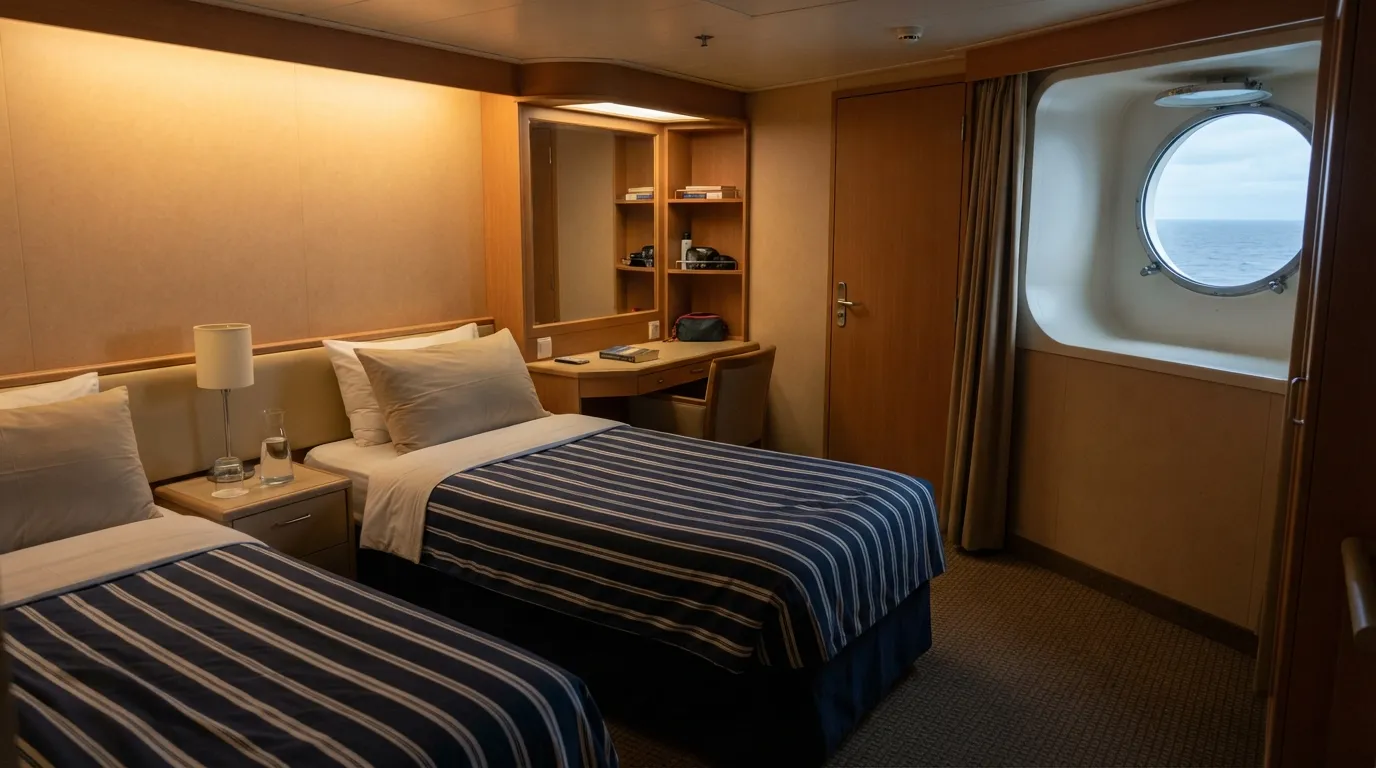
Most people book on price or view without thinking about hull position. On open ocean, forward and aft cabins tend to feel more pitching, while lower, midship staterooms are usually the steadiest.
High upper-deck cabins, balconies included, can feel more sway. Even an inside cabin can feel lively if it sits high and far forward.
By day two the novelty has worn off and you notice every swing of the bed. But your cabin is only the first surprise, because dinner is already decided for you…
#16 – Your Dinner Table May Be Locked In for the Whole Crossing
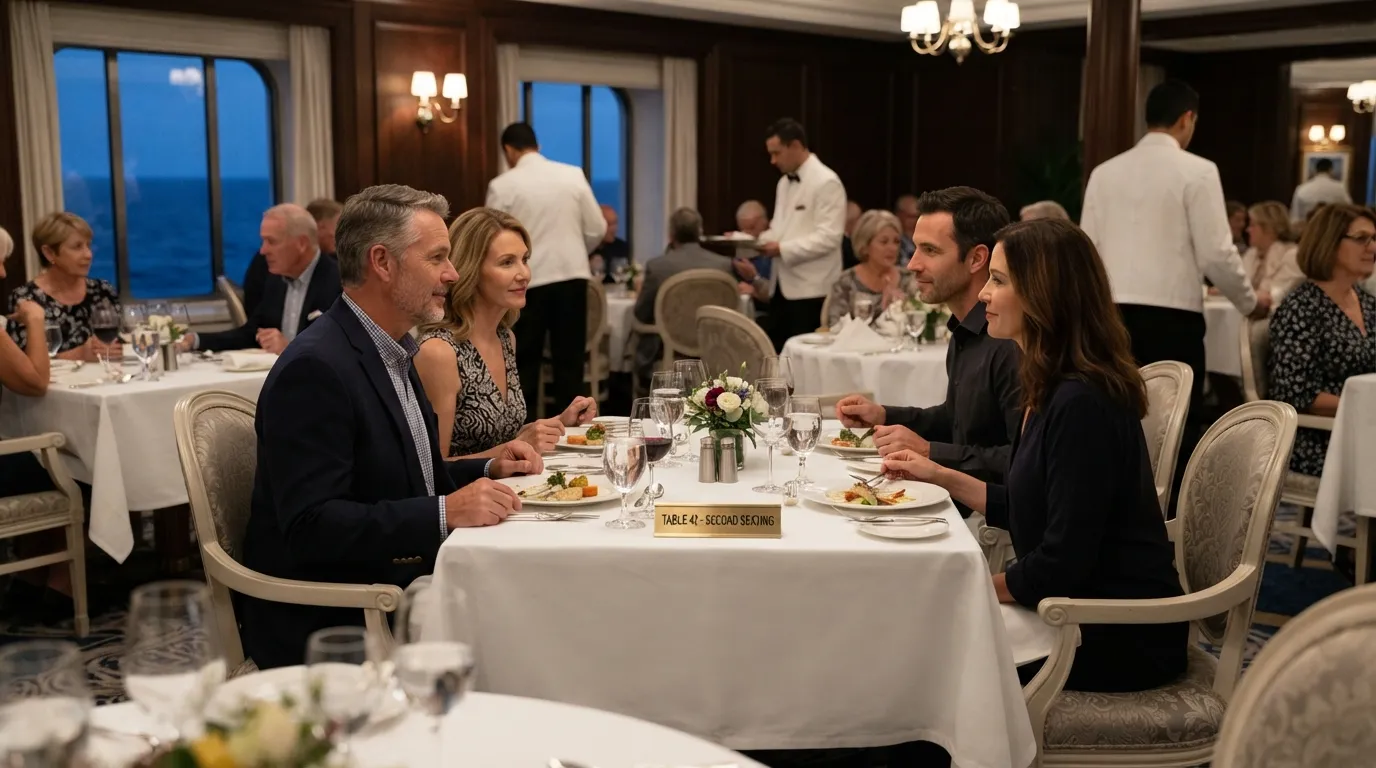
Many traditional-dining lines assign a fixed early or late seating and the same table for every night. Once the first full day has passed, changing it gets harder.
The routine saves daily decisions, but it can feel awkward if your table mates are not your kind of company. Specialty restaurants often need reservations, and sea days are when they fill up.
If your table doesn’t suit you, ask the dining staff early. Then there’s the clock, which refuses to behave.
#15 – The Clocks Change in Small Steps, Not All at Once
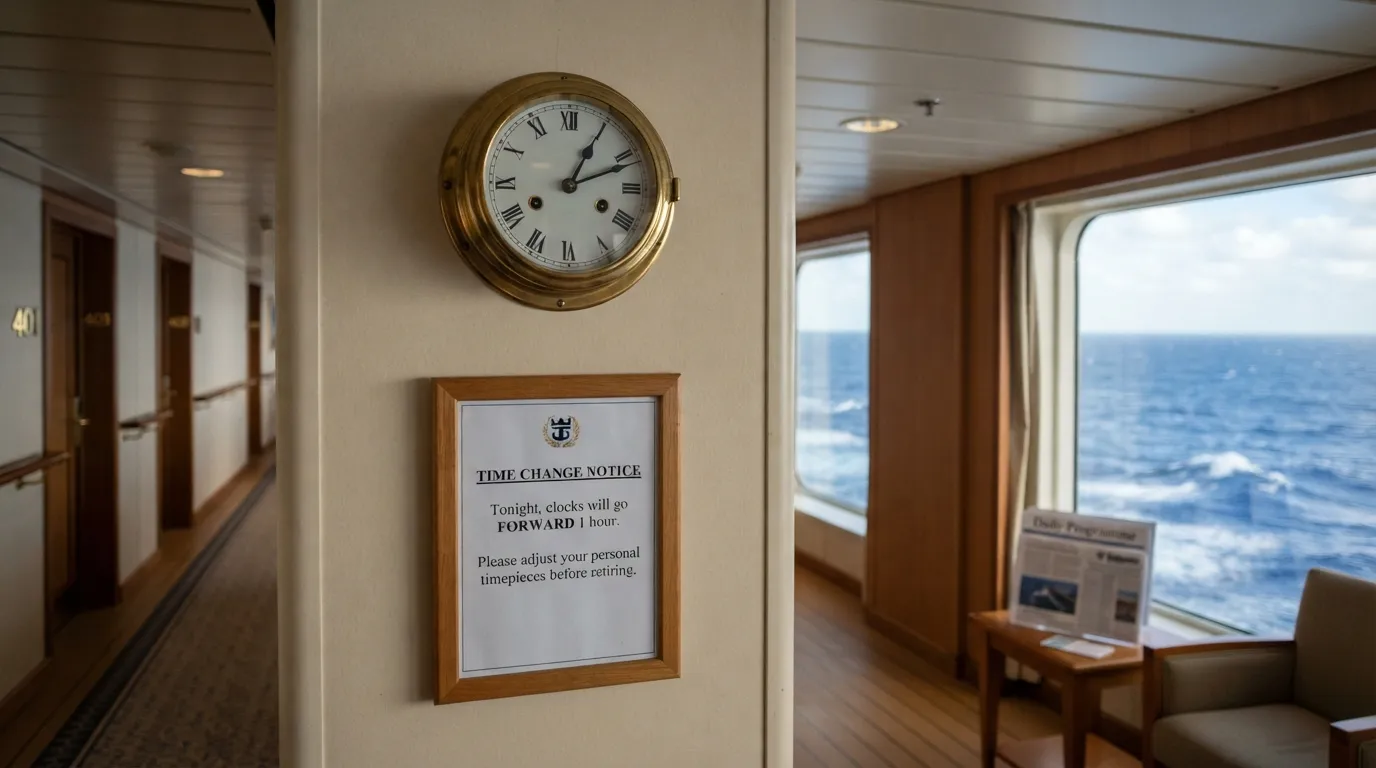
A crossing spans several time zones, so ships usually move the clocks in one-hour steps across the voyage. Westbound you typically gain time, and eastbound you lose it.
The change is normally announced in the daily programme or a cabin notice. Check whether your phone follows ship time or network time, or your breakfast reservation may quietly slip an hour.
Quick Compare
- Westbound: clocks typically go back, so some days run longer.
- Eastbound: clocks typically go forward, so some days run shorter.
- Either way: look to the daily programme or cabin notice for the exact change.
Time isn’t the only thing that shifts. The weather has opinions too.
#14 – The North Atlantic Does Not Follow the Brochure
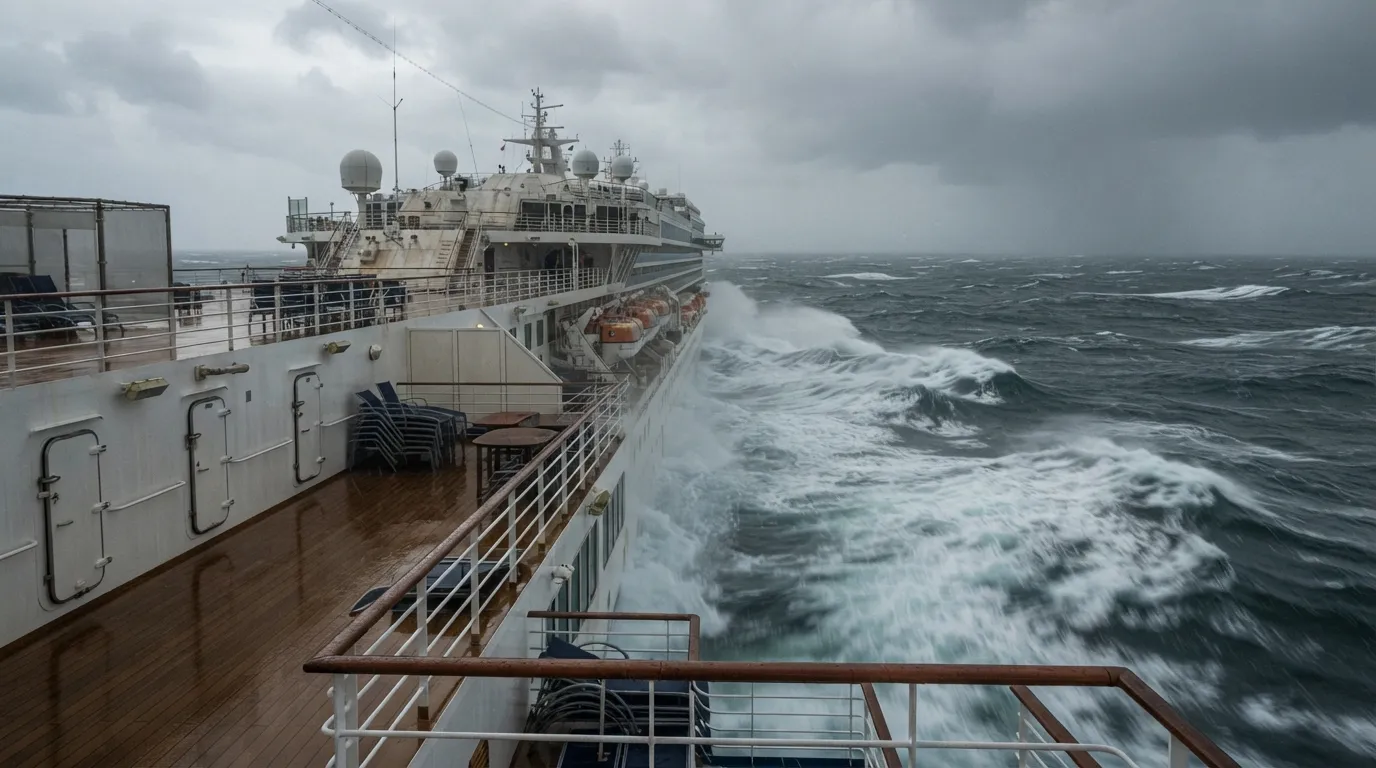
Sea conditions on long crossings can change a lot, especially outside summer. Captains may adjust speed or course for safety and comfort, which can nudge arrival timing.
Updates usually arrive through the captain’s announcements. A calm morning is no promise of a calm evening.
And when the wind picks up, some of your favorite spots may disappear.
#13 – Outdoor Decks Can Close Without Much Warning
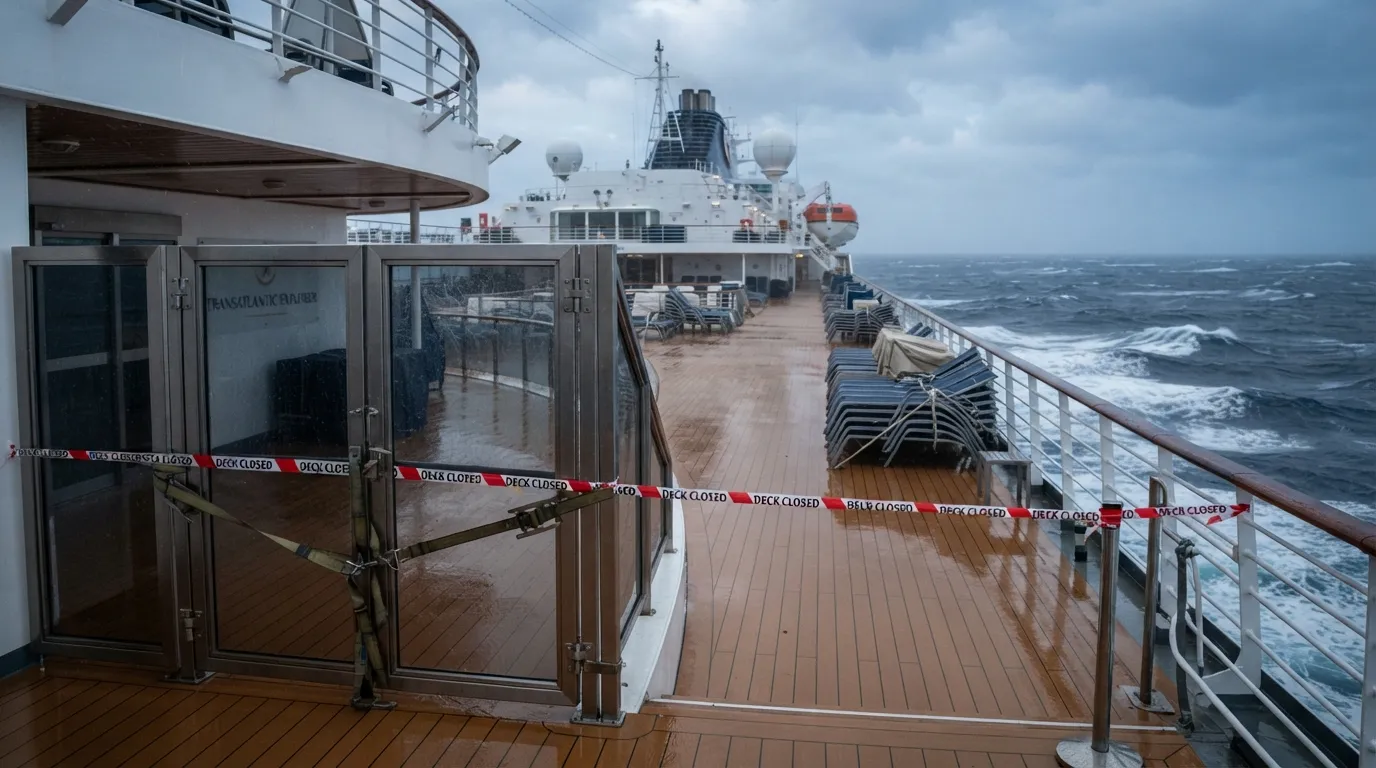
In strong wind or heavy seas, ships may close open decks, the promenade or the pool area. Doors can be secured and signs can go up quickly.
If a daily walk around the deck is part of your plan, keep an indoor backup. Ask the crew or guest services when decks are likely to reopen.
Meanwhile, everyone else heads for the activities that stay open.
#12 – Sea Days Are the Busiest Days for Activities
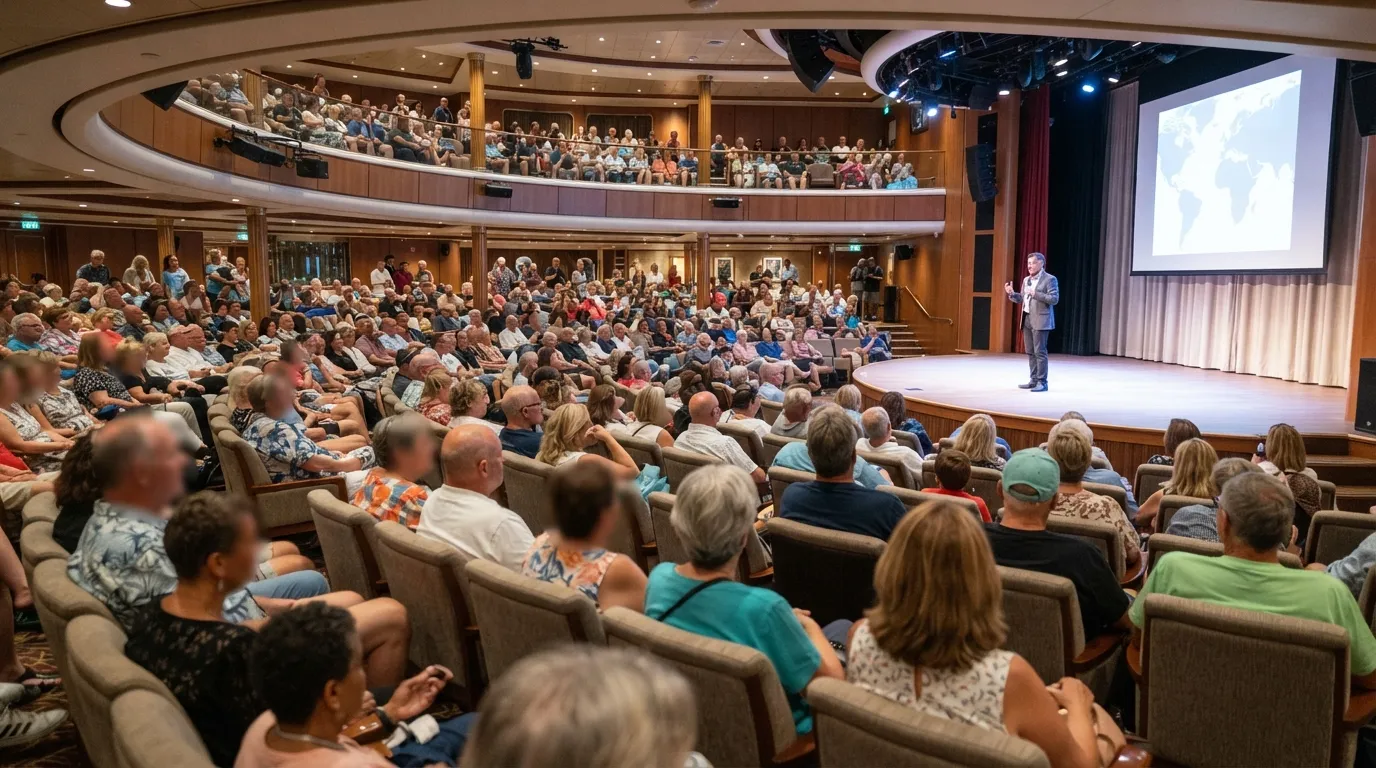
With no port to wander off to, enrichment talks, classes and spa treatments draw their biggest crowds on sea days. Some activities need sign-up or booking, and popular slots go quickly.
Check the daily programme the evening before and book what you actually care about. The best seats and appointments often go to the people who planned the night before.
Worth Knowing
- Spa treatments and some classes may need a booking.
- Popular talks can fill early, so arriving ahead of time helps.
- The daily programme lists times and venues for tomorrow.
- Ask guest services if something you want is not listed.
Then evening arrives, and so does the dress code.
#11 – Evenings Come With a Dress Code

Many transatlantic lines set evening dress guidelines, sometimes with one or more formal or gala nights. They are published in the daily programme or on the operator’s website.
Read them before you pack, not after you board. Your daytime wardrobe may not get you into the evening venues.
Of course, not everyone makes it to dinner when the ship starts to move.
#10 – Stabilizers Help, but They Don’t Cancel the Swell
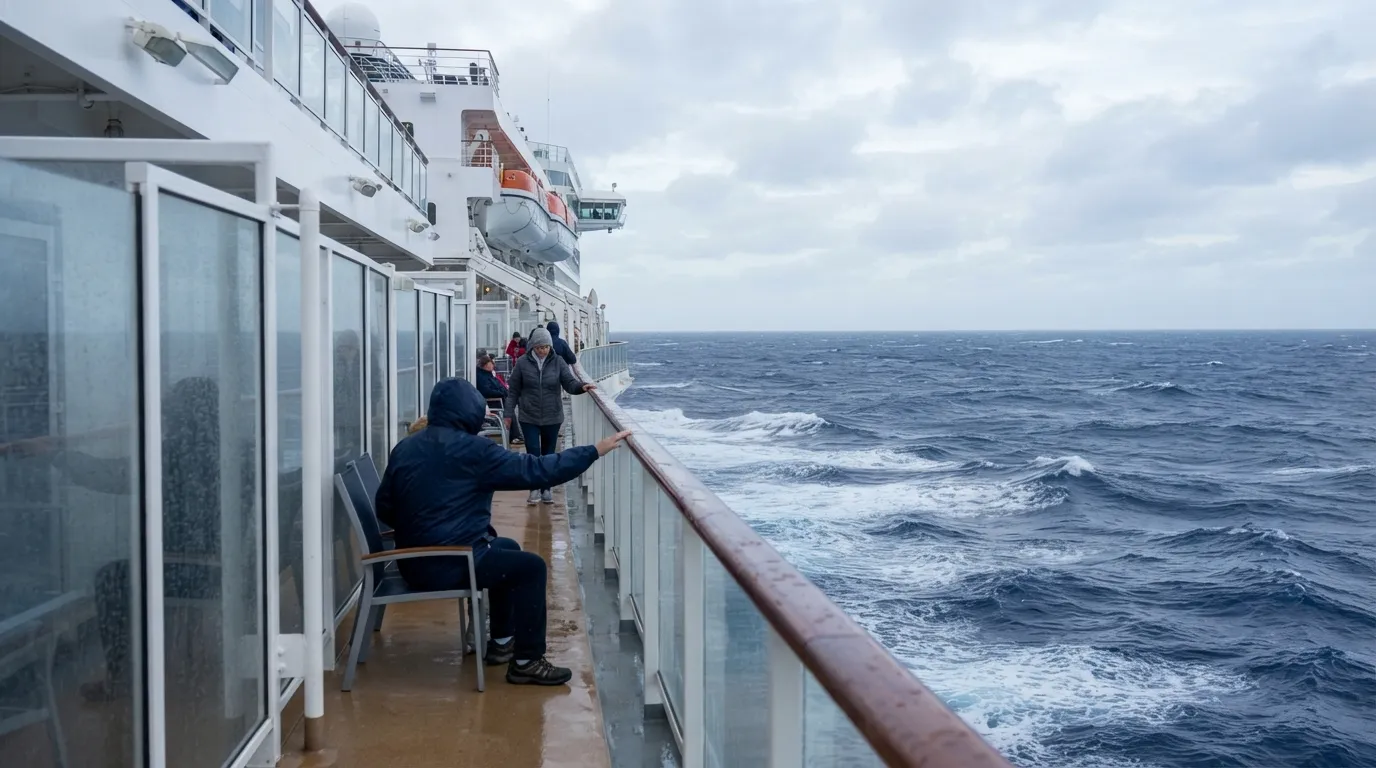
Ship stabilizers reduce rolling, but they do not eliminate motion. Many people find it easier to stay in lower, midship areas and step outside for fresh air and a view of the horizon.
If motion worries you, ask guest services what is available onboard, or talk to your own doctor before sailing. Knowing your options before the swell arrives makes everything easier.
Feeling better, you’ll want to call home, and that has its own surprise.
#9 – Internet at Sea Is Not the Internet You Know
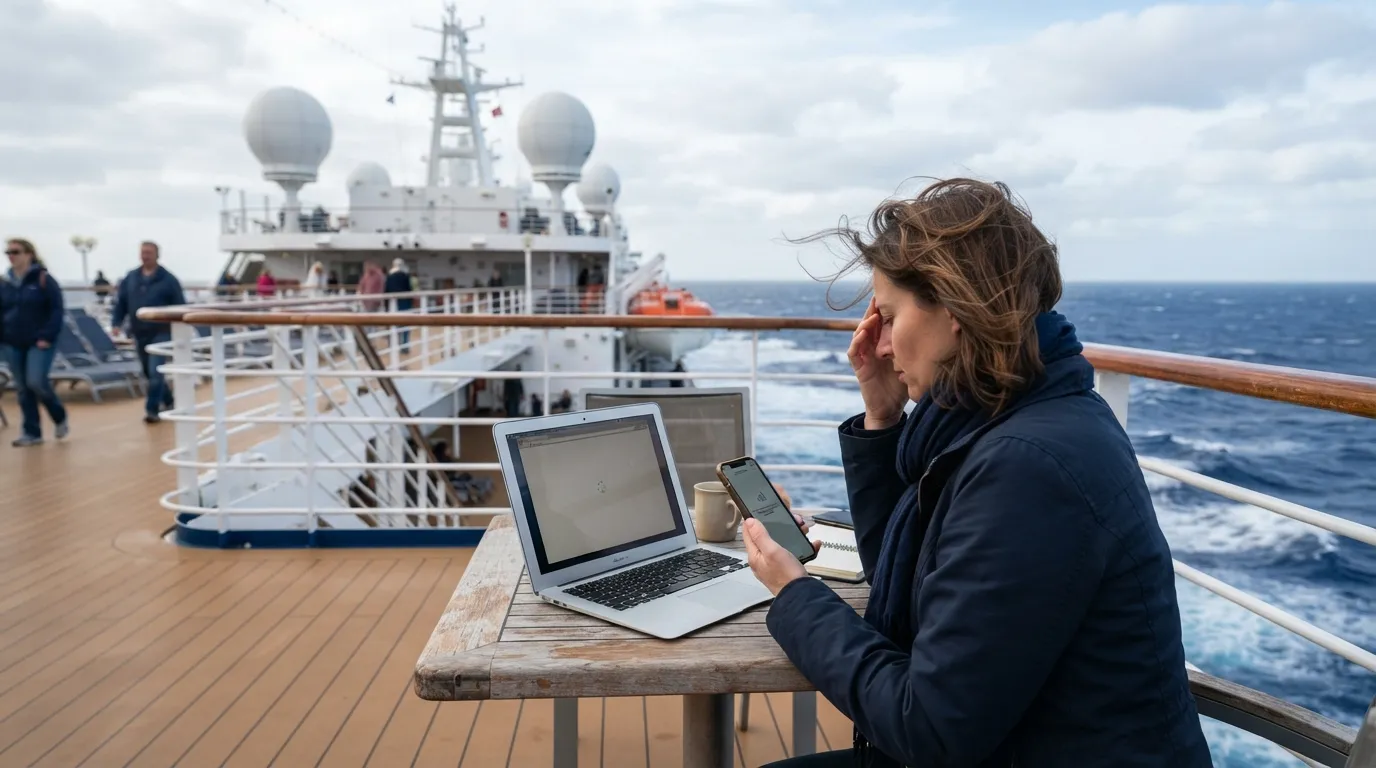
Connectivity at sea runs on satellite, so speeds and prices vary by line and package. Video calls and large downloads can be slow or expensive.
Download maps, tickets and entertainment before you board. Check your roaming settings too, because ship cell networks can bill like international roaming.
Speaking of surprise charges, there is your onboard account.
#8 – Your Cabin Card Quietly Runs a Tab
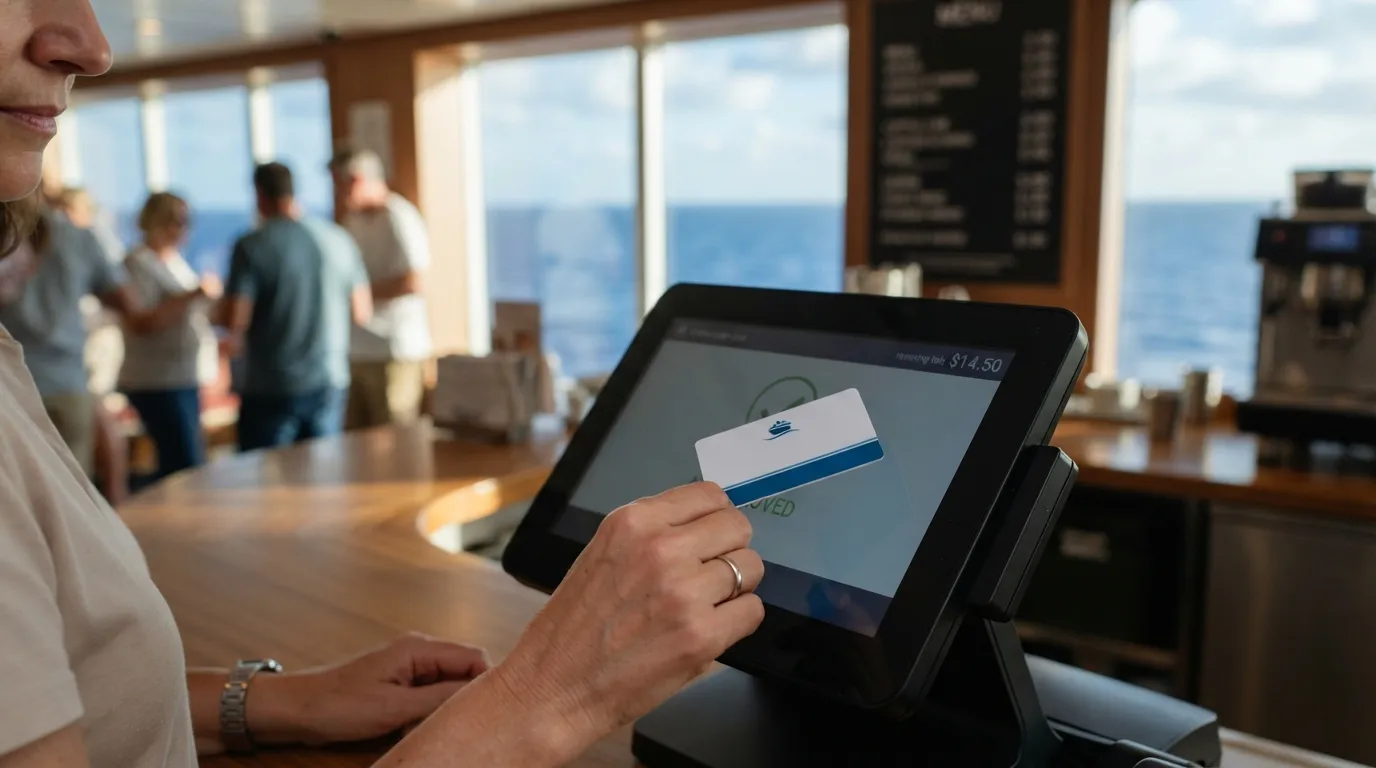
Most ships run on a cashless account tied to your cabin card. Drinks, spa visits and, on many lines, daily gratuities add up quietly over a long crossing.
Check your account every few days instead of on the final night. Small charges feel invisible until a week of them lands together.
Fast Facts
- The cabin card often doubles as your key, ID and payment method.
- On many lines, gratuities are added automatically each day.
- How you view your account varies by line, so ask guest services.
- Spotting an error early is easier than disputing it on the last night.
Let’s hope you don’t need the next stop, but you should know where it is.
#7 – The Medical Center Is Real, but Not a Hospital
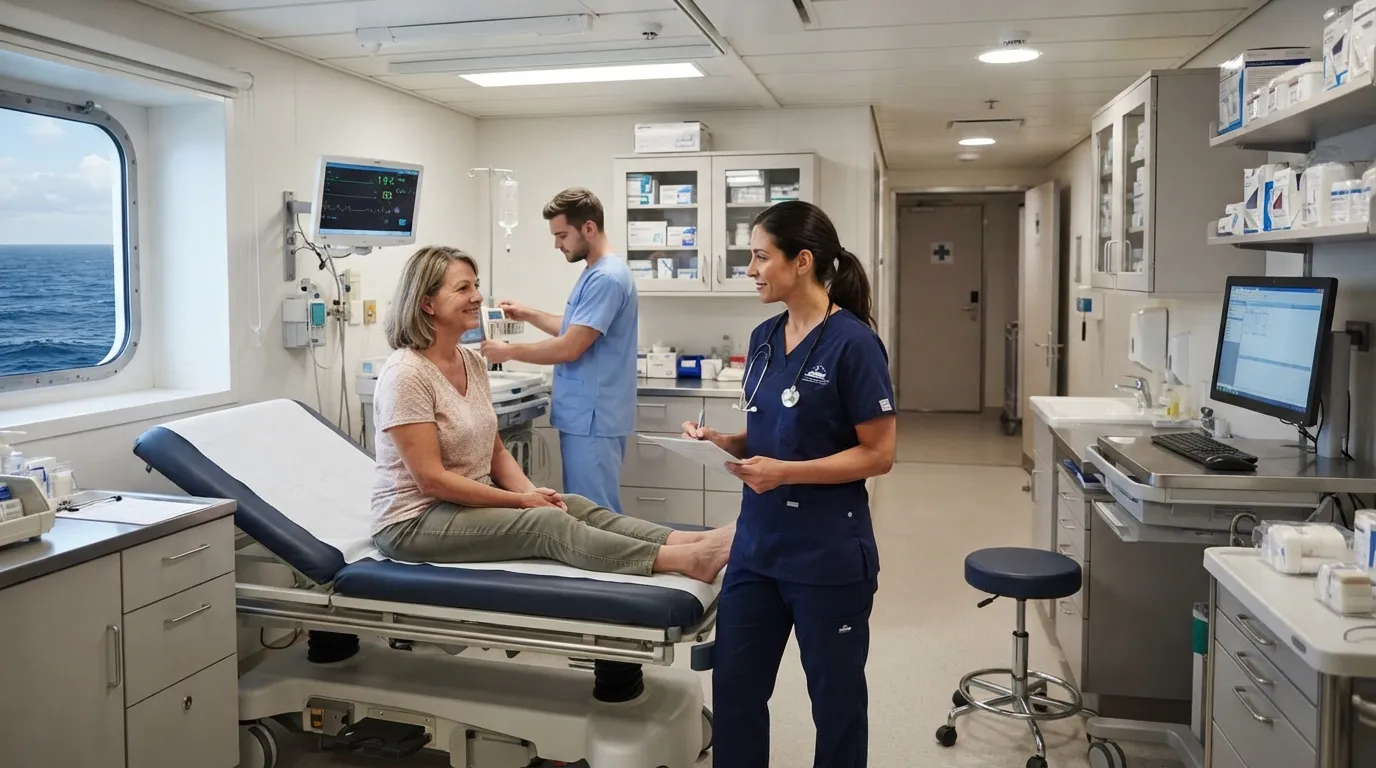
Ships have a medical center, but care is typically charged and capabilities differ from a hospital on land. Hours and fees are usually posted onboard or available from guest services.
Read your travel insurance for sea coverage before you leave home. In mid-ocean, a hospital can be far away.
Now for the bag that has to survive all of this.
#6 – Pack for Wind on Deck and Warmth Indoors
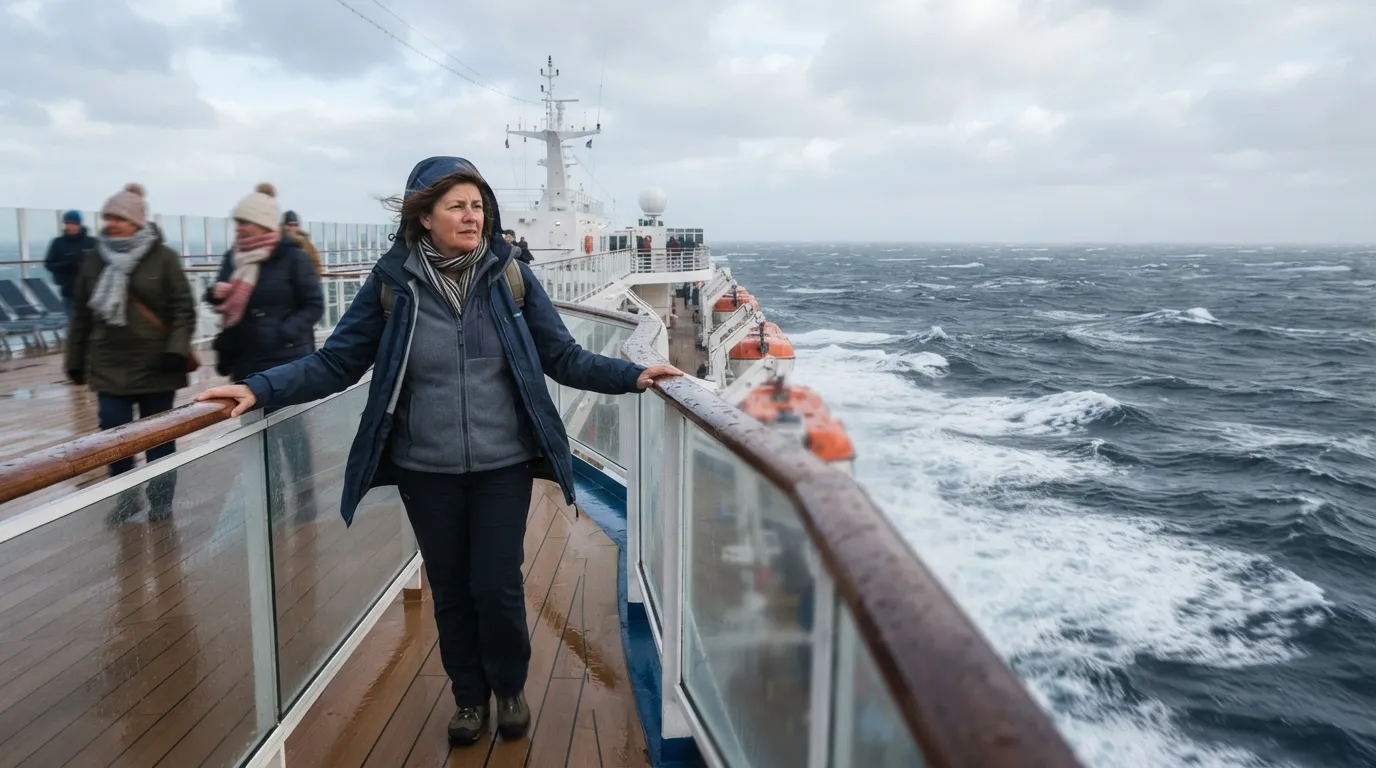
Open decks in the North Atlantic can be chilly and windy even when the forecast looks mild, while indoor spaces may feel warm. Layers handle both.
Laundry options vary by line, so check what yours offers before you decide how much to bring. Cabin storage is limited, so plan accordingly.
All that careful packing comes back to haunt you on the last night.
#5 – The Last-Night Luggage Deadline Sneaks Up
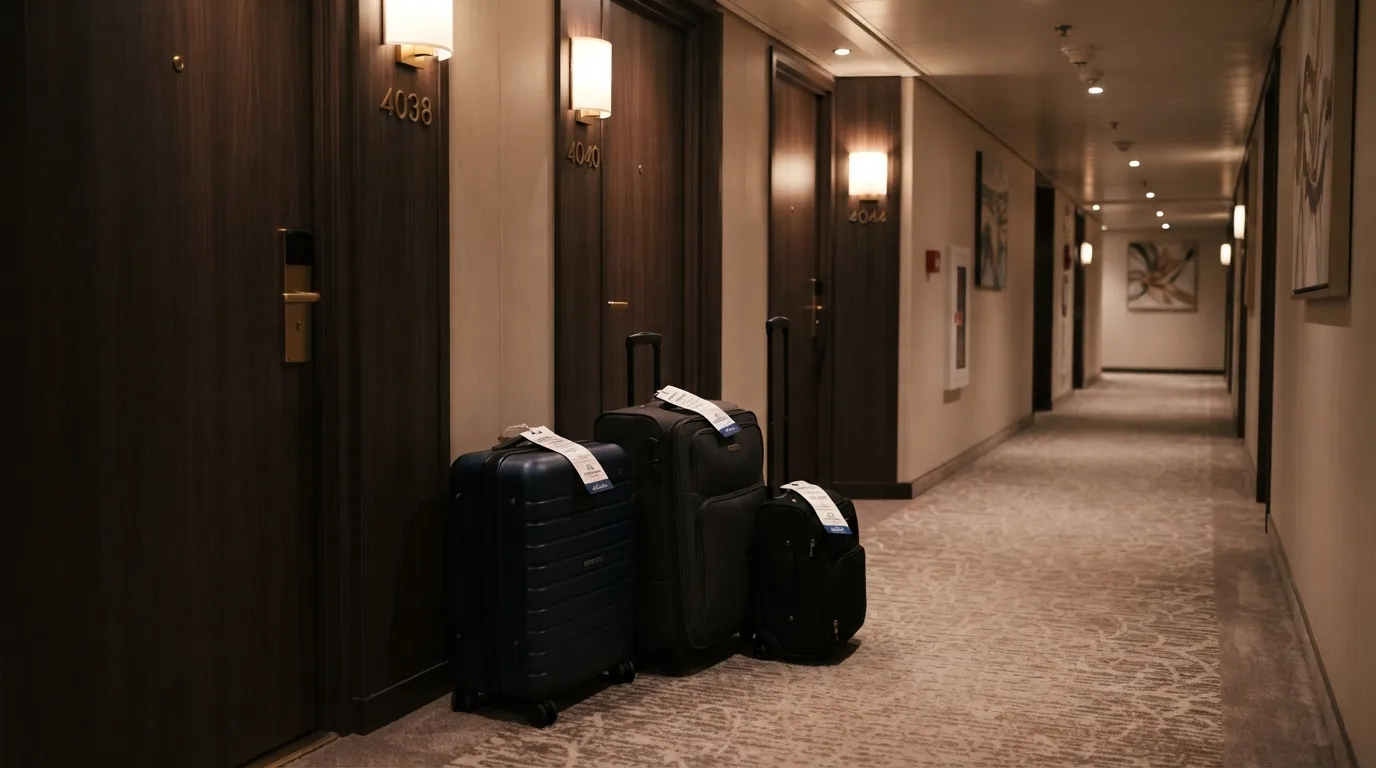
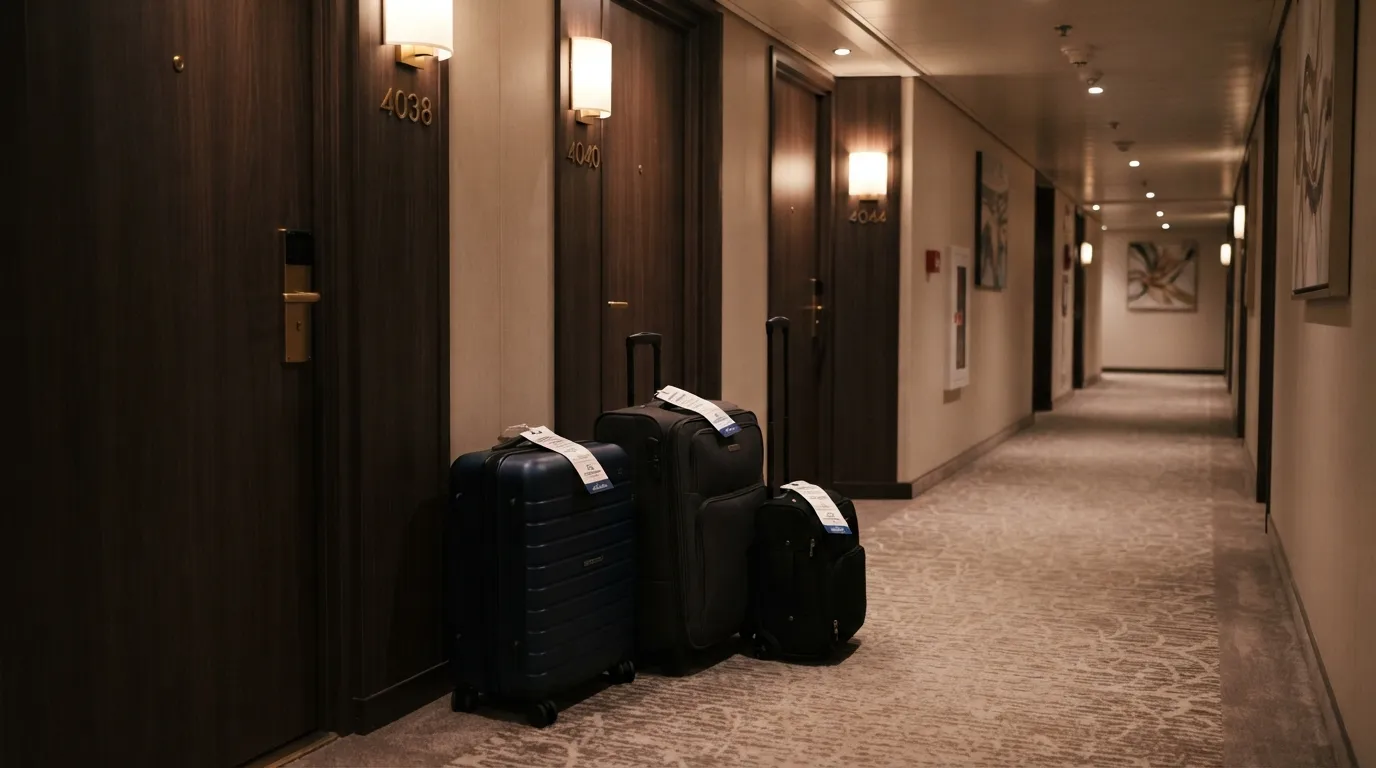
Lines commonly ask guests to leave tagged luggage outside the cabin the night before arrival, by a stated time. Whatever stays in the cabin is what you carry off yourself.
Keep medications, travel documents and tomorrow’s clothes in a bag that stays with you. Packing that bag first saves a frantic midnight hunt.
At a Glance
- Outside the door: tagged luggage, by the time your operator states.
- With you: medications, passport and documents, tomorrow’s outfit.
- Where to check: your final daily programme and cabin notices.
Next up is the paperwork waiting at the pier.
#4 – Immigration Can Decide When You Step Ashore
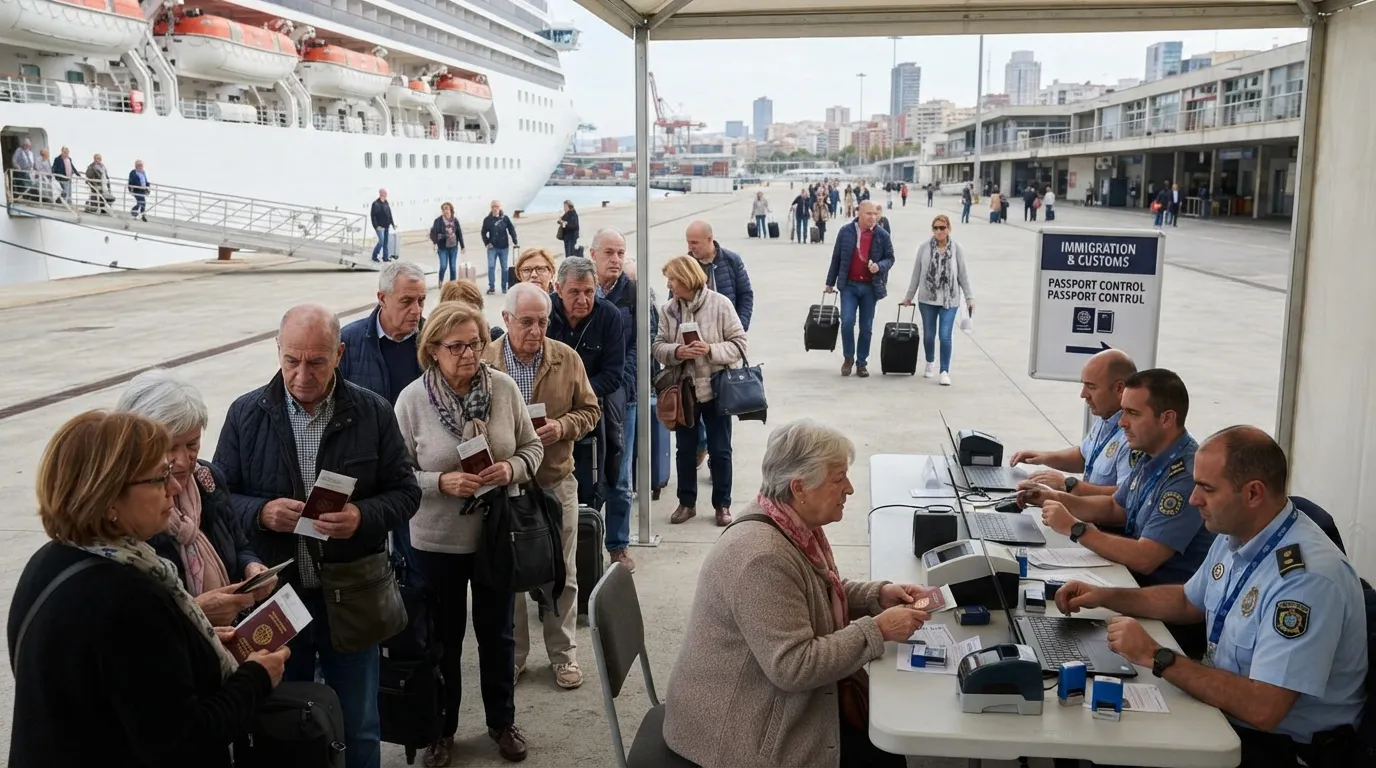
Arriving in a new country means immigration or customs checks, handled onboard or at the terminal. Your operator sends instructions about passports, forms and timing.
Keep your passport and documents within reach, not in packed luggage. Follow the cabin notices closely, because the process can set the pace for the whole morning.
Then there’s the arrival time, which isn’t always what you expect.
#3 – Arrival Time Is Not Your Flight Time
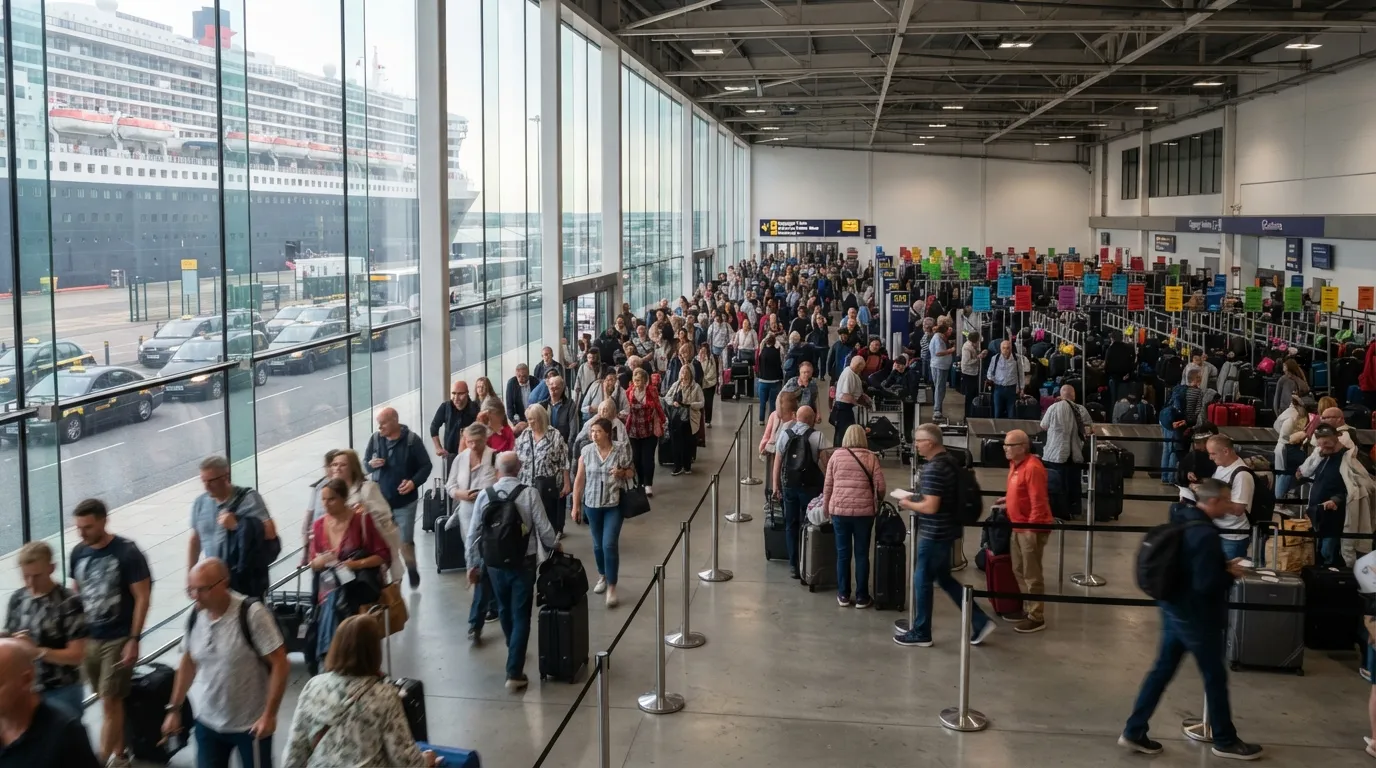
Ships often dock early in the morning, but weather and port conditions can shift timing. Disembarkation itself can then take hours.
Operators often advise leaving a generous buffer before onward flights or trains. A tight connection is the easiest mistake to avoid.
Your group assignment decides who leaves first.
#2 – Your Disembarkation Group Sets Your Exit Time
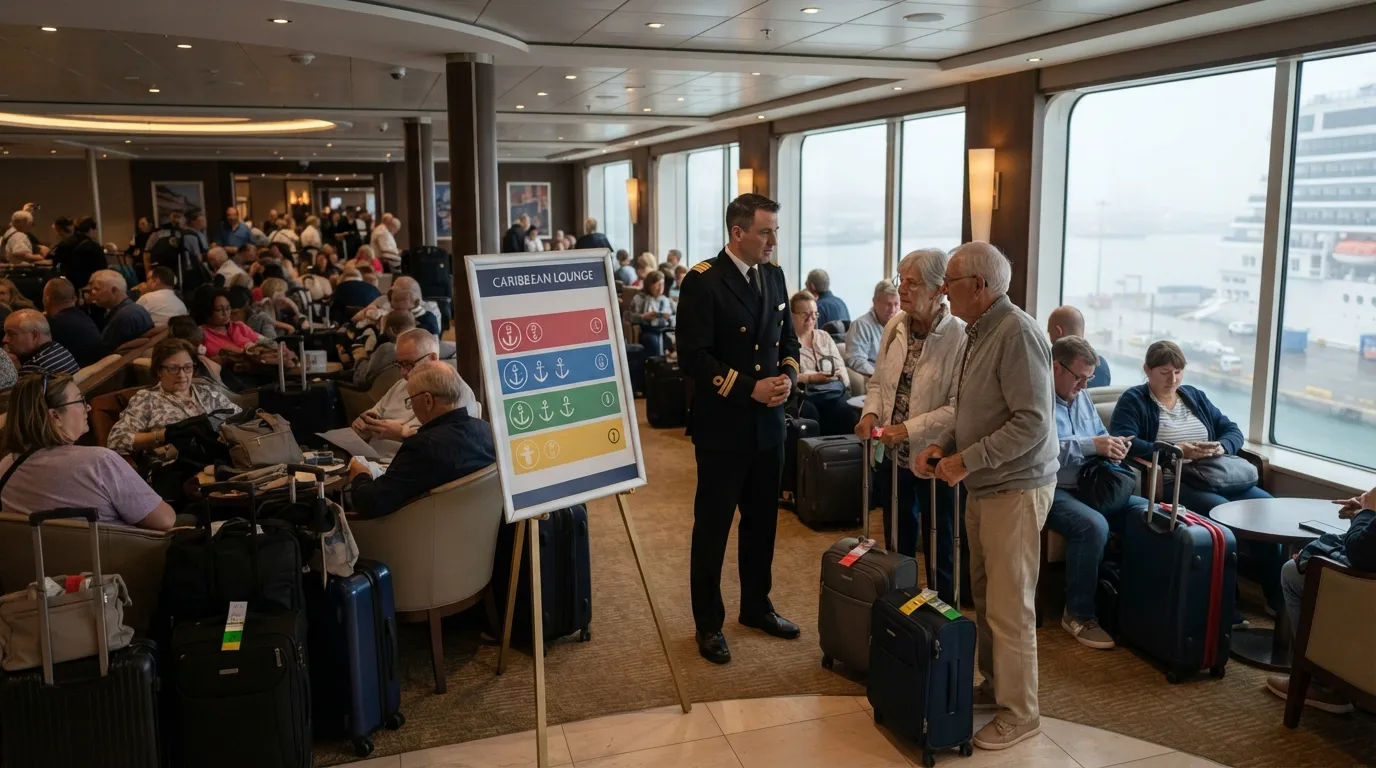
Many lines assign disembarkation by group, color or time, sometimes tied to cabin category or onward travel plans. Some guests leave first while others wait in lounges.
Look for the schedule in your final daily programme. If you need to leave early, ask guest services about self-assist options.
One last discovery ties all of this together.
#1 – The Daily Programme Is the Real Itinerary
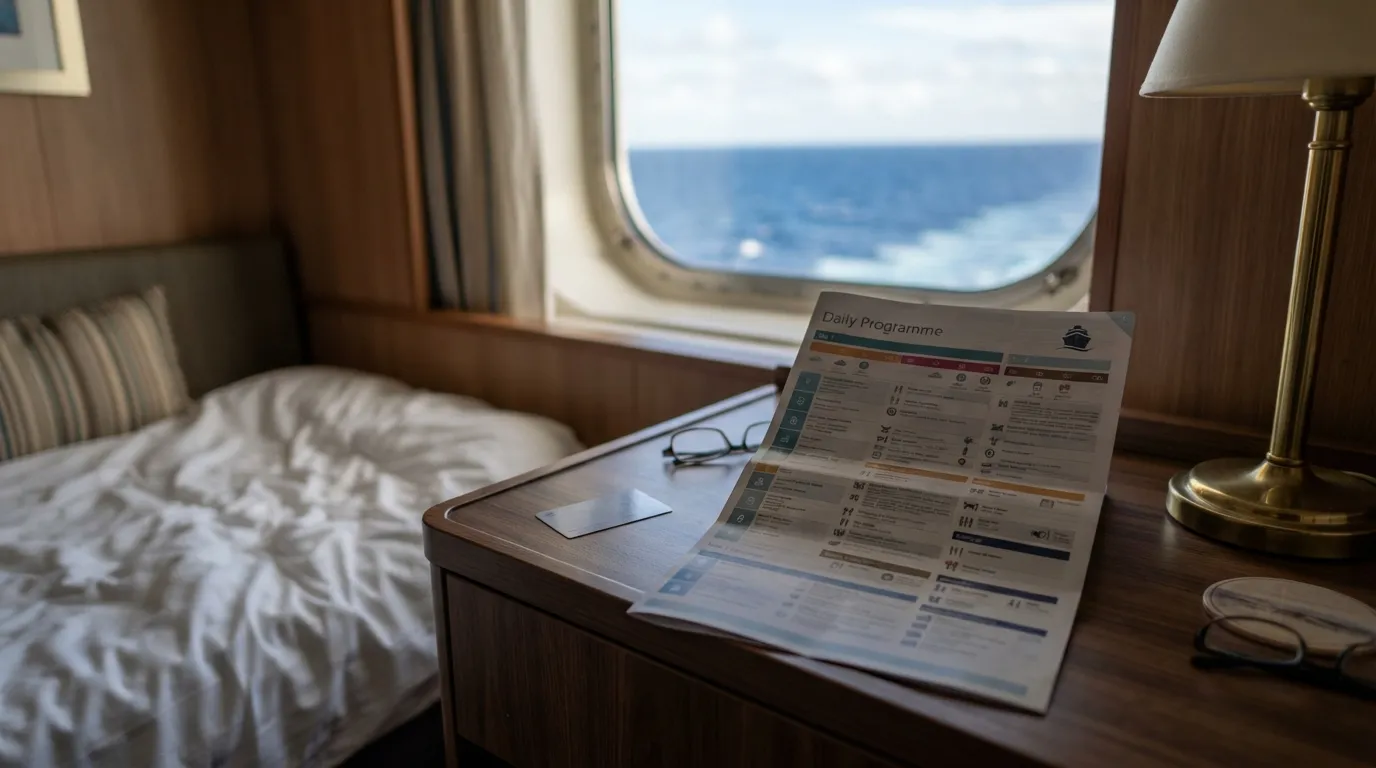
Almost everything above gets updated in one place: the daily programme delivered to your cabin or app. Clock changes, dress codes, deck closures and disembarkation notes all show up there.
Read tomorrow’s page tonight. By the second sea day, the savviest passengers aren’t the ones with the best cabin, they’re the ones who know what the ship is planning next.