Port day feels like the easy part of a cruise. The ship docks, the gangway opens, and the whole day is yours. But the costly surprises are usually buried in the details: deadlines, tender lines, and refund rules that work very differently depending on who you booked with.
Some of these mistakes cost a taxi fare. A few can cost a flight to the next port. Start at the bottom of the list and watch how one small slip can snowball.
#17 – Mixing Up All-Aboard Time and Departure Time
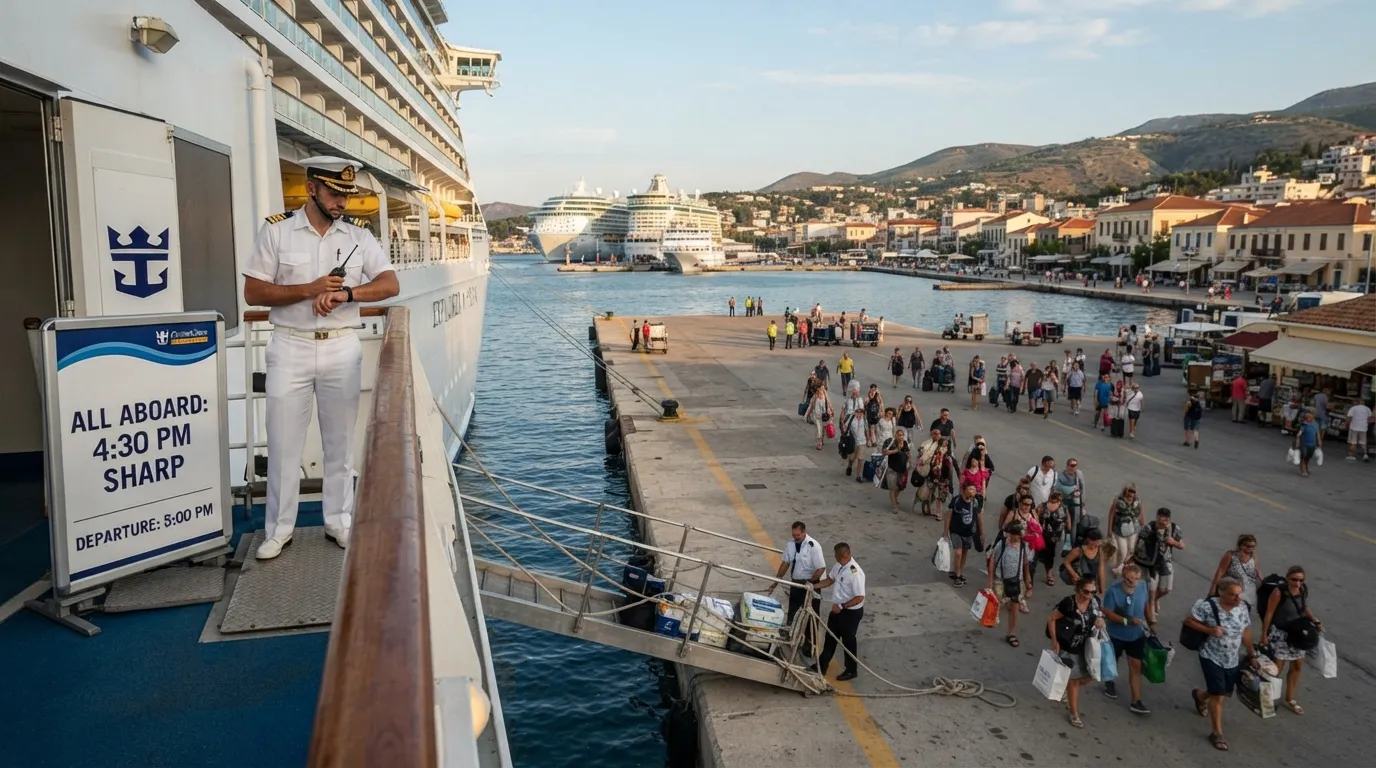
The sailing time on your itinerary is not your deadline. All-aboard is often 30 to 60 minutes earlier, so the crew can clear the gangway and finish final checks.
Cruise lines post it in the daily program and at the gangway. If you’re on your own and you’re late, the ship can leave without you. A ship-sponsored excursion is different, because the line is responsible for getting those passengers back.
#16 – Booking Every Excursion Through the Ship Without Comparing Prices
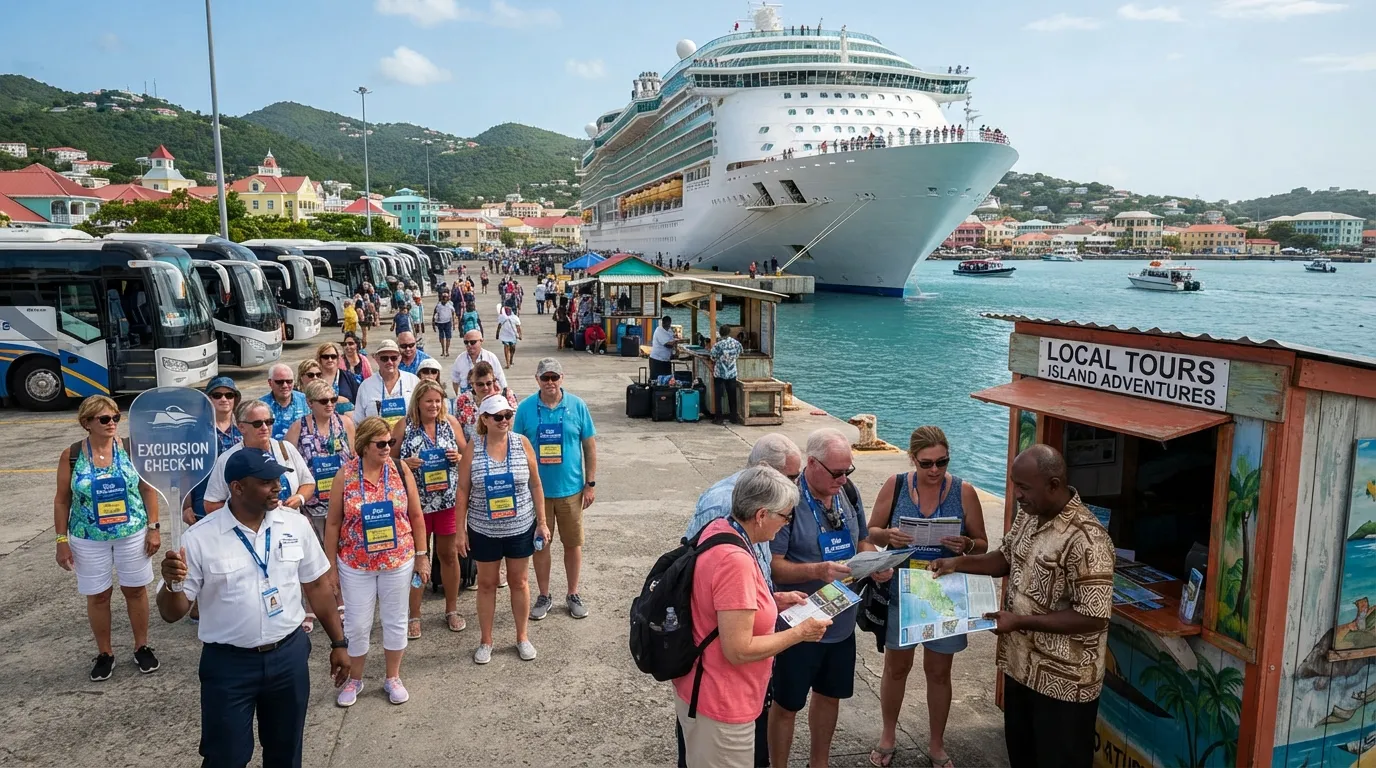
Ship excursions cost more partly because you’re paying for logistics and the return guarantee. If the tour runs late, the ship waits. That protection is real, and it’s built into the price.
Experienced cruisers often find the same kind of tour sold by local operators for less when booked directly. The trade-off is that the timing risk shifts to you. Compare both before you click “book.”
Quick Compare
- Ship excursion: usually pricier, but the ship waits if the tour runs late.
- Local operator: often cheaper, but getting back on time is your responsibility.
- Tight schedule or unfamiliar port? The ship option buys peace of mind.
#15 – Not Checking Whether Your Port Is a Tender Port
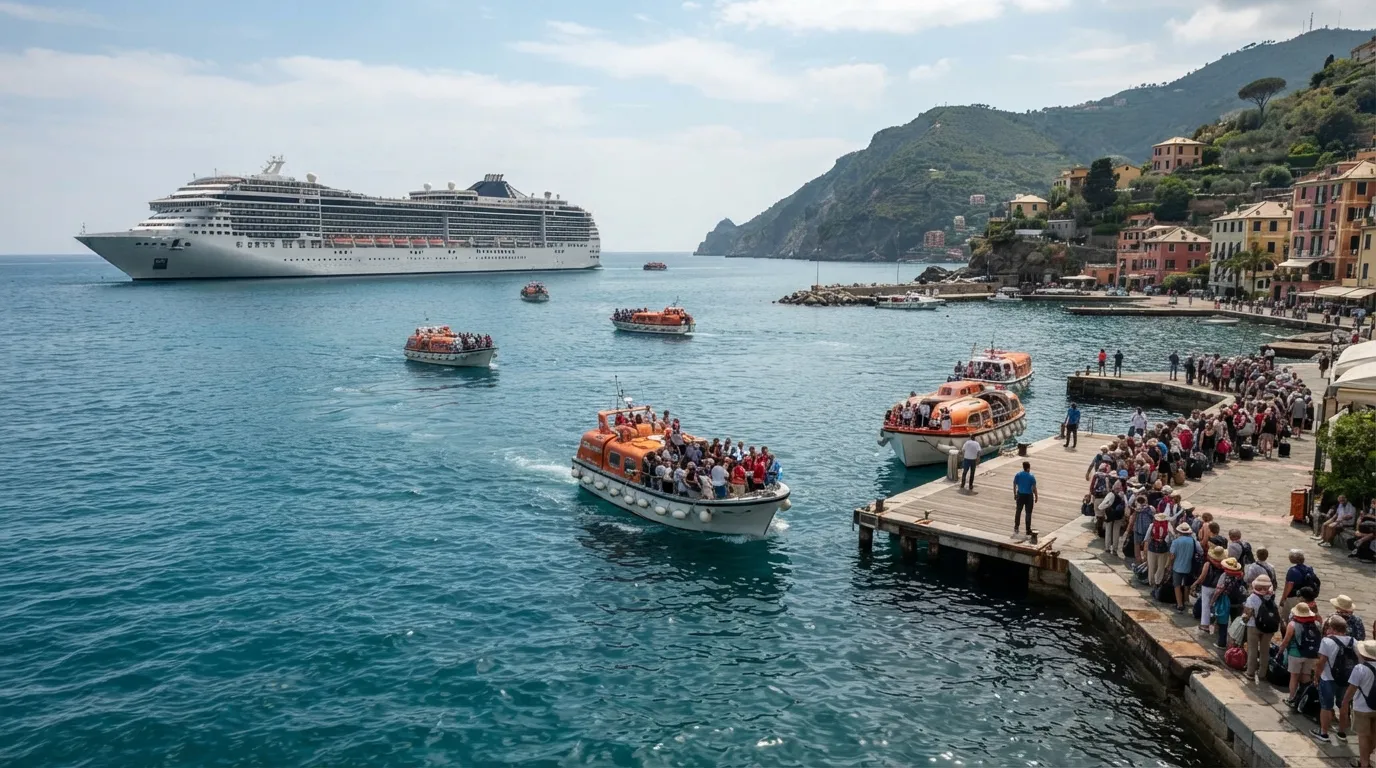
At a tender port, the ship anchors offshore and small boats shuttle passengers to land. That adds a ride in each direction, plus lines at both ends.
Ship-booked excursion groups usually get priority boarding. Independent travelers often wait with everyone else, and the wait can eat a big chunk of the day. Check your itinerary before you plan a packed schedule.
#14 – Agreeing to a Taxi Price Without Pinning Down What It Covers

A quoted fare can mean per person or per car. Groups find out the hard way when the bill arrives at double or triple what they expected.
Before you get in, settle the total price, the currency, and whether the driver will wait or pick you up later. Many ports have official taxi stands with posted rates, which give you a baseline to negotiate from.
Worth Knowing
- Ask whether the price is per person or per car.
- Confirm the currency before you shake on it.
- Agree on whether the driver waits or returns for you.
- Repeat the total fare out loud so there’s no confusion later.
#13 – Ignoring Tender Ticket Timing

In some tender ports, the ship hands out boarding tickets or sets a specific order for going ashore. Passengers who sleep in or linger over breakfast can end up at the back of the line.
That late start can shave real hours off a port day you’ve already paid for. Check the daily program the night before for tender instructions.
#12 – Cutting It Close on Independent Plans
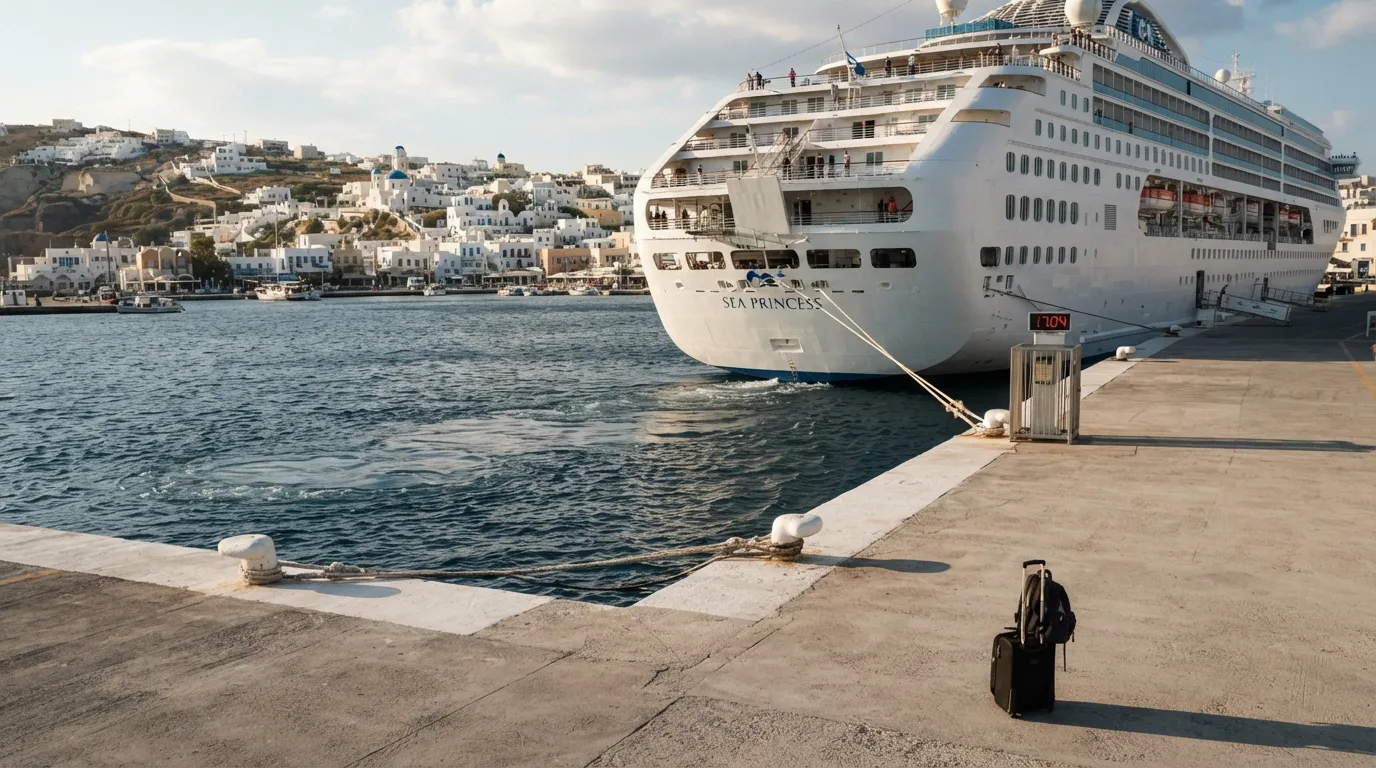
Traffic jams, slow restaurant service, and long queues rarely show up in a tour description. A plan that works on paper can fall apart with one delay.
Many independent travelers plan to finish their activities well before all-aboard, with an hour or more as a common rule of thumb. Ship excursions build in similar padding for a reason. One late bus can start a chain reaction that ends at an empty pier.
#11 – Overlooking the Fees Not Included in the Tour Price

A tour’s price tag doesn’t always cover everything. Entrance fees, tips, and add-on activities can show up once you’re on the ground.
Read the description carefully for what is and isn’t included. Ask before you commit, because it’s much harder to say no once you’re standing at the ticket window.
#10 – Assuming Port Fees Work the Same Way on Every Line
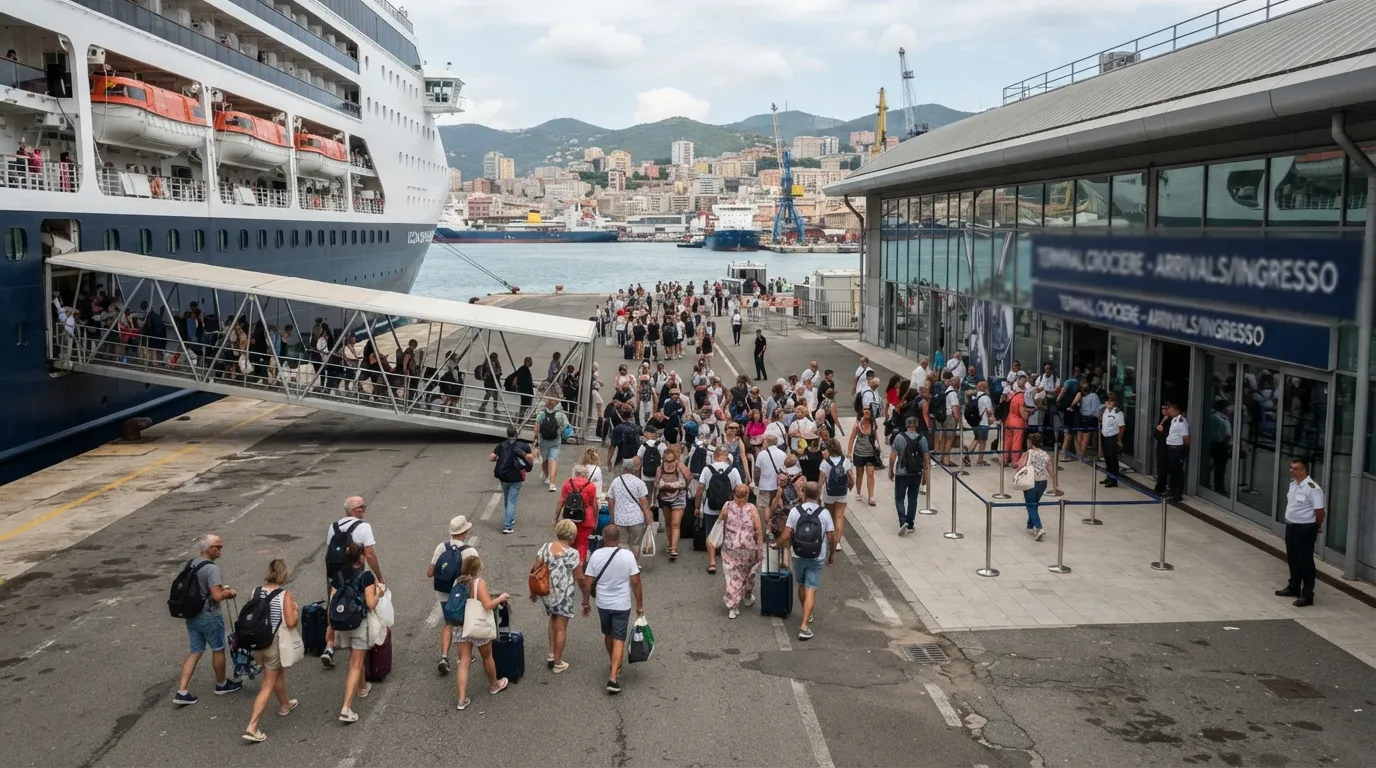
Port fees and taxes are part of your cruise fare, but refund treatment can vary by line and by situation. What happens if you cancel the whole cruise is not the same as what happens if you skip a port.
Your cruise contract spells this out. Read that section before you assume any part of a port charge comes back to you.
At a Glance
- What they are: port fees and taxes are built into your cruise fare.
- The catch: refund treatment differs by cruise line.
- Two different cases: canceling the cruise is not the same as skipping a port.
- Where to look: the terms in your cruise contract.
#9 – Overpacking a Walkable Port
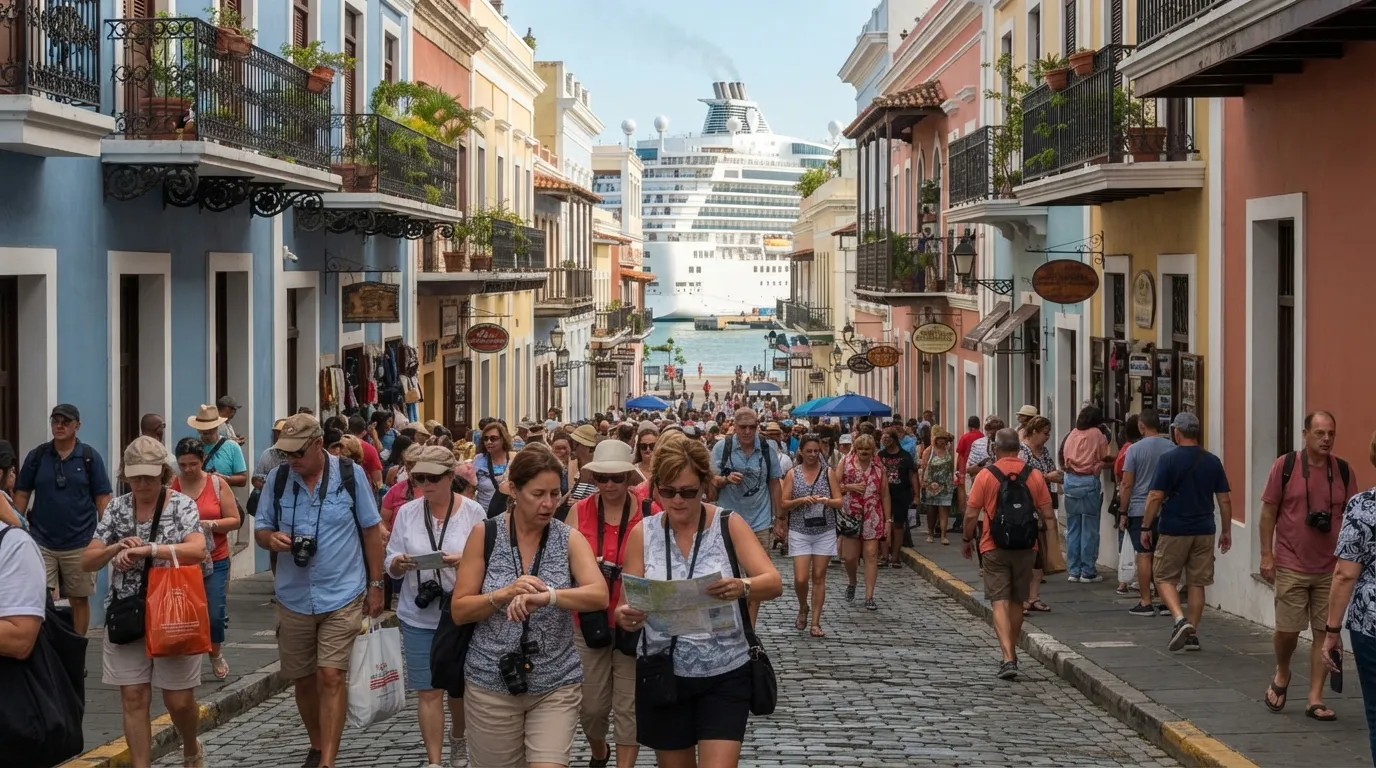
A port that’s easy to walk can tempt you into stacking too many stops. Every museum, market, and “quick” lunch eats into your buffer.
The cost isn’t always money spent. It can be a rushed day and a nervous walk back to the pier. Pick a few things you really want to do and leave room to breathe.
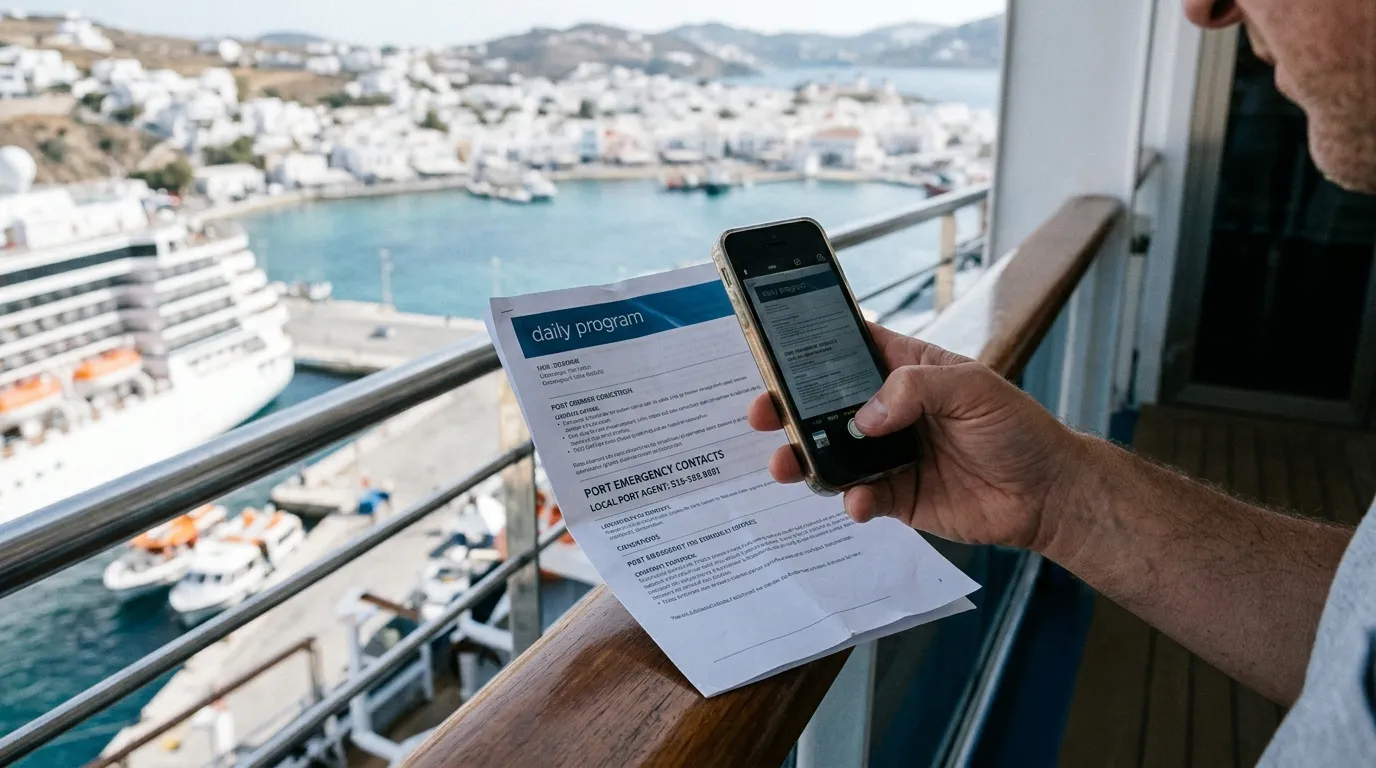
#8 – Not Saving the Port Agent’s Contact Information
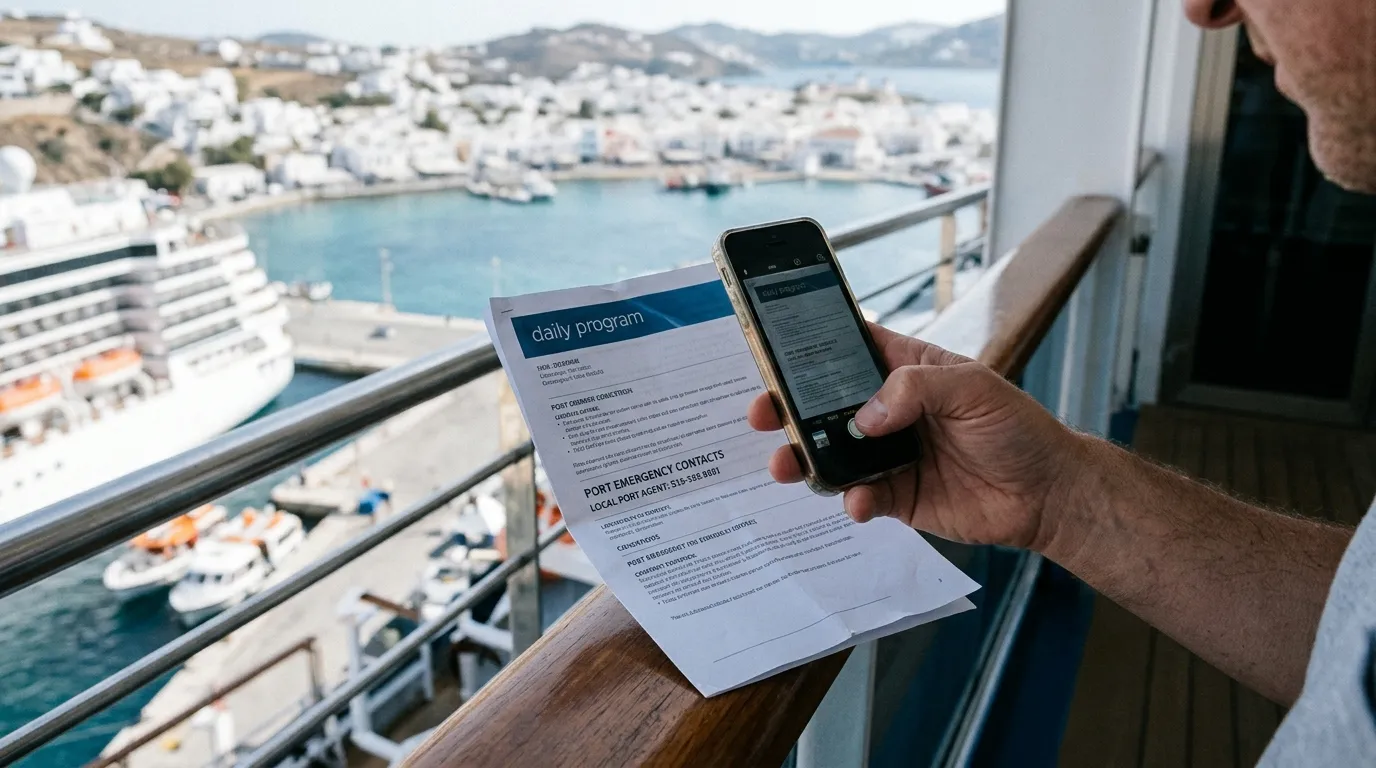
If something goes wrong ashore, you’ll want a number to call. Cruise lines list port agent or emergency contact details in the daily program or on the ship’s materials.
Take a photo of it before you leave. A dead phone battery and no contact info is a bad combination when the ship is about to sail.
#7 – Assuming Every Port Is Easy to Explore on Your Own
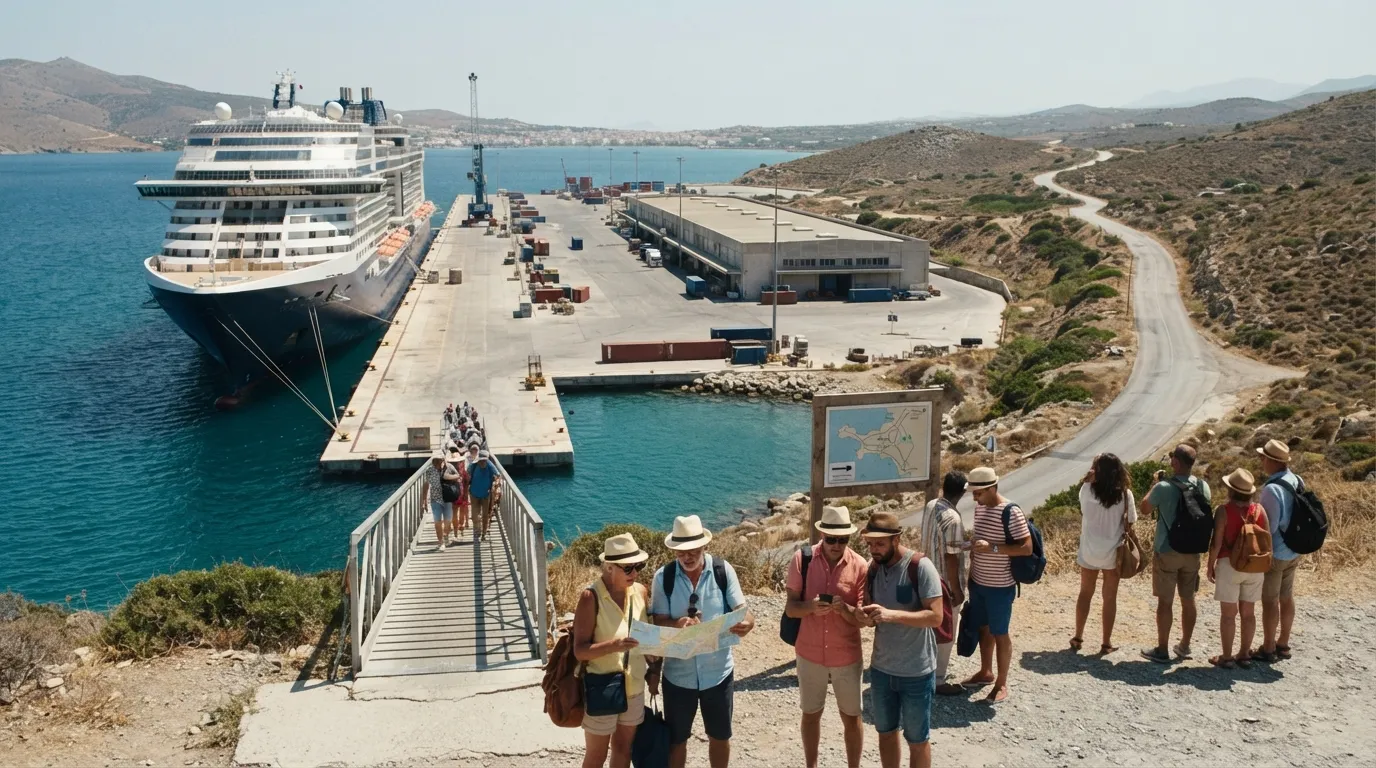
Some ports put you steps from town. Others drop you at a pier that’s far from anything worth seeing, where transport is your only option.
Check the layout before you decide to skip organized tours. If you can’t easily get to the sights and back, “independent” can quickly become expensive and stressful.
#6 – Underestimating Equipment Rental Add-Ons

Snorkel gear, beach chairs, umbrellas, and lockers can each carry a separate charge. They look small until they stack up.
Ask what’s included before you pay. A beach day that seemed cheap can quietly cost much more by the time you’ve rented everything you need.
#5 – Never Verifying an Independent Operator’s Return Policy

Many local operators are great. But unlike the ship’s tours, they have no obligation to the ship’s schedule unless they say so.
Ask directly what happens if the tour runs late and how they’ll get you back in time. A vague answer is your cue to find another option.
#4 – Waiting Until Port Day to Book
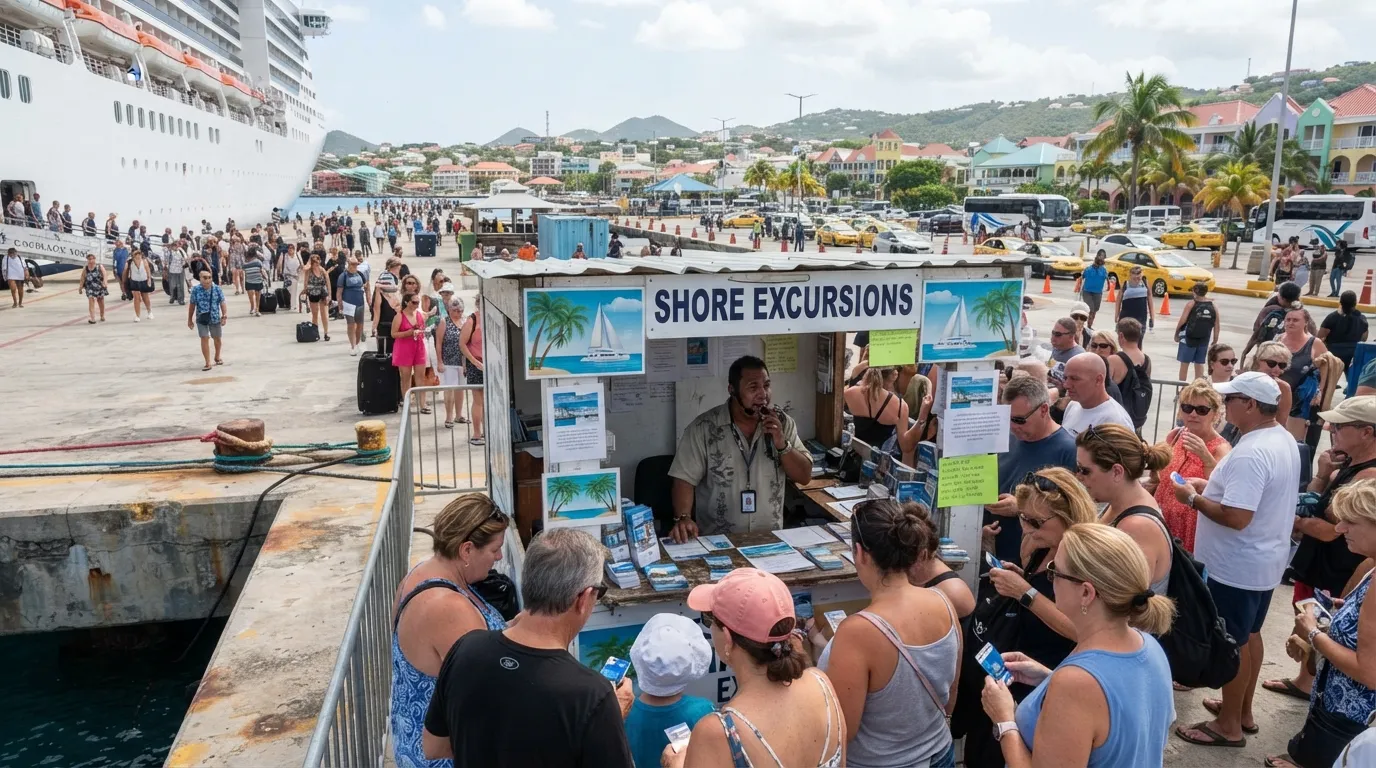
Popular ship excursions can sell out, and last-minute scrambling tends to limit your choices. You end up with whatever’s left or whatever the first person at the pier is selling.
Decide in advance what matters most, and book those things early. Your options, and your bargaining power, are better before you’re standing on the dock.
#3 – Expecting Compensation When Weather Changes the Port

Captains can skip or change a port for weather or safety reasons. It’s disappointing, but cruise lines generally treat itinerary changes as part of the deal.
Pre-booked ship excursions for a canceled stop are typically refunded. Don’t assume the rest of your fare will be. Your contract spells out what the line does and doesn’t owe you.
#2 – Not Knowing What’s Never Refunded
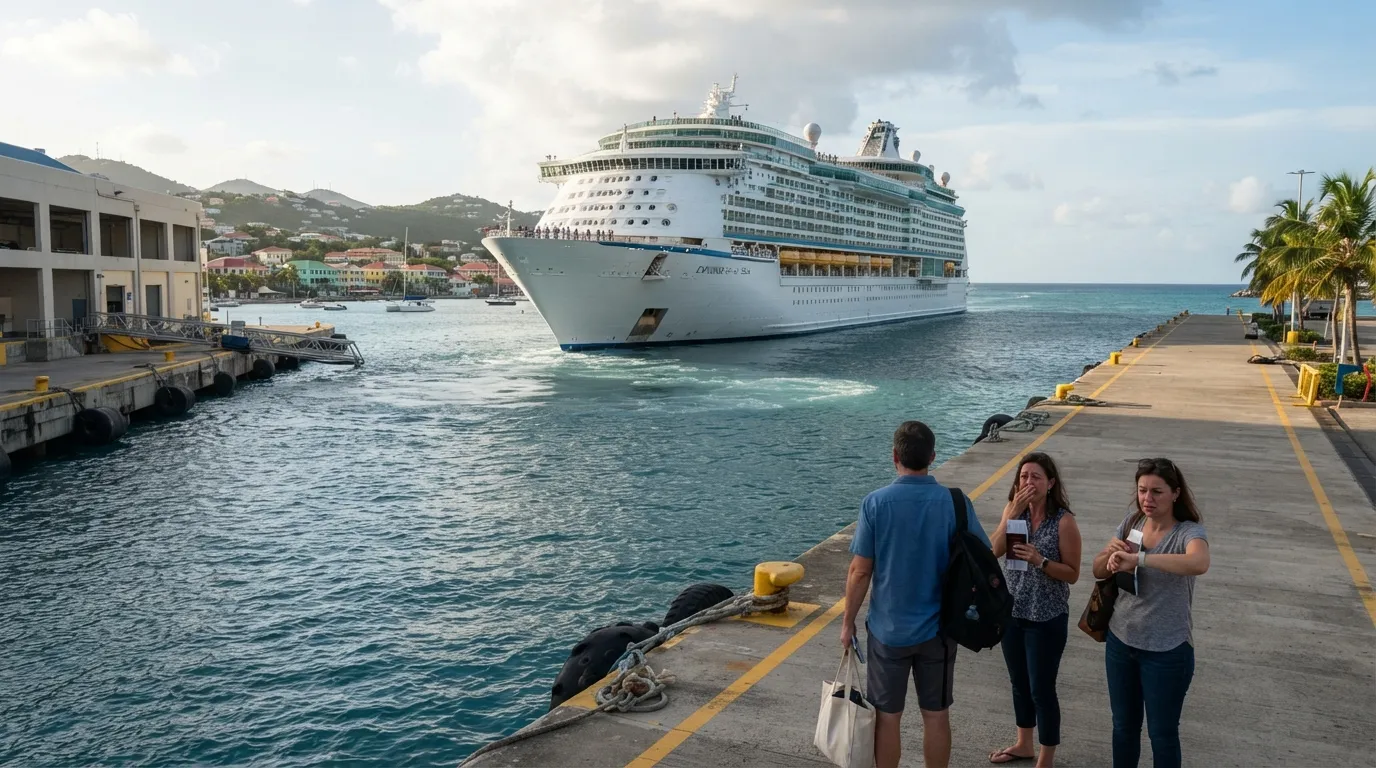
Some money is gone the moment it’s spent. Skipping a port by choice, or arriving late and missing the ship, doesn’t entitle you to a refund of the unused portion of your cruise.
Non-refundable deposits, tours with strict cancellation windows, and independent bookings with their own terms all follow their own rules. Read them before you pay.
Fast Facts
- Skipping a port by choice does not earn back part of your fare.
- Missing the ship does not earn a refund for the unused portion.
- Deposits and tours with strict cancellation windows follow their own terms.
- Independent bookings are governed by the operator’s policy, not the cruise line’s.
#1 – Treating a Missed Ship Like a Small Problem

This is the big one. If the ship sails without you, you’re typically responsible for getting to the next port on your own, along with any hotel, transport, or flight costs.
Your cruise fare isn’t refunded for the part you missed. Travel insurance may or may not cover it, depending on the policy, so read the fine print. Every other mistake on this list is cheaper than this one.
Most port-day money mistakes aren’t dramatic. They’re small assumptions about deadlines, quotes, and refunds that nobody questioned until it was too late.
The fix is just as unglamorous: check the daily program, ask what’s included, compare your options, and build in more time than you think you need. The best souvenir from a port day is making it back to the ship with a relaxed grin.