Fans love to say a band died the day its original singer walked out. The charts tell a messier story. In these 16 cases, the biggest albums, hits, or certifications arrived after a new voice stepped to the front.
Some of these swaps followed a firing, one followed a tragedy, and a few were so quiet that casual fans never noticed them. One replacement took the mic only months after his predecessor died, then helped make one of the best-selling albums of all time. Start with the band that went from underground to No. 1.
#16 – Pantera: The Singer Swap That Took Glam Metal Kids to the Top of the Chart
Pantera started out as a Texas band with a glammy look and Terry Glaze on vocals. Their first albums were independent releases that never got far beyond the regional scene.
Then Phil Anselmo joined in 1987, and the band got heavier, angrier, and far more distinctive. Cowboys from Hell became their major-label debut in 1990, and Far Beyond Driven entered the Billboard 200 at No. 1 in 1994. An extreme metal record topping the chart was a shock.
#15 – Faith No More: The Frontman Change That Gave Them an MTV Smash
Chuck Mosley sang on the band’s first two albums, We Care a Lot and Introduce Yourself. Those records built a cult following but never made Faith No More a household name.
Mike Patton arrived in 1988 and brought a huge vocal range, from rap-rock bark to operatic swoop. The Real Thing followed in 1989, and “Epic” climbed into the Top 10 of the Billboard Hot 100. The album peaked just outside the Top 10 on the album chart and went platinum, still the band’s biggest commercial moment.
#14 – Duran Duran: Simon Le Bon Arrived, and the Band Became a Video Phenomenon
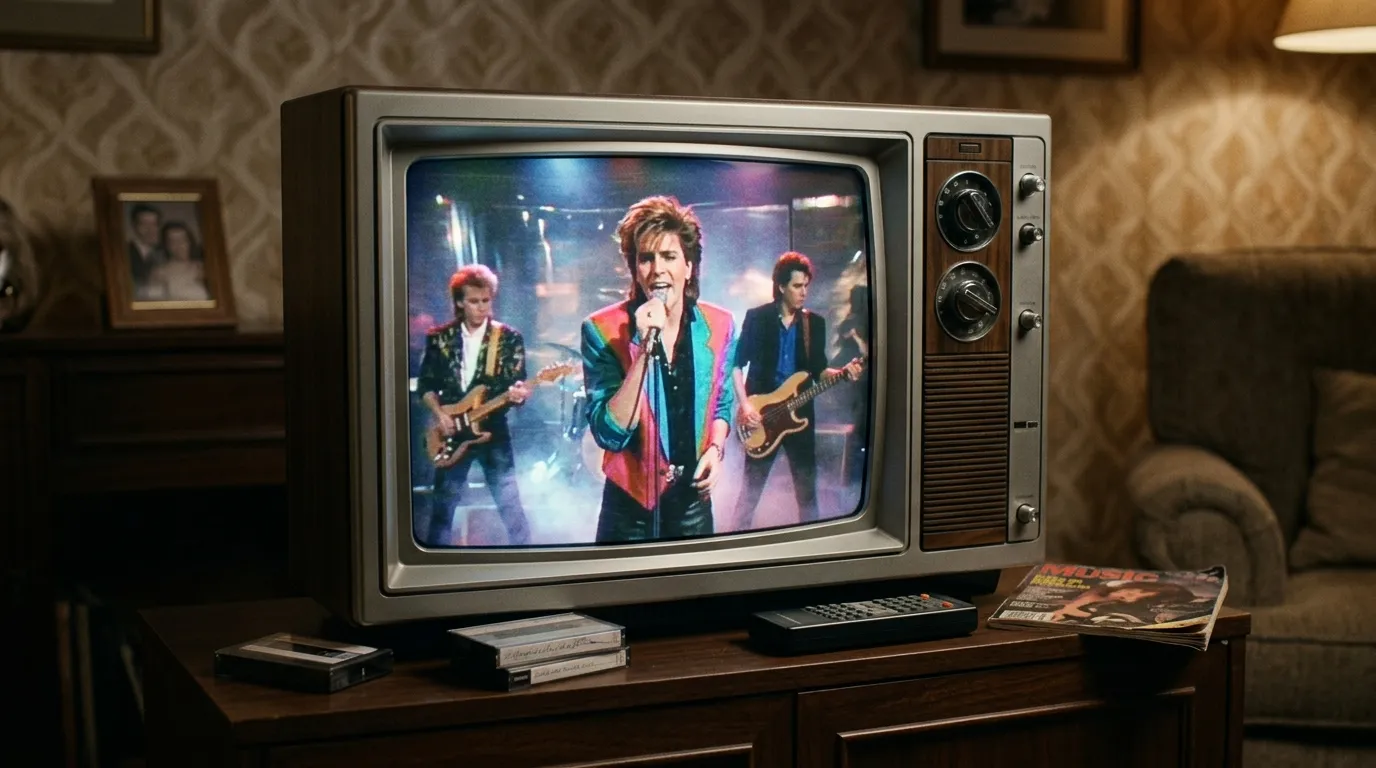
Before Simon Le Bon joined in 1980, Duran Duran had gone through a few early vocalists. None of them led to a record deal. Le Bon completed the lineup that signed with EMI and made the band famous.
The payoff came fast. Rio put them on MTV in heavy rotation, and Seven and the Ragged Tiger produced the chart-topping “The Reflex.” They later hit No. 1 in the U.S. again with “A View to a Kill.”
Fast Facts
- Le Bon joined the band in 1980.
- Rio arrived in 1982.
- “The Reflex” reached No. 1 in both the U.S. and the UK in 1984.
- “A View to a Kill” (1985) became the first James Bond theme to top the Hot 100.
#13 – Deep Purple: Ian Gillan Turned “Hush” Into “Smoke on the Water”
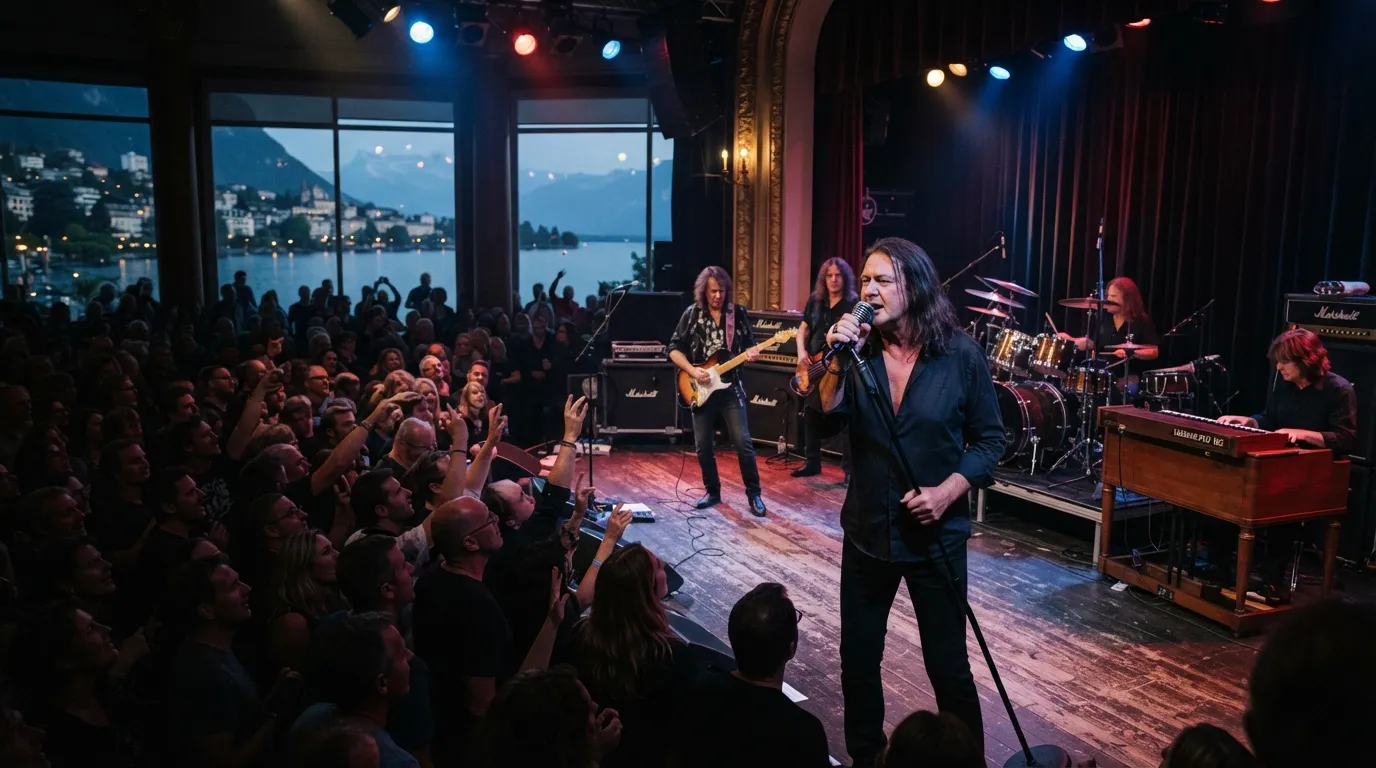
Deep Purple actually had a U.S. hit before Gillan. Rod Evans sang on the 1968 cover of “Hush,” which reached the American Top 5.
The band’s biggest and most durable run came after Evans was replaced by Ian Gillan in 1969. Deep Purple in Rock and then Machine Head followed, and Machine Head reached No. 1 in the UK and the U.S. Top 10 in 1972. It also contained “Smoke on the Water,” maybe the most famous riff ever taught to a beginner guitarist.
#12 – The Doobie Brothers: A Keyboardist With a Soul Voice Took Over the Sound
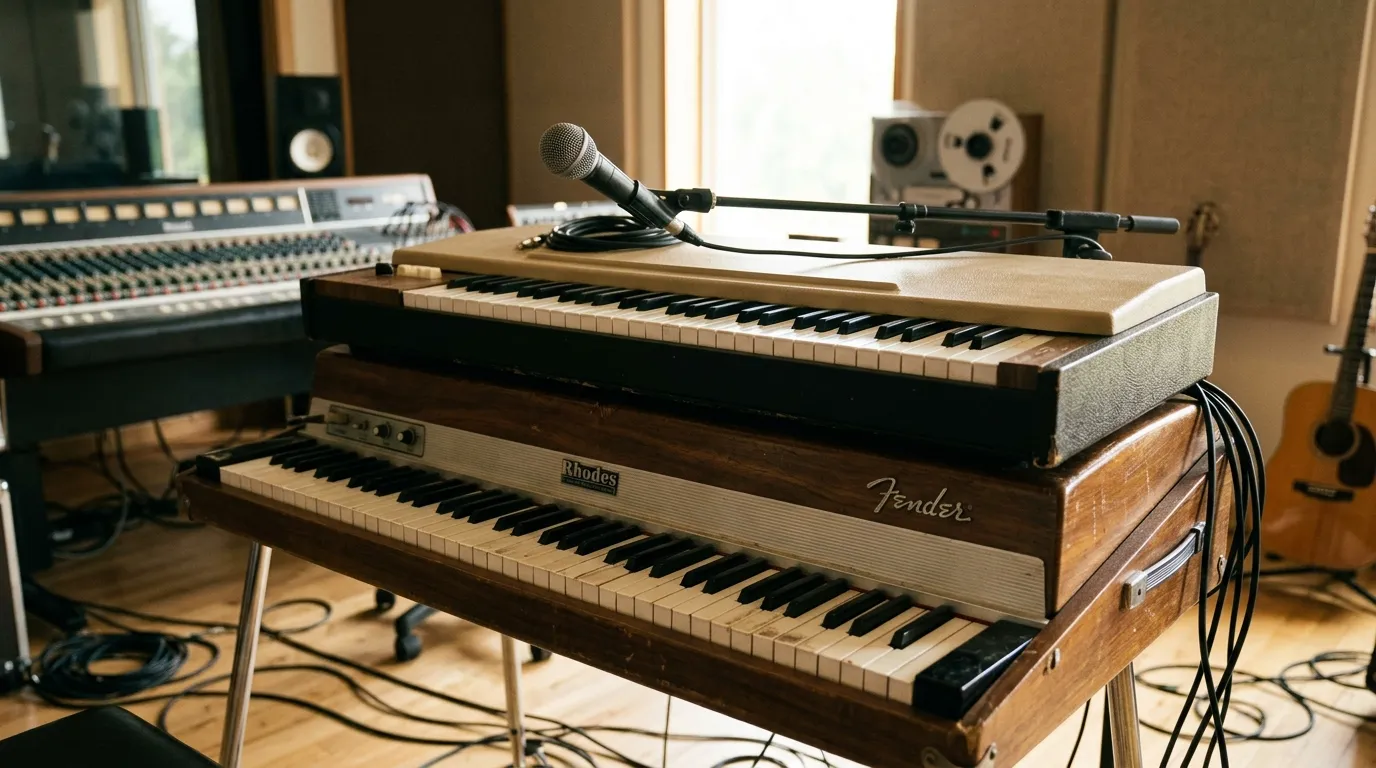
Tom Johnston’s gritty, boogie-driven vocals powered the Doobies’ early radio hits. Then illness sidelined him during the 1975 tour, and Michael McDonald stepped in as a vocalist. He soon became the face of a smoother sound.
The result was Minute by Minute, which hit No. 1 on the Billboard 200 in 1979. “What a Fool Believes” went to No. 1 on the Hot 100, and it won both Record of the Year and Song of the Year at the Grammys.
#11 – Jefferson Airplane: Grace Slick Walked in With Two Songs That Changed Everything
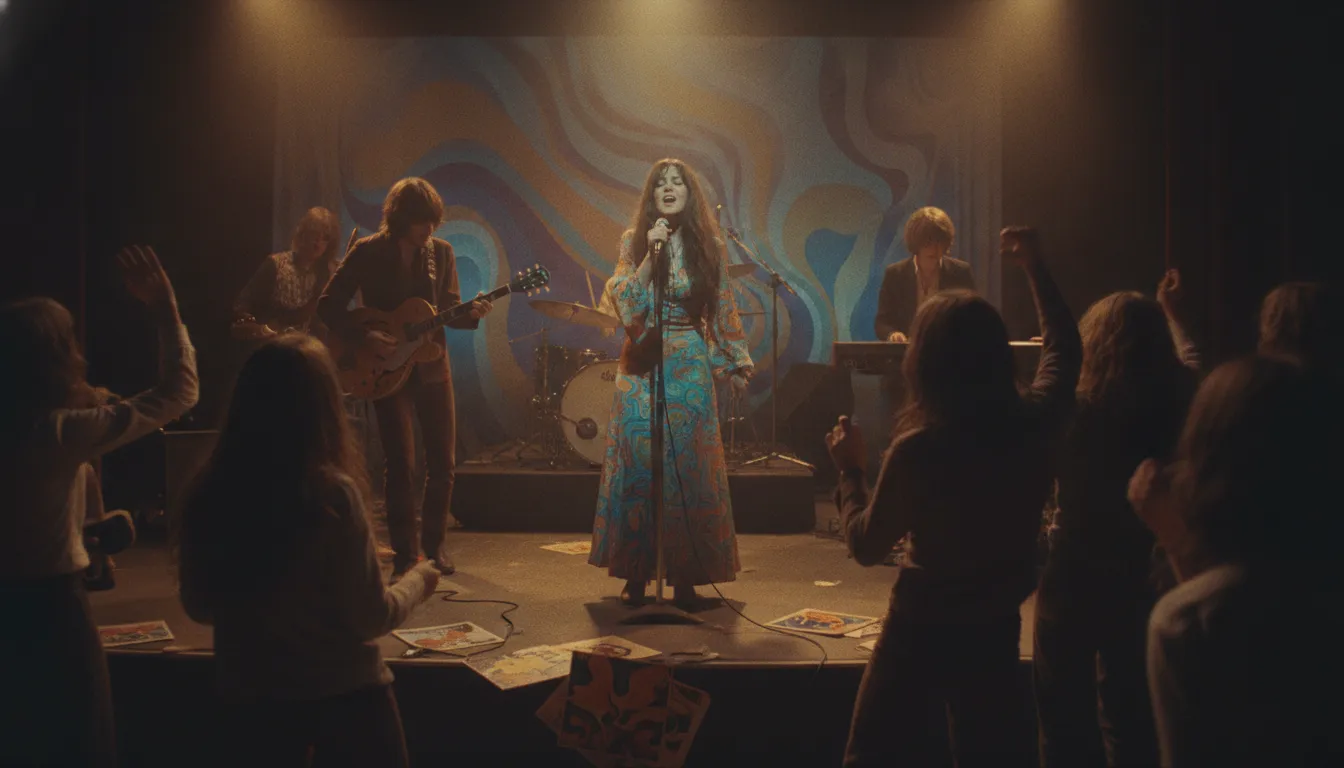
Signe Anderson sang on the band’s 1966 debut, which sold modestly. When she left, Grace Slick joined and brought songs she had performed with her earlier band.
Two of them were “Somebody to Love” and “White Rabbit,” and both reached the Top 10. They powered Surrealistic Pillow to No. 3 in 1967. Slick’s voice stayed central to the group’s lineage, which hit No. 1 on the album chart again with Red Octopus as Jefferson Starship in 1975.
#10 – The Moody Blues: The Band That Had a Hit Before It Found Its Real Voice
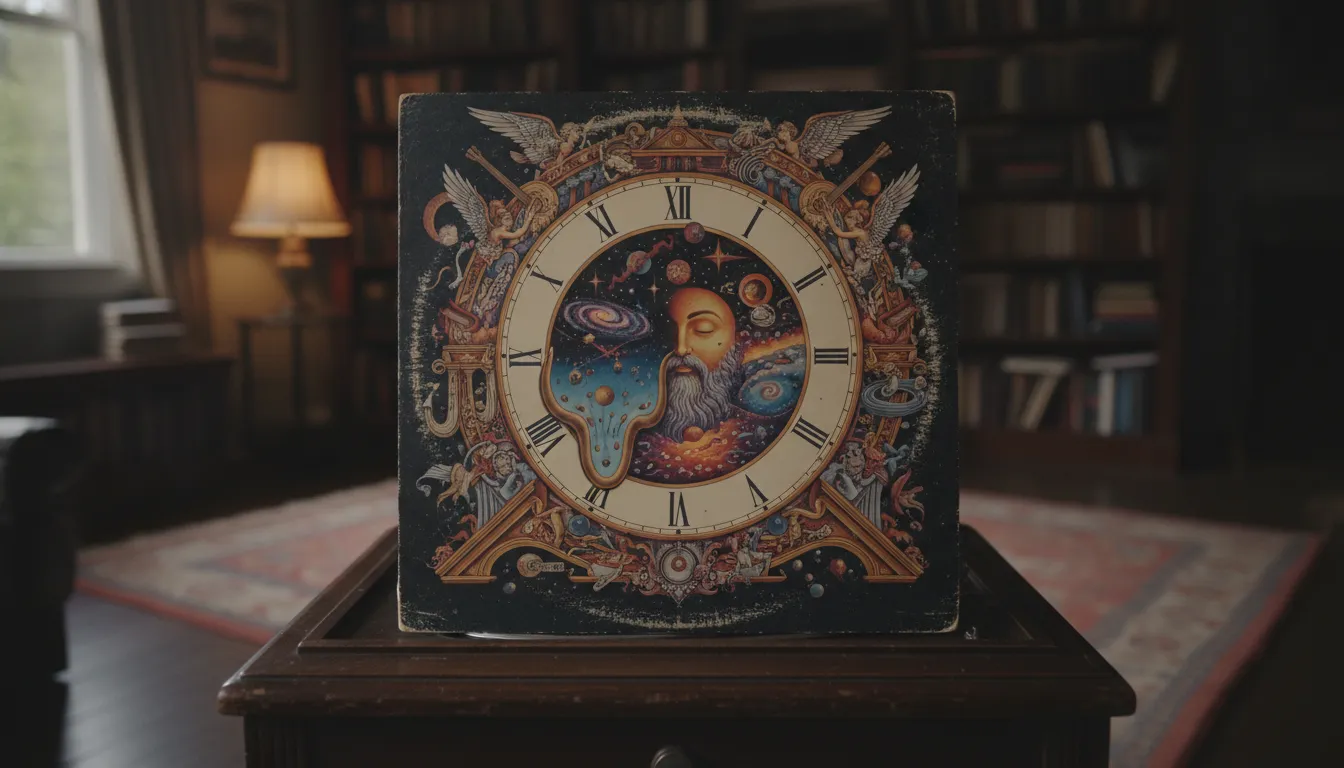
The original Moody Blues had a UK chart-topper in 1964 with “Go Now,” sung by Denny Laine. After Laine left, the band regrouped around Justin Hayward and John Lodge and abandoned R&B covers for orchestral, dreamy rock.
The first album from the new lineup was Days of Future Passed, home to “Nights in White Satin.” Later the band hit No. 1 in the U.S. with Seventh Sojourn and Long Distance Voyager. They became a bigger act after the change than they had been before it.
#9 – Blood, Sweat & Tears: The Album of the Year Came After Al Kooper Left
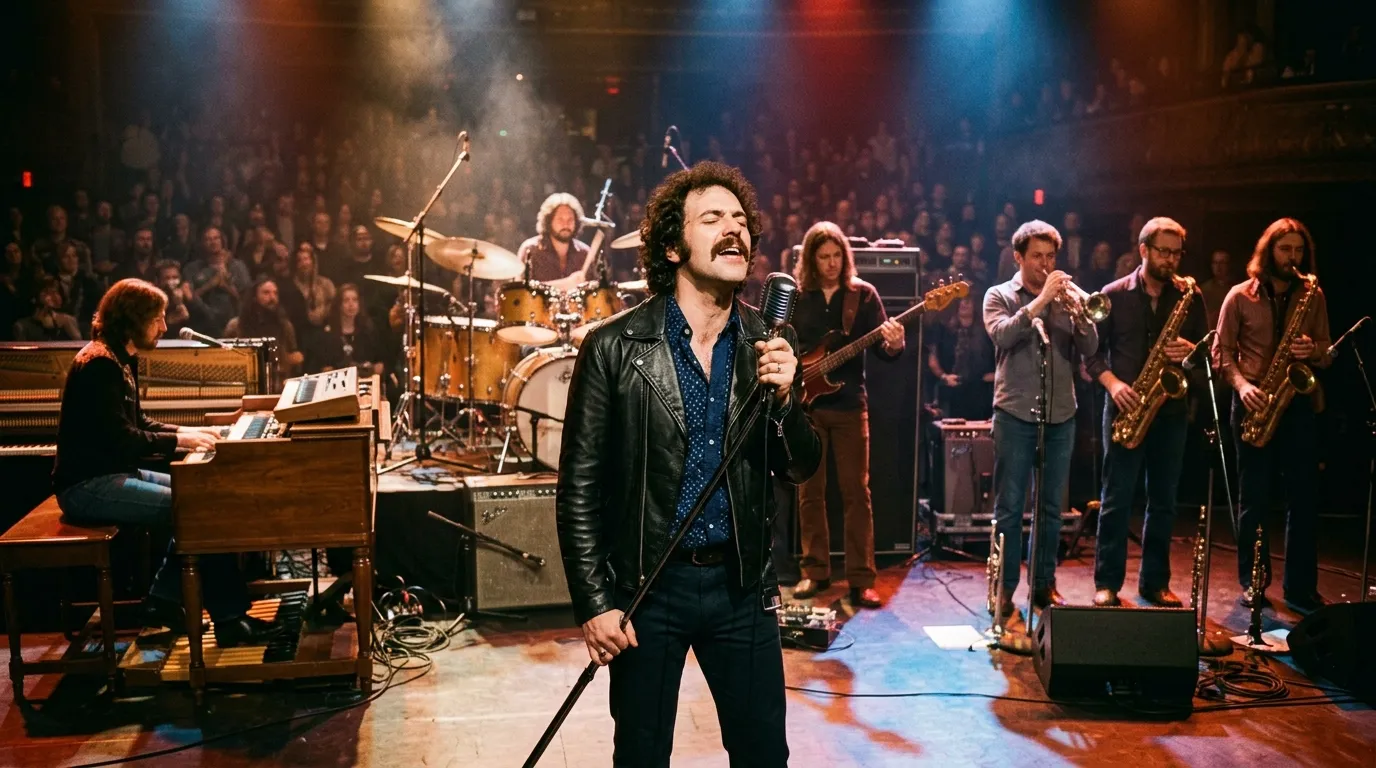
Al Kooper founded Blood, Sweat & Tears and sang on its 1968 debut, Child Is Father to the Man. Critics loved it, but it was not a major hit. Kooper left, and David Clayton-Thomas, a powerful blues-soul singer, took over.
The self-titled follow-up went to No. 1 on the Billboard 200 and produced three Top 3 singles, all peaking at No. 2: “You’ve Made Me So Very Happy,” “Spinning Wheel,” and “And When I Die.” It also won the Grammy for Album of the Year.
Quick Compare
- Before: Kooper on lead vocals, a critical favorite with modest sales.
- After: Clayton-Thomas up front, a No. 1 album and three No. 2 singles.
- Industry verdict: The Grammy for Album of the Year went to the second record, not the debut.
#8 – REO Speedwagon: The Singer Change Behind a Diamond-Selling Album
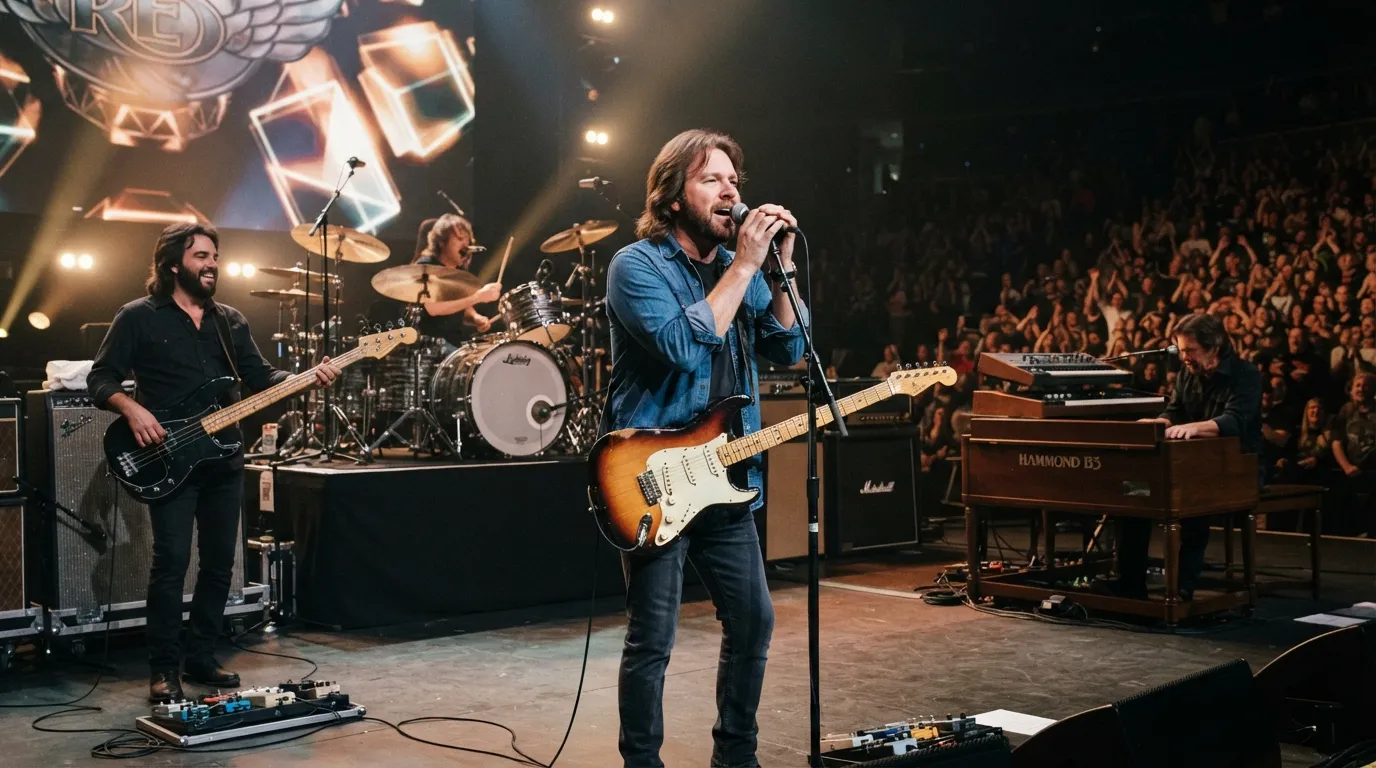
Terry Luttrell sang on REO Speedwagon’s 1971 debut, which barely registered outside the Midwest. After a run of lineup changes at the microphone, Kevin Cronin became the voice and songwriter at the center of the band.
Years of touring and album-by-album growth finally paid off with Hi Infidelity in 1980. It spent weeks at No. 1, produced the chart-topping “Keep On Loving You,” and eventually sold more than 10 million copies in the U.S.
#7 – Queen: Freddie Mercury Turned a Friend’s College Band Into a Legend
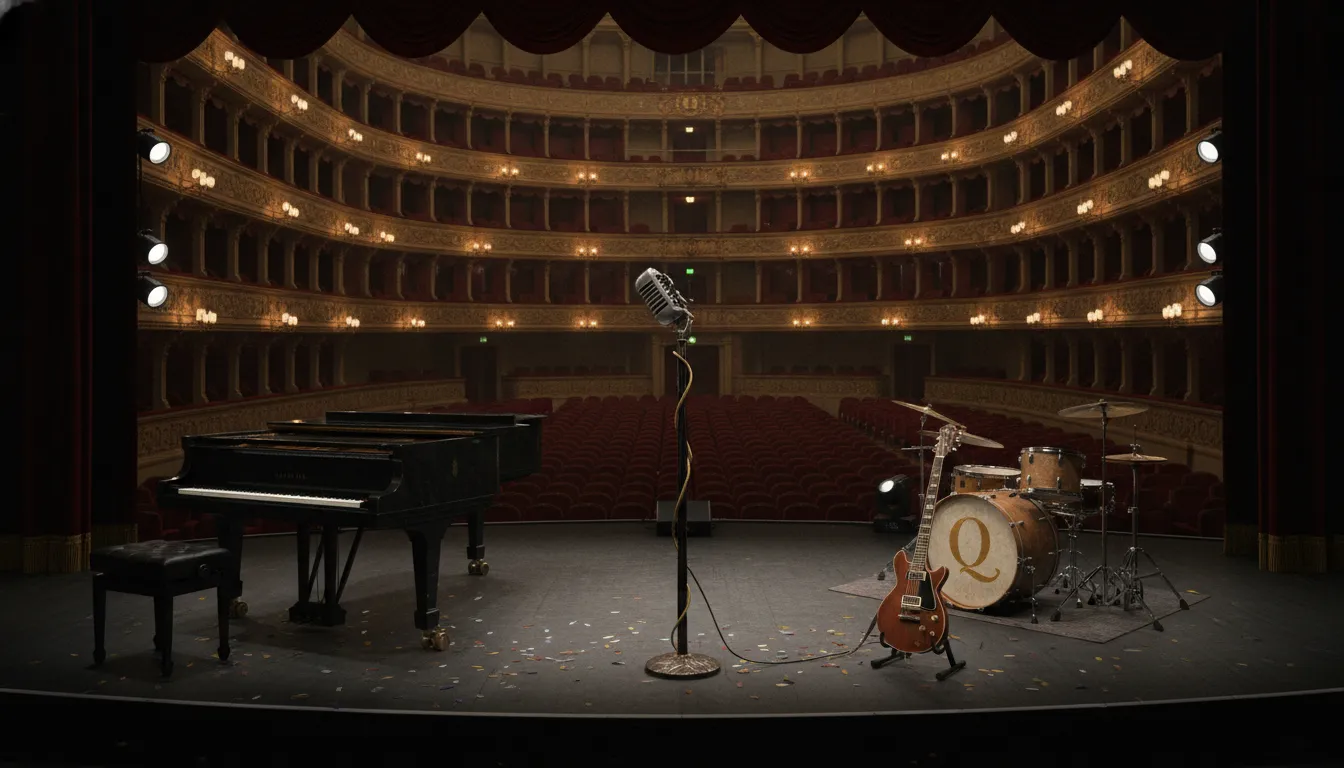
Tim Staffell sang and played bass in Smile, the band that included Brian May and Roger Taylor. Smile never broke through. When Staffell left, Freddie Mercury joined and the group became Queen.
Mercury’s flamboyant stage presence and songwriting gave the band its identity. A Night at the Opera reached No. 1 in the UK and included “Bohemian Rhapsody.” Estimates of Queen’s total record sales run well beyond 200 million.
#6 – Iron Maiden: Bruce Dickinson’s Arrival Created the Band’s Arena-Sized Peak
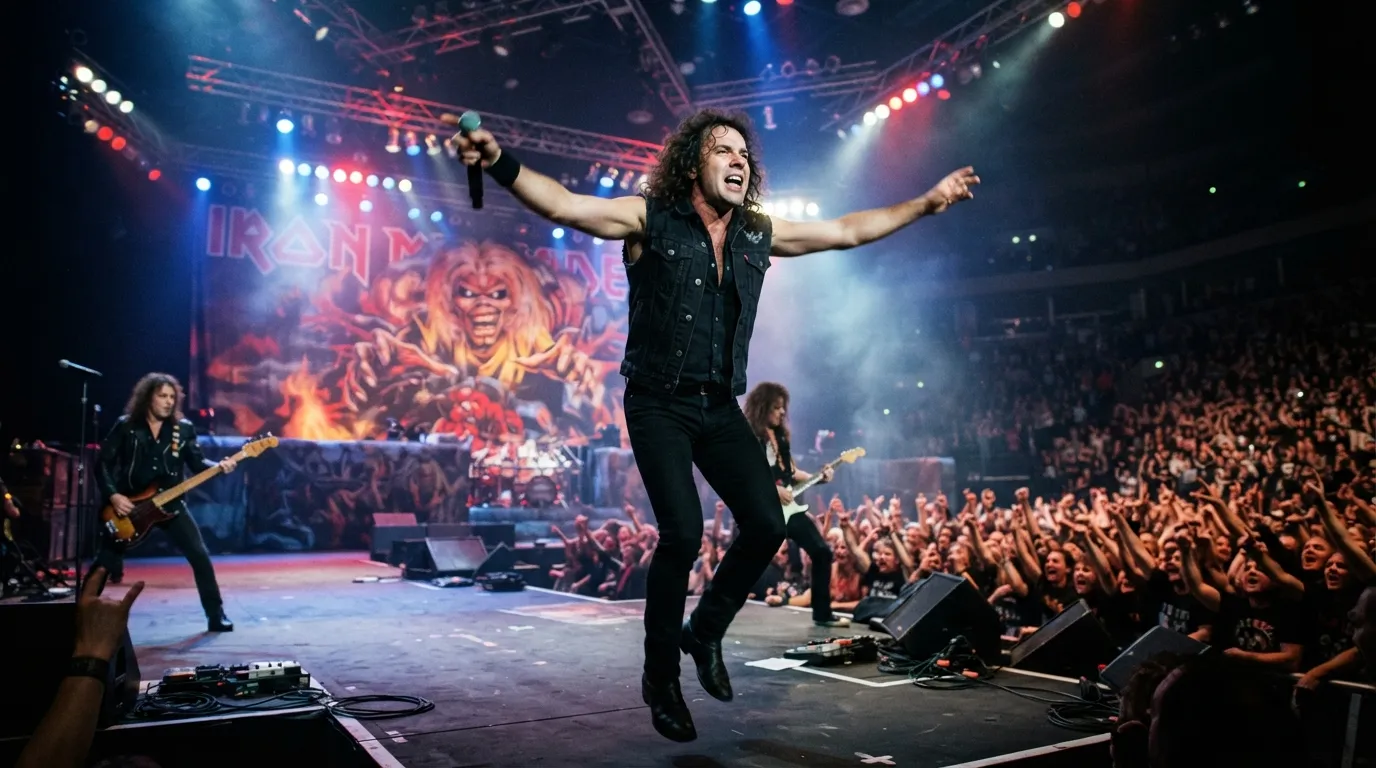
Paul Di’Anno fronted Maiden’s first two albums, which were well regarded and had a punk-metal edge. The group was popular, but not yet a global act.
Bruce Dickinson joined in 1981 and brought an operatic wail and a theatrical presence. The Number of the Beast reached No. 1 in the UK in 1982 and launched Maiden into worldwide arenas. “Run to the Hills” and “Hallowed Be Thy Name” are still concert staples.
#5 – Pink Floyd: Life After Syd Barrett Led to Dark Side of the Moon
Syd Barrett was the creative spark and frontman for Pink Floyd’s psychedelic beginnings. When he left in 1968, David Gilmour was already in the band, and the lead vocal duties were shared among Gilmour, Roger Waters, and Richard Wright.
That version of the band made The Dark Side of the Moon in 1973. It hit No. 1 in the U.S. and stayed on the Billboard 200 for more than 700 weeks. Its sales are usually estimated at around 45 million, and The Wall was another U.S. No. 1 with the post-Barrett lineup.
#4 – Genesis: Phil Collins Stepped From the Drum Kit to Stadium Pop
Peter Gabriel was the masked, costumed storyteller of Genesis’s progressive years. Critics respected the music, but the band’s U.S. sales were modest.
After Gabriel left in 1975, drummer Phil Collins became the lead singer, and the sound slowly became sleeker and more pop-oriented. Invisible Touch in 1986 reached No. 3 on the Billboard 200 and No. 1 in the UK. It produced five U.S. Top 5 singles, including the No. 1 title track.
#3 – Journey: Steve Perry Took a Jam Band and Gave It Anthems
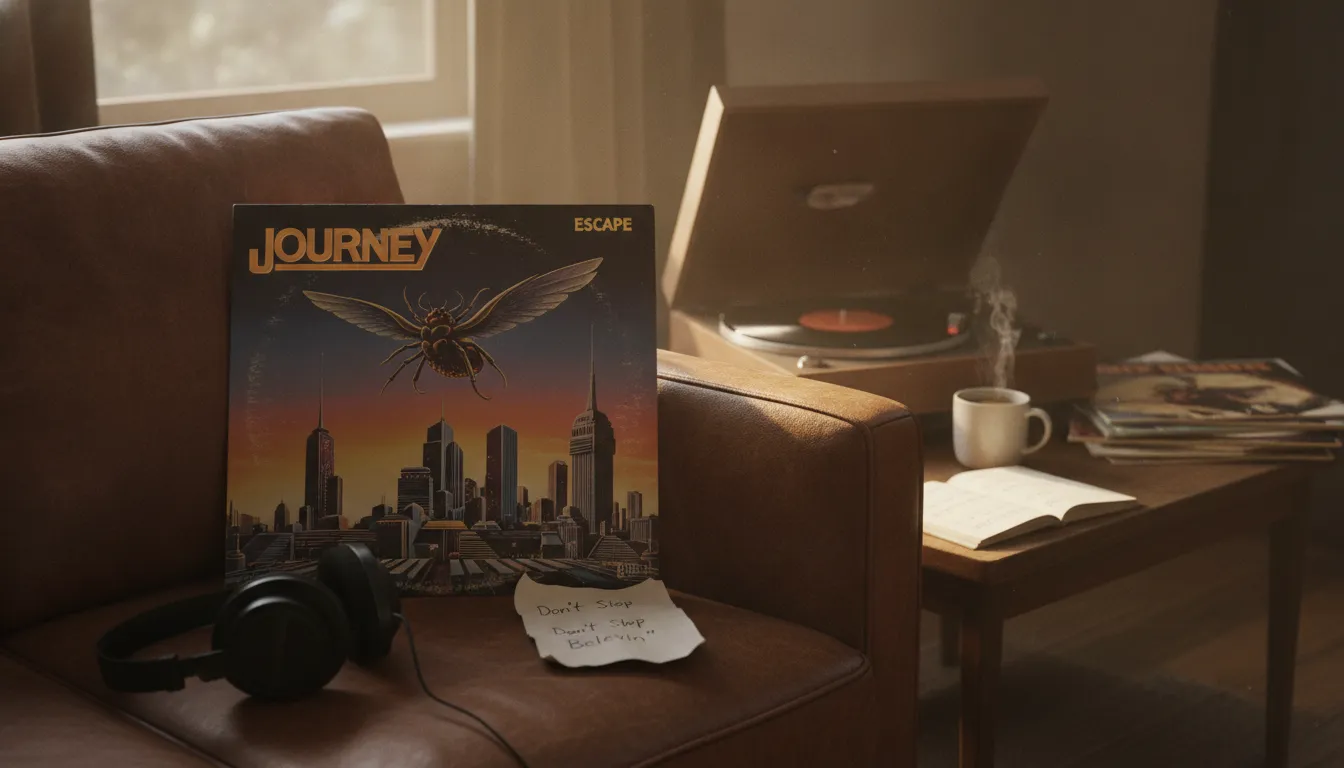
Early Journey was a jazz-rock outfit with Gregg Rolie handling vocals from behind the keyboards. The albums had flashes of promise, but no real breakthrough.
Steve Perry joined in 1977, and the change was immediate. Escape in 1981 reached No. 1 on the Billboard 200 and produced “Open Arms,” “Who’s Crying Now,” and “Don’t Stop Believin’.” That last song has since become one of the most downloaded songs ever.
Worth Knowing
- Rolie stayed on keyboards after Perry arrived and left the band in 1980.
- All three singles named above reached the U.S. Top 10.
- “Don’t Stop Believin’” peaked at No. 9 on release, and its legend grew in the decades afterward.
#2 – Fleetwood Mac: Two New Voices Turned a Blues Band Into a Global Phenomenon
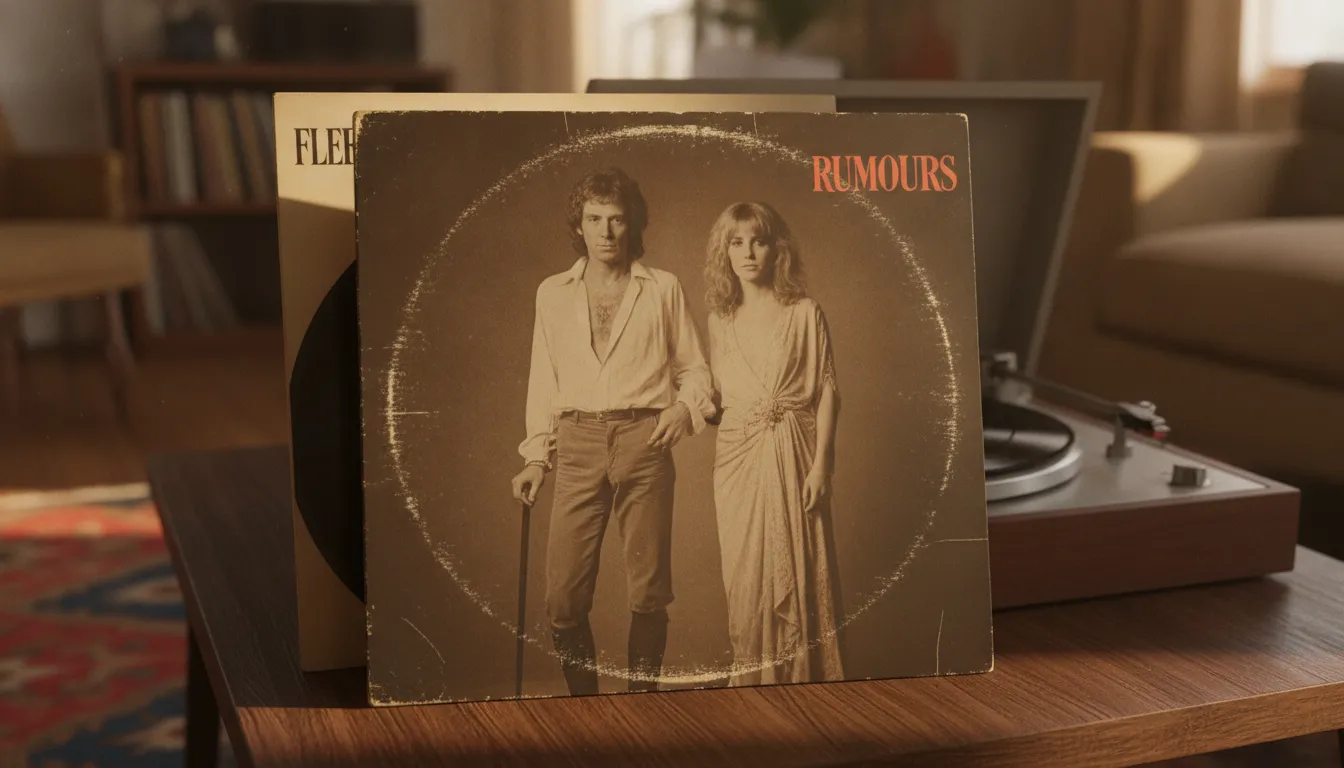
Fleetwood Mac began as a British blues band, and over the years lead vocals rotated among several members. The band had been through a lot by the time Lindsey Buckingham and Stevie Nicks joined on New Year’s Eve 1974.
The self-titled 1975 album reached No. 1, and Rumours followed in 1977. It topped the Billboard 200 for 31 weeks and won the Grammy for Album of the Year. Sales are commonly put at more than 40 million copies, even though it was made while the band’s relationships were falling apart.
#1 – AC/DC: A Replacement Singer Made One of the Best-Selling Albums Ever
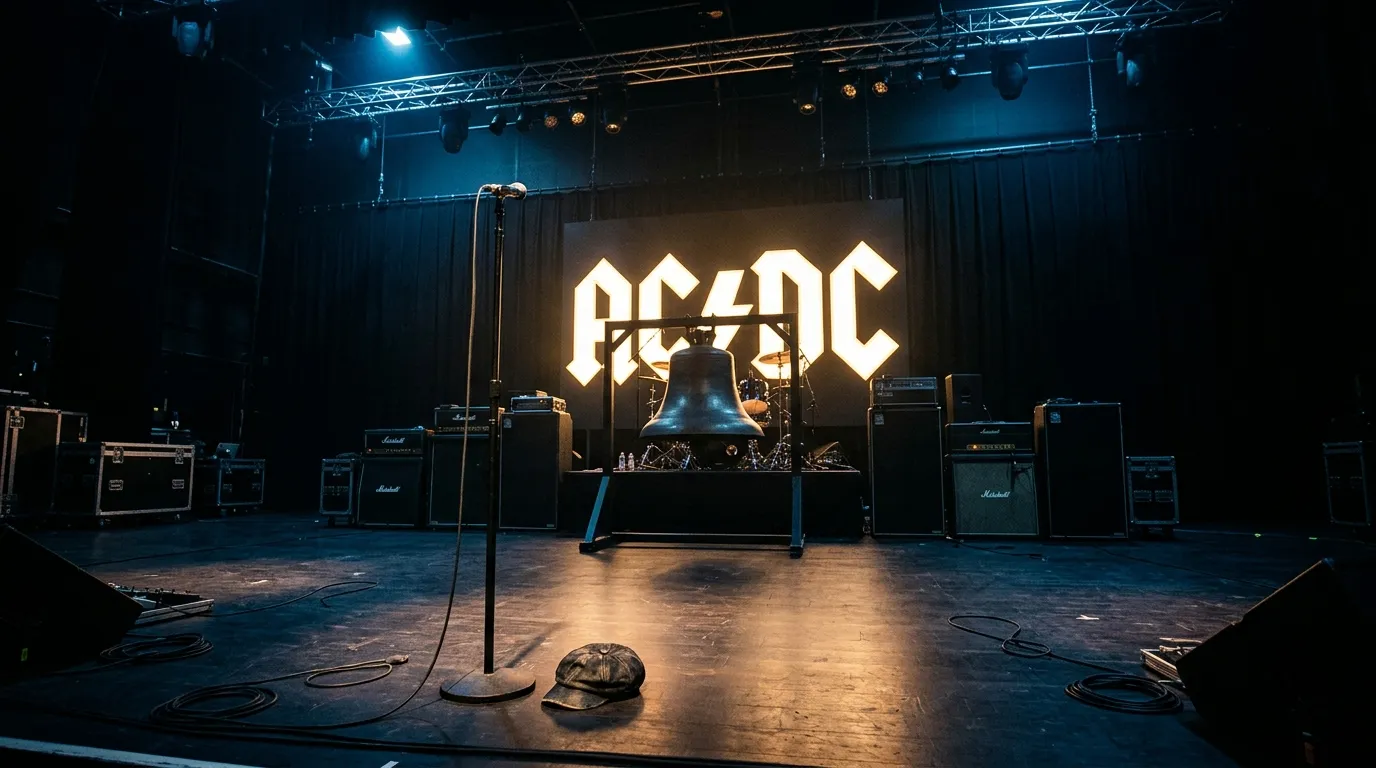
Bon Scott was AC/DC’s wild-eyed frontman, and Highway to Hell in 1979 gave the band its U.S. breakthrough. Then Scott died in February 1980, and many assumed the group was finished.
Instead, they hired Brian Johnson, who had sung with the band Geordie. Five months later they released Back in Black, which hit No. 1 in the UK and has sold an estimated 50 million copies worldwide. With songs like “Hells Bells,” “You Shook Me All Night Long,” and the title track, it ended up bigger than anything Scott ever recorded with them.
At a Glance
- Last Scott album: Highway to Hell, 1979.
- Tragedy: Scott died in February 1980.
- Replacement: Brian Johnson, formerly of Geordie.
- Result: Back in Black, a UK No. 1 with estimated sales of 50 million.
Across these 16 bands, a new voice often coincided with the biggest records the group ever made. Sometimes it brought a new sound, sometimes better timing, and sometimes just a better fit for the moment. Either way, the story of the original singer was not always the story of the band’s greatest success.