Everyone “knows” the rule: swap out a key actor in the middle of a franchise and the audience walks. Hollywood has tested that rule again and again, and the box office keeps ignoring it.
These 16 recasts involve a grieving studio, a Broadway schedule, a pay fight, and a lawsuit. In every case, a later film showed the series could survive the change.
The reasons behind the swaps are messier than the headlines suggest. Some actors were pushed out, some walked, and two were lost for the saddest reason of all. We start at #16, where a hit movie lost a co-star right before its sequel.
#16 – Terrence Howard as James Rhodes

Terrence Howard played Lt. Col. James Rhodes in the first Iron Man (2008), standing next to Robert Downey Jr. as Tony Stark’s best friend. For Iron Man 2, the role went to Don Cheadle. Howard’s exit has been widely reported as a contract matter, not a creative one.
The timing mattered, because Marvel was just starting to stitch its films into a shared universe. Iron Man 2 (2010) still grossed about $623 million worldwide, ahead of the original’s roughly $585 million.
Cheadle kept the part, and Rhodey became War Machine. He carried the character through Iron Man 2 and several Avengers-era films, where the friendship with Stark gave him plenty to do.
And Marvel was only getting started on swapping leads.
#15 – Edward Norton as Bruce Banner
Edward Norton starred in The Incredible Hulk (2008), then never returned. When Marvel announced Mark Ruffalo in 2010, the studio said it wanted an actor who fit the collaborative spirit of its growing ensemble.
Ruffalo debuted as Banner in The Avengers (2012), which grossed more than $1.5 billion worldwide. His Banner was rumpled, wry, and a little tired of his own big green problem.
That gave the character a far longer run than one solo film ever could have. Ruffalo carried Banner through Thor: Ragnarok, Infinity War, and Endgame.
The next recast happened in a trilogy where almost nobody noticed the seam.
#14 – Katie Holmes as Rachel Dawes
Katie Holmes played Rachel Dawes in Batman Begins (2005), then did not return for the sequel. She reportedly passed to work on another project. Maggie Gyllenhaal stepped in for The Dark Knight (2008).
At a Glance
- Original role: Rachel Dawes in Batman Begins (2005), which grossed about $373 million worldwide
- Replacement: Maggie Gyllenhaal in The Dark Knight (2008)
- Result: more than $1 billion worldwide, well over double the first film
- Story stakes: Rachel’s fate pushes Harvey Dent toward Two-Face
The recast landed in the biggest film of the trilogy. The Dark Knight grossed more than $1 billion worldwide.
Rachel’s fate is also the hinge of Harvey Dent’s collapse into Two-Face. Gyllenhaal’s tougher, less starry-eyed version gave that loss real weight, and the audience barely had time to dwell on the swap.
Next, a vampire villain who got replaced on the way to the final showdown.
#13 – Rachelle Lefevre as Victoria
Rachelle Lefevre played the vengeful vampire Victoria in Twilight (2008) and New Moon (2009). For Eclipse (2010), Summit cited a scheduling conflict and cast Bryce Dallas Howard instead.
Lefevre publicly said she was disappointed by the news. The decision was made anyway, and the recast went ahead.
Howard played Victoria in Eclipse, the film that ends the character’s story. It grossed nearly $700 million worldwide, close to New Moon’s franchise-best haul.
Now for a swap that had nothing to do with contracts.
#12 – Richard Harris as Albus Dumbledore
Richard Harris was the first Dumbledore, in Sorcerer’s Stone (2001) and Chamber of Secrets (2002). He died in October 2002, just weeks before the second film reached theaters.
Widely repeated accounts say Harris first turned the part down, until his granddaughter insisted he take it. Warner Bros. now had to find someone to carry the wizard through the rest of the story.
Michael Gambon took over for Prisoner of Azkaban (2004) and played Dumbledore through the final film. His version was brisker, twinklier, and more physical than Harris’s gentle stillness.
The series finished on a high note, with Deathly Hallows – Part 2 (2011) grossing more than $1.3 billion worldwide.
One more recast is coming that came down to a mother’s illness, not a studio decision.
#11 – Claudia Wells as Jennifer Parker
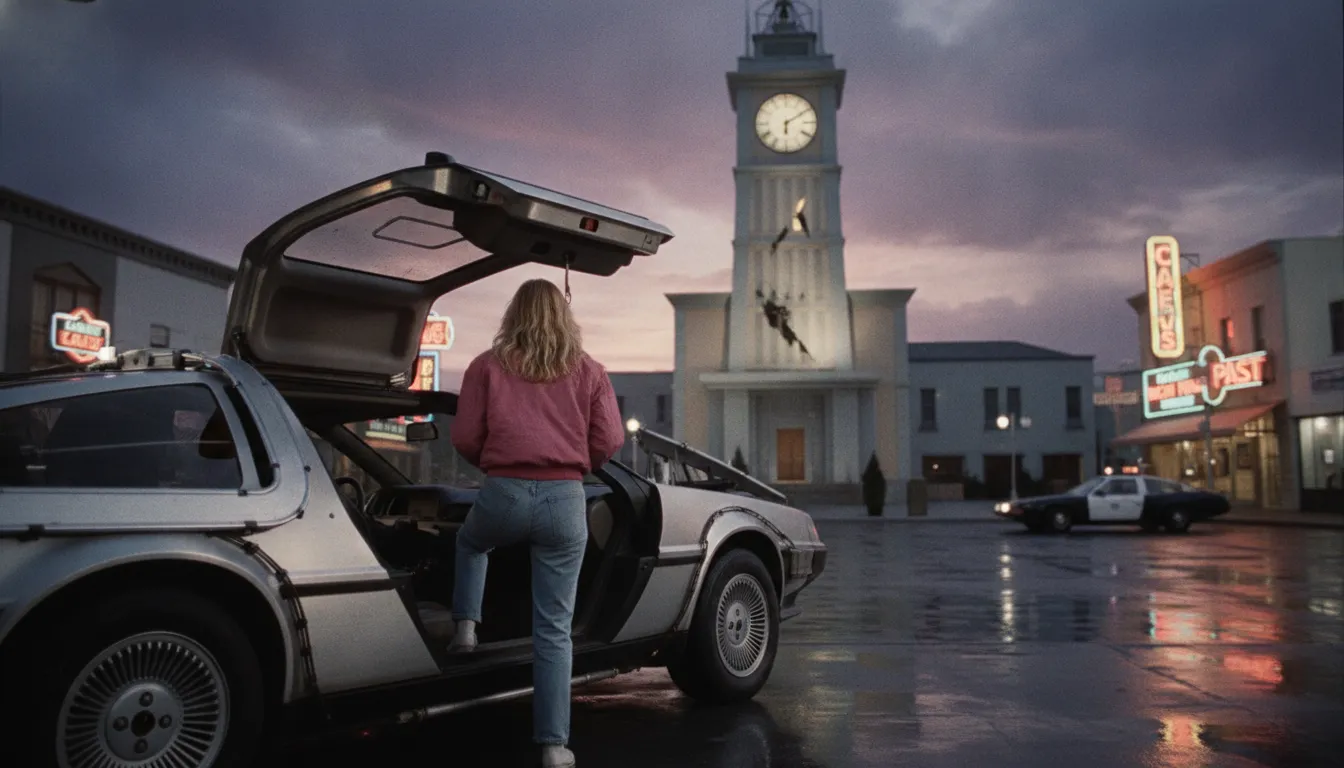
Claudia Wells played Marty McFly’s girlfriend, Jennifer Parker, in the original Back to the Future (1985). She did not return for the sequels. Her mother’s illness is the reason most often cited.
Elisabeth Shue took over for Part II (1989). The film even reshoots the last scene of the first movie, the one where Jennifer climbs into the DeLorean, with Shue in the role.
That meant the new actress had to match the old ending while stepping into a time-travel plot full of alternate timelines. Part III (1990) wrapped the trilogy with Shue still in place.
The next case is a quiet one, and it comes with a sad backstory.
#10 – Gloria Foster as The Oracle
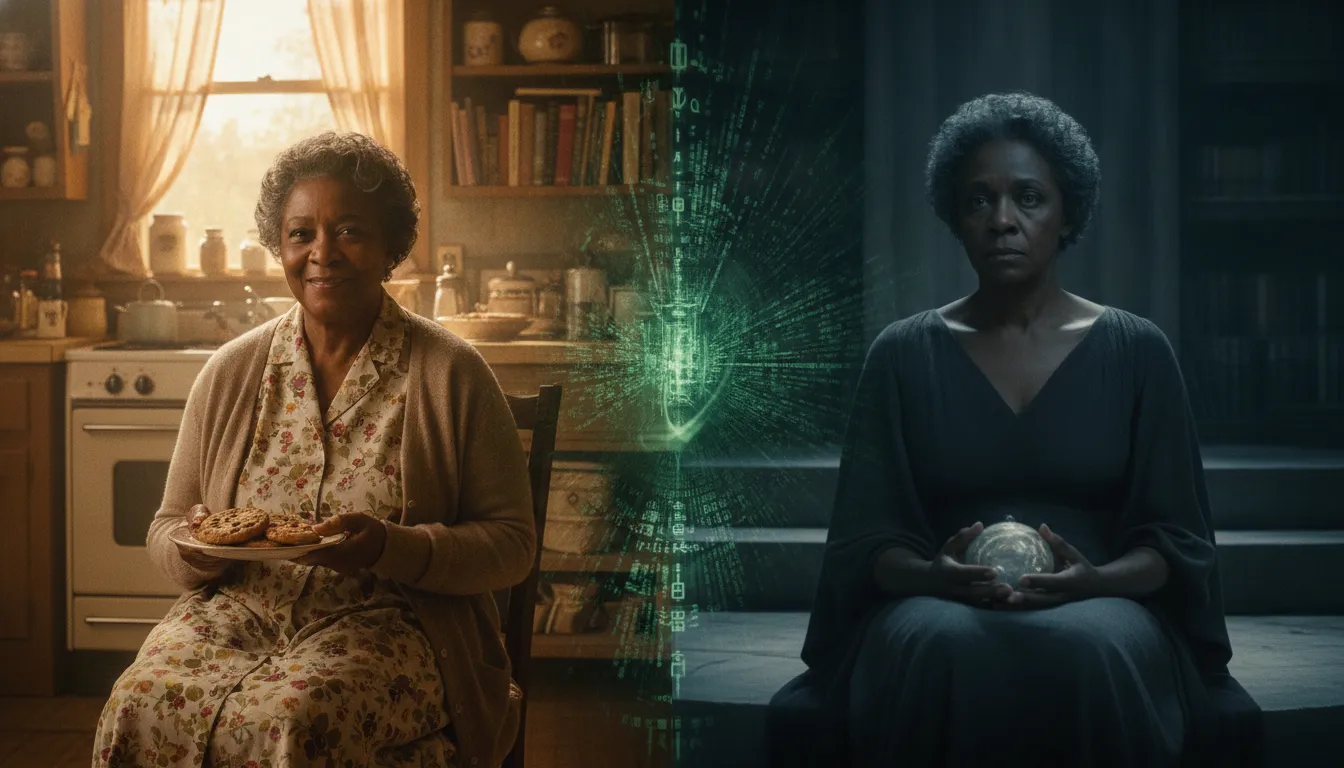
Gloria Foster played the Oracle, the cookie-baking prophet of The Matrix (1999). She died in September 2001, after finishing her scenes for The Matrix Reloaded.
That left the third film without its guide. Mary Alice was cast as the Oracle for The Matrix Revolutions (2003).
Quick Compare
- The Matrix Reloaded (2003): Gloria Foster as the Oracle, with more than $740 million worldwide
- The Matrix Revolutions (2003): Mary Alice as the Oracle, with more than $420 million worldwide
The filmmakers kept the character in the story instead of writing her out. Reloaded grossed more than $740 million worldwide, and Revolutions brought in over $420 million.
The Oracle’s role as a source of cryptic, unsettling wisdom survived to the trilogy’s finish.
Next up, an actor who got bumped by a Broadway curtain call.
#9 – Alec Baldwin as Jack Ryan
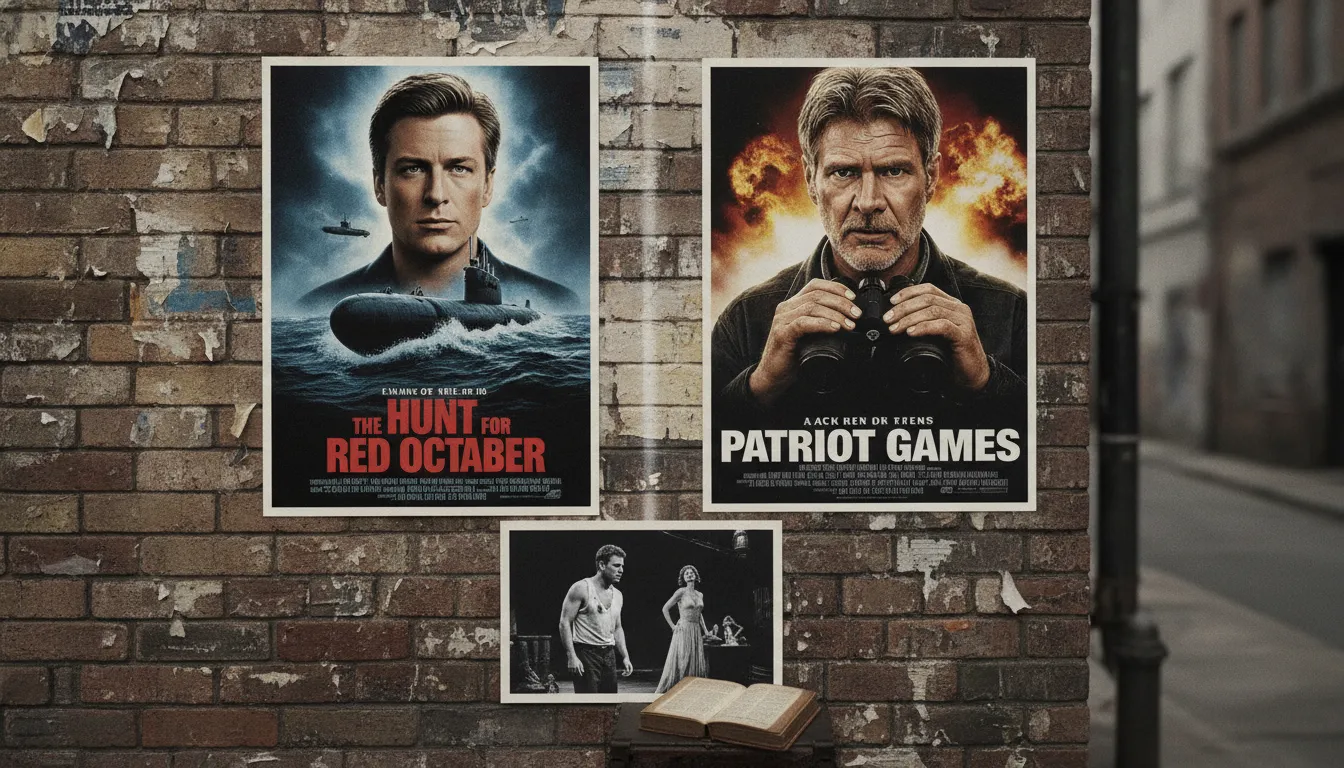
Alec Baldwin introduced Tom Clancy’s analyst-turned-hero in The Hunt for Red October (1990). When Patriot Games was ready to shoot, his commitment to a Broadway run of A Streetcar Named Desire collided with the schedule. Harrison Ford took over.
The change turned a submarine thriller into a Harrison Ford action franchise. Ford returned for Clear and Present Danger (1994), which grossed more than $200 million worldwide, slightly ahead of Red October.
The role later moved to new actors in later films and a TV series, so Jack Ryan outlived every single face attached to him.
The next lead disappeared for thirty years.
#8 – Mel Gibson as Max Rockatansky
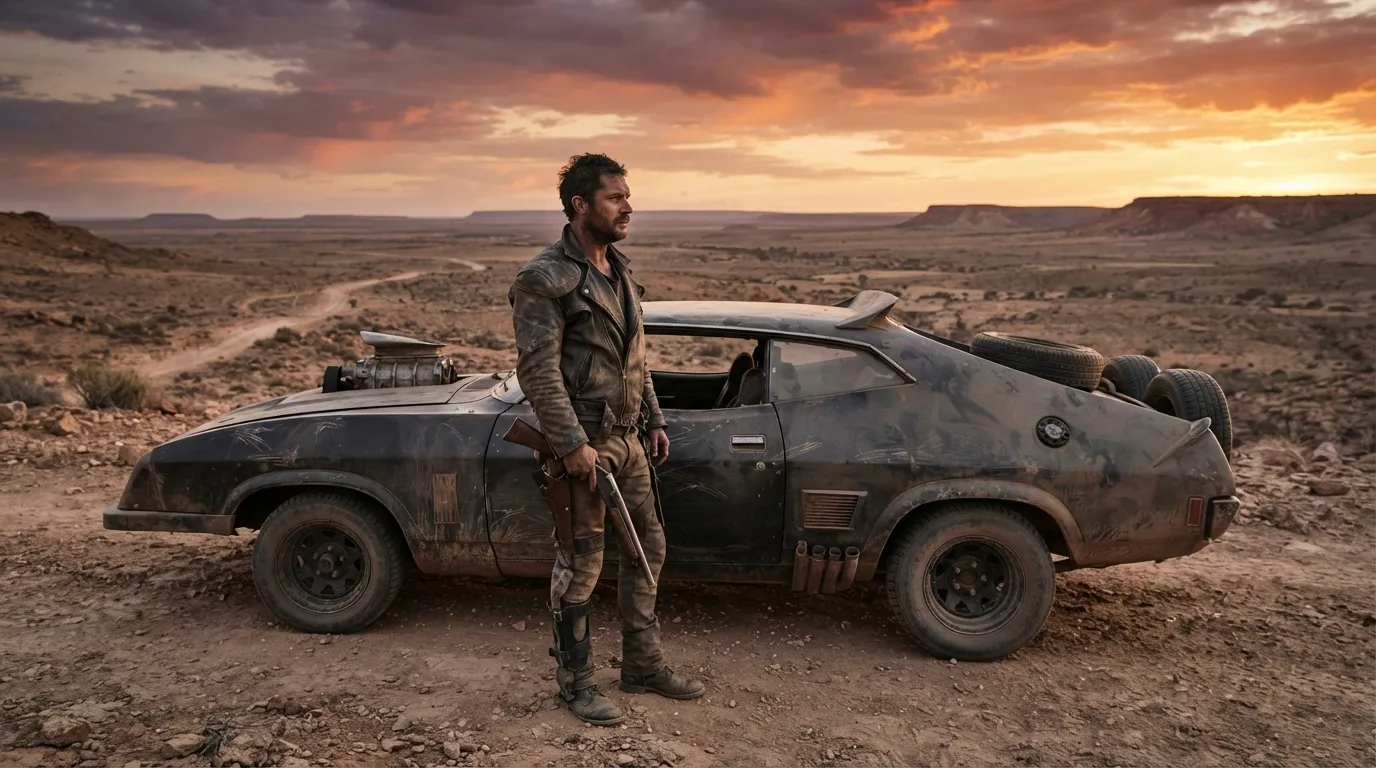
Mel Gibson played Max in all three original Mad Max films, ending with Beyond Thunderdome in 1985. Then the road went quiet for three decades.
When George Miller returned with Mad Max: Fury Road (2015), the lead was Tom Hardy. Hardy’s Max is a barely-speaking, haunted drifter who is mostly pulled along by Charlize Theron’s Furiosa.
The gamble paid off. Fury Road grossed about $375 million worldwide and won six Oscars from ten nominations, including a Best Picture nod.
Max is a wanderer without a fixed history, which made a new face easy to accept.
Next, a spy who got the franchise’s loudest reboot.
#7 – Pierce Brosnan as James Bond
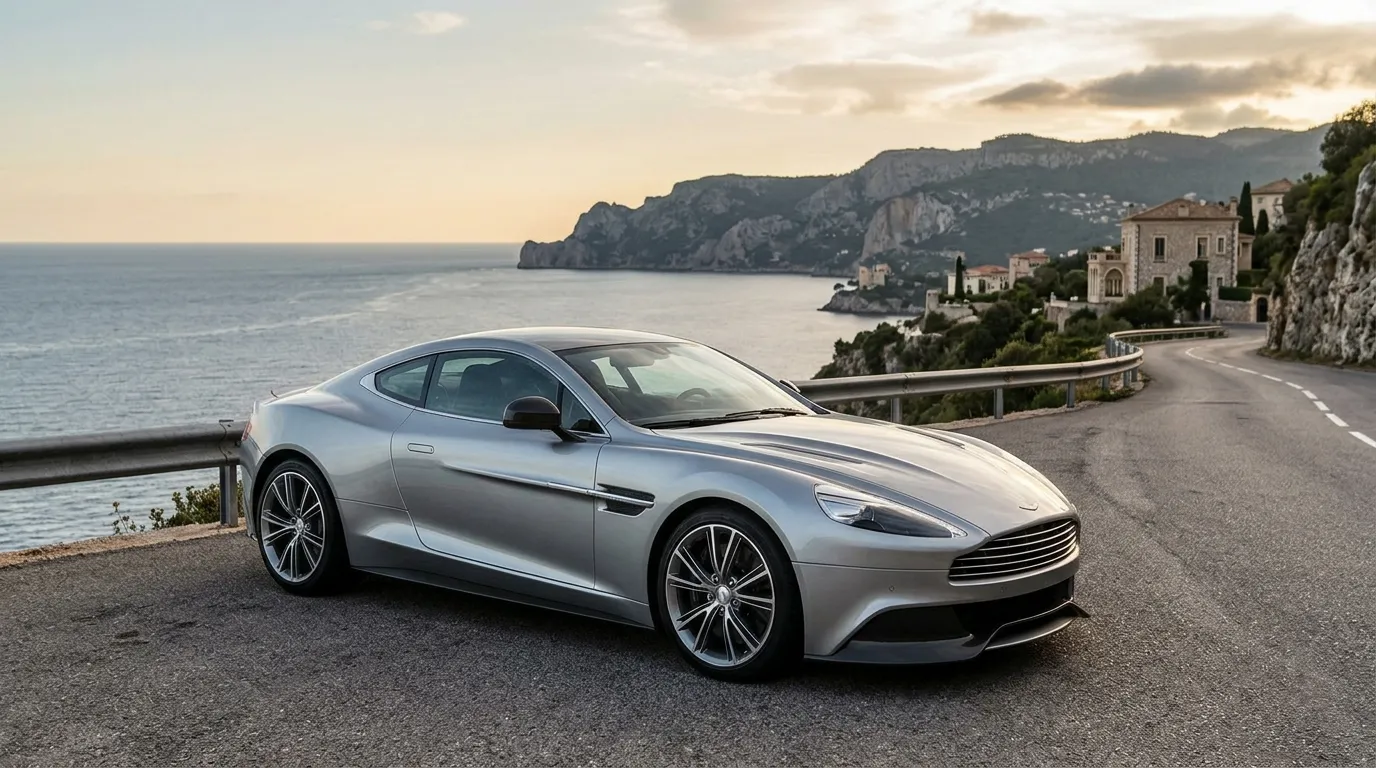
Pierce Brosnan played Bond in four films, from GoldenEye (1995) to Die Another Day (2002). That last film grossed more than $430 million worldwide, then a series high.
Eon Productions still decided to restart the clock. Daniel Craig took over in Casino Royale (2006), a grittier, more physical Bond at the start of his career.
Craig stayed for five films, and Skyfall (2012) grossed more than $1.1 billion worldwide. For many viewers, it became the definitive modern Bond movie.
One of those six faces almost never put on the tuxedo again. But first, a Dark Knight of a different kind.
#6 – Michael Keaton as Batman
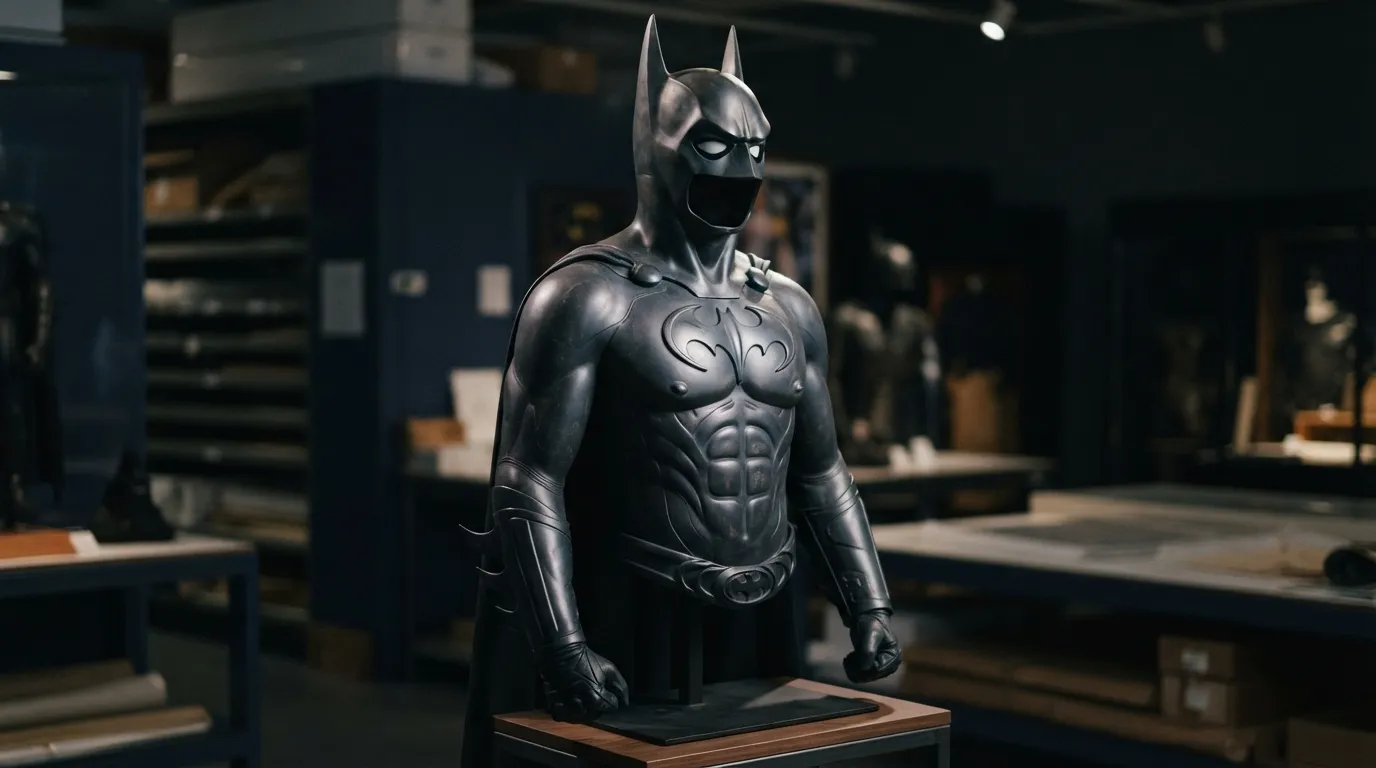
Michael Keaton played Batman in Batman (1989) and Batman Returns (1992). Then Tim Burton stepped back to a producer role, Joel Schumacher took over the director’s chair, and Keaton did not return.
Val Kilmer inherited the cowl for Batman Forever (1995). The film leaned brighter and louder, with Jim Carrey and Tommy Lee Jones as villains.
Fast Facts
- Keaton’s run: Batman (1989) and Batman Returns (1992)
- Kilmer’s debut: Batman Forever (1995), directed by Joel Schumacher
- Villains: Jim Carrey as the Riddler and Tommy Lee Jones as Two-Face
- Box office: about $336 million for Forever versus roughly $267 million for Returns
Audiences came. Batman Forever grossed about $336 million worldwide, beating Batman Returns’ roughly $267 million.
The studio would swap Batman again for the next film, Batman and Robin, with much less success. That makes Forever the cleaner proof that the cape can change hands.
Next, a kid who grew up on screen and didn’t get to finish.
#5 – Edward Furlong as John Connor
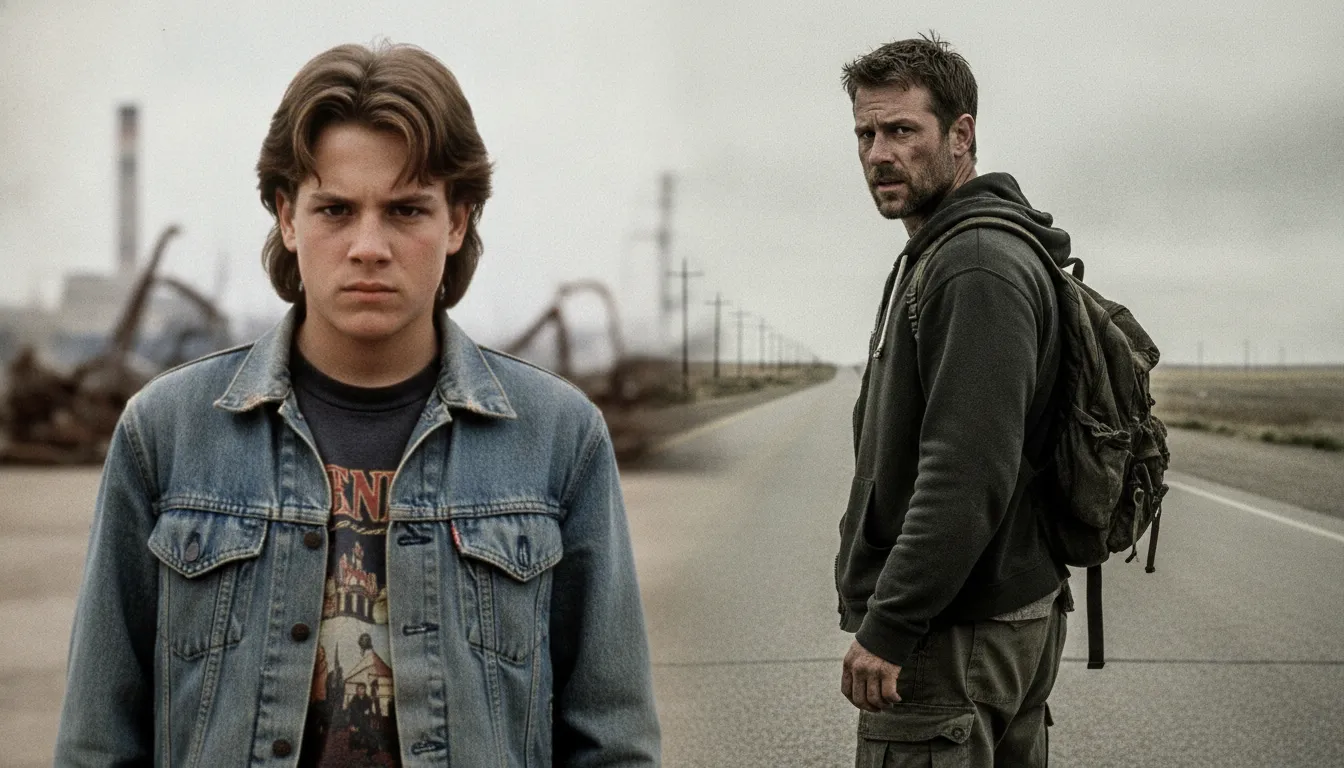
Edward Furlong was a 13-year-old rebel with a mullet in Terminator 2: Judgment Day (1991). By the time the franchise returned with Terminator 3: Rise of the Machines (2003), he was gone, amid widely reported personal struggles.
Nick Stahl played the grown-up John Connor, a drifter hiding from his own destiny. The film had a new director, Jonathan Mostow, and a new Sarah Connor storyline, since Linda Hamilton didn’t return either.
Terminator 3 grossed about $433 million worldwide. That was less than T2, but still a big hit.
Next, a case where the recast star had to follow an Oscar winner.
#4 – Jodie Foster as Clarice Starling
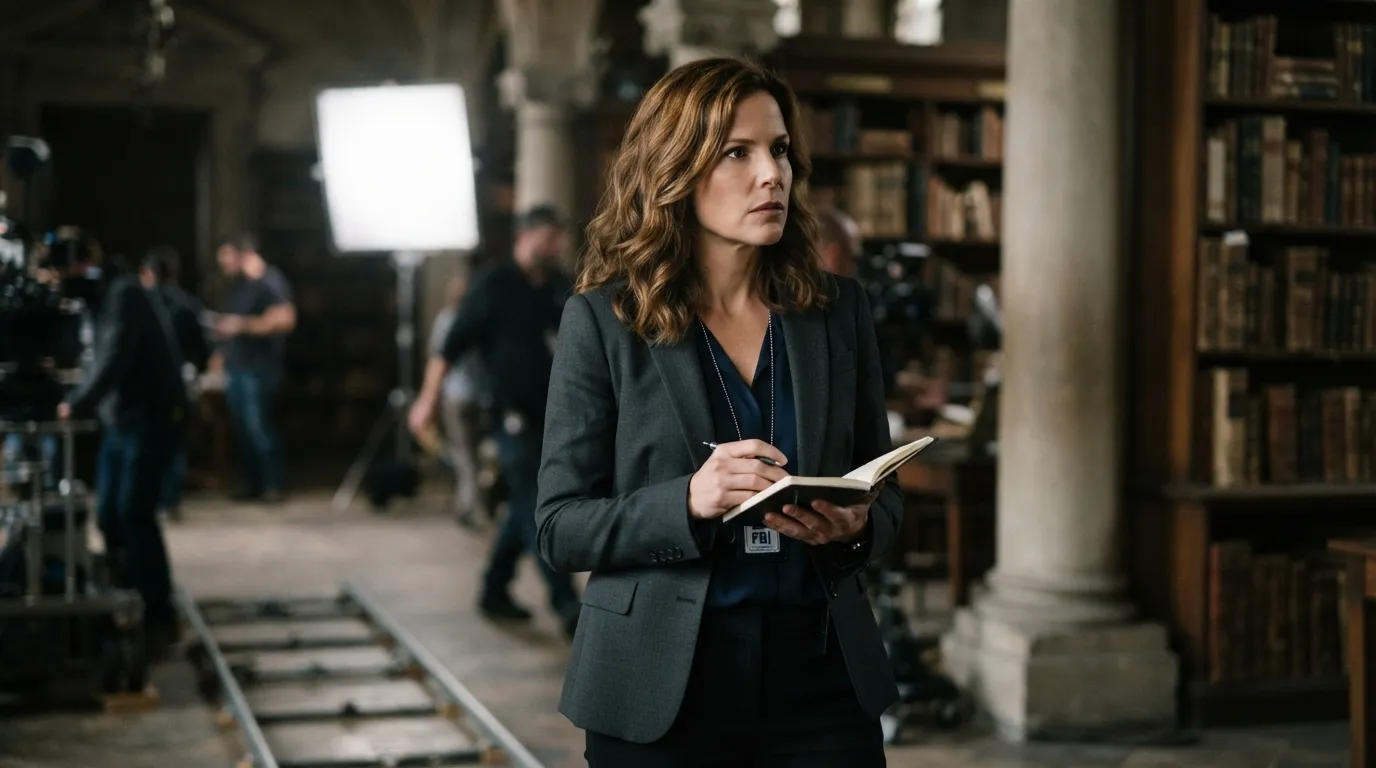
Jodie Foster won an Oscar for playing FBI trainee Clarice Starling in The Silence of the Lambs (1991). When the sequel Hannibal reached the screen in 2001, she was not in it.
Foster reportedly passed over the script and a conflict with her own directing project. Julianne Moore took on one of the most closely watched sequel recasts of its era, working under director Ridley Scott.
Reviews were divided, but ticket buyers were not. Hannibal grossed about $351 million worldwide, more than the $272 million for Silence of the Lambs.
Next, a recast that ended up in court.
#3 – Crispin Glover as George McFly
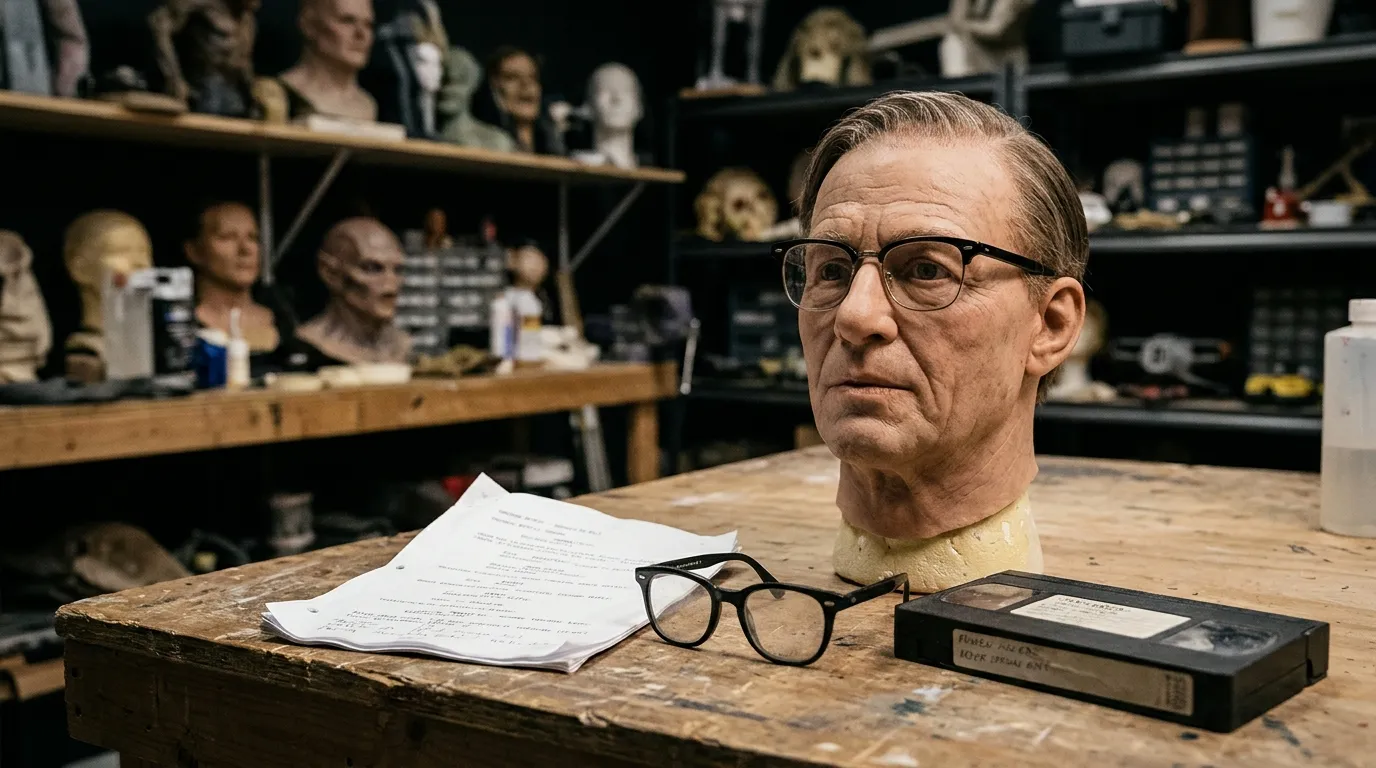
Crispin Glover’s twitchy, terrified George McFly was one of the best things in the original Back to the Future. He did not return for Part II, and a pay dispute was widely reported.
The filmmakers hired Jeffrey Weissman, who wore prosthetics, and also reused footage from the first film. The solution was a clever patchwork, but it was still a recast.
Glover sued. The dispute is often credited with prompting Screen Actors Guild rules about using an actor’s likeness without permission.
Part II grossed over $330 million worldwide, so the audience clearly followed along.
The final two entries recast characters from two of the most loved adventure series ever made.
#2 – Rachel Weisz as Evelyn O’Connell
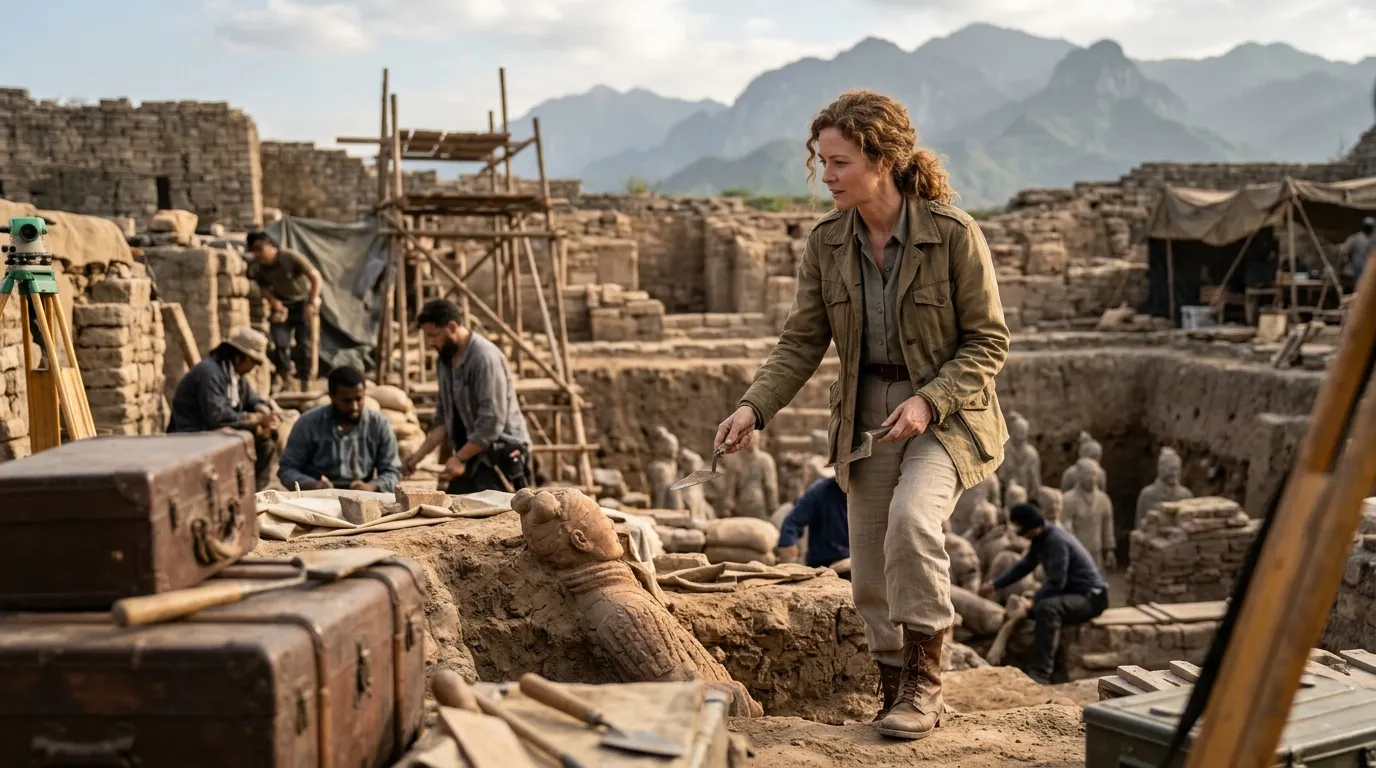
Rachel Weisz played Evy in The Mummy (1999) and The Mummy Returns (2001), the bookish librarian who becomes an adventurer beside Brendan Fraser. She did not return for The Mummy: Tomb of the Dragon Emperor (2008).
Maria Bello took over as Evy. The recast was not the only one in that film, because the couple’s son Alex was also played by a new actor, Luke Ford.
Worth Knowing
- Seven years passed between The Mummy Returns (2001) and Tomb of the Dragon Emperor (2008)
- Two family roles changed hands: Evy (Weisz to Bello) and Alex (Freddie Boath to Luke Ford)
- Brendan Fraser stayed on as Rick O’Connell, giving the film one familiar anchor
- The new setting was China, with Jet Li joining the cast
The third film moved the action to China and added Jet Li. Critics were far cooler than audiences, but the movie grossed more than $400 million worldwide.
Now for the recast that started it all.
#1 – Sean Connery as James Bond

Sean Connery made Bond a global icon in Dr. No (1962) and four more films. After a one-film gap with George Lazenby, Connery came back for Diamonds Are Forever (1971), then left for good.
Roger Moore took over in Live and Let Die (1973). The series had already survived one lead change, and now it had to survive the face everyone associated with the role.
It did. Live and Let Die grossed more than $160 million worldwide, topping Diamonds Are Forever, and Moore went on to play Bond seven times.
Look at the 16 cases together and a pattern shows up. The reasons were rarely about audiences rejecting the original actor. They were pay disputes, scheduling clashes, health, lawsuits, and in two cases, death.
The films that survived did so by keeping the character’s job in the story intact. A Rhodey still stood next to Tony, an Oracle still guided Neo, and a Bond still had a mission.
Fans usually remember the face they saw first. Studios are betting the character matters more, and the box office has often agreed.