
- A Charming Tradition: The History of Christmas Markets in the United States - December 7, 2025
- Gear Up: Your Festival Camping Essentials - December 7, 2025
- Festival Survival Guide: Essential Tips - December 7, 2025
George Orwell – The Prophet of Totalitarian Terror
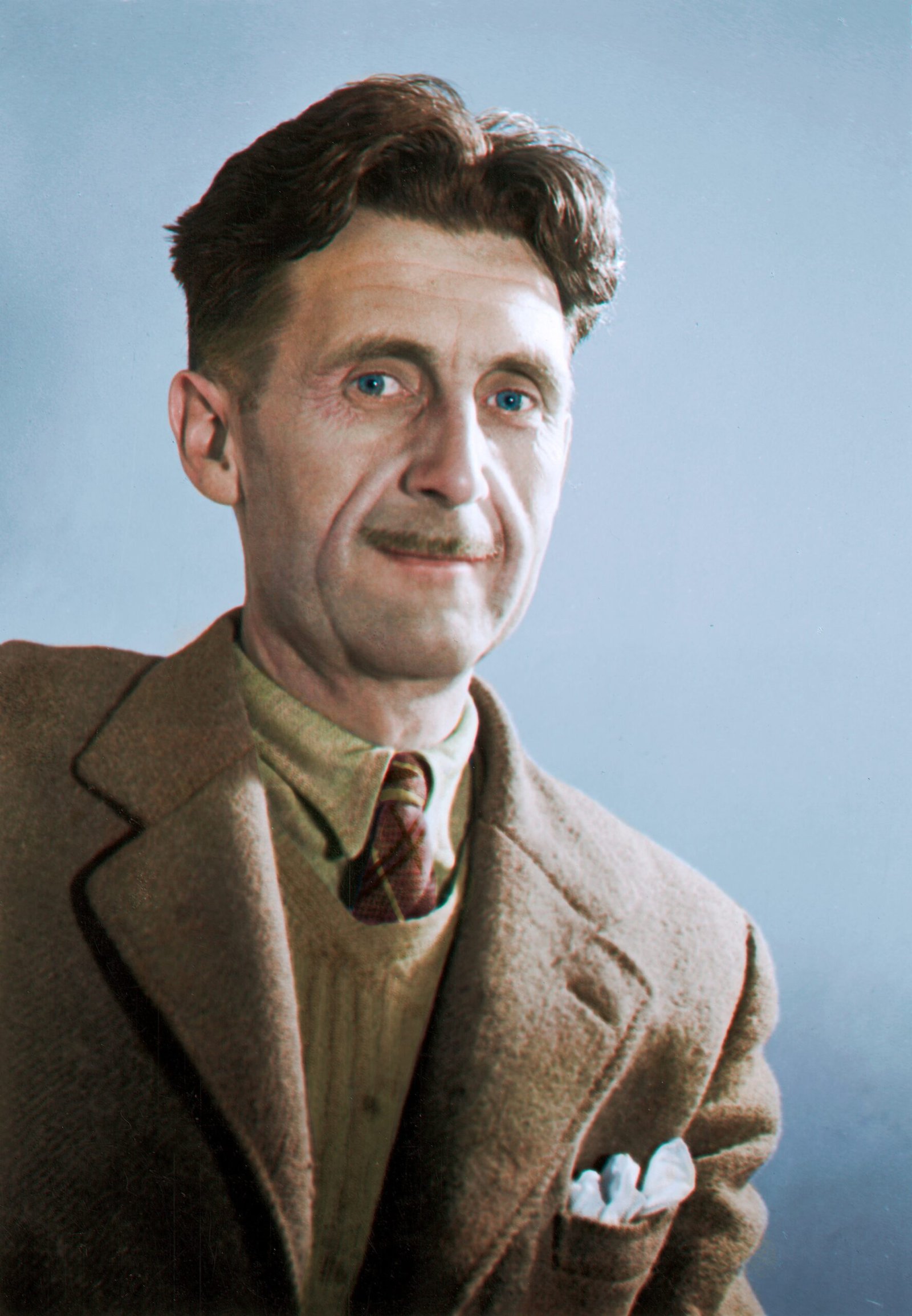
Few writers have had their name become an adjective that defines oppression itself. George Orwell’s dystopian masterpiece “1984” remains eerily relevant 75 years after publication, with terms like “Big Brother,” “doublethink,” and “Orwellian” entering common usage to describe modern political abuses. Born Eric Blair, Orwell wrote “1984” as a warning after years of brooding on the twin menaces of Nazism and Stalinism. His experiences fighting fascism in the Spanish Civil War shaped his understanding of how power corrupts and how truth becomes the first casualty of authoritarian rule. The book has sold around 30 million copies and recently returned to bestseller lists in 2017 after political events reminded readers of its warnings about the manipulation of truth. What makes Orwell truly terrifying is how accurately he predicted the surveillance state we live in today, where our every click is monitored and “alternative facts” compete with reality.
Václav Havel – From Playwright to President of Freedom
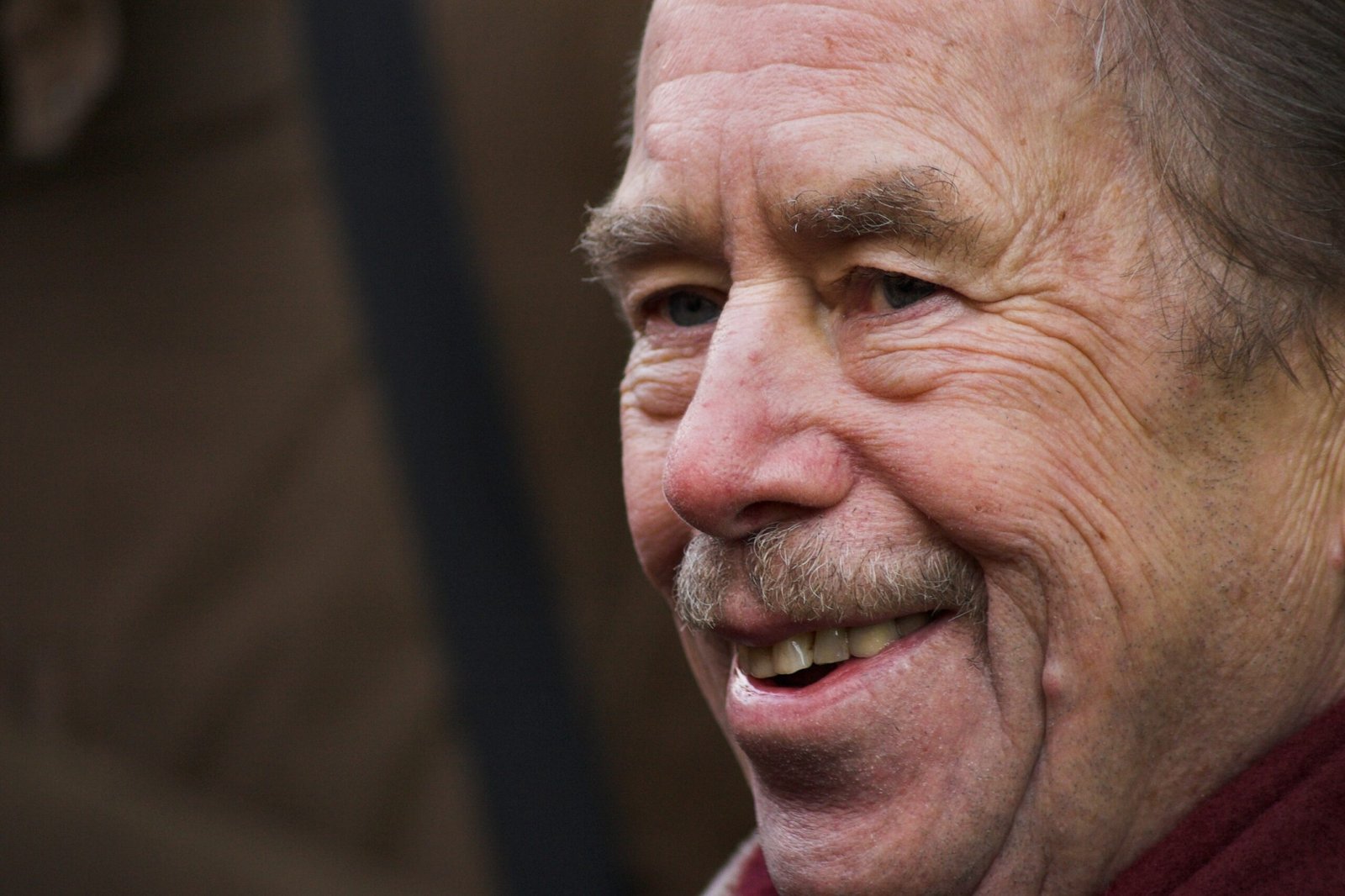
Václav Havel was a Czech playwright and dissident who served as the last president of Czechoslovakia from 1989-1992 and became the first democratically elected president of either country after the fall of communism. His journey from banned playwright to leader of a nation reads like something out of a fairytale, except the dragons were real communist oppressors. When freedoms were limited under the Czechoslovak Socialist Republic, Havel used absurdist theater in works like “The Garden Party” and “The Memorandum” to criticize the Communist system. On December 29, 1989, he was elected President of Czechoslovakia during the Velvet Revolution. As president, Havel made his country a leader in defending human rights around the world. His transformation shows how words can topple walls and how a poet’s pen can prove mightier than a dictator’s sword.
Liu Xiaobo – China’s Martyr for Democracy
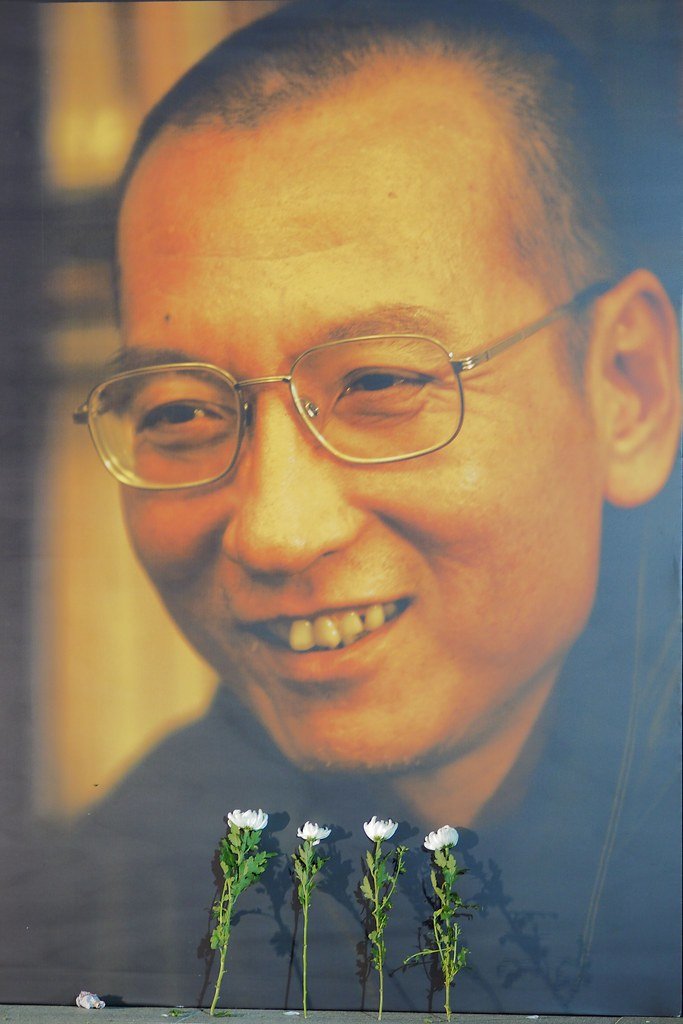
Liu Xiaobo was a Chinese literary critic and human rights activist who was described as China’s most prominent dissident and famous political prisoner until his death from liver cancer on July 13, 2017, while still in custody. His weapon of choice wasn’t violence but a document that shook the foundations of the Chinese Communist Party. Liu was one of the authors of Charter 08, a manifesto calling for freedom of expression, human rights, and democratic elections, which was signed by 303 Chinese dissident intellectuals in 2008. He received the 2010 Nobel Peace Prize for his efforts to implement fundamental human rights in China after almost 30 years as a leading figure in the Chinese democracy movement. Liu was unable to attend the Nobel ceremony because he had been sentenced to 11 years imprisonment for allegedly attempting to undermine the political order, though the Nobel Committee viewed this as unjust persecution for exercising his citizen’s rights. The Chinese government bears heavy responsibility for his premature death, making him a modern martyr for the cause of freedom.
Aleksandr Solzhenitsyn – The Man Who Exposed Stalin’s Hell
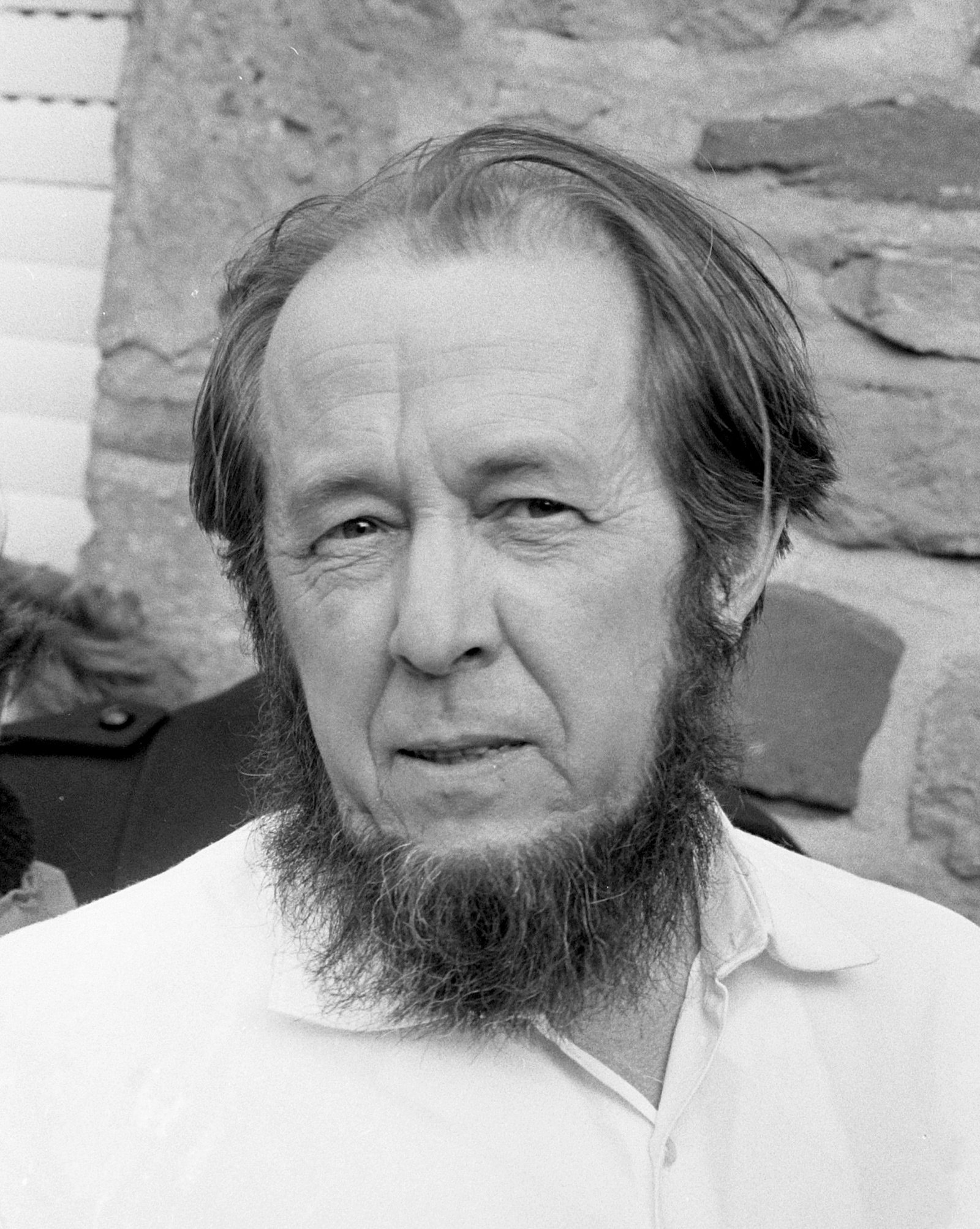
When Aleksandr Solzhenitsyn published “The Gulag Archipelago,” he didn’t just write a book – he detonated a literary bomb that exposed the Soviet Union’s industrial-scale brutality to the world. His three-volume masterpiece documented the network of labor camps that imprisoned millions of Soviet citizens, many for crimes as simple as telling a joke about Stalin. What makes Solzhenitsyn’s story remarkable is that he wrote much of his work in secret, often memorizing entire passages because writing them down was too dangerous. His personal experience of eight years in the Gulag system gave him an authority no Western observer could match. The book’s impact was so devastating that it helped accelerate the collapse of the Soviet system by showing the world what communist “paradise” actually looked like. Solzhenitsyn proved that sometimes the most powerful weapon against tyranny is simply telling the truth, no matter how uncomfortable that truth might be.
James Baldwin – America’s Conscience on Race
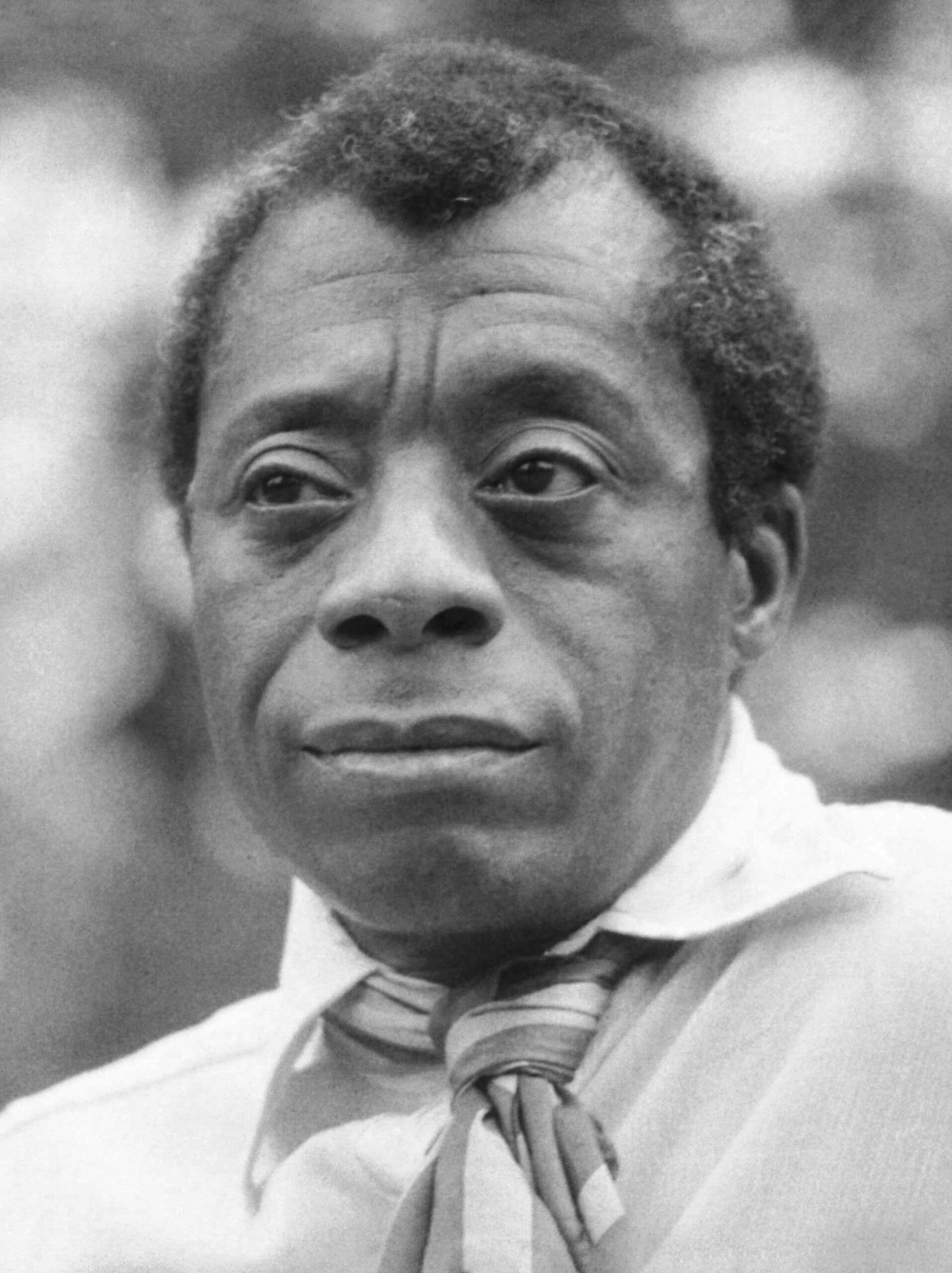
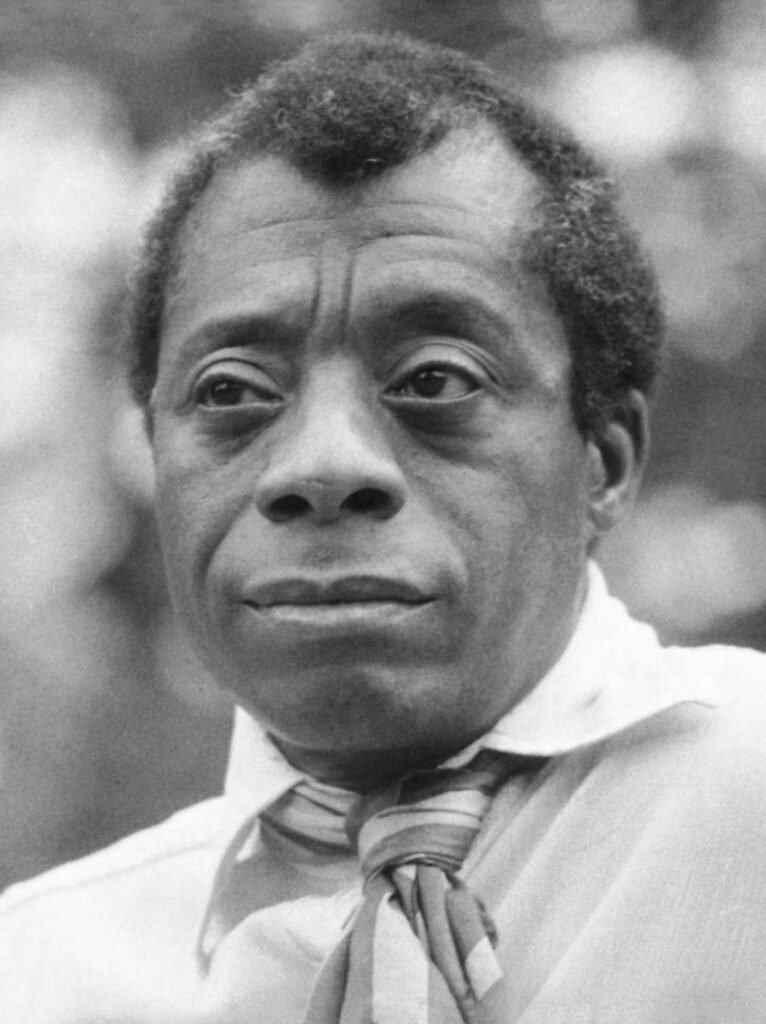
James Baldwin wrote with the fury of a prophet and the precision of a surgeon, dissecting American racism with unflinching honesty that made comfortable white Americans squirm in their seats. His essays like “The Fire Next Time” didn’t just describe racial injustice – they lit a fire under America’s conscience that burns to this day. Baldwin understood that the tyranny of racism wasn’t just about laws and institutions, but about the psychology of oppression that corrupted both oppressor and oppressed. He was openly gay at a time when that took extraordinary courage, facing persecution from both white society and parts of the Black community. His writing possessed a moral clarity that cut through decades of American self-deception about race relations. Baldwin’s genius lay in making racism feel personal and urgent, not abstract or distant. He showed how the “American Dream” was built on the nightmare of others and dared his readers to confront that uncomfortable truth.
Salman Rushdie – The Writer Who Wouldn’t Be Silenced
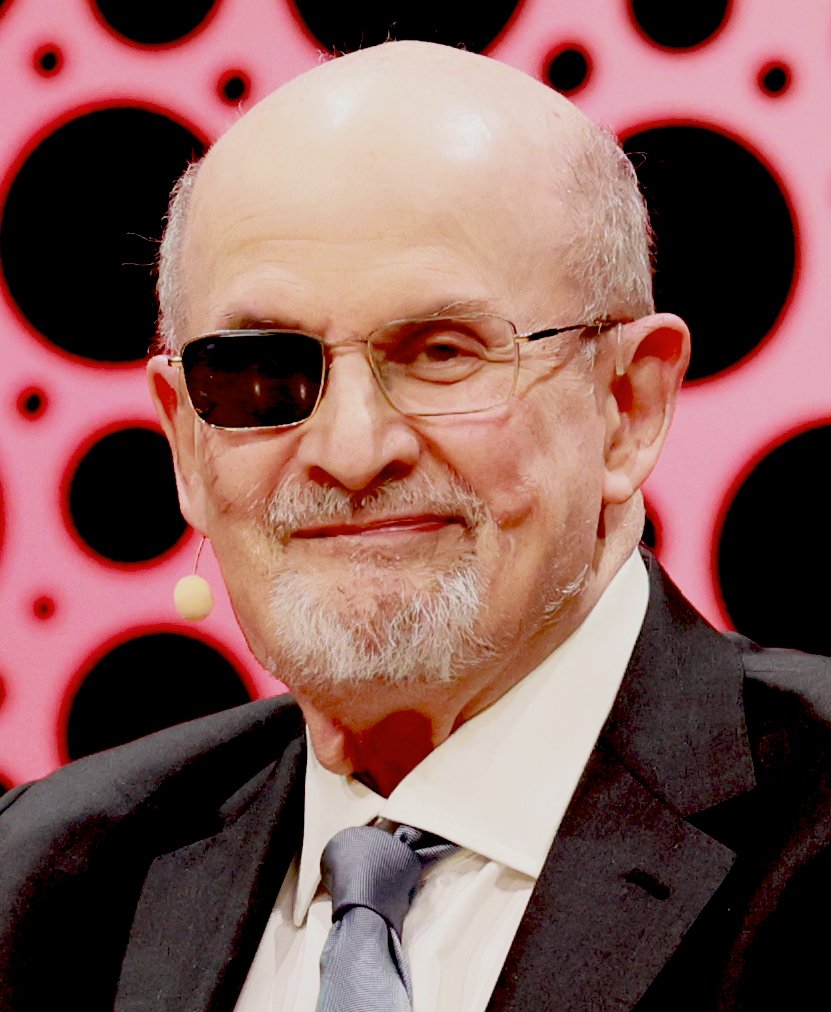
The publication of Salman Rushdie’s “The Satanic Verses” in 1988 sparked a global controversy that included a fatwa issued by Iran’s Supreme Leader Ayatollah Khomeini in 1989, ordering Muslims to kill Rushdie. On August 12, 2022, Rushdie was attacked onstage at a literary event, suffering multiple stab wounds including injuries to his stomach, neck, eye, chest, and thigh before being airlifted to a hospital. Rushdie faced a long recovery and lost one eye from the attack, later publishing a memoir “Knife: Meditations After an Attempted Murder” in 2024, while his attacker was ultimately found guilty of attempted murder. What makes Rushdie extraordinary isn’t just that he survived decades of death threats, but that he never stopped writing, never stopped speaking out. In his recent memoir, Rushdie noted he received more sympathy when nearly murdered in 2022 than when the original fatwa was issued in 1989. His courage transformed him from a novelist into a global symbol of free speech under siege. As recently as November 2024, the Delhi High Court lifted India’s 36-year ban on importing the book, showing how his struggle for literary freedom continues to this day.
Nawal El Saadawi – Egypt’s Feminist Revolutionary
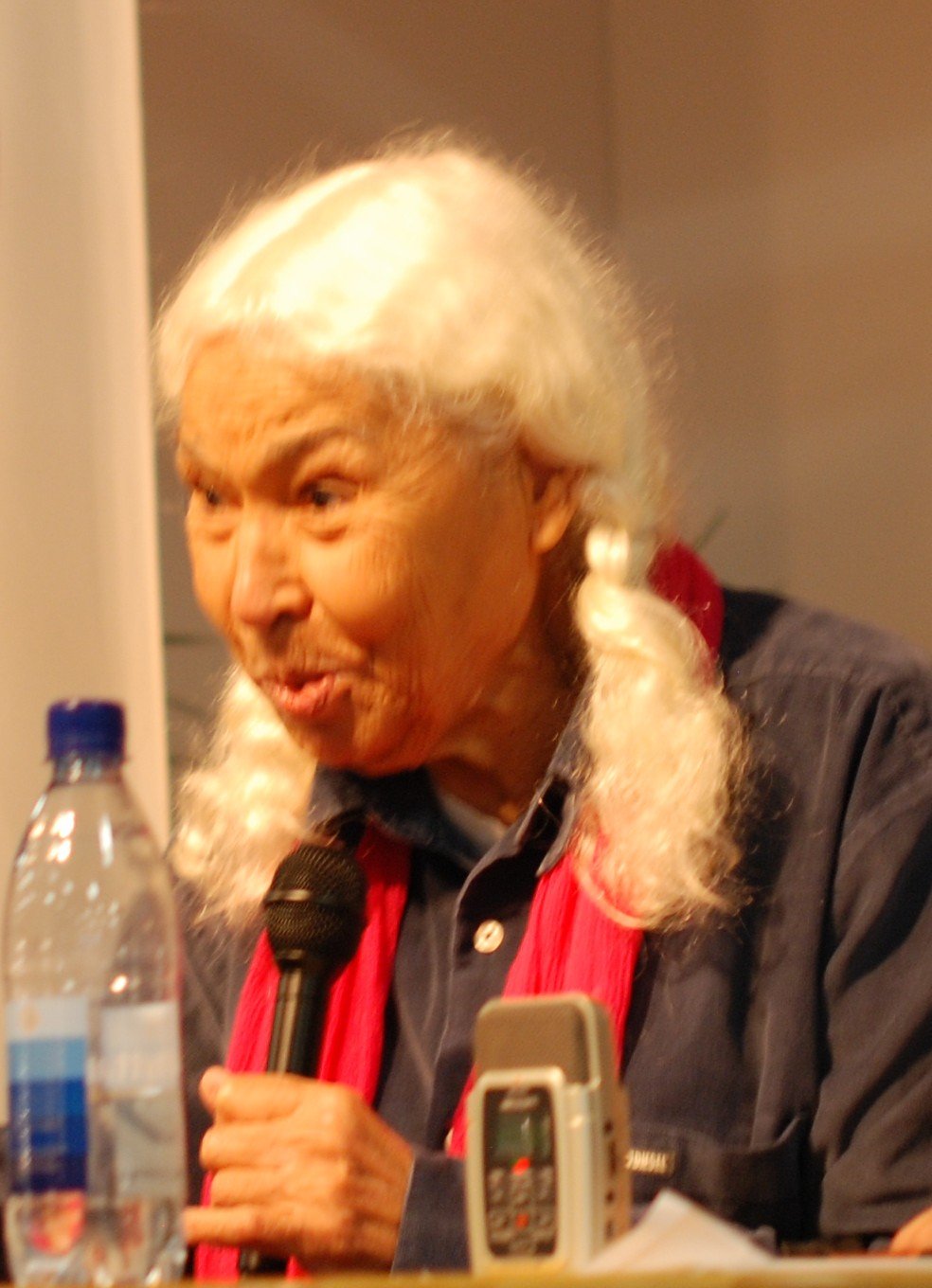
Dr. Nawal El Saadawi fought a war on two fronts – against political tyranny and patriarchal oppression in the Arab world, making her enemies among both religious fundamentalists and secular authoritarians. As a doctor, she witnessed firsthand the brutality of female genital mutilation and other practices that subjugated women, experiences that fueled her writing with a moral urgency few could match. Her novel “Woman at Point Zero” told the story of a condemned woman facing execution, giving voice to the voiceless victims of gender-based violence. El Saadawi was imprisoned by Anwar Sadat’s government and faced death threats from Islamist extremists, but she never backed down from her dual mission. She understood that women’s liberation and political freedom were inseparable battles – you couldn’t have one without the other. Her writing challenged not just specific laws or practices, but the entire structure of patriarchal society. El Saadawi proved that sometimes the most radical act is simply insisting that women are fully human.
Wole Soyinka – Africa’s Nobel Voice Against Corruption
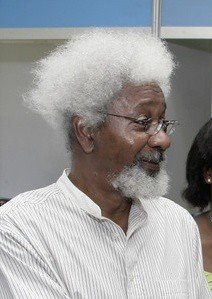
When Wole Soyinka became Africa’s first Nobel Prize winner in Literature in 1986, he used his platform not for celebration but for condemnation of Nigeria’s military dictatorships. His book “The Man Died” documented his own imprisonment during Nigeria’s civil war, but it was more than a memoir – it was an indictment of how power corrupts African leaders who had promised liberation from colonialism. Soyinka’s plays and essays consistently attacked the corruption and brutality of Nigeria’s successive military regimes, earning him repeated imprisonment and exile. What made him particularly dangerous to dictators was his ability to use traditional Yoruba mythology and modern theatrical techniques to create works that spoke to both intellectuals and ordinary people. He understood that African tyranny was particularly tragic because it betrayed the hopes of independence movements. Soyinka’s courage lay in refusing to let African leaders off the hook simply because they were Black – corruption and tyranny were evil regardless of the race of the tyrant. His work showed that the fight for freedom didn’t end with independence but was just beginning.
Hannah Arendt – The Philosopher of Evil’s Banality
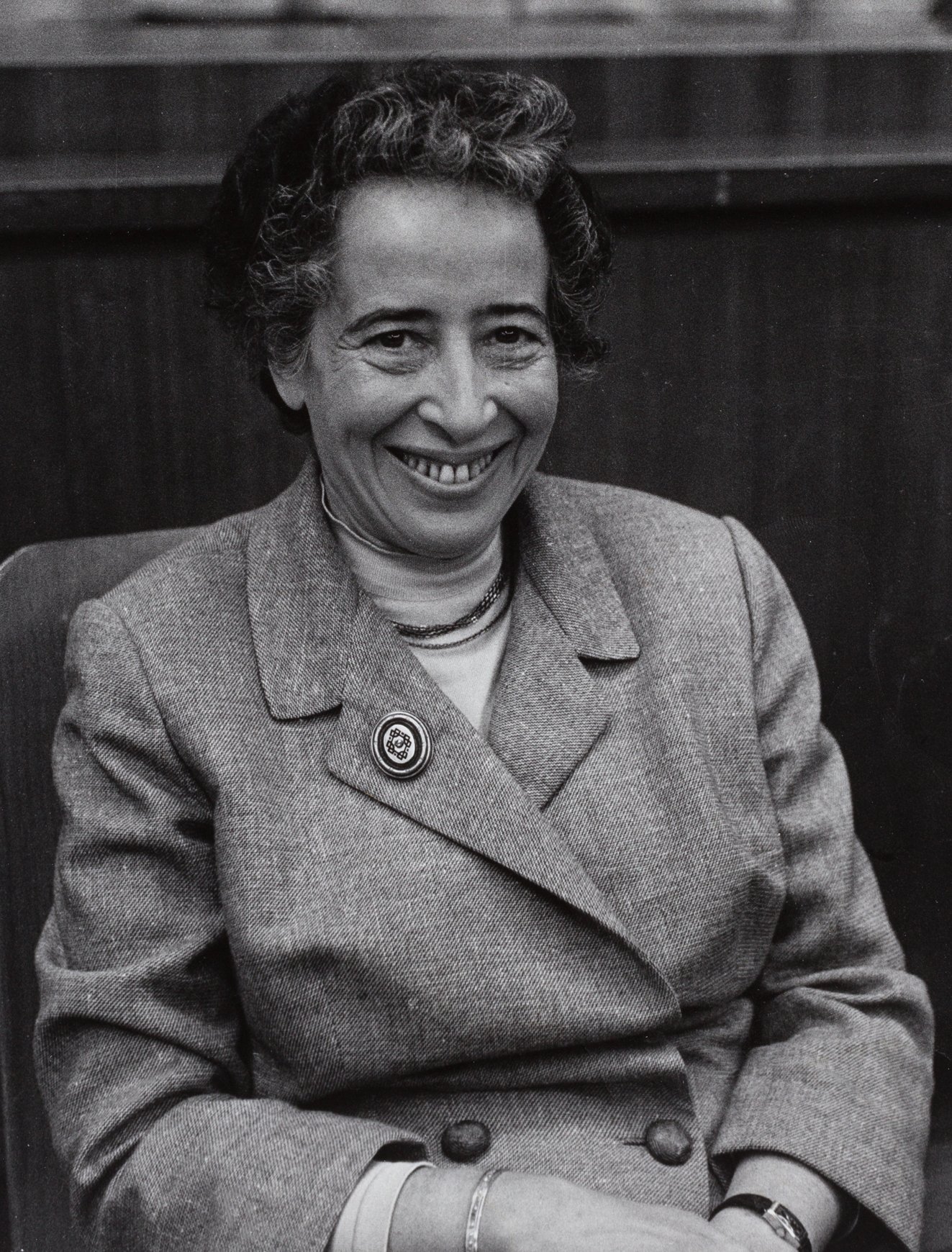
Hannah Arendt fled Nazi Germany and spent the rest of her life trying to understand how ordinary people become complicit in extraordinary evil. Her masterwork “The Origins of Totalitarianism” dissected how fascist and communist regimes destroyed human dignity by making people “superfluous” – unnecessary to the functioning of society. What made Arendt revolutionary was her insight that the most dangerous evil wasn’t the dramatic villainy of movies, but the “banality of evil” – the bureaucratic, thoughtless participation in systems of oppression. She showed how totalitarian regimes don’t just kill bodies but destroy the human capacity for thought and moral judgment. Her concept of the “rightlessness” of stateless people predicted modern refugee crises decades before they occurred. Arendt understood that fighting tyranny wasn’t just about opposing specific policies, but about preserving the conditions that make human dignity possible. Her work remains urgently relevant as democratic institutions face new threats from authoritarian movements worldwide.
Anne Frank – The Girl Whose Diary Conquered Death
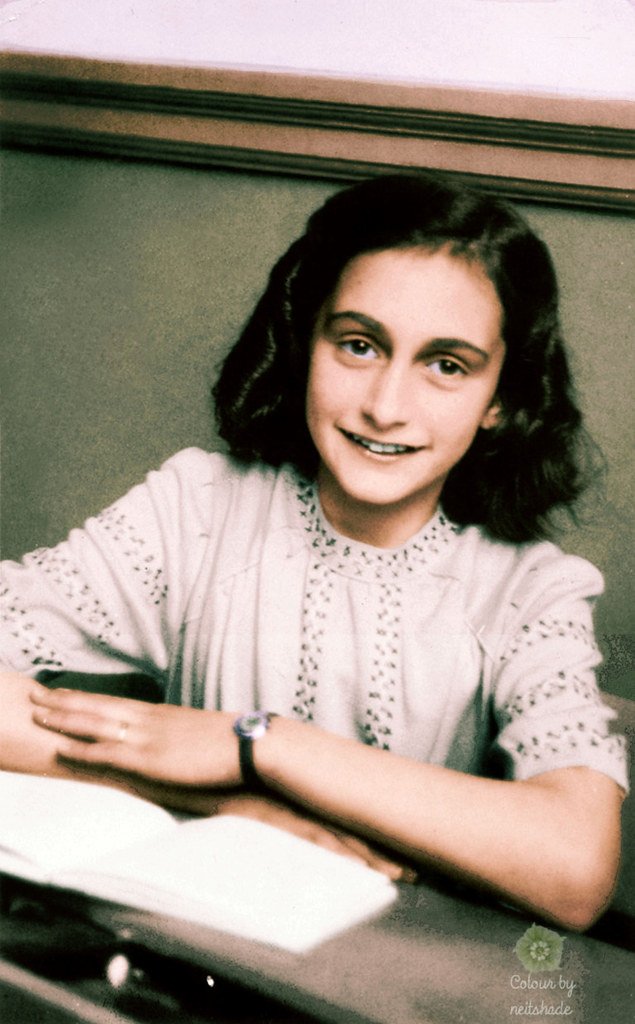
Anne Frank was just a teenager when she wrote the diary that would become one of the most powerful weapons against tyranny ever created. Hidden in an Amsterdam attic for two years during the Nazi occupation, she transformed her experience of persecution into a testament to human resilience and hope. What makes her diary so devastating to tyrannical ideologies is its very ordinariness – here was a girl worried about boys, arguments with her mother, and her changing body, yet living under the constant threat of death. Her writing humanized the Holocaust in a way that statistics never could, making it impossible to dismiss the Nazi victims as mere numbers. The diary’s global impact proves that sometimes the most powerful resistance comes not from grand gestures but from simply insisting on remaining human under inhuman conditions. Frank’s legacy is particularly poignant because she didn’t survive to see her words change the world – she died in Bergen-Belsen concentration camp at age 15. Her diary stands as proof that even the most oppressive regimes cannot ultimately silence the human spirit.
Albert Camus – The Rebel Who Chose Hope Over Despair
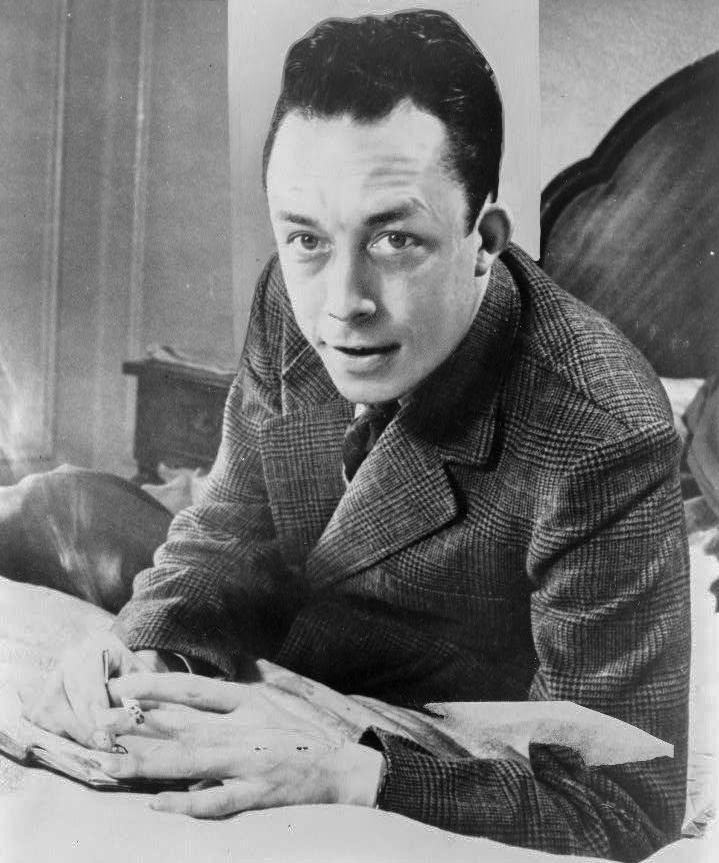
Albert Camus lived through World War II and saw humanity at its worst, yet he refused to surrender to nihilism or despair. His novel “The Plague” used a fictional epidemic to explore how people respond to seemingly senseless suffering – some collaborate with evil, others resist, and a few transcend the crisis entirely. Camus fought with the French Resistance during the Nazi occupation, but his real battle was philosophical: how to live with dignity in an apparently meaningless universe. His essay “The Rebel” argued that the human impulse to revolt against injustice is what gives life meaning, even when victory seems impossible. What made Camus dangerous to tyrants was his insistence that individuals could choose to act morally regardless of circumstances or consequences. He rejected both religious faith and political ideology as solutions to human suffering, instead advocating for a kind of heroic humanism. Camus showed that the ultimate rebellion against tyranny isn’t violence or revolution, but simply refusing to let oppression destroy your capacity for compassion and moral clarity.
Ngũgĩ wa Thiong’o – The Writer Who Decolonized Language
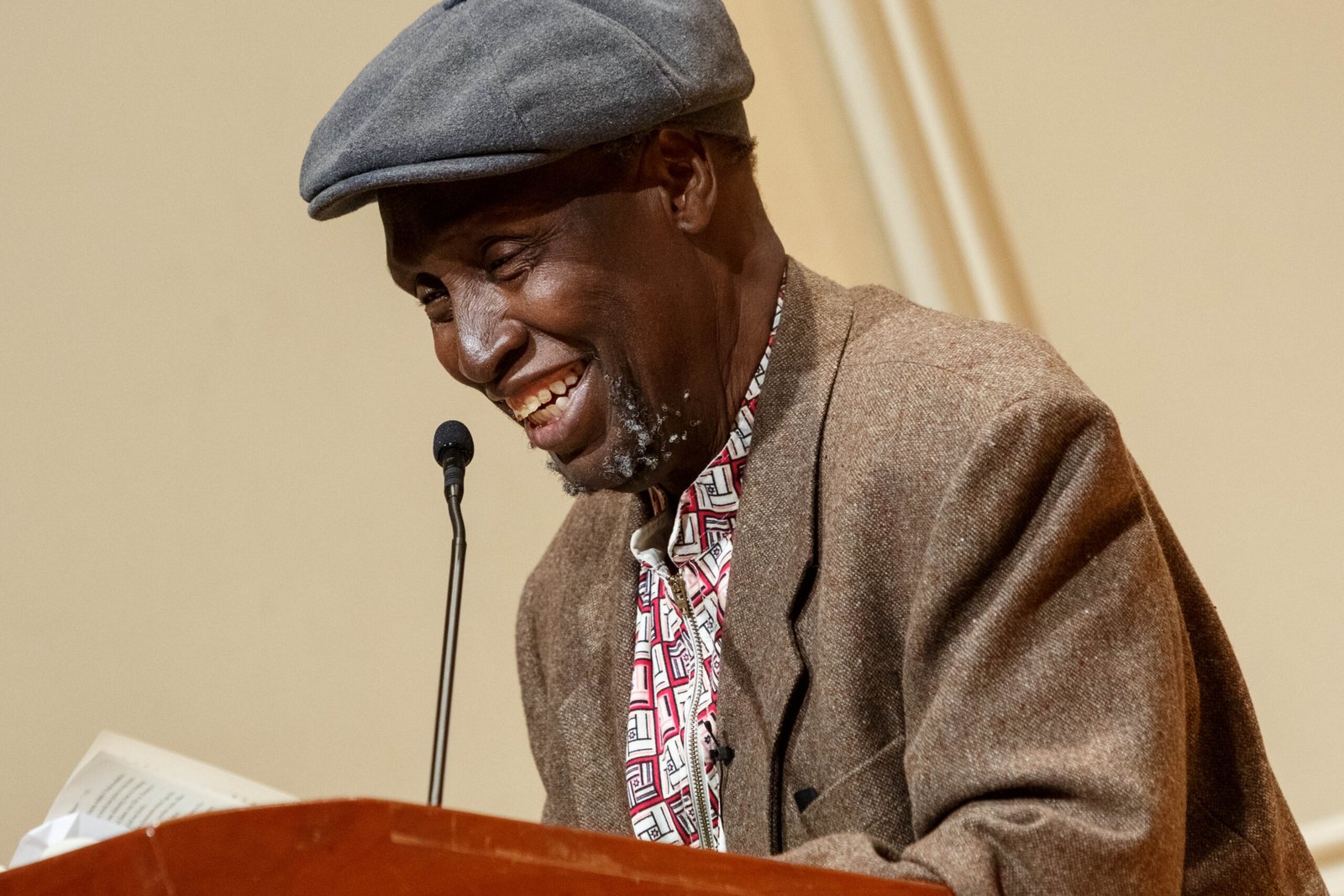
Ngũgĩ wa Thiong’o made one of the most radical decisions in literary history when he abandoned English and began writing exclusively in his native Gikuyu language. His reasoning was revolutionary: using the colonizer’s language, no matter how brilliantly, still perpetuated cultural imperialism. His novel “Devil on the Cross,” originally written in Gikuyu while he was imprisoned by Kenya’s government, became a landmark of decolonized African literature. Ngũgĩ understood that tyranny operates not just through police and armies, but through cultural domination that makes oppressed people internalize their oppression. His decision to write in Gikuyu was an act of resistance against both British colonial legacy and the Kenyan government that had inherited colonial attitudes. He spent years in exile for his political activities, but continued writing and advocating for African languages and cultures. Ngũgĩ’s work demonstrates that sometimes the most effective resistance involves not just opposing tyranny, but creating alternative ways of thinking and being that make tyranny irrelevant.
Simone de Beauvoir – The Woman Who Rewrote Gender
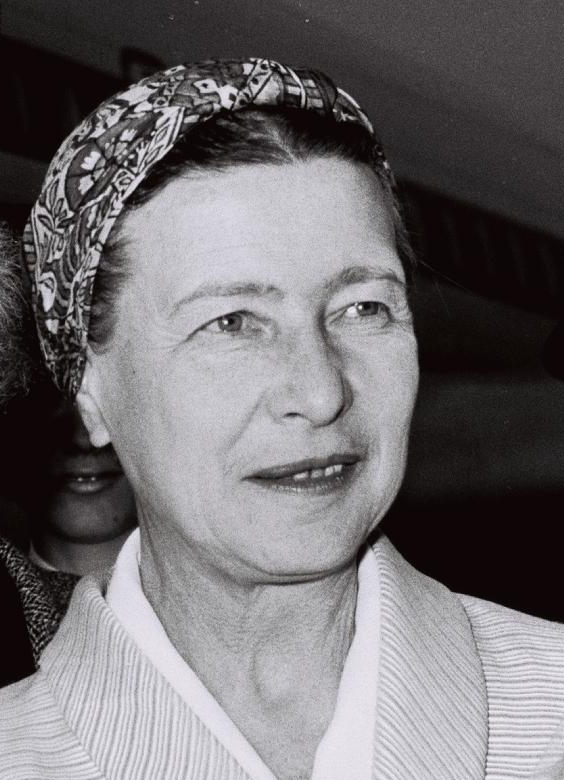
When Simone de Beauvoir wrote “The Second Sex” in 1949, she created the intellectual foundation for modern feminism with one devastating insight: “One is not born, but rather becomes, a woman.” This simple statement dynamited centuries of assumptions about gender roles and natural differences between men and women. De Beauvoir showed that what society calls “feminine nature” is actually the result of systematic oppression that trains women to accept their subordination from birth. Her analysis of how patriarchal society creates and maintains gender inequality was so thorough and convincing that it remained the starting point for feminist theory for decades. What made her particularly threatening to traditional authority was her integration of feminist analysis with existentialist philosophy – she showed that women’s liberation was part of the broader human struggle for freedom and authenticity. De Beauvoir lived her principles, maintaining an unconventional relationship with Jean-Paul Sartre and refusing traditional feminine roles throughout her life. Her work proved that the tyranny of gender roles damages not just women but the entire human project of creating authentic, free individuals.
Thomas Paine – The Revolutionary Who Lit Two Continents
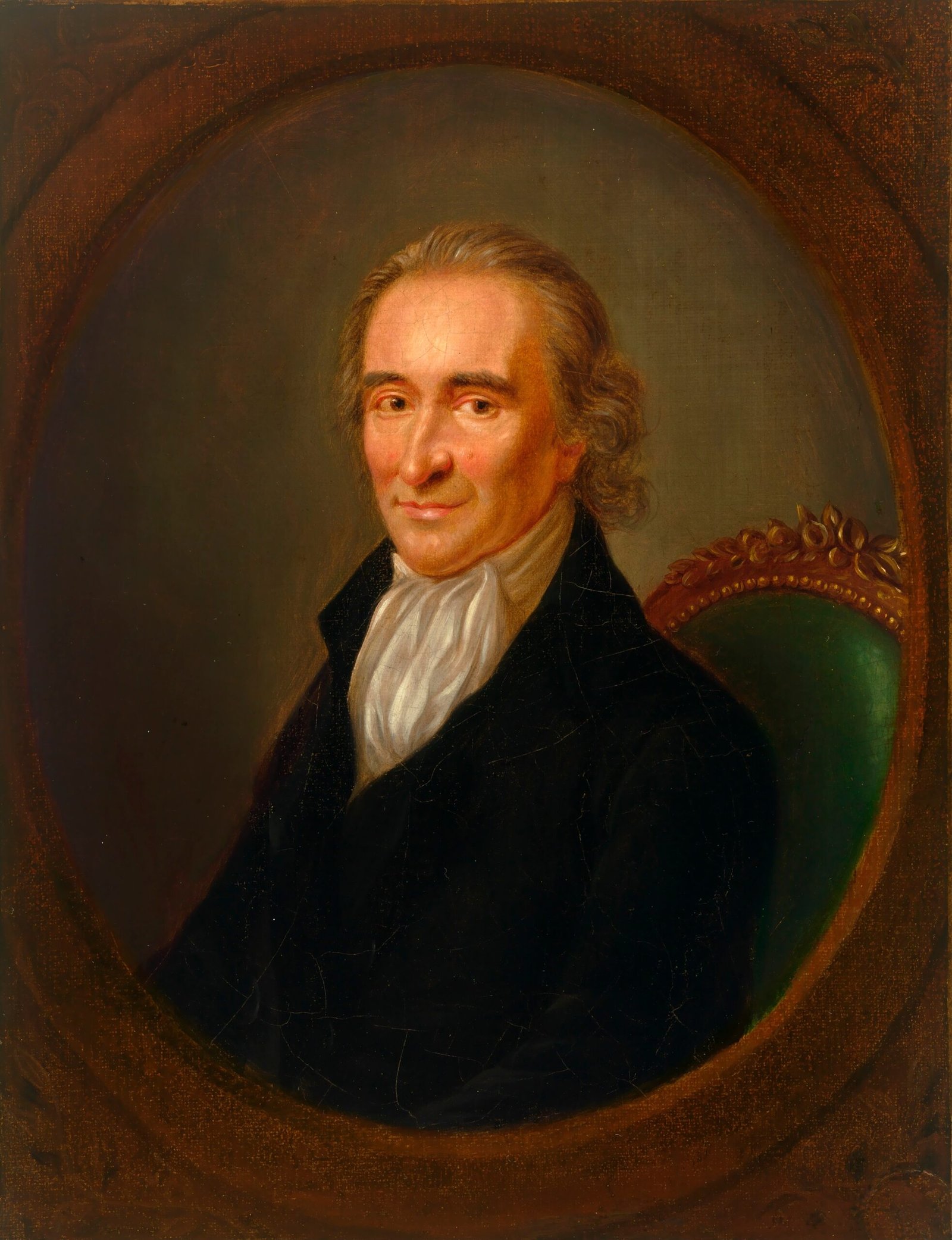
Thomas Paine wrote the words that launched the American Revolution and nearly got him executed during the French Revolution – a record of dangerous writing few authors can match. His pamphlet “Common Sense” made the case for American independence in language so clear and compelling that it sold 120,000 copies in three months in a population of just 2.5 million people. Paine understood something crucial about fighting tyranny: revolutionary ideas need revolutionary language that speaks to ordinary people, not just intellectuals. His “Rights of Man” defended the French Revolution against British criticism and landed him in exile from England with a price on his head. What made Paine so dangerous to established authority was his ability to make radical ideas seem like common sense – he stripped away the mystique of kings and aristocrats and showed them to be mere mortals perpetuating unjust systems. During the darkest days of the American Revolution, his “Crisis” papers kept the revolutionary spirit alive with the immortal words: “These are the times that try men’s souls.” Paine’s career demonstrates that sometimes the most powerful weapon against tyranny is simply explaining to people that they don’t have to accept oppression as natural or inevitable.
Pramoedya Ananta Toer – Indonesia’s Voice of the Voiceless
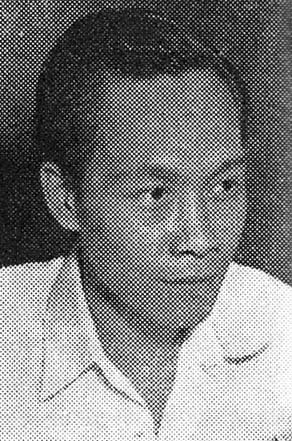
Pramoedya Ananta Toer spent 14 years as a political prisoner on the remote island of Buru, where he was forbidden to write but not to speak. So he did something extraordinary: he composed his epic “Buru Quartet” orally, telling the story night after night to fellow prisoners who helped him remember and refine the narrative. When he was finally released, he wrote down what had become one of the greatest works of postcolonial literature ever created. The novels traced Indonesia’s struggle against Dutch colonialism through the eyes of characters who represented different responses to oppression – collaboration, resistance, and the painful middle ground of survival. Pramoedya’s imprisonment wasn’t just punishment for his leftist politics, but an attempt to silence the unofficial historian of Indonesian resistance. His work was banned in Indonesia for decades, but smuggled copies circulated underground, inspiring new generations of writers and activists. What makes Pramoedya’s story so remarkable is how he transformed his own oppression into the raw material for art that transcended his suffering. He proved that tyrants can imprison the body but cannot ultimately silence the stories that give meaning to human struggle.
Did you expect that words could be more dangerous than weapons?

Besides founding Festivaltopia, Luca is the co founder of trib, an art and fashion collectiv you find on several regional events and online. Also he is part of the management board at HORiZONTE, a group travel provider in Germany.
