

- American Metal Festivals: Beginner’s Guide - December 6, 2025
- Quest for Quaintness: Exploring Charming Corners of the Earth - December 6, 2025
- Odysseys and Outposts: A Traveler’s Memoir - December 6, 2025
Strange Fruit by Billie Holiday
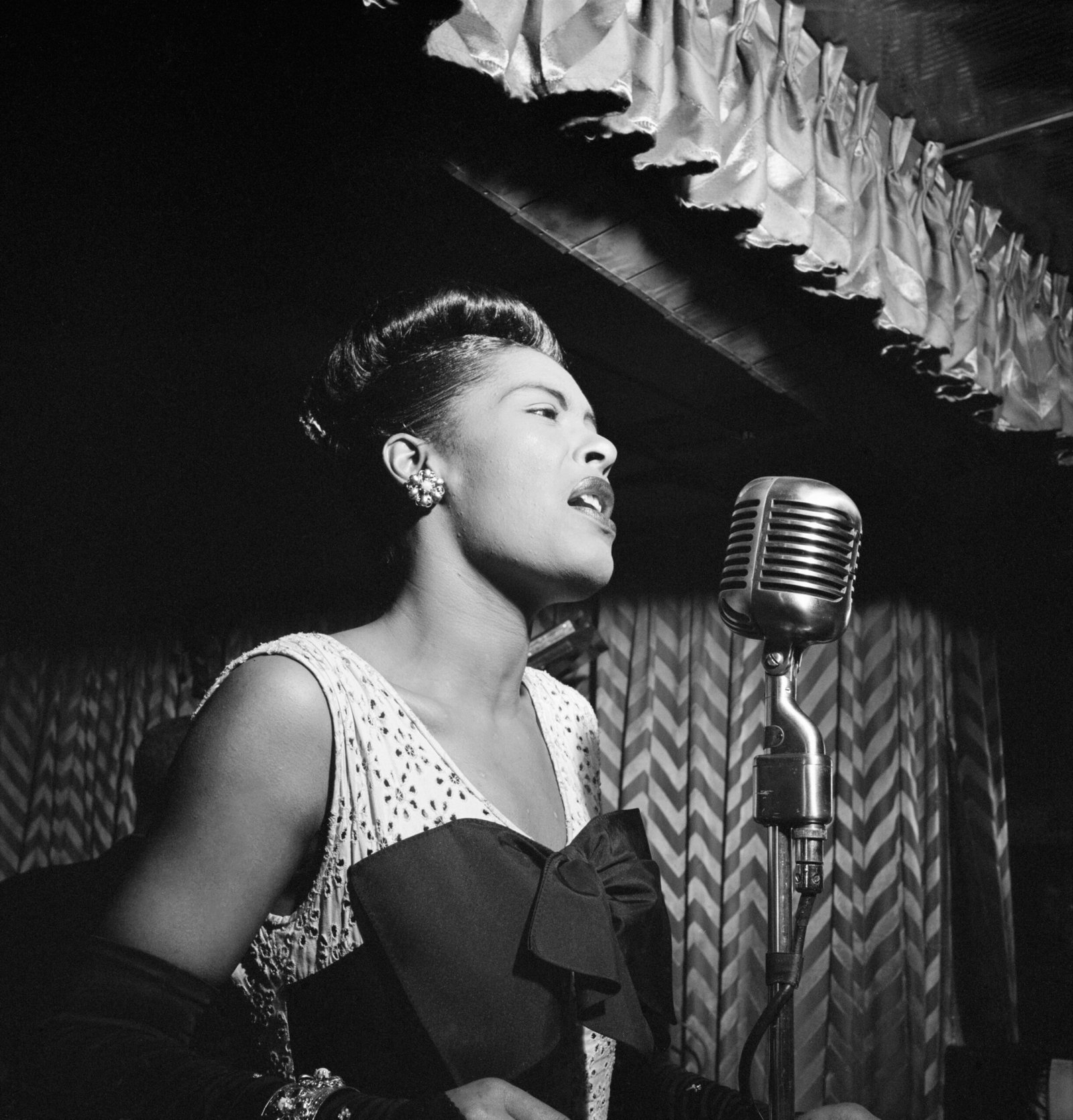
Few songs hit as hard as Billie Holiday’s Strange Fruit. Released in 1939, this haunting ballad shined a glaring spotlight on the brutal reality of lynching in the American South. The lyrics, adapted from a poem by Abel Meeropol, described Black men and women hanging from trees, a stark counter to the sanitized narratives of the era. Holiday’s performance was so powerful that it was banned from many radio stations, yet it became a rallying cry for the early Civil Rights Movement. This song forced many Americans to confront a truth they preferred to ignore, and even today, it stands as a chilling reminder of America’s violent past. According to the Library of Congress, Strange Fruit was named “the best song of the century” by Time magazine in 1999, underlining its lasting impact.
Sunday Bloody Sunday by U2
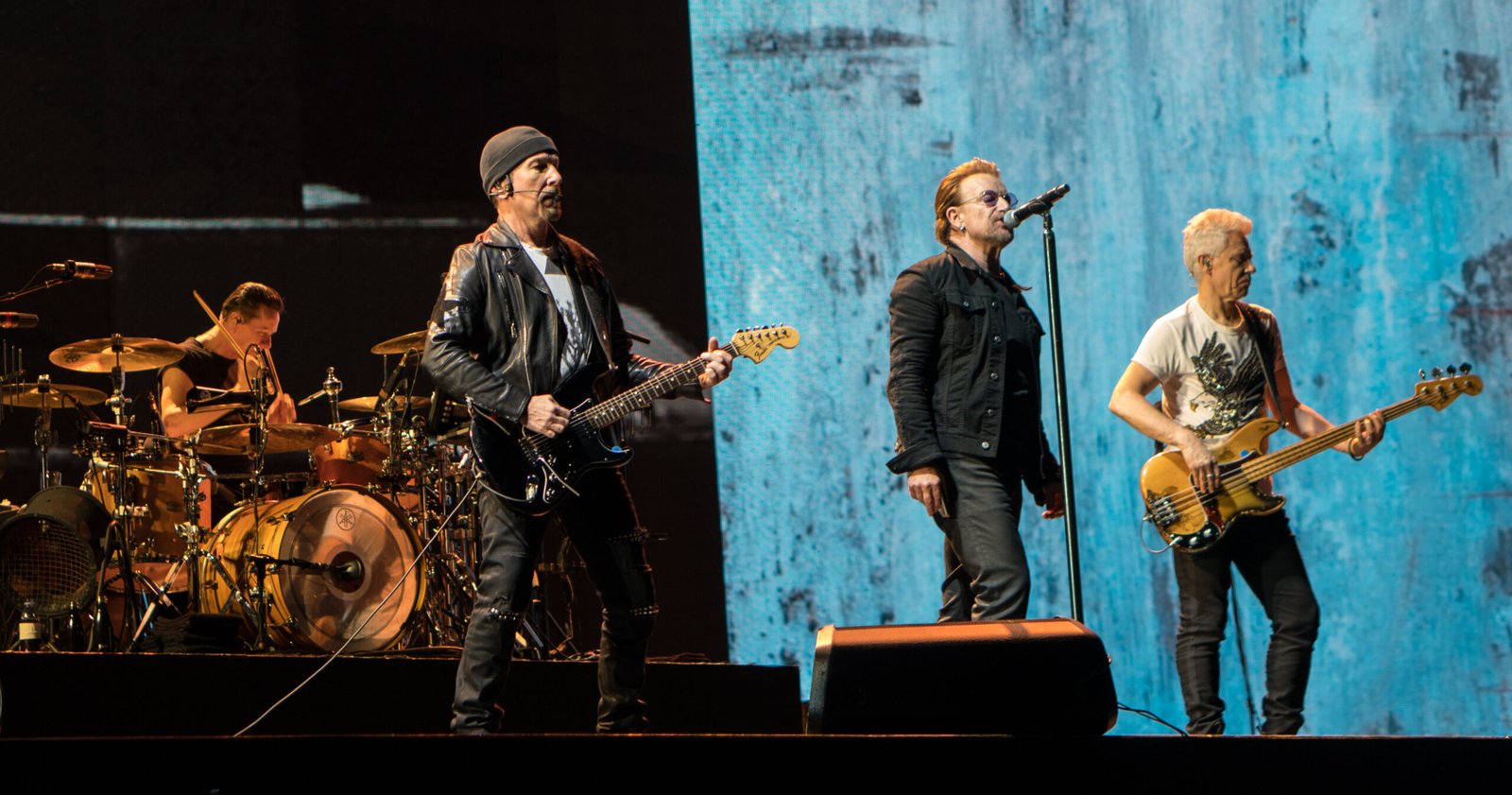
When U2 released Sunday Bloody Sunday in 1983, they were not just singing about violence—they were telling the world about the 1972 massacre in Northern Ireland, where British soldiers shot unarmed protesters. The song’s pounding drums and cutting lyrics made listeners feel the chaos and heartbreak of that day. It helped bring the “Troubles” to international attention, especially among young Americans who knew little about the conflict. Rolling Stone magazine put it among the “500 Greatest Songs of All Time,” and the song remains a staple at peace rallies. The raw emotion in Bono’s voice makes it hard to forget the pain behind the headlines.
Hurricane by Bob Dylan
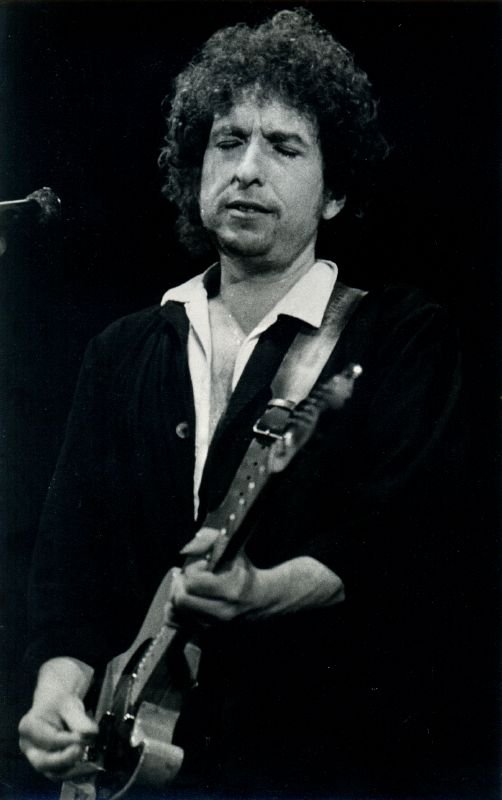
Bob Dylan’s Hurricane, released in 1975, told the story of Rubin “Hurricane” Carter, a Black boxer wrongfully convicted of murder. Dylan’s lyrics detailed the injustice Carter faced, painting a vivid picture of racial bias in the American legal system. The song sparked a wave of support for Carter, with new legal reviews and public campaigns for his release. According to The New York Times, Carter was finally freed in 1985 after nearly 20 years. Hurricane is a prime example of music’s power to challenge institutions and force society to reckon with uncomfortable truths.
Ohio by Crosby, Stills, Nash & Young
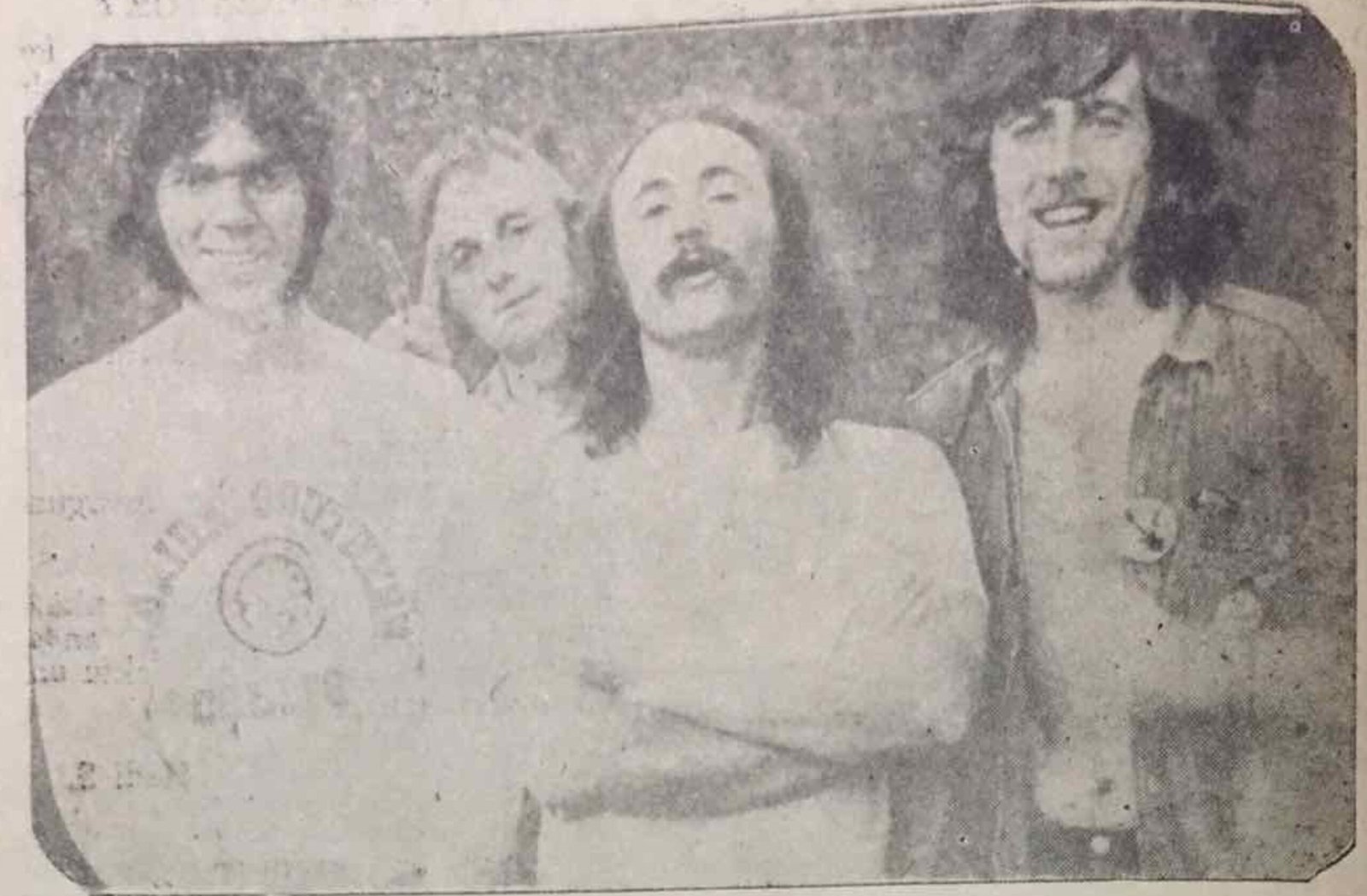
Ohio wasn’t just a protest—it was an urgent cry for justice. Written by Neil Young in response to the Kent State shootings of 1970, where National Guard troops killed four students protesting the Vietnam War, the song captured national outrage. Released just weeks after the tragedy, Ohio became an anthem for anti-war activists. The line “Four dead in Ohio” still echoes in American memory. Billboard reported that the song was banned from some AM radio stations for its blunt criticism of the government, but FM stations played it nonstop, amplifying its message across the country.
Fortunate Son by Creedence Clearwater Revival
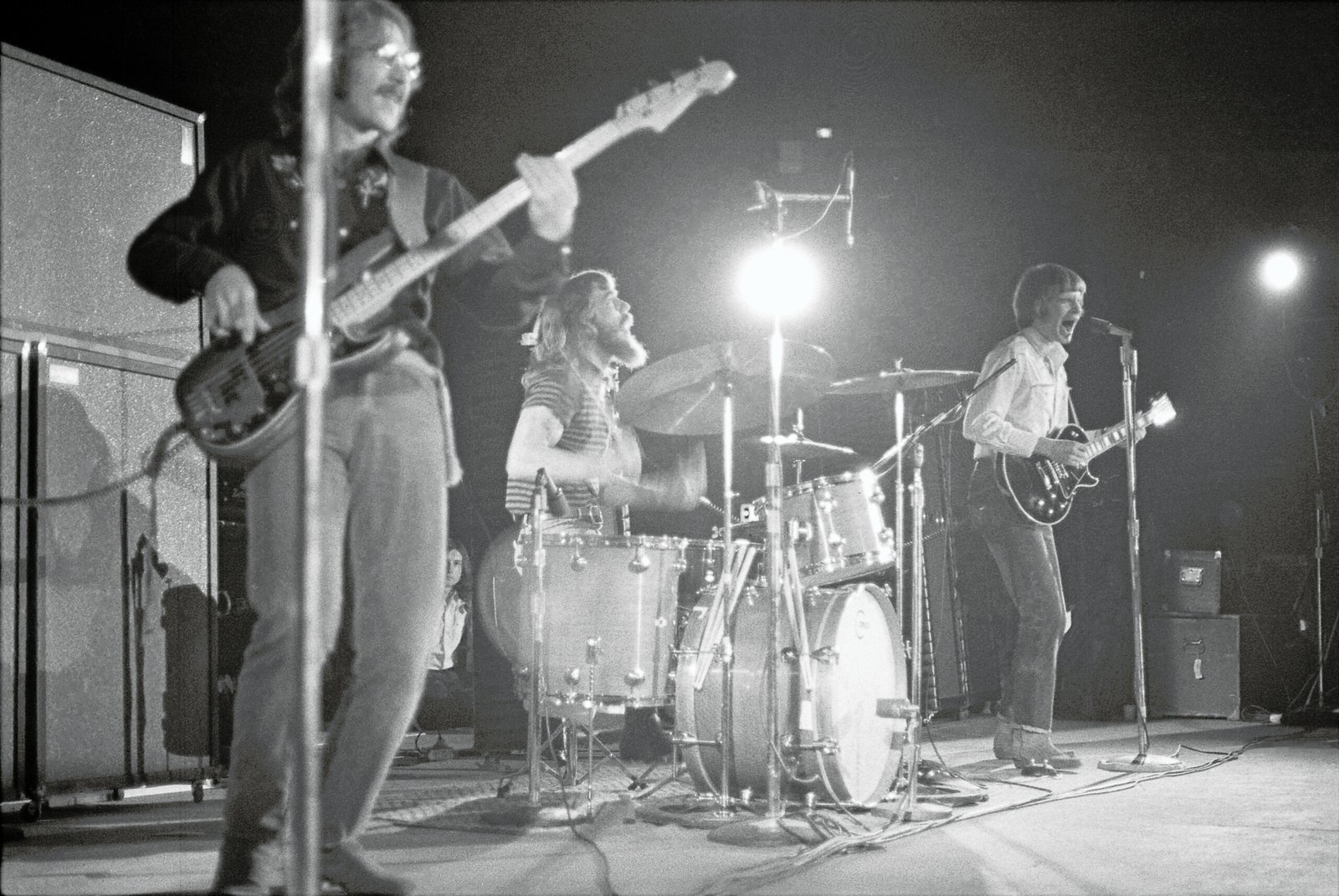
In 1969, the Vietnam War was raging and Fortunate Son hit the airwaves like a thunderclap. With its raw, driving beat and John Fogerty’s passionate vocals, the song exposed the unfairness of working-class men being drafted while the wealthy found ways to dodge the war. Fortunate Son gave voice to a generation’s anger and skepticism about who really paid the price in times of conflict. Today, it remains a staple in lists of the greatest protest songs ever, and it’s been streamed more than 200 million times on Spotify, showing its message still resonates.
Redemption Song by Bob Marley
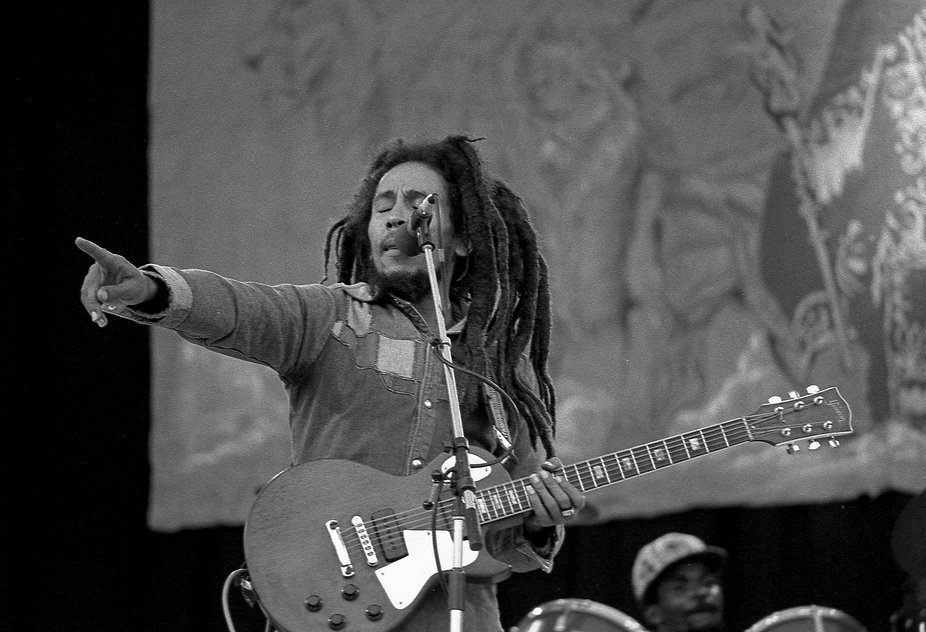
Bob Marley’s Redemption Song is more than just reggae—it’s a global anthem for freedom. Released in 1980, the song drew on Marley’s own struggles and the legacy of slavery in the Caribbean. The line “Emancipate yourselves from mental slavery” is actually a quote from Marcus Garvey, a legendary Black leader. UNESCO named Redemption Song a “World Documentary Heritage” in 2017, recognizing its deep impact. Its acoustic simplicity lets the lyrics shine, and for millions, it’s a powerful reminder that freedom starts in the mind and heart.
Mississippi Goddam by Nina Simone
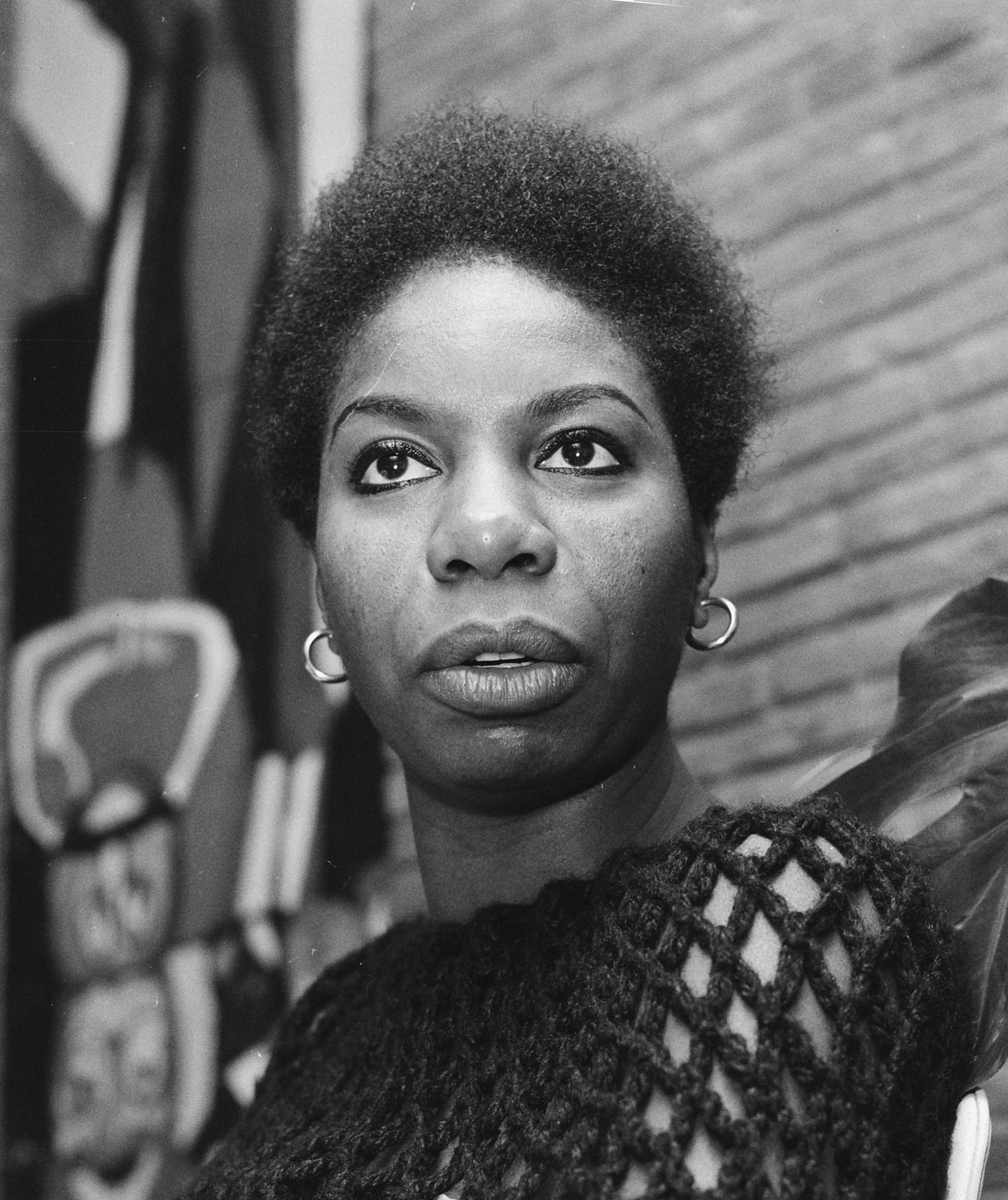
Nina Simone wrote Mississippi Goddam after the 1963 bombing of a Black church in Birmingham, Alabama, and the murder of Medgar Evers. Simone’s furious piano playing and biting lyrics shocked audiences—she once called it her “first civil rights song.” According to NPR, radio stations in the South destroyed Simone’s records after the song came out, but it became a Civil Rights Movement rallying cry. Simone’s raw honesty forced listeners to face the daily terror Black Americans endured, making the song a lasting piece of protest history.
The Message by Grandmaster Flash and the Furious Five
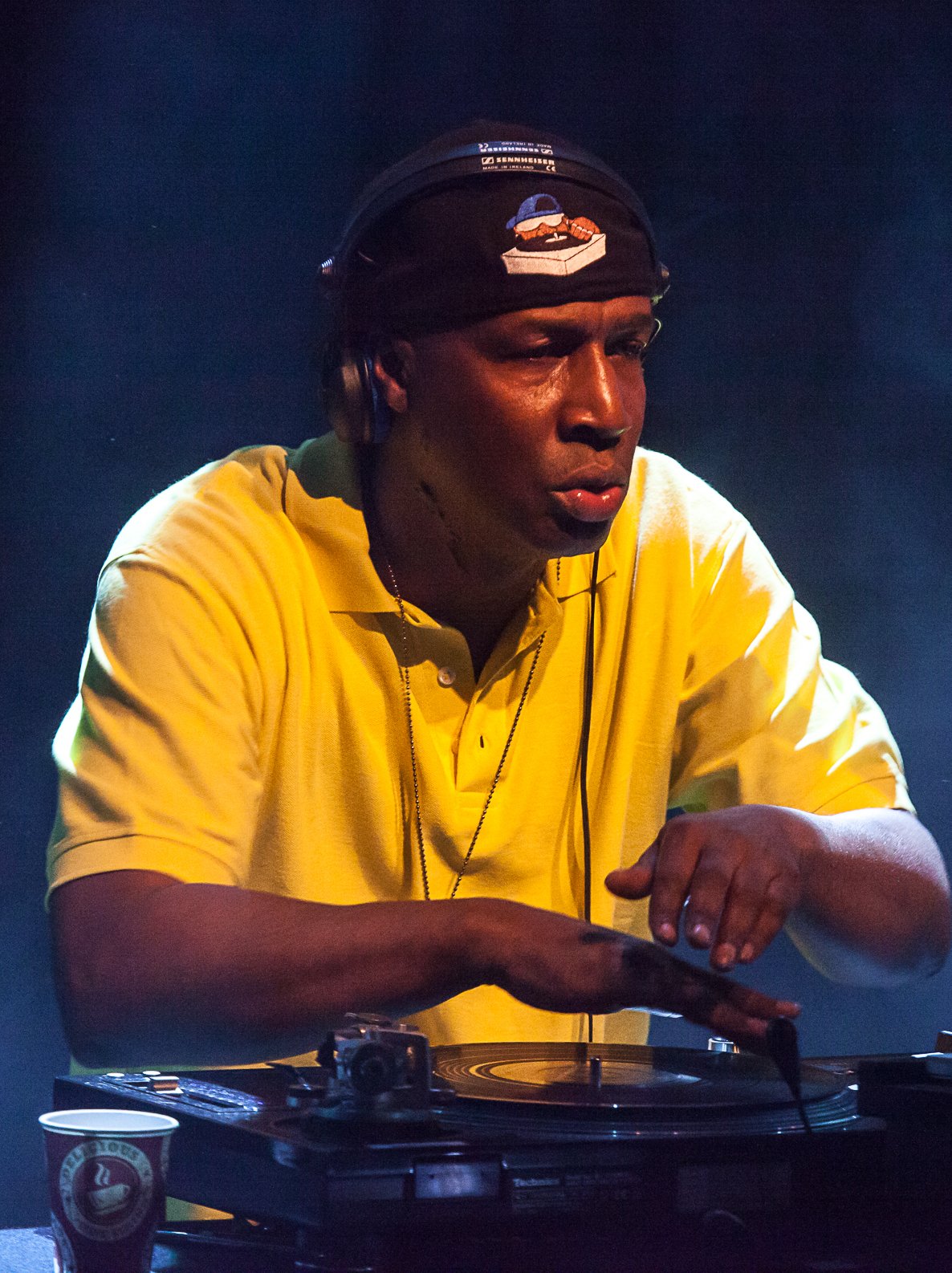
Hip-hop wasn’t always political, but The Message changed that in 1982. Instead of boasting about parties, the group rapped about poverty, crime, and broken families in New York City. “Don’t push me, ’cause I’m close to the edge,” became a mantra for a generation stuck in the margins. The song reached the Billboard Top 40, a rare feat for a rap song at the time. The Library of Congress added The Message to the National Recording Registry in 2002, cementing its status as a cultural touchstone for inner-city struggles.
Same Love by Macklemore & Ryan Lewis (feat. Mary Lambert)
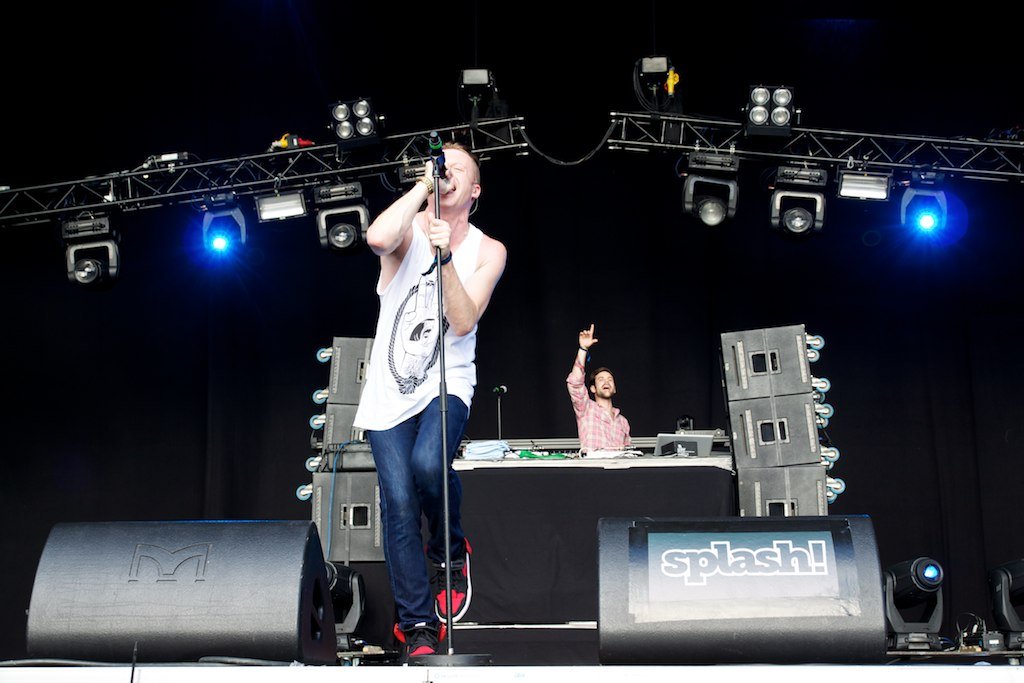
Same Love burst onto the charts in 2012, just as the debate over marriage equality heated up in America. The song’s open support for LGBTQ+ rights made it a lightning rod for controversy and celebration. With lyrics about stereotypes and bigotry, Macklemore offered a personal plea for acceptance. According to Billboard, the song climbed to the top 20 and became an unofficial anthem for the movement that led to the Supreme Court’s 2015 ruling legalizing same-sex marriage. It remains one of the most-streamed LGBTQ+ anthems of the last decade.
Bitter Sweet Symphony by The Verve
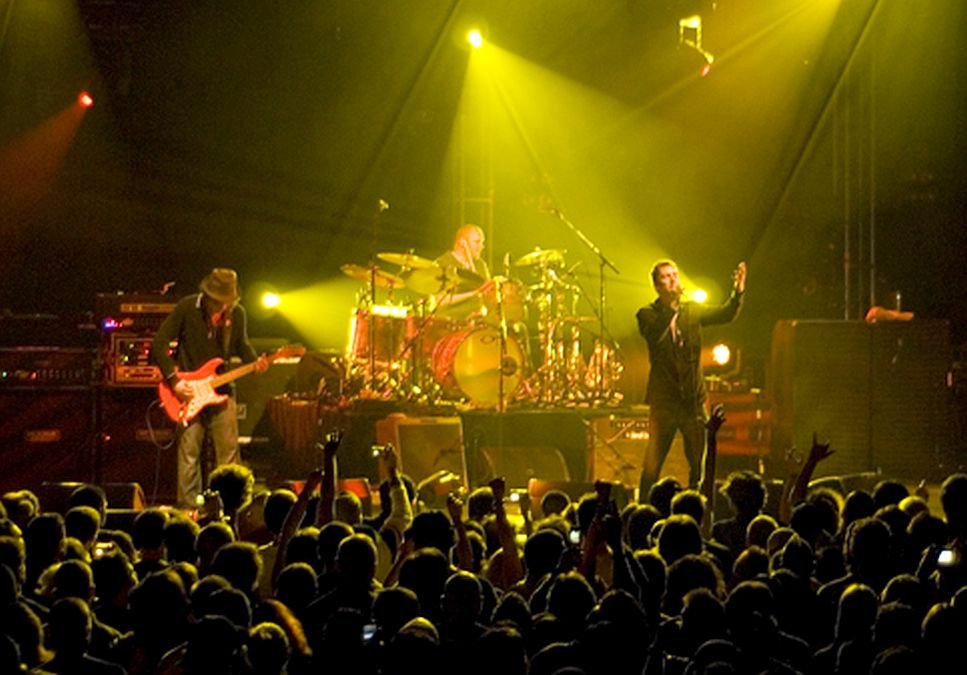
Bitter Sweet Symphony might sound like a love song, but its lyrics focus on the struggle of working-class life in late-’90s Britain. Richard Ashcroft’s somber voice, mixed with the iconic orchestral riff, painted a picture of people trapped by circumstance, unable to break free from societal expectations. The song’s legal battles over its famous sample also exposed how the music industry often exploits artists. The Guardian reported in 2019 that the Rolling Stones finally returned the song’s rights to Ashcroft after more than 20 years, bringing a hidden industry history into the open.
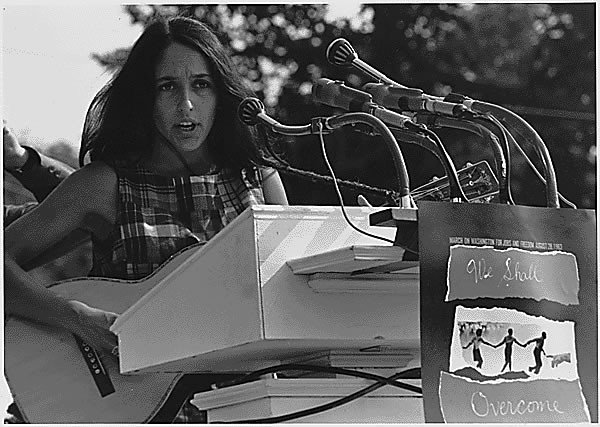
We Shall Overcome
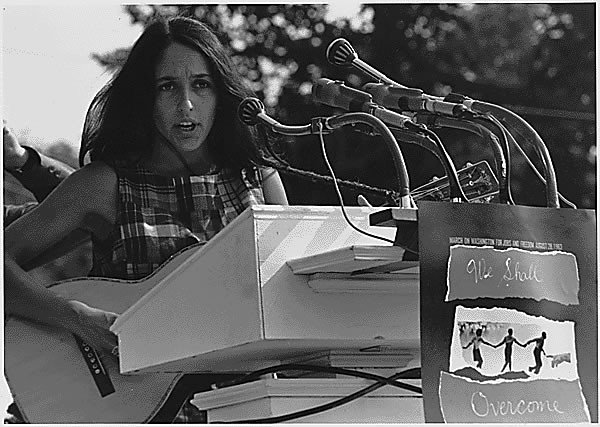
We Shall Overcome is more than a song—it’s a living, breathing piece of history. Though its roots go back to an early 20th-century gospel hymn, it became the unofficial anthem of the Civil Rights Movement. Sung during protests, marches, and sit-ins, the song’s simple message of hope and unity inspired countless people to keep fighting for justice. In 2018, the U.S. Copyright Office confirmed that the song is in the public domain, making it truly a song for all humanity. Its legacy continues in modern protests around the world.
Alright by Kendrick Lamar
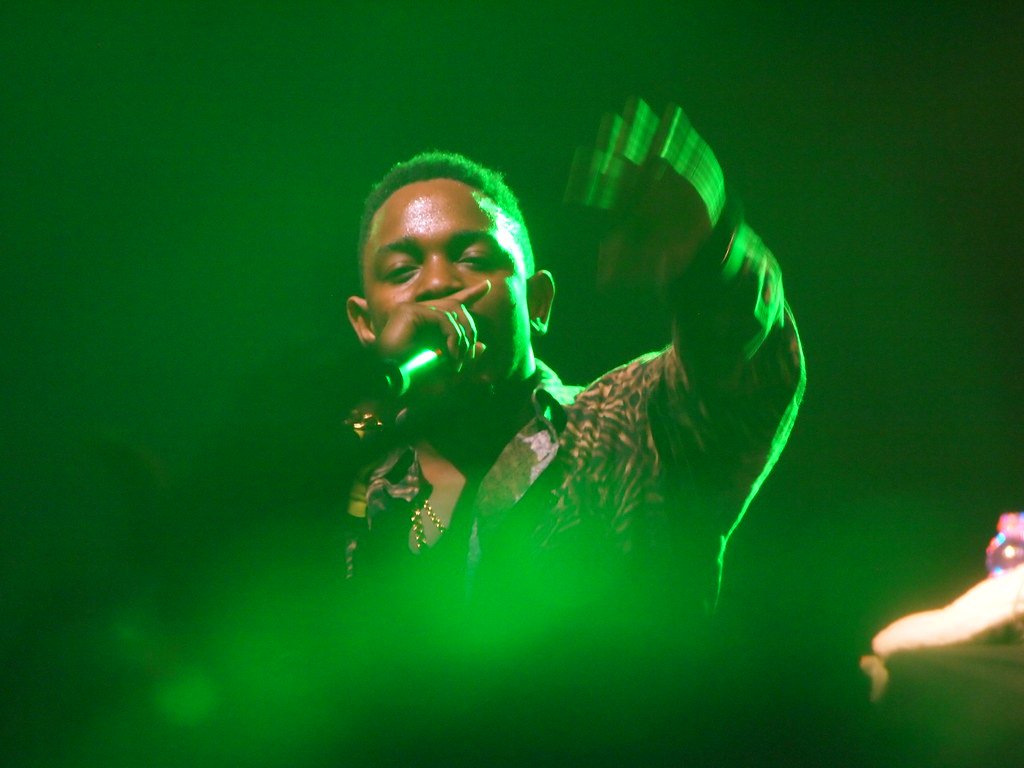
Kendrick Lamar’s Alright became the heartbeat of the Black Lives Matter movement. Released in 2015, the song’s chorus—“We gon’ be alright”—was chanted at rallies and protests after several high-profile police shootings of unarmed Black Americans. The New York Times called it the “unifying song of a generation.” The music video, depicting Lamar floating above police cars, underscored the tension and hope in Black communities. Alright won two Grammy Awards and has been performed at nearly every major protest since its release.
This Is America by Childish Gambino
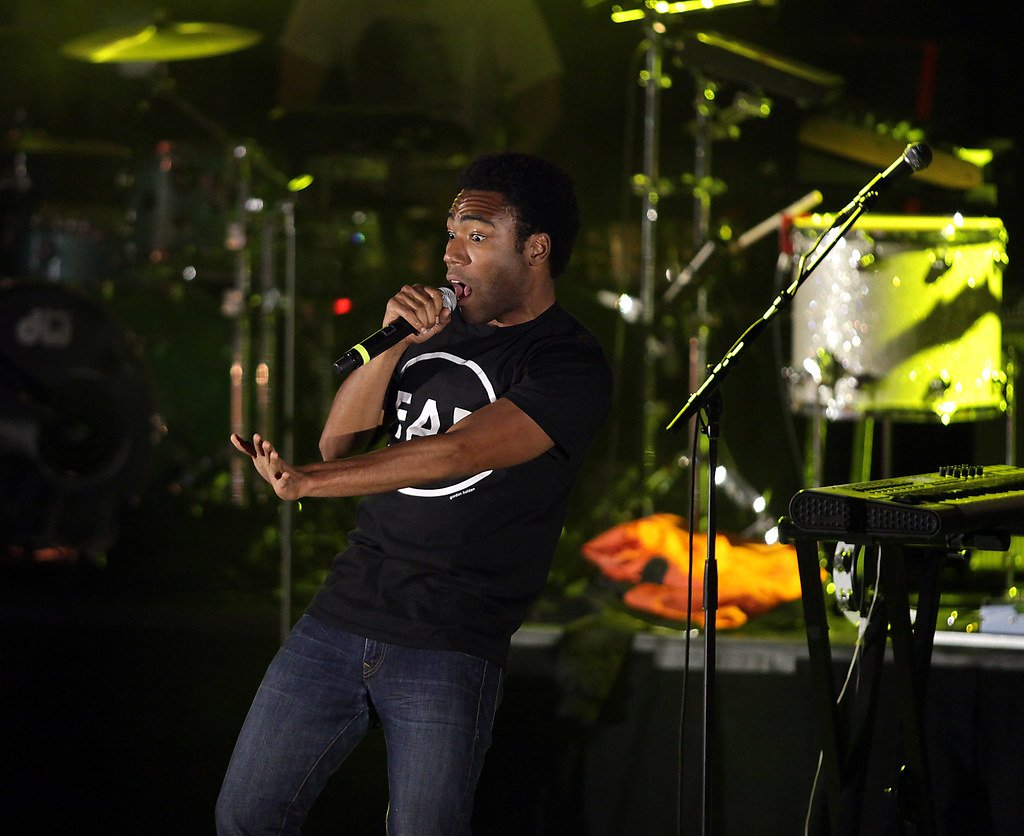
This Is America shocked audiences in 2018 with its jarring visuals and urgent lyrics about gun violence, racism, and police brutality. The music video, directed by Hiro Murai, was viewed more than 12 million times in 24 hours. With its mix of dance and chaos, Gambino (Donald Glover) forced viewers to confront the harsh truths behind America’s smiling facade. The song won four Grammy Awards, including Song of the Year and Best Music Video, highlighting its cultural impact. It remains a touchstone for conversations about race and violence in America.
Born in the USA by Bruce Springsteen
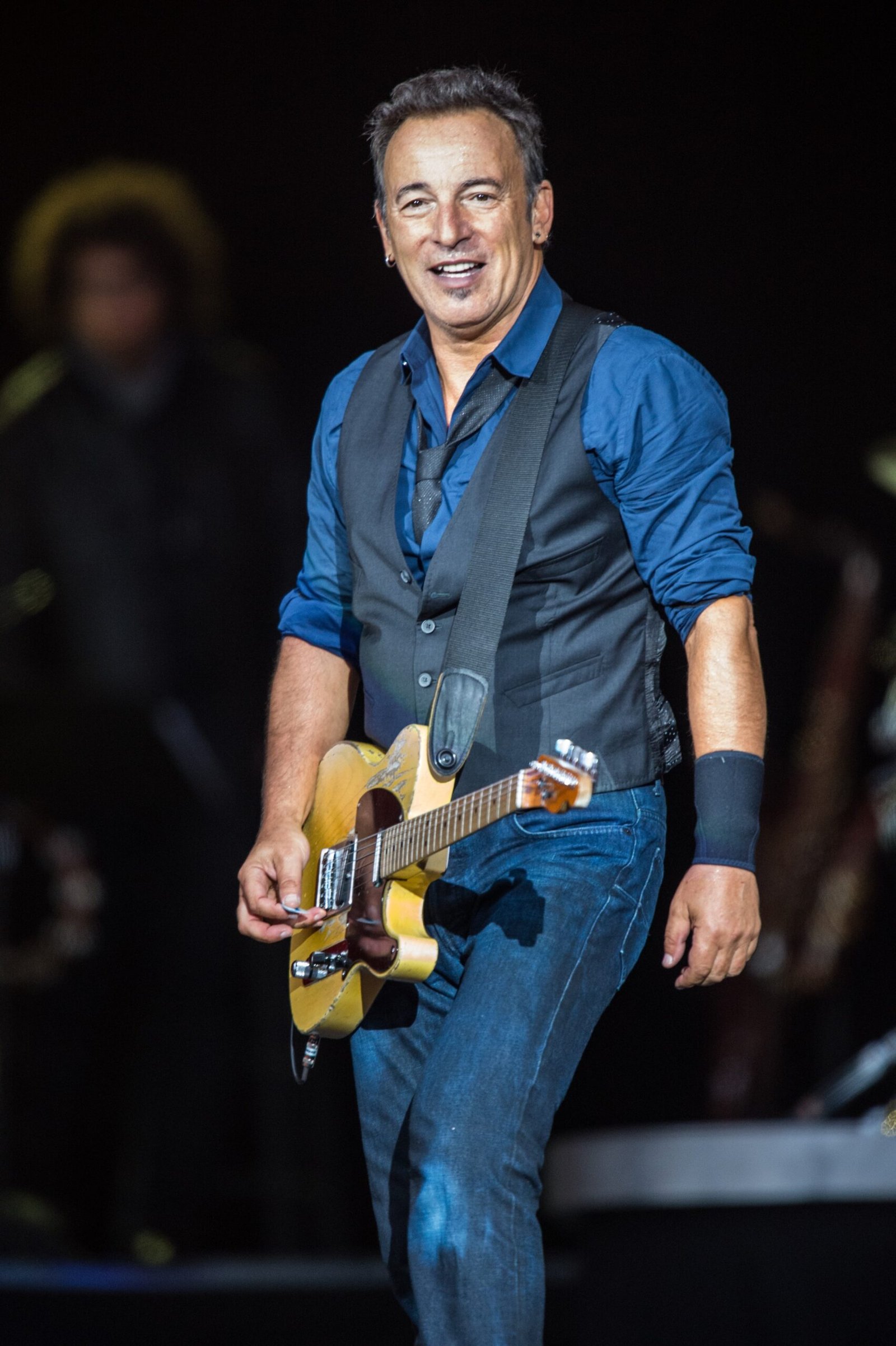
On the surface, Born in the USA sounds like a patriotic anthem. But a closer listen reveals Springsteen’s tale of a Vietnam veteran forgotten by his country. The song’s driving anthem masks lyrics about unemployment, trauma, and broken promises. According to Rolling Stone, even politicians misunderstood its message, using it at rallies without realizing its true meaning. Born in the USA became a symbol of the struggles faced by working-class Americans, and it continues to spark debate about patriotism and protest.
Zombie by The Cranberries
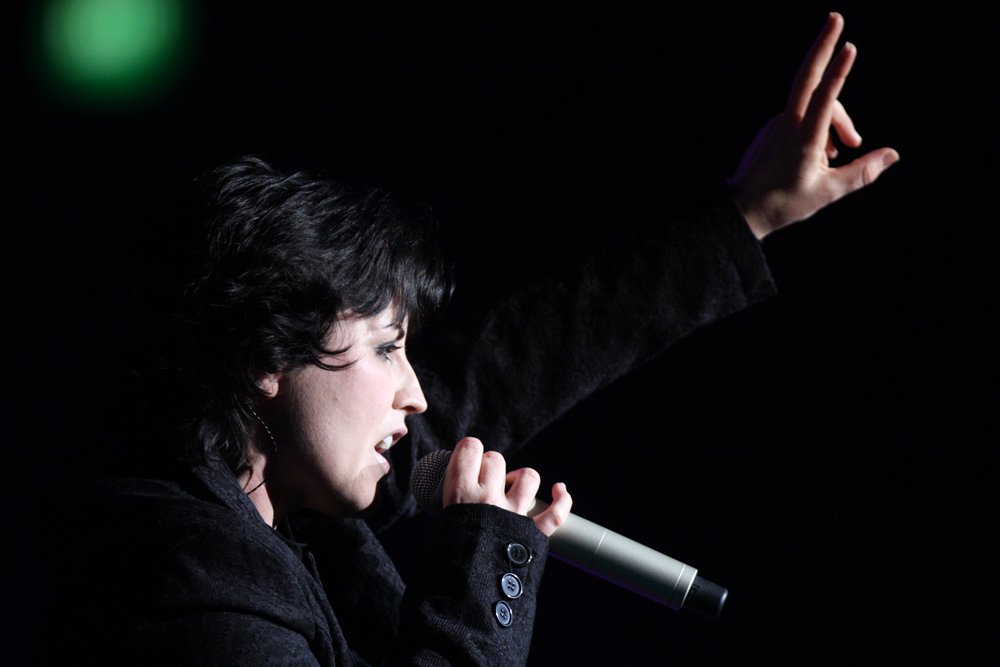
Zombie by The Cranberries turned a tragic event into a global protest. Written after a 1993 IRA bombing in Warrington, England, which killed two children, Dolores O’Riordan’s fierce vocals captured the pain and anger of a divided Ireland. The repetitive refrain and heavy guitars made the song a staple at anti-war gatherings. In 2021, Zombie surpassed one billion views on YouTube, underscoring its enduring resonance. The song forced many listeners to learn about a bloody conflict they might have otherwise ignored.
CEO-Co-Founder
